
Like Shanghai, Hong Kong is a place that gathers cuisines from all over the world. But since it’s similar to Shanghai, there’s no need to eat things that are already available in Shanghai~~~ So for this trip, the restaurants I chose were basically ones without branches in Shanghai, or ones that do have branches in Shanghai but where I hadn’t tried this particular dish before~~
Tsui Wah Restaurant
This chain exists in Shanghai, with many locations, and I’ve been there many times. But for some reason, I’ve never tried this XO Sauce Shrimp Ball Noodle dish—I don’t even have any memory of it, nor has it ever appeared among the recommended dishes on review sites. I’m not even sure if Tsui Wah in Shanghai serves this dish… Yet somehow it magically appeared as a recommended dish for Tsui Wah on Dianping in Hong Kong… I wonder why…
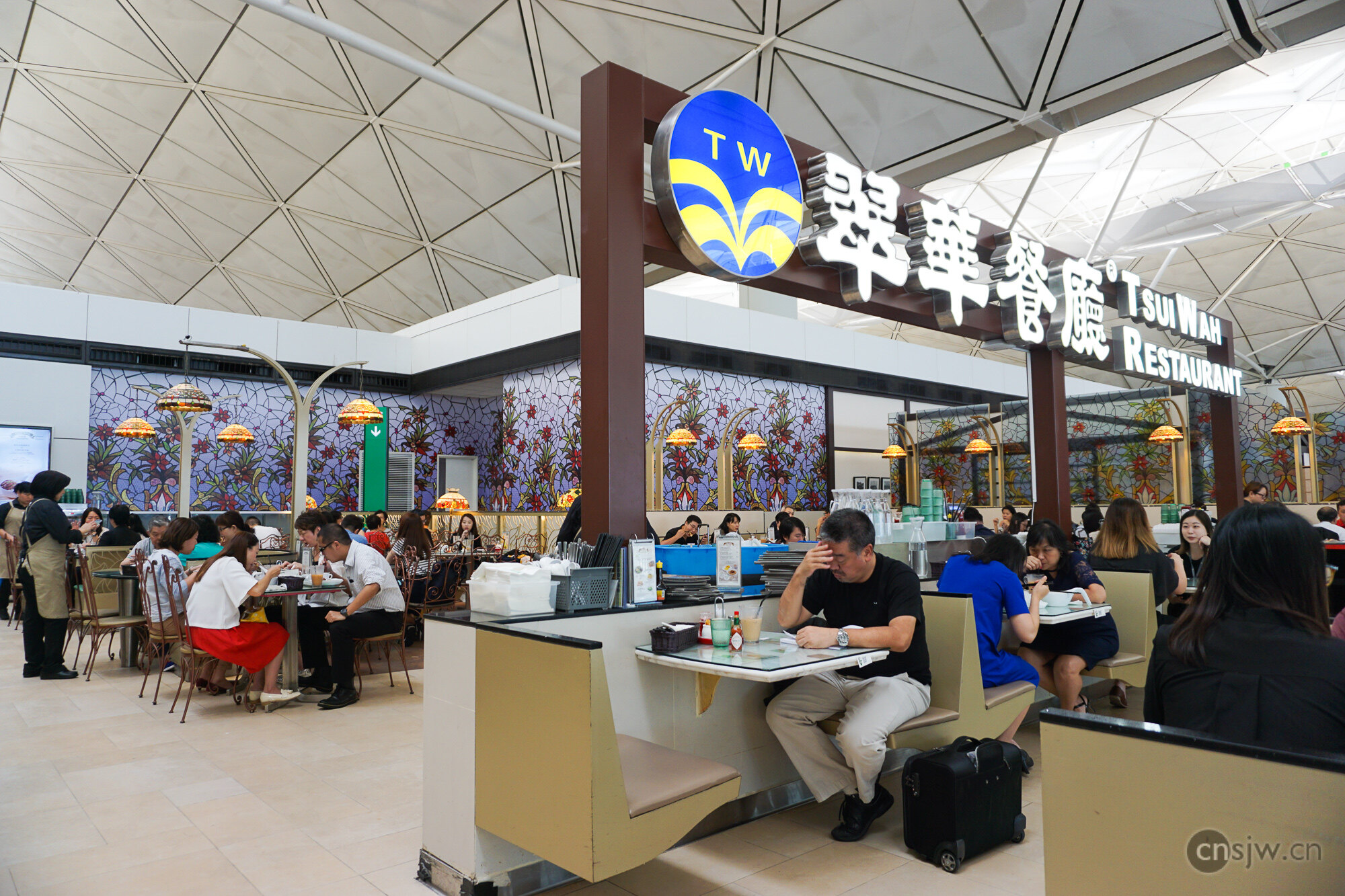
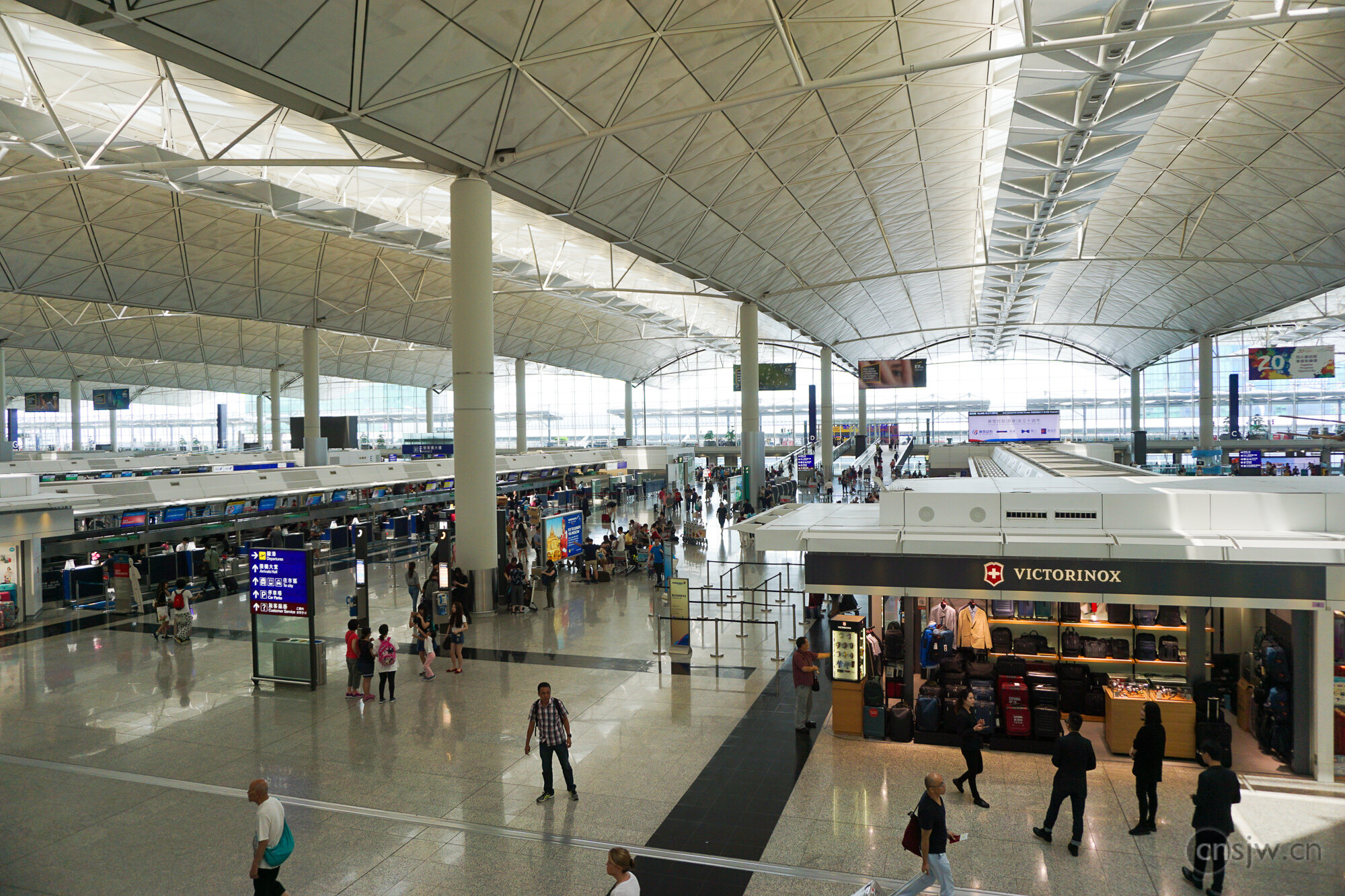
My first meal in Hong Kong was right inside Hong Kong Airport. After exiting the arrival hall, there are plenty of shops, much like a Food Republic. Tsui Wah isn’t located in that area; instead, it’s upstairs toward the departure check-in counters. The ambiance is quite nice, and if you sit by the edge, you can even see the entire interior of Hong Kong Airport.
The XO Sauce Shrimp Ball Noodles came with a total of five shrimp balls—large, with great texture and good flavor. The noodles themselves were somewhat mediocre; they tasted as though they’d been sitting out for a while. As for the milk tea, it was exactly identical to the version served in Shanghai.

XO Sauce Shrimp Ball Noodles (HKD 66)
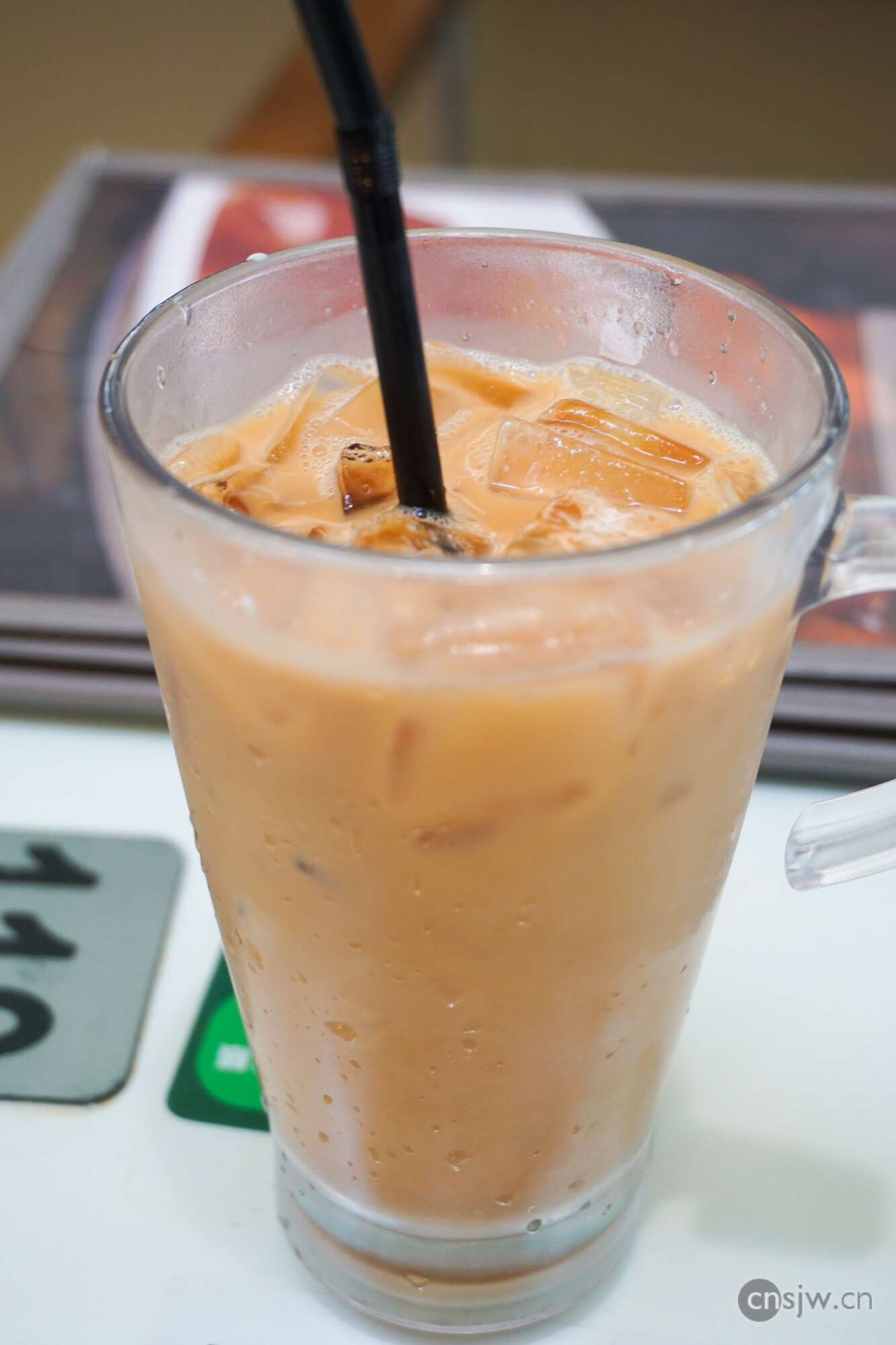
Milk Tea (HKD 24)
Bubba Gump Shrimp Co.
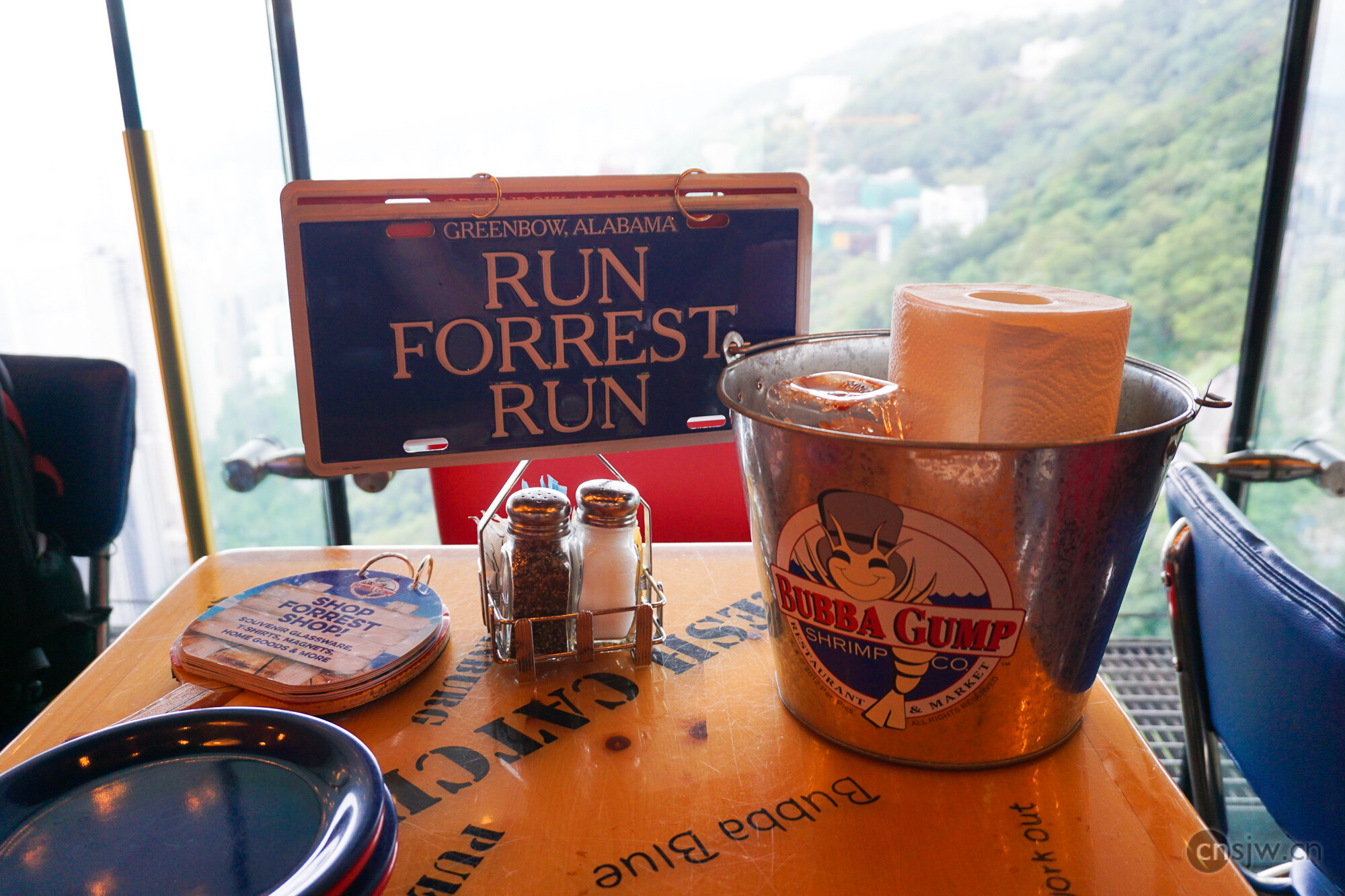
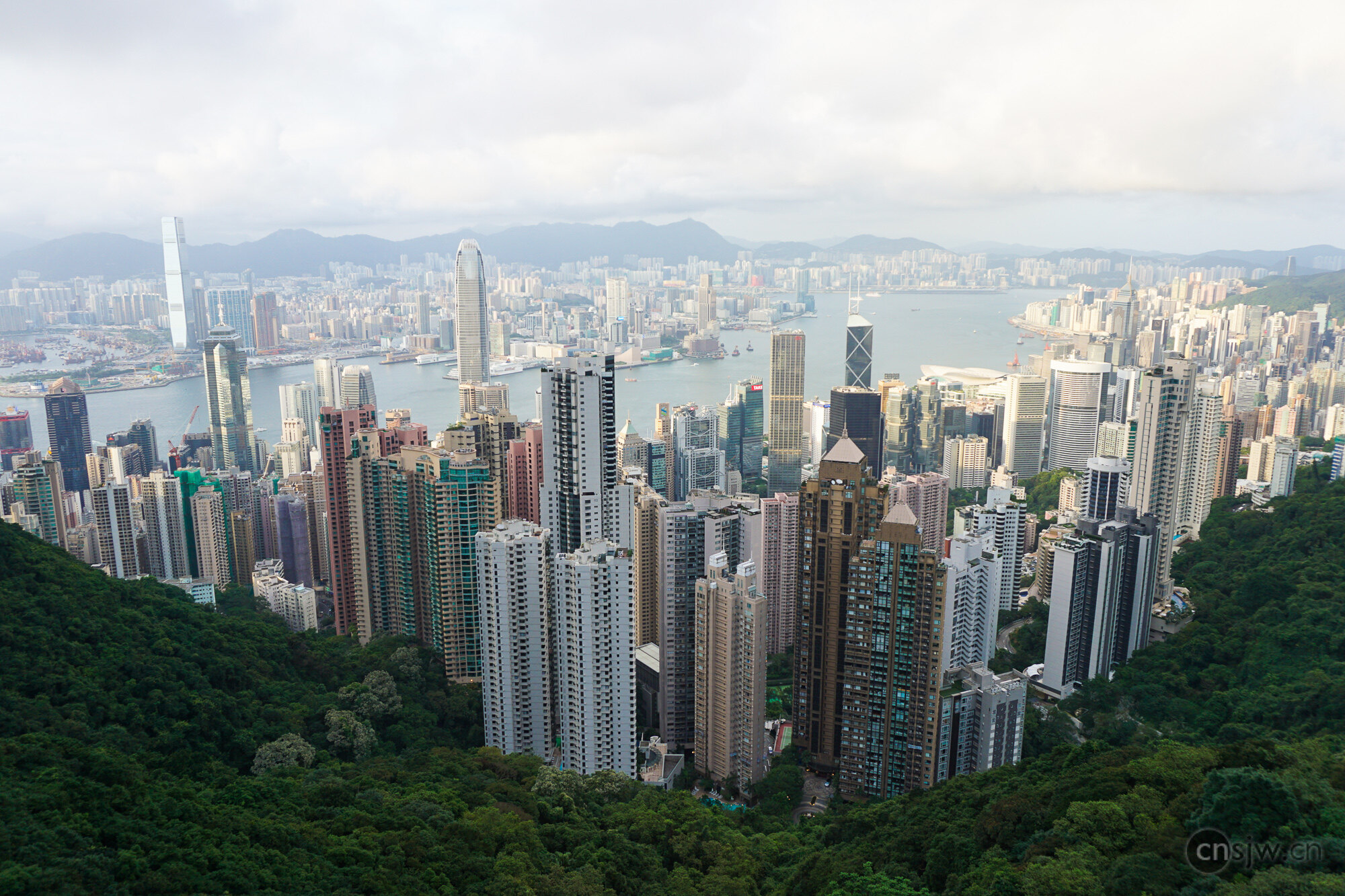
This is an American restaurant themed around the movie “Forrest Gump.” Why choose an American restaurant? Mainly because I planned to have dinner at The Peak, and this was the only restaurant there that piqued my interest. It’s a U.S.-based chain that hasn’t yet entered mainland China.
In “Forrest Gump,” Bubba once proposed to Forrest the idea of starting a shrimping business, and after the Vietnam War, Forrest fulfilled that promise, naming the company “Bubba Gump.” Inspired by this film, the founder actually went ahead and created the Bubba Gump restaurant~~
The restaurant is located at The Peak. After making a reservation in advance via their official website, I smoothly secured a window seat. In fact, the view is exactly the same as what you’d see from the Sky Terrace above. However, the two-person tables inside are quite cramped, and the restaurant has been open for many years now. The overall style is very American. As for the food, naturally it’s all about shrimp—but ordering for one person is really tricky; no matter what you order, it feels impossible to finish everything. I ended up ordering just the Coconut Shrimp: the shrimp are coated in shredded coconut and fried until crispy on the outside and tender on the inside. They taste fantastic—highly recommended! The accompanying fries, however, were pretty much ignored entirely—I simply couldn’t manage another bite. The drink made with mango and a mix of soft drinks was also incredibly refreshing and delicious.
There’s an overall 10% service charge. Certain pricier beverages come with complimentary souvenir glasses, and if you purchase merchandise from the store, you can enjoy a 10% discount after your meal—so it’s best to dine first before shopping. This restaurant is fairly popular, so if you arrive later, expect to queue. If you’d like a window seat, it’s best to make a reservation in advance through their official website.
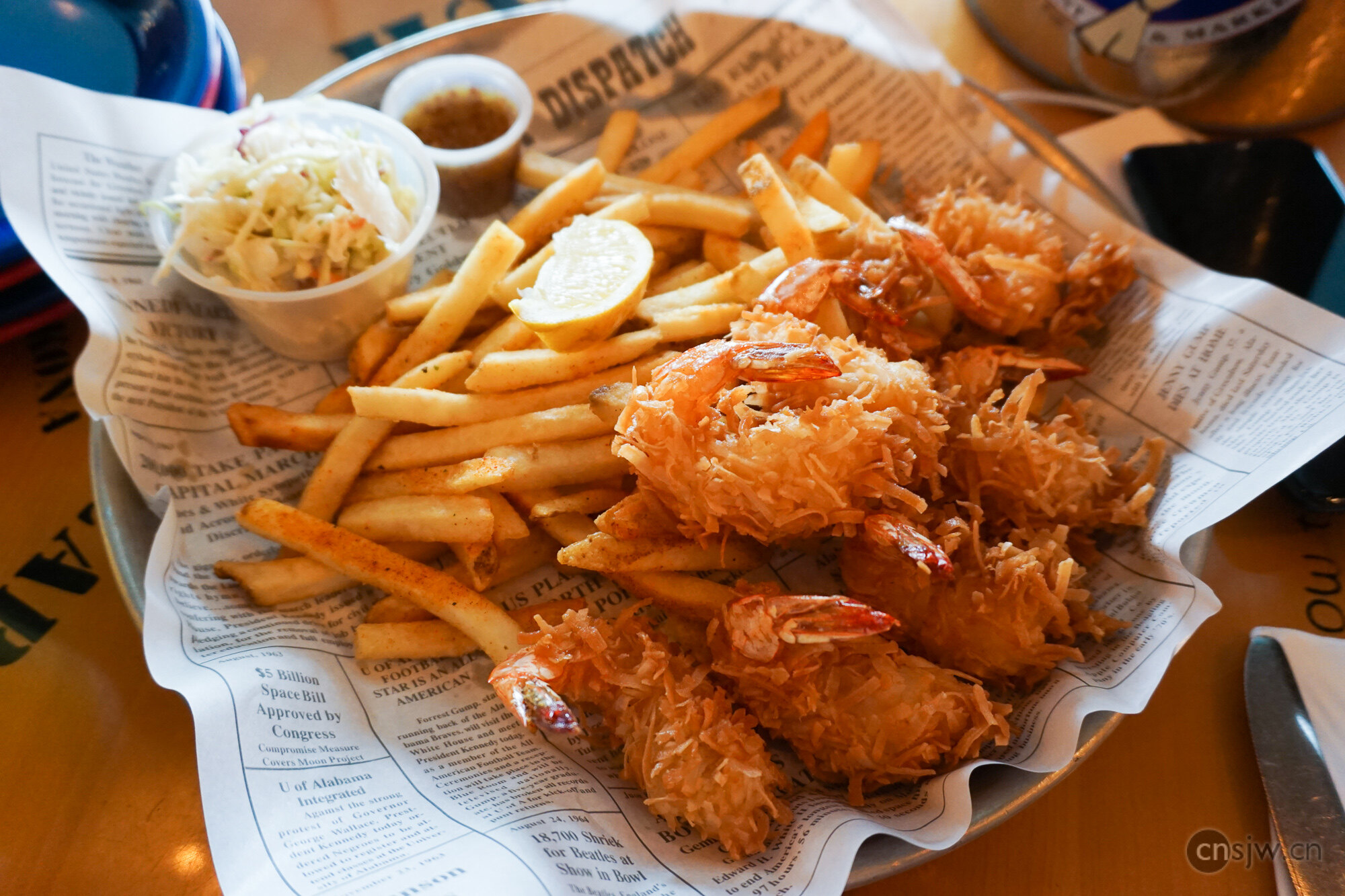
Coconut Shrimp (HKD 168)
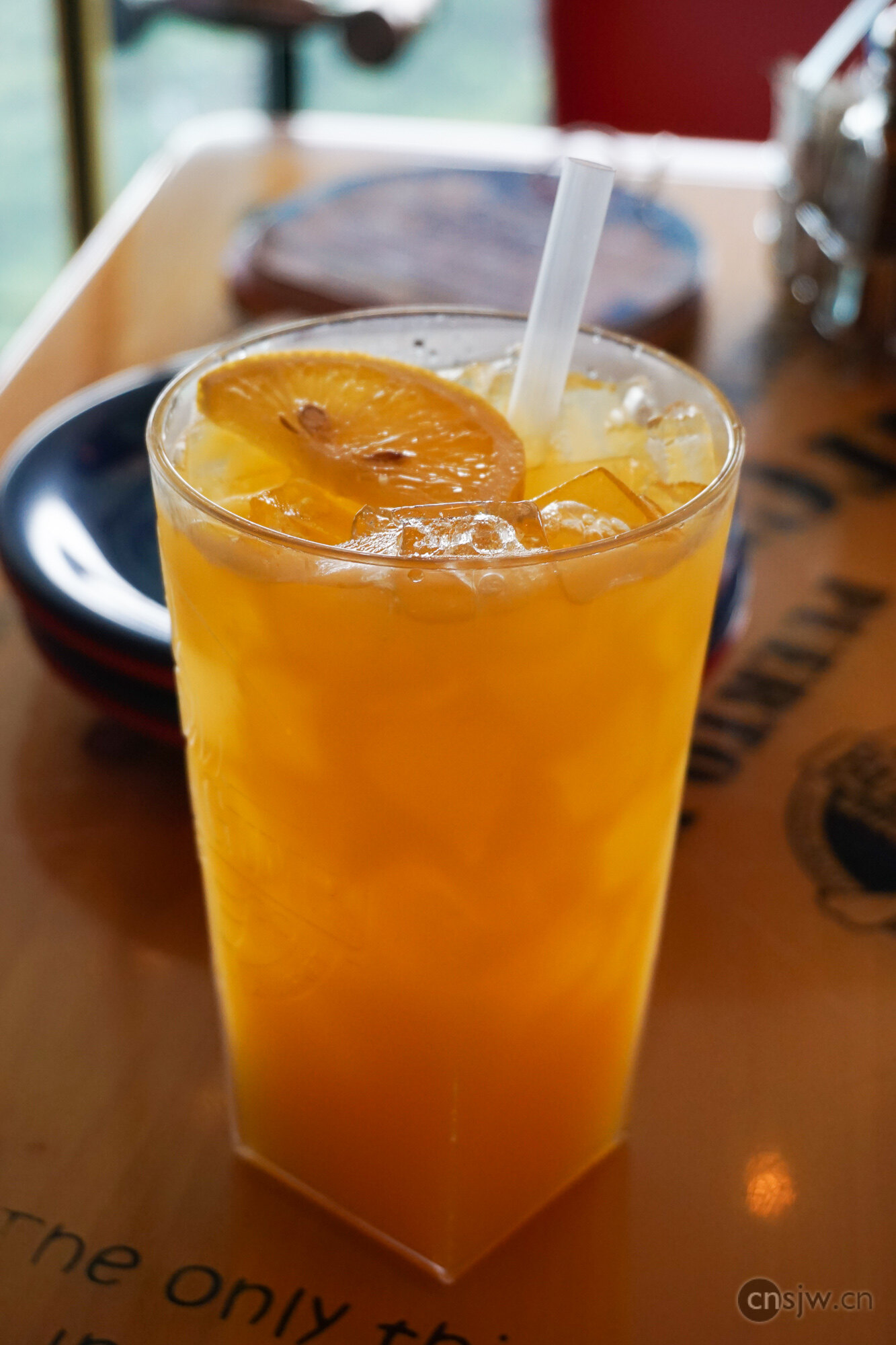
Secret Mango Sparkler (HKD 52)
Jade Garden
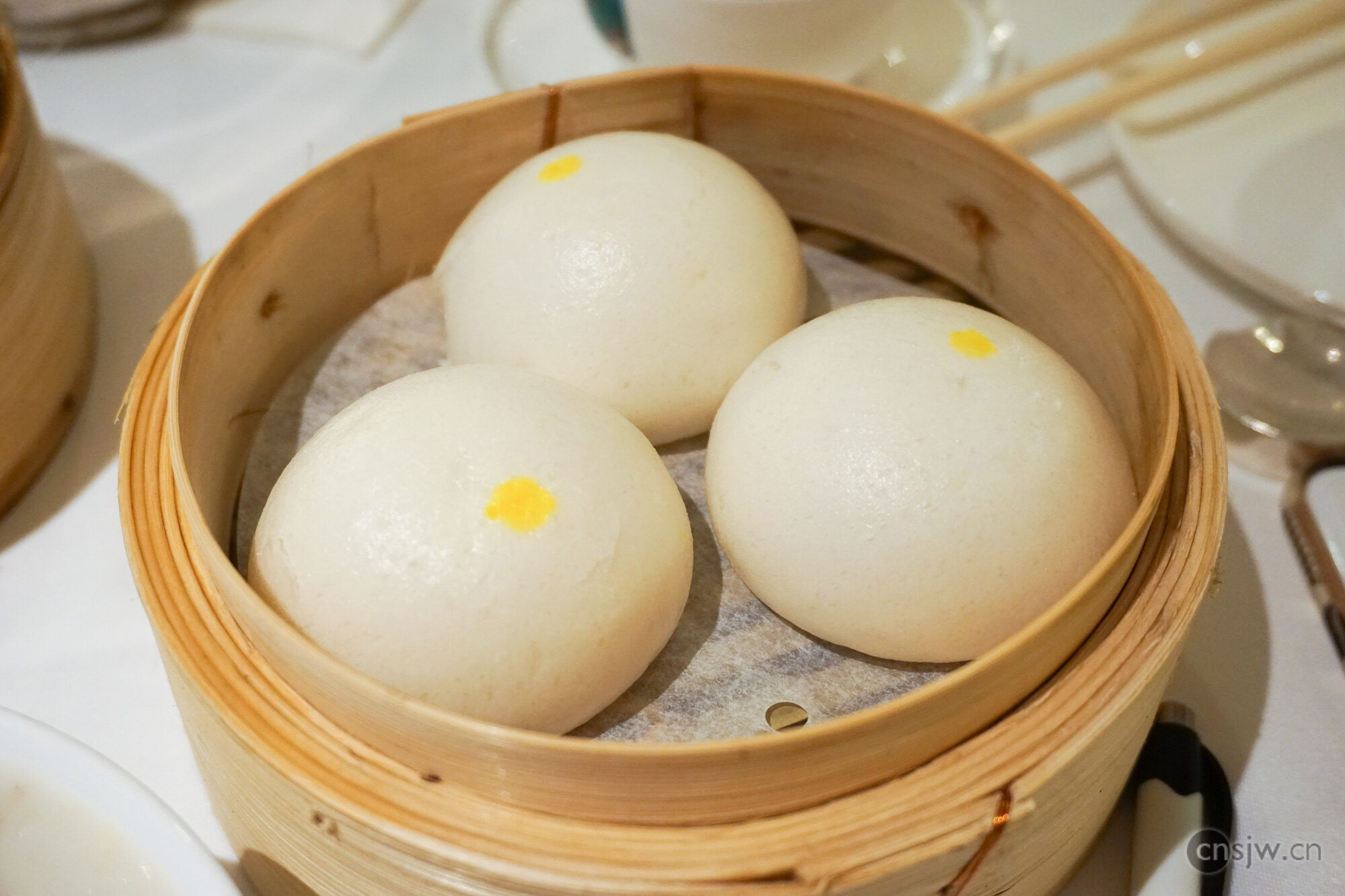
Due to the daily routines of Hong Kong residents, morning tea is essentially dominated by the elderly… Older folks tend to care more about prices than service. Jade Garden, which always has long queues in Shanghai and is extremely expensive there, doesn’t even serve morning tea. But in Hong Kong, having morning tea here is a very reliable and affordable option. It still follows a very traditional approach: carts are pushed around, and the menu offers very few items to order directly—most dishes come straight off those carts~~

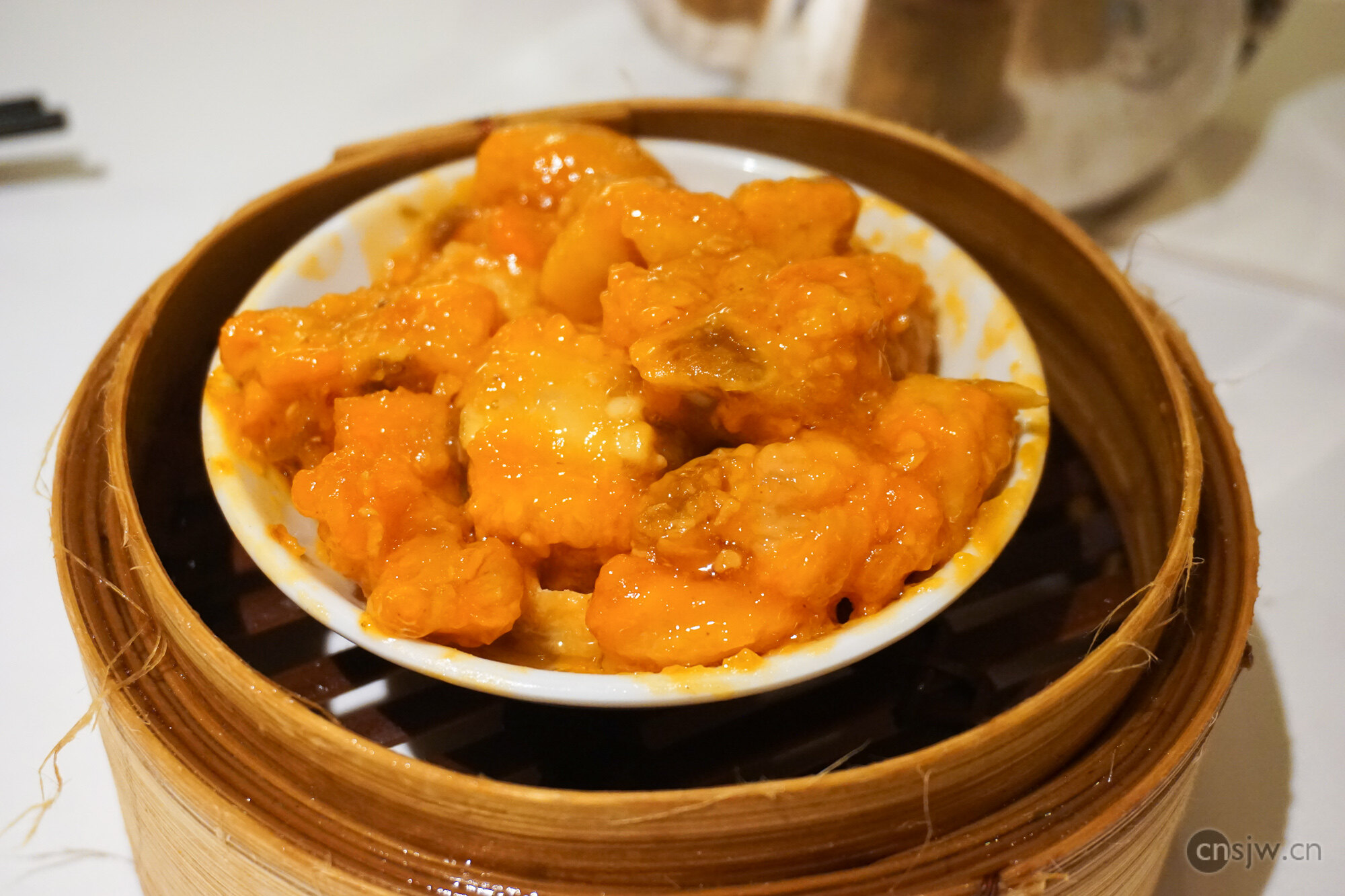
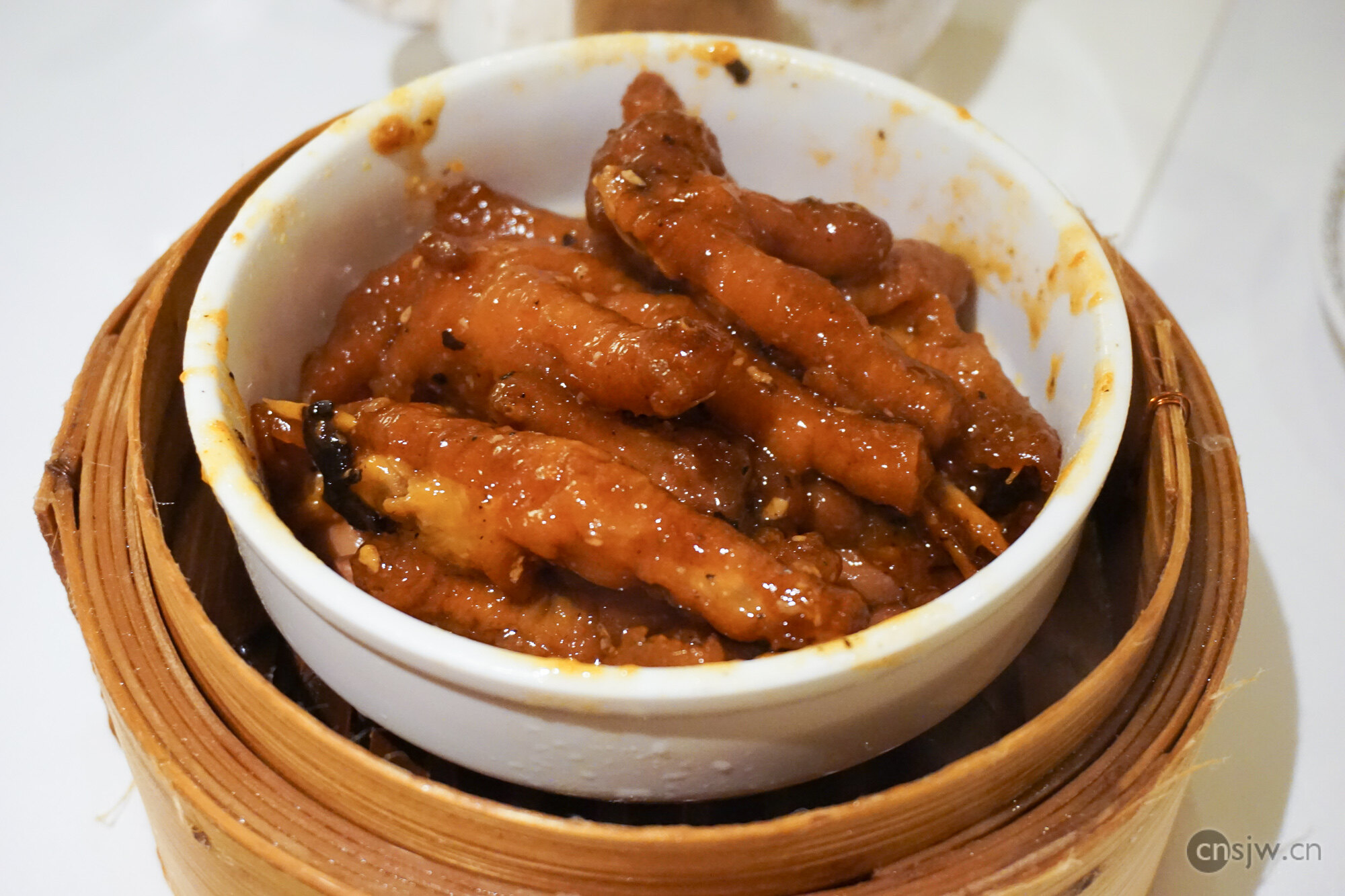
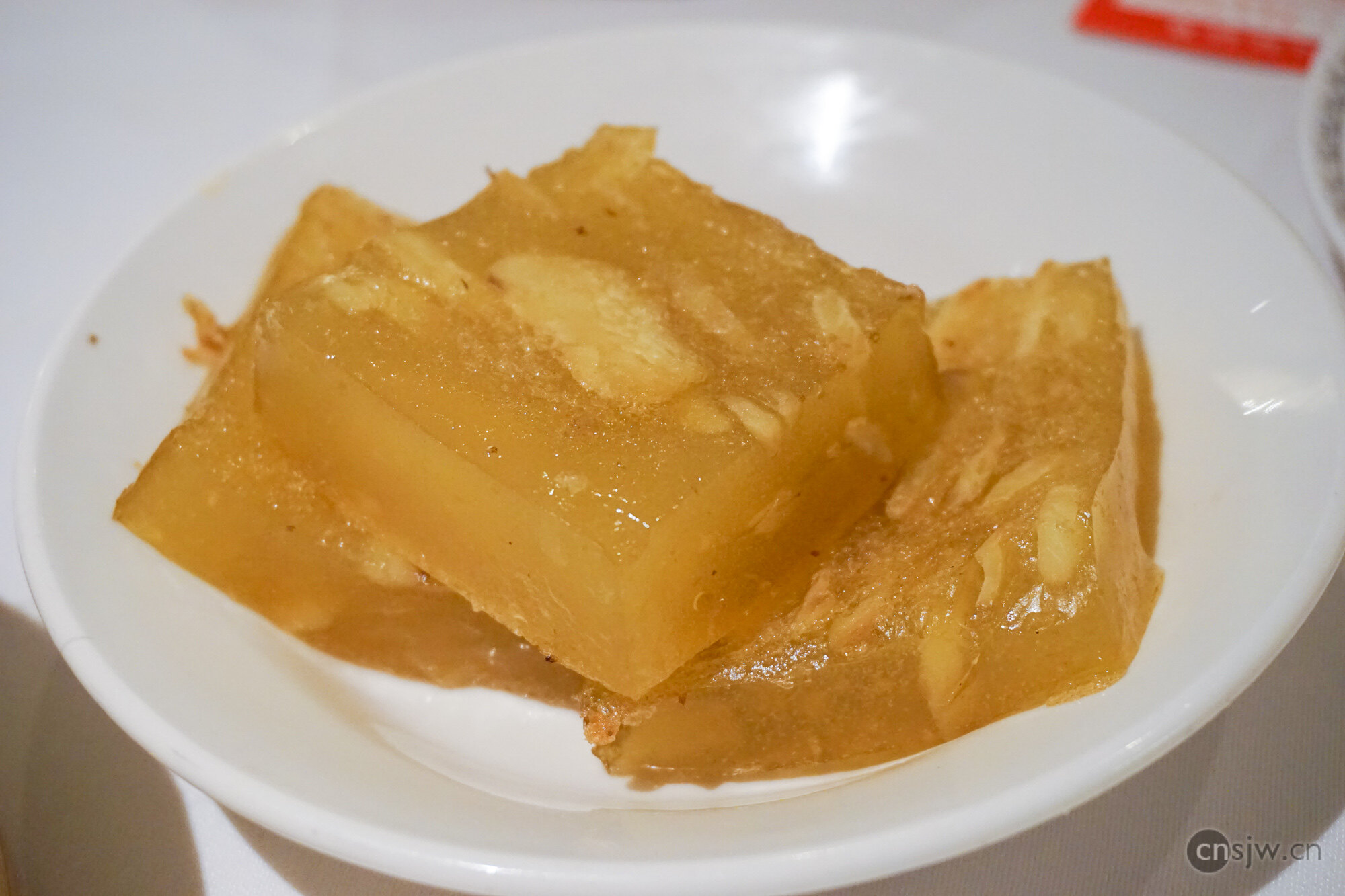
As for service, there’s practically none: no one shows you to your seat or takes your order—you just walk in and sit wherever you like, as long as the table has been cleared. Since I was dining with classmates this time, we could order a wider variety of dishes: congee with preserved egg and lean pork, custard buns, plum spare ribs, steamed chicken feet, shrimp dumplings, and water chestnut cake—all tasted great, with generous portions and quality ingredients. Overall, the dim sum here ranks mid-to-upper tier—at least it’s a dependable choice. By contrast, I’ve heard that Tao Heung often promotes HK$1 dishes during morning tea to attract customers, but ends up being both unreliable and lacking in service…

To Sum Up
Ordering food alone in Hong Kong is always tricky—it’s nearly impossible to properly order authentic Cantonese dishes, so you end up sticking mostly to dim sum, which eventually gets repetitive since there are only so many varieties. That said, I have to admit that for comparable quality, dim sum in Hong Kong is cheaper than in Shanghai~~ Haha!
One major impression from this trip to Hong Kong: although many locals may resist Mandarin out of political correctness, I genuinely felt that shop staff speak Mandarin far better now compared to when I visited five years ago. Their attitudes seem much friendlier too. Additionally, you’ll encounter lots of Southeast Asian workers who generally don’t speak Chinese and communicate solely in English—but their service remains consistently excellent.
Also, when using a dual-currency card in Hong Kong, merchants will ask whether you prefer UnionPay or VISA. If you choose VISA, they’ll further inquire whether you’d like to pay in HKD or USD… So… the most convenient option is simply to use a single-currency UnionPay card….
Photos in this post taken with SONY A5100 + 16-50mm f/3.5-5.6 + iPhone 7, post-processed in Lightroom.

Support



Read this article on WeChat