
The last stop of this trip to Hong Kong was Lantau Island. Lantau Island is the largest island in Hong Kong, twice the size of the second-largest, Hong Kong Island. Originally, transportation to Lantau Island was very inconvenient, accessible only by boat, so much of it remained undeveloped. Later, the airport was relocated here, and with the successive completion of the Tsing Ma Bridge (including the MTR Tung Chung Line and Airport Express) and the Kap Shui Mun Bridge, the area developed rapidly. Hong Kong Disneyland is also located on Lantau Island.
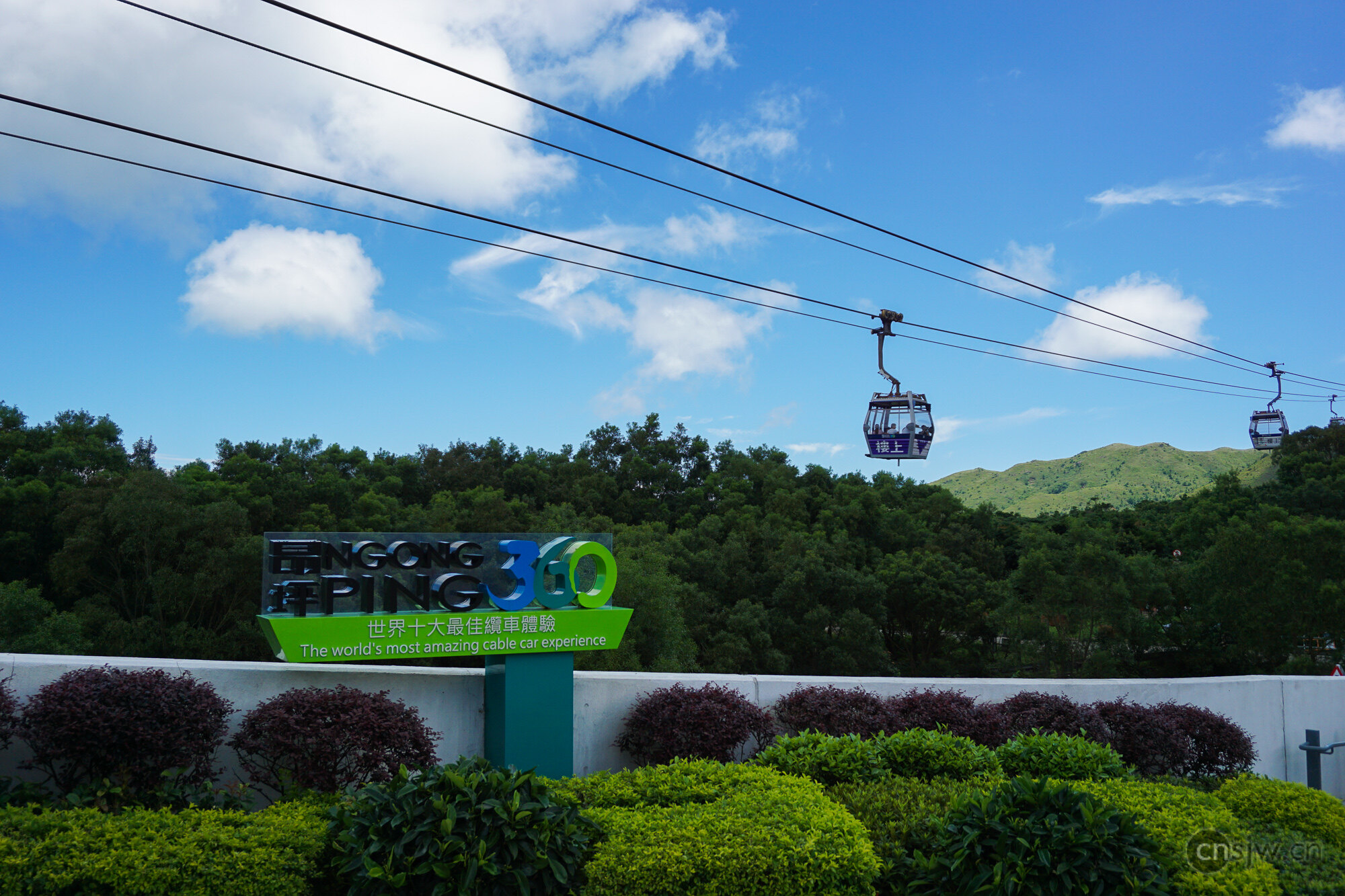
This time, I visited Tung Chung and Ngong Ping in the northern part of Lantau Island. The two places are connected by the Ngong Ping 360 cable car. Ngong Ping 360 is the largest cable car system in the world and the third cable car system in Hong Kong, following the Peak Tram and the Ocean Park Cable Car. It officially opened on September 18, 2006, and is managed by the MTR Corporation. Cable car service was suspended for about five months from January 9 to June 4, 2017, for rope replacement works. Service resumed on June 5, so I was lucky enough to visit just after the reopening following the rope replacement.
Ngong Ping 360 has a total length of 5.7 kilometers and a speed of approximately 10-15 km/h, adjusted according to weather conditions. The journey takes about 24-30 minutes. The cable car system is divided into three sections and passes through two turning stations along the way. The entire system has a total of 109 cabins. Each cabin can seat up to 10 people, but in practice, usually 7-8 people are assigned per cabin.
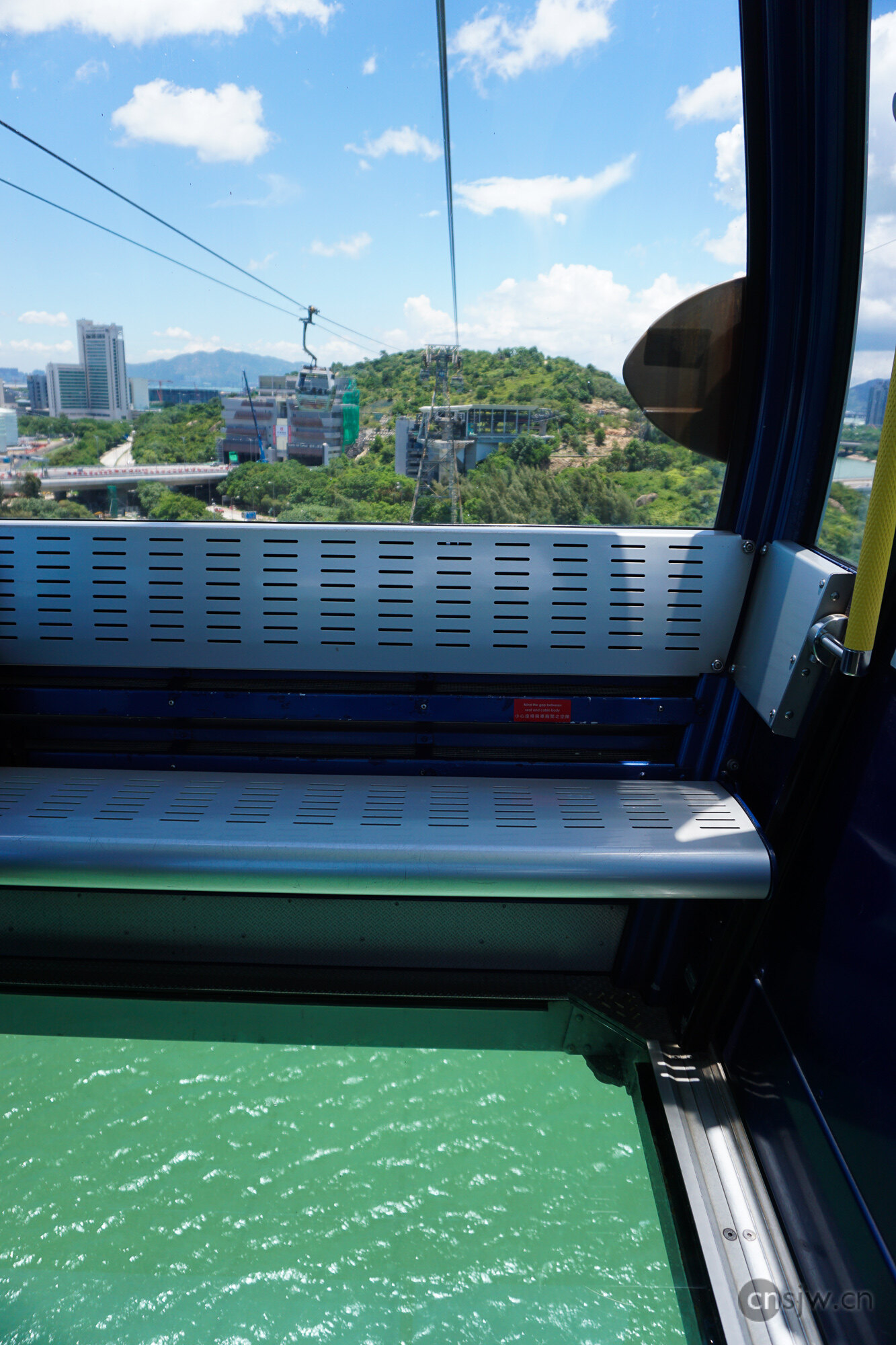
There are two types of cable cars: Standard Cabin and Crystal Cabin. Why is it called the Crystal Cabin? Just like in the picture below… Actually, it’s the same as the standard cabin, with the only difference being that the floor is made of transparent glass. Naturally, the Crystal Cabin is more expensive, and since there are fewer Crystal Cabins available, the waiting time in line is longer. If you have a fear of heights, definitely avoid the Crystal Cabin~~
Current ticket prices are HKD 130 for a one-way Standard Cabin and HKD 185 for a round-trip; HKD 180 for a one-way Crystal Cabin and HKD 255 for a round-trip. So, a round-trip ticket is actually much more cost-effective than a one-way ticket, since you’ll need to come back down anyway after going up. It is recommended to purchase tickets online in advance. Tickets purchased on the official website can be printed directly with barcodes, saving you from queuing at the ticket counter, although you will still need to line up to board, which still saves a significant amount of time. The boarding lines are separated into Standard Cabin, Crystal Cabin, and tour groups. Staff will manually assign passengers to specific cabins based on available seats and group size~~~ There’s basically no way to speed up the process..
When the weather is nice, the scenery along the route is absolutely beautiful—blue skies, white clouds, green mountains, and clear waters. It is truly worth seeing.


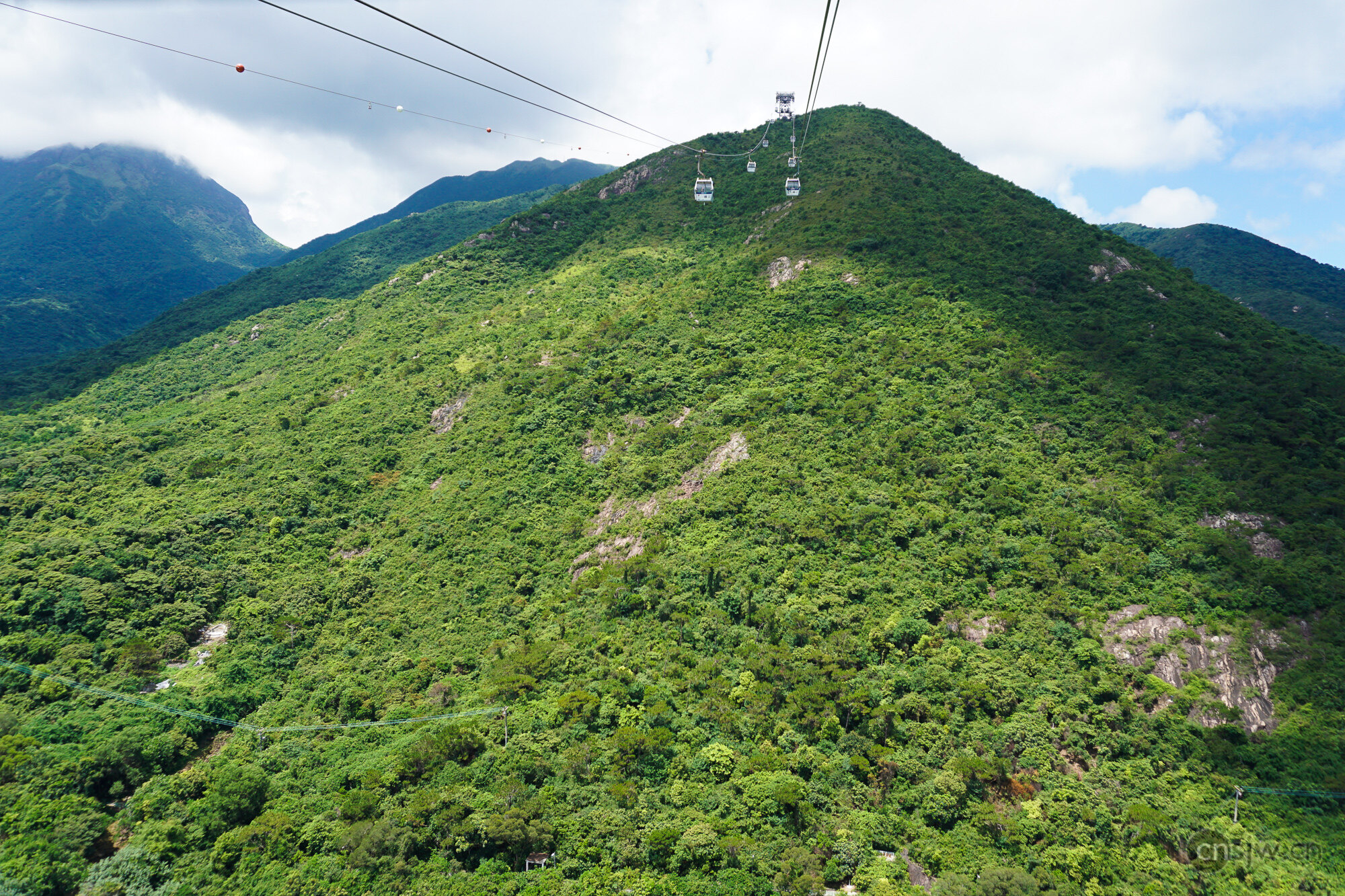
Hong Kong International Airport right next door

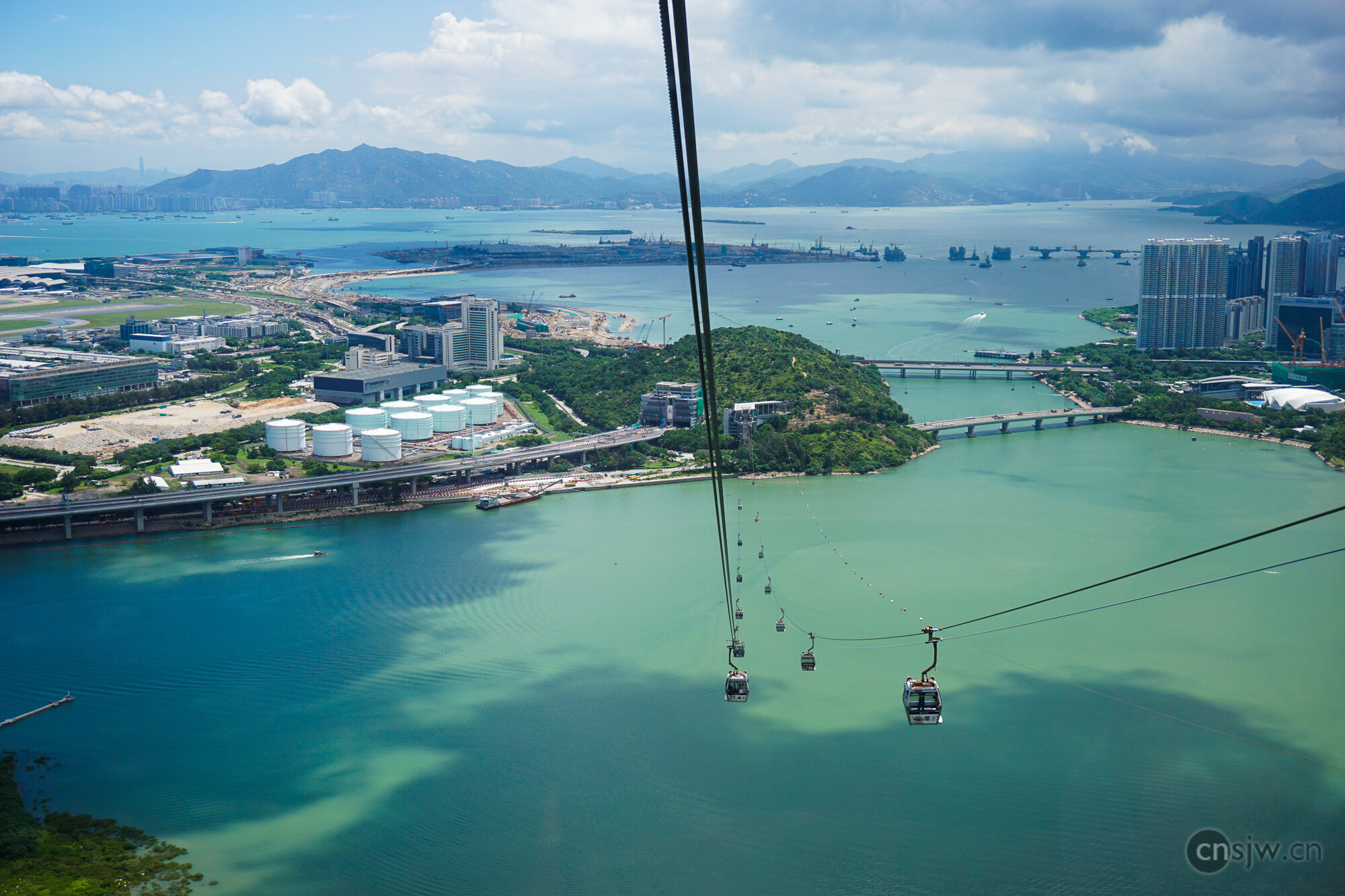
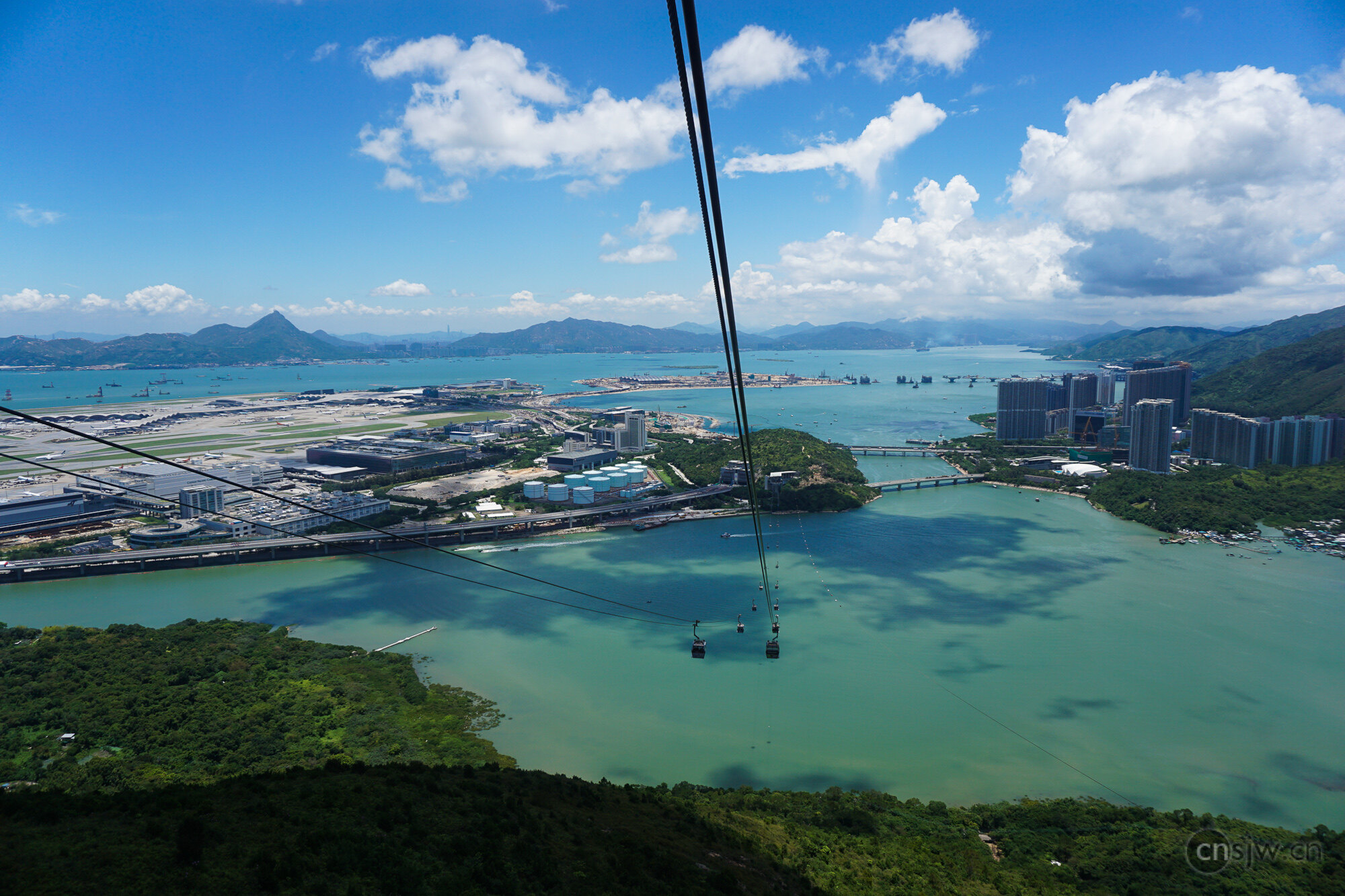
The nearly completed Hong Kong-Zhuhai-Macau Bridge.
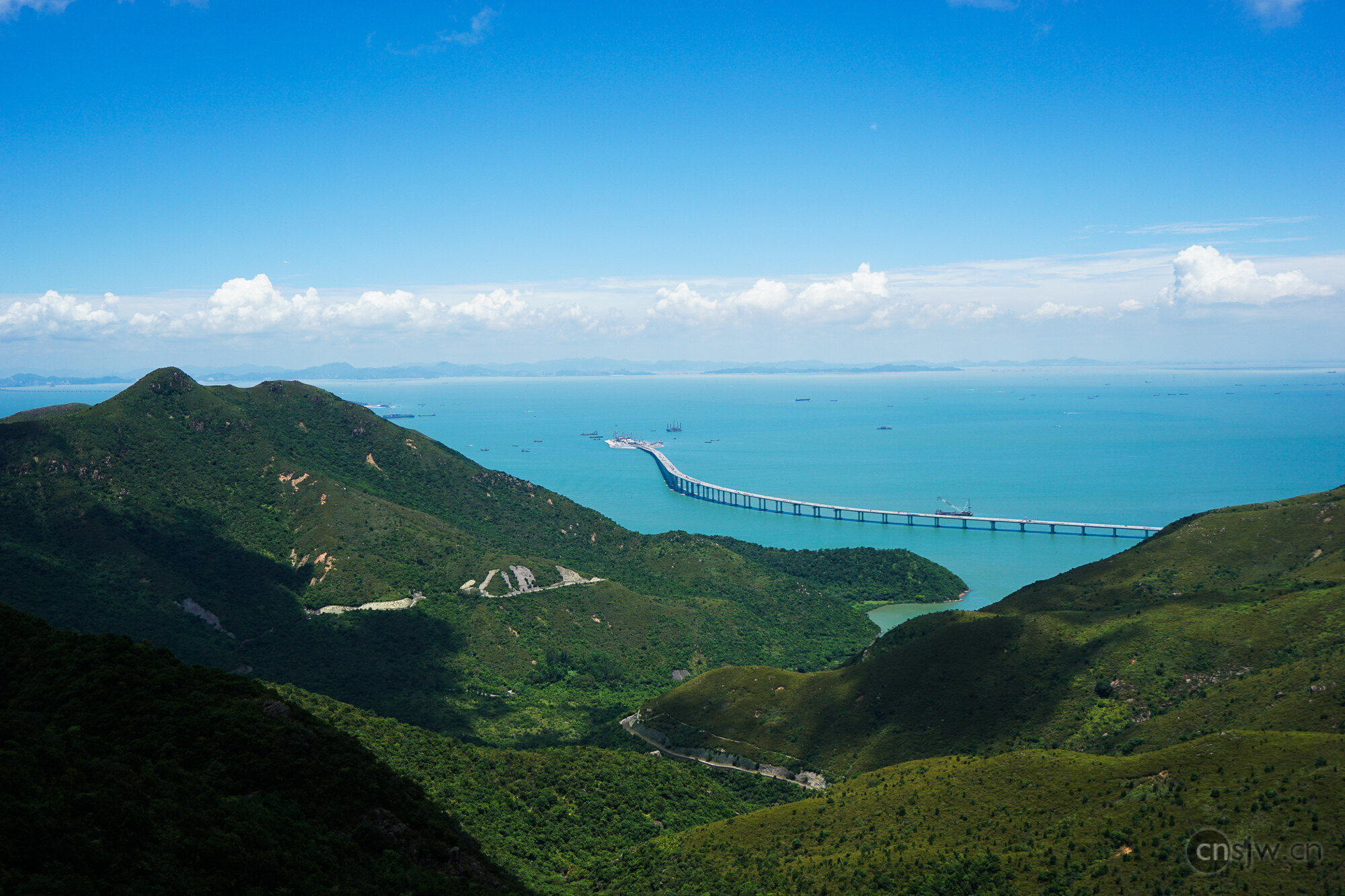
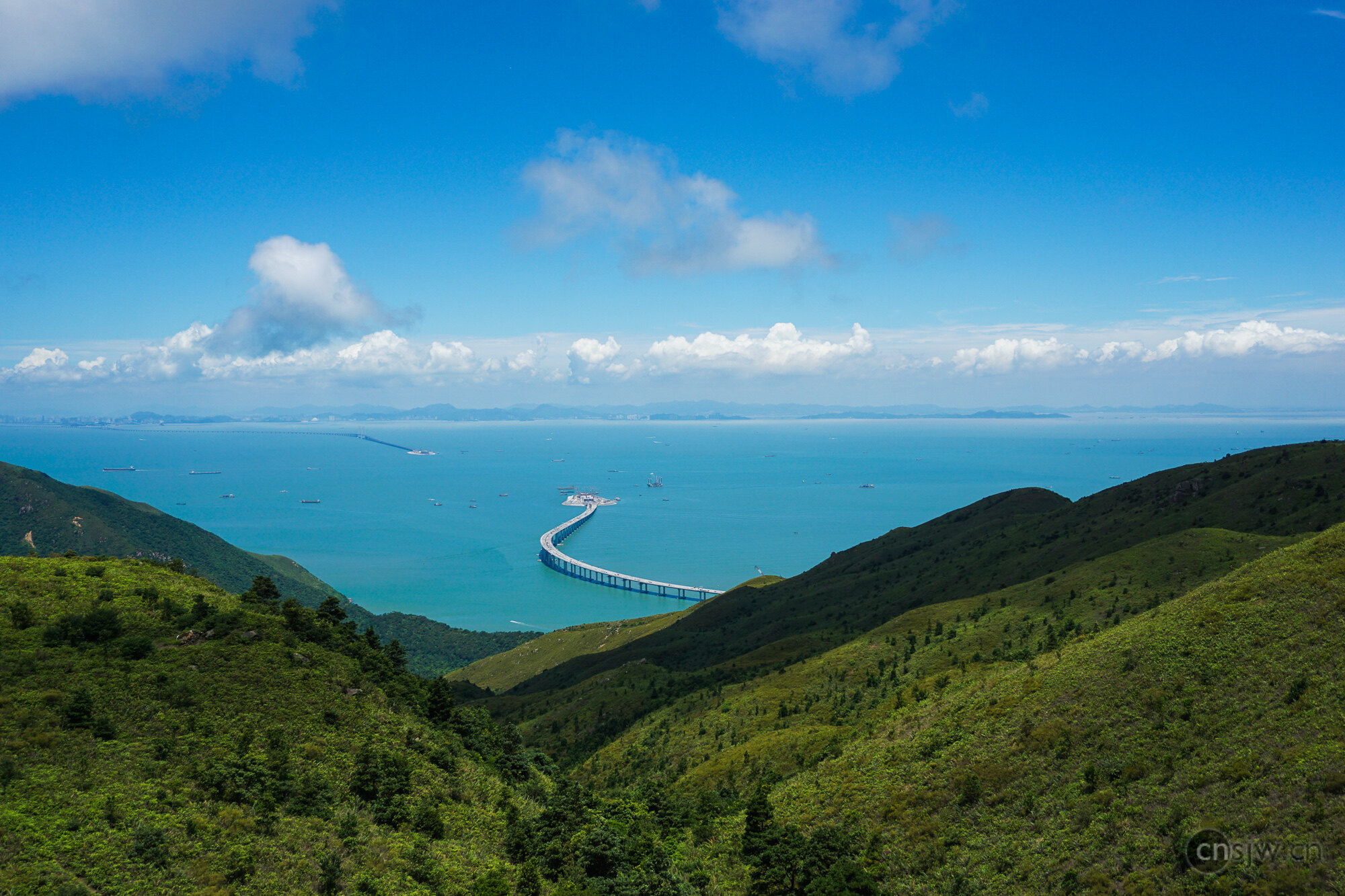
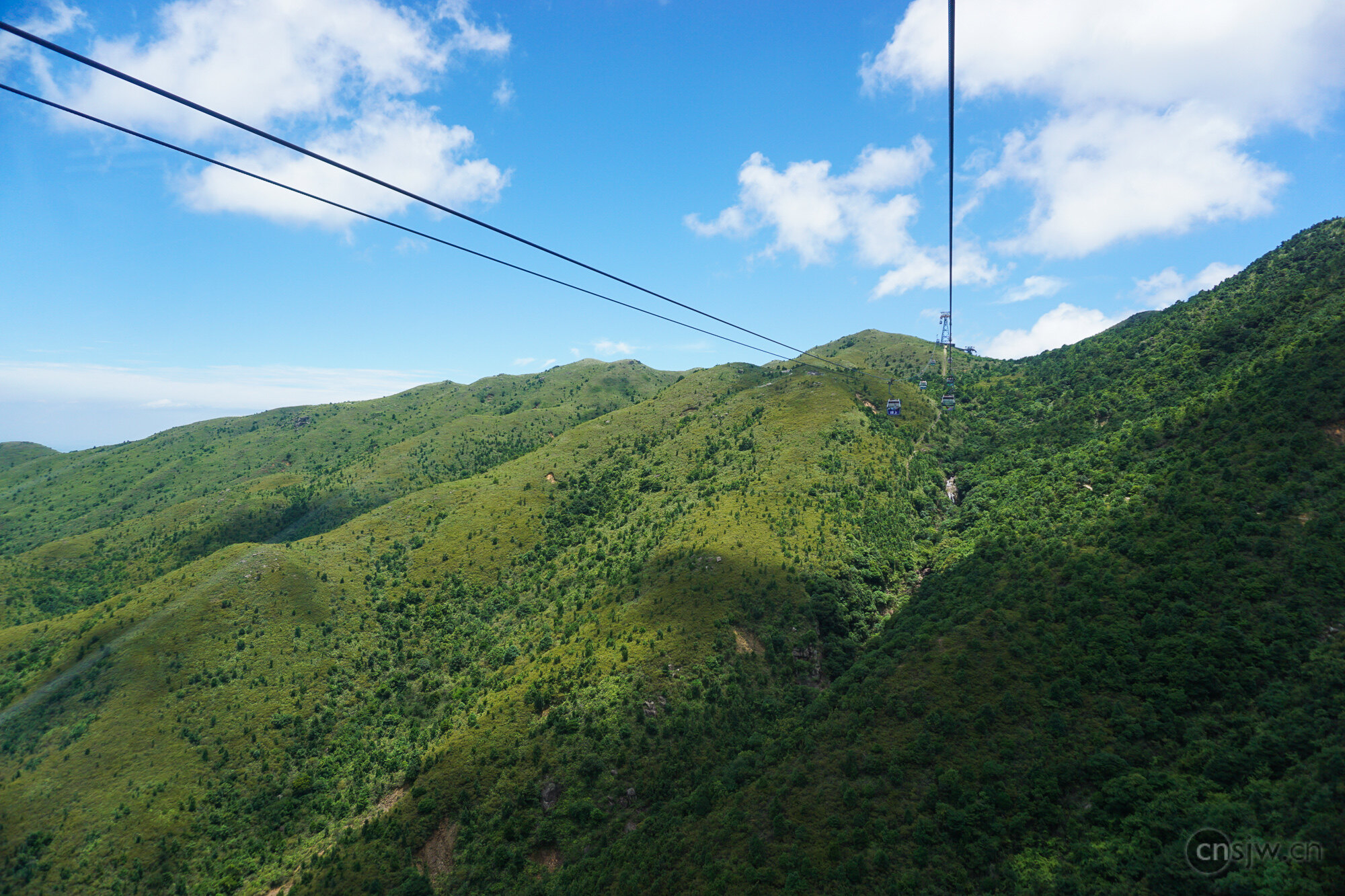
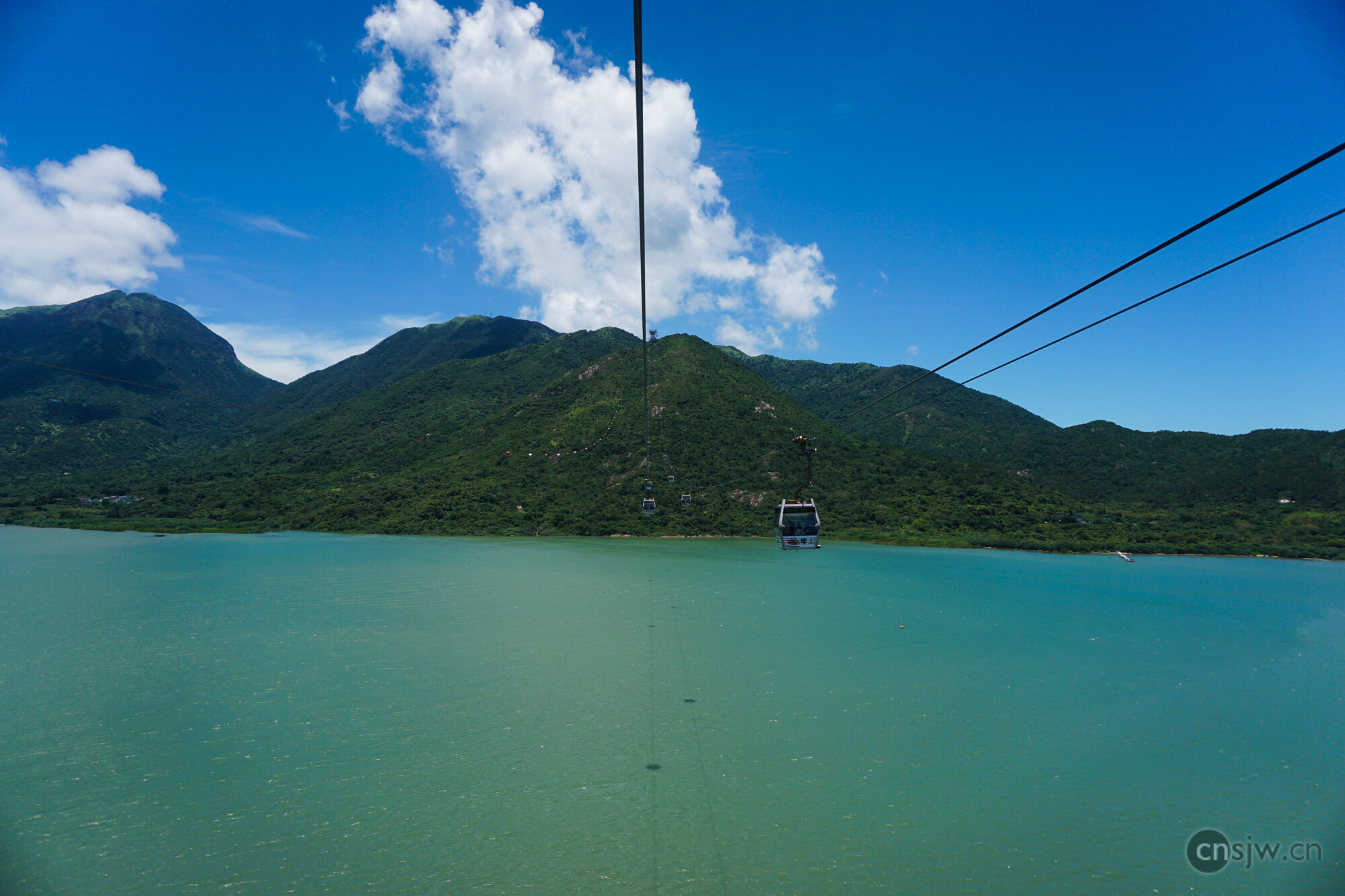
Up at Ngong Ping is the Ngong Ping Village, which has some restaurants and shops, including Starbucks, Subway, and Honeymoon Dessert, basically meeting tourists’ dining needs. When you board the cable car, staff will quickly take your photo, and by the time you arrive and disembark, the photo is already printed and framed—they really know how to do business! However, the framed photo costs HKD 218, and even just the print alone is HKD 100. Moreover, the photo isn’t taken mid-journey with scenic views; it’s just a shot of you sitting inside the cabin without any backdrop, so it doesn’t feel worth the price. You’d be better off asking fellow passengers to take photos for you during the ride.
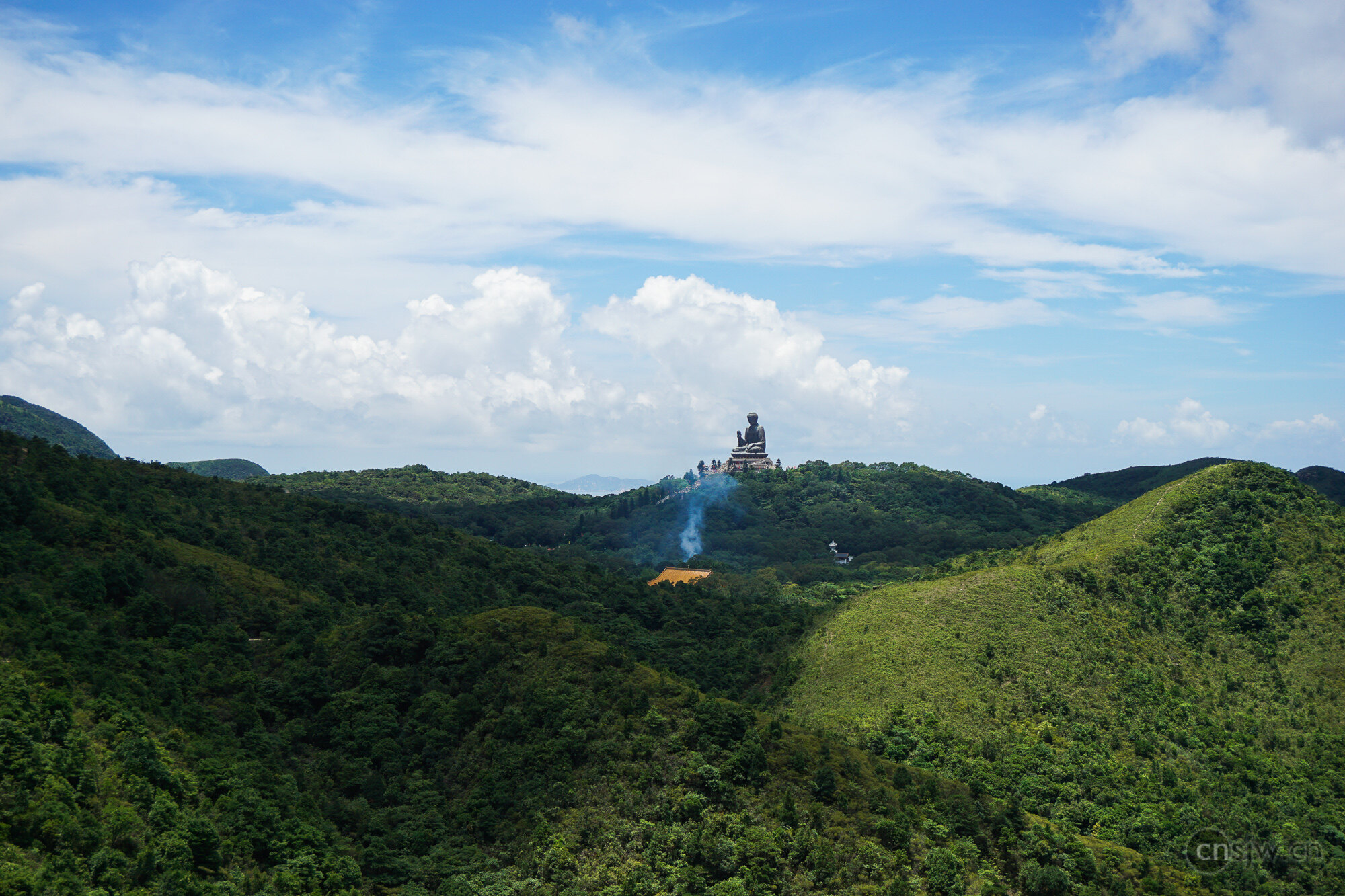
Continuing further up leads to the Tian Tan Buddha, but since I wasn’t particularly interested in the Big Buddha, I didn’t go any further~~~
Tian Tan Buddha(The Big Buddha) is a statue of Sakyamuni Buddha located on Muk Yue Shan peak in front of Po Lin Monastery on Lantau Island, Hong Kong, situated at an altitude of 520 meters in Ngong Ping. The Tian Tan Buddha was designed and constructed by the China Aerospace Science and Technology Consulting Corporation. The statue sits atop a platform reached by 268 stone steps and is composed of 202 bronze pieces (160 for the body, 36 for the lotus, and 6 for the clouds). It stands 26.4 meters tall, with a total height of approximately 34 meters including the lotus throne and base, weighs 250 metric tons, and rests on a three-tiered altar. Construction cost over HKD 60 million. It is the second-largest outdoor bronze seated Buddha in the world, second only to the Fo Guang Shan Buddha. Construction of the Tian Tan Buddha began in 1990 and took over three years to complete; it was consecrated on December 29, 1993 (the 17th day of the 11th lunar month), coinciding with the birthday of Amitabha Buddha. It is now one of Hong Kong’s most famous tourist attractions.

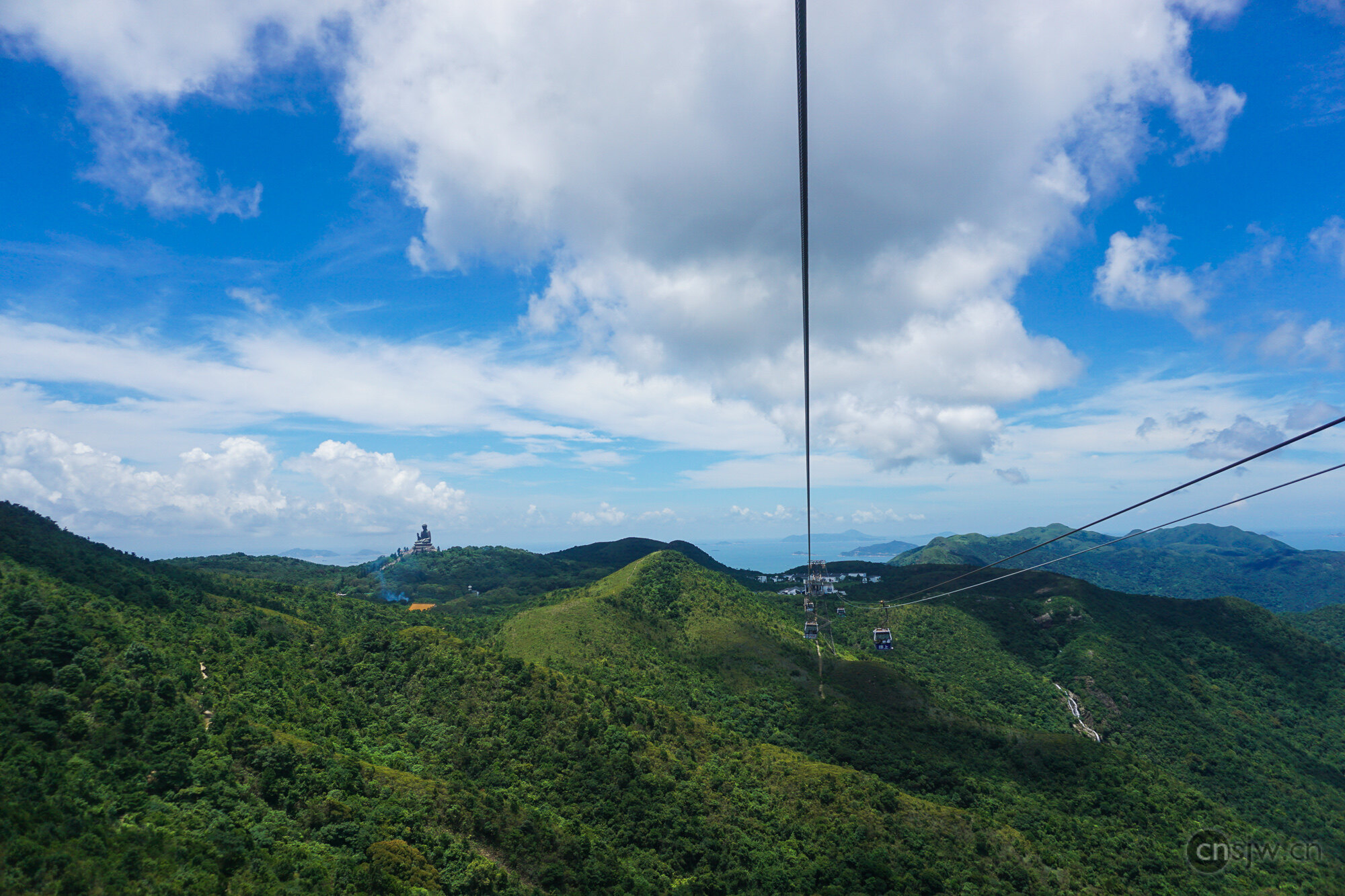
I came down quite early, so there were hardly any people and no queues at all. Overall, the Ngong Ping 360 cable car is definitely worth experiencing. Also, right next to Tung Chung Station is Citygate Outlets. Although there aren’t that many brands, it’s not very large, and the merchandise is just average, you can still find some exceptionally cheap items. From Citygate Outlets, you can simply take a bus to the airport; it only takes 10 minutes and is very convenient.
Additionally, Citygate Outlets has self-service lockers on levels B2/B3. Small lockers cost HKD 10 per 2 hours, and large lockers cost HKD 20 per 2 hours. The lockers are quite deep, so a small locker is usually sufficient for carry-on luggage. You need to pay for the first 2 hours when storing your items, and pay the remaining balance upon retrieval. Payment can be made via cash or Octopus card. This is much more economical than the HKD 50 flat rate charged at the cable car station.
Video of the final descent:
Photos in this post taken with SONY A5100 + 16-50 f3.5-5.6, post-processed in Lightroom.

Support



Read this article on WeChat