
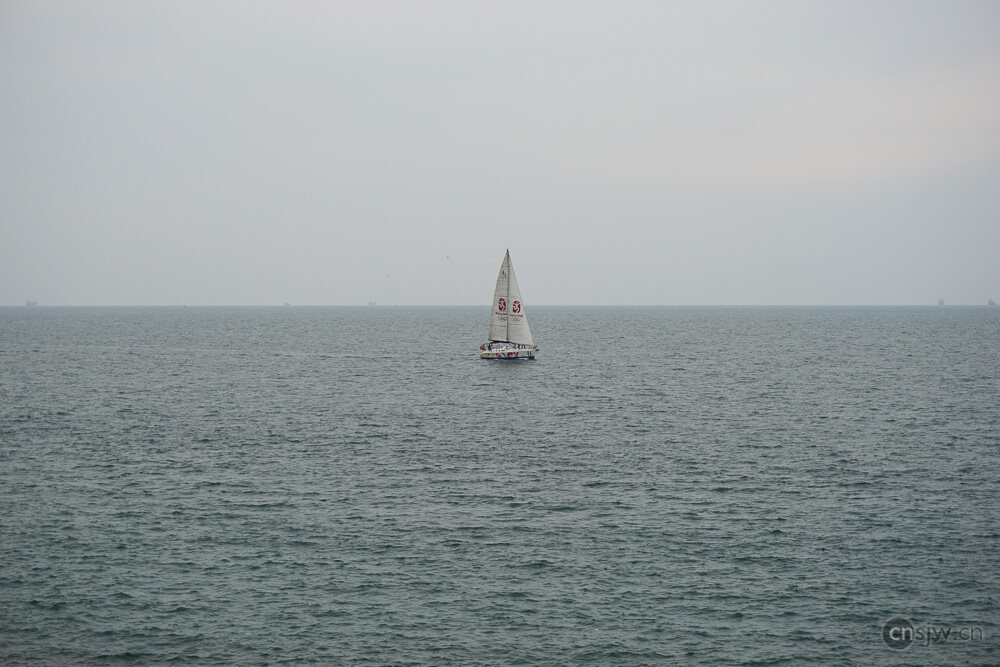
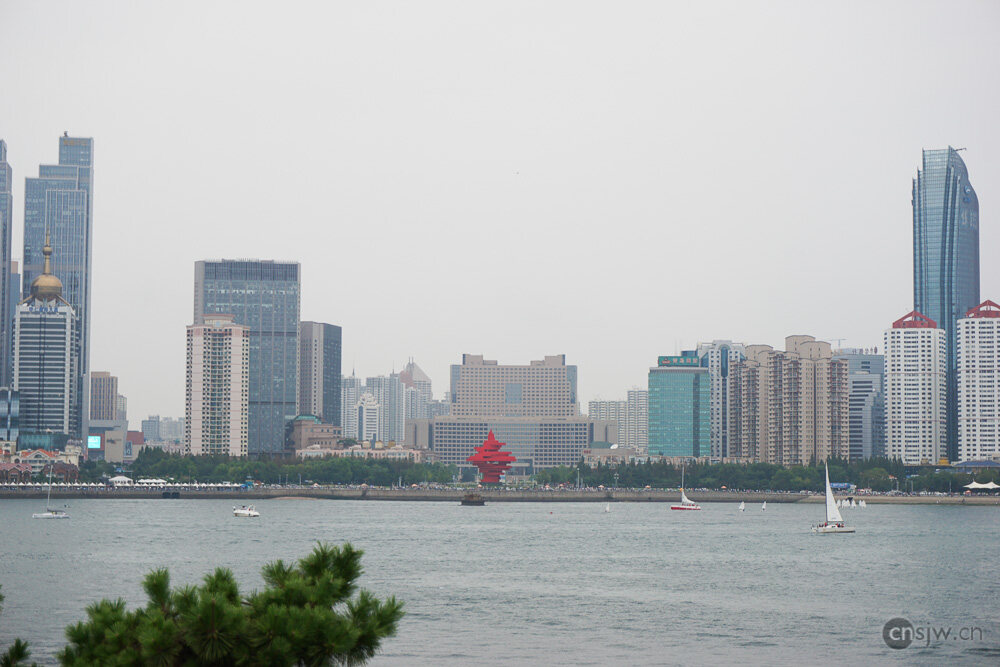
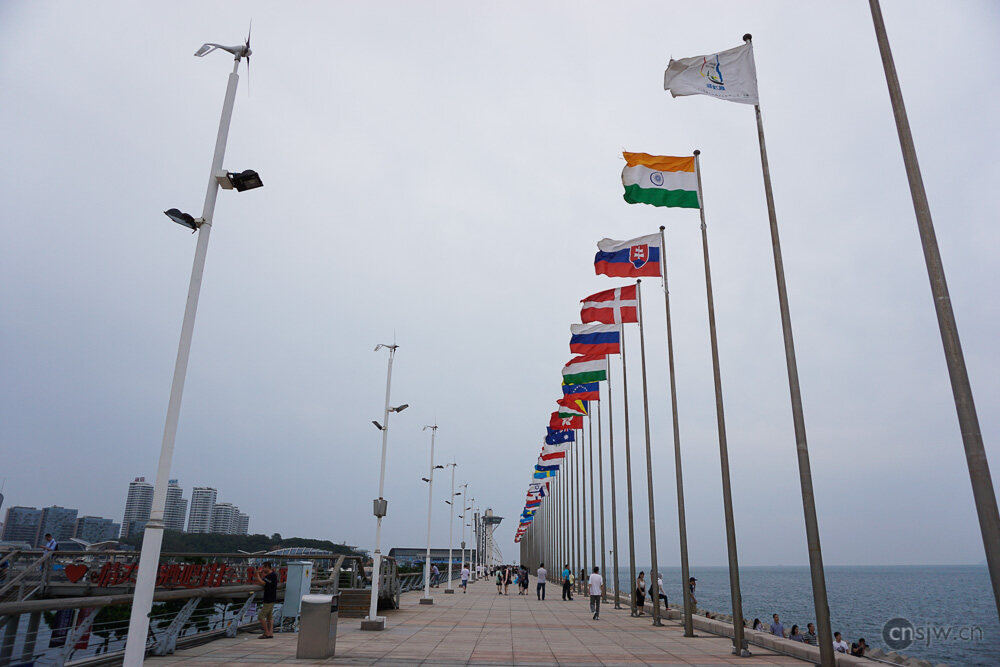
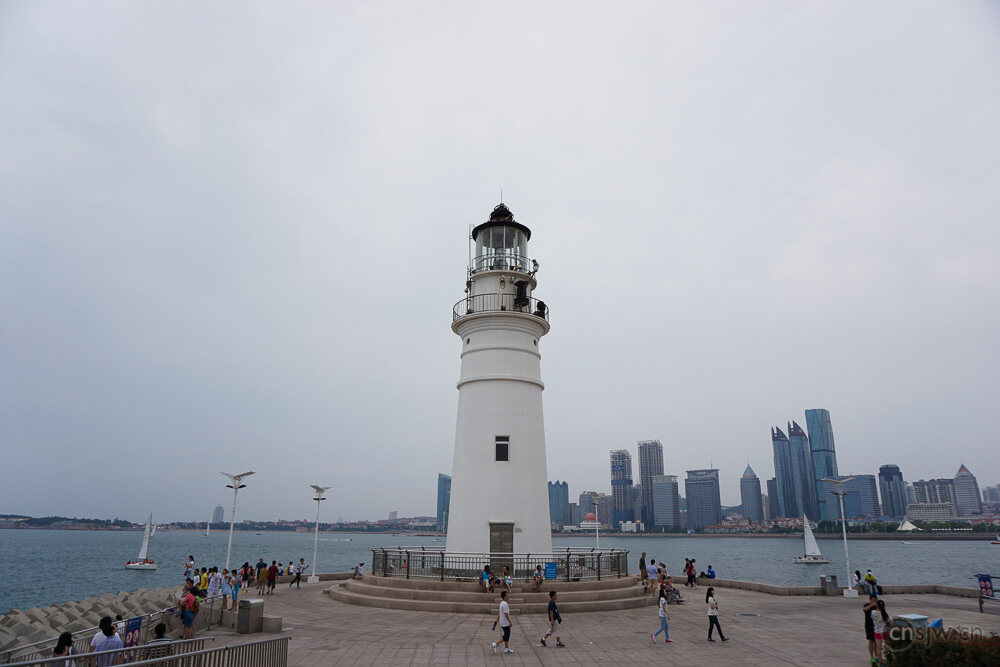
Olympic Sailing Center
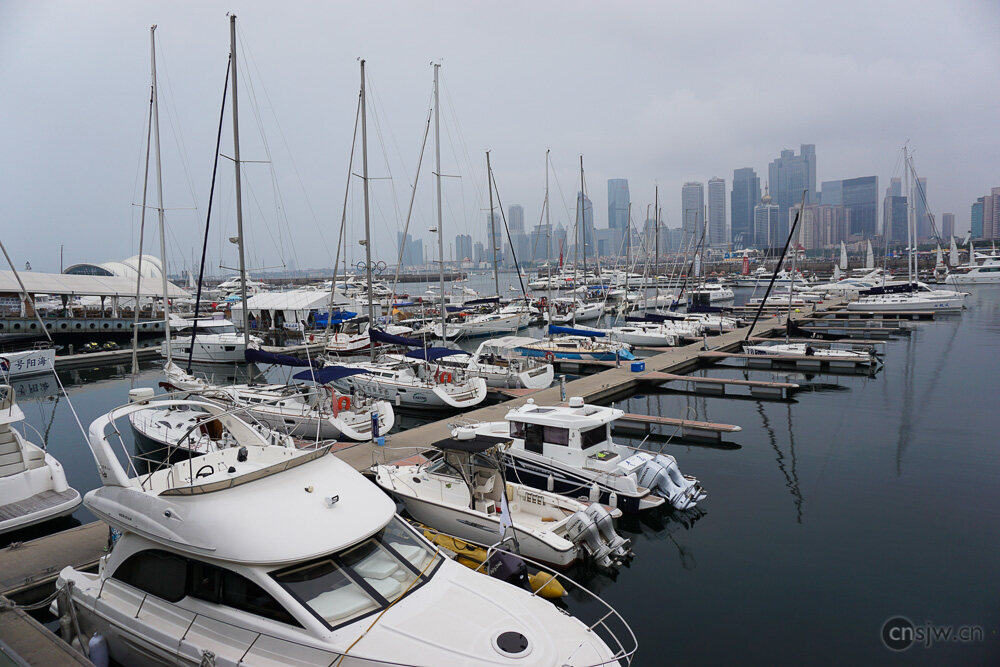
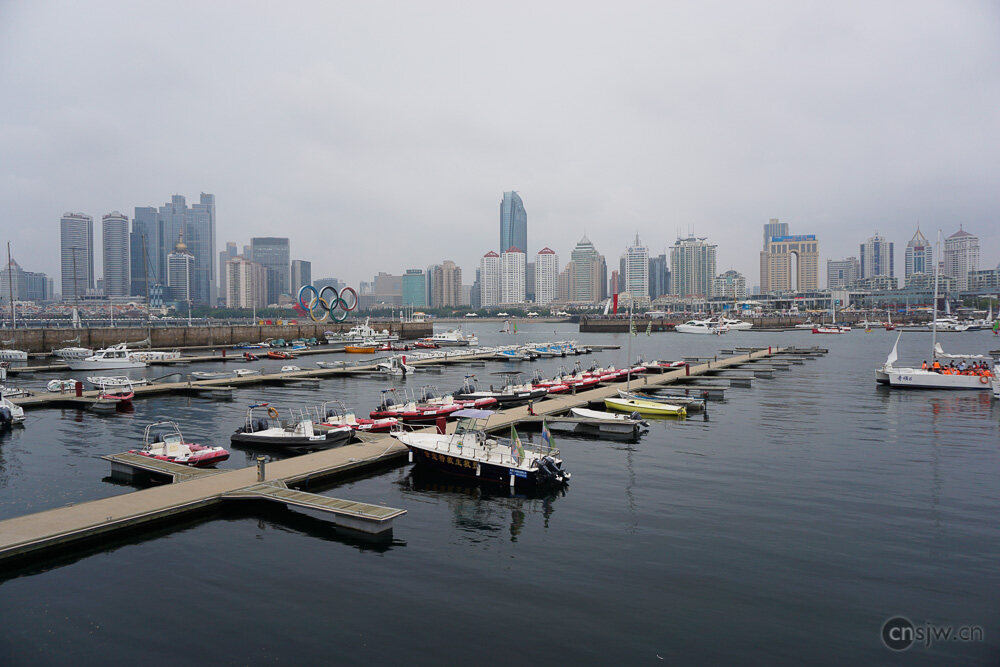
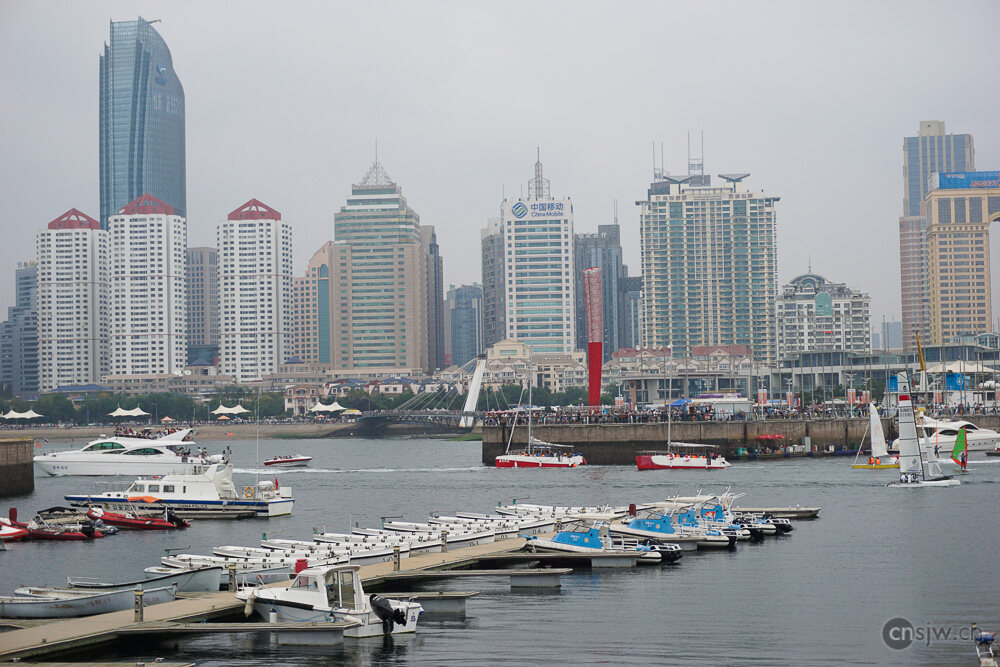
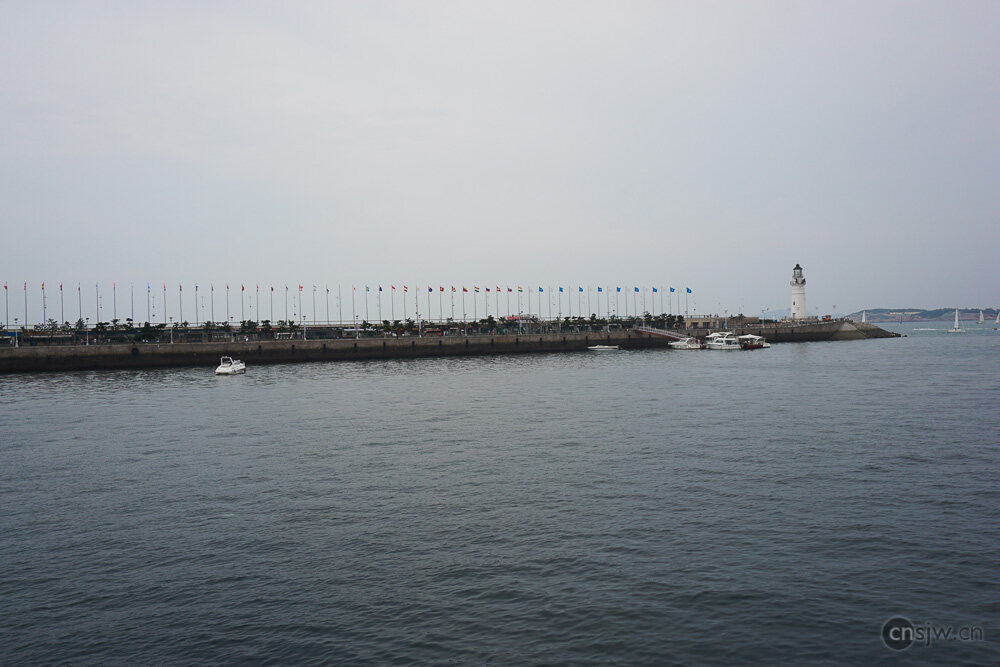
The Olympic Sailing Center is right next to the hotel, making it very convenient to visit. So, on the first afternoon, I went over and took a walk around the center. Actually, walking the full loop is quite a distance. The air quality wasn’t great on the first day, so I just took a brief look… It was also a bit cold due to the low temperature and strong wind. This place is mainly where nearby residents go for walks, but it’s also considered a tourist attraction, so it’s always crowded. The dining facilities inside are well-equipped, and there’s even a row of bars.
Located along Fushan Bay in Qingdao, the Qingdao Olympic Sailing Center was originally the site of the Beihai Shipyard. It has now been redeveloped into a sailing venue for international and domestic competitions, covering a total land area of 45 hectares. It is divided into water and land areas; the former includes two breakwaters, a jetty pier, and the Olympic Memorial Wall Pier. The first competition held after its completion was the “Good Luck Beijing” 2007 Qingdao International Sailing Regatta in August 2007. With an investment of RMB 3.3 billion, the Sailing Center was used for competitions during the 2008 Beijing Olympics and the 2008 Paralympics. Subsequently, it has been utilized for various regattas, national team training, and public recreational purposes.
Zhanqiao Pier
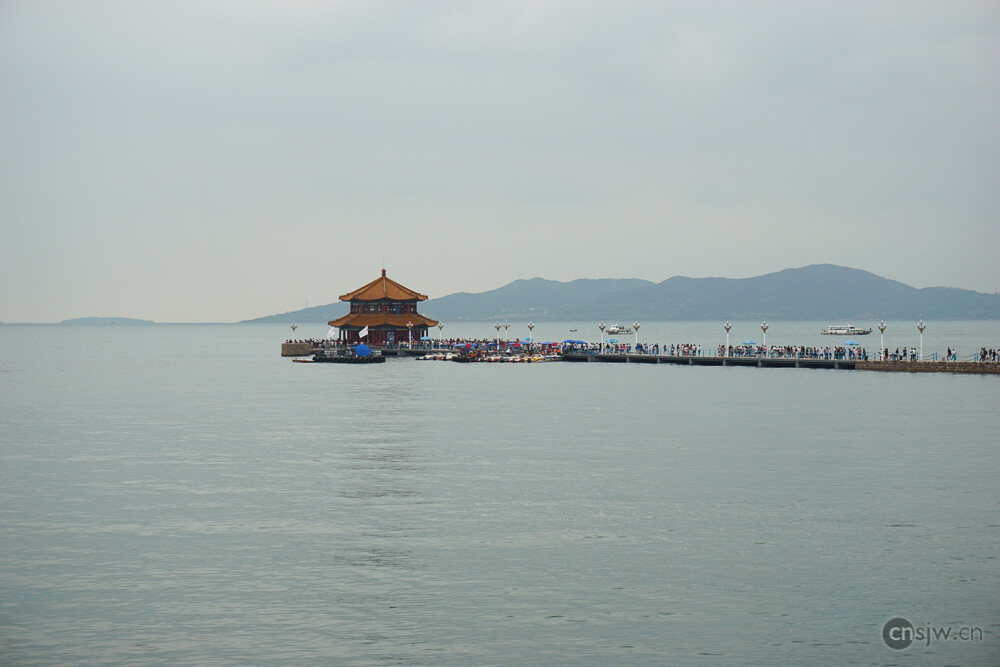
Since Zhanqiao Pier is located right next to the train station, it is essentially the first stop for tourists arriving in Qingdao, making it perhaps the city’s liveliest tourist attraction. There are photo stalls every few meters. Because I visited during a holiday, it was extremely crowded. The weather was mediocre, and after going up onto the pier, I didn’t feel anything particularly special. The Huilan Pavilion at the end of the pier charges a 4 yuan admission fee, which even includes a printed photo…
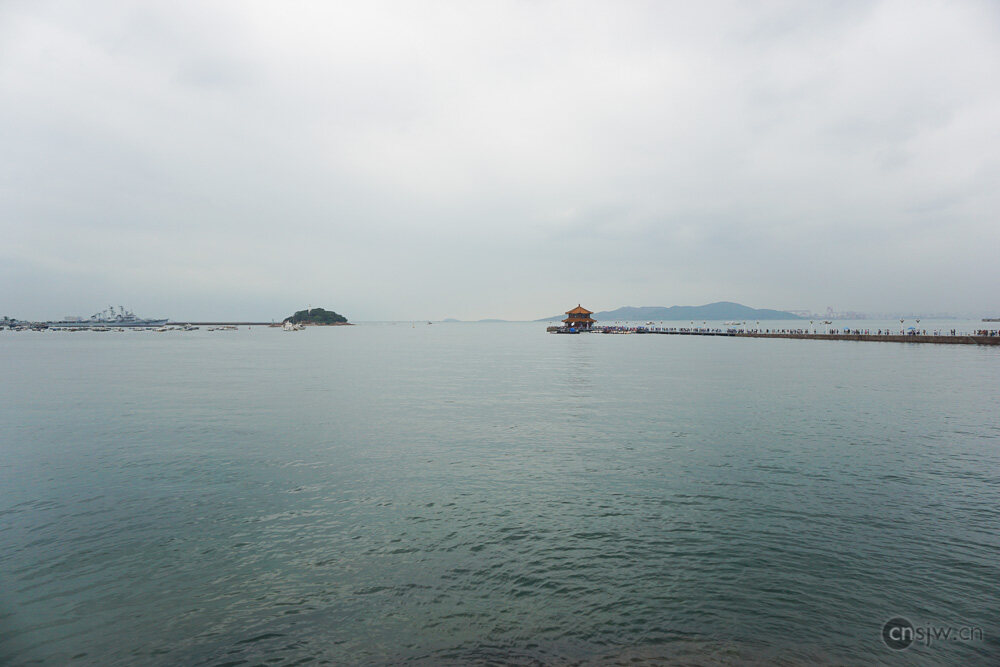
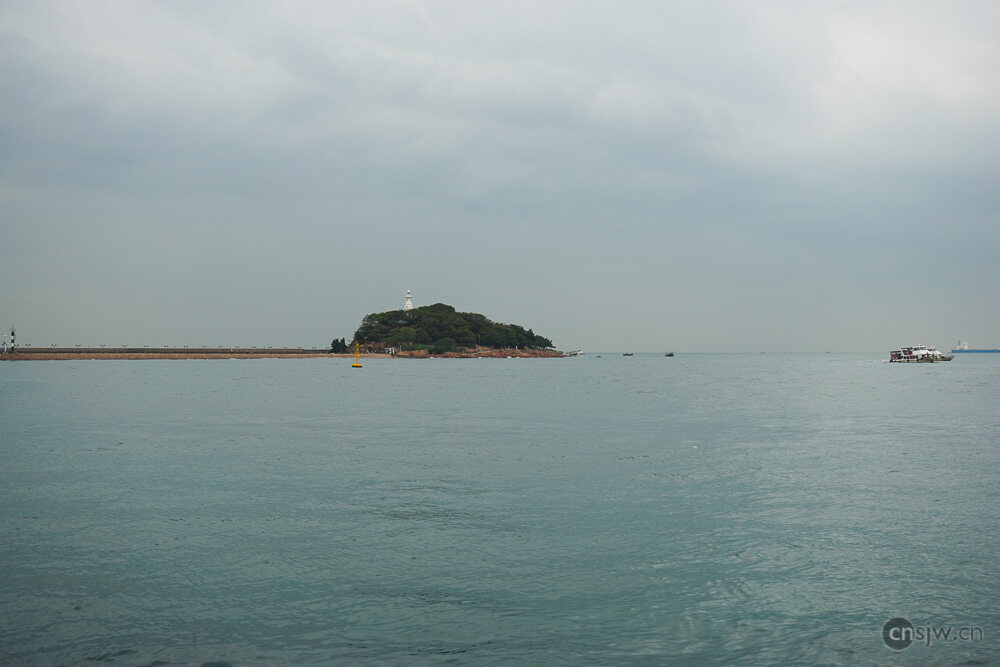
Zhanqiao Pier was built during the early establishment of Qingdao. Its main structure is a two-story building at the end of the pier—the Huilan Pavilion. Today, it is a major tourist attraction and has become a symbol of old Qingdao. The pier is adjacent to the Qingdao Railway Station and Zhongshan Road, the historic commercial center of old Qingdao. To the east of the pier lie the Chinese Navy Museum and Little Qingdao (Qindao) Island.
Construction of Zhanqiao Pier began in the 18th year of the Guangxu reign of the Qing Dynasty (1892), commissioned by Zhang Gaoyuan of the General Command Yamen, and was completed in 1893. Originally 200 meters long and 10 meters wide with a stone foundation and gray surface, iron railings were installed on both sides, making it Qingdao’s earliest artificial pier built exclusively for military use. After Germany leased Qingdao, the pier became a freight terminal. In May 1901, it was expanded: the northern section received a cement surface, iron railings were replaced with chain railings, and the bridge deck was extended southward to 350 meters. The extension featured a steel-frame wooden-deck structure, and light railway tracks were added to facilitate transport. Around 1905, commercial cargo operations were relocated to the Port of Qingdao, and Zhanqiao Pier then became a dedicated pier for ship quarantine and pilotage. From September 1931 to April 1933, the Qingdao municipal government invested 258,000 yuan in further expansion. The original steel-and-timber section was rebuilt into an open reinforced concrete structure supported by 34 rows of piles, the deck was paved with cement, and the pier was extended to 440 meters. The deck height was raised by 0.5 meters, and a semi-circular breakwater was added at the southern end. Within this breakwater, a new two-story octagonal pavilion with double eaves in traditional Chinese architectural style was constructed and named Huilan Pavilion. In 1936, among the “Ten Scenic Spots of Qingdao” selected jointly by the municipal government, experts, and citizens, “Flying Pavilion Over the Waves,” featuring Zhanqiao Pier as its centerpiece, was ranked first.
Little Qingdao
Photos in this post taken with a SONY A5100 + 35mm f1.8, post-processed in Lightroom.

Support



Read this article on WeChat