
It’s amazing to think that I hardly ever had to write anything by hand normally, yet as I approach 30, I’ve surprisingly started practicing penmanship.
Although I’ve only been practicing for two months, I’ve already tried out a few fountain pens~~ So let me briefly talk about these pens~~~
Lamy Safari
First up is this Lamy Safari belonging to a classmate, with an EF nib.
It has a plastic body and is extremely light, making me realize for the first time that a fountain pen could be made so lightweight.
This pen also made me appreciate how much design ingenuity can be packed into such a small fountain pen.
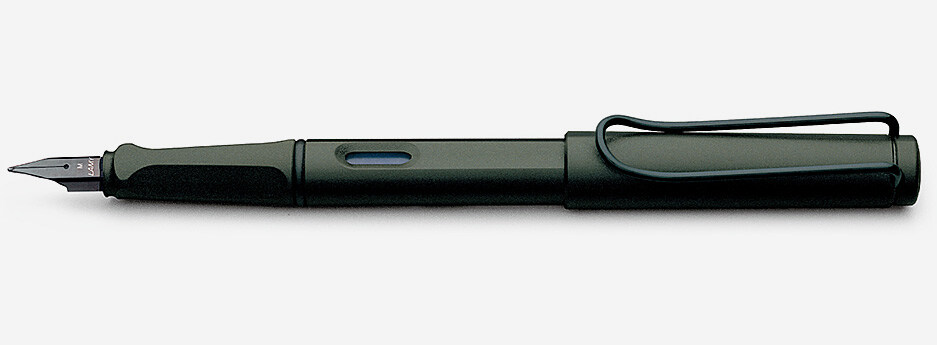
Lamy Safari
Let’s start with the nib. The nibs across Lamy’s Safari, Al-Star, Vista, Studio, and other series are interchangeable.
They can be easily removed and reinstalled, supporting what’s known as hot-swapping~~
The EF nib is the finest, roughly equivalent to 0.5mm. Since decorative English calligraphy requires varying line widths at different angles,
there are very, very broad nibs available. However, for Chinese writing, I personally feel the EF nib is already quite thick and is essentially the only viable option to consider.
A slightly thicker nib has obvious advantages: writing feels smoother without scratching the paper. The downside is higher ink flow, requiring better quality, less absorbent paper.
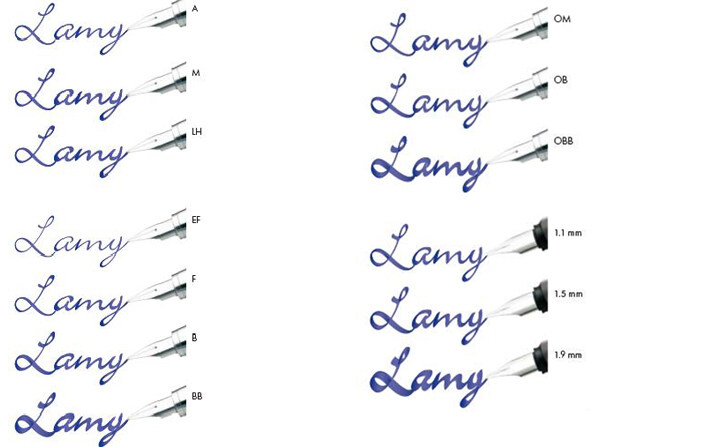
Lamy Nib
Next is the ink filling system, which offers two options. One is using disposable ink cartridges directly, making it practically like using a gel pen.
This is excellent; for a fountain pen carried daily but not used frequently, cartridges are incredibly convenient.
The other option is the traditional bottled ink with a converter. Simply twisting the end easily draws ink into the converter.
You can freely switch between the converter and cartridges, and even if there’s ink left inside, removing it won’t cause any spills.
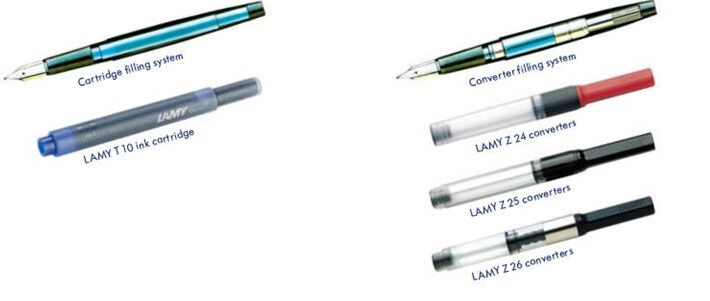
Lamy Filling Mechanism
Additionally, there’s a small window on the upper-middle part of the barrel, allowing you to easily check if the ink is running low.
There’s also a groove at the base of the nib section to prevent excess ink from flowing onto the grip. All these design details are very user-friendly.
Made in Germany with excellent quality control, almost every unit performs consistently well.
Hero 100
The Hero brand, founded just one year after Lamy, is arguably China’s best-selling fountain pen brand.
The Hero 100 was created during the Great Leap Forward era as a product aiming to surpass British and American standards by cloning the Parker 51.
Its name comes from the claim that it would 100% surpass the Parker 51, hence the full name Hero 100.
It remains Hero’s most iconic product and is basically the cheapest gold-nib fountain pen available on the market.
Having used it, I must say a gold nib is infinitely superior to a steel nib, offering much smoother writing. Consequently, I fell under the spell of gold nibs far too early.
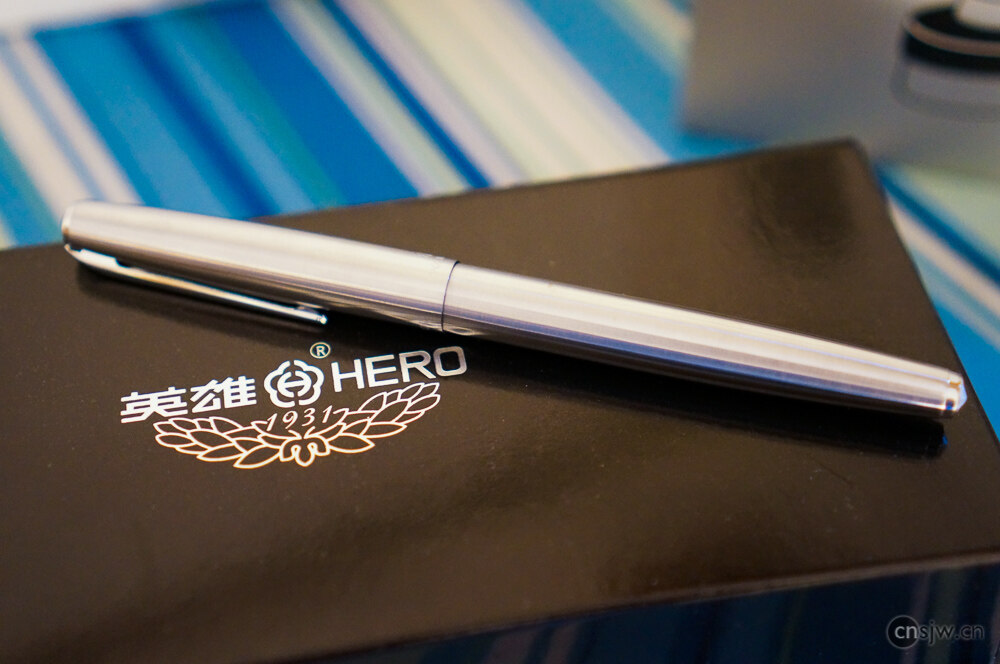
Hero 100
However, over time, I gradually found the quality control of this old state-owned factory increasingly unacceptable.
First, its filling mechanism is still the most traditional squeeze-filler type. You have to squeeze multiple times for a single fill, and if you overfill,
it leaks, getting ink all over the grip and your hands as soon as you use it…
Secondly, the ink flow control is poor. Right after filling, it flows heavily, but after some use, the flow often becomes inconsistent.
Even though it features a hooded nib, if left unused for a while or shaken around during travel, it stops writing…
Unlike the Safari, which can sit unused for months like a ballpoint pen and still write effortlessly on the first stroke.
Also, changing the writing angle makes it less smooth, with slight scratching on the paper.
Prospective buyers should note that countless users have complained about poor craftsmanship, burrs, misalignment, crooked nibs, off-center parts, and poor nib polishing.
So what kind of unit you get is basically entirely down to luck~~~~ Fortunately, my luck was decent, and I didn’t encounter severe issues like misalignment or crooked nibs…
Personally, I feel this pen has nothing going for it except the nib. If you just want to experience a gold nib… beware of getting hooked.
Lamy Al-Star
Since borrowed pens eventually have to be returned, I decided to get a simple, lightweight, high-value steel-nib pen to carry around.
Feeling the Safari’s plastic body lacked texture, I opted for the metal-bodied Al-Star. It’s virtually identical to the Safari,
except for the metal body and a slightly more comfortable grip. Still equipped with an EF nib.
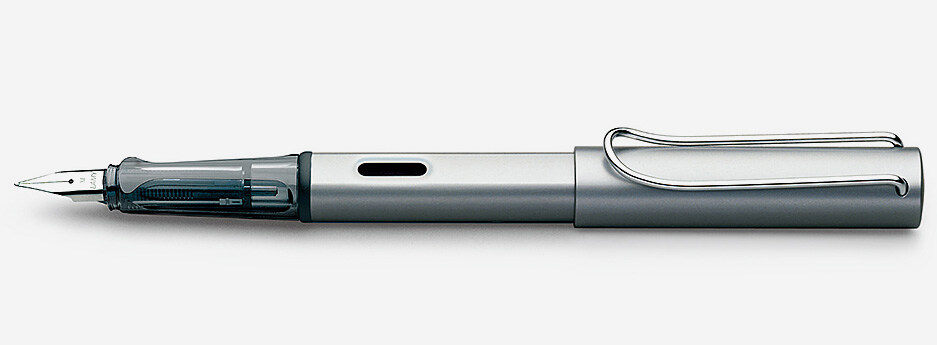
Lamy Al-Star
Very simple packaging, but the metallic texture is still fantastic.
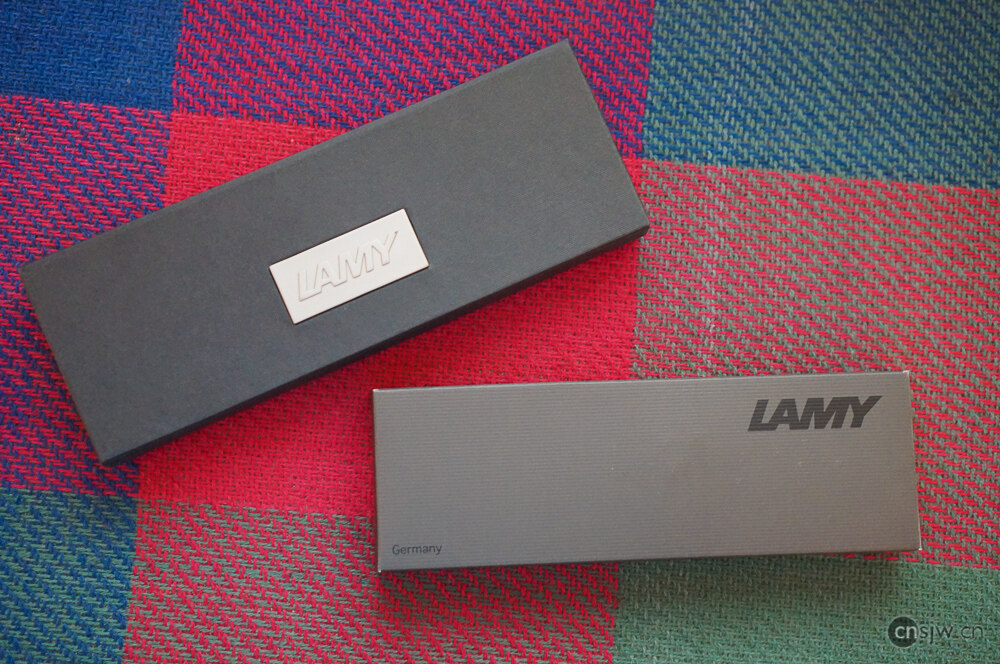
Lamy 2000 and Lamy Al-Star Packaging
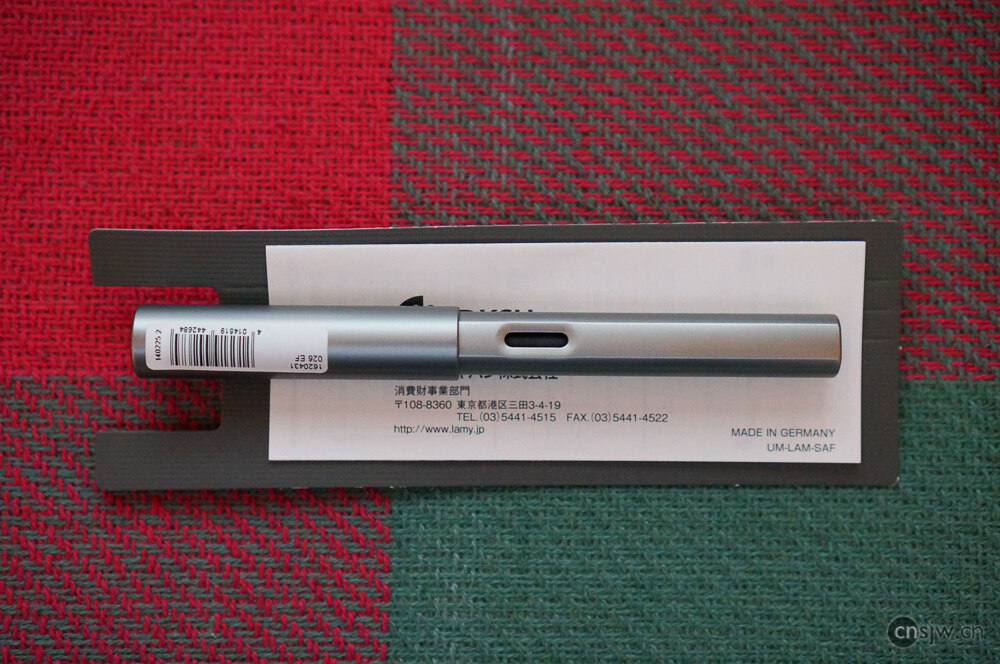
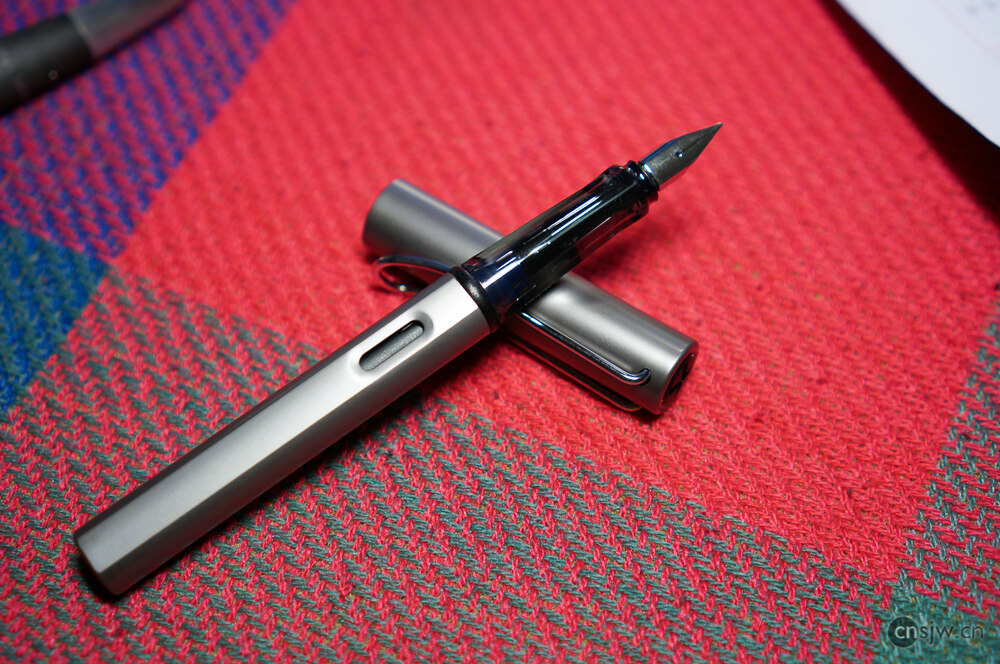
Lamy 2000
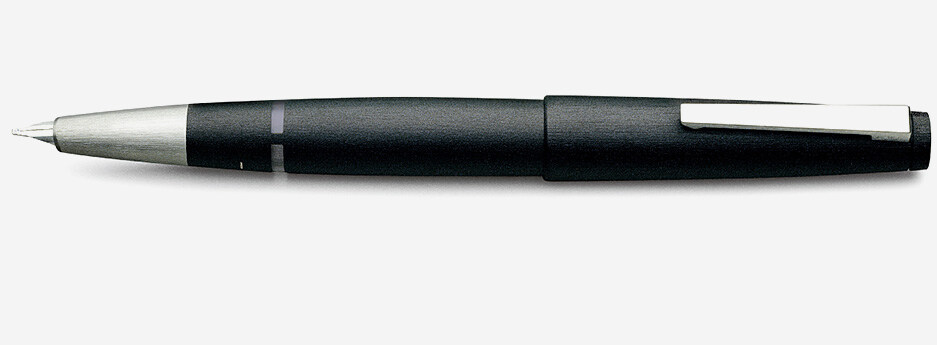
Lamy 2000
After unfortunately falling under the spell of gold nibs too early, I found myself torn daily between the excellent nib of the Hero 100 and Lamy’s outstanding ergonomic design.
So I inevitably had to acquire Lamy’s signature gold-nib model, the Lamy 2000.
Designed by Gerd A. Müller and launched in 1966, the Lamy 2000 series remains Lamy’s flagship product today.
The uniqueness of the 2000 series lies in its use of MAKROLON fiberglass-reinforced polycarbonate produced by Bayer for the barrel.
This series features a built-in, non-removable piston filler, meaning it can only use bottled ink.
The overall design is remarkably modern and beautiful; it’s hard to believe it was designed in 1966. With its seamless body, a simple twist of the end fills the pen.
It features a 14K gold nib plated with platinum. It feels incredibly comfortable to use and writes smoothly. The semi-hooded nib design enhances nib stiffness.
However, Lamy’s EF nib is even broader than Hero’s F nib, making it indeed somewhat too thick for writing Chinese characters.
Packaging remains minimalist.

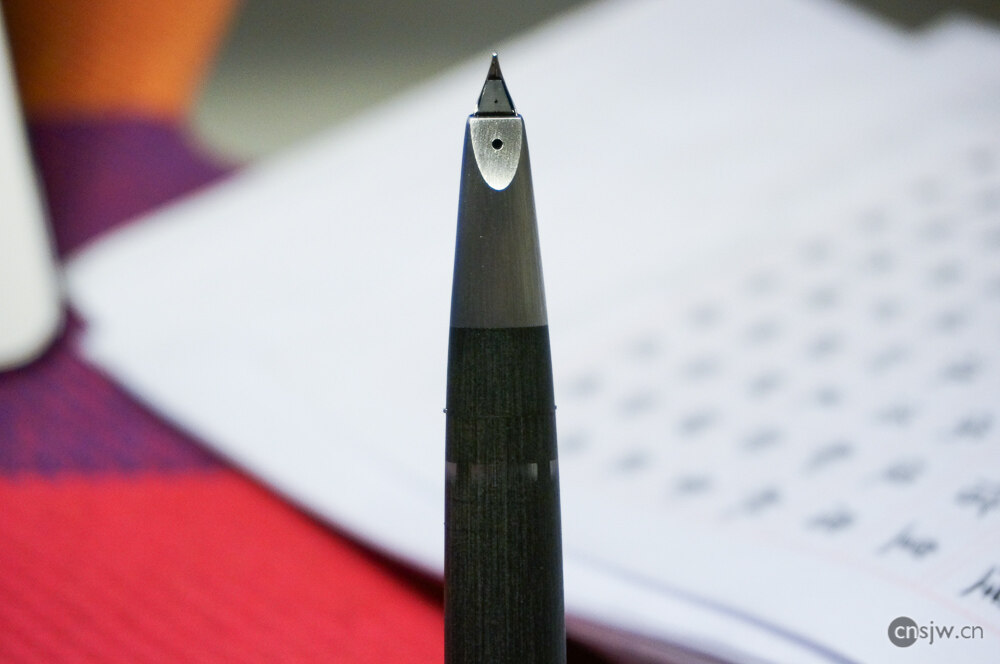
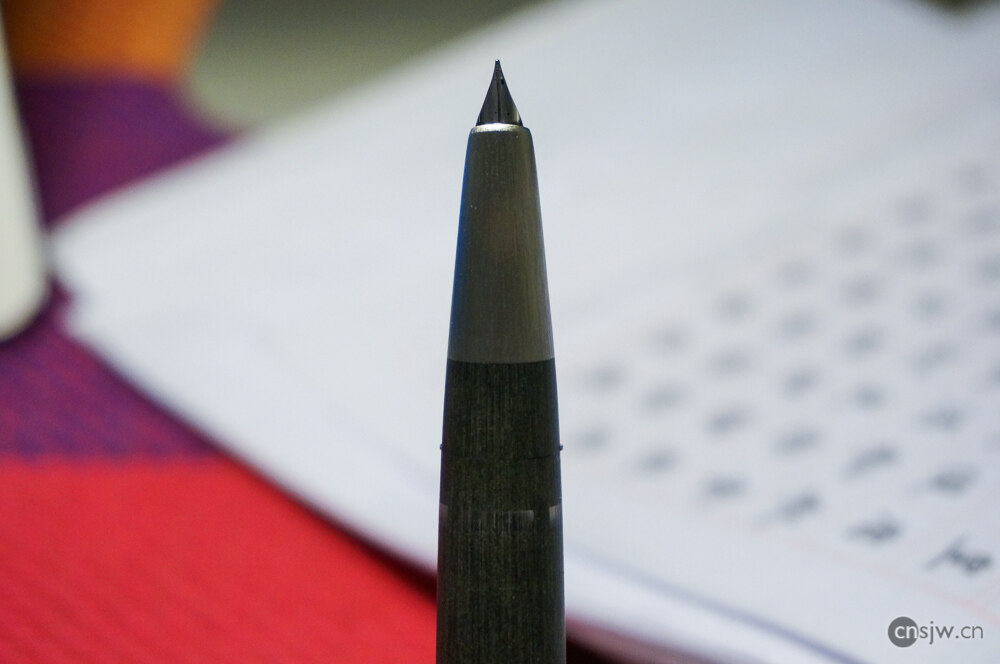
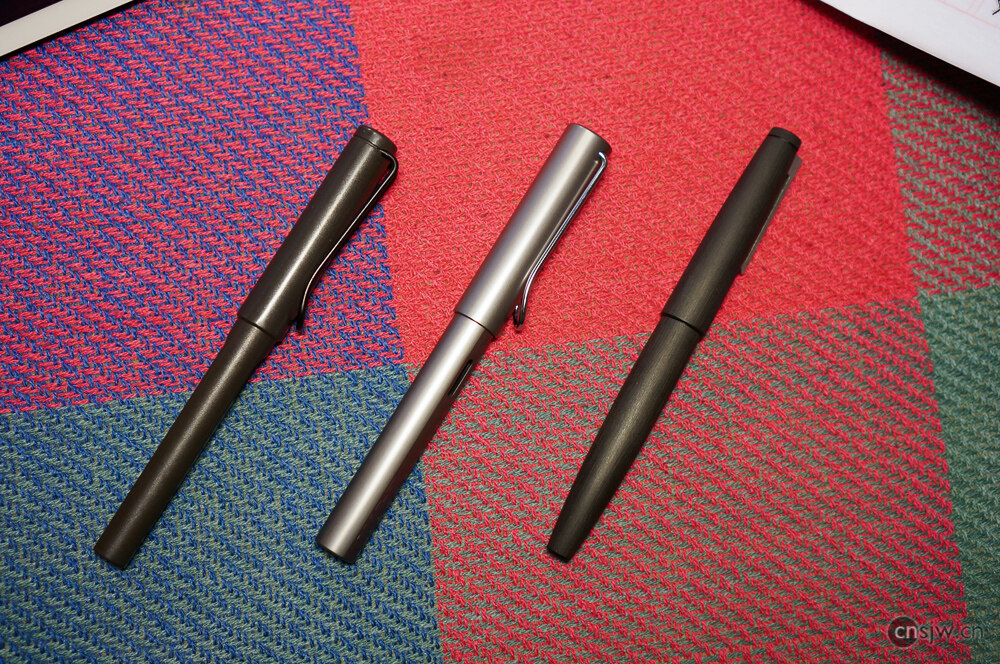
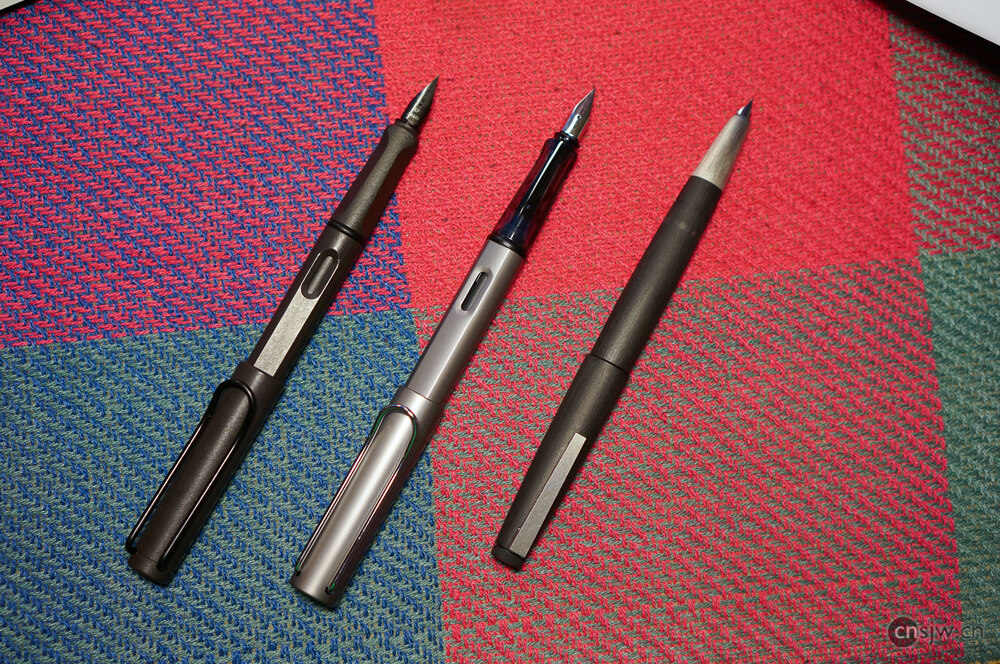
Three Lamy Pens
Finally, I have to mention the design of Lamy ink bottles. A simple bottle of ink might look unremarkable at first glance.
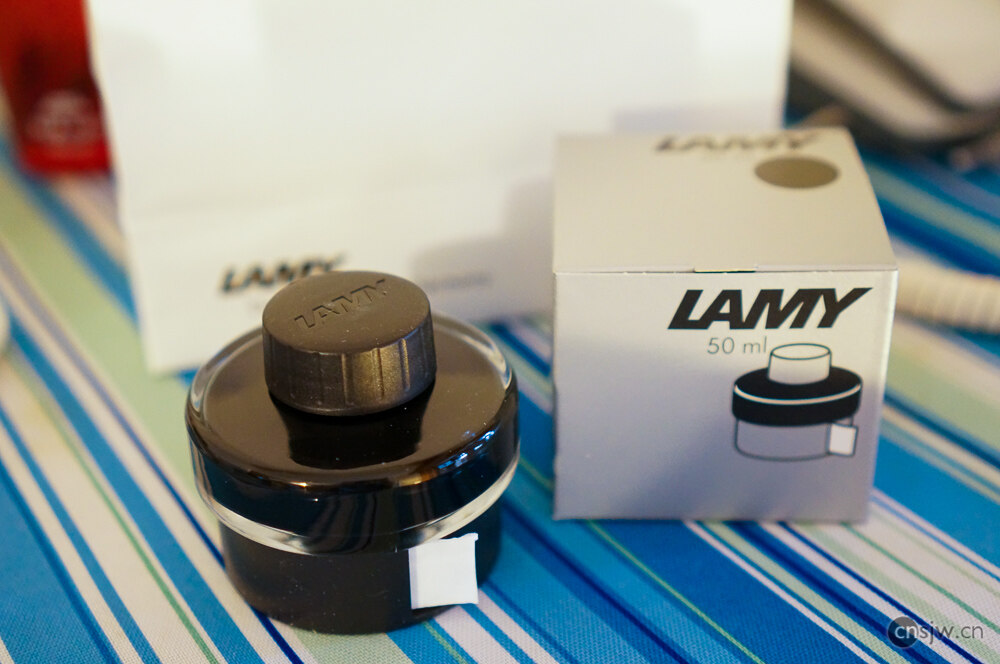
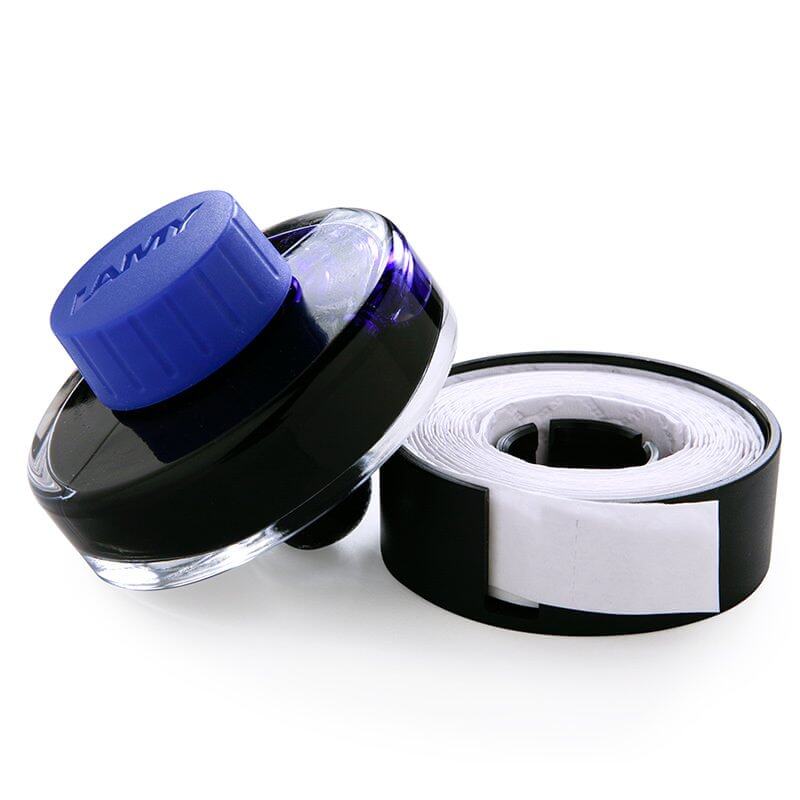
But actually, its structure is ingenious: the top half holds the ink, while the bottom features a recessed well,
allowing you to draw ink even when only a tiny amount remains.
It comes with a roll of blotting paper wrapped around the outside, useful for wiping away excess ink left on the pen after filling.
Truly incredibly user-friendly~~~~
Also, remember to use dye-based ink for fountain pens; avoid carbon/pigment ink as it clogs pens easily.
If you’d like to read more reviews on the Hero 100 and Lamy pens, I recommend these two articles:
My Experience with Three Common Hero 100 Gold-Nib Pens
About LAMY and Its Three Most Popular Models
Photos in this post taken with SONY NEX-5R + 16-50 f3.5-5.6 / 35mm f1.8, post-processed in Lightroom.

Support



Read this article on WeChat