
As for the Guangfulin Cultural Relics Park, currently only Phase I is open to the public. It just opened in June of this year, and after 10 years of planning and construction, it has been quite an undertaking. The entire site includes the Guangfulin Culture Exhibition Hall built underwater, and over a dozen above-ground venues such as the Chen Zilong Memorial Hall, Fulin Tower (exterior viewing only), Fulin Imprint, Woodcraft Heritage Exhibition Hall, Ancient Pottery Art Museum, Zhiye Zen Temple, Sanyuan Palace, City God Temple, Guandi Temple, Duoyun Bookstore, and Moning Traditional Music Hall. The Guangfulin Cultural Relics Park covers a total area of approximately 850 mu, with most of the buildings being newly constructed. Excluding the water surface and protected areas, there are only 500 mu of land; consequently, many venues had to be built underwater. The underwater area is almost as large as the above-ground area and even includes the largest underwater parking garage in the country.
To understand what Guangfulin culture is, we must first talk about the history of Shanghai.
About 7,000 years ago, the western part of Shanghai had already formed into land, while the eastern region was formed gradually over the last 2,000 years. The earliest traces of human civilization within Shanghai can be traced back 6,000 years to the Neolithic Age, featuring relics of the Majiabang, Songze, Liangzhu, and Maqiao cultures. During the Jin Dynasty in the 4th and 5th centuries AD, fishermen gathered along the Songjiang River and coastal areas, gradually developing the area into a fishing port and commercial market town. In the 10th year of the Tianbao era of the Tang Dynasty (751 AD), Huating County was established under the jurisdiction of Suzhou. Its territory extended north to present-day Hongkou, south to the seaside, and east to Xiasha, marking the beginning of urban development in Songjiang.
During the Song Dynasty, merchants gathered in clouds, and the area within present-day Shanghai was already referred to as “Shanghai Shi” (Shanghai Market). In the 3rd year of the Xianchun era (1267 AD), Huating County of Jiaxing Prefecture established a market town on the west bank of Shanghai Pu (a tributary of the Songjiang River), naming it Shanghai Town. In the 14th year of the Zhiyuan era of the Yuan Dynasty (1277 AD), Huating County was upgraded to a prefecture and renamed Songjiang Prefecture the following year, governing Huating County. On August 19, the 28th year of the Zhiyuan era (1291 AD), the Yuan government separated the northeastern part of Huating County—comprising five townships and twenty-six bao (Changren, Gaochang, Beiting, Xinjiang, and Haiyu) on both banks of the Huangpu River—to establish Shanghai County under the jurisdiction of Songjiang Prefecture, marking the beginning of Shanghai’s independent administrative structure. By the 32nd year of the Jiajing era of the Ming Dynasty, the Shanghai city wall was built. During the Ming Dynasty, Shanghai County belonged to Songjiang Prefecture of Nanzhili. At that time, Songjiang Prefecture was reputedly “the top taxpayer under heaven” and was already quite prosperous. The Qing Dynasty followed the Ming system; Shanghai County initially belonged to Songjiang Prefecture of Jiangnan Province, and later, when Jiangnan Province was divided, it came under the jurisdiction of Jiangsu Province.
Now let’s take a look at the history of Guangfulin.
For a long time, Guangfulin, a small village with flat terrain and a dense network of waterways, remained obscure. It only began to “amaze the world” in the late 1950s.
At that time, villagers digging river channels discovered numerous pottery jars and jade artifacts. Authoritative experts confirmed that this was an ancient settlement site. In the early 1960s, an archaeological team jointly formed by the Shanghai Municipal Commission for the Preservation of Ancient Monuments and Peking University conducted an archaeological survey of the site. That same year, the journal *Archaeology* published this discovery: “On both sides of the riverbank, at a depth of about 0.7 meters below the surface, ash layers and a large number of ancient pottery shards were exposed. The soil color of the ash layer is grayish-black, with a thickness of about 0.3 meters. The collected relics are all pottery, including clay gray pottery, black-coated gray pottery, sand-mixed red pottery, stamped hard pottery, and glazed pottery.” The archaeological team excavated two tombs from the Liangzhu Culture period and other relics on a small scale at Guangfulin. Research revealed that this was one of the first two sites in Shanghai where Liangzhu Culture tombs were discovered. This excited the archaeological community: it meant that Shanghai, long considered a representative of modern and immigrant cities, had been inhabited by humans as far back as ancient times.
In 1977, the Guangfulin Site was listed as a Cultural Relics Protection Site of Shanghai Municipality. In 1984, the Shanghai Municipal Government erected a monument inscribed “Guangfulin Ancient Cultural Site,” designating it as a protected ancient cultural site in Shanghai. By 1999, when villagers were digging a pond, they discovered ancient tombs and burial objects again; other villagers also found many antlers and pottery jars while digging foundations for houses. Upon receiving the news, cultural relic protection departments discovered dozens of ancient tombs dating back thousands of years to the Neolithic period, as well as hundreds of life relics such as wells and ash pits. While delighted by these discoveries, cultural relic protection staff were also puzzled: this site had always been considered a relic of the Liangzhu Culture (a Neolithic culture type distributed in the Taihu Lake basin, dating from about 5,300 to 4,300 years ago), yet these ancient tombs and life relics clearly differed from local traditional historical culture. What was the reason?
From 1999 to 2005, the Shanghai Museum conducted further surveys and excavations at the site, uncovering cultural remains from the Neolithic Age, Zhou Dynasty, and Han Dynasty. Most significantly, experts discovered and confirmed a new archaeological culture in the lower Yangtze River region—the Guangfulin Culture. This filled a chronological gap and a void in cultural development in the region: the lower limit of the Liangzhu Culture is around 4,300 years ago, and the upper limit of the Maqiao Culture (a regional culture type distributed in the Yangtze River Delta during the Xia and Shang dynasties) is around 3,700 years ago. There was a missing period in between, and the Guangfulin Culture, dating to approximately 4,000 years ago, fits perfectly in this timeline.
In 1999 and 2000, archaeological experts took soil samples from the Guangfulin Site twice and selected specimens from the 1999 profile for dating. The results reflected the sedimentary sequence of the Guangfulin Site from 5,300 years ago to the present: the first layer is undisturbed raw soil without human activity, dating to about 5,300 years ago; the second layer is the Liangzhu Culture layer, dating from 5,300 to 4,300 years ago; the third layer is the Guangfulin Culture layer, dating to approximately 4,000 years ago; and the fourth layer is the cultural layer from the Warring States Period to the Han Dynasty.
When the Guangfulin Site was first discovered, it was temporarily referred to as “Guangfulin Remains” out of academic caution. In 2006, at the Archaeological Academic Symposium on the Taihu Lake Region, experts demonstrated and officially confirmed the naming of “Guangfulin Culture.” From 2008 to 2015, through excavation and research covering more than 60,000 square meters, the importance of Guangfulin Culture in the study of early civilizations in Shanghai and across the country became increasingly prominent, and its professional standing was further strengthened. In 2013, the Guangfulin Site was approved as a Major Historical and Cultural Site Protected at the National Level in the seventh batch.


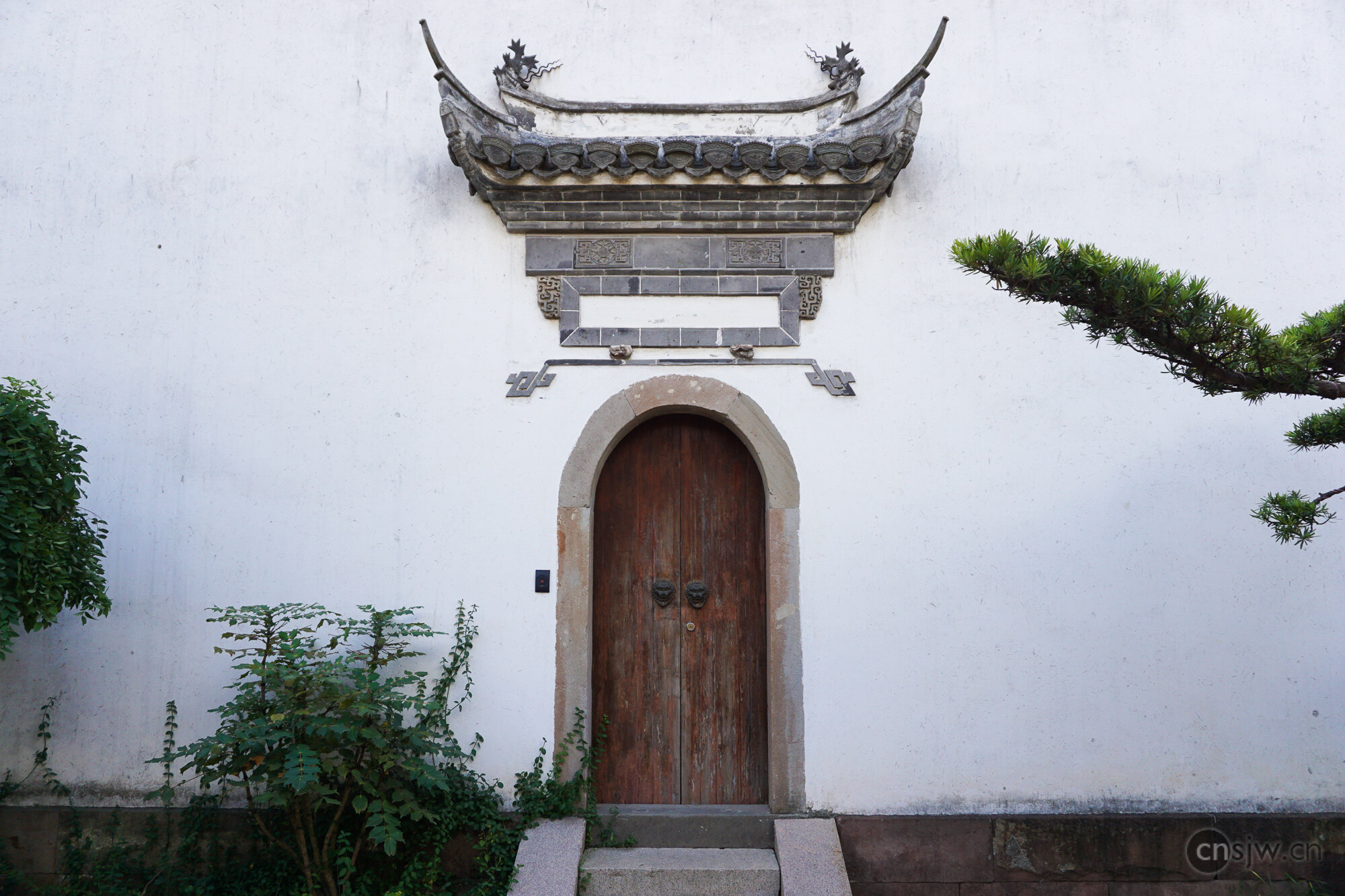
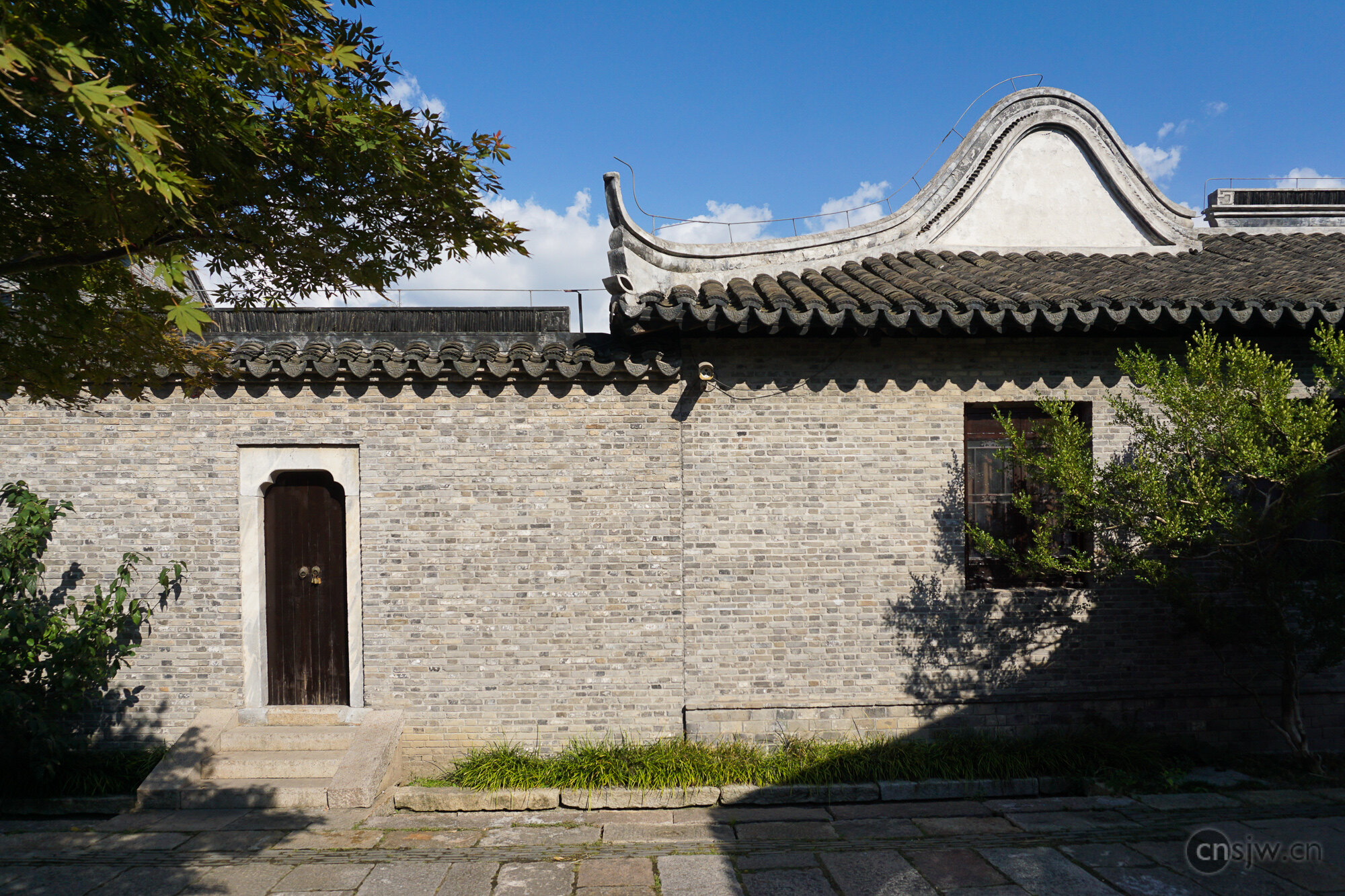
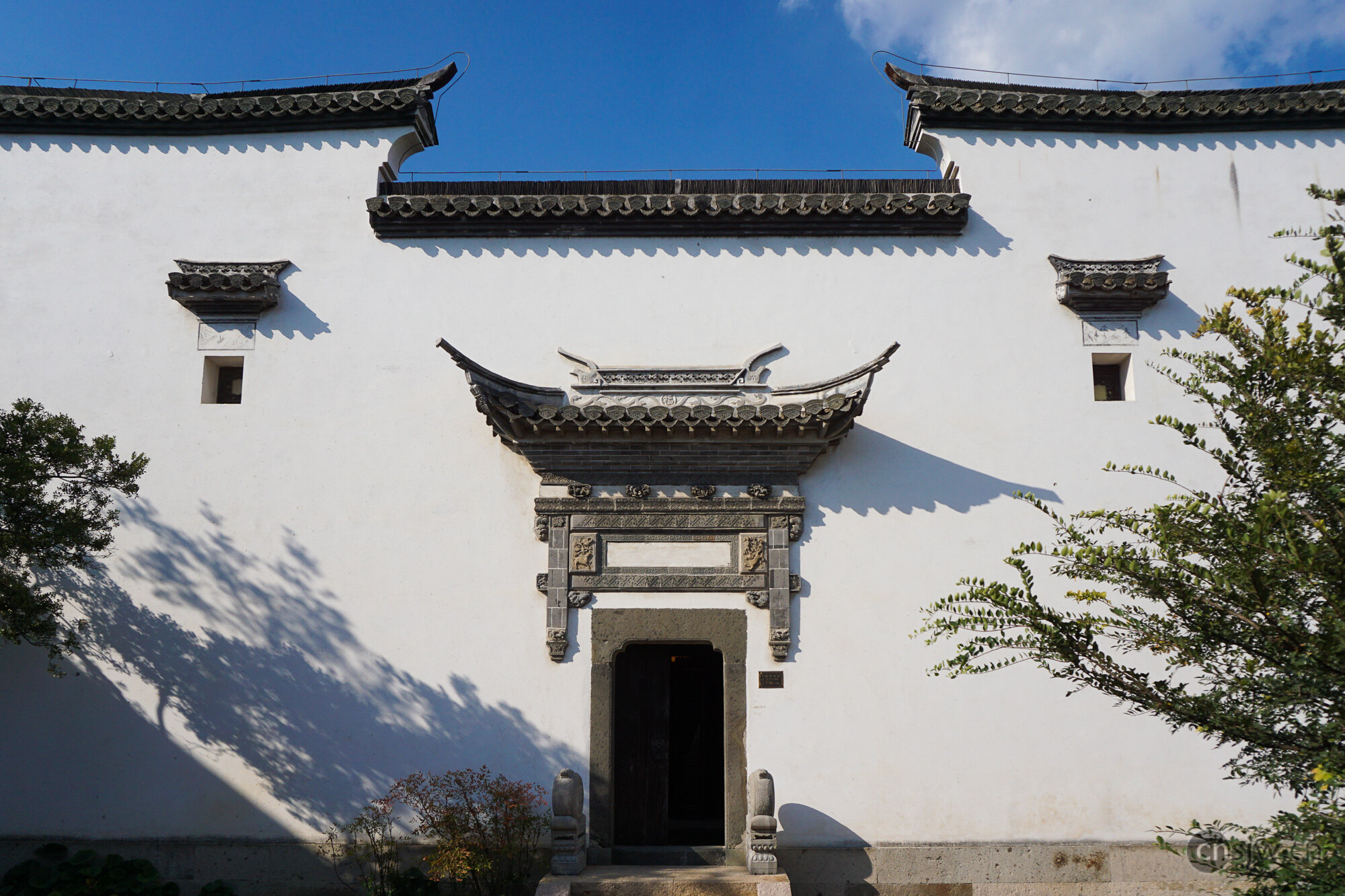
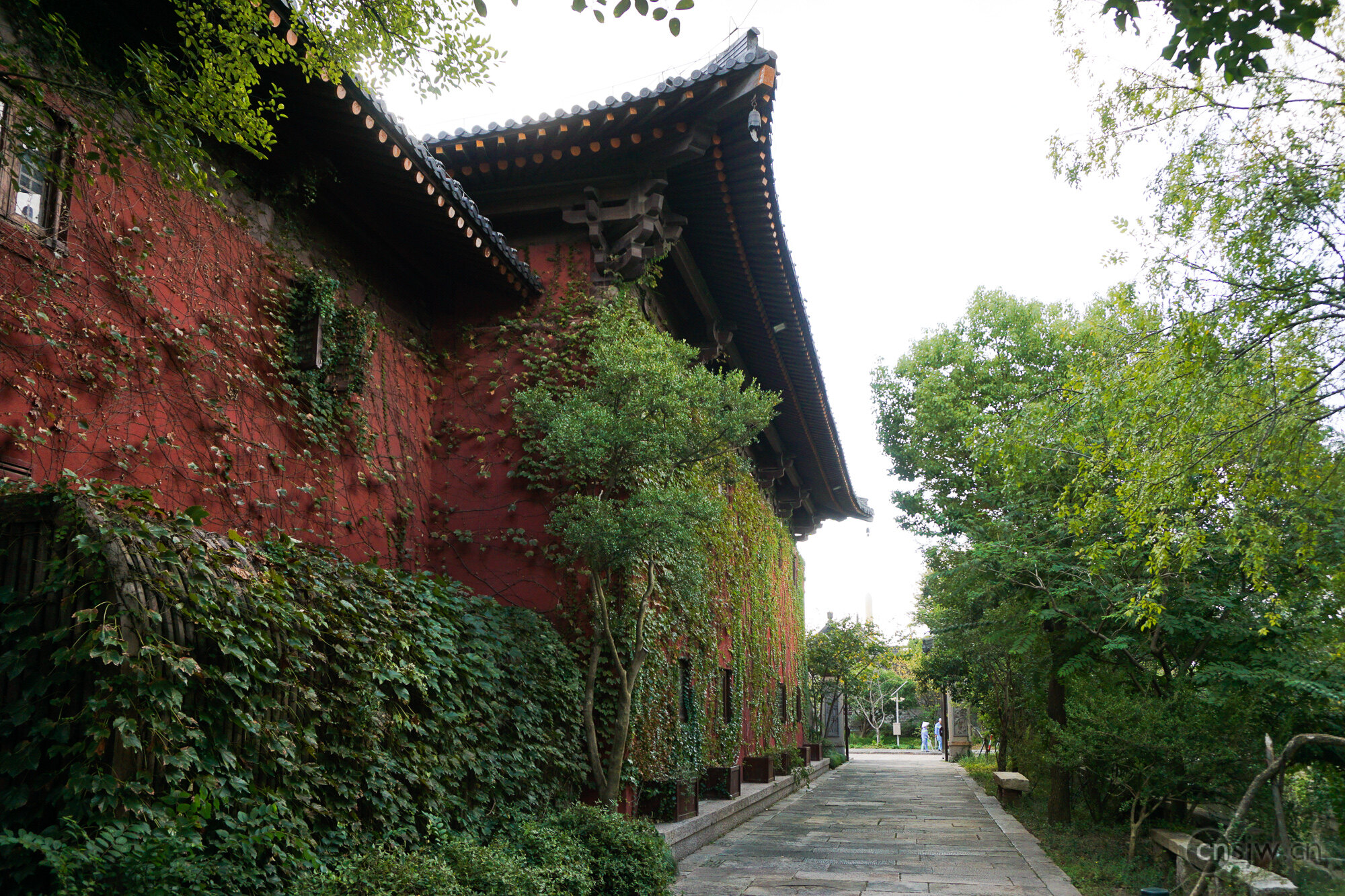
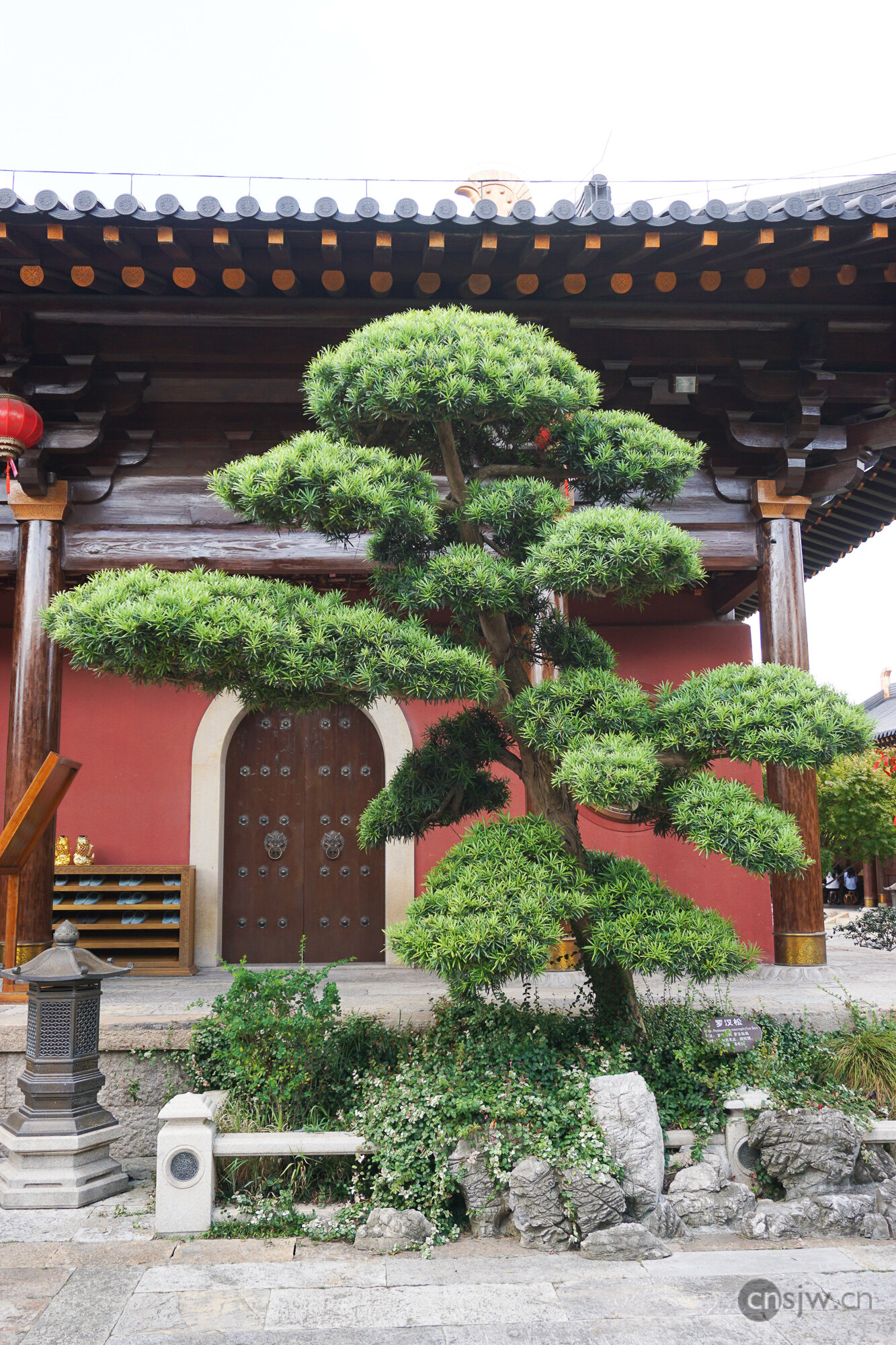
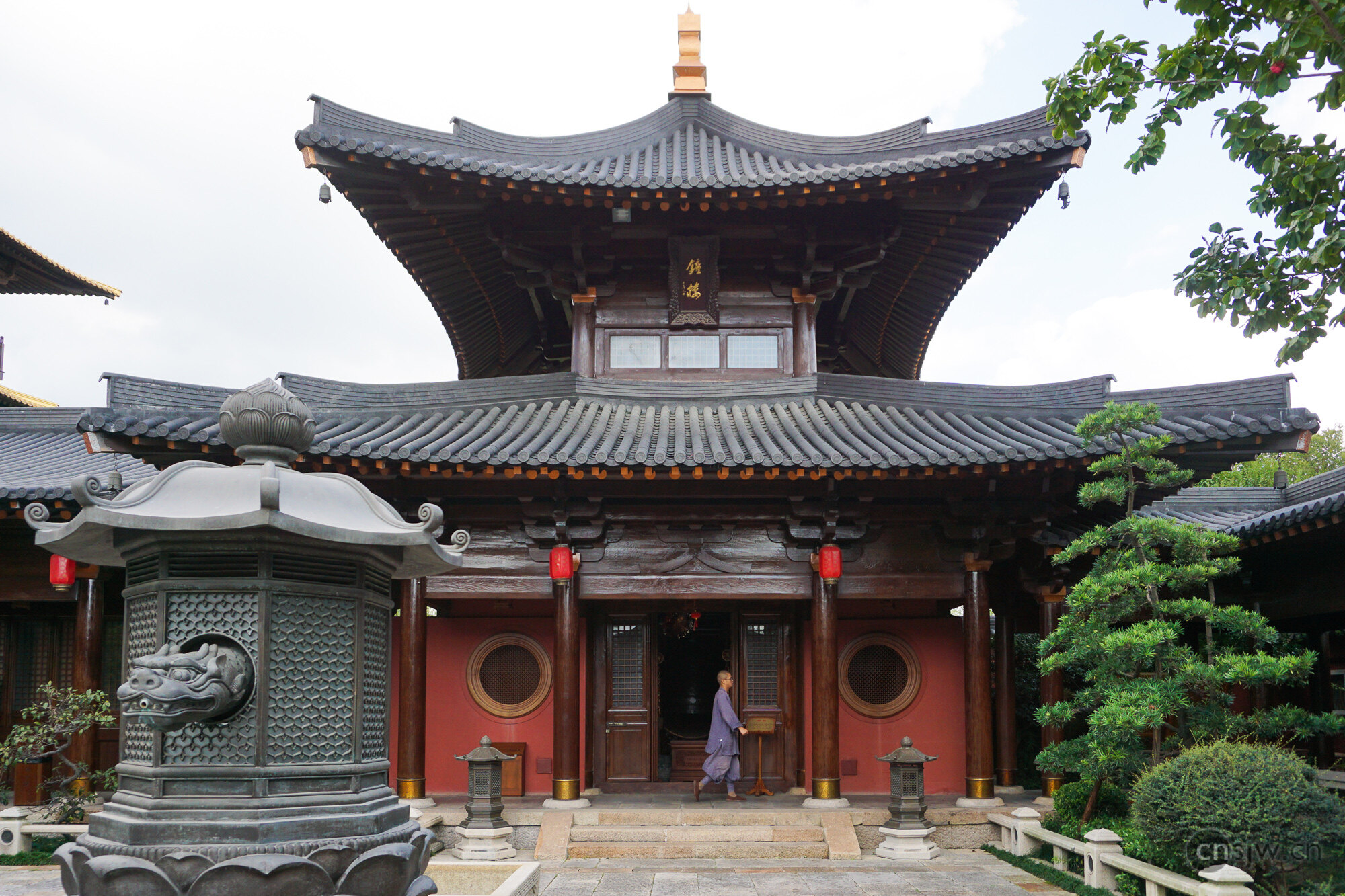
Both Zhiye Zen Temple and Sanyuan Palace are Tang-style imitation architecture. Although the style mimics the Tang Dynasty, the structures seem quite modern, and the dougong brackets appear to be merely decorative. They are fine for taking photos, but Zhiye Zen Temple has essentially turned into a large canteen serving vegetarian rice and noodles. The courtyard is filled with plastic stools and carries the distinct smell of a cafeteria, creating a very jarring atmosphere.

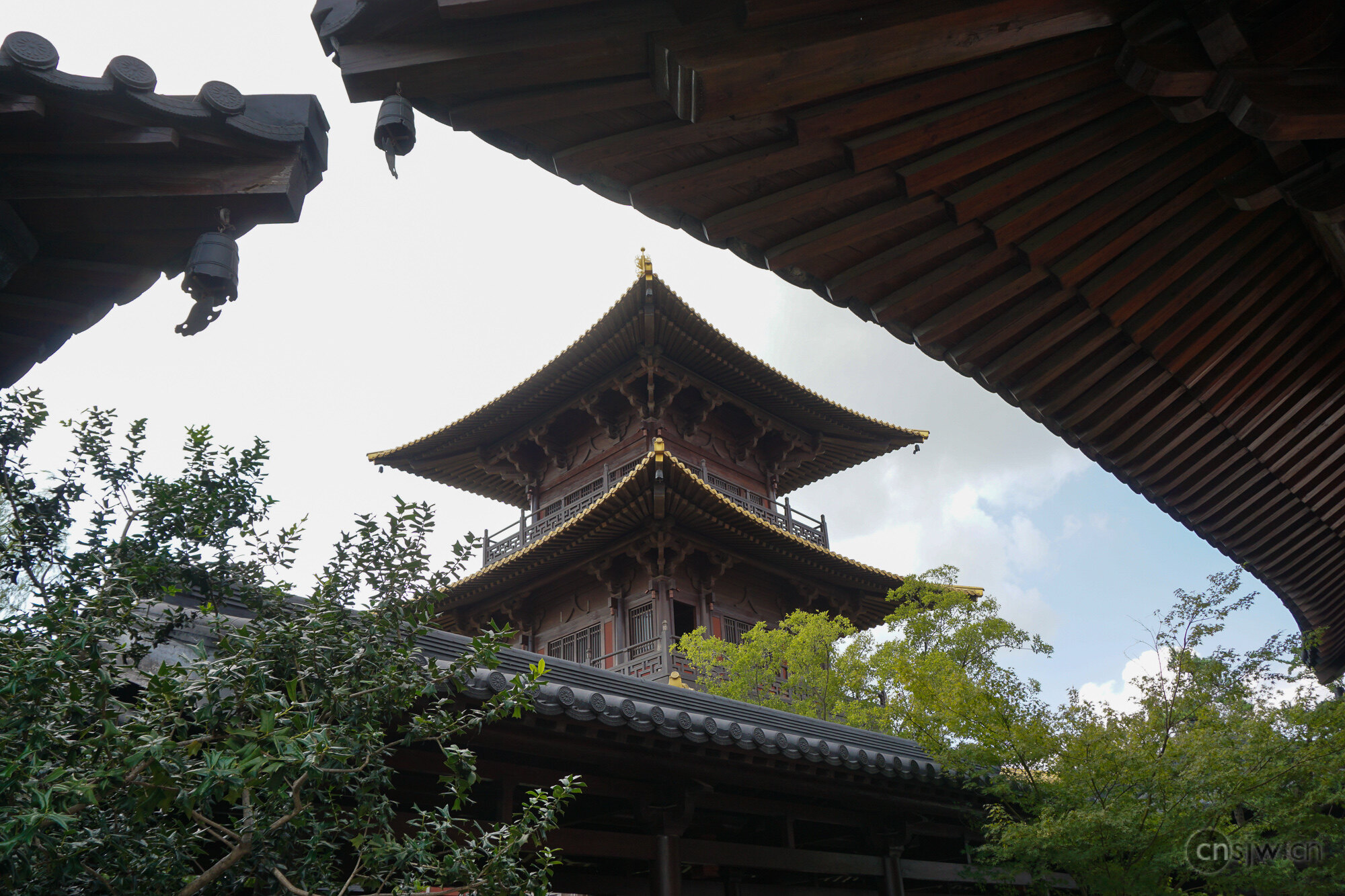
Also, surprisingly, you cannot climb the Fulin Tower; instead, it serves as the entrance to the underground Ancient Pottery Art Museum…
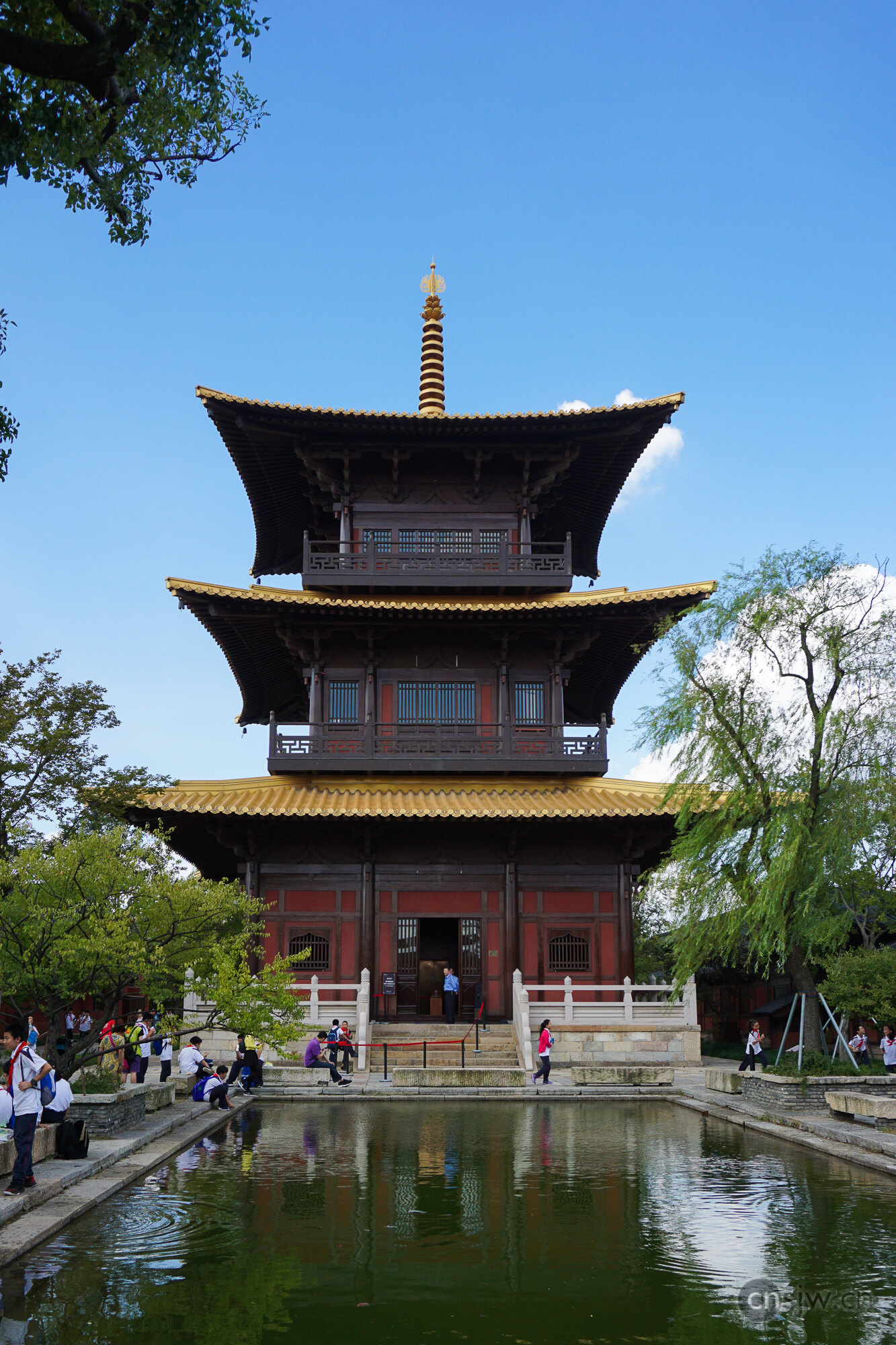
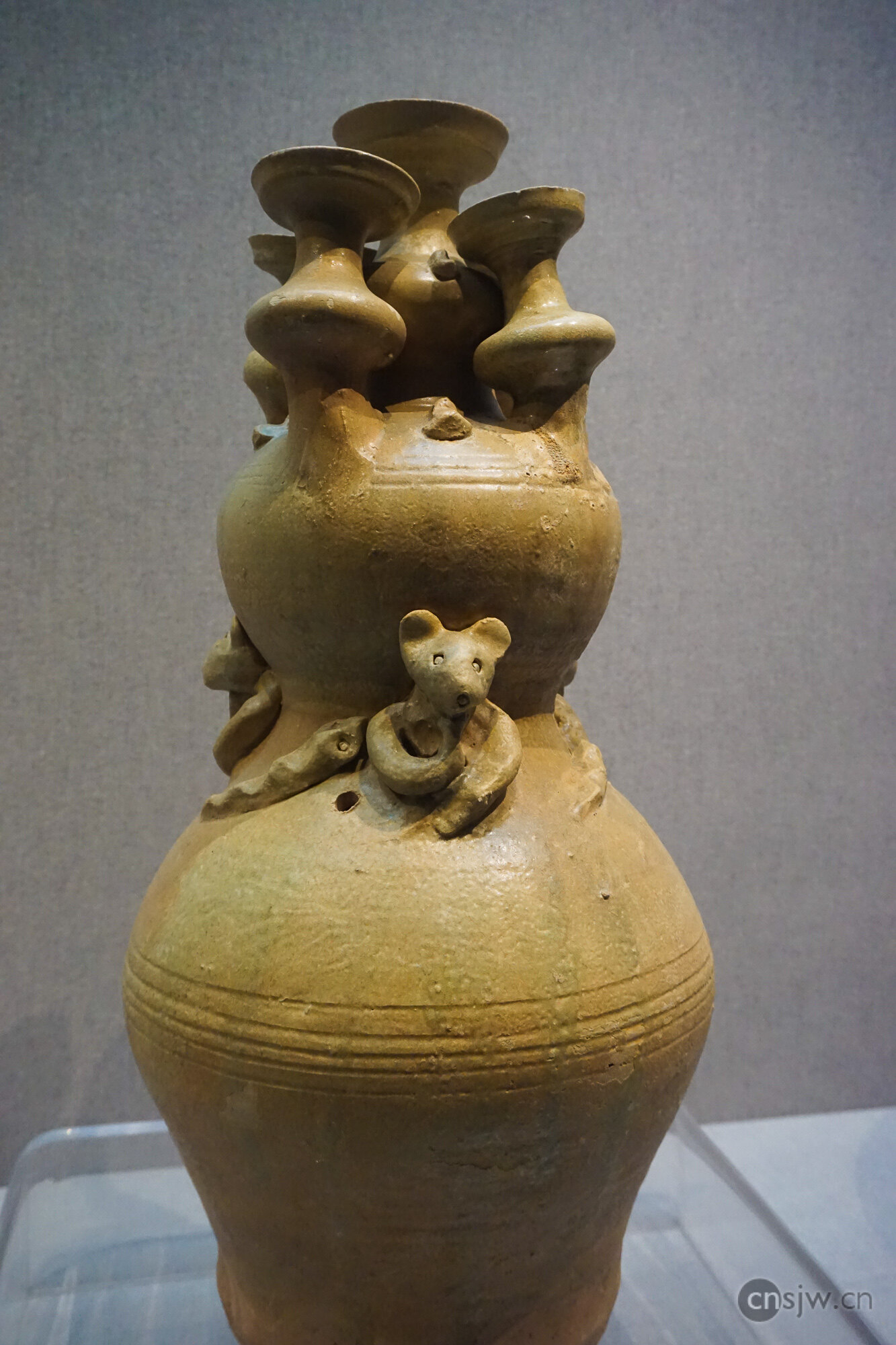
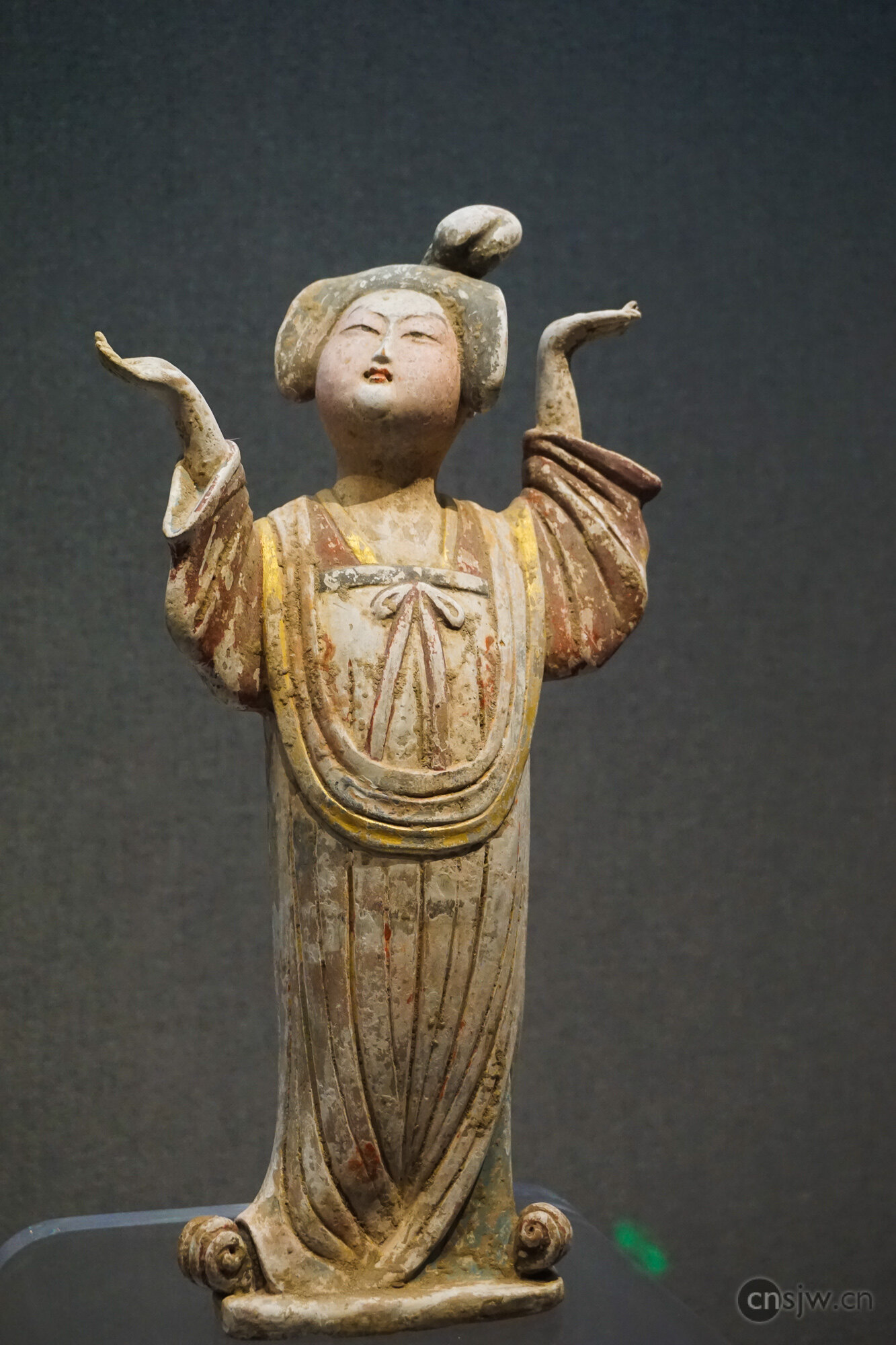
The exit is right here, which also serves as the entrance to the Guangfulin Culture Exhibition Hall. The exhibition hall is built almost entirely underwater and is divided into several major sections. First, it displays the differences between various cultural sites across different periods. Then, there is a scene depicting the excavation of Guangfulin, accompanied by wax figures. The final section showcases various shops throughout Shanghai’s development history—a similar section exists in the Ningbo Museum. The space inside is massive and quite suitable for older parents to visit, take photos, and reminisce. Unfortunately, all the scenes here are newly built. The buildings look quite nice from the lakeside, but the structures on the lake surface are purely decorative. The underwater exhibition halls are fully connected via a fixed one-way route, making the walk feel like strolling through IKEA.
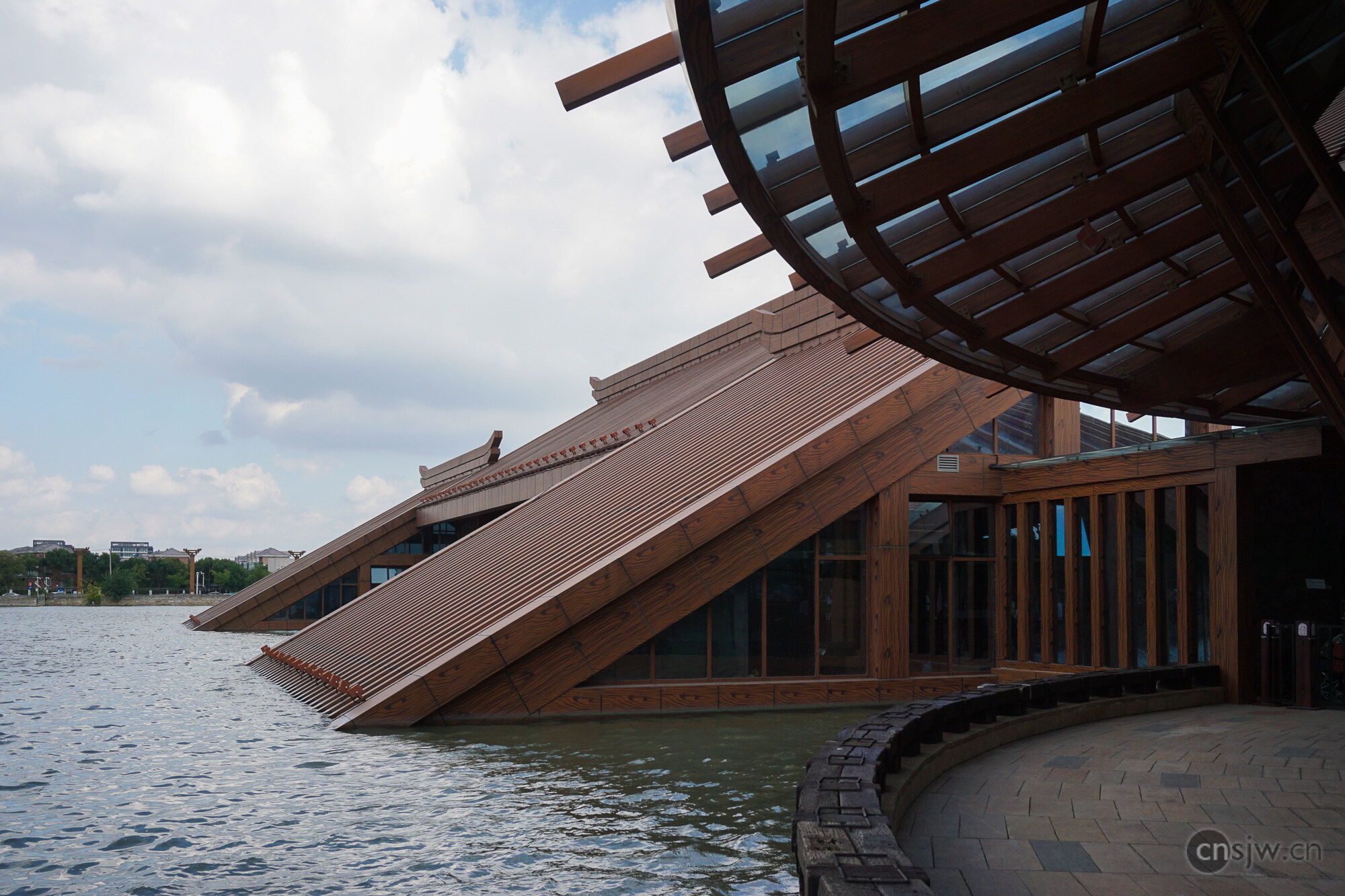
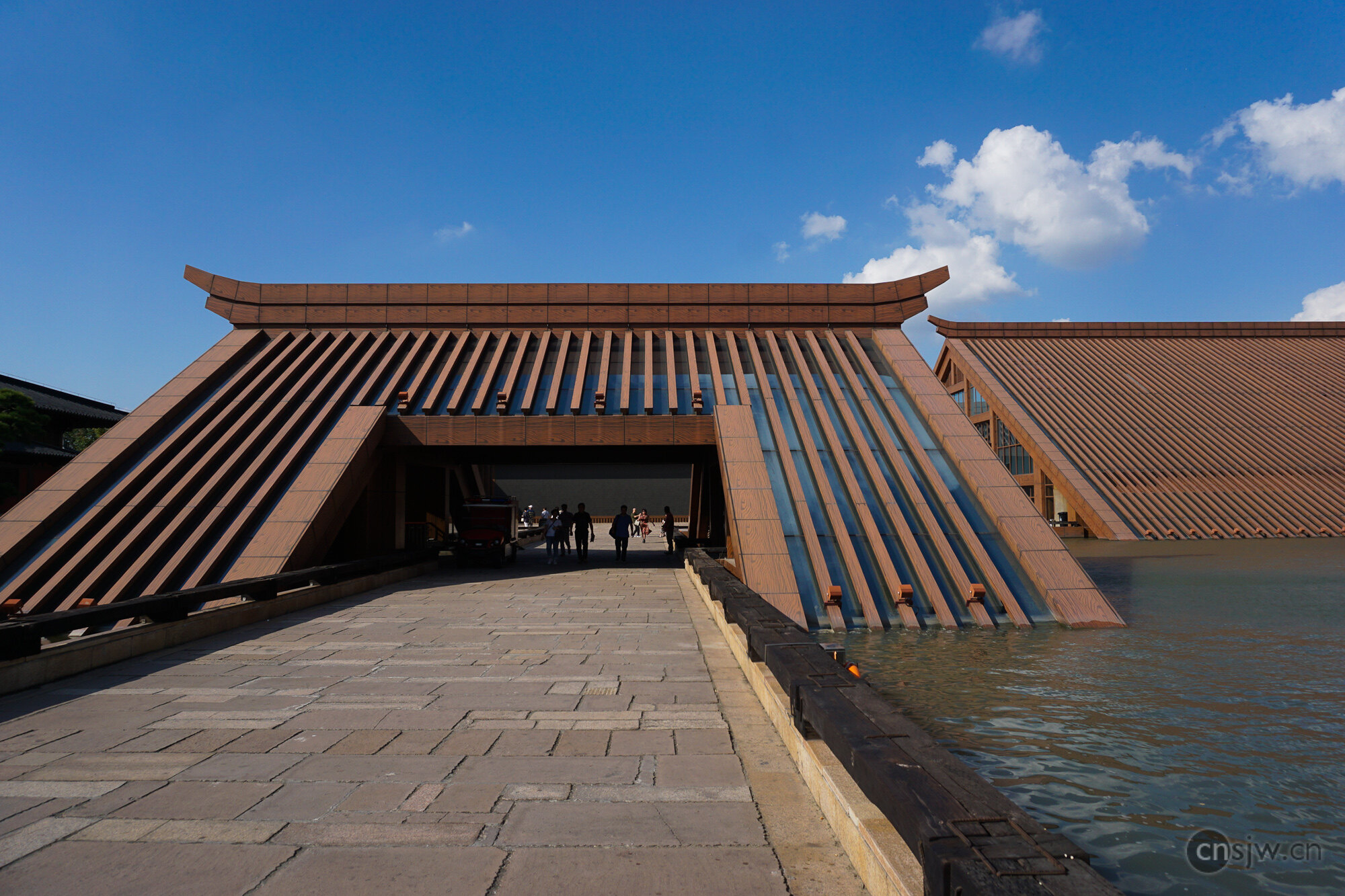
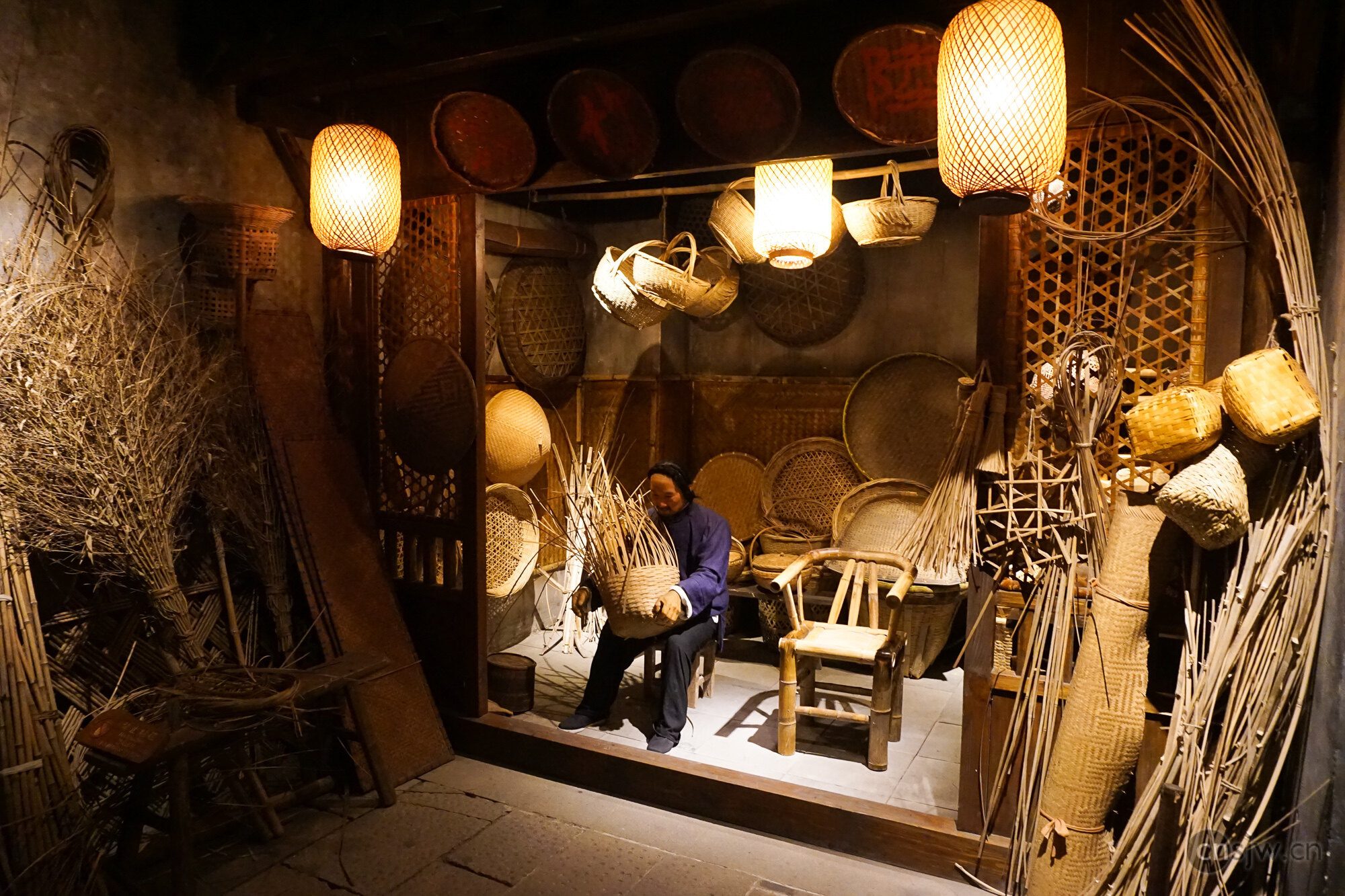
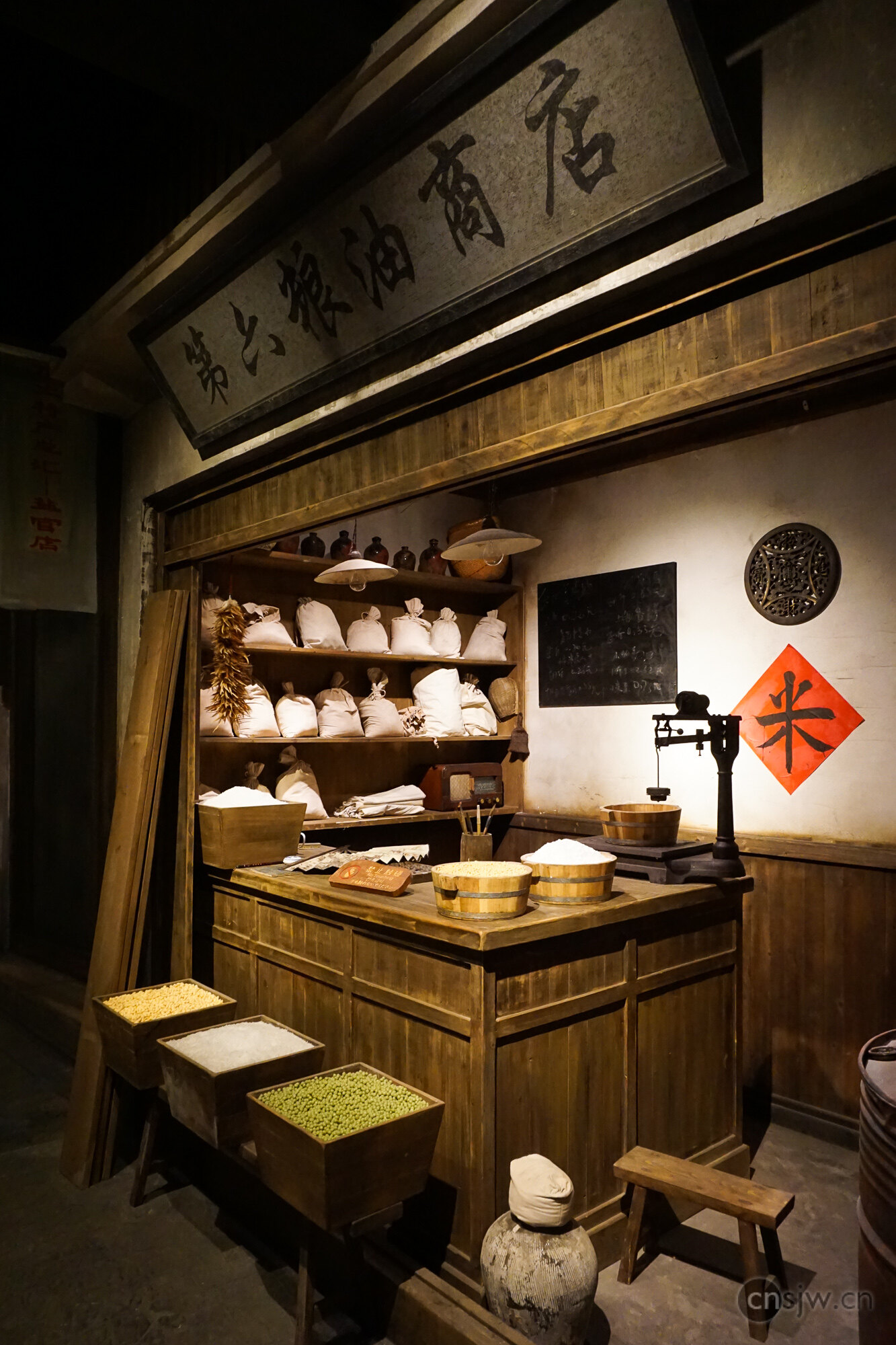
This place serves well as a science and education base, but if you expect to see genuine historical sites, you might be disappointed. After all, Guangfulin was originally just a village with nothing above ground; all the cultural relics were excavated from underground. Its archaeological significance far outweighs its value as a tourist attraction.
Photos in this post taken with SONY A5100 + 16-50 f3.5-5.6, post-processed in Lightroom.

Support



Read this article on WeChat