
Mu Mansion is the common name for the yamen of the Mu hereditary chieftains of Lijiang. It is a 4A-rated tourist attraction. The Mu clan were hereditary chieftains of Lijiang during the Yuan, Ming, and Qing dynasties, belonging to the Naxi ethnic group. Throughout successive generations, the Mu chieftains accepted titles conferred by the imperial court of the Central Plains and continuously expanded their territory. Emperor Taizu of the Ming Dynasty, Zhu Yuanzhang, bestowed upon them the Han surname “Mu” and appointed them as hereditary prefects. During the reign of Mu Zeng, the power of the Lijiang chieftaincy reached its zenith. When Qing troops entered Yunnan, Chieftain Mu Yi surrendered to the Qing court and was permitted to retain his hereditary title. During the Revolt of the Three Feudatories, the Lijiang chieftain refused to join Wu Sangui’s rebellion against the Qing.
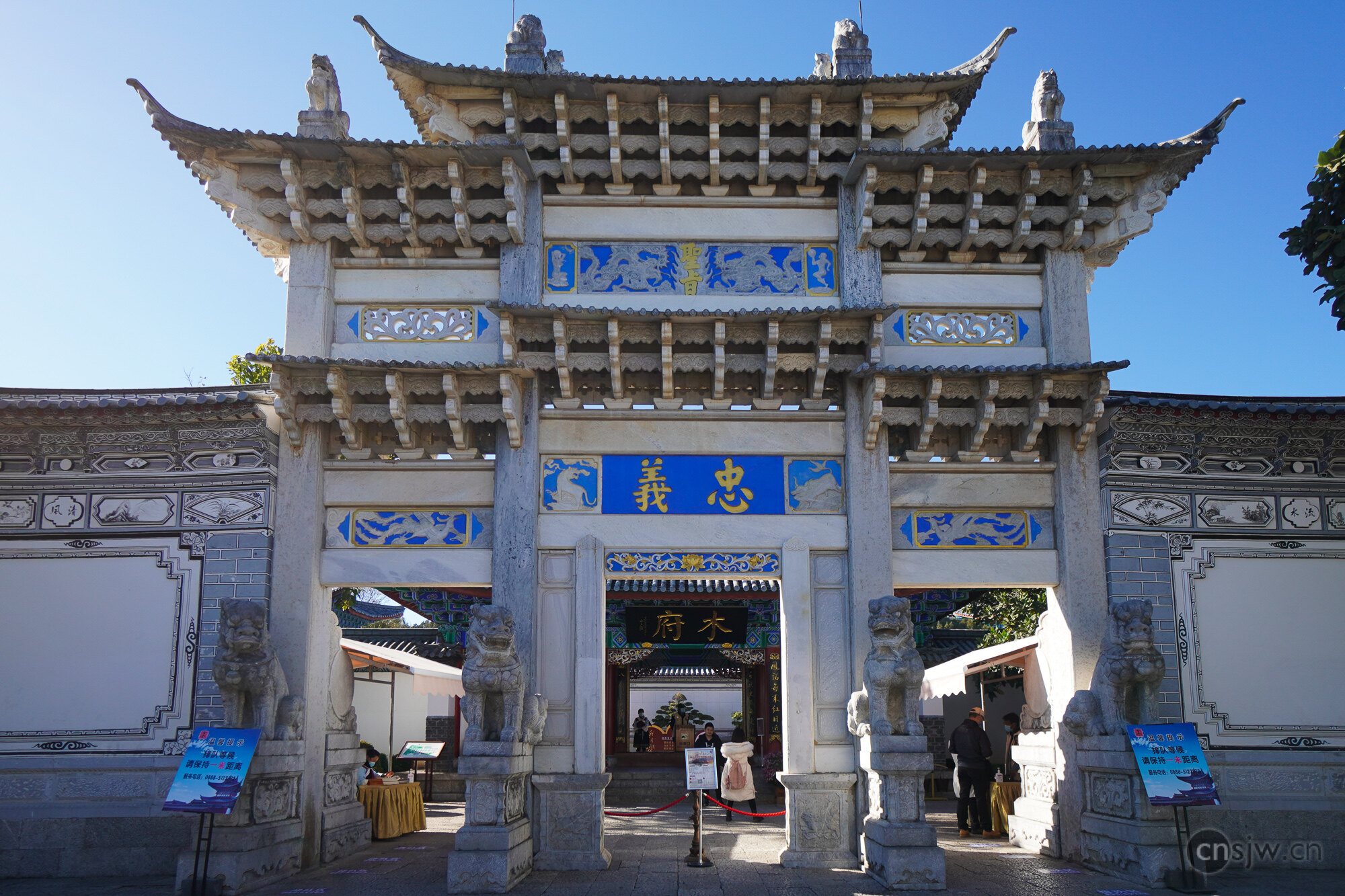
During the Xianfeng and Tongzhi reigns of the Qing Dynasty, a Hui uprising broke out in Dali, Yunnan. Hui forces led by Du Wenxiu attacked Lijiang, and Mu Mansion, along with Buddhist temples such as Jietuo Forest and Puji Temple within the town, was burned down by the rebels. Only a 6-meter-high stone archway at the entrance survived (inscribed with the characters “Loyalty and Righteousness” in the handwriting of the Wanli Emperor, hence known as the “Loyalty and Righteousness Archway”). During the Guangxu reign of the Qing Dynasty, descendants of the Mu clan rebuilt the residential section on the ruins of the chieftain’s mansion, but on a much smaller scale, consisting of only three courtyards. This stone archway was later destroyed during the Cultural Revolution. The Mu Mansion we see today was restored using a World Bank loan following the magnitude 7.0 Lijiang earthquake on February 3, 1996, and was completed and opened to the public in 1999.
The entire Mu Mansion is newly constructed and is not classified as a cultural relic site; therefore, it holds relatively less appeal for many visitors. To attract tourists, complimentary guided tours are offered. The 40-yuan admission ticket includes a full guided tour, which is quite reasonable.
The Loyalty and Righteousness Stone Archway at the entrance
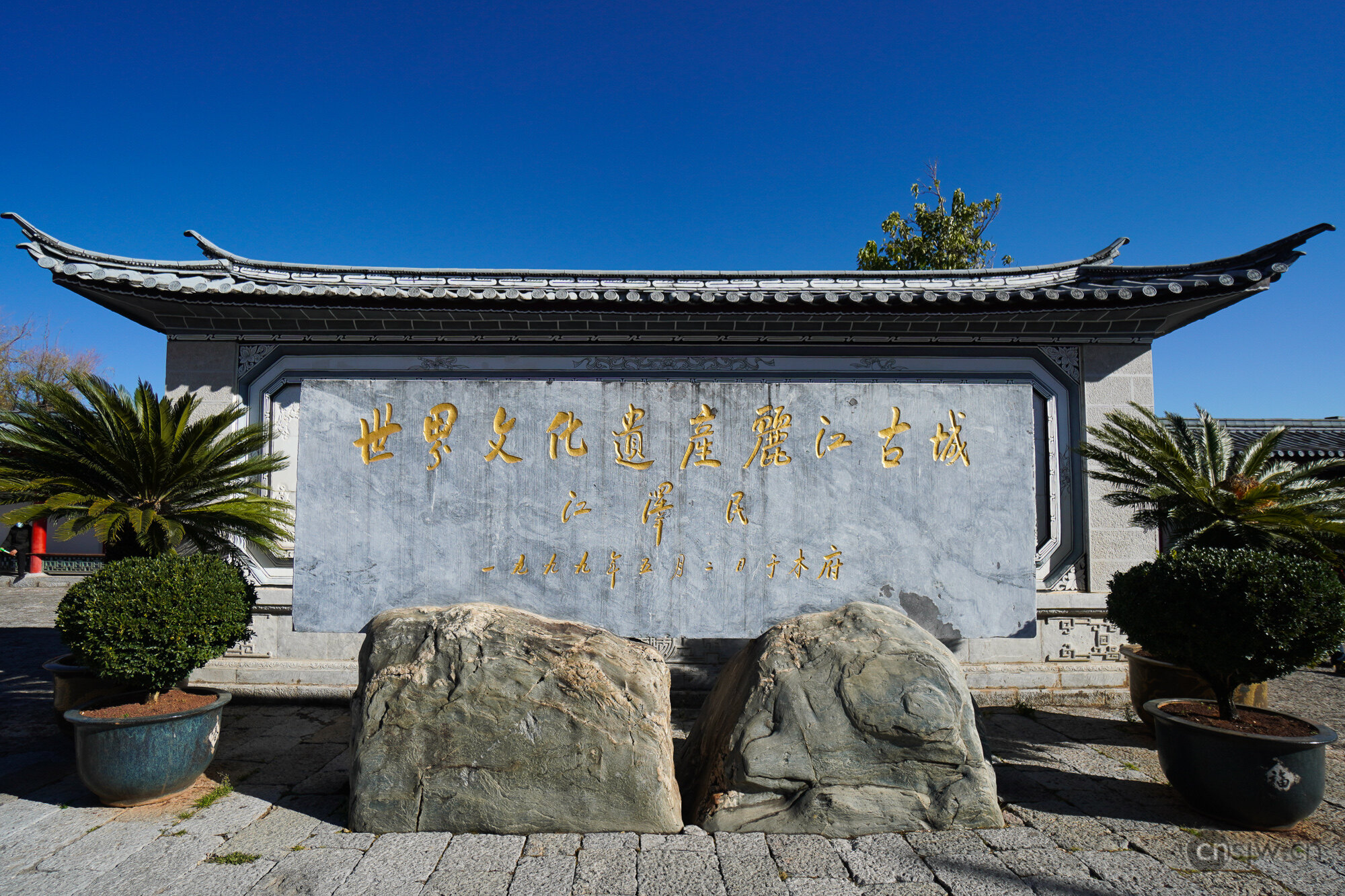
The stone tablet inscribed with “World Cultural Heritage: Old Town of Lijiang,” featuring calligraphy by Jiang Zemin from his 1999 inspection visit to Lijiang, was erected during the renovation of Mu Mansion in 2012.
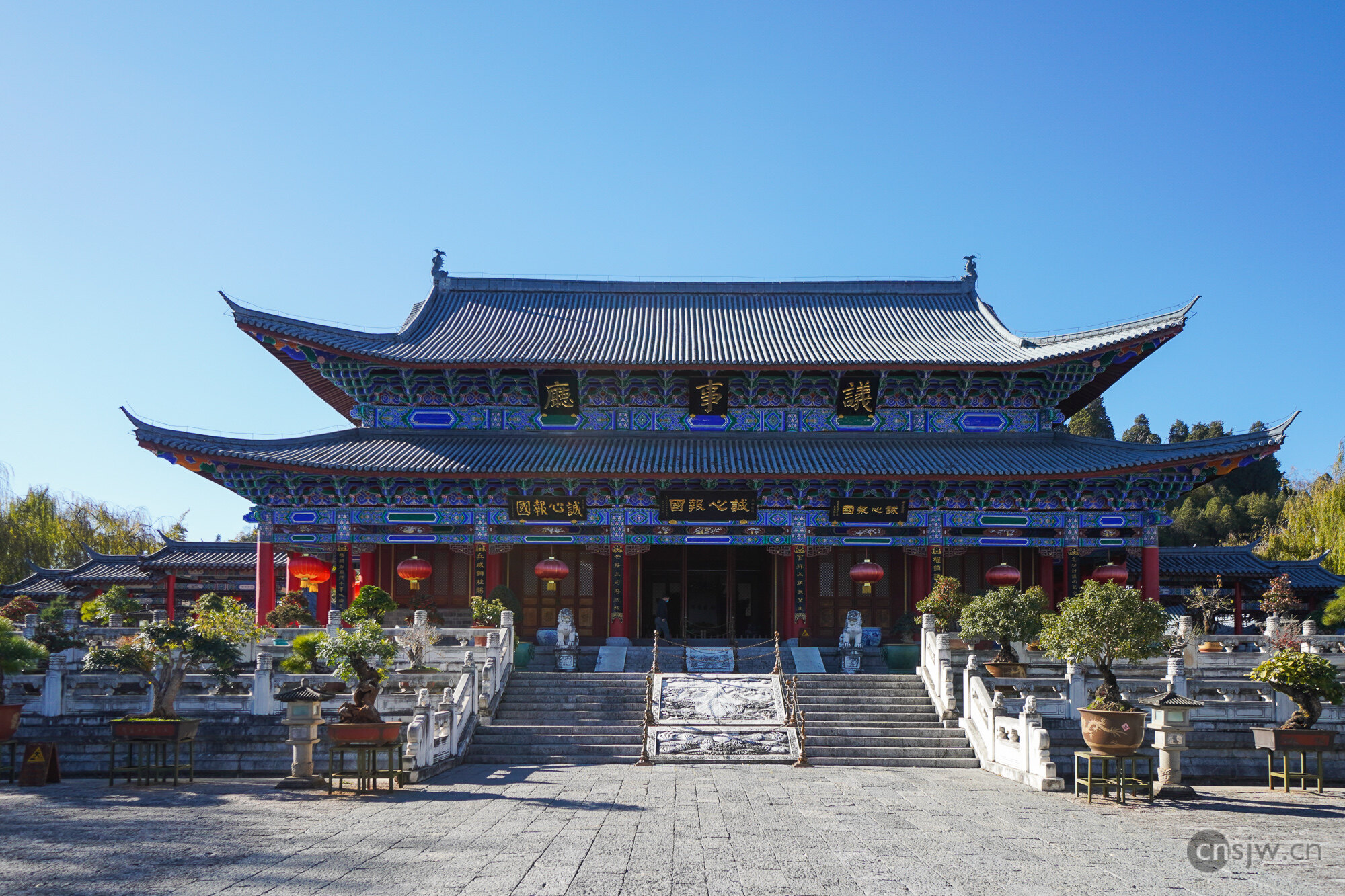
Mu Mansion covers an area of 46 mu. Along its 369-meter-long central axis stand, in sequence: the Loyalty and Righteousness Stone Archway, the Ceremonial Gate and Council Hall, the Ten Thousand Volumes Library, the Dharma Protector Hall, the Guangbi Tower, the Yuyin Tower, and the Sanqing Hall. Flanking both sides are auxiliary halls, pavilions, street-crossing towers, family courtyards, official post stations, and long corridors, totaling 162 buildings. Facing east while sitting in the west, built along the mountain terrain with varying elevations and rhythmic undulations, it successfully recreates the grandeur of this former “Forbidden City” of Lijiang.
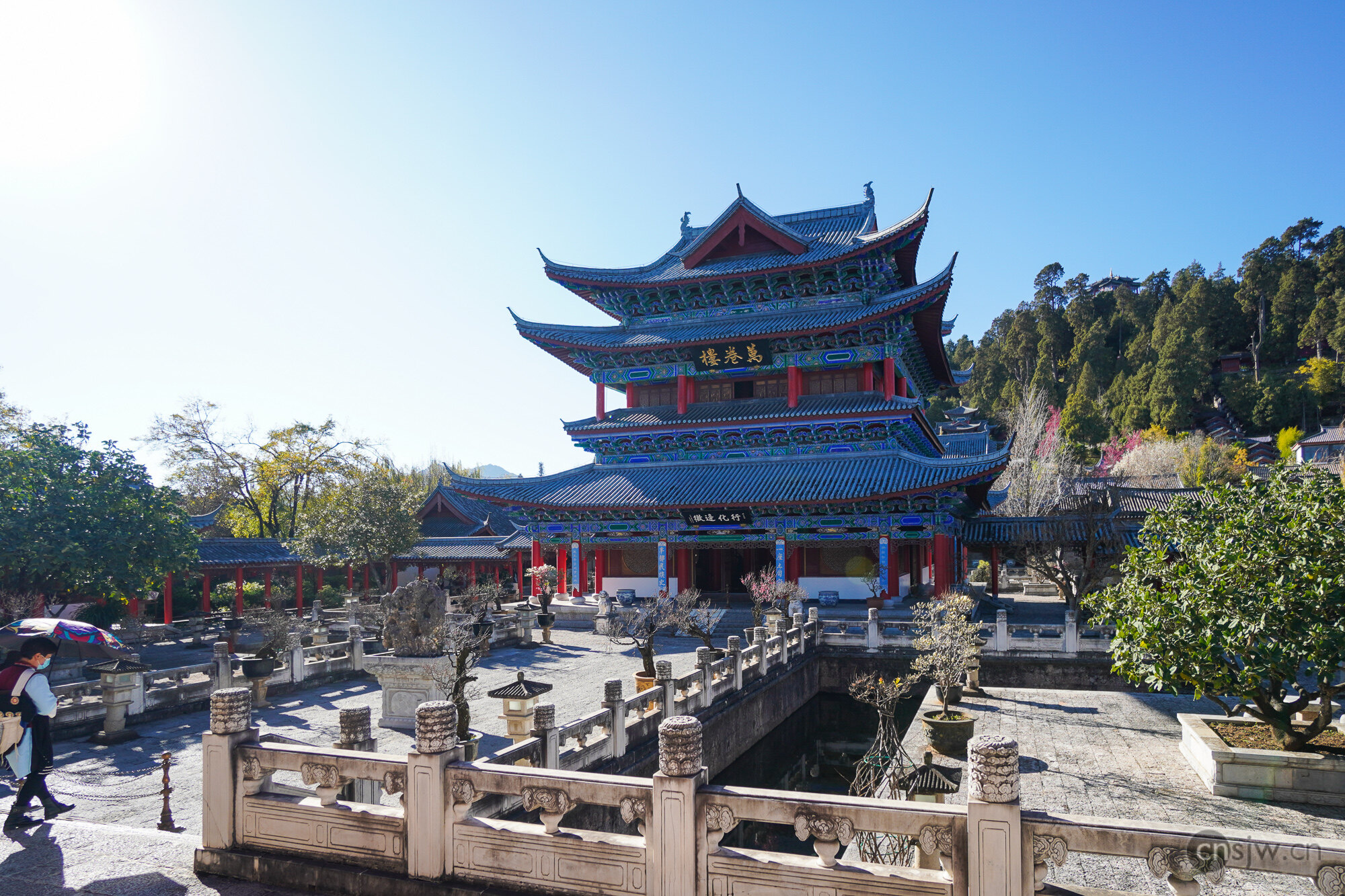

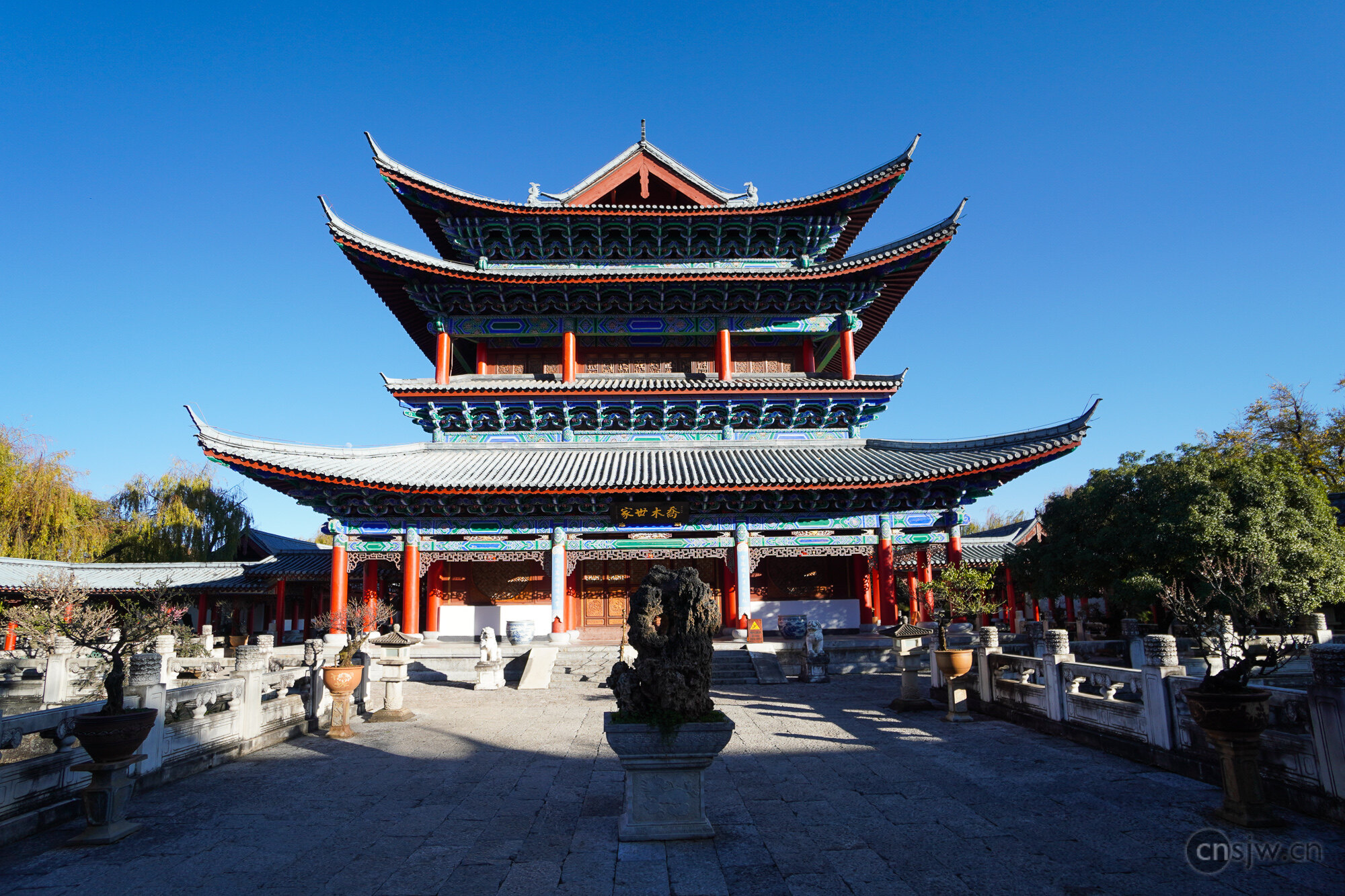
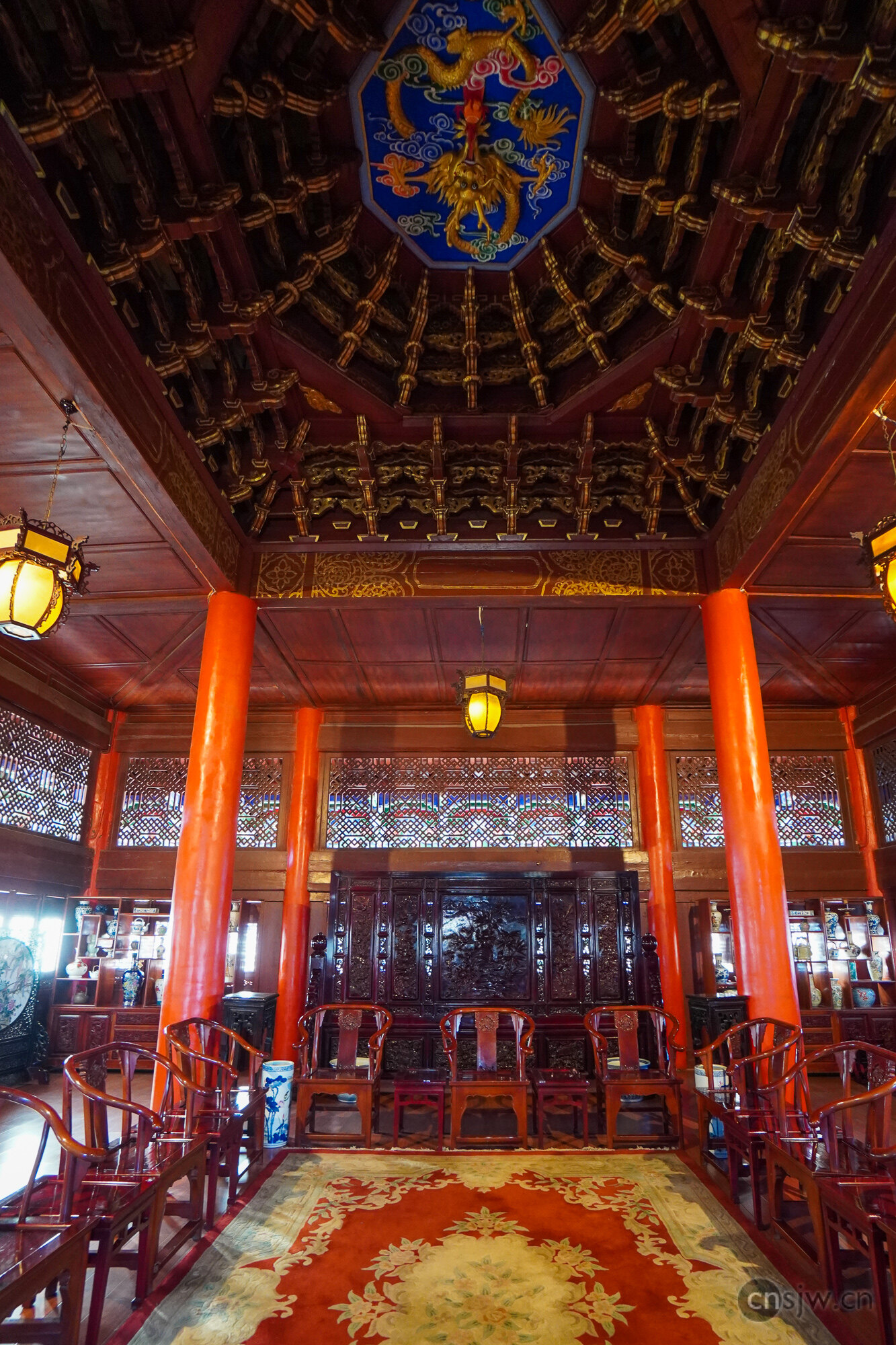
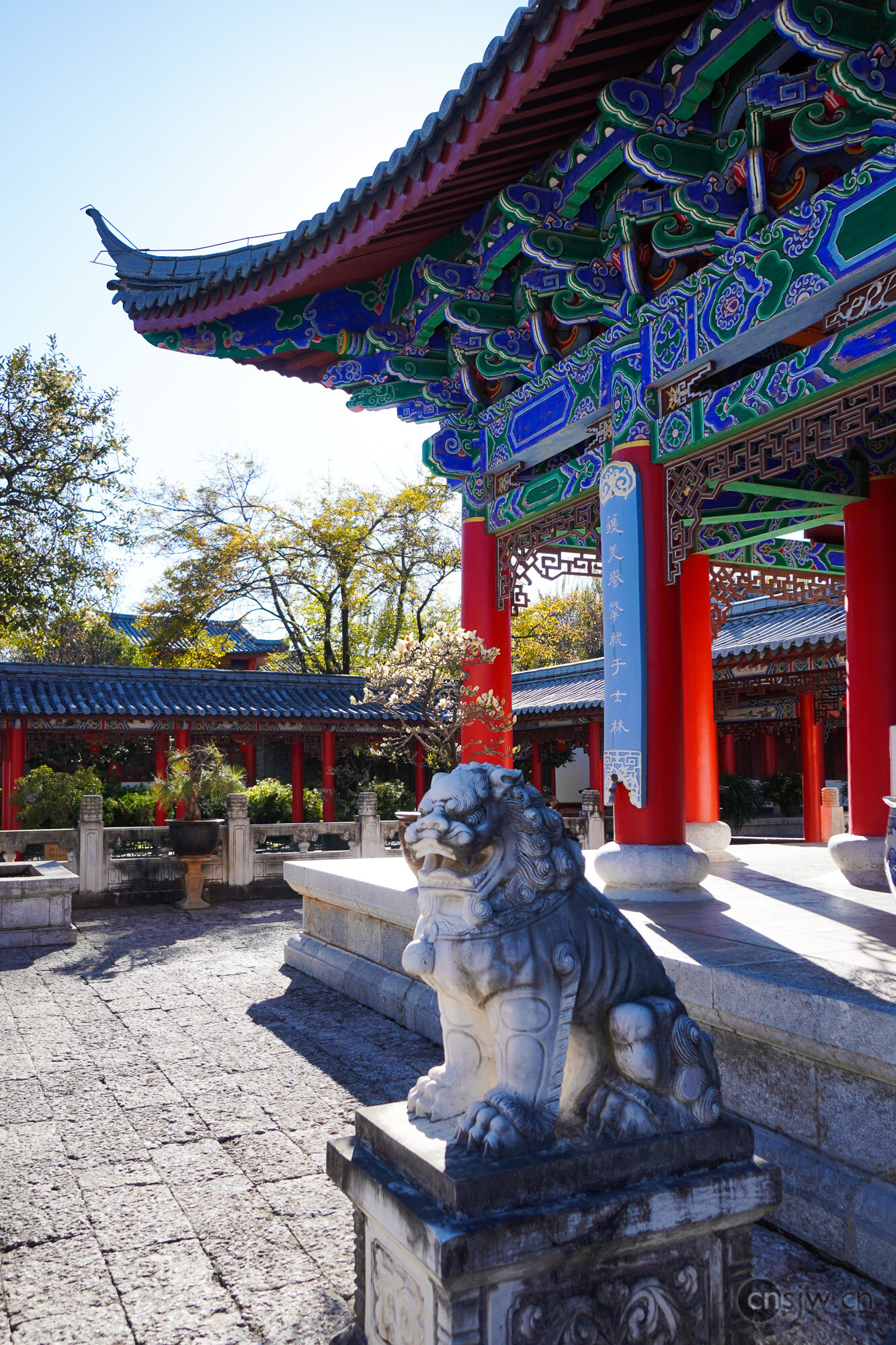
A pedestrian overpass has been built in the middle, offering views of the tranquil Old Town of Lijiang from here.
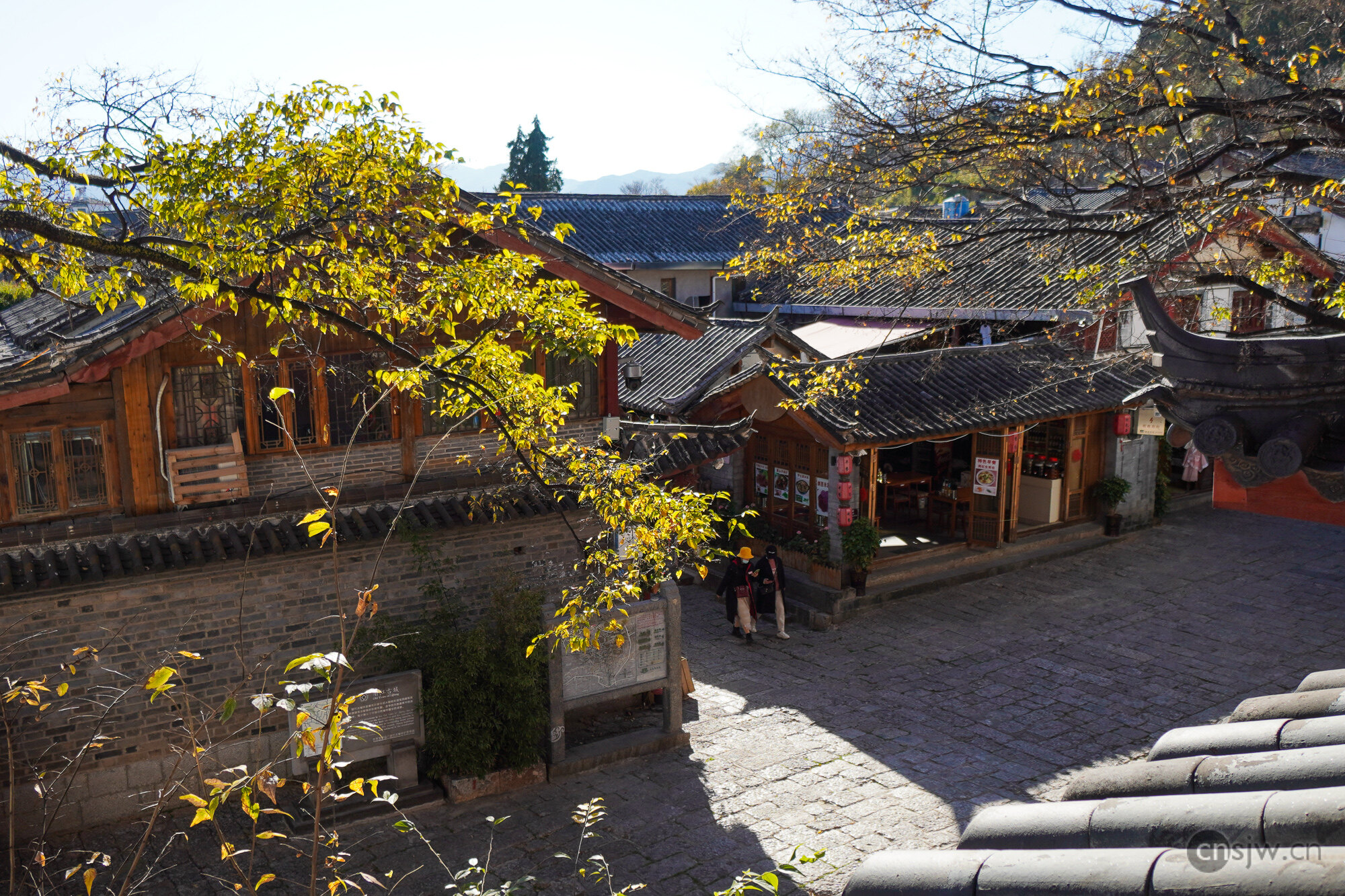
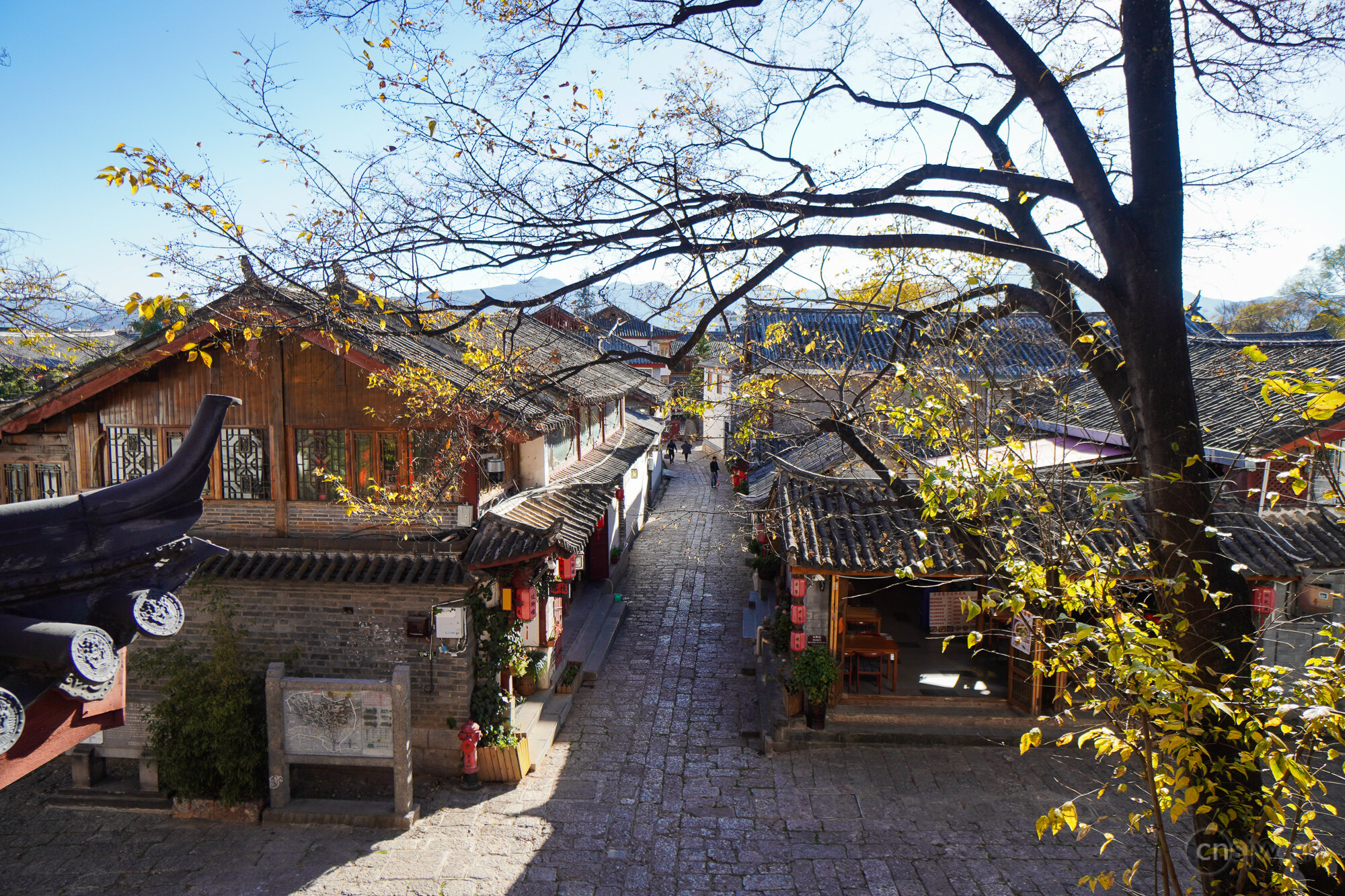
Crossing the overpass is equivalent to entering the rear garden.
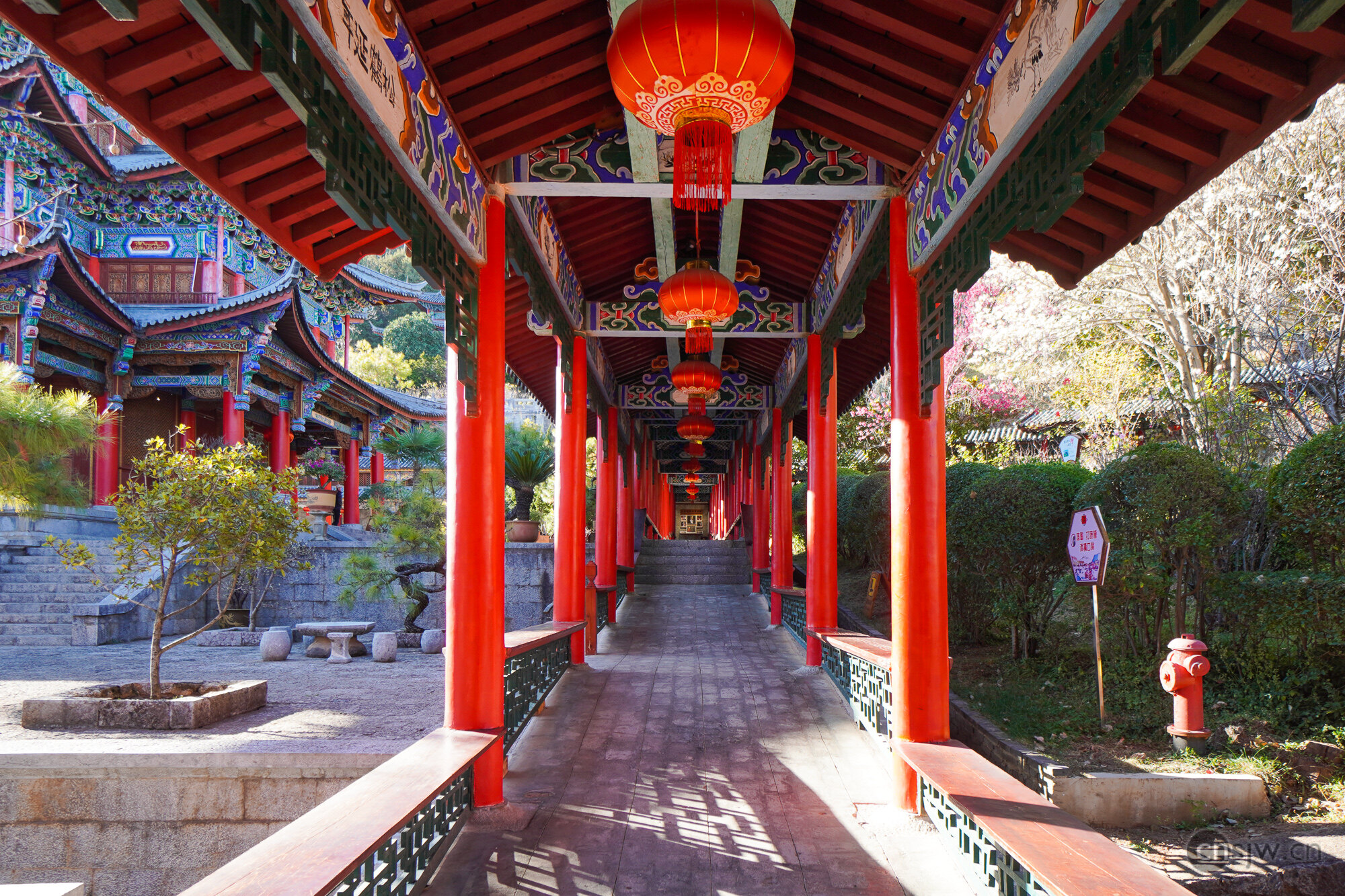
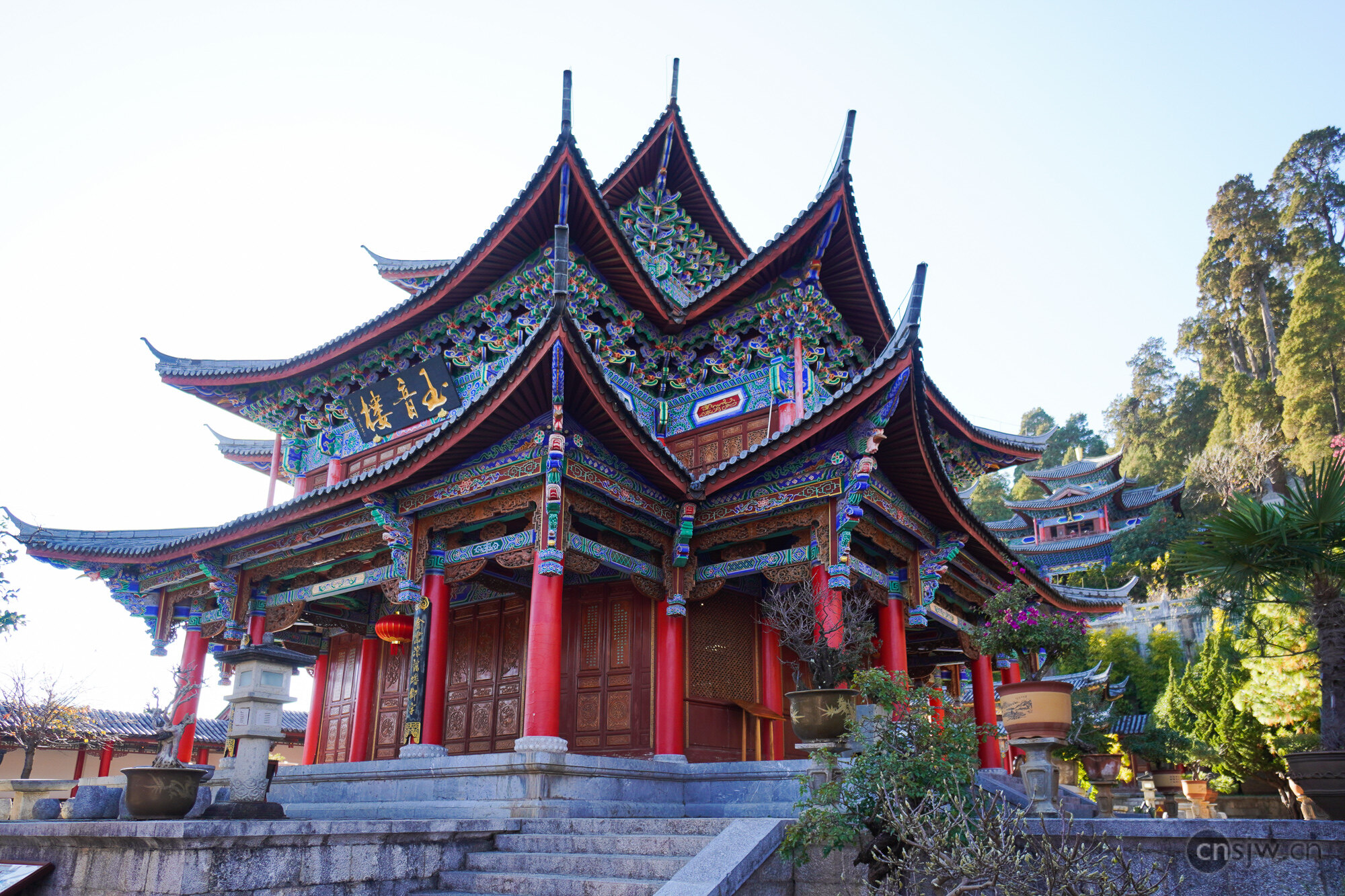
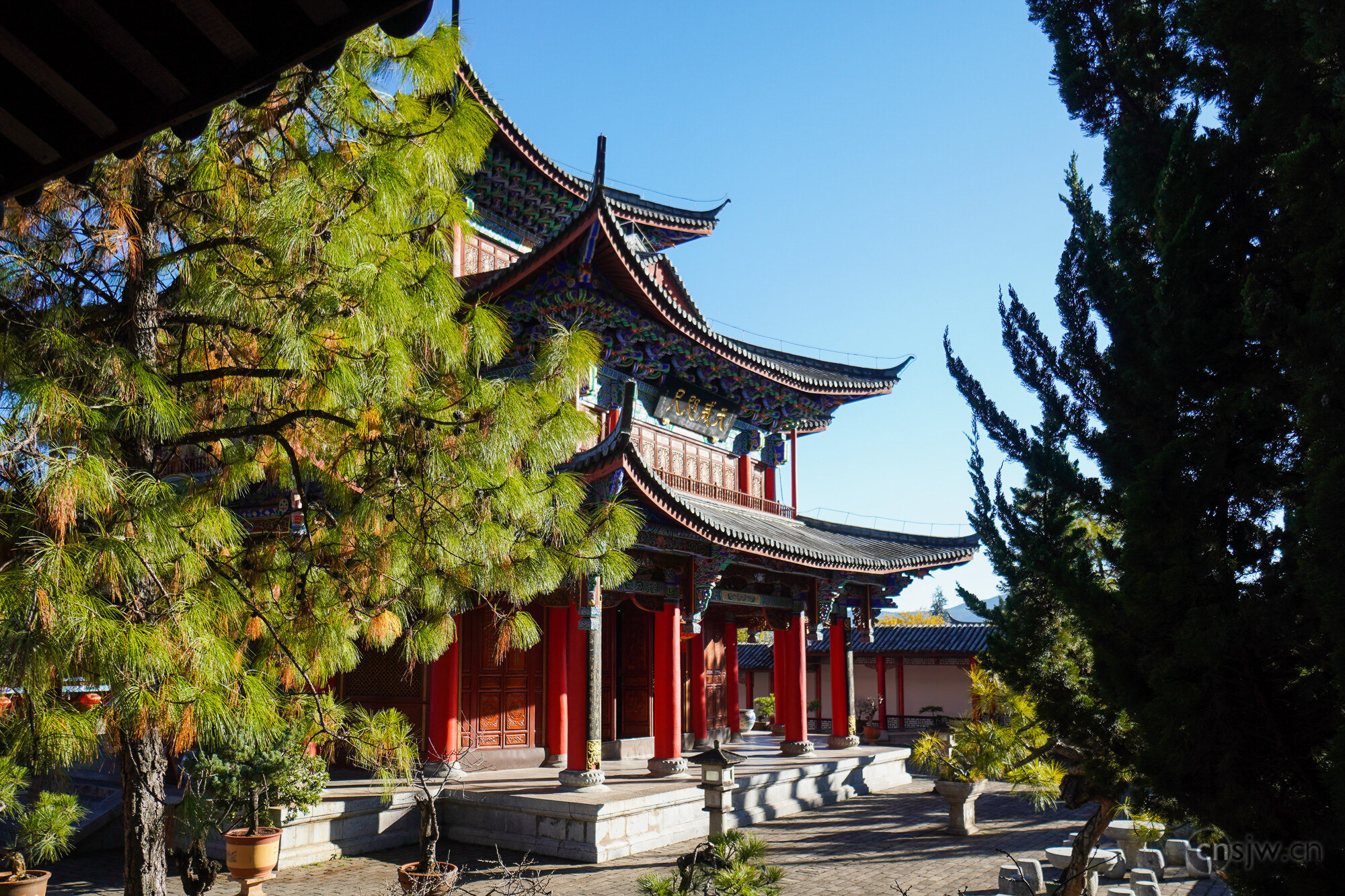
From the elevated vantage point at the back, you can overlook the Old Town of Lijiang.



Overall, this place is well worth a visit. If you are exploring the Old Town of Lijiang and happen to have some spare time, coming here to learn about the history of the Naxi regime is quite interesting.




Support



Read this article on WeChat