
Guoqing Temple on Mount Tiantai is a Buddhist temple located at the foot of Mount Tiantai, north of Tiantai County, Taizhou City, Zhejiang Province, China. Built during the Sui Dynasty, it has a history of over 1,400 years and serves as the ancestral temple for both the Chinese and Japanese Tiantai schools of Buddhism. The temple was first constructed in the 18th year of the Kaihuang era of Emperor Wen of Sui (598 AD) and was originally named Tiantai Temple. It was later renamed Guoqing Temple based on the phrase “If the temple is completed, the country will be at peace.” The temple covers an area of 73,000 square meters. The existing buildings were rebuilt by imperial decree in the 12th year of the Yongzheng reign of the Qing Dynasty (1734).
This location happened to be on our route from Xianju to Ningbo. Mount Tiantai is also a 5A-rated tourist attraction, but due to time constraints, we did not visit other parts of the mountain. Like many other scenic areas, visitors must transfer to a shuttle bus at the Tourist Service Center to reach Guoqing Temple. Admission to the temple itself is free; only a bus ticket is required. Precisely because this area is a hub of frequent cultural exchange between China and Japan, Hoshino Resorts chose this location to open its first hotel in mainland China.
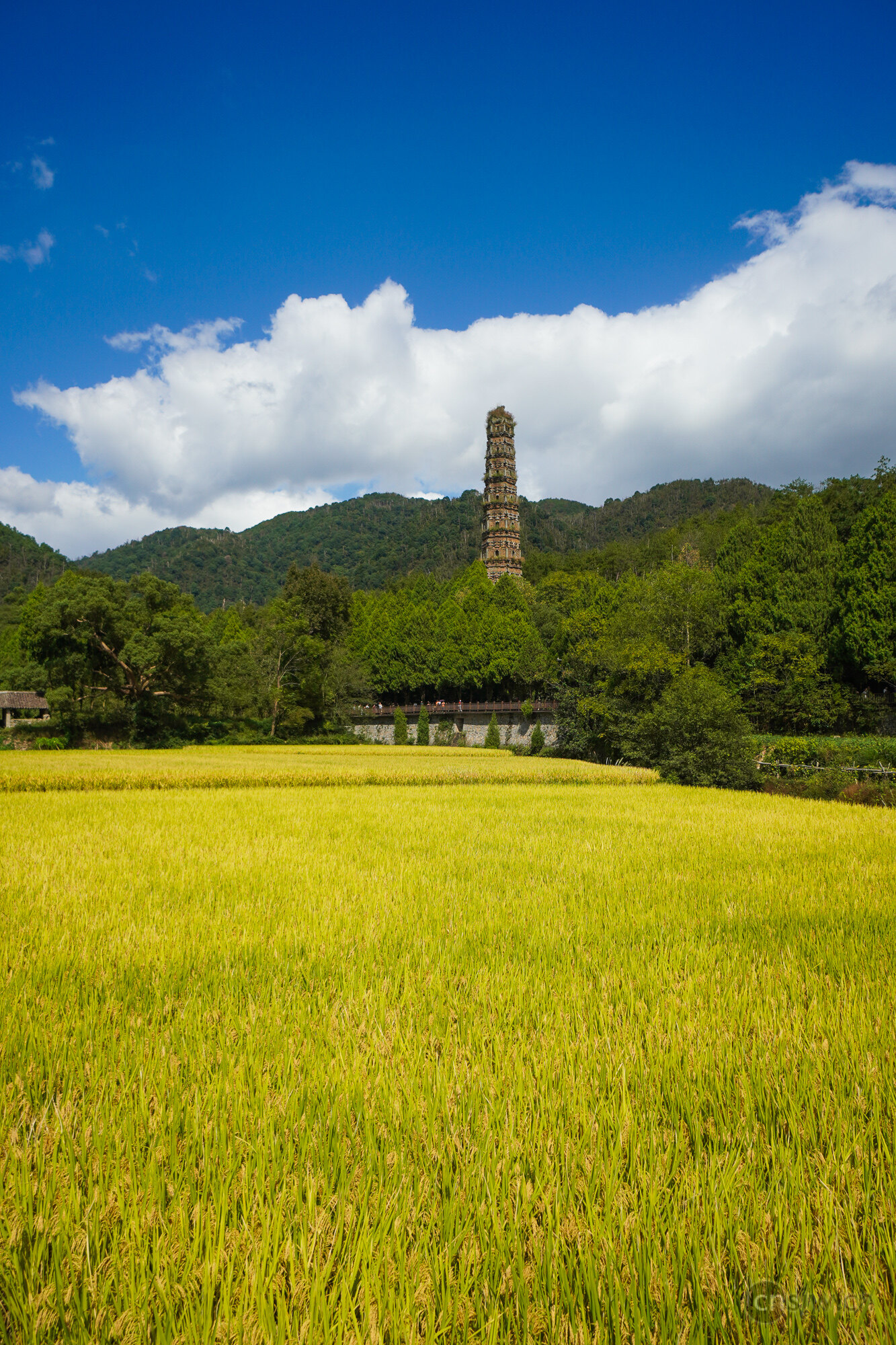
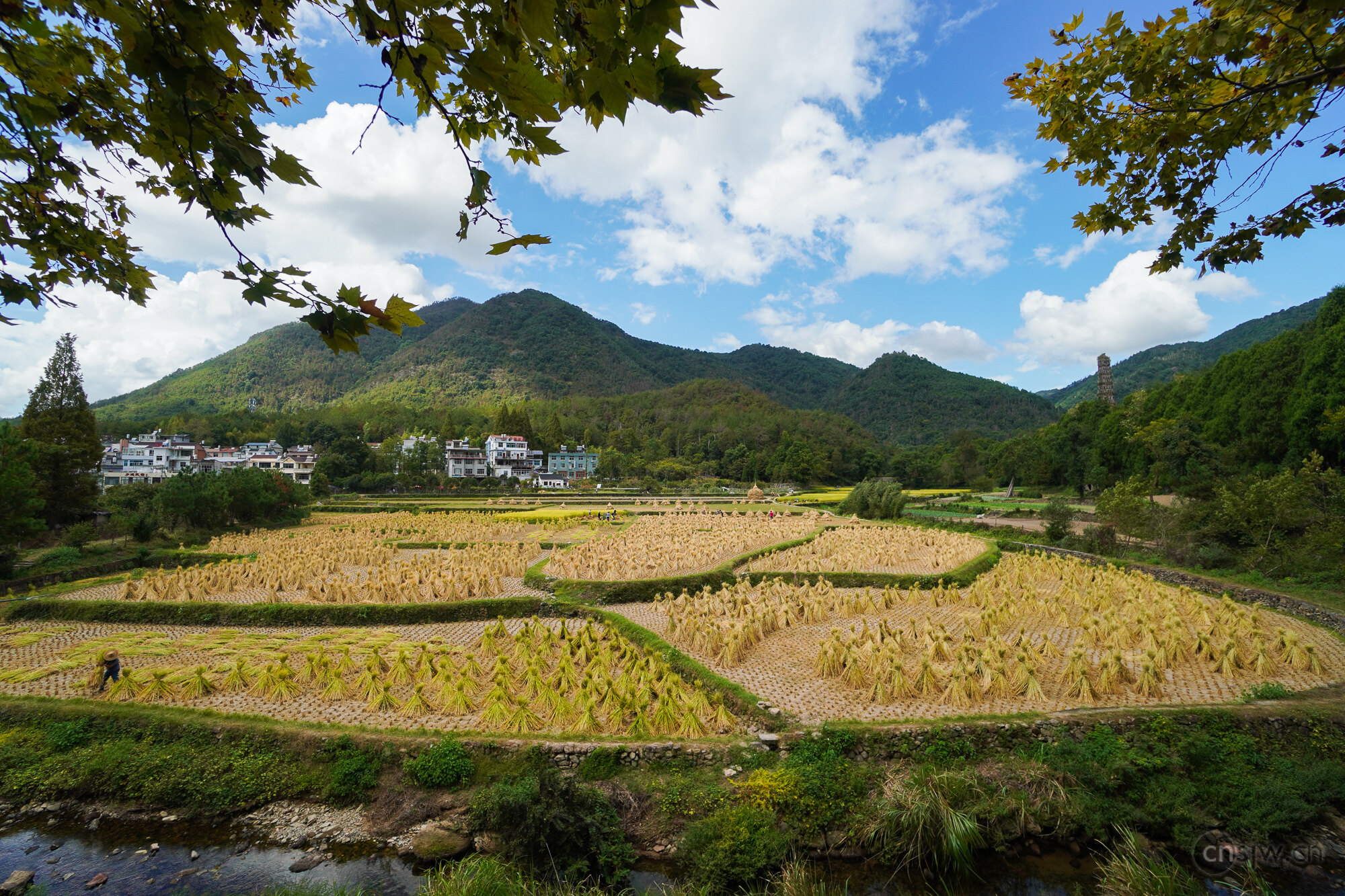
Upon arriving here, the first thing that catches your eye is the neat rice paddies. It is currently harvest season, and the golden yellow fields are beautiful; everything here feels meticulously designed. Nearby, there is also a popular internet-famous café and a trendy Western restaurant, both of which are packed with people and have long waiting times.

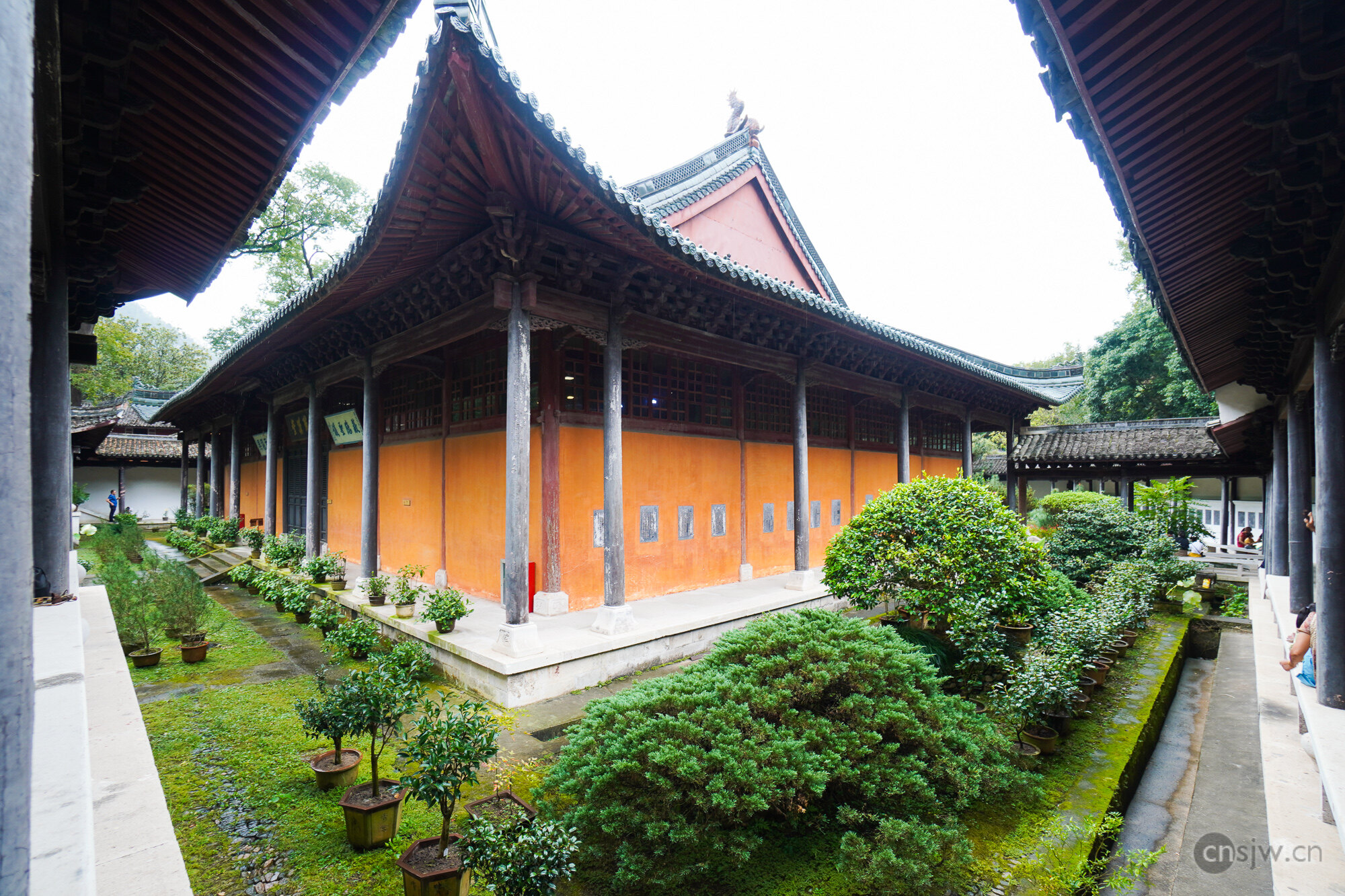
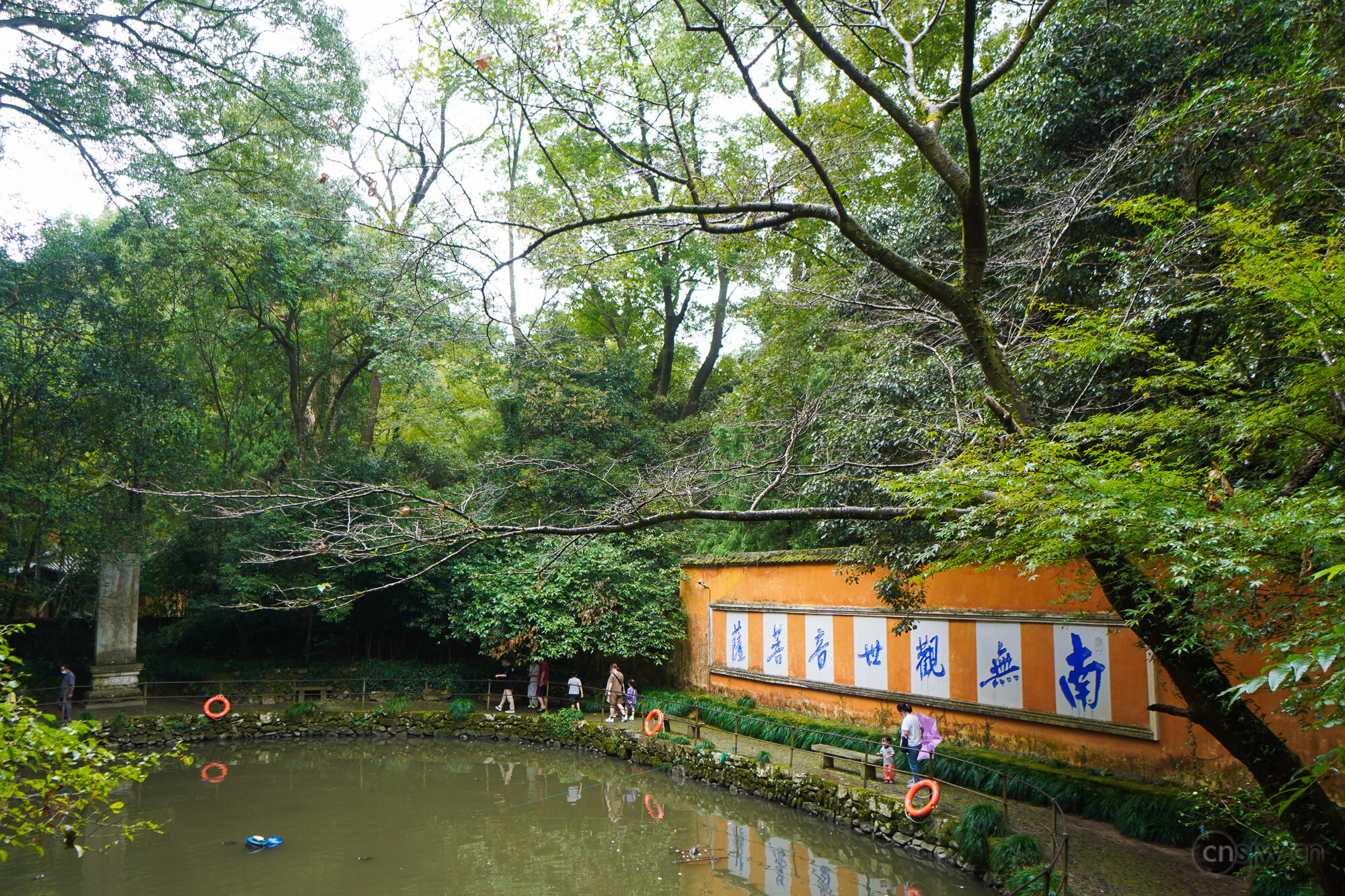
Walking further inside reveals a stunning sight: the four large characters “Ancient Temple of the Sui Dynasty” come into view. The overall style of the temple remains very traditional, without excessive renovation, retaining a sense of solemn majesty.
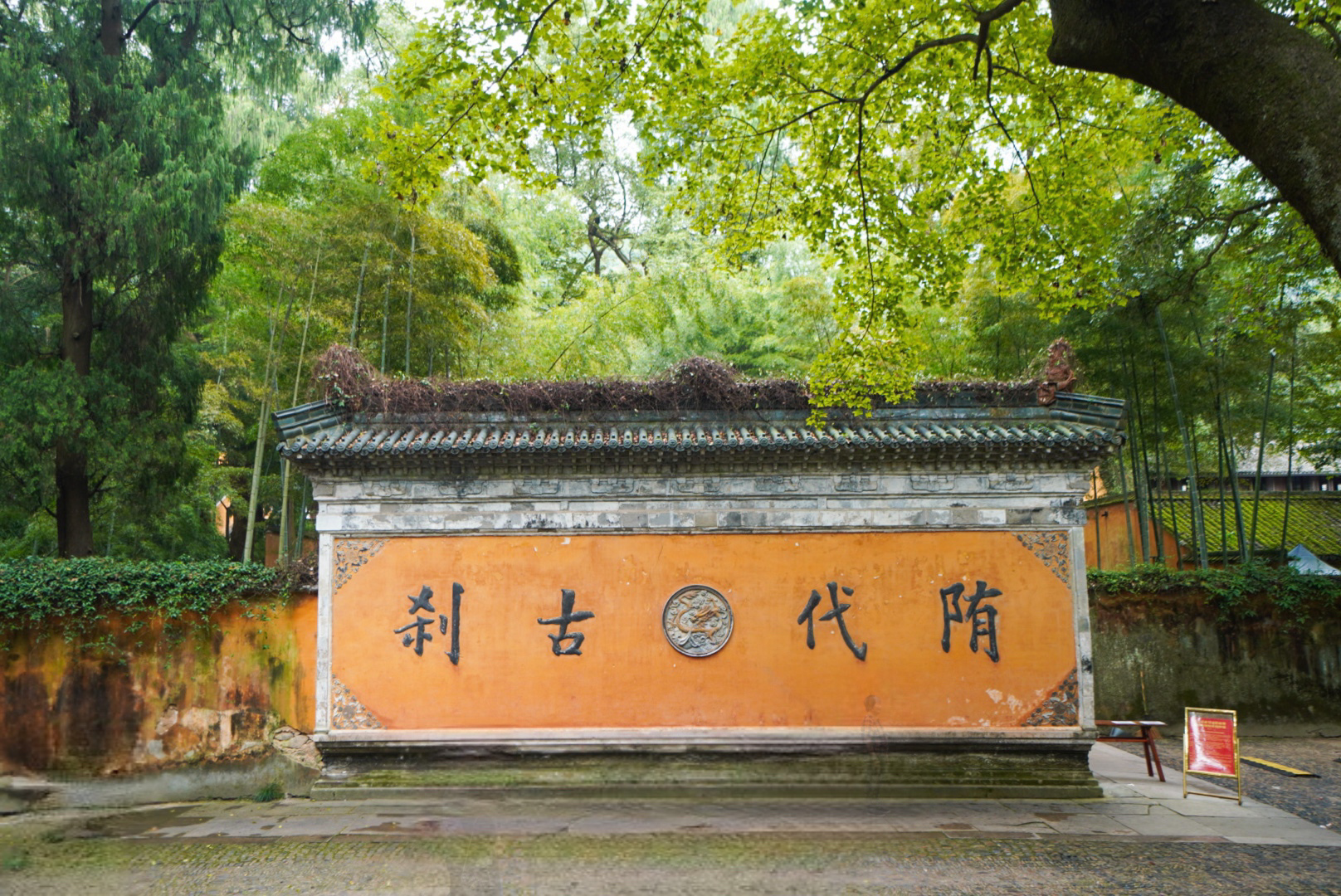

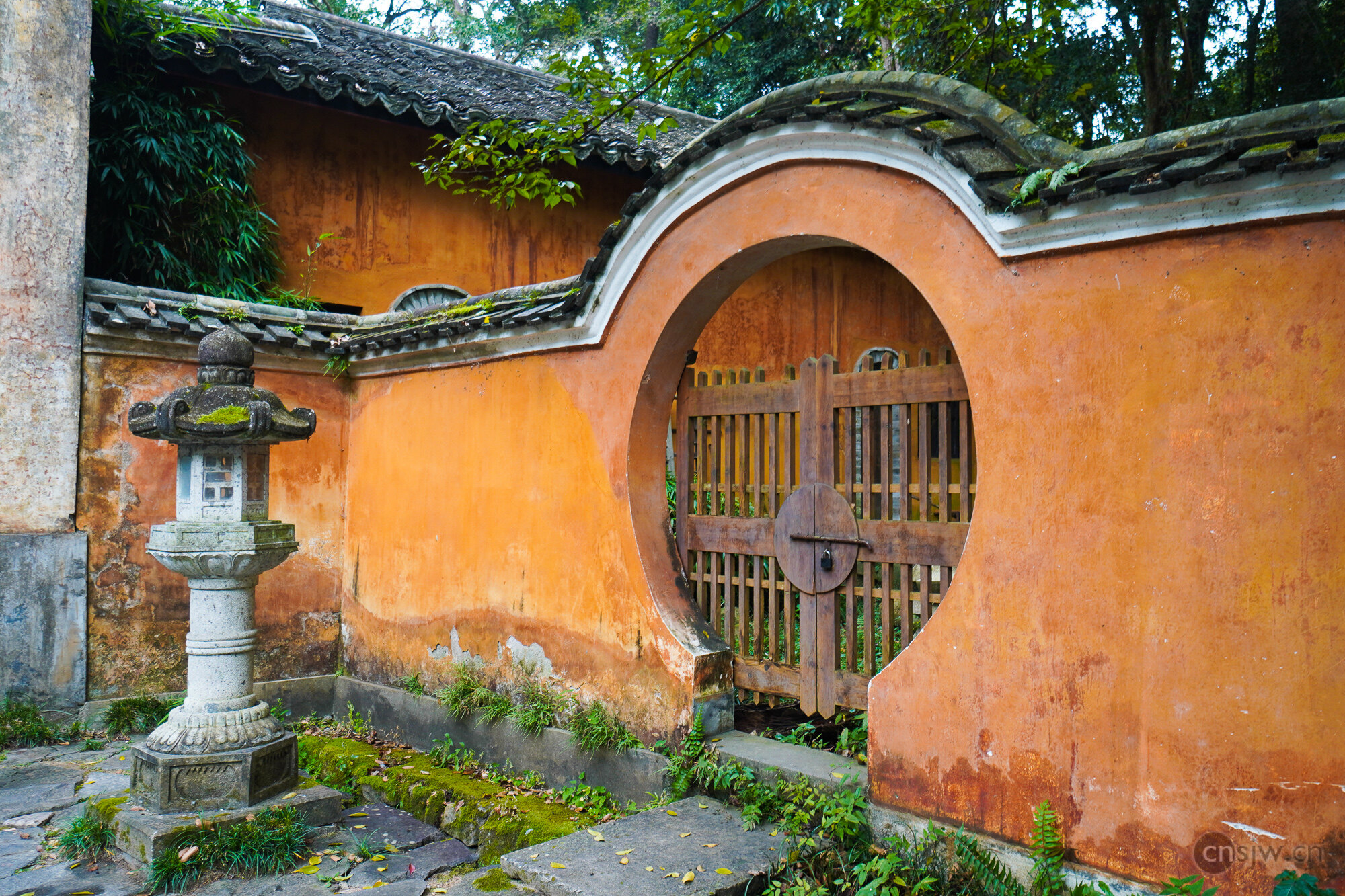
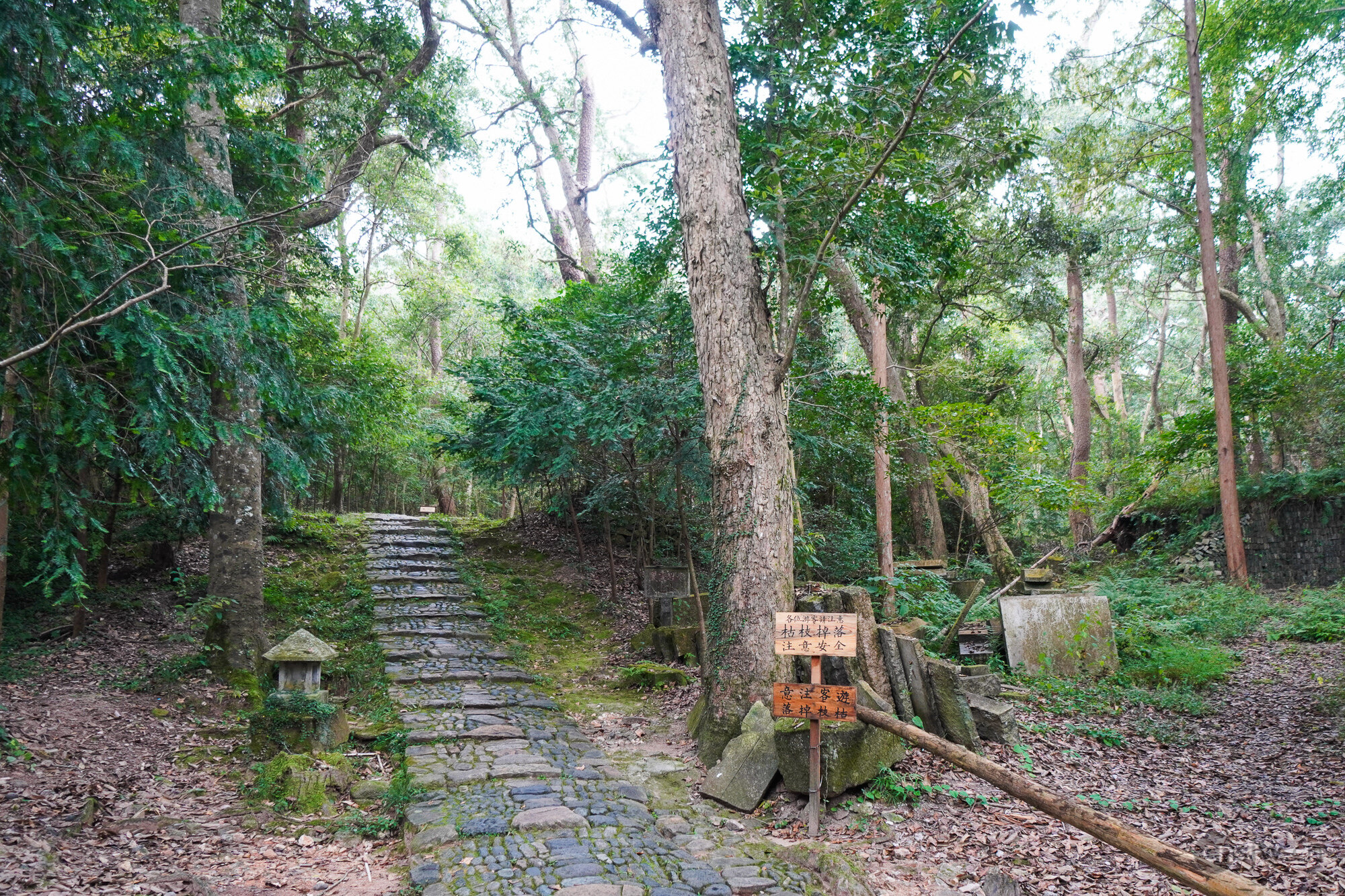
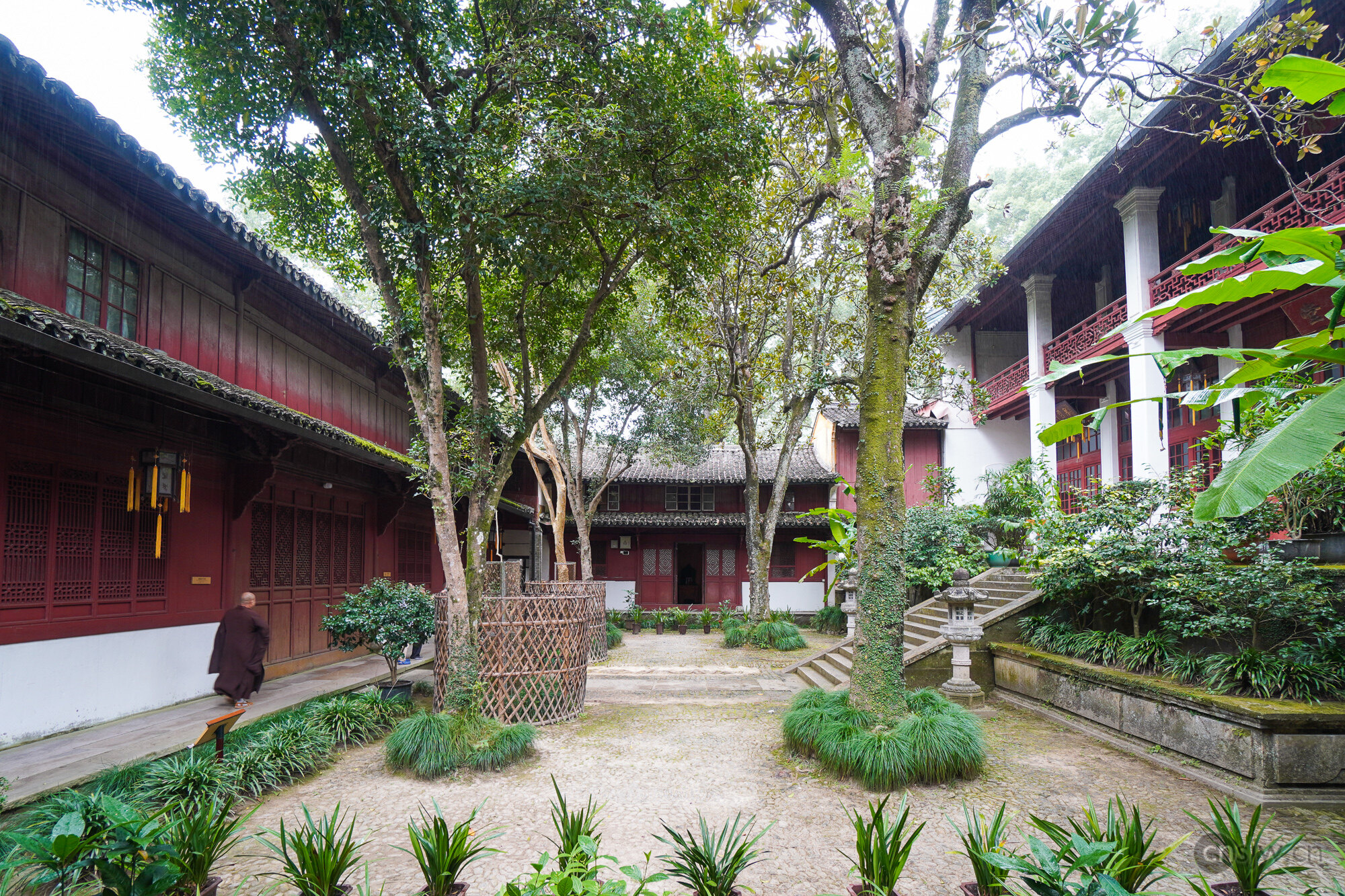
As we walked along, it started to rain. The rain stopped after a short while, and the temple took on a unique charm amidst the drizzle.
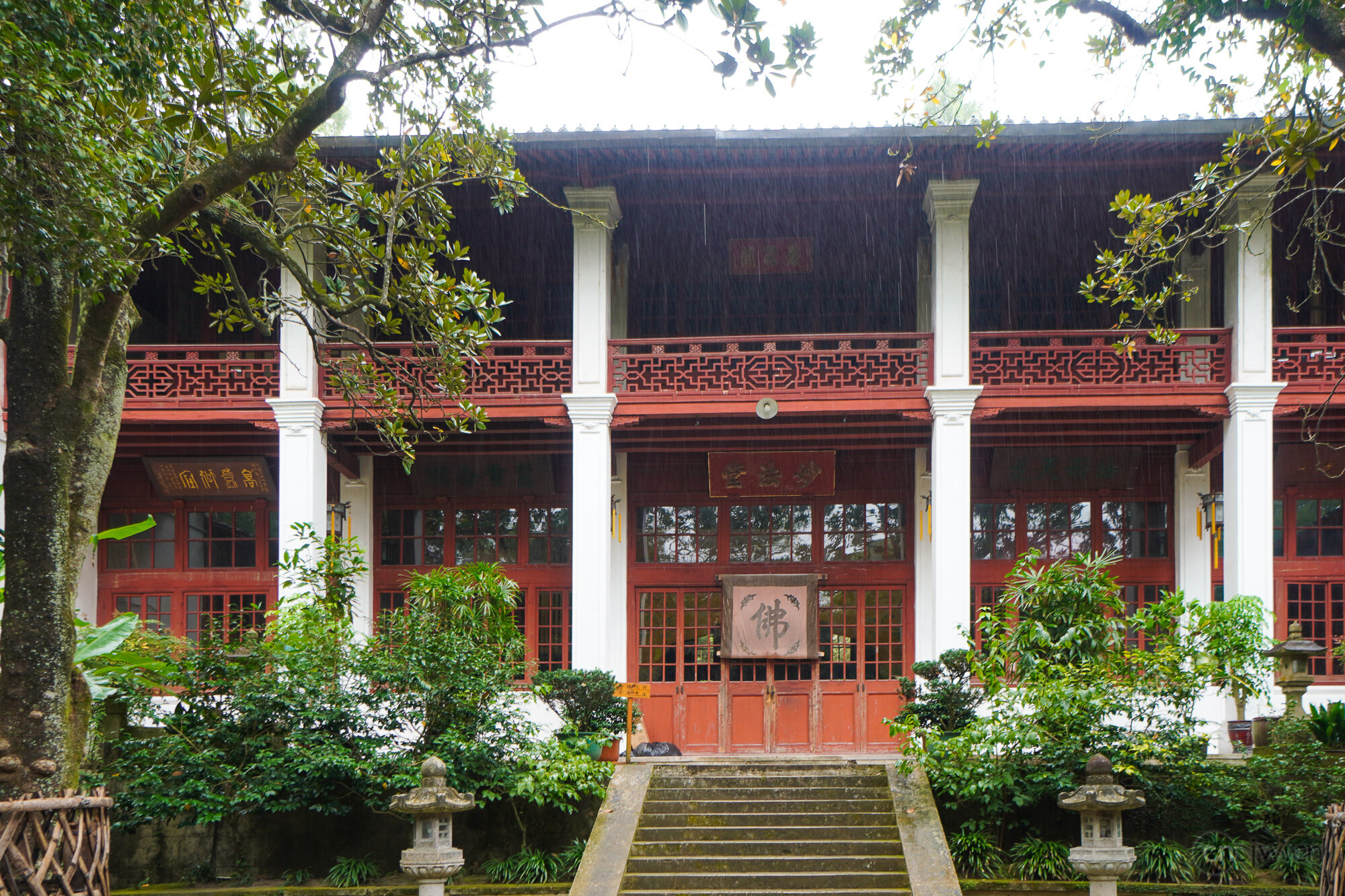
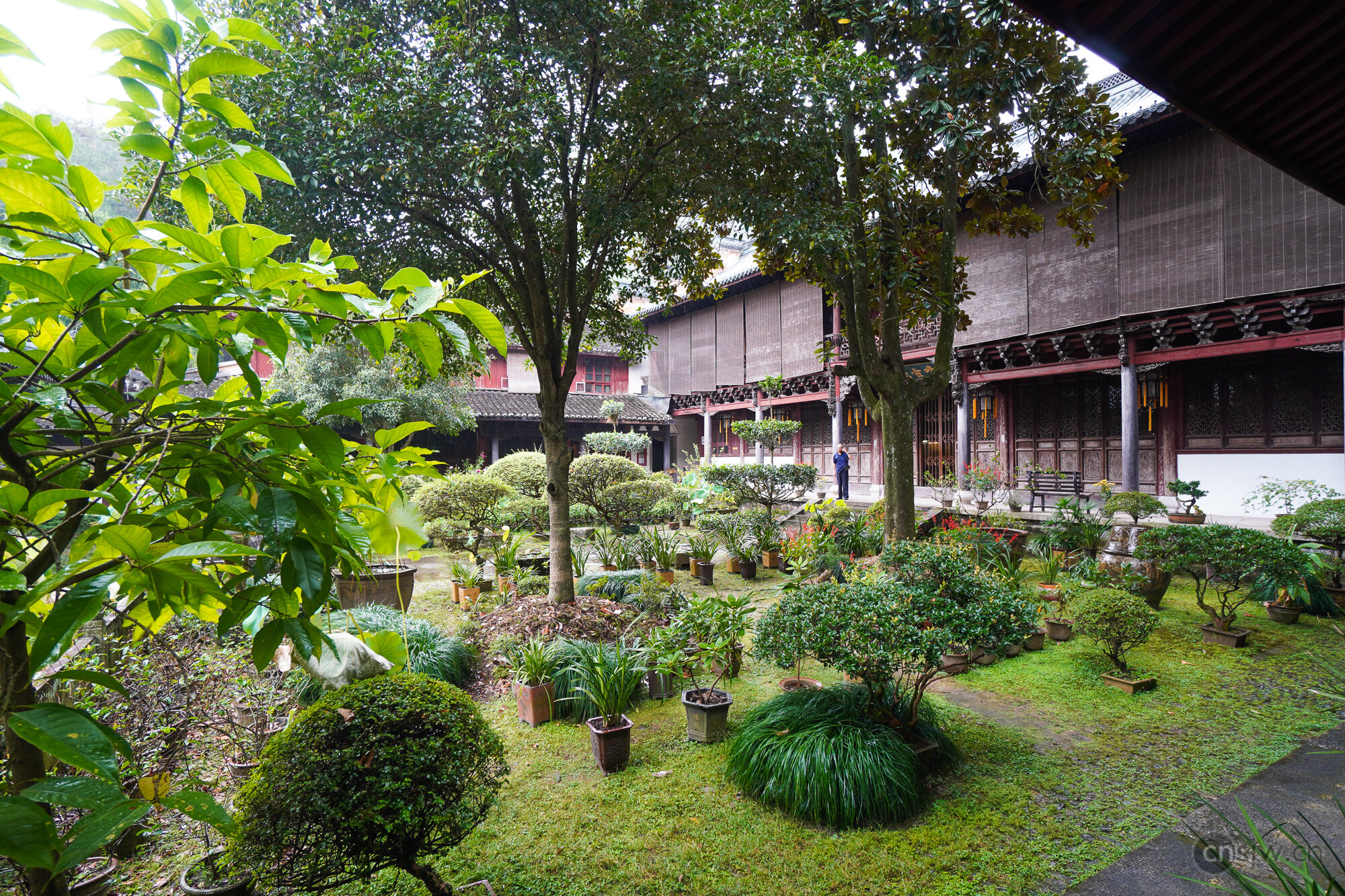
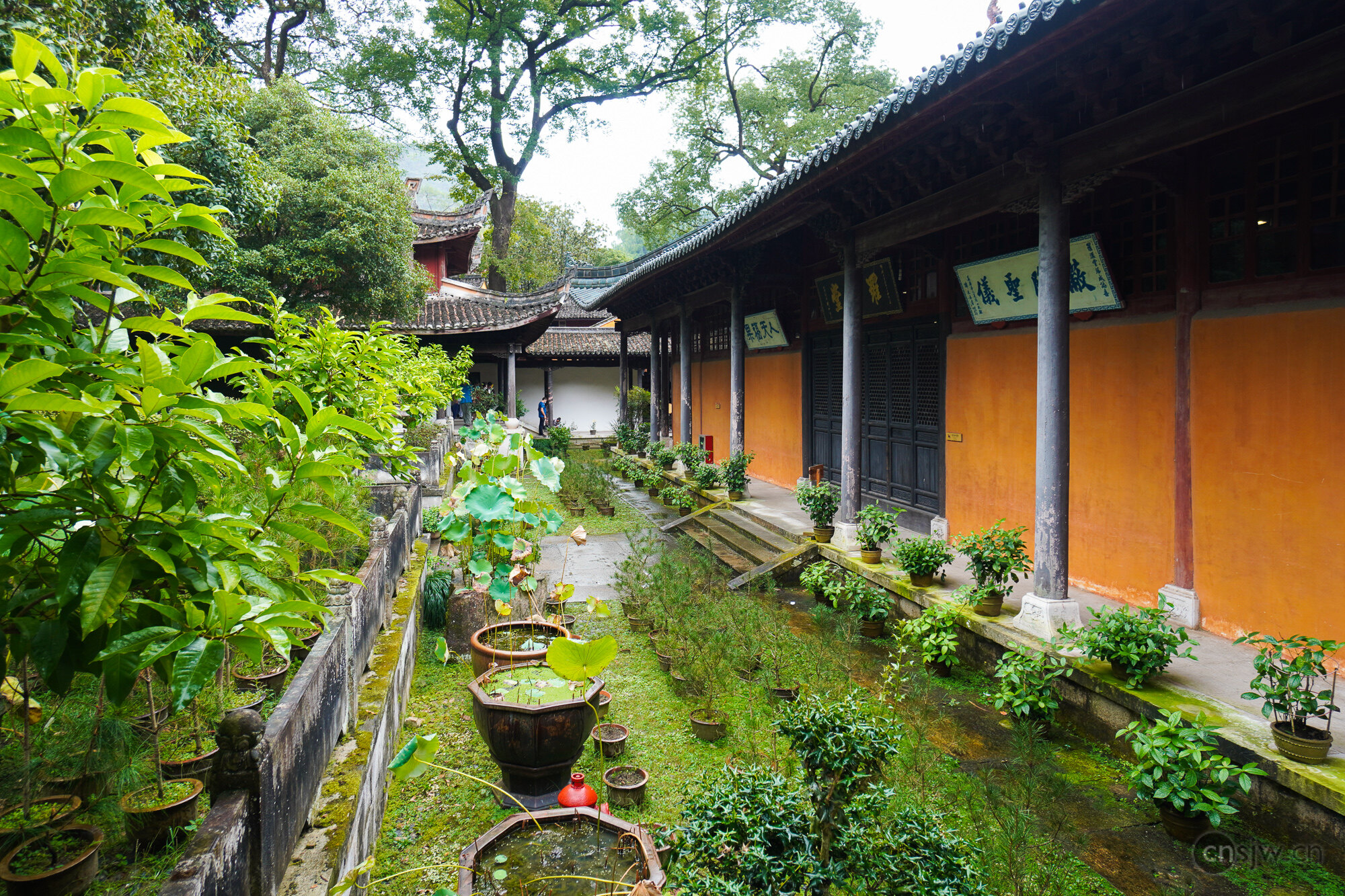
Additionally, it seems someone in the temple has a particular fondness for gardening. Various plants are placed everywhere, but they don’t appear to be merely decorative; rather, they seem to be cultivated purely out of personal hobby.
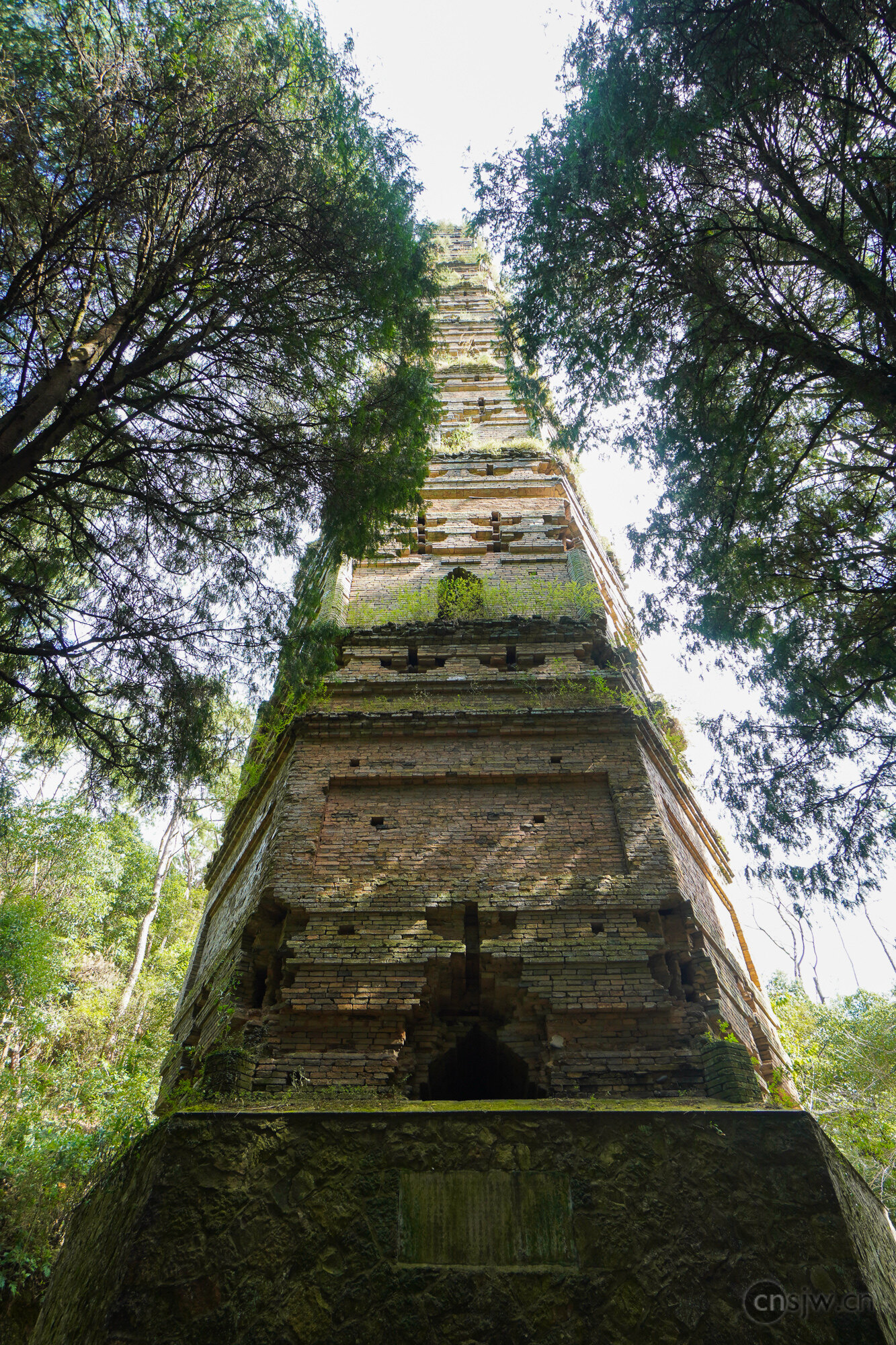
The landmark structure here is the Sui Pagoda. Built in the 18th year of the Kaihuang era of the Sui Dynasty, it was originally named the Bao’en Pagoda (Pagoda of Repaying Grace), constructed by Prince Yang Guang to honor Master Zhiyi for administering the Bodhisattva Precepts to him. It was damaged during the Huichang Persecution of Buddhism in the Tang Dynasty and repaired in the second year of the Jianyan era of the Southern Song Dynasty (1128). With a remaining height of 59.4 meters and a side length of 4.6 meters, this six-sided, nine-story pagoda is one of the tallest ancient pagodas in Zhejiang. It features a hollow pavilion-style brick-and-wood structure. Due to fire damage that destroyed the eaves and bracket sets, openings were formed on all four sides. Later generations reinforced the pagoda base and built steps around it. Having been fully renovated, it is now listed as a provincial-level cultural relic protection unit. The Sui Pagoda is uniquely constructed; aside from the exquisitely carved Buddha statues on its brick walls, it lacks the usual pointed finial at the top. Standing inside the pagoda, one can look directly up and see the blue sky.
Legend has it that admission here used to cost 10 yuan, but now it is free. Moreover, vegetarian meals are available at noon for just 2 yuan. Perhaps the only downside is the inconvenient transportation.





Support



Read this article on WeChat