
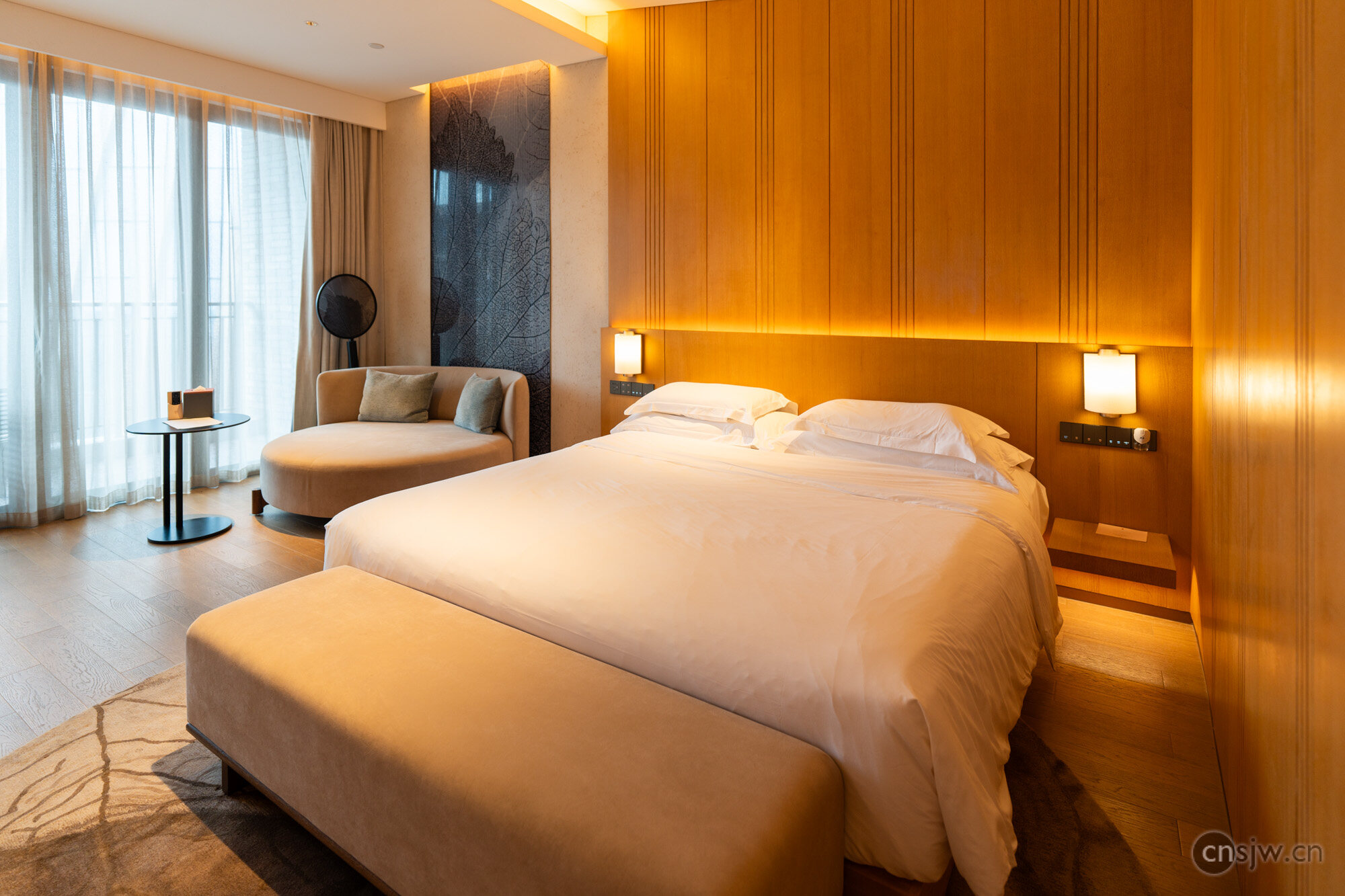
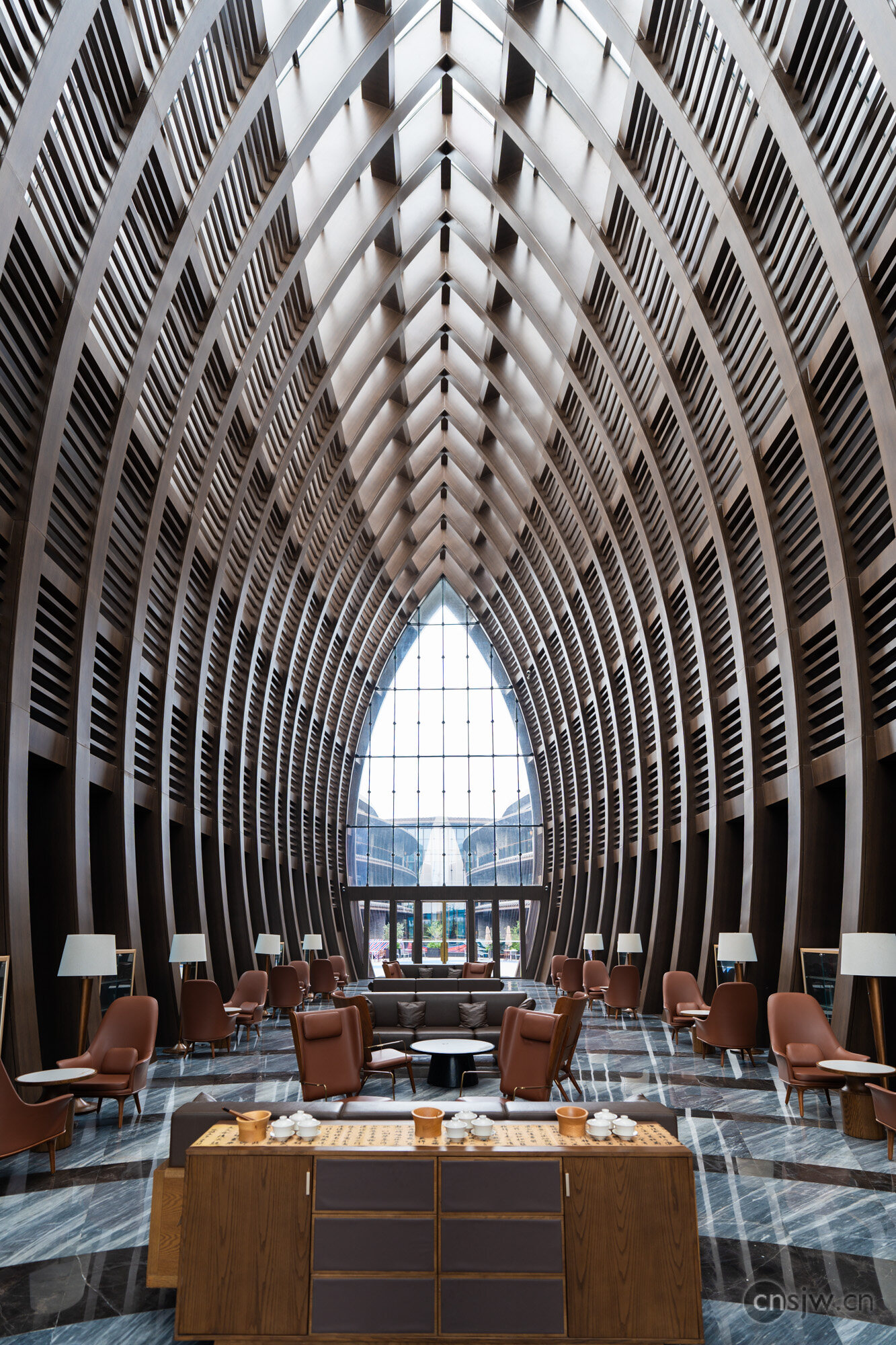
Huzhou Lucun Banyan Tree Joyland Hotel is located in the Lucun World Rural Tourism Town, Balidian Town, Wuxing District, Huzhou City. This area is the permanent venue of the World Rural Tourism Conference and was designed by Mi Zhang Architecture.
According to the official website of the World Rural Tourism Conference… the introduction to the conference is as follows:
The World Rural Tourism Conference (WRTC) is an unofficial, informal, non-profit, and non-routine industrial development platform focused on serving its members (conference participants), facilitating business exchange, interaction, and win-win outcomes in rural tourism. The WRTC is held biennially. Relying on the World Rural Tourism Town base, it comprehensively builds a six-in-one global win-win industrial development system comprising “Base, Institution, Activities, Industry, Theory, and Brand.” It also fully supports the global Belt and Road Initiative, rural revitalization, global poverty reduction, the community with a shared future for mankind, and the sustainable, high-quality development of rural tourism.
Furthermore, the WRTC consists of the Presidium, the Secretariat, the Service Area, and the Member Group. During the conference, a Presidium is established with one Chairman, Mr. He Guangwei, former Director of the China National Tourism Administration and Standing Committee Member of the CPPCC National Committee; and one Executive Chairman, Mr. Zhang Junsai, former Chinese Ambassador to Canada and Australia, and former Director of the Diaoyutai State Guesthouse Administration…
This looks somewhat like a scam organization… but that’s not my main concern here, and regardless, the biennial conference continues to be held.
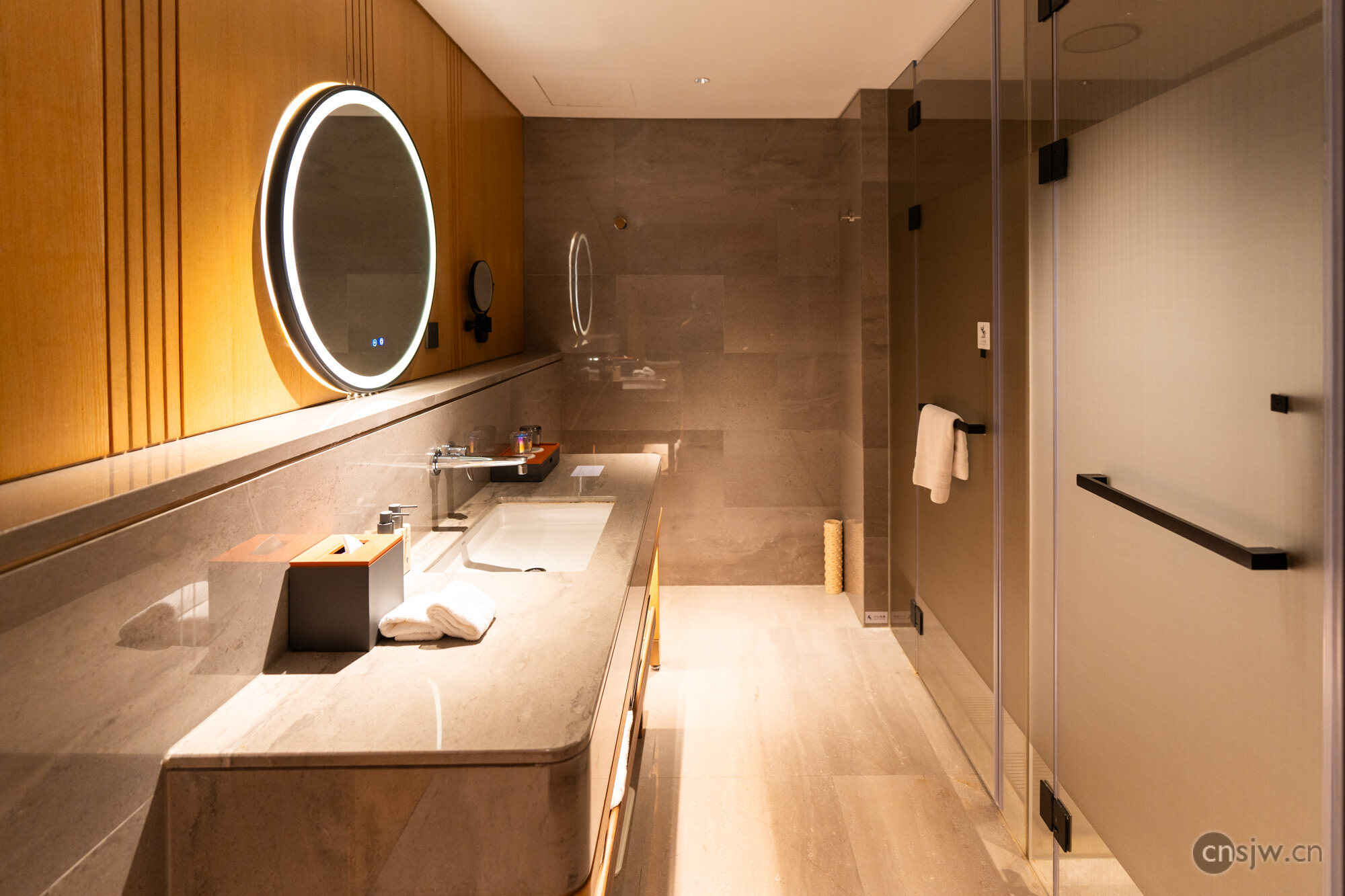
The hotel’s facilities are quite good, but the location is indeed a bit remote. If you’re not driving, it’s not easy to get here, and leaving the hotel is also difficult. There are few commercial amenities nearby, food delivery isn’t available, and for dining or shopping, you have to go to downtown Huzhou. Banyan Tree Joyland is a new brand launched by the Banyan Group in 2021, and this property is the first Joyland hotel globally. Although it’s not a luxury brand, the design style is simple and modern. There are no views from the hotel, making the overall experience feel a bit dull, but it is very close to Lucun Village—less than a 10-minute walk away, which is much more convenient than driving.
As for the downsides, although the hotel corridors are open-air like those in Sanya resorts, there are so many bugs at night… countless flying insects swarm around every light… Another issue is the elevator from the parking lot: you have to go to the first floor first, then walk through a long guest room corridor before reaching the reception or switching elevators to get to your room…
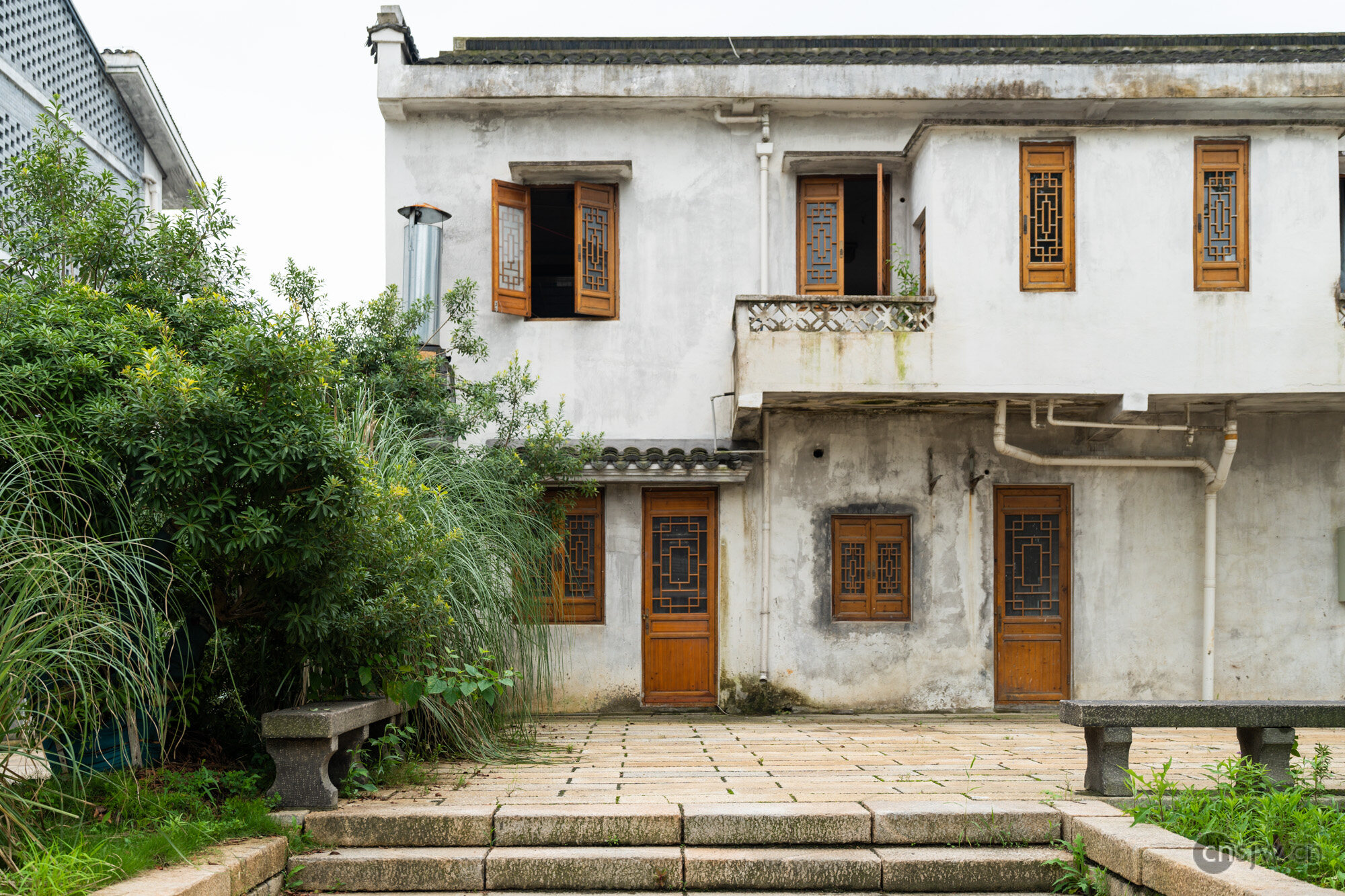
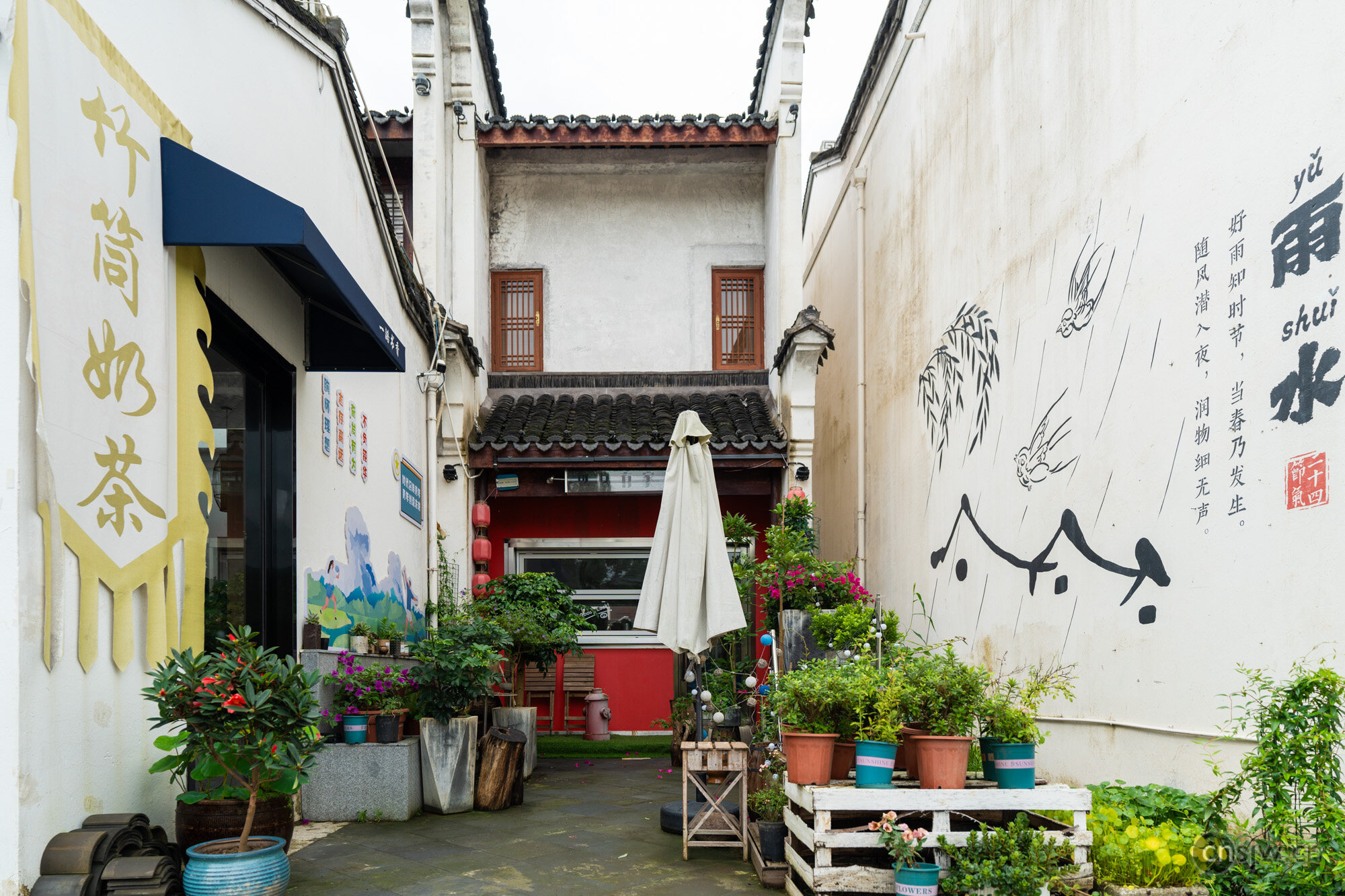
As for Lucun Village, how should I put it? Although many descriptions portray it as idyllic, the commercial infrastructure here is severely underdeveloped, and there aren’t really any attractions… Finding a restaurant isn’t even easy; there are probably only one or two… The architecture here is quite nice, though. We visited on a weekend, yet there were almost no tourists in the village, and the shops were all deserted.
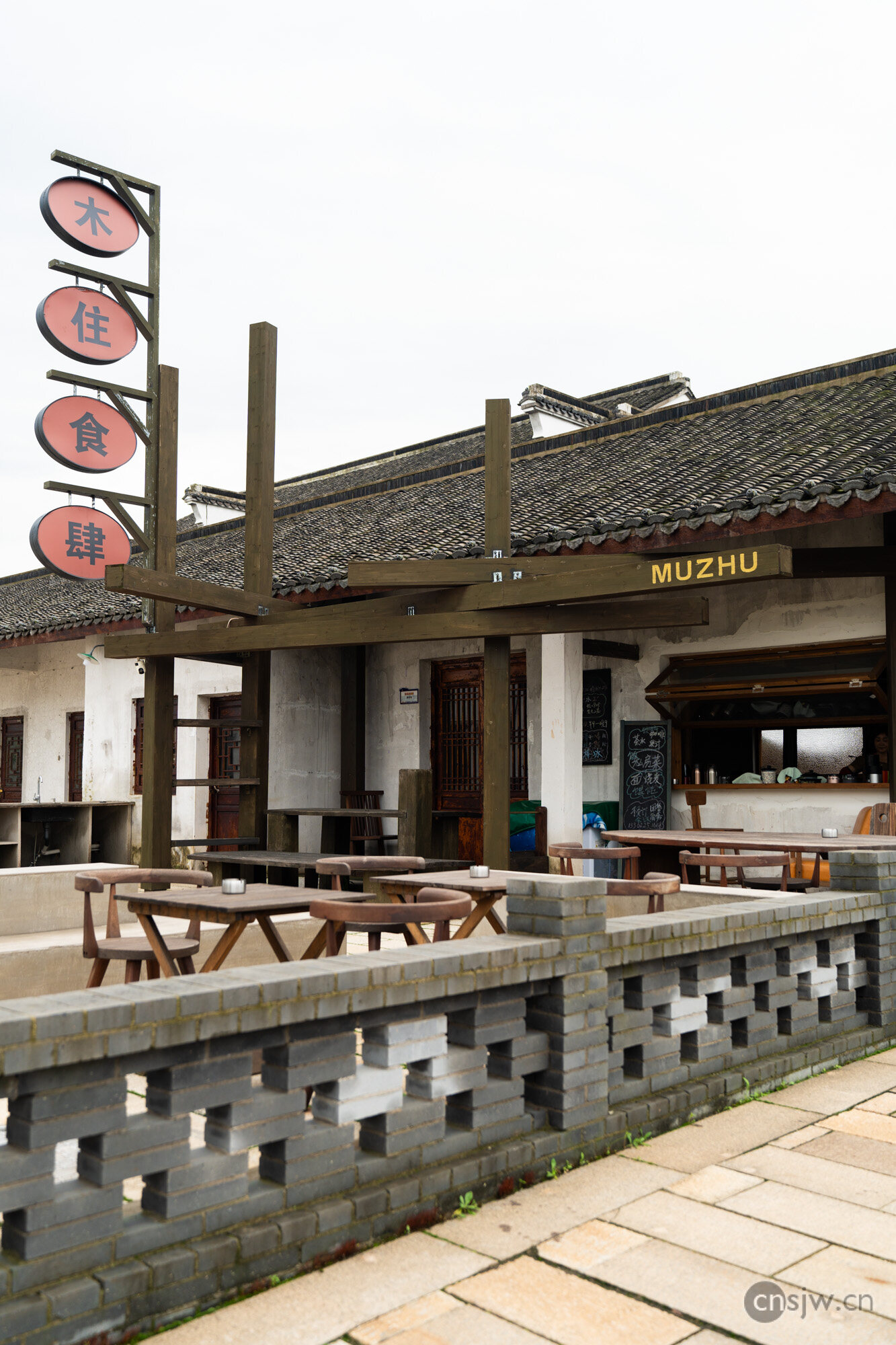
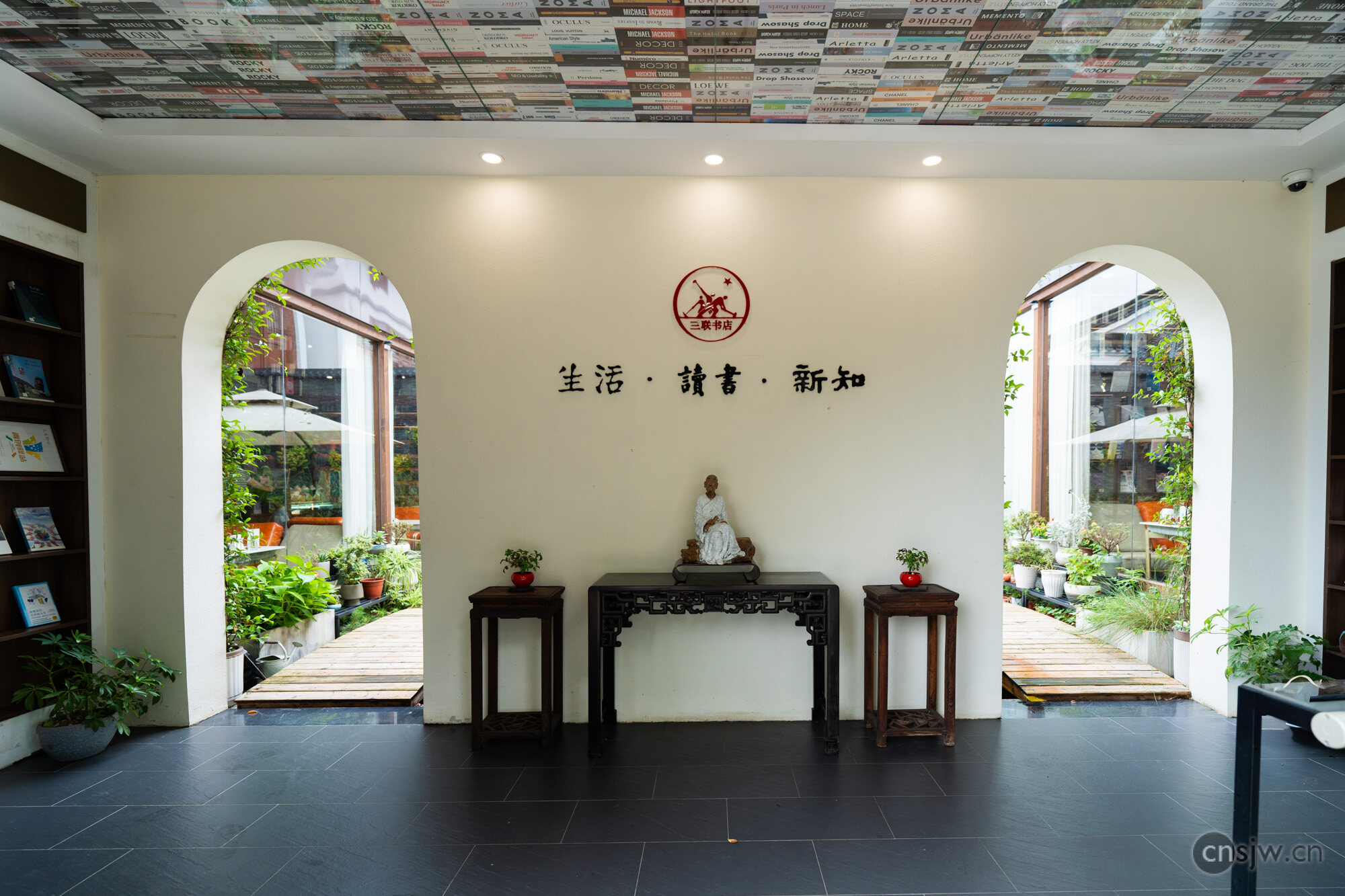
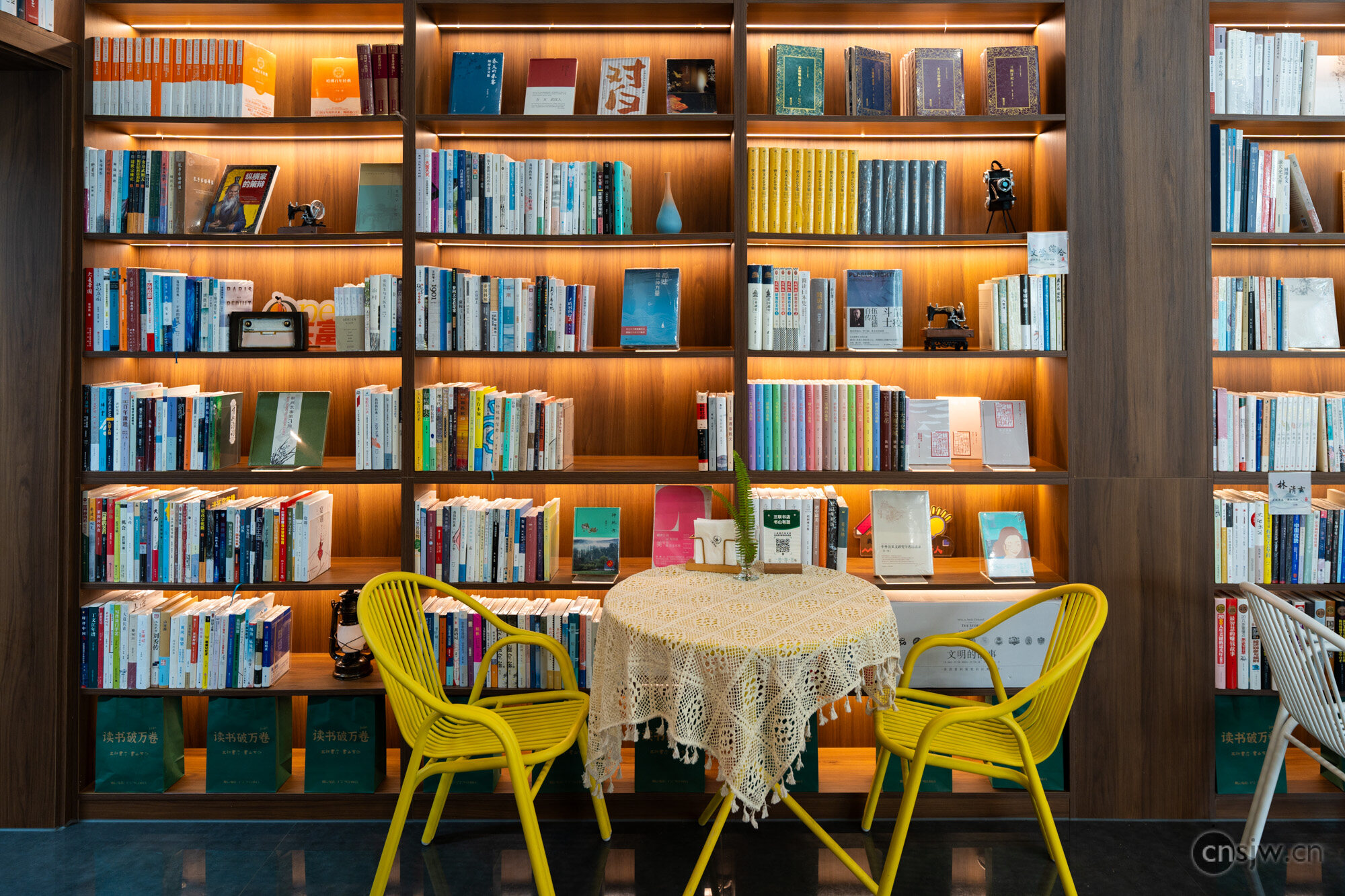
There is a Sanlian Bookstore here, their first branch opened in a rural area, called ‘Shushan Youlu.’ It’s quite photogenic and has strong air conditioning.

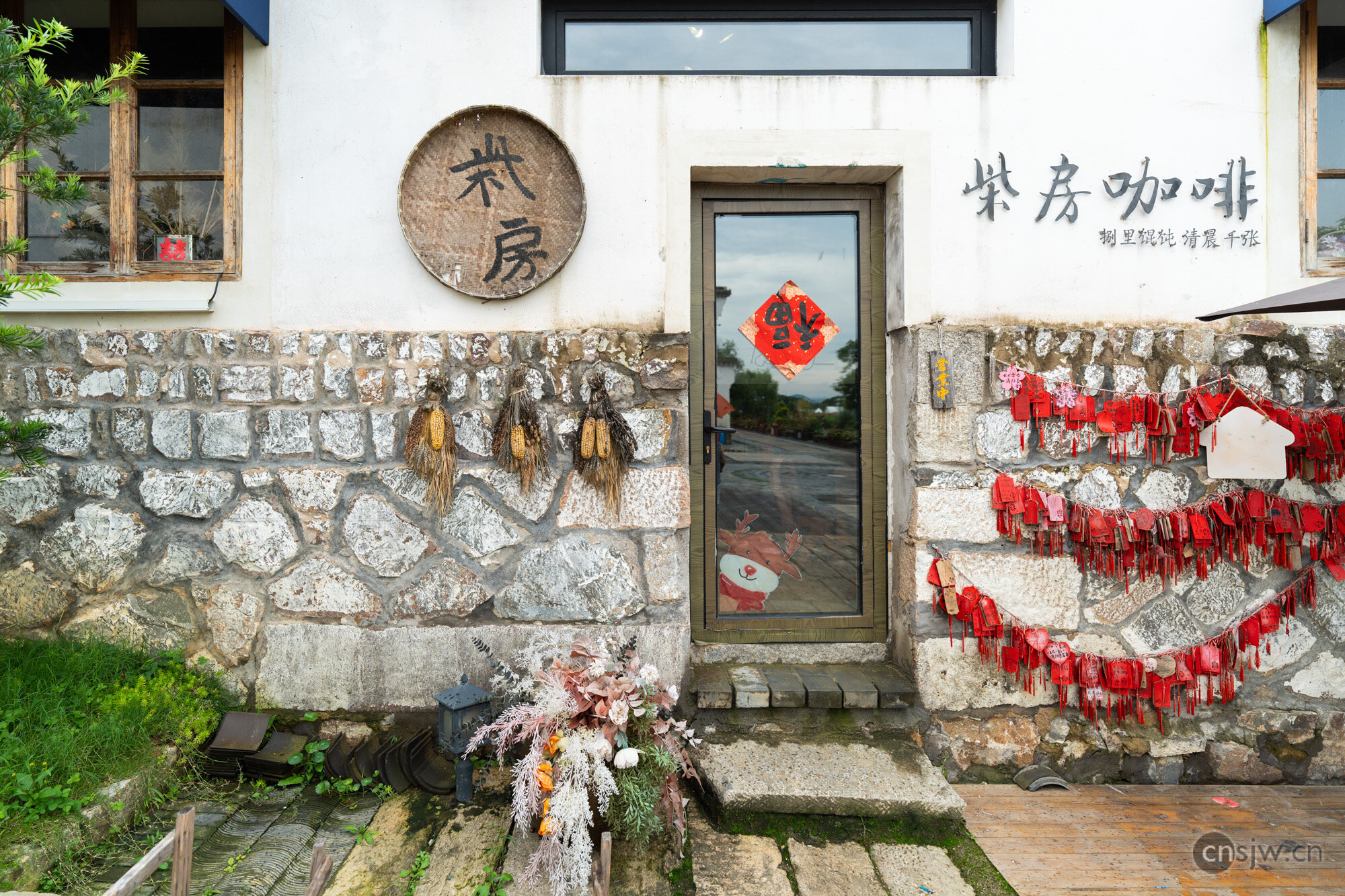
There are two cafes in the village. One is Chaifang Coffee, but unfortunately, through the glass door, we could see an uncle sitting inside smoking, so we didn’t dare go in…
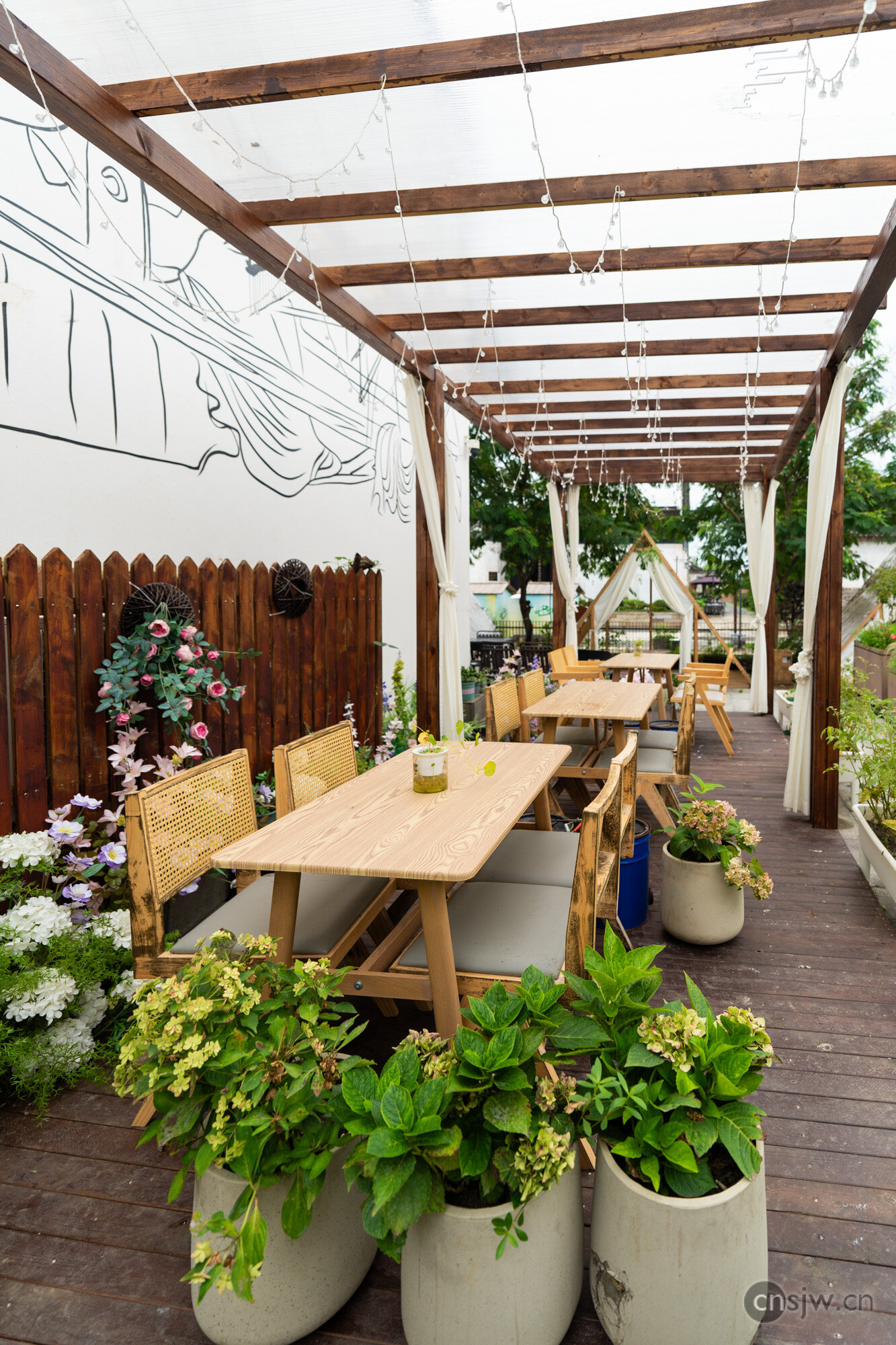
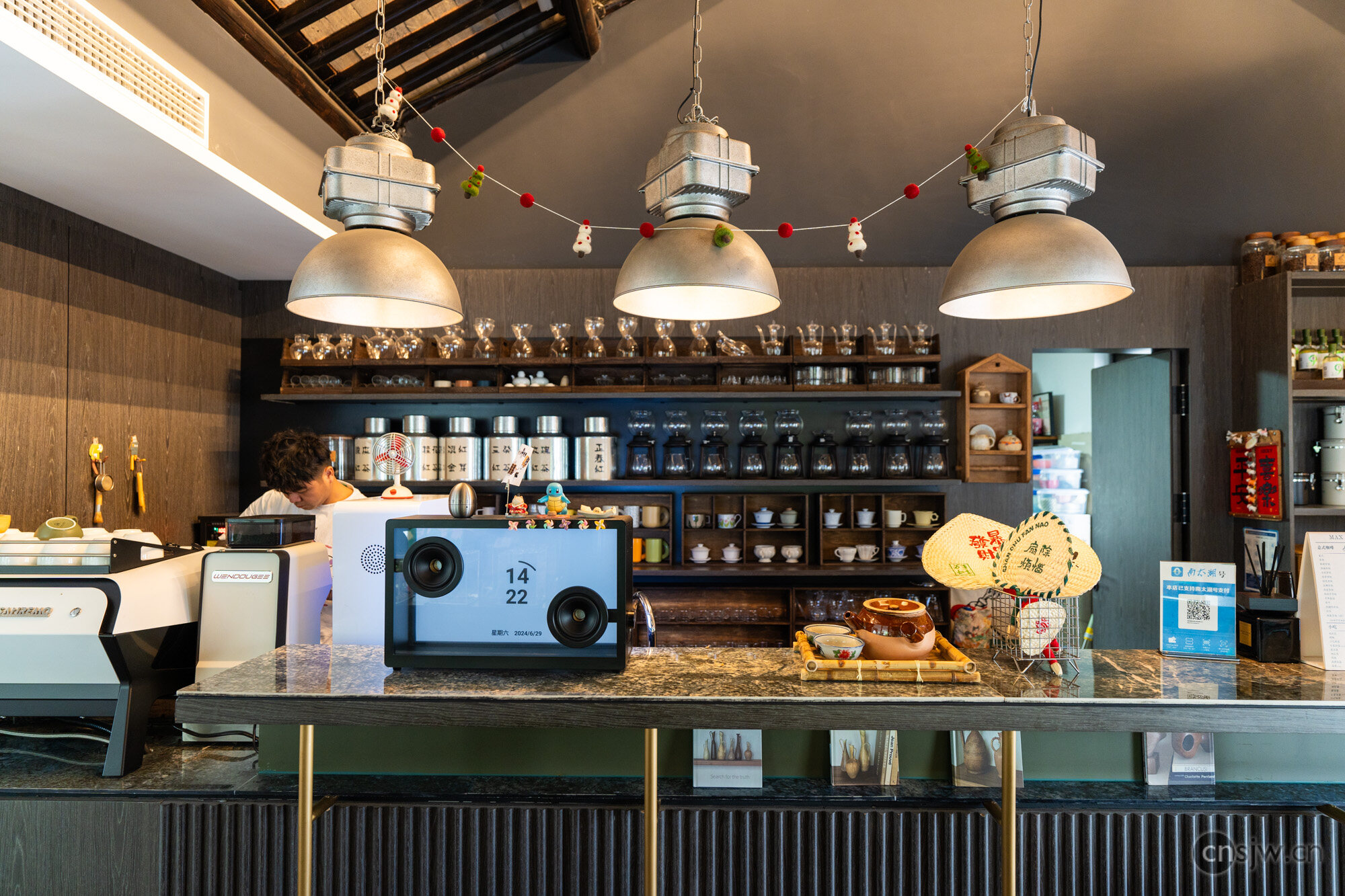
The other one has a large garden. I have to admit the coffee is quite good, but the air conditioning is weak—only the unit facing the bar counter is on—and there are too many mosquitoes.
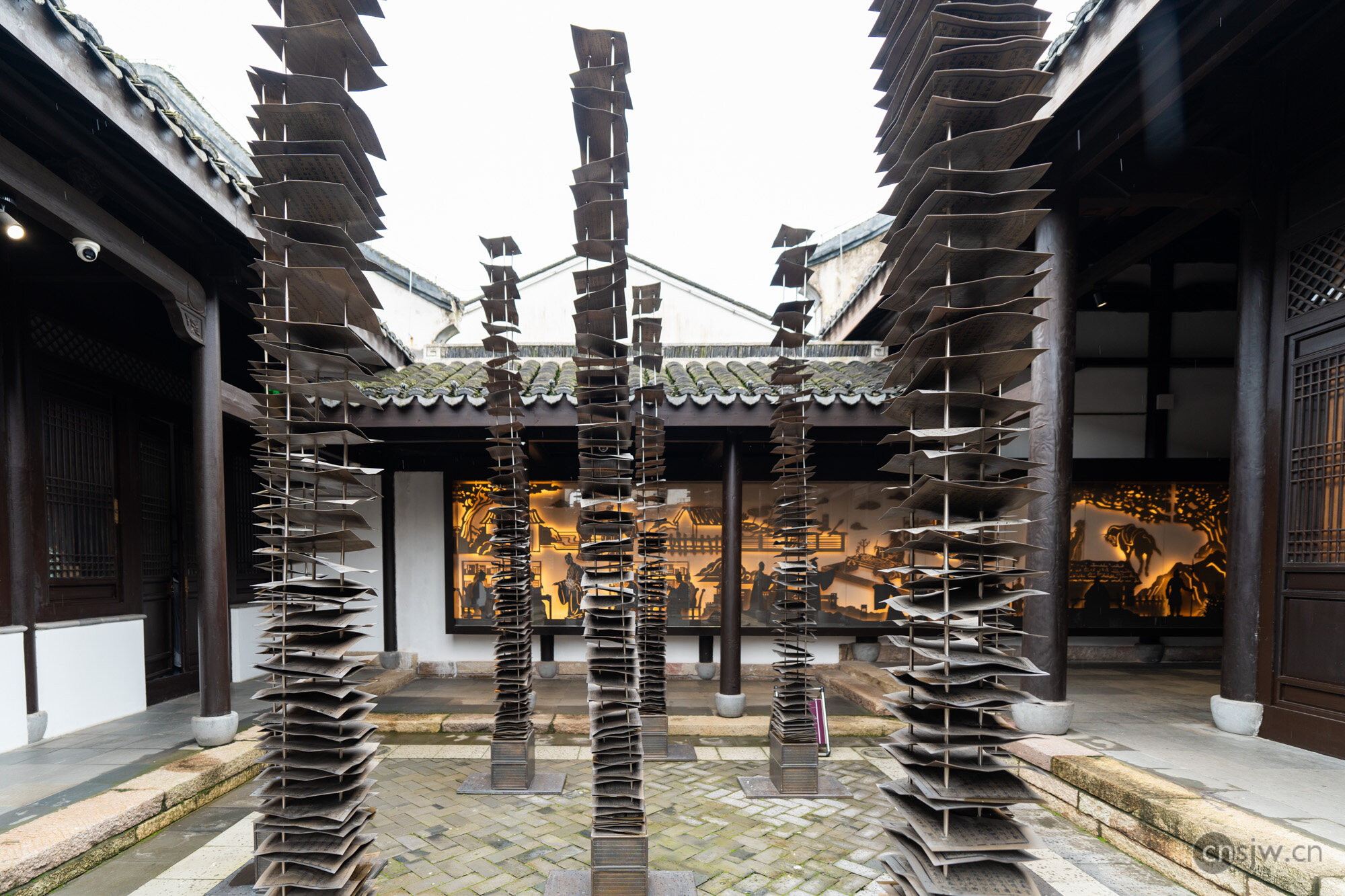
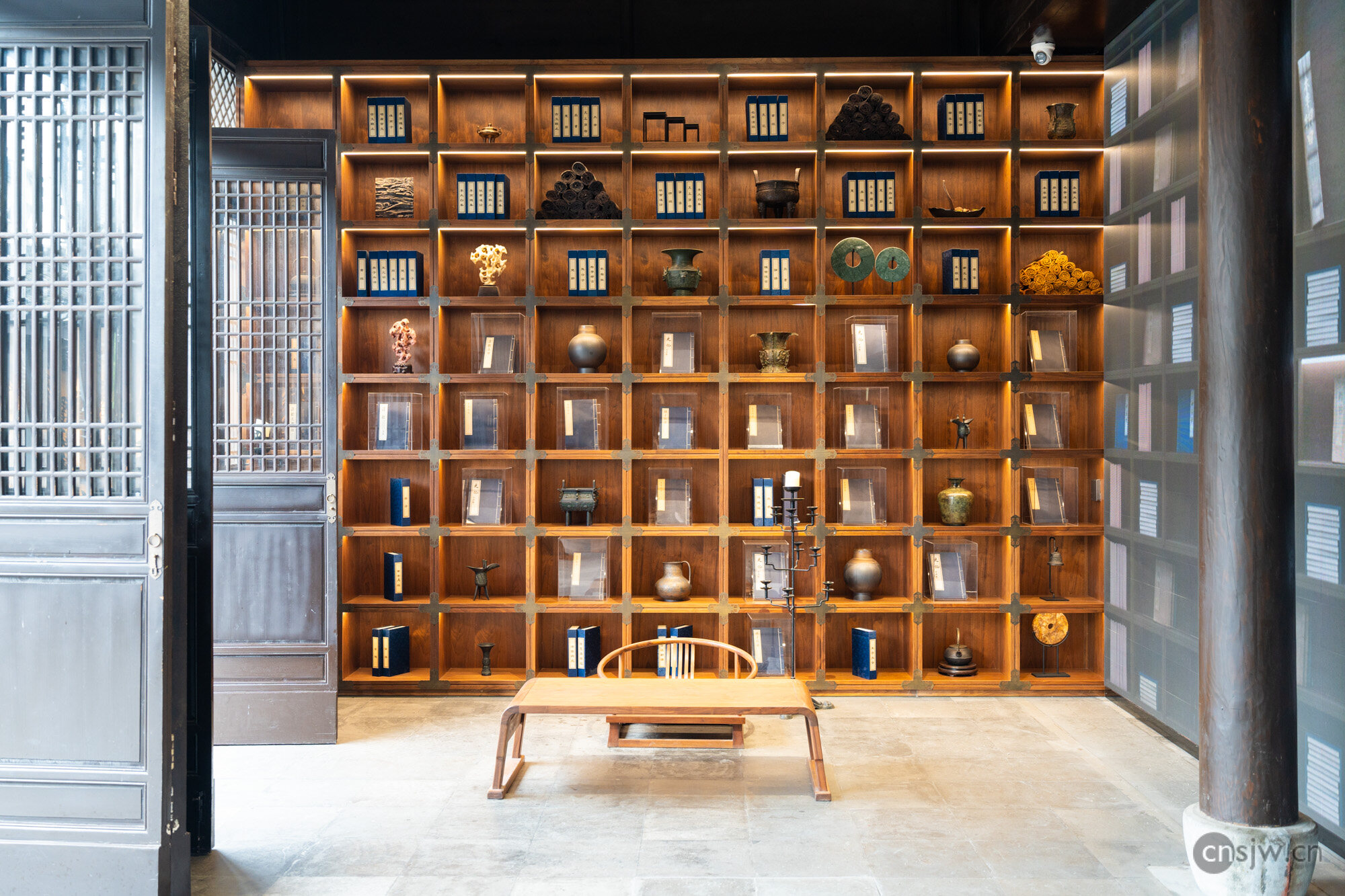
The ‘China in Classics’ Exhibition Hall is somewhat of an internet-famous spot in Lucun Village. Created by Fengyuzhu, it utilizes an existing three-courtyard traditional compound. Through diverse display methods including cultural exhibitions, digital imagery, immersive technology, and interactive experiences, it creates a unique time-space for classical literature culture. However, if you want interactive explanations or special displays, it seems you need to pay staff for those services. So, visiting as a regular free attraction, it’s nothing special—just a place to look at the architecture and take photos.
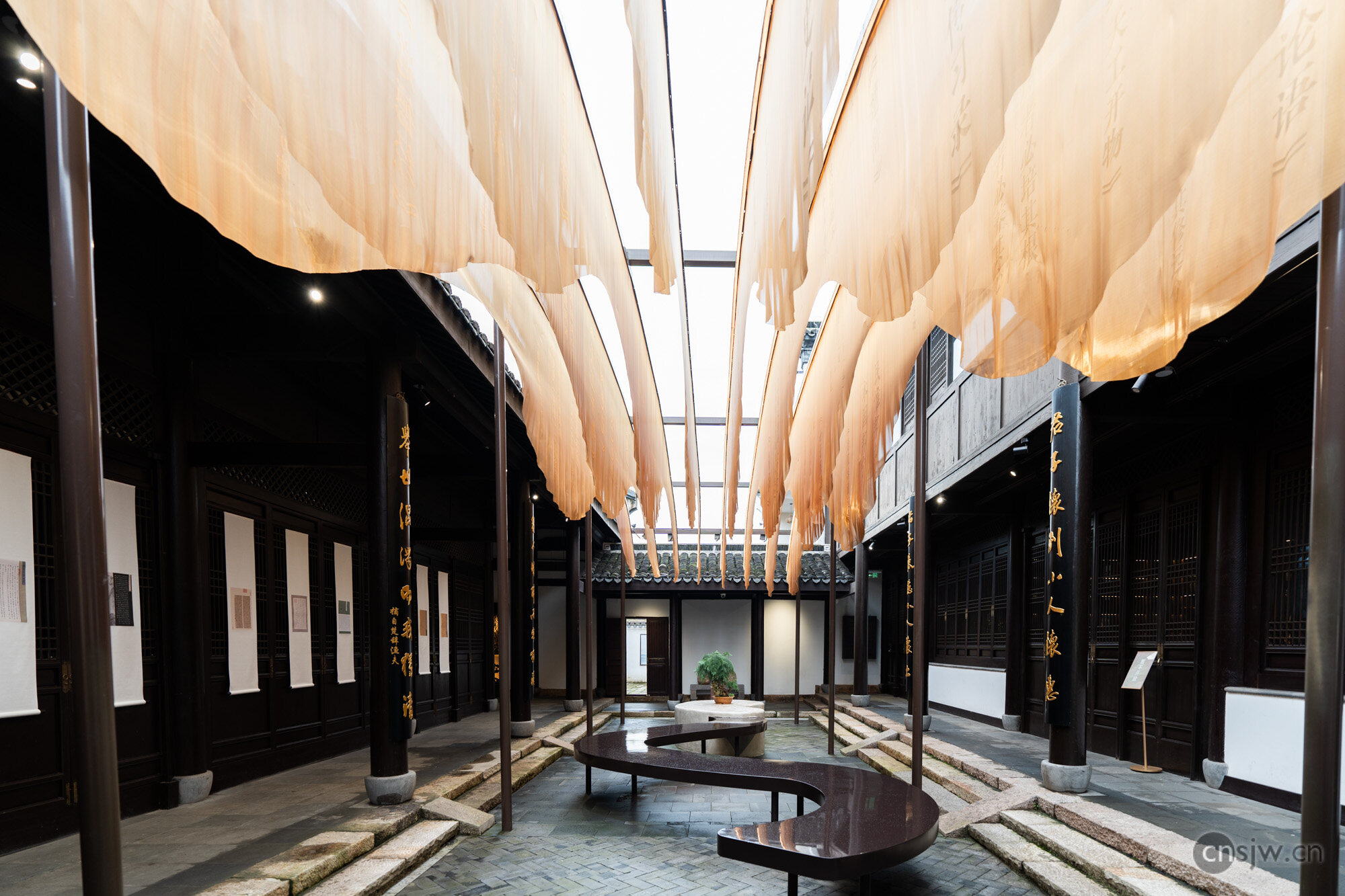
There are some other shops in the village, but they all appear to be closed.
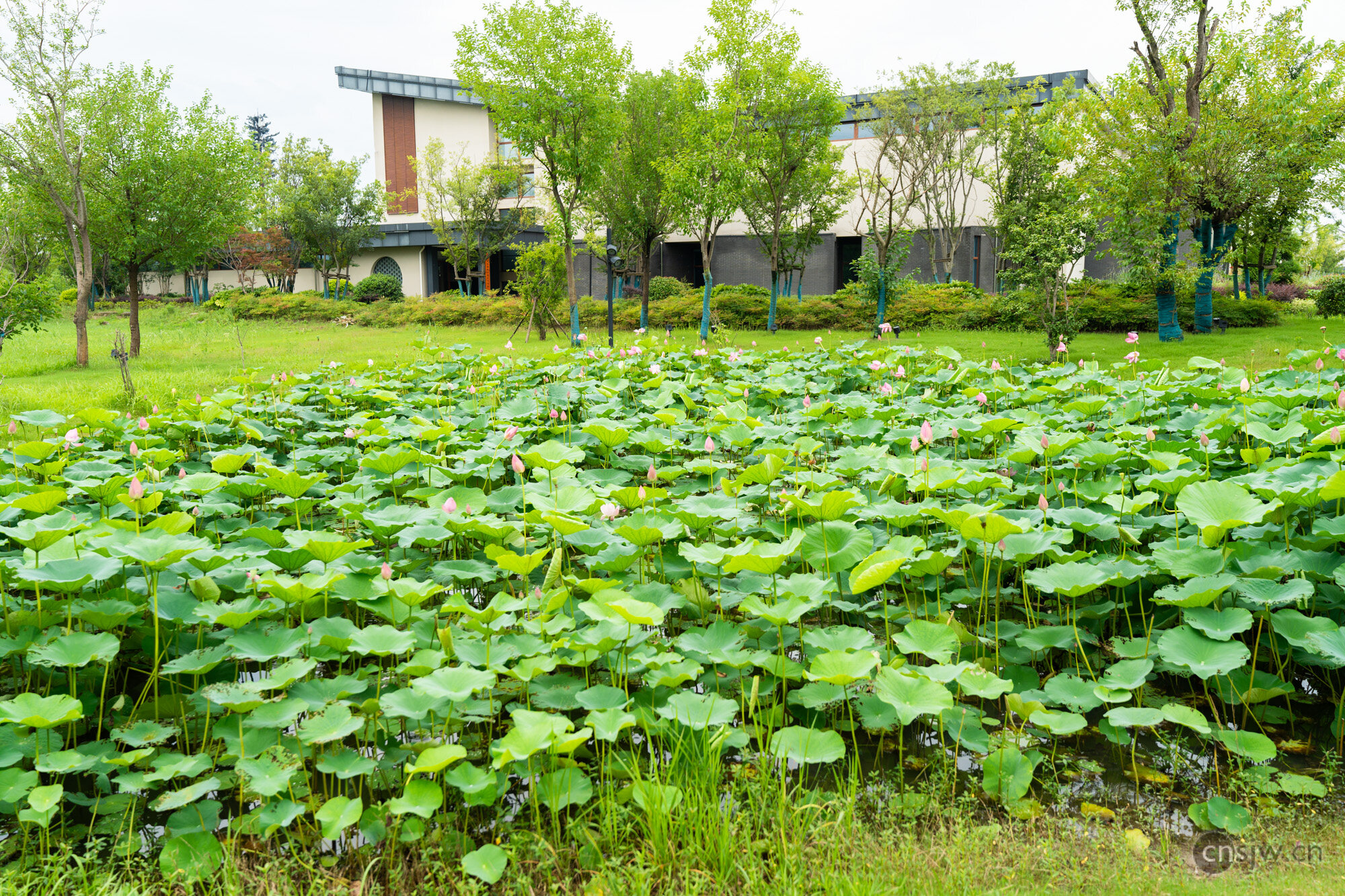
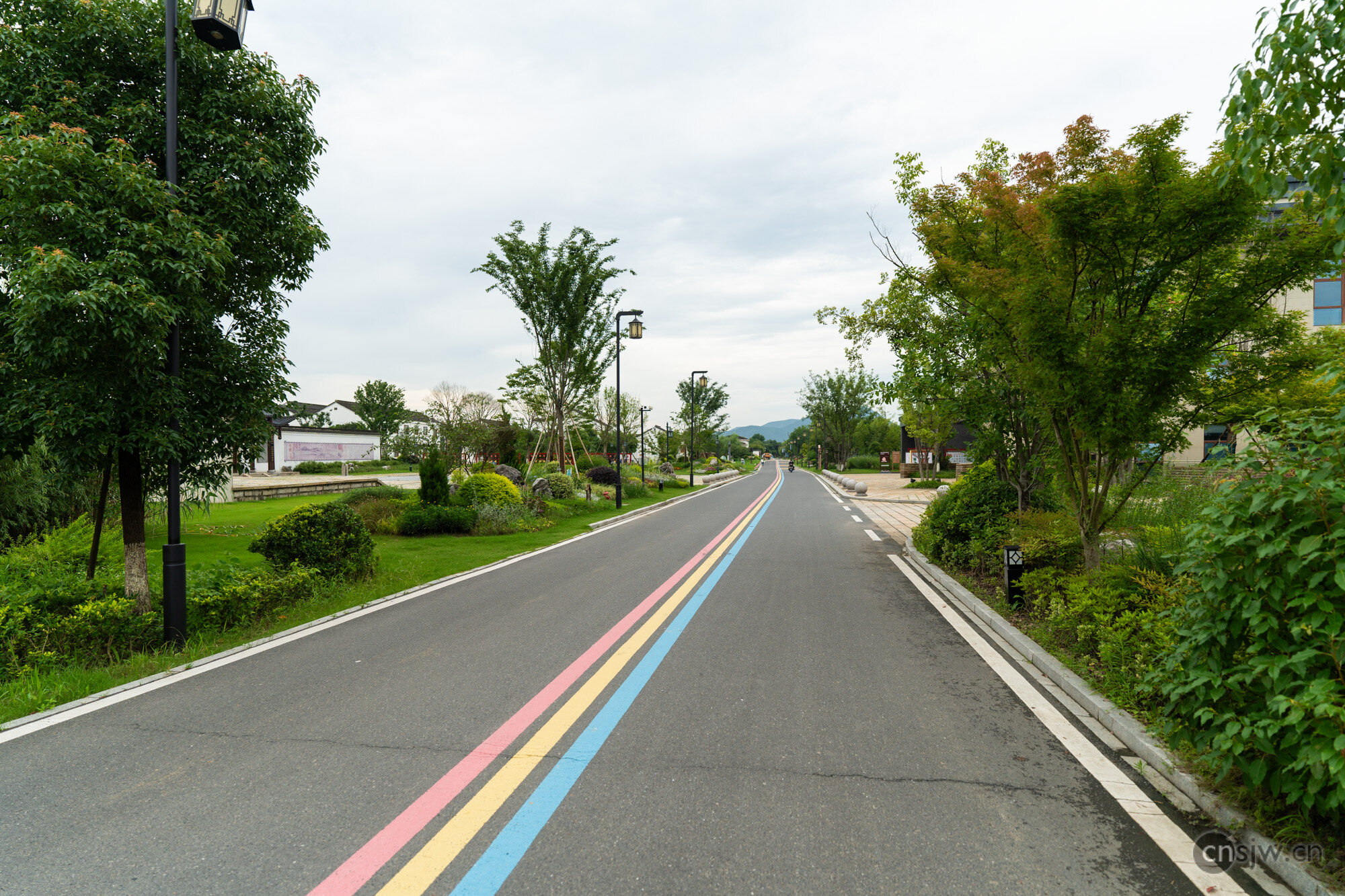
Ever since the Rainbow Highway in Liyang became popular, you can see roads like this everywhere now~~
Nowadays, every village wants to rebrand itself as an internet-famous destination to attract tourists, but if it’s all superficial without adequate supporting facilities, it’s hard to sustain. A place claiming to be a thousand-year-old ancient village yet completely lacking historical architecture—it looks brand new—is plagued by mosquitoes, commercially underdeveloped, and requires traveling so far just to visit. The experience is worse than just taking a stroll around Panlong Ancient Town…




Support



Read this article on WeChat