
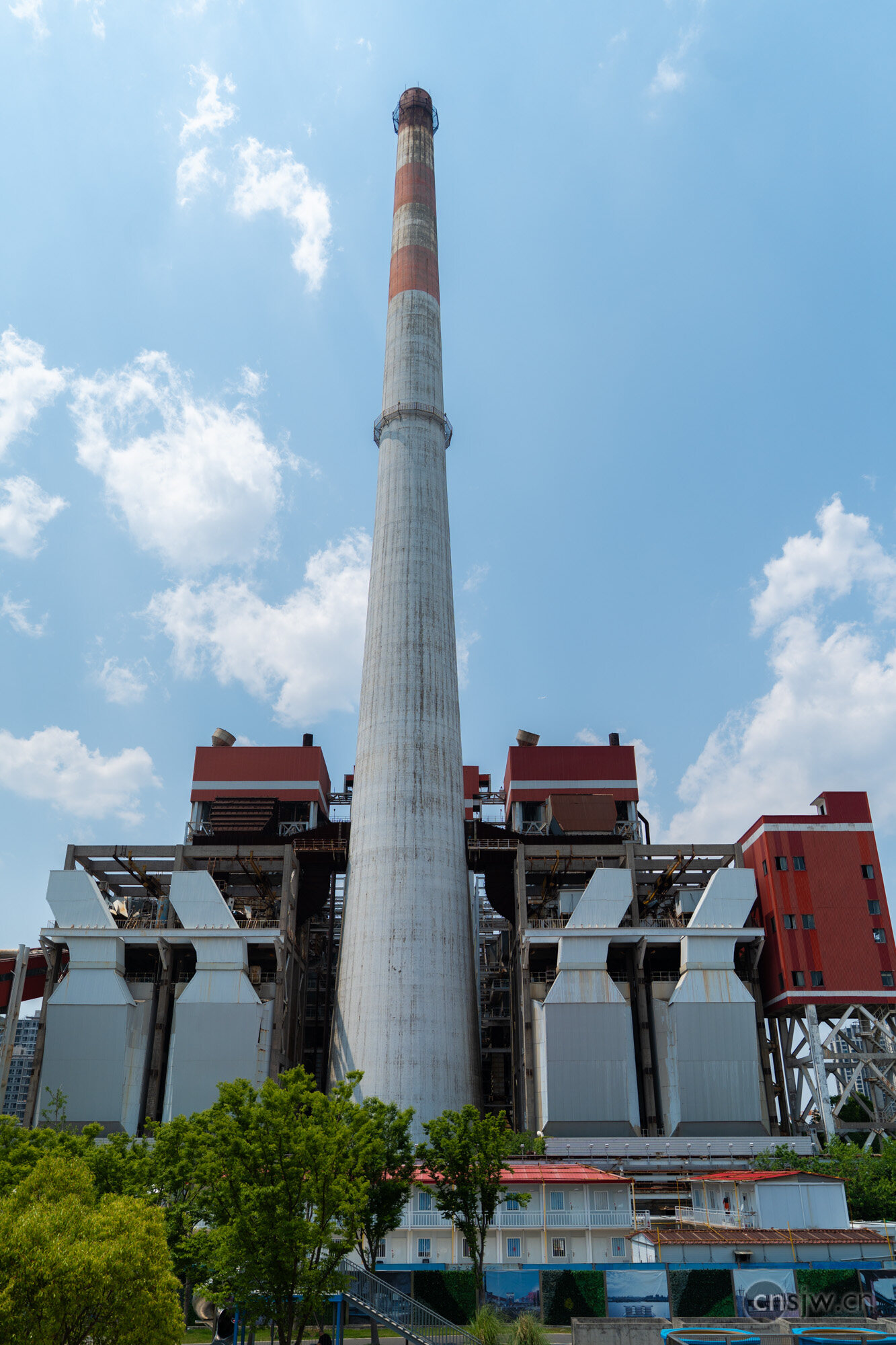
Yangshupu Power Plant, formerly known as Riverside Power Station, is a historic thermal power plant in Shanghai located in Yangpu District. Established in 1911, it was once the largest power plant in the Far East and is known as the “Cradle of China’s Electric Power Industry.” Its 105-meter-tall chimney was once the tallest structure in China. During the “February 6 Bombing of Shanghai” on February 6, 1950, the Yangshupu Power Plant became a primary target of the Republic of China Air Force and suffered severe damage, but was later repaired and resumed operations. In 2010, to fulfill the Chinese government’s commitment to reducing carbon emissions made at the United Nations Climate Change Conference, the Yangshupu Power Plant officially ceased production.
In 2015, with the launch of the Huangpu River Public Space Project, the Yangshupu Power Plant began ecological and artistic renovations, transforming from a closed industrial waterfront into an open cultural and ecological living space, while remediating ecological pollution caused by coal combustion. In September 2019, the Shanghai Yangshupu Power Plant Ruins Park was completed.
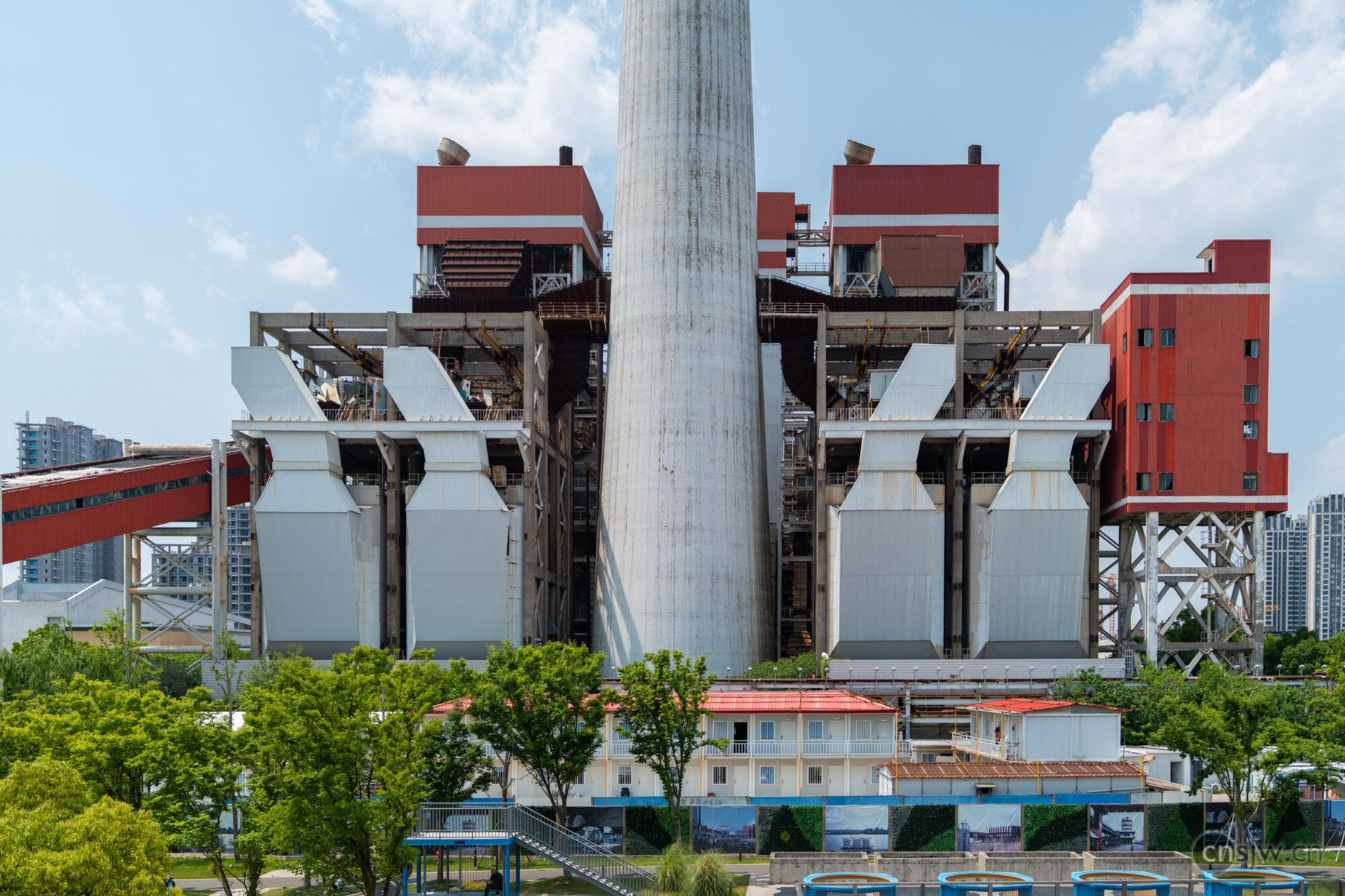
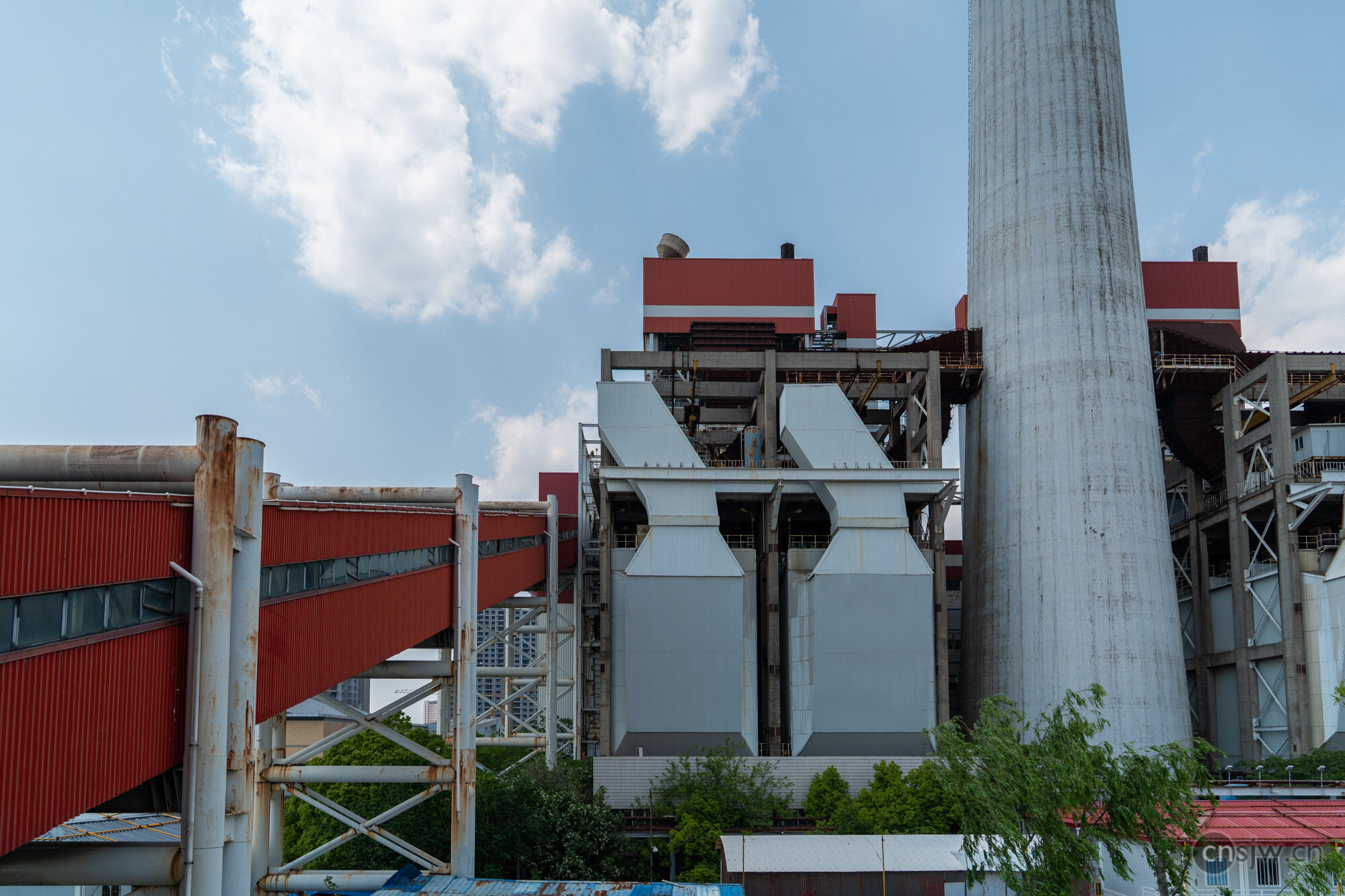
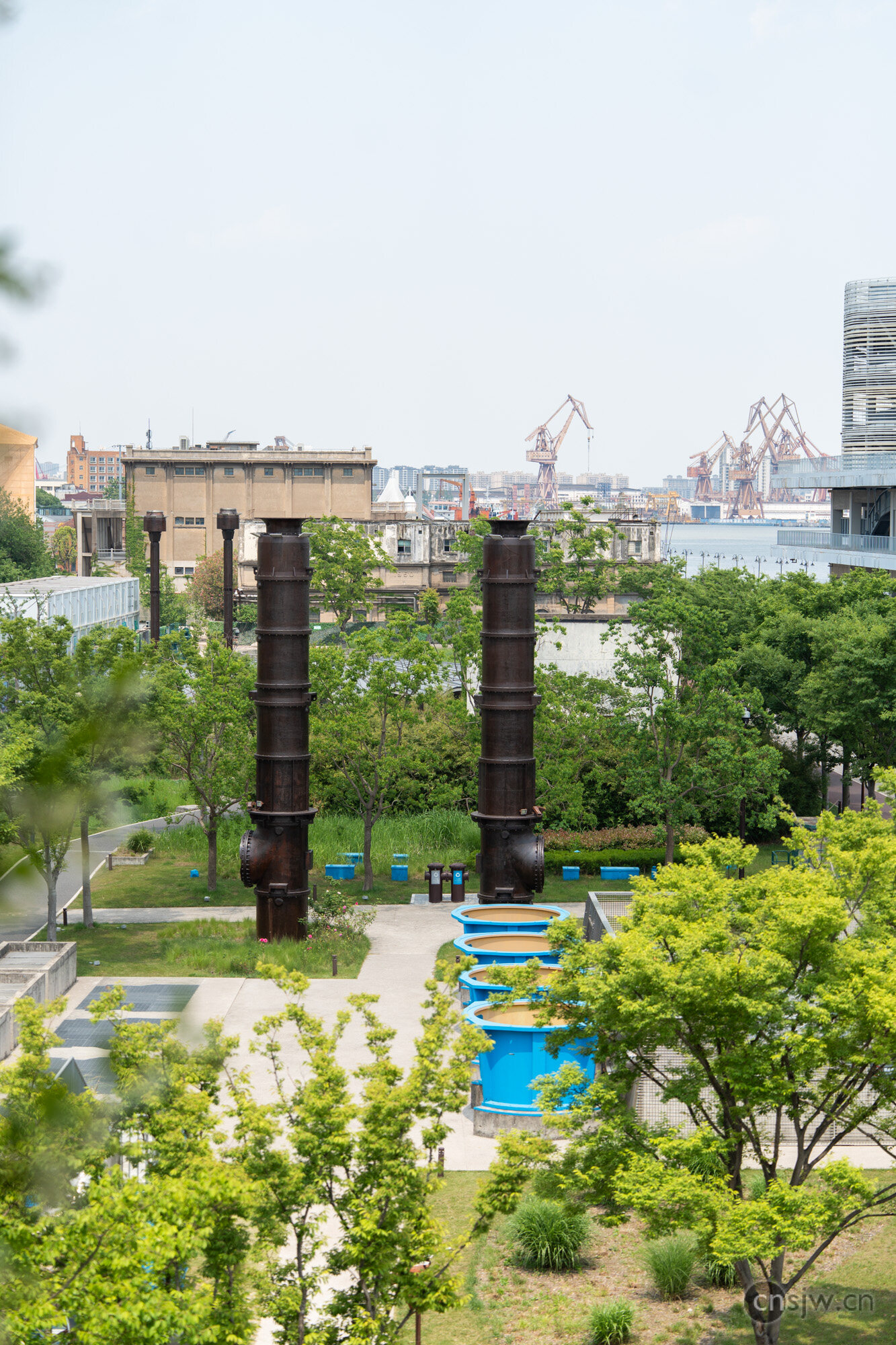
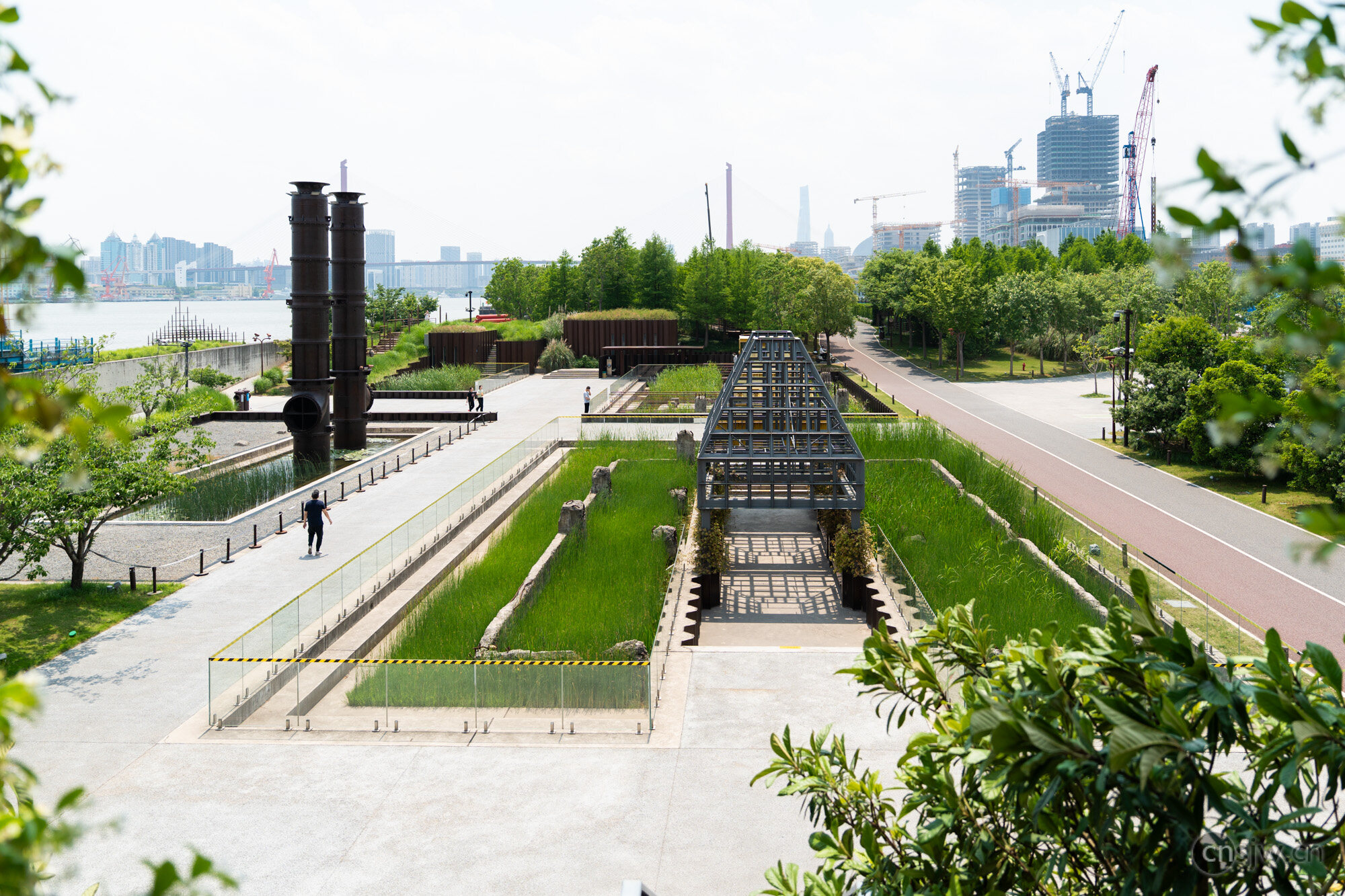
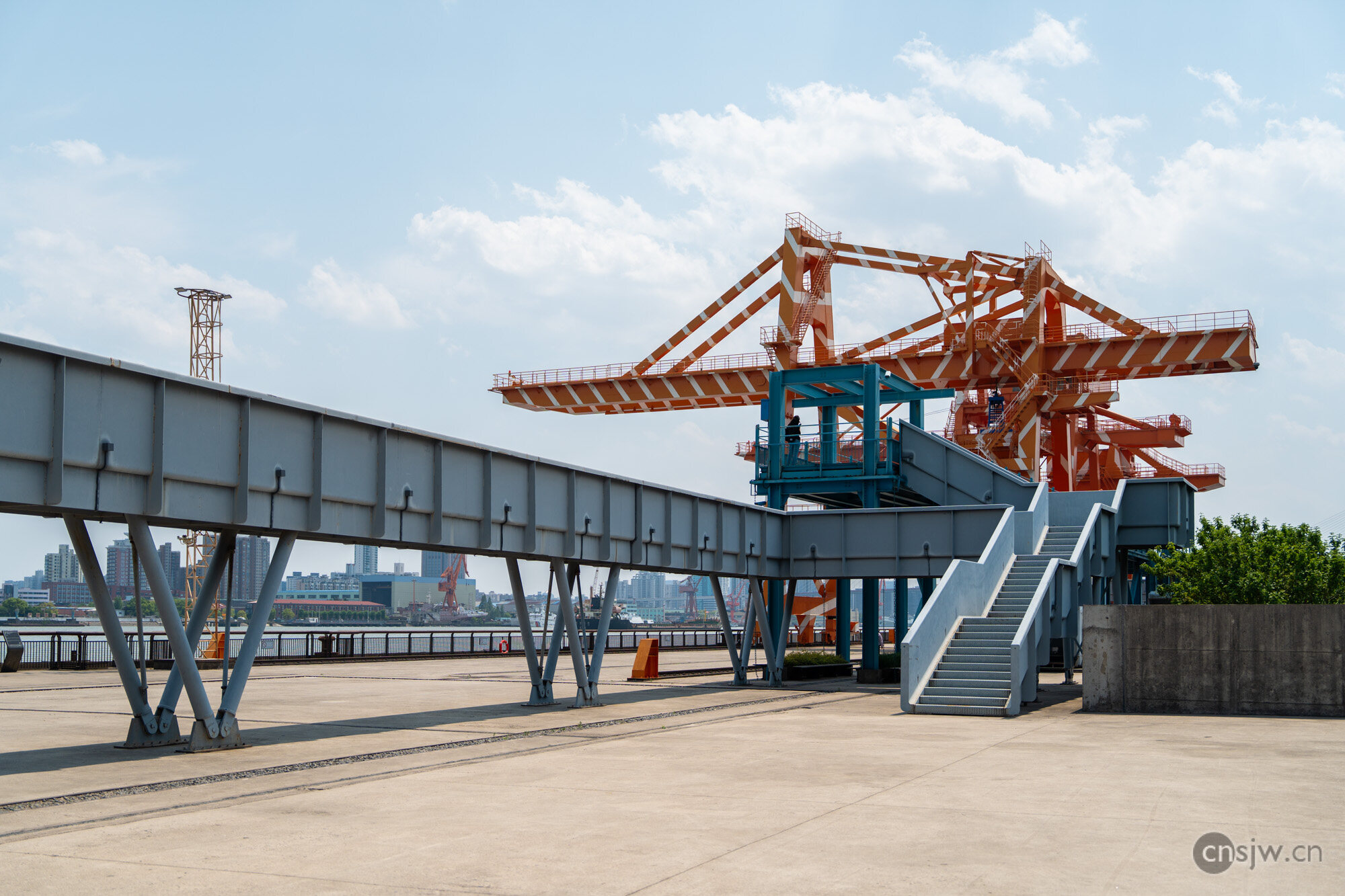
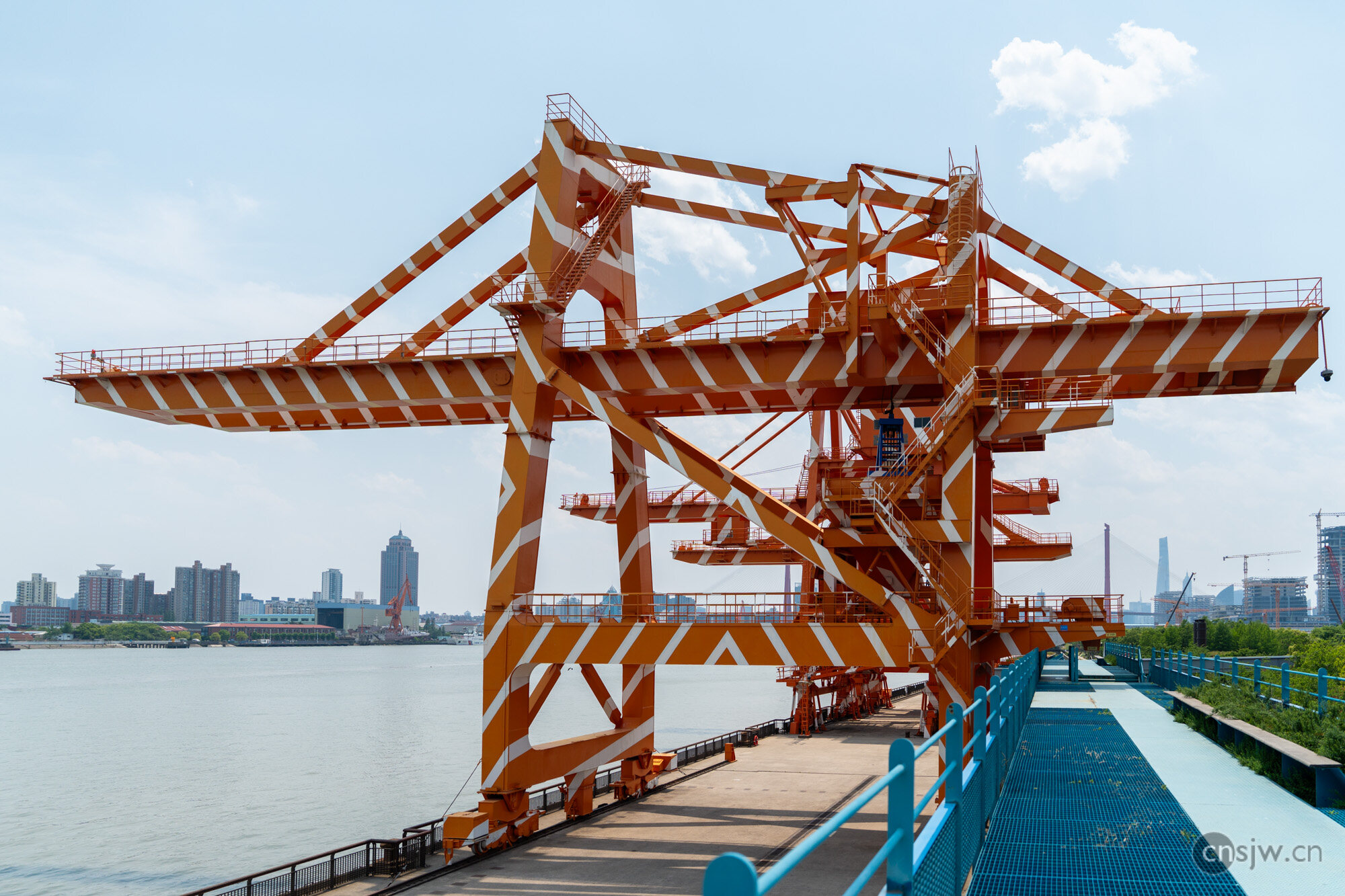
According to official descriptions: The project was designed by Tongji Original Design Studio. The renovation of the industrial relics in the power plant section began with two anchor points. On one hand, the creation of public space unfolded based on an understanding of the original industrial processes: the 105-meter-tall chimney, gantry cranes along the riverbank, coal conveyor trestles, conveyor belts, clean water tanks, wet ash storage silos, dry ash storage silos, and other operational facilities possess unique spatial volumes and forms. These site remnants provided the starting point for shaping the spirit of the place. On the other hand, strategies of limited intervention and low-impact development were adopted to carry out ecological restoration and renovation while respecting the original factory layout and native landscape. The original topography was preserved to form low-lying wetlands capable of collecting rainwater. Planting design focuses primarily on native herbaceous plants and water-tolerant bald cypress trees, complemented by lightly inserted steel landscape structures, creating a landscape environment that uniquely combines natural wilderness with industrial character.
At the time of site intervention, two transfer buildings near the riverbank within the coal conveyor trestle, along with an office building, had already been demolished. To reveal the former presence of these structures, three ponds were excavated within the demolition pits, exposing foundations and rebar. The ground was leveled to create a Ruins Plaza. At the westernmost end of the site, excavated soil was piled to form a small hill, creating a negative landscape in contrast to the ponds.

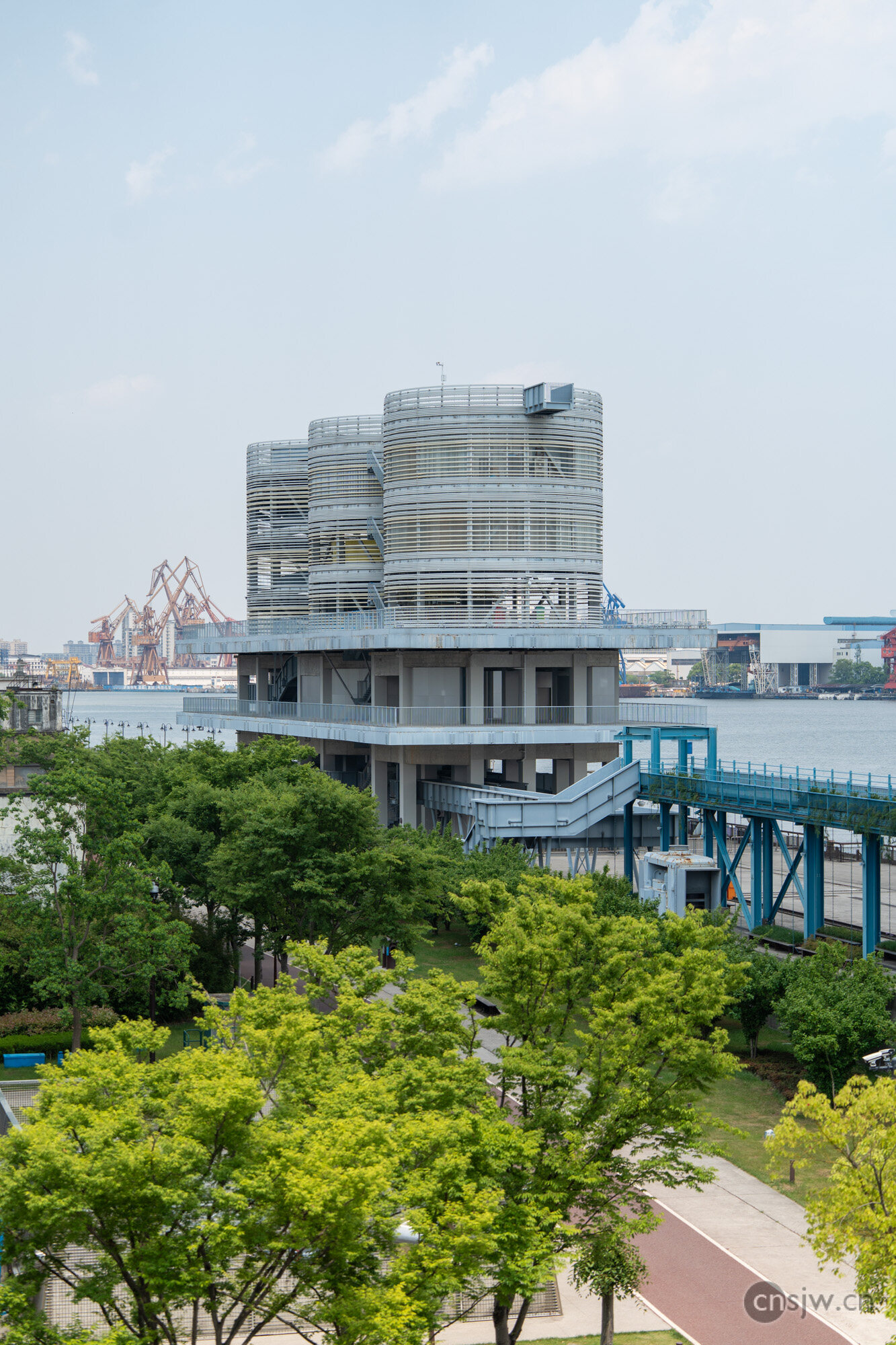
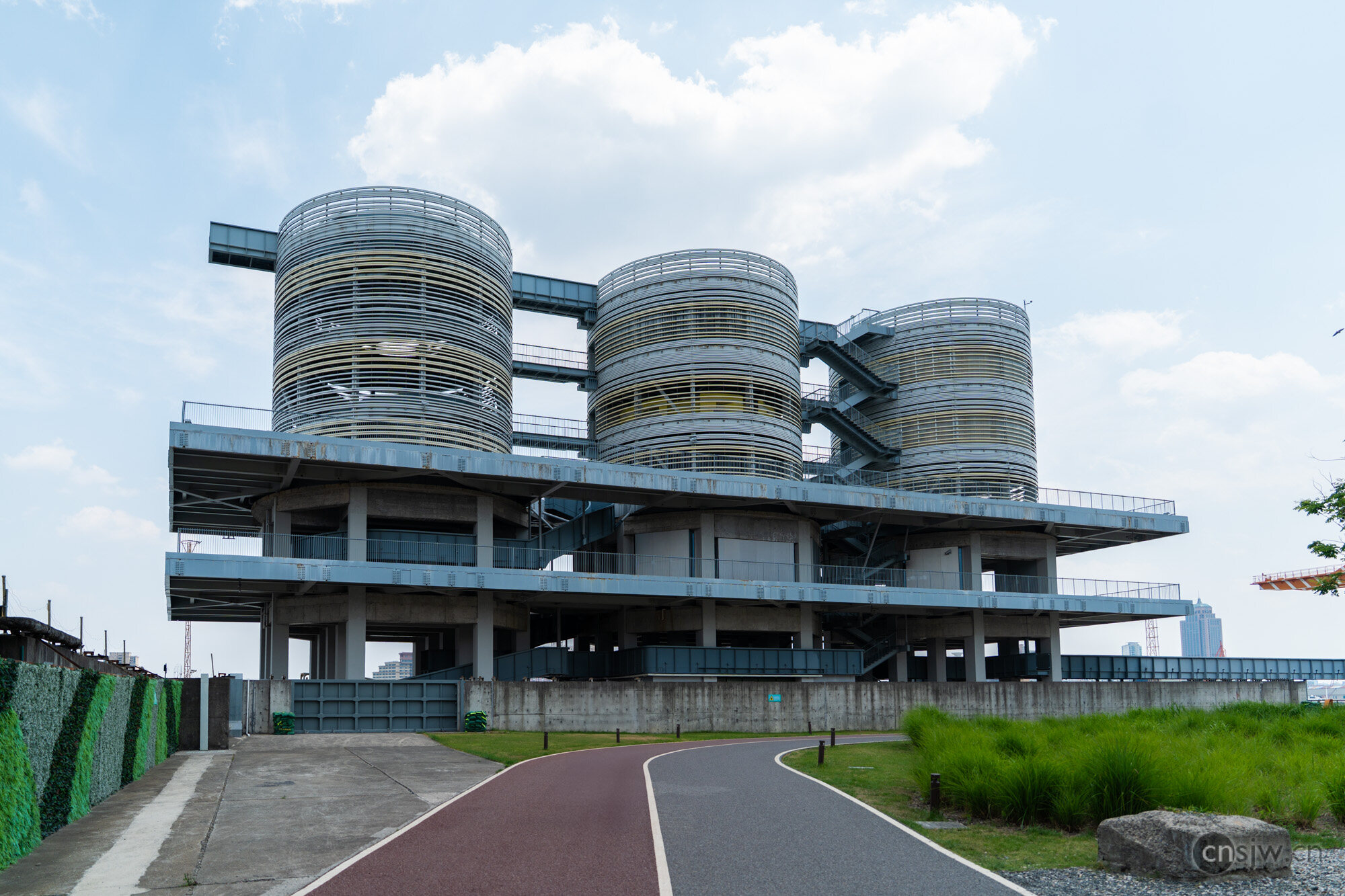
The Ash Silo Art Space originally consisted of three dry ash storage silos facing the river at the power plant. By adding two landscape platforms, the previously independent silos were connected into a unified whole. However, it appears to be currently closed to the public.
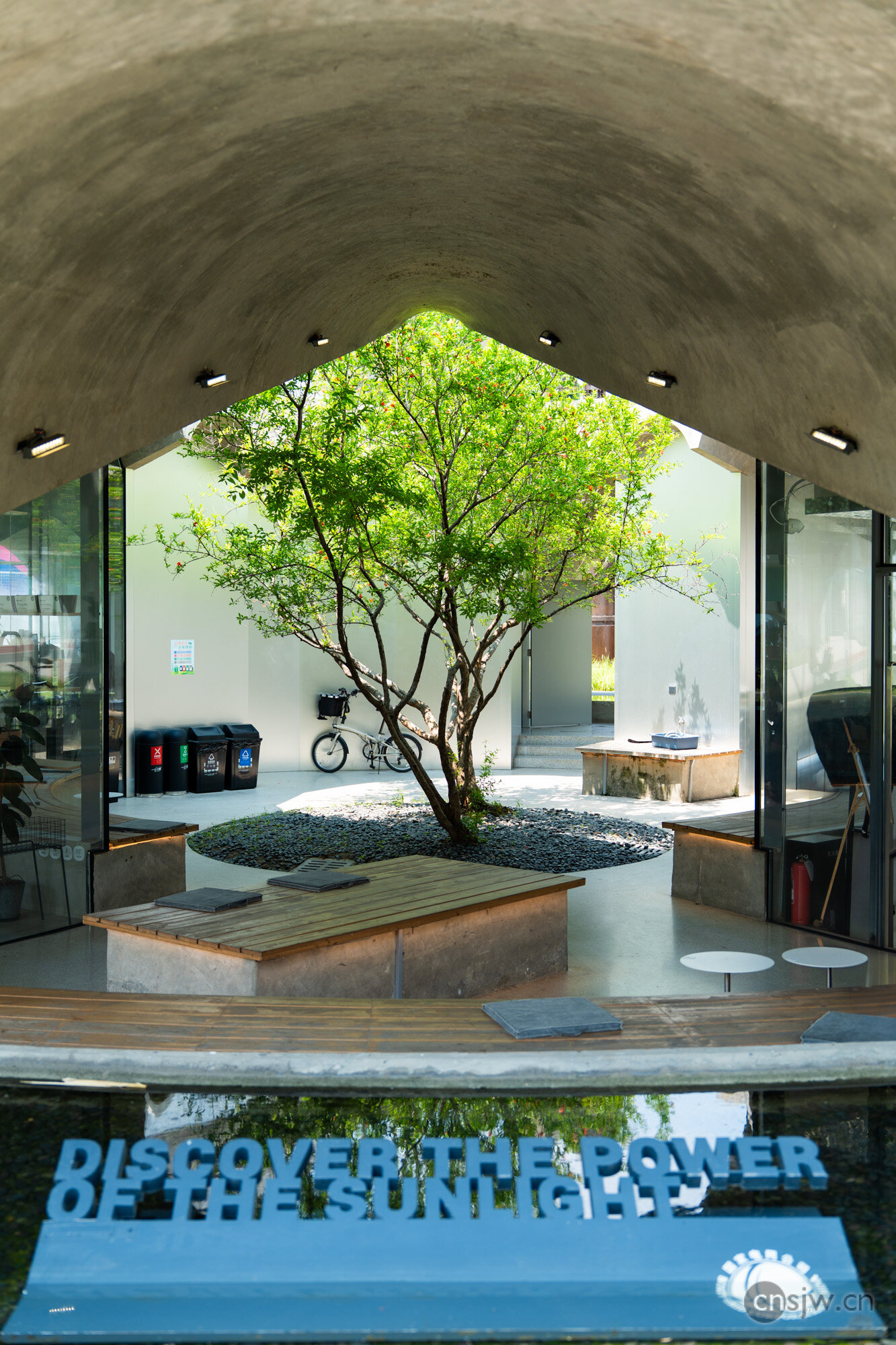
Right next door is the Shanghai International Fashion Center, where you can also park your car. It’s quite nice to visit the park while shopping or strolling around there. However, apart from a café under the Yichi Garden brand called Yichi Zhijian, there are no other dining options within the Power Plant Ruins Park area. If you want to have a meal, you’ll need to eat at the International Fashion Center before coming over.
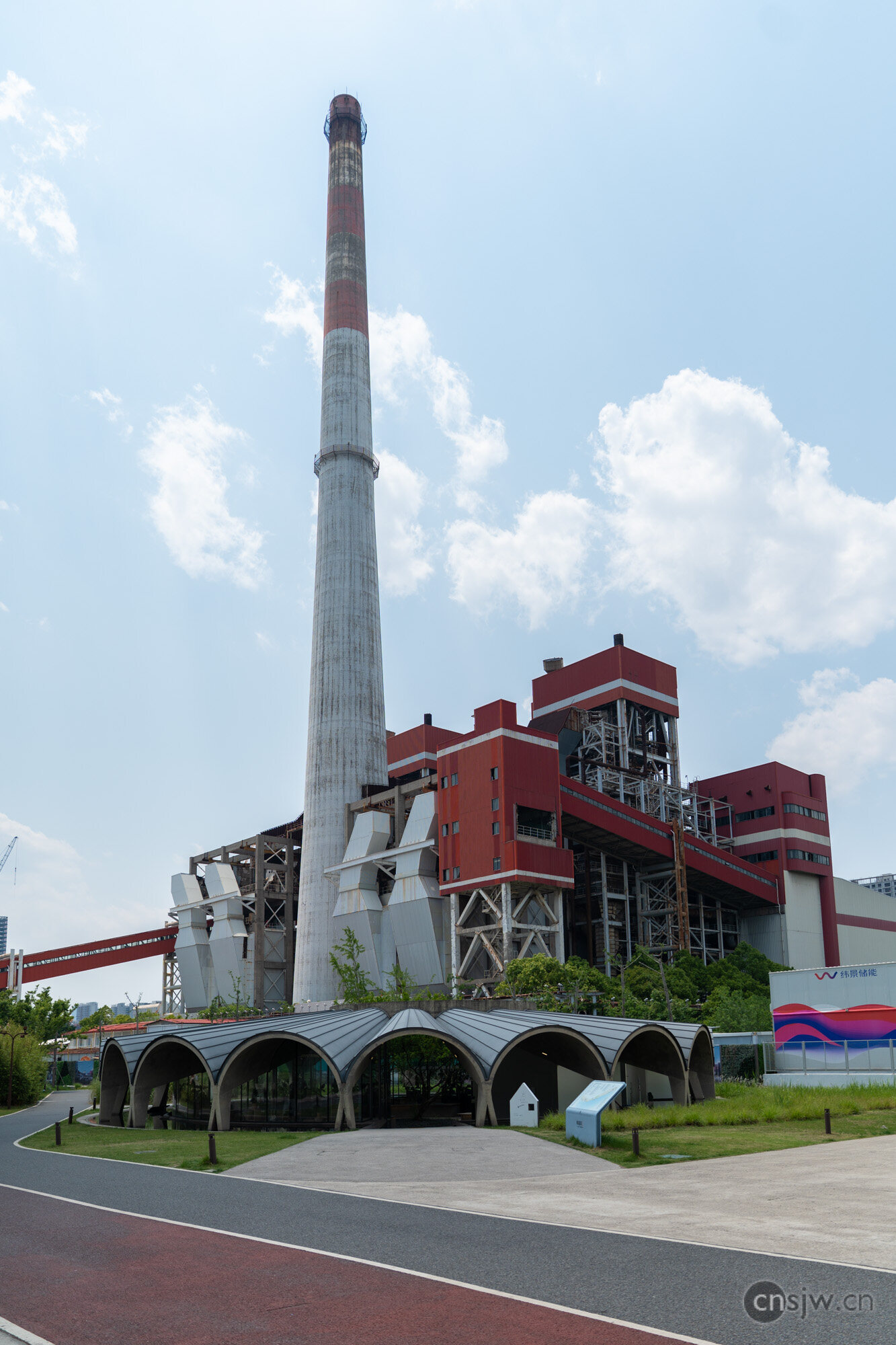
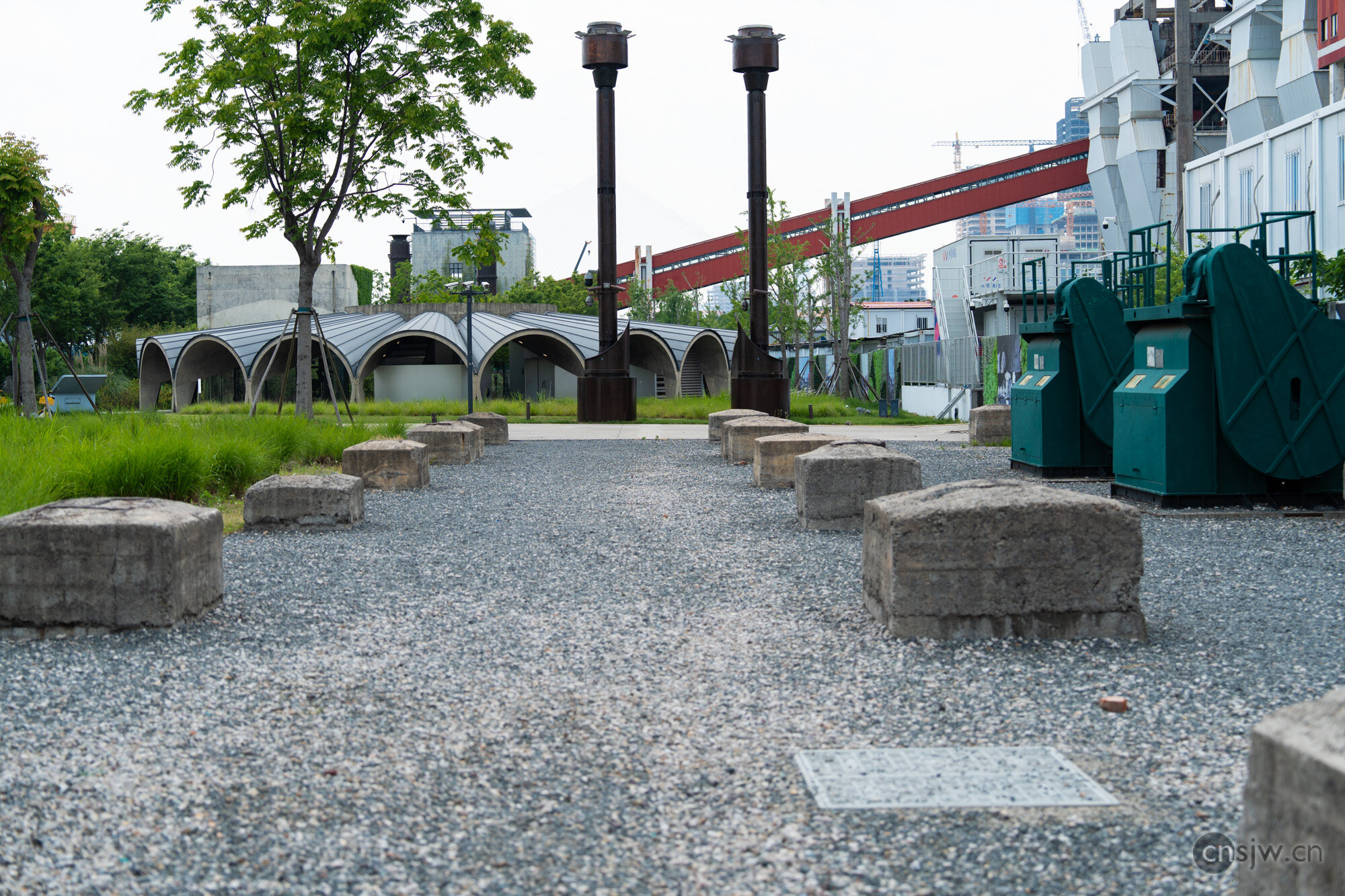
However, the main power plant structure itself has barely seen any development. Over time, it feels somewhat overly dilapidated, raising concerns about potential safety hazards. Overall, I still hope some level of development will be carried out on the main power plant structure—it would be even better if visitors could go inside for tours~~
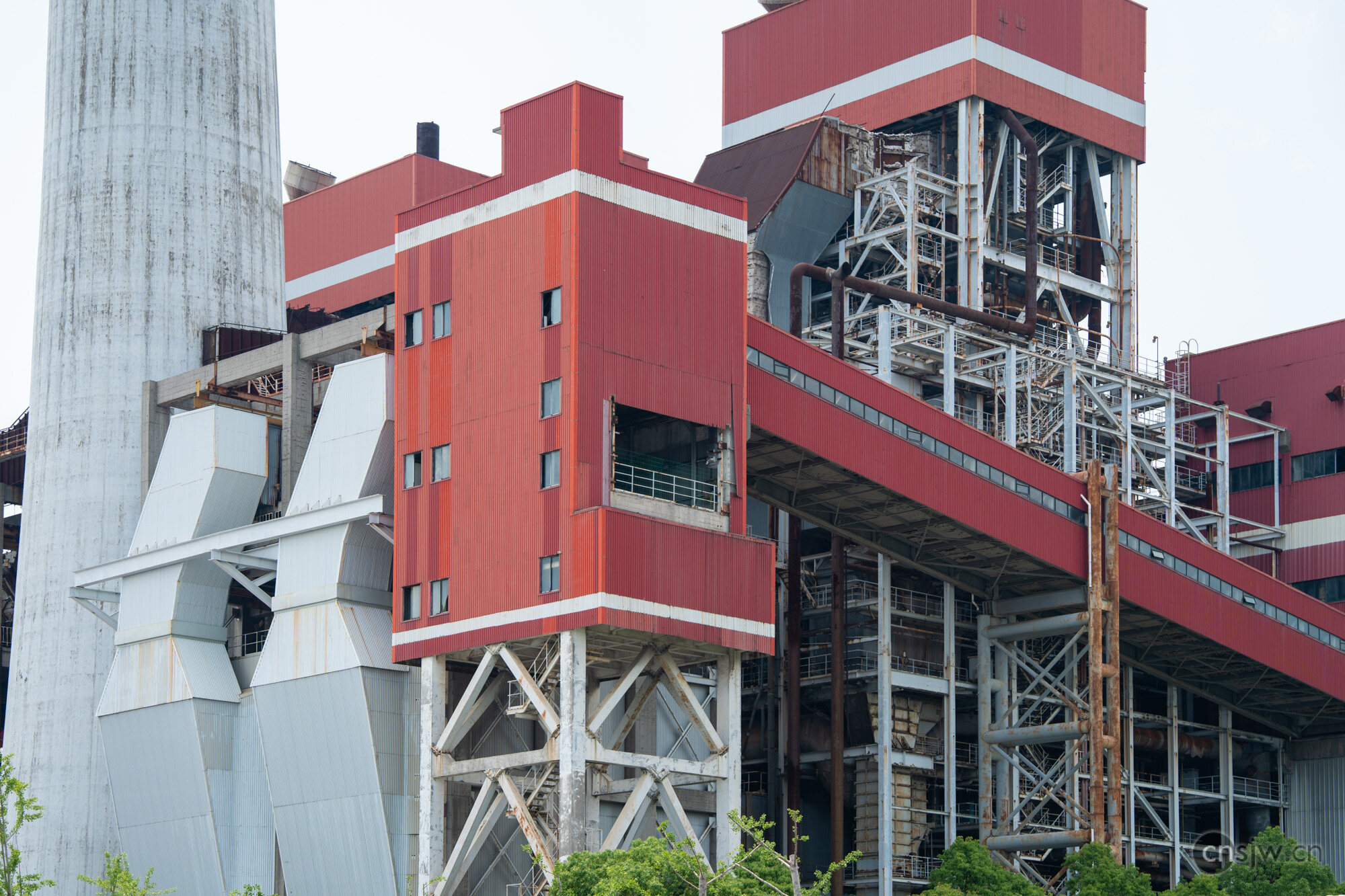
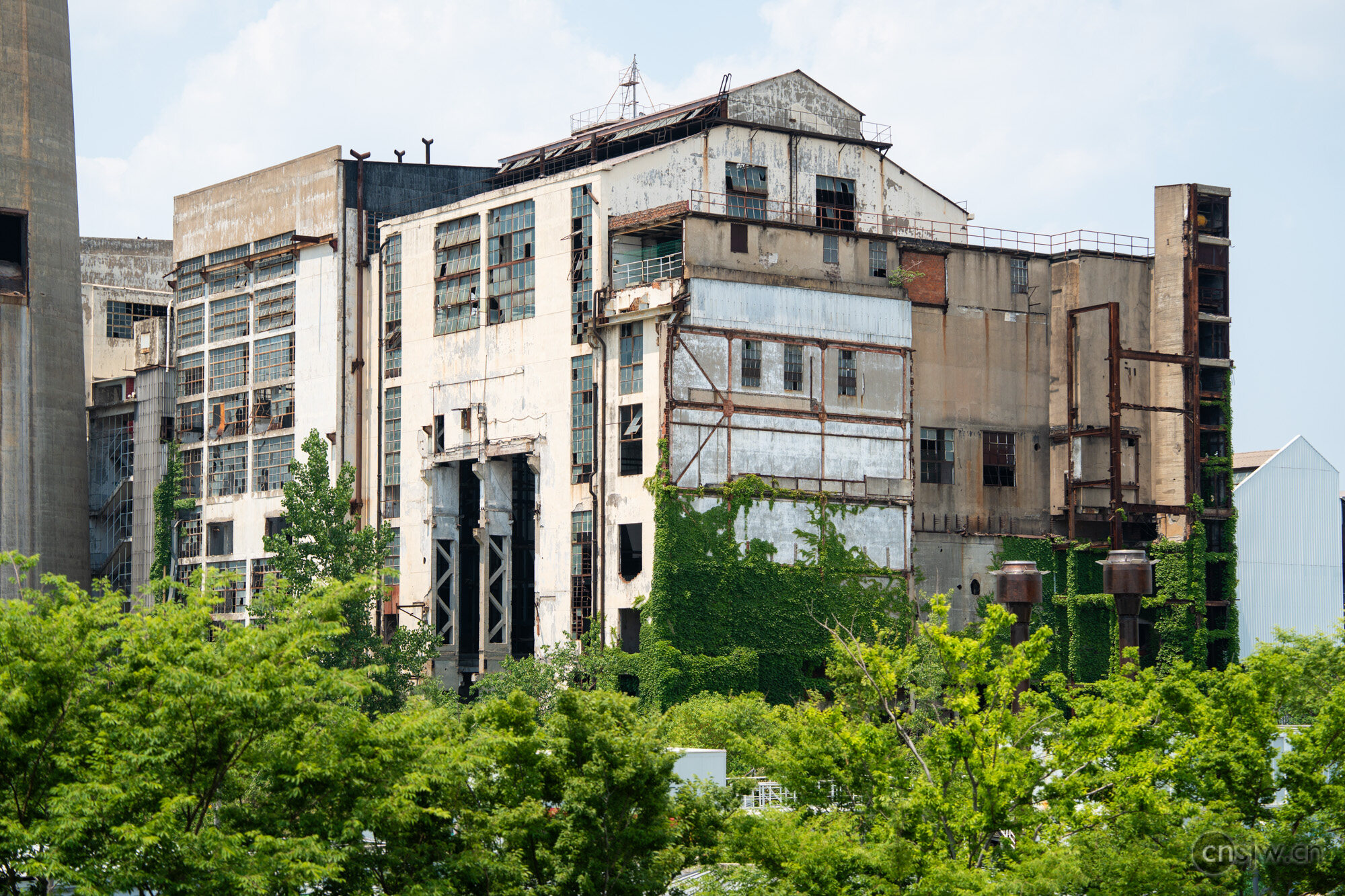
The land occupied by the power plant still feels somewhat underutilized. As part of the Yangpu Waterfront, the park is cycling-friendly, and you can walk all the way along the Huangpu River to the Bund. Whether you’re taking a leisurely stroll or making a special trip to check in and take photos, it’s a great choice.




Support



Read this article on WeChat