
Mount Heng (Nanyue), with an elevation of 1,300.2 meters, is the lowest of the Five Great Mountains.
However, Mount Heng is the center of religious culture in Southern China. It is the birthplace of Southern Chan Buddhism, the Tiantai School, the Caodong School, and the Nanyue and Qingyuan lineages of Chan Buddhism. It is also the most renowned Taoist sacred site in the South, home to the Zhuling Cave Heaven (the third of the Thirty-Six Taoist Cave Heavens), as well as the Qingyu Altar Blessed Land, Guangtian Altar Blessed Land, and Donglingyuan Blessed Land (among the Seventy-Two Taoist Blessed Lands). Every year, large numbers of pilgrims from East Asia, Southeast Asia, and the Hong Kong, Macau, and Taiwan regions come to Mount Heng to offer incense and worship.
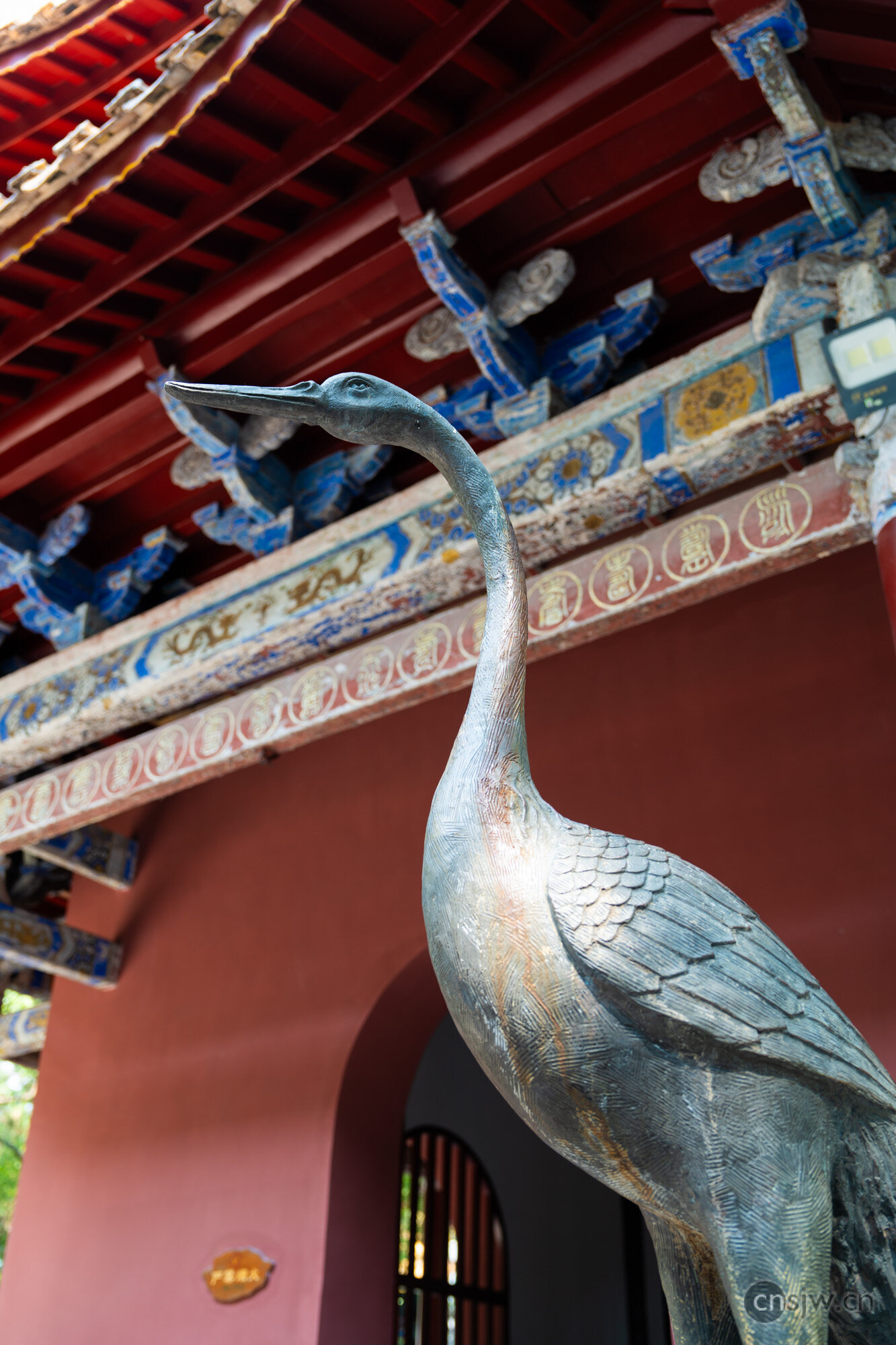
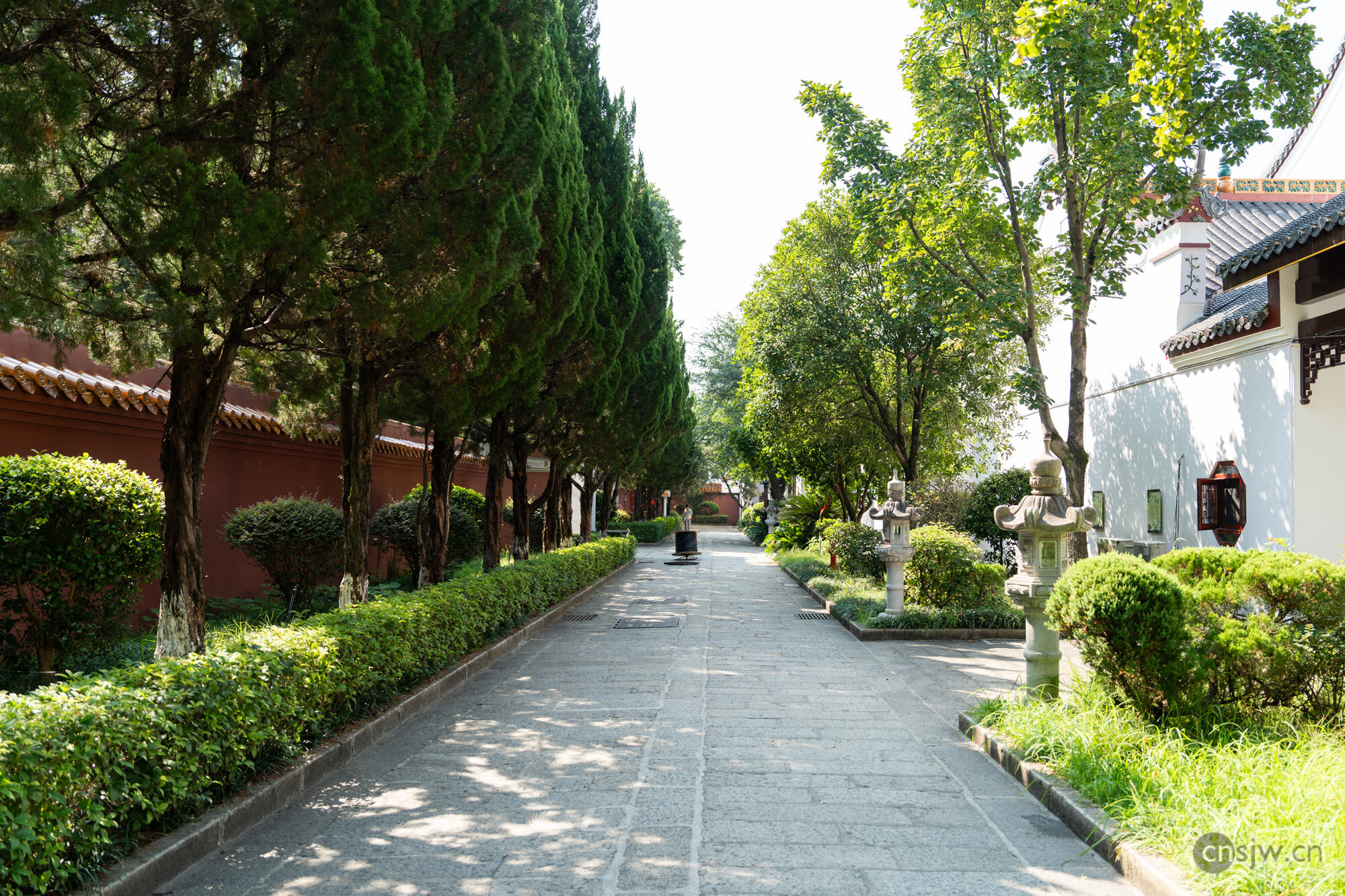
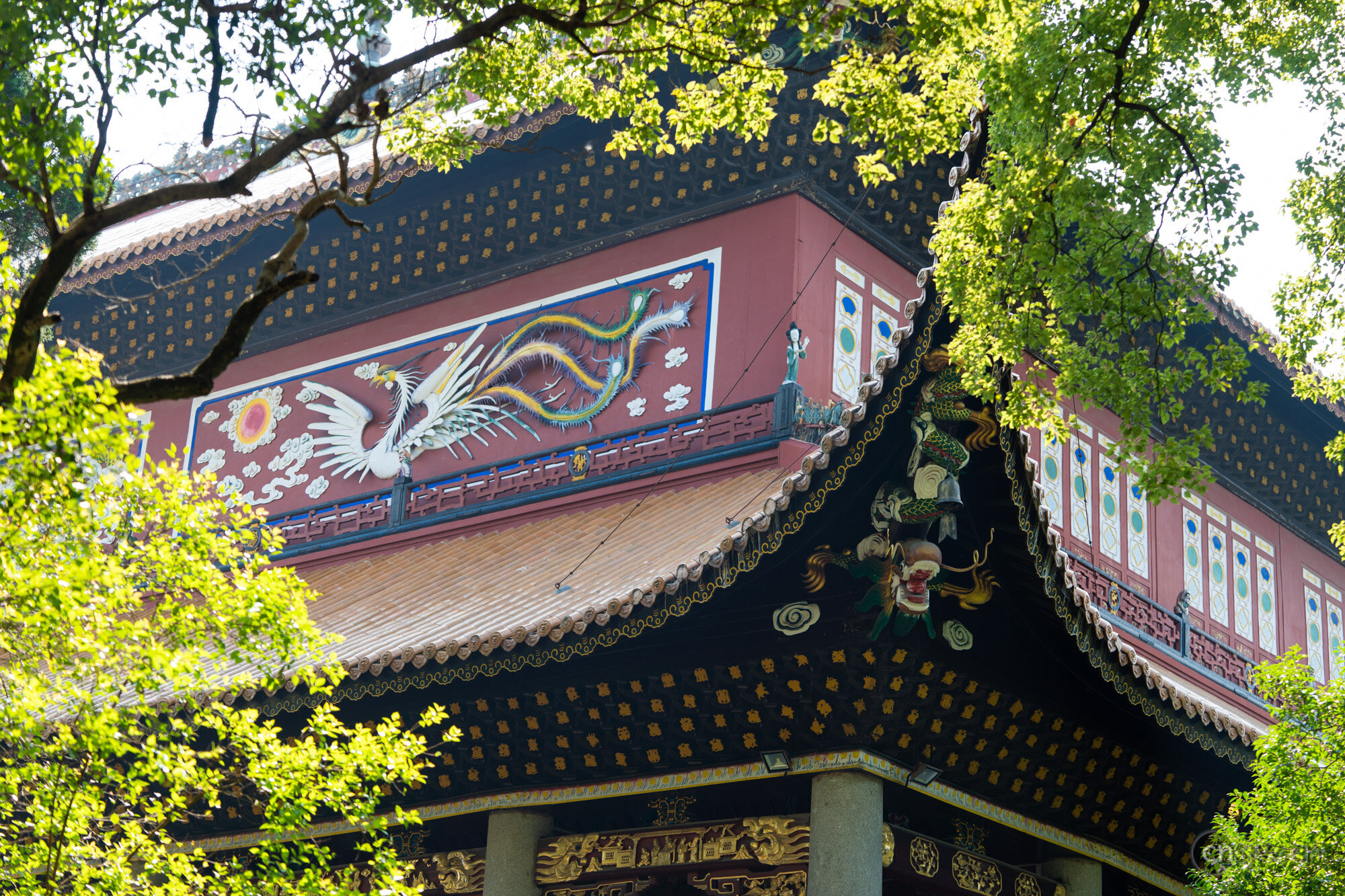
Therefore, a visit to Mount Heng is incomplete without seeing the Nanyue Grand Temple at its foot. The Nanyue Grand Temple is the largest and most intact palace-style temple complex among the Five Great Mountains. The Grand Temple consists of the Lingxing Gate, Kuixing Pavilion, Zhengchuan Gate, Imperial Stele Pavilion, Jiaying Gate, Imperial Library, Main Hall, Bedchamber, and North Rear Gate. The main buildings are laid out along a central axis, comprising nine successive courtyards arranged front-to-back and four side courtyards. The clay sculptures, wood carvings, and stone carvings of the Nanyue Grand Temple are renowned as the “Three Wonders of Jiangnan.”
The Nanyue Grand Temple was originally the Sitian Huo Wang Temple and was later renamed the Nantian Zhenjun Shrine. The exact date of its initial construction is unknown. The earliest written record dates back to its construction in the 13th year of the Kaiyuan era of the Tang Dynasty (725 AD). Throughout history, it suffered six major fires and underwent sixteen extensive renovations during the Song, Yuan, Ming, and Qing dynasties. In the 12th year of the Tongzhi reign, the temple was destroyed by a lightning fire. In the 8th year of the Guangxu reign of the Qing Dynasty (1882), the architectural complex was rebuilt modeled after the Forbidden City in Beijing, earning it the nickname “Little Forbidden City of Jiangnan,” and most of these structures have been preserved to this day.
The Nanyue Grand Temple is a unique sanctuary where Buddhism, Taoism, and Confucianism coexist. Architectural elements such as the Eight Taoist Temples, the Eight Buddhist Monasteries, and the Imperial Library exemplify this fusion of three religions. Incense offerings at the Grand Temple are extremely prosperous, and grand temple fairs are held annually on important Buddhist holidays.
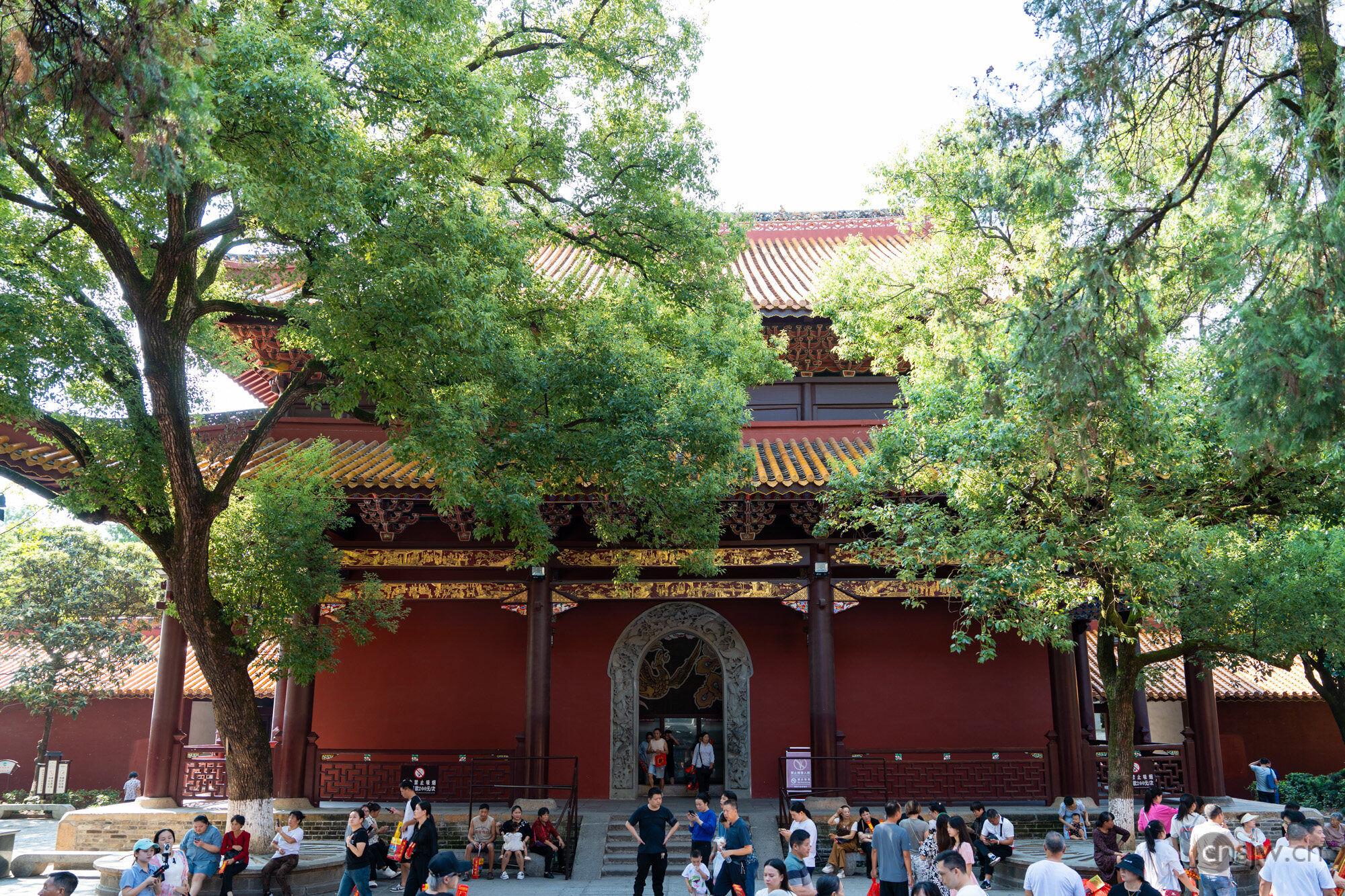
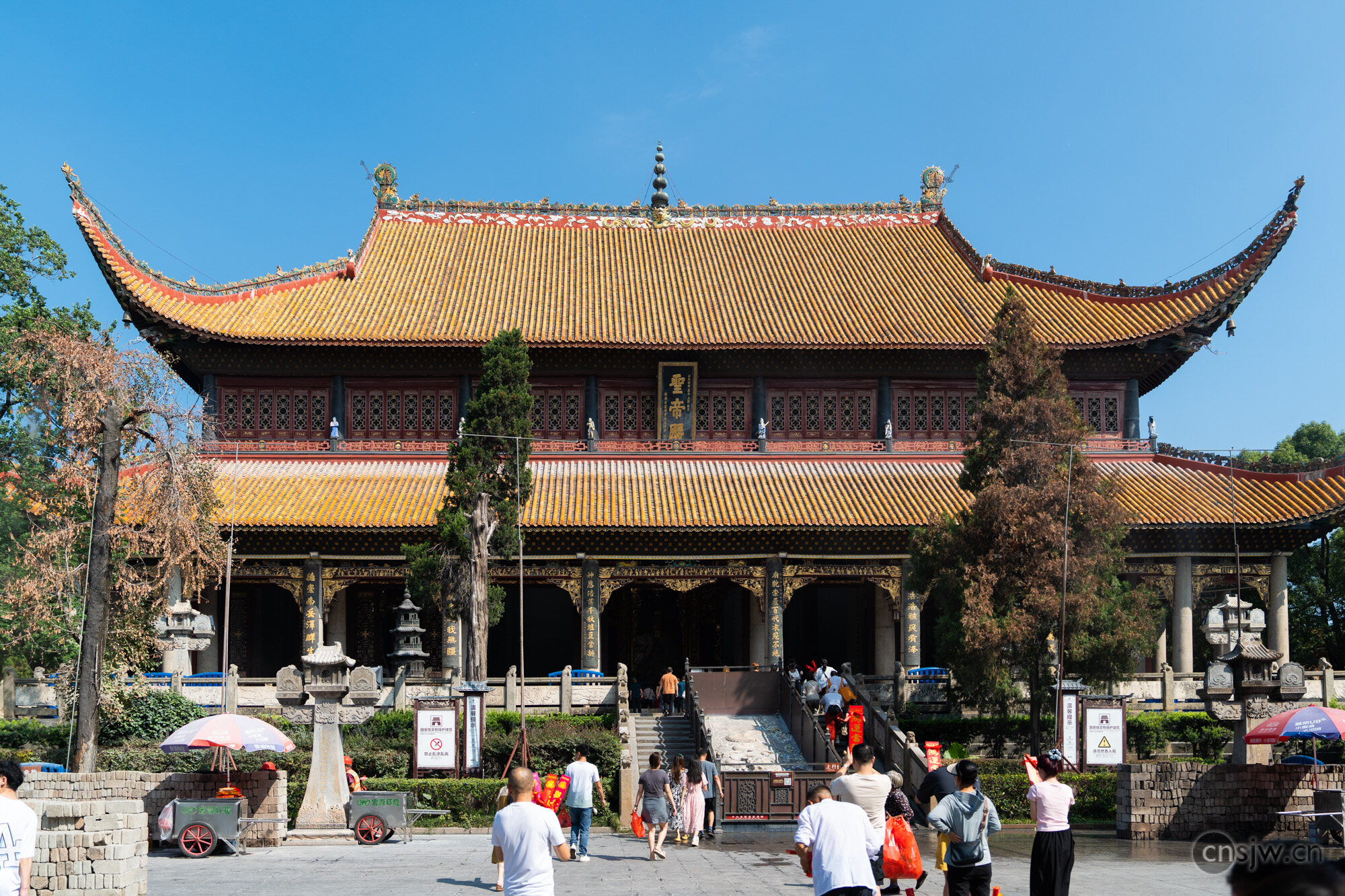
The Hall of the Holy Emperor, also known as the Main Hall, was constructed modeled after the Hall of Supreme Harmony in the Forbidden City in Beijing. The Main Hall features a double-eaved hip-and-gable roof structure. Its foundation measures 35.3 meters in length, 53.68 meters in width, and 31.11 meters in height, making it the tallest building in the ancient town of Nanyue. There are seventy-two stone pillars inside and outside the hall, symbolizing the Seventy-Two Peaks of Mount Heng. In front of the Main Hall stands a treasure furnace used for burning incense and candles during prayers and blessings. A white marble dragon carving runs up the center of the sixteen steps leading to the Main Hall, closely resembling the dragon and phoenix stone carvings found before the major halls of the Forbidden City. The white marble balustrades are adorned with reliefs depicting various ancient Chinese myths and legends. The Main Hall enshrines the Nanyue Sitian Zhaosheng Emperor, who is none other than Zhurong, the God of Fire.
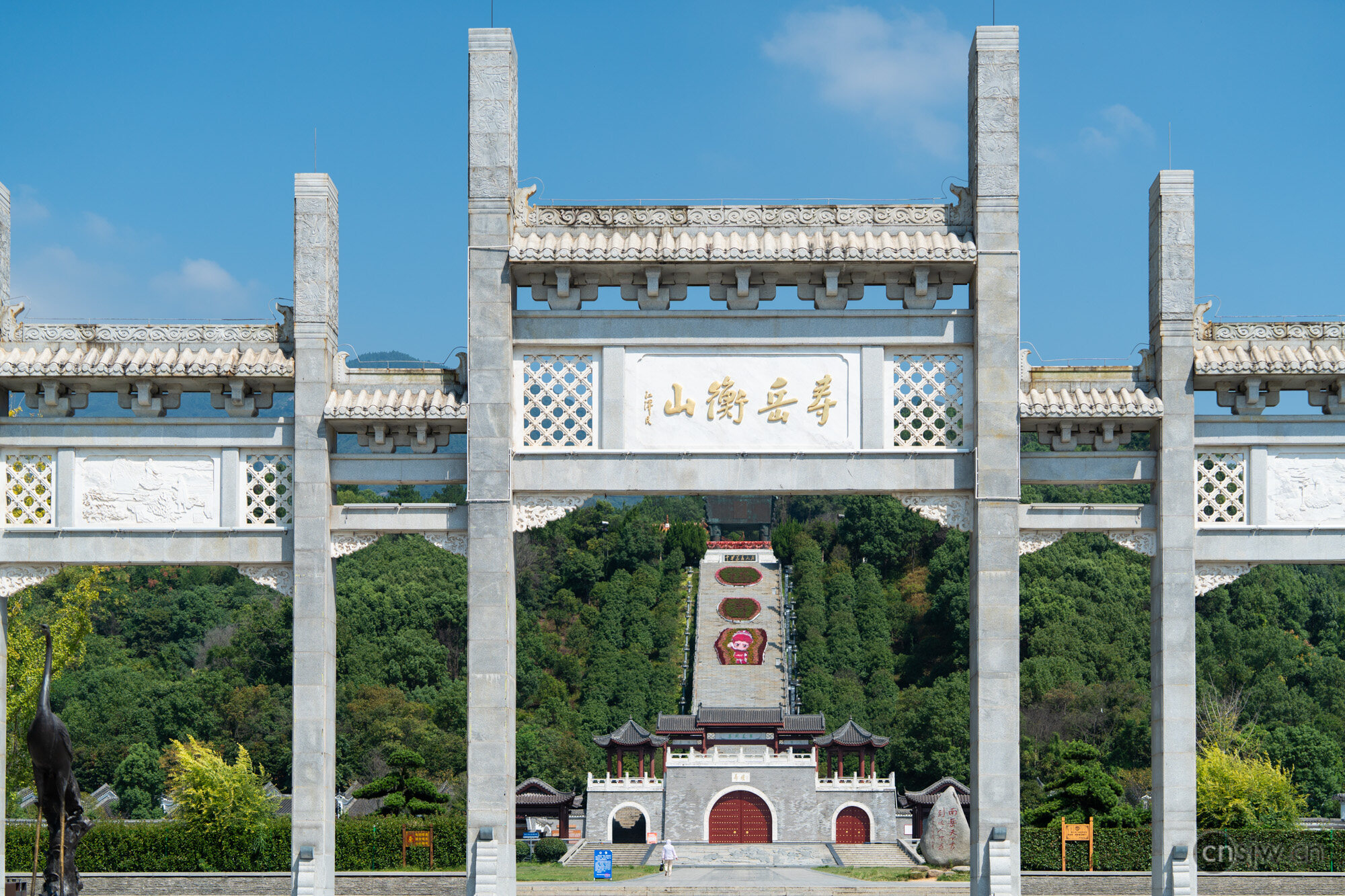
Just outside the gate of the Nanyue Grand Temple lies the Wanshou Grand Ding Scenic Area, newly built on Mount Heng in 2000. Inside, you will find the “World’s Largest Ding (ancient cauldron)” and the “Ding with the Most ‘Shou’ (Longevity) Characters in the World”…
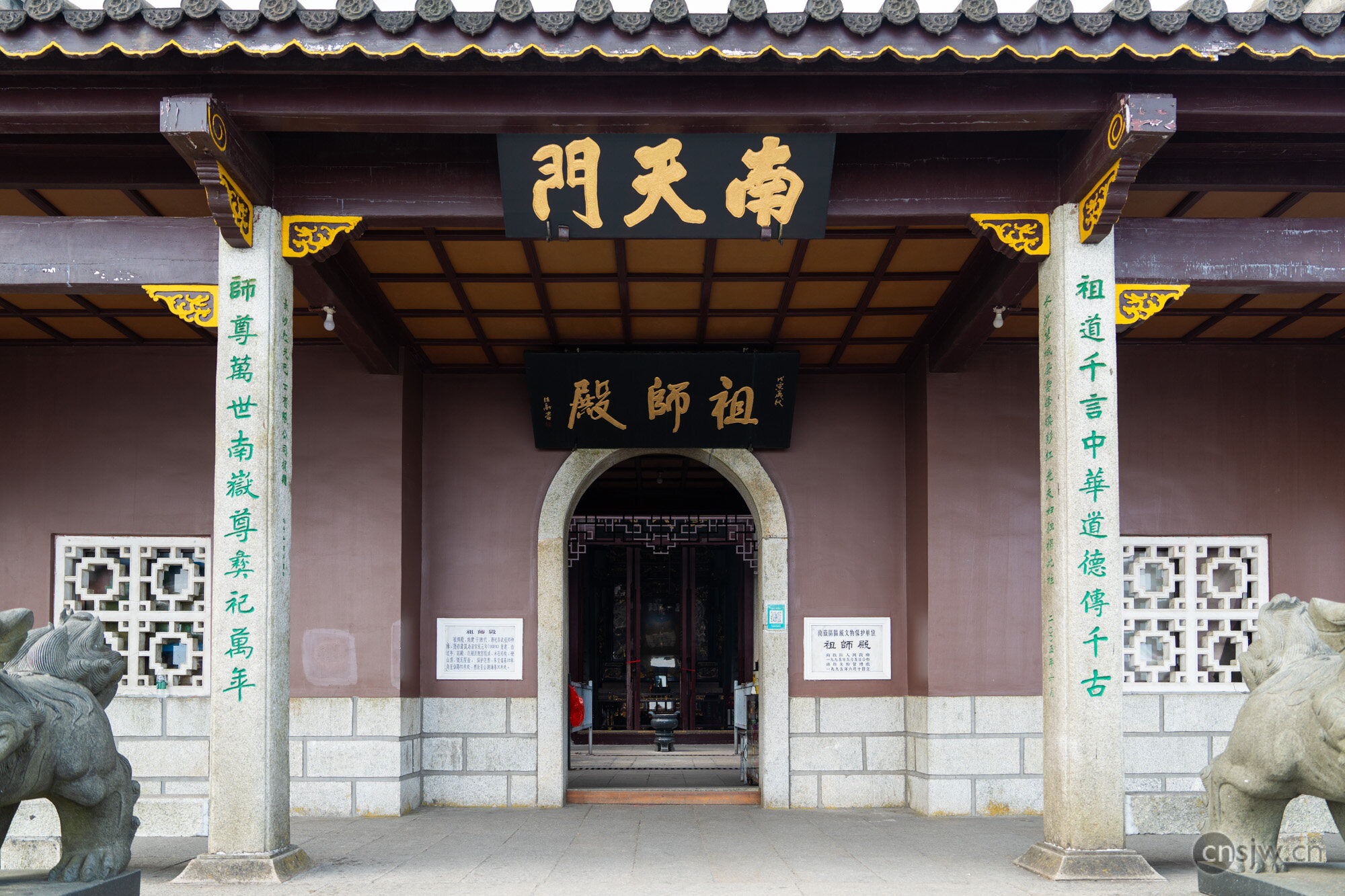
After having your ticket checked at the scenic area entrance, you can board the shuttle bus, which takes you directly to the Nantian Gate (Southern Heavenly Gate) at an altitude of 1,100 meters; beyond this point, travel is only possible on foot.
Overall, Mount Heng is neither perilous nor exceptionally high. In fact, there is a paved road all the way to Zhurong Peak that is accessible by car, although the scenic area shuttle buses only go as far as the Nantian Gate.
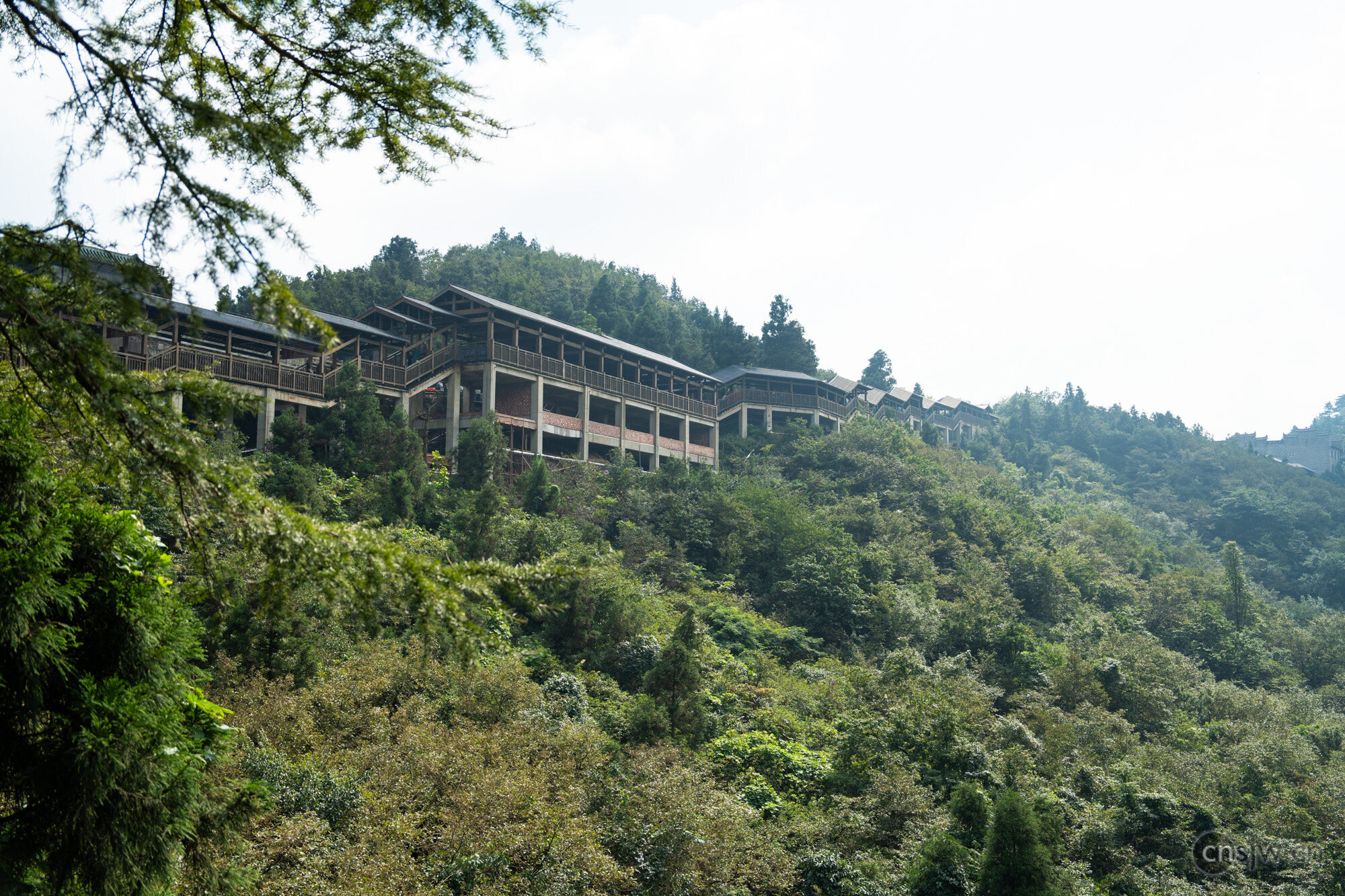
The remaining path largely consists of covered walkways like this one. Some sections are still under construction, but the hike remains relatively easy. Taking the stepped trail is actually less strenuous than walking along the paved road. Moreover, the trail is well-equipped with amenities such as trash bins and resting benches.
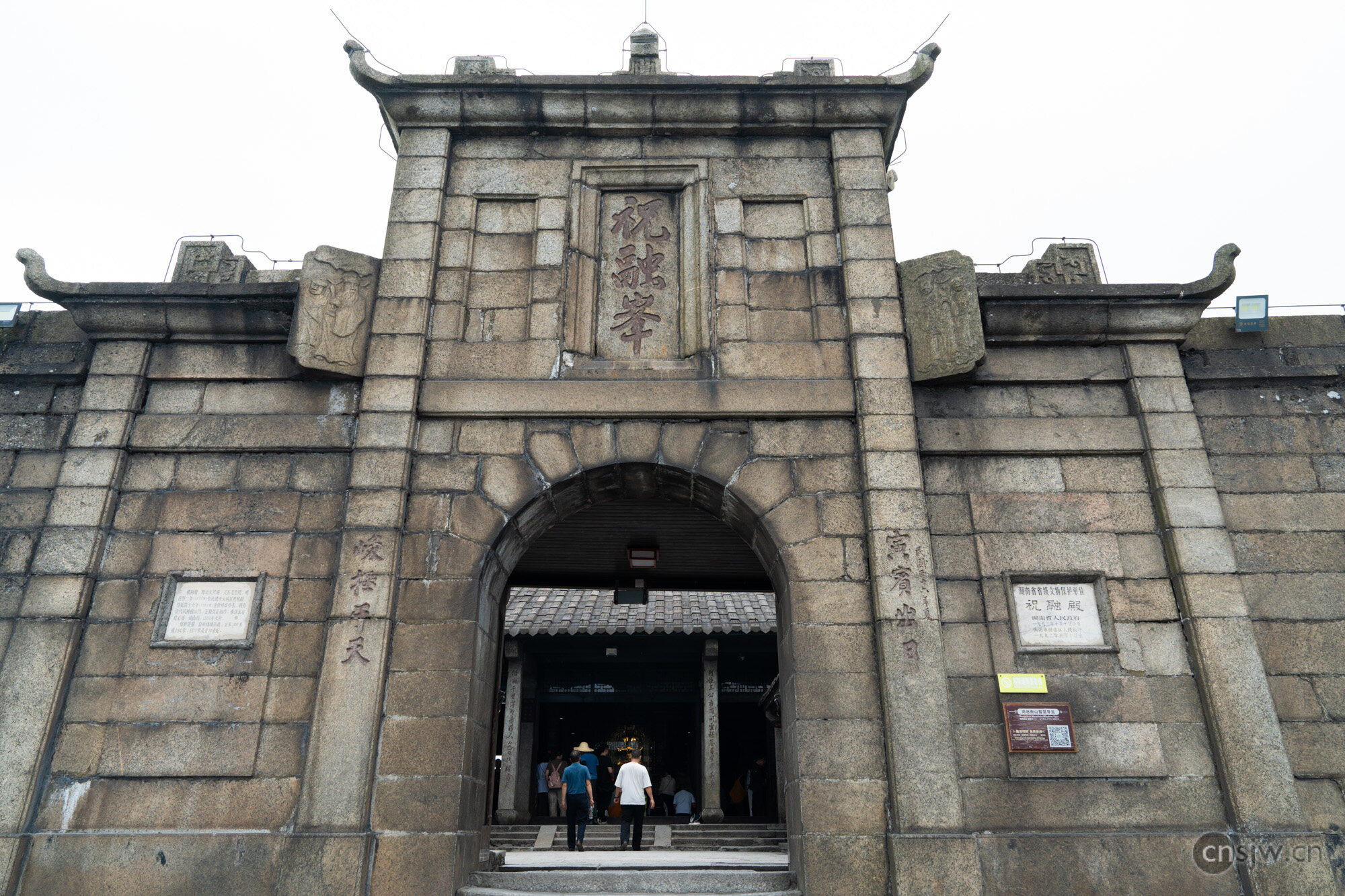
Zhurong Peak is the main peak of Mount Heng and the highest among its Seventy-Two Peaks. Atop the peak stands the Zhurong Hall, originally named the “Old Holy Emperor Hall,” which was first established as a shrine during the Wanli reign of the Ming Dynasty.
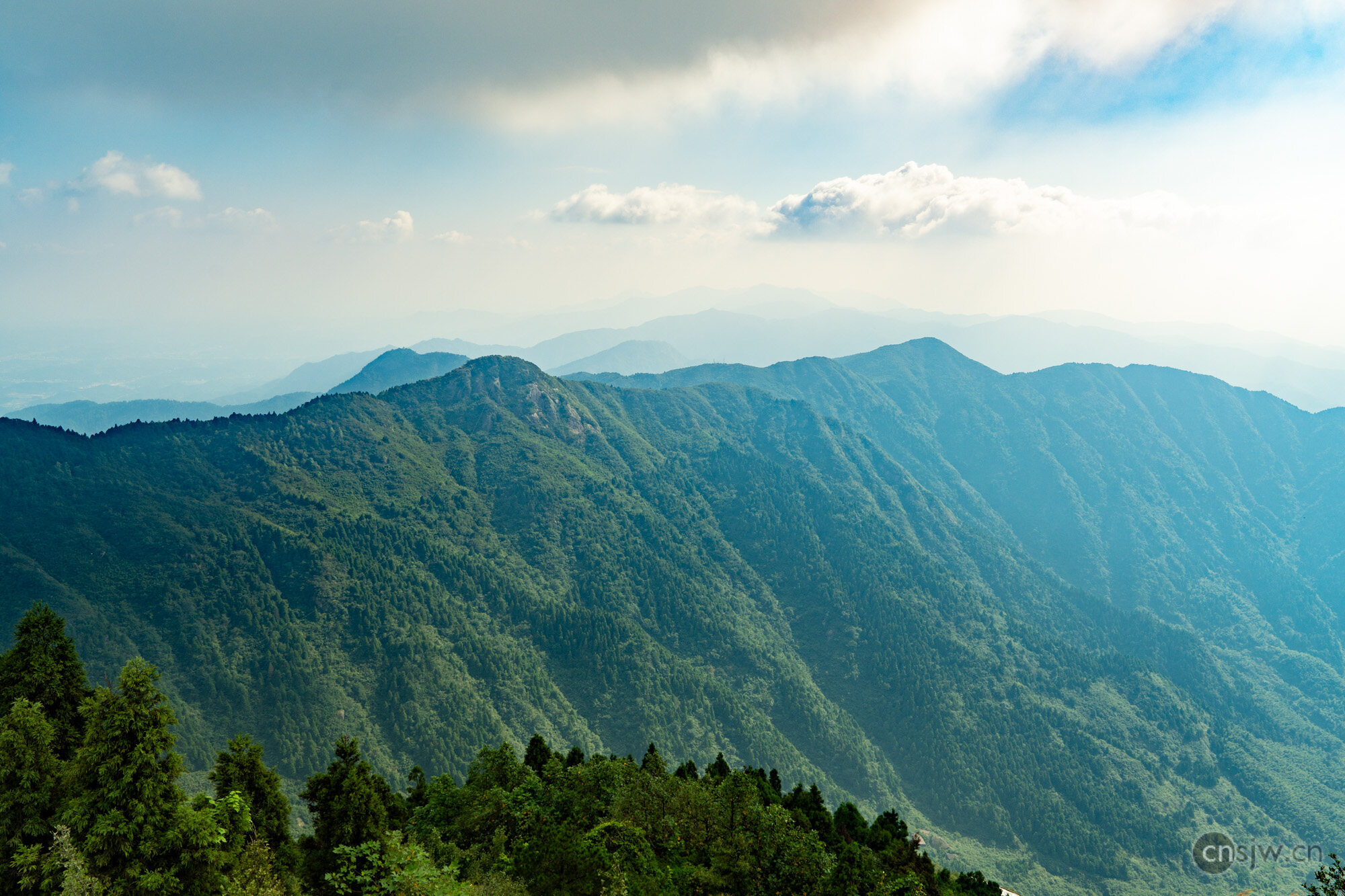
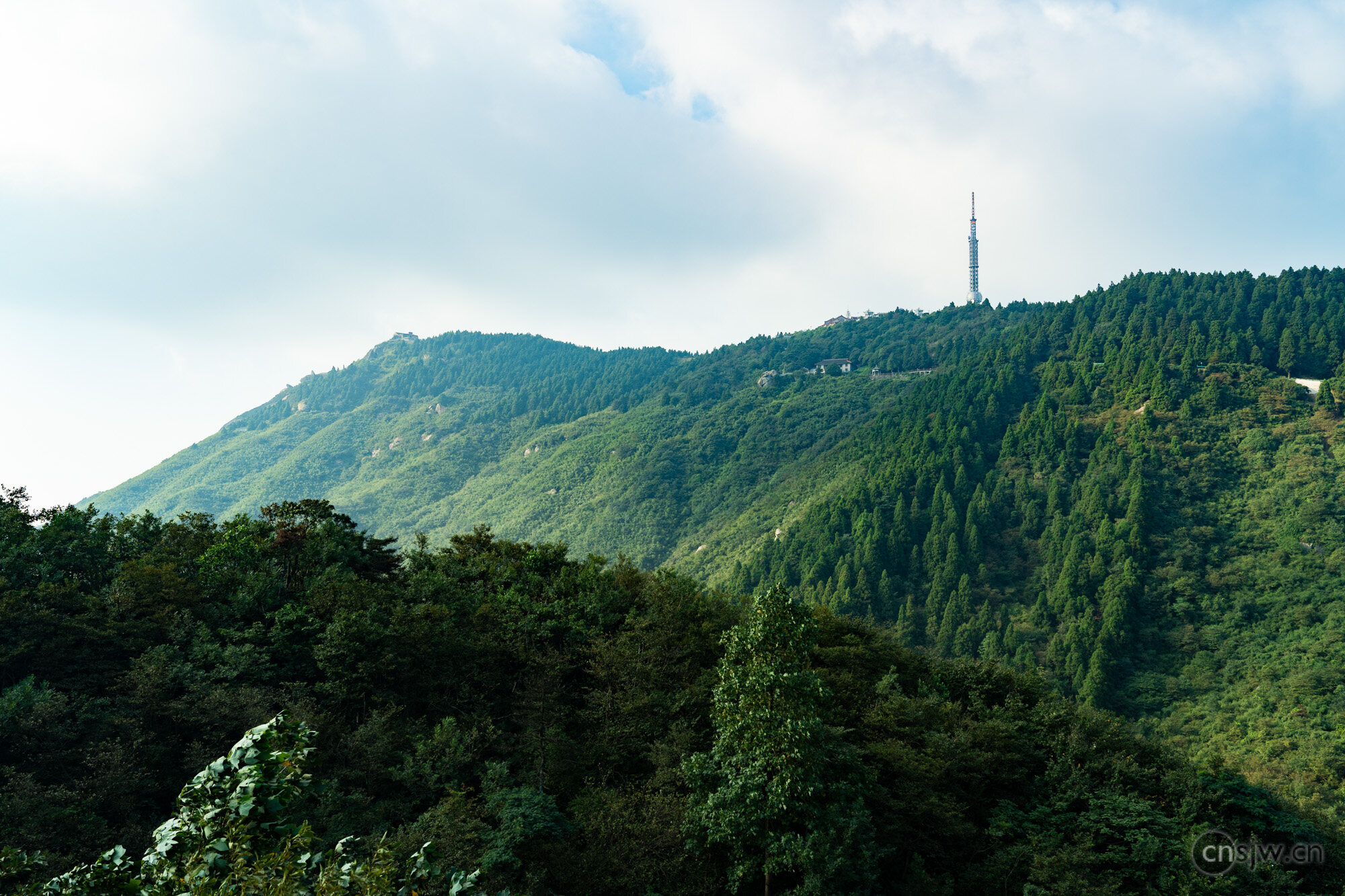
The scenery on Mount Heng lacks the rugged, bizarre rock formations seen on Mount Hua; instead, it presents a more traditional landscape of lush, verdant mountains.




Support



Read this article on WeChat