
Hubei Provincial Museum
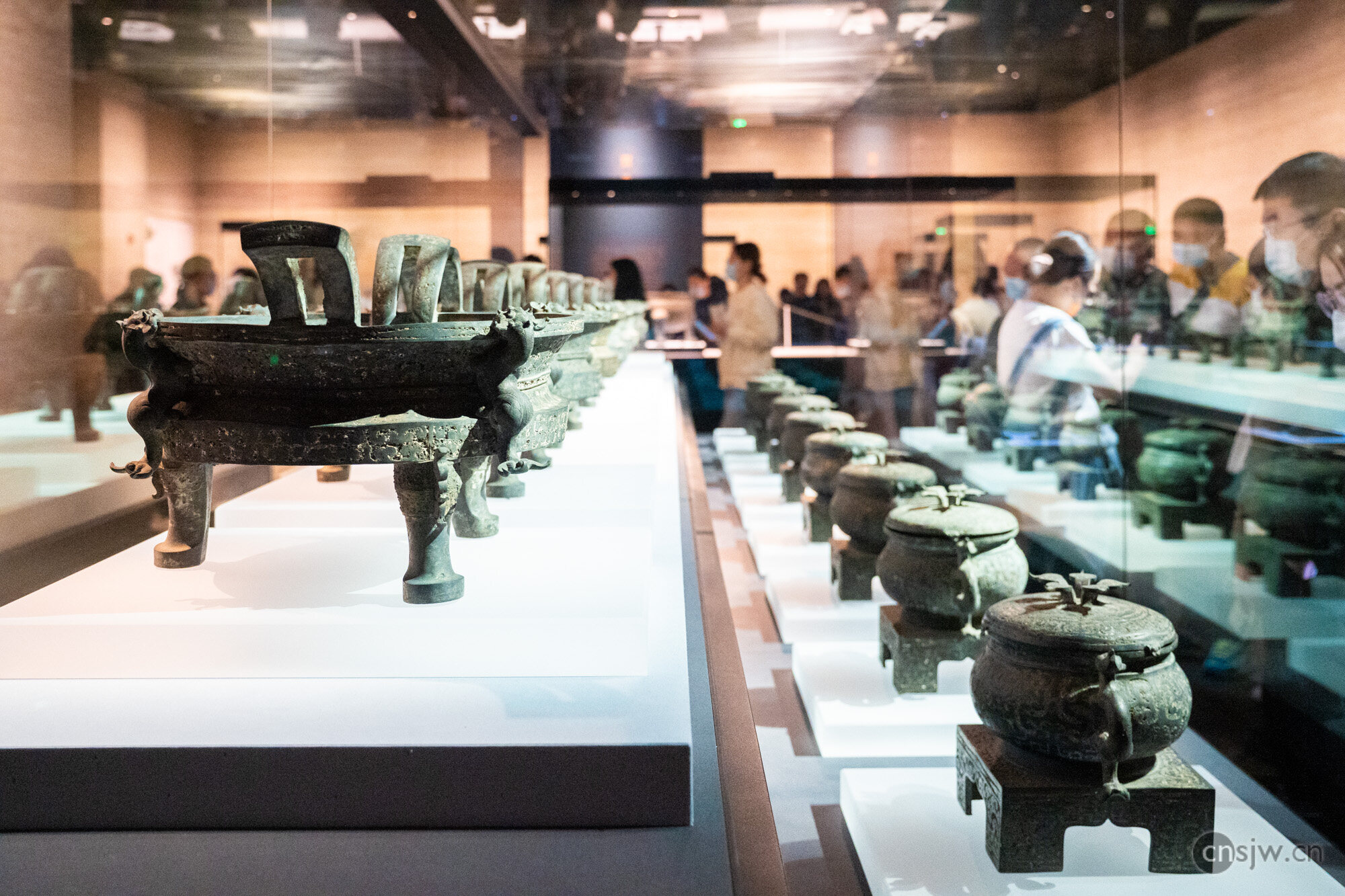
Located in the East Lake Scenic Area of Wuhan, the Hubei Provincial Museum is a national first-class museum and one of the eight key national museums jointly established by the central and local governments. The museum currently houses a collection of over 240,000 items, including nearly 1,000 national first-class cultural relics. Its most distinctive collections, representing the highlights of its holdings, include prehistoric pottery represented by the Qujialing and Shijiahe cultures; bronzes represented by those from Panlongcheng and the Tomb of Marquis Yi of Zeng; a vast array of lacquerware unearthed from Chu tombs of the mid-Spring and Autumn period through to Han dynasty tombs; numerous bamboo slips excavated from the Tomb of Marquis Yi of Zeng, the Guodian Chu Tomb, the Wangshan Chu Tomb, the Baoshan Chu Tomb, and the Yunmeng Qin Tomb; as well as artifacts from princely tombs such as the Tomb of Prince Liangzhuang and the Tomb of Prince Yingjing. Among these, the Yunxian Man Skull Fossil, the Sword of Goujian, King of Yue, the Bianzhong (chime bells) of Marquis Yi of Zeng, and the Yuan Dynasty Blue-and-White Porcelain Meiping Vase with the “Four Loves” Design are renowned as the four “treasures of the museum.”\r\n\r\nWhat we see now is the new exhibition hall, which only opened at the end of 2021. Advance reservations via the official WeChat account are required, though it’s unclear if there is a visitor cap; regardless, it still feels incredibly crowded… Queues had already formed at the entrance, and although the interior space is vast, many areas were subject to crowd control due to the sheer number of visitors, with people packed tightly around key exhibits. There are so many unearthed artifacts here, and each one is massive—for some reason, this gives them an almost commonplace feel. With the crowds and everyone taking photos, visiting the famous exhibits basically involves squeezing in, snapping a picture, and squeezing right back out… The main highlight here is the series of bronzes unearthed from the Tomb of Marquis Yi of Zeng. The excavation of these bronzes has been hailed as “a great miracle in the history of world archaeology,” providing extremely precious physical materials for studying the politics, economy, and culture of China in the 11th century BC, especially the world-famous chime bells.
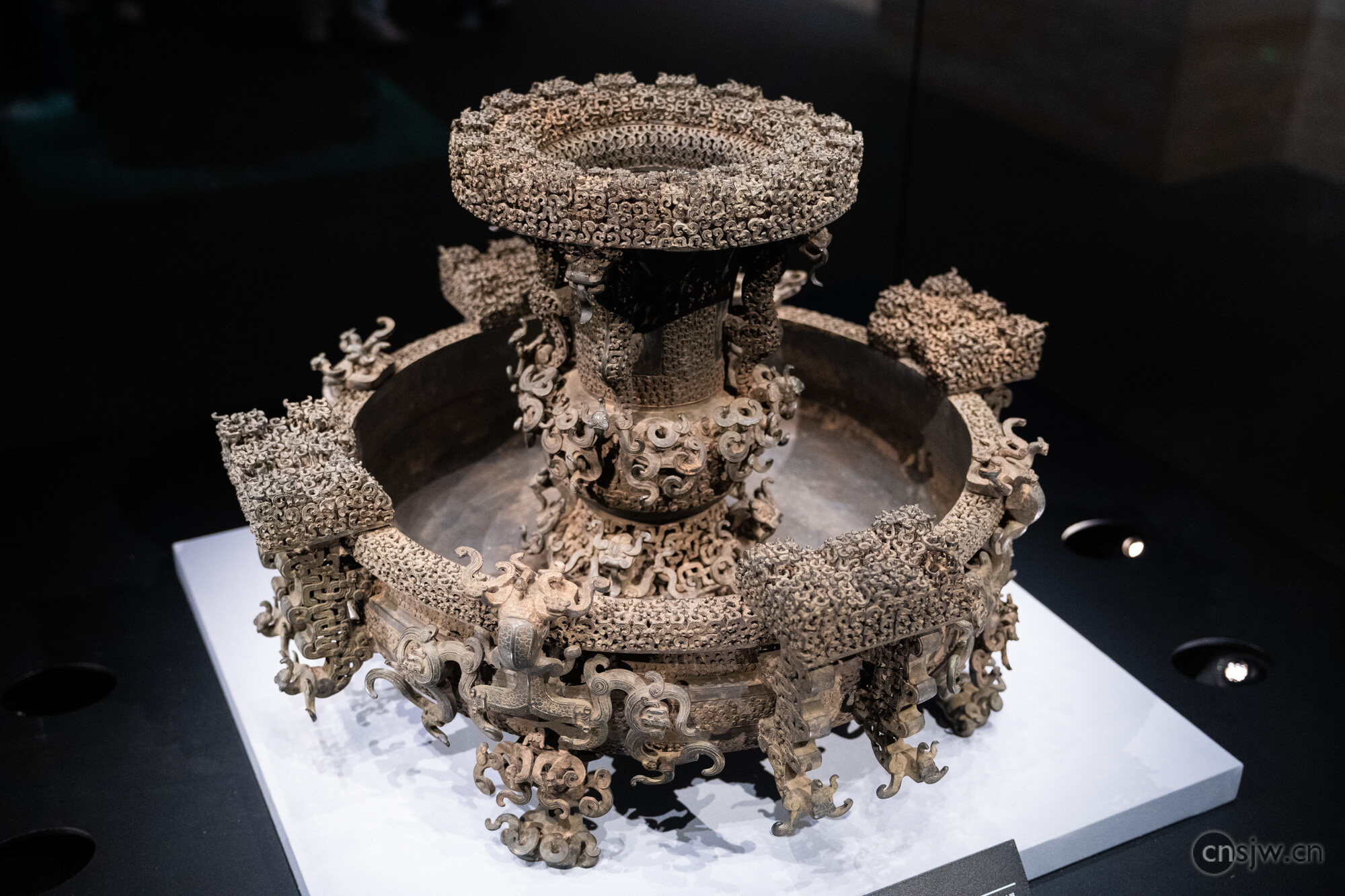
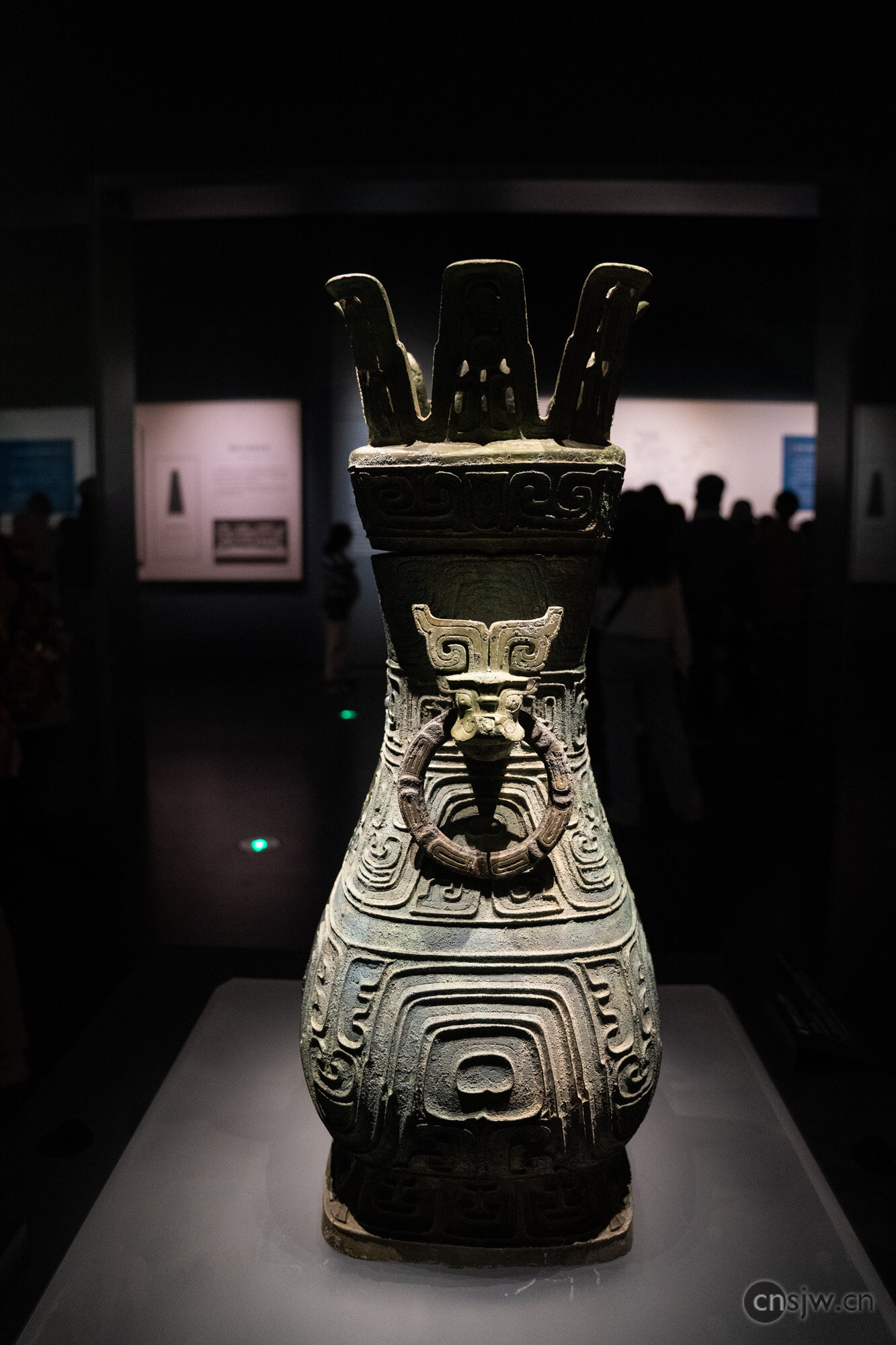
Bronze Zun and Pan of Marquis Yi of Zeng: This wine vessel set consists of three parts: the main body, various attachments, and openwork decorative elements. A bronze Zun stands inside the bronze Pan; the Zun holds wine while the Pan holds ice, functioning as a cooler. The rims of both the Zun and the Pan, along with the four handles on the Pan, feature intricate, exquisite openwork patterns. The neck of the Zun is adorned with four round-sculptured dragon decorations facing outward with long tongues protruding; their bodies are also composed of openwork designs. These fluid and dynamic motifs make the Zun and Pan set a dignified and exquisitely decorated artistic treasure.
Bianzhong (Chime Bells) of Marquis Yi of Zeng: Dating to the Warring States period, these were unearthed in 1978 from the Tomb of Marquis Yi of Zeng in Suixian, Hubei. The bell frame is 748 cm long, 265 cm high, and weighs approximately 4.5 tons. The complete set comprises sixty-five bells arranged in three tiers and eight groups, suspended on an L-shaped frame made of bronze and wood. Each bell can produce two distinct tones forming a third interval. The full set covers all twelve semitones and allows for modulation across different keys. Tuned to what is now known as C major, they can perform pentatonic, hexatonic, or heptatonic scale melodies. The Bianzhong of Marquis Yi of Zeng represent the largest quantity, grandest scale, best preservation, most complete musical scale, and widest range of any ancient chime bells discovered to date. They prove that as early as the Spring and Autumn and Warring States periods (5th century BC), China already possessed concepts of the seven-note scale and absolute pitch, demonstrating that Zhou dynasty culture and technology had reached remarkably advanced levels.

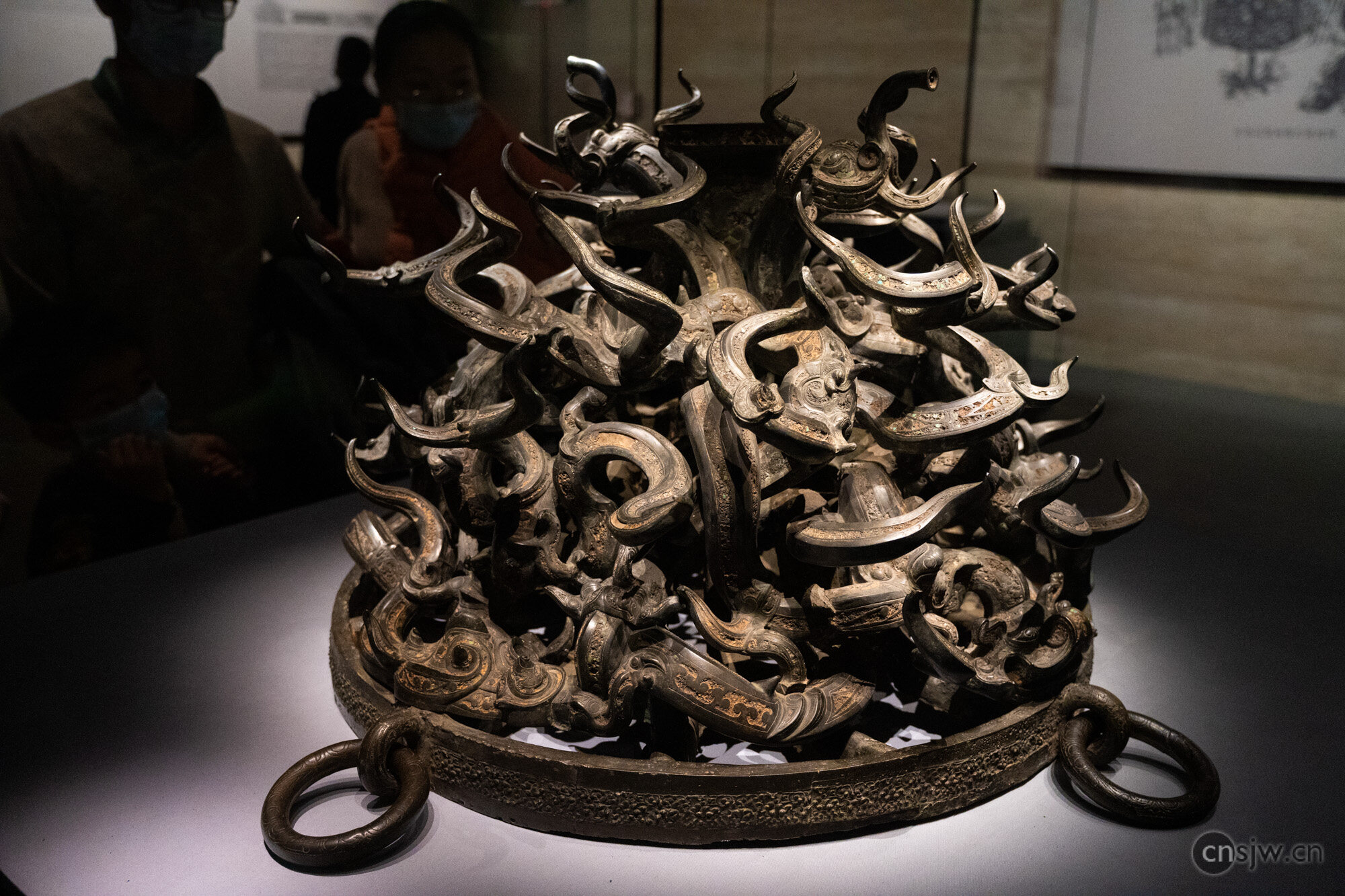
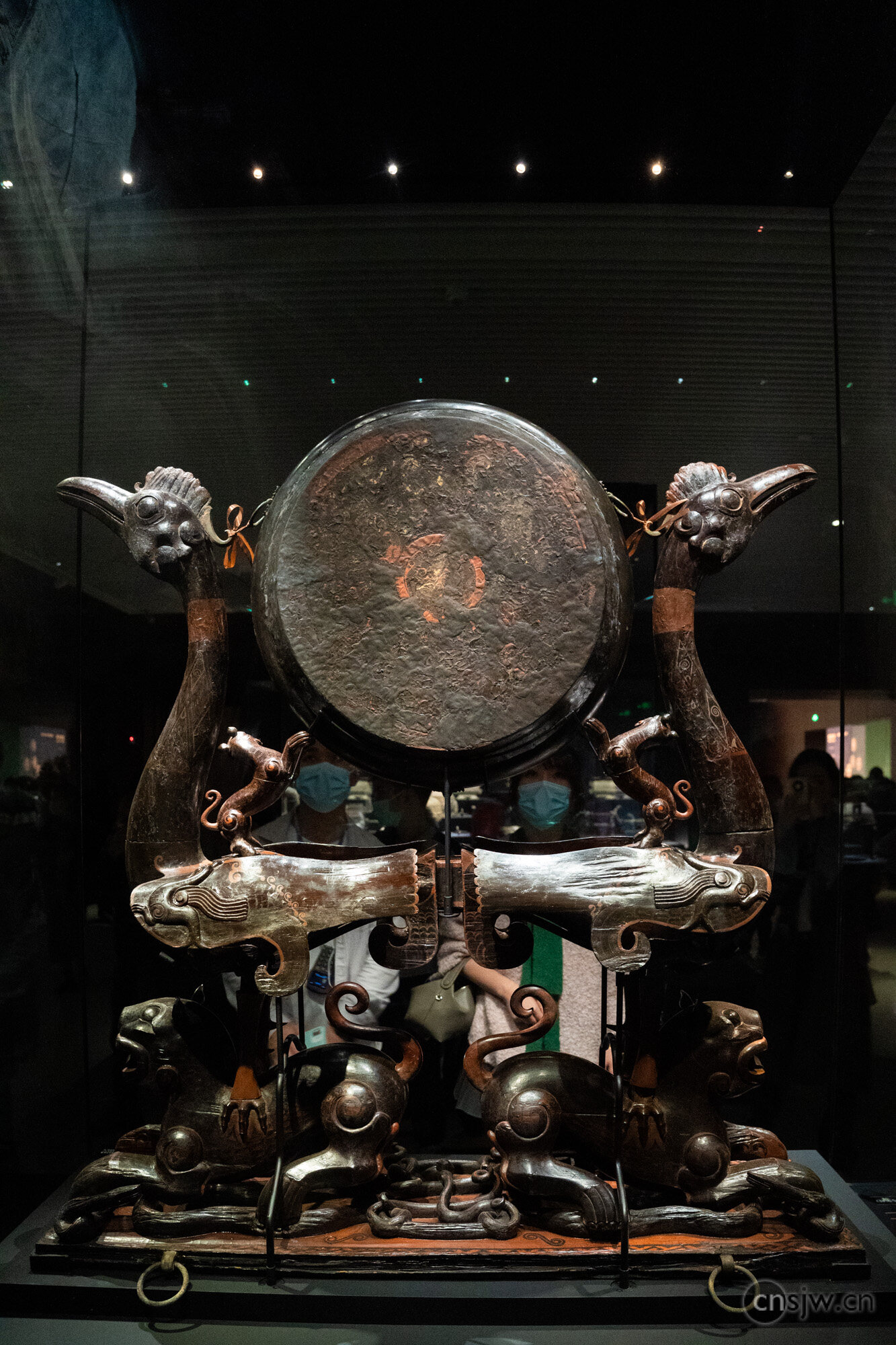
Bronze Jian Drum Stand: This drum stand integrates techniques such as piece-mold casting, joint casting, brazing, and inlay. Eight pairs of large dragons inlaid with turquoise surround a central cylinder, while dozens of smaller dragons coil around the fully sculpted larger dragons, intertwining head-to-tail. This creates a unique visual effect that is simultaneously complex and ever-changing yet expansive and dynamically ordered. Four symmetrical bronze ring handles are positioned along the outer rim of the circular base. From a distance, the entire stand resembles a blazing fire; up close, it seems as though thunderous drumbeats have awakened the dragons, achieving a perfect unity of visual and auditory artistry.
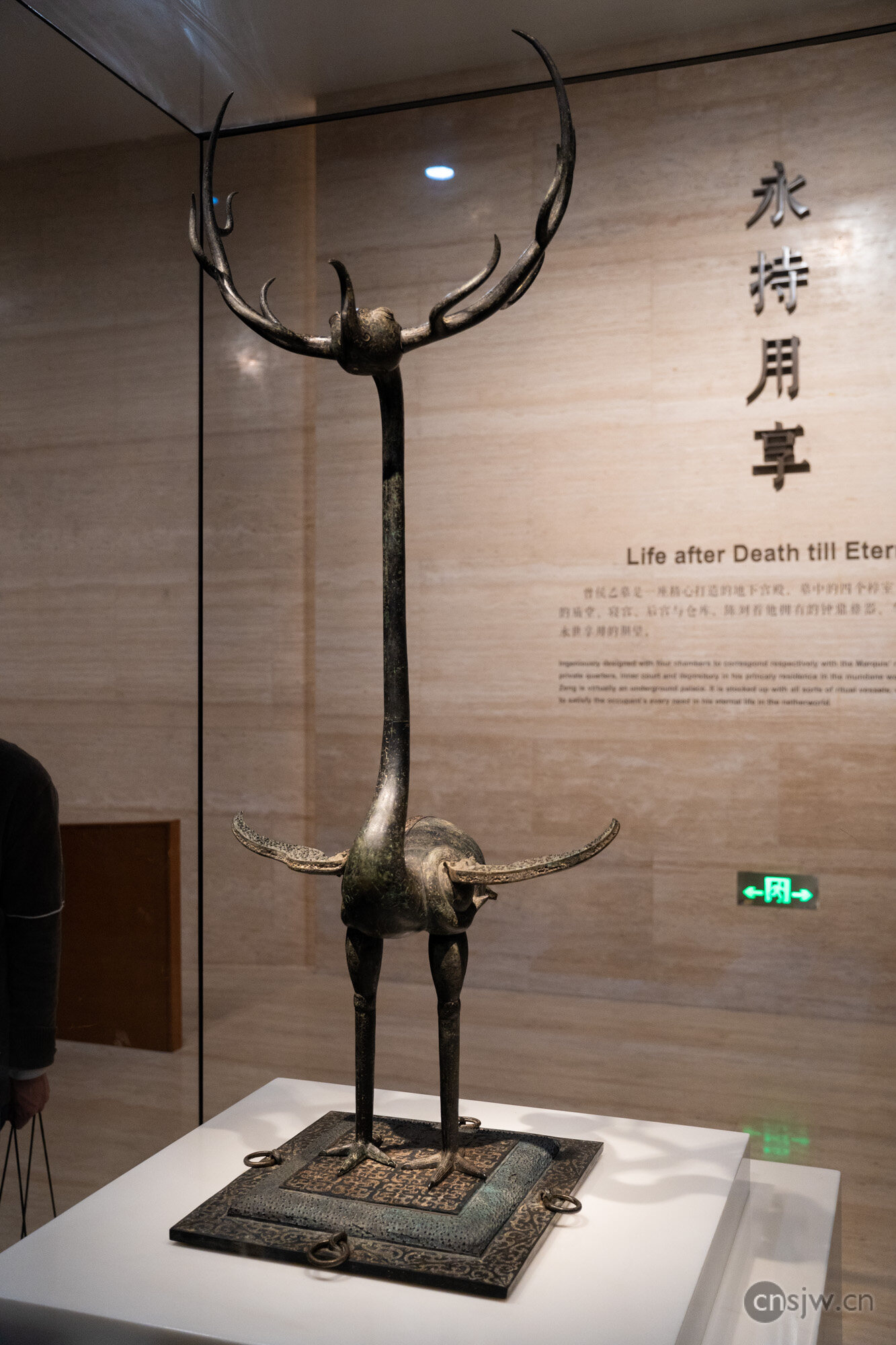
Bronze Crane with Antlers: This mythical bird has sparked countless speculations. Some believe it served to guide souls or guard the tomb, while others suggest that the curvature of the antlers was designed to hold a drum, making it a musical instrument.
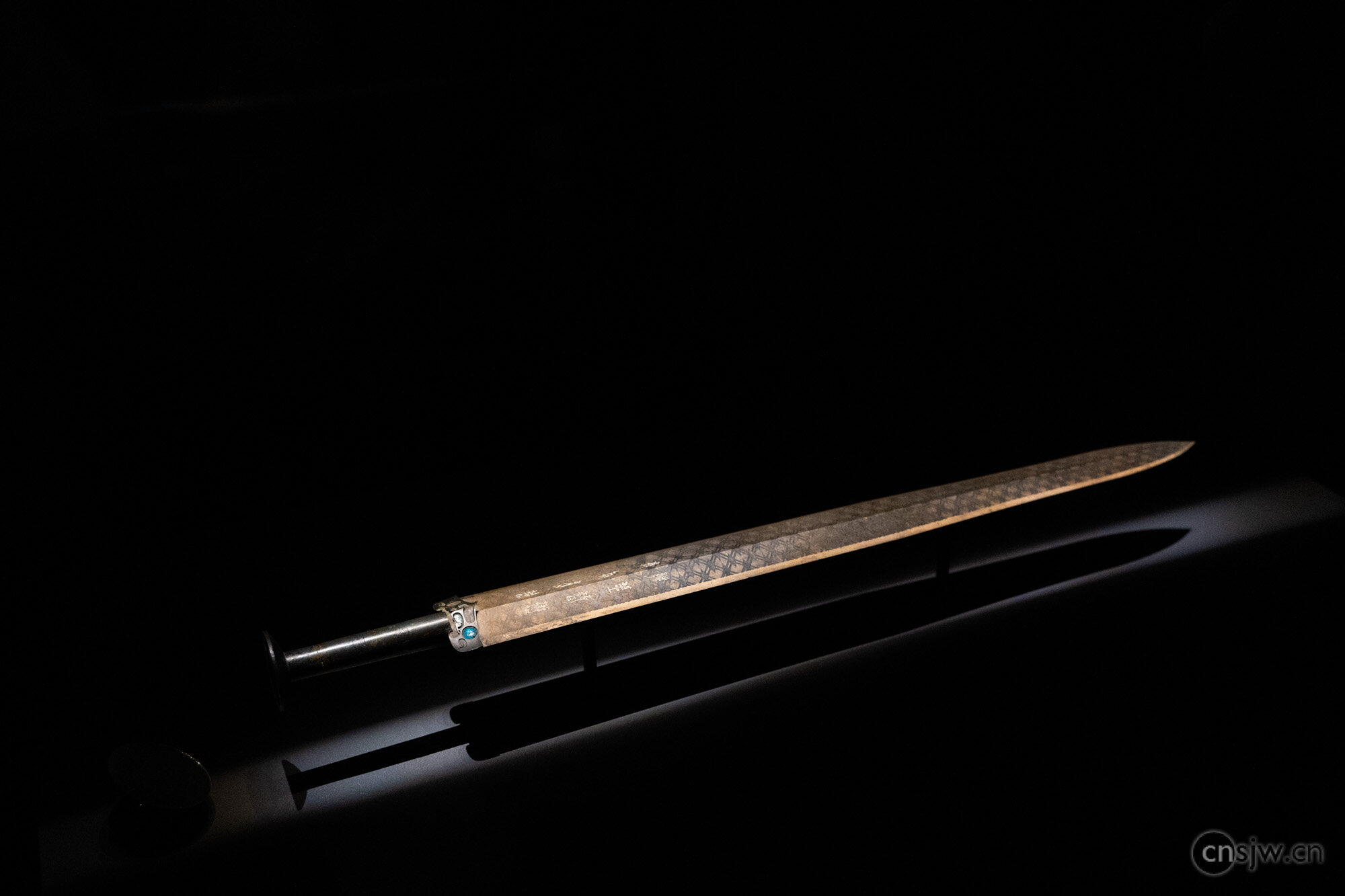
Sword of Goujian, King of Yue: Dating to the late Spring and Autumn period and unrusted after millennia, this sword was unearthed in 1965 from Tomb No. 1 at Wangshan, Jiangling. It measures 55.7 cm in length, 4.6 cm in width, with an 8.4 cm hilt, and weighs 875 grams. Both sides of the blade feature dark diamond-shaped geometric patterns. The crossguard is inlaid with blue glass on the front and turquoise ornamentation on the back. The pommel is circular and contains eleven concentric rings. The entire blade underwent sulfurization treatment, greatly enhancing its corrosion resistance and toughness, indicating that ancient Chinese metallurgy and surface treatment technologies had reached exceptionally high standards. When unearthed, the sword still gleamed brilliantly and remained extremely sharp, reflecting the superb sword-making craftsmanship of ancient China and standing as a rare treasure among ancient weapons.

The museum hosts multiple permanent exhibitions as well as occasional temporary ones. However, because the museum is truly enormous, thoroughly viewing every exhibit would likely take a full day, so we opted to focus on the highlights. There is a café inside where you can rest if you get tired walking, and there is also a dedicated section on Google Arts & Culture.Hubei Provincial Museum’s dedicated section, where you can learn more stories behind the cultural relics.
East Lake Cherry Blossom Garden
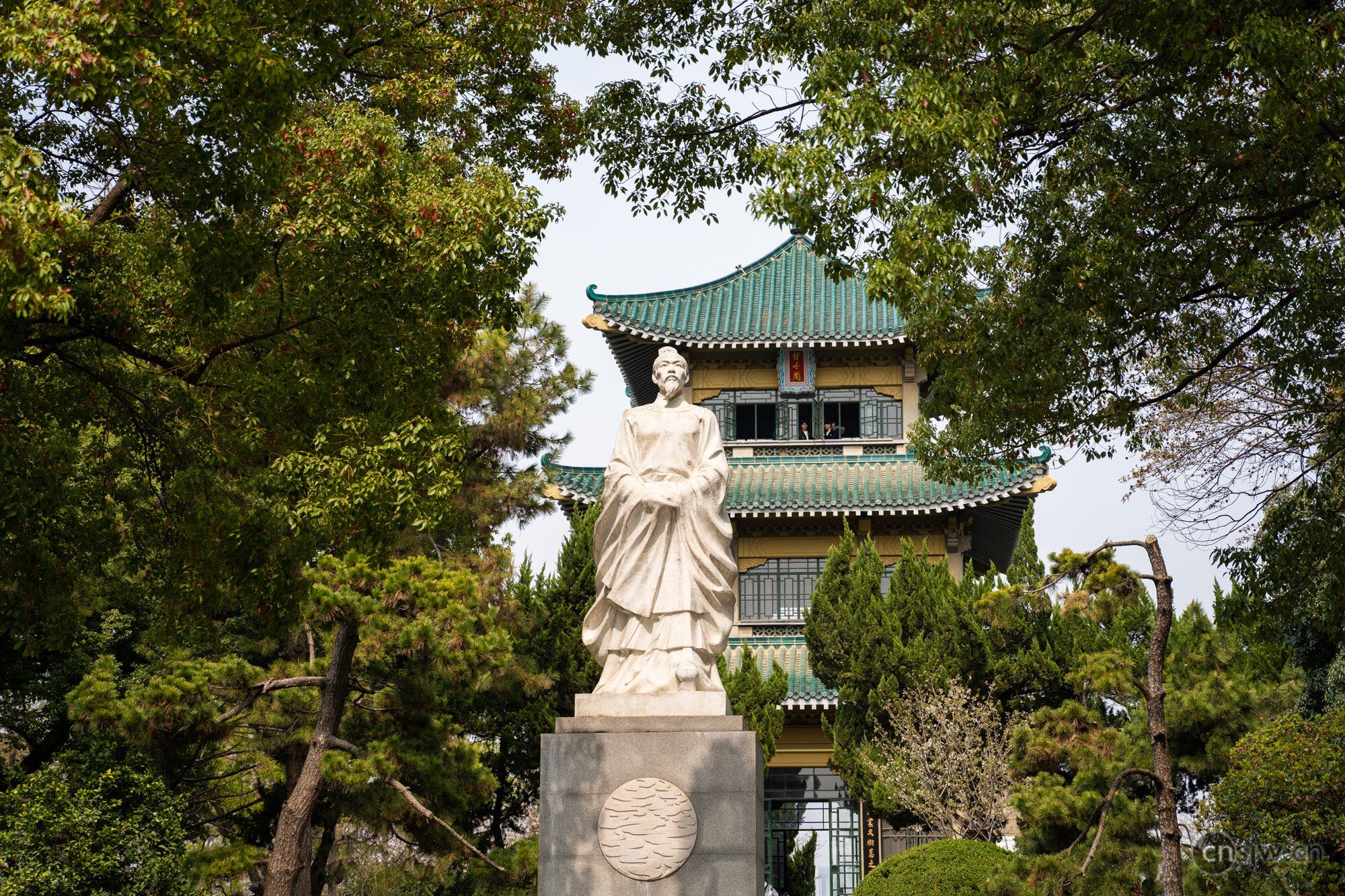
The East Lake Cherry Blossom Garden is located on the other side of East Lake. After leaving the Hubei Provincial Museum, we chose to take a sightseeing boat. Public transportation around the East Lake area isn’t very convenient—walking across would cover roughly 10 km, and the Moshan area tends to be heavily congested, making the boat ride surprisingly the most practical option… Just a short walk from the museum brings you to Xingyin Pavilion Wharf. Built in 1955, Xingyin Pavilion was named after the line “chanting verses by the marshes” from Qu Yuan’s “The Fisherman” in the Songs of Chu. A full-body statue of Qu Yuan stands in front of the pavilion.
Located at the southern foot of the 5A-rated Moshan Scenic Area, adjacent to the Plum Blossom Garden, the East Lake Cherry Blossom Garden covers 260 mu and features 10,000 cherry trees. The first batch of cherry trees planted here was originally gifted by former Japanese Prime Minister Kakuei Tanaka to Deng Yingchao, who then donated them to Wuhan’s East Lake. Most of the current trees were jointly funded and planted by China and Japan in 1998. The Moshan Cherry Blossom Garden in Wuhan’s East Lake, together with Hirosaki Cherry Blossom Park in Aomori Prefecture, Japan, and the Washington State Cherry Blossom Park in the United States, are collectively known as the world’s three major cherry blossom capitals.\r\n\r\nUnfortunately, our visit was a bit early in the season; only the early-blooming varieties had opened, while the rest hadn’t even budded yet, leaving bare branches. Yet somehow, the place was already packed with visitors. Judging from the density of the trees in the photos, one can easily imagine the spectacular scene when they’re in full bloom. Designed in a Japanese garden style, the park centers around a five-story pagoda, giving it a distinctly Japanese ambiance.

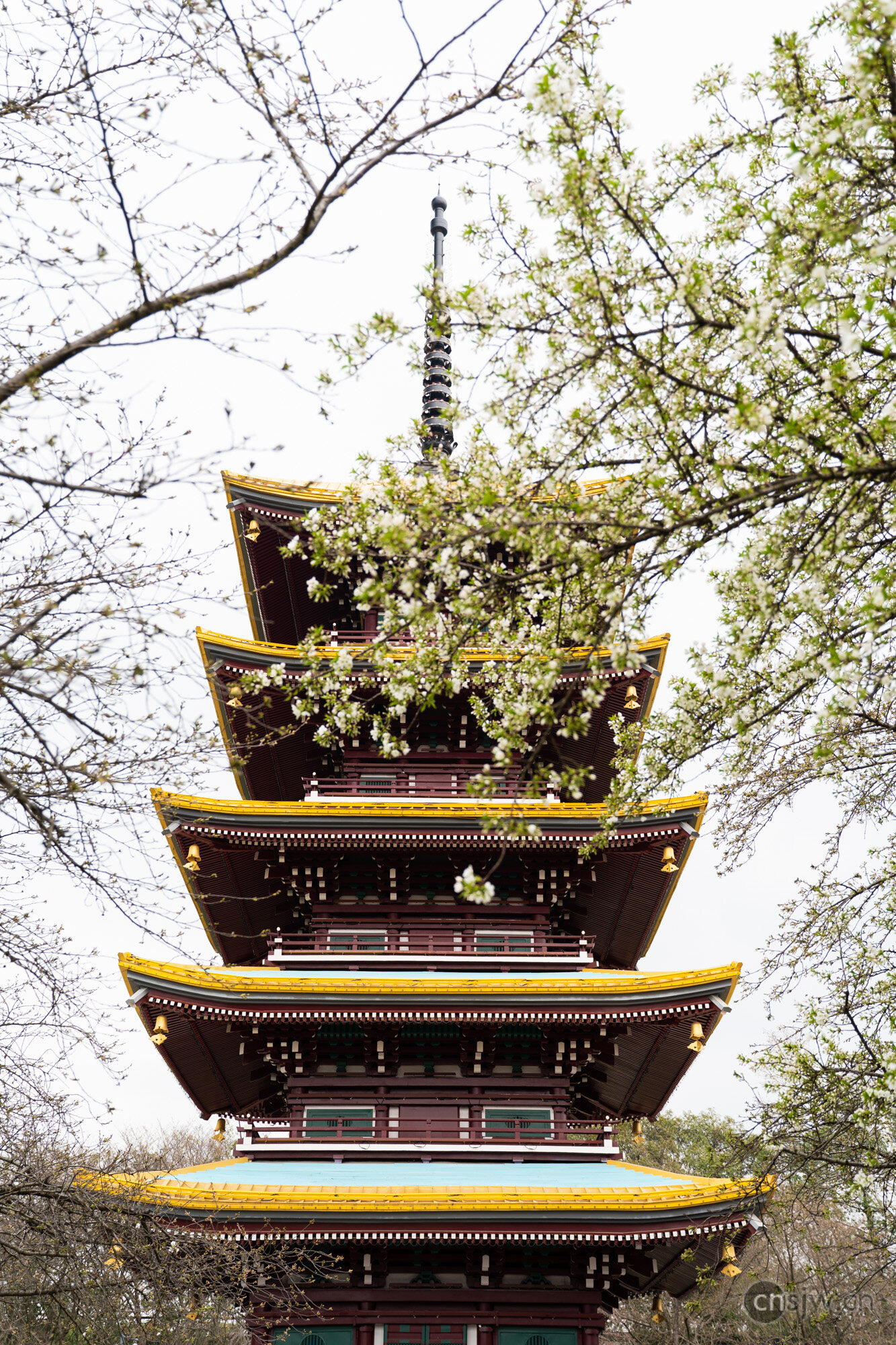

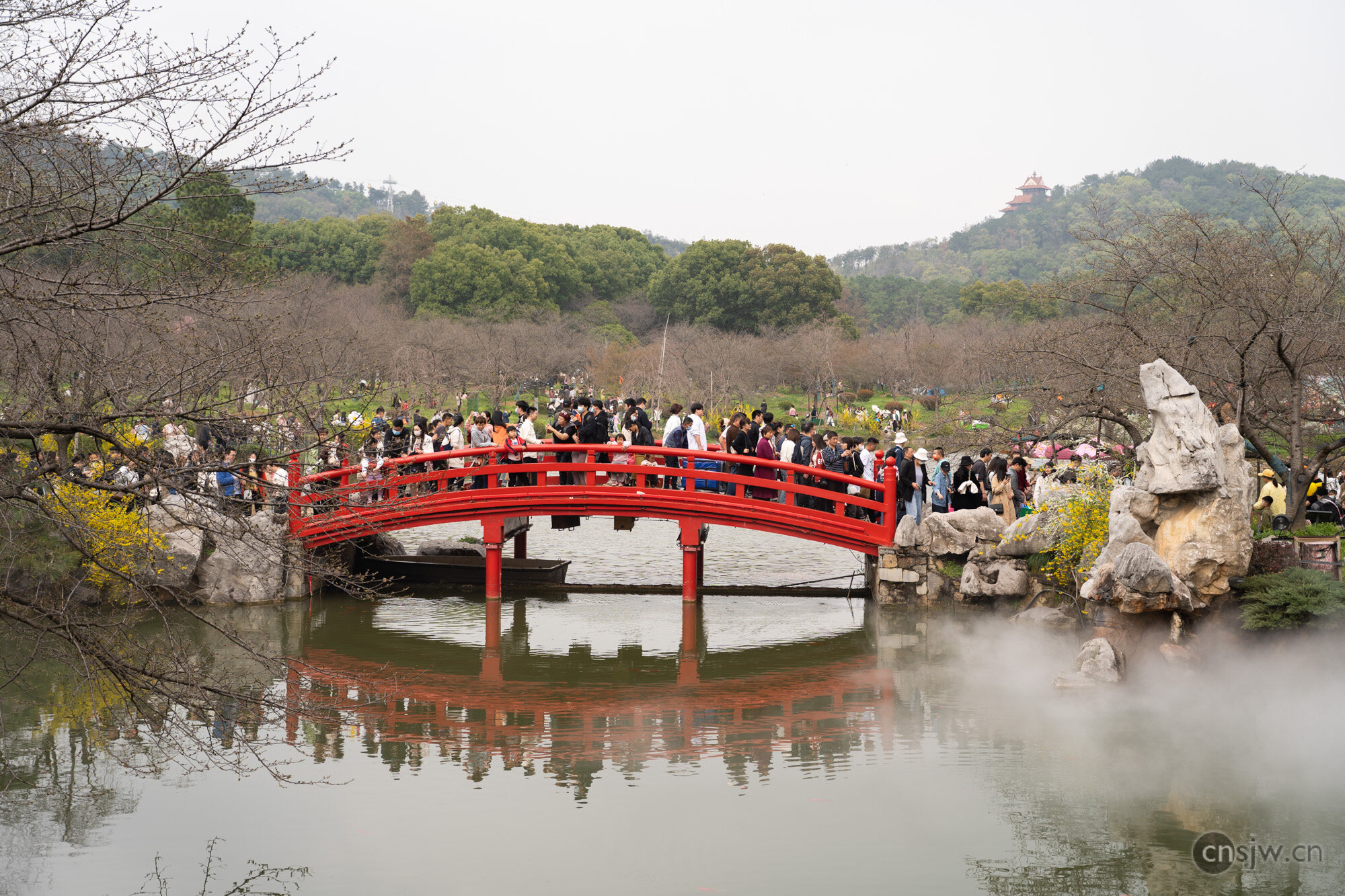
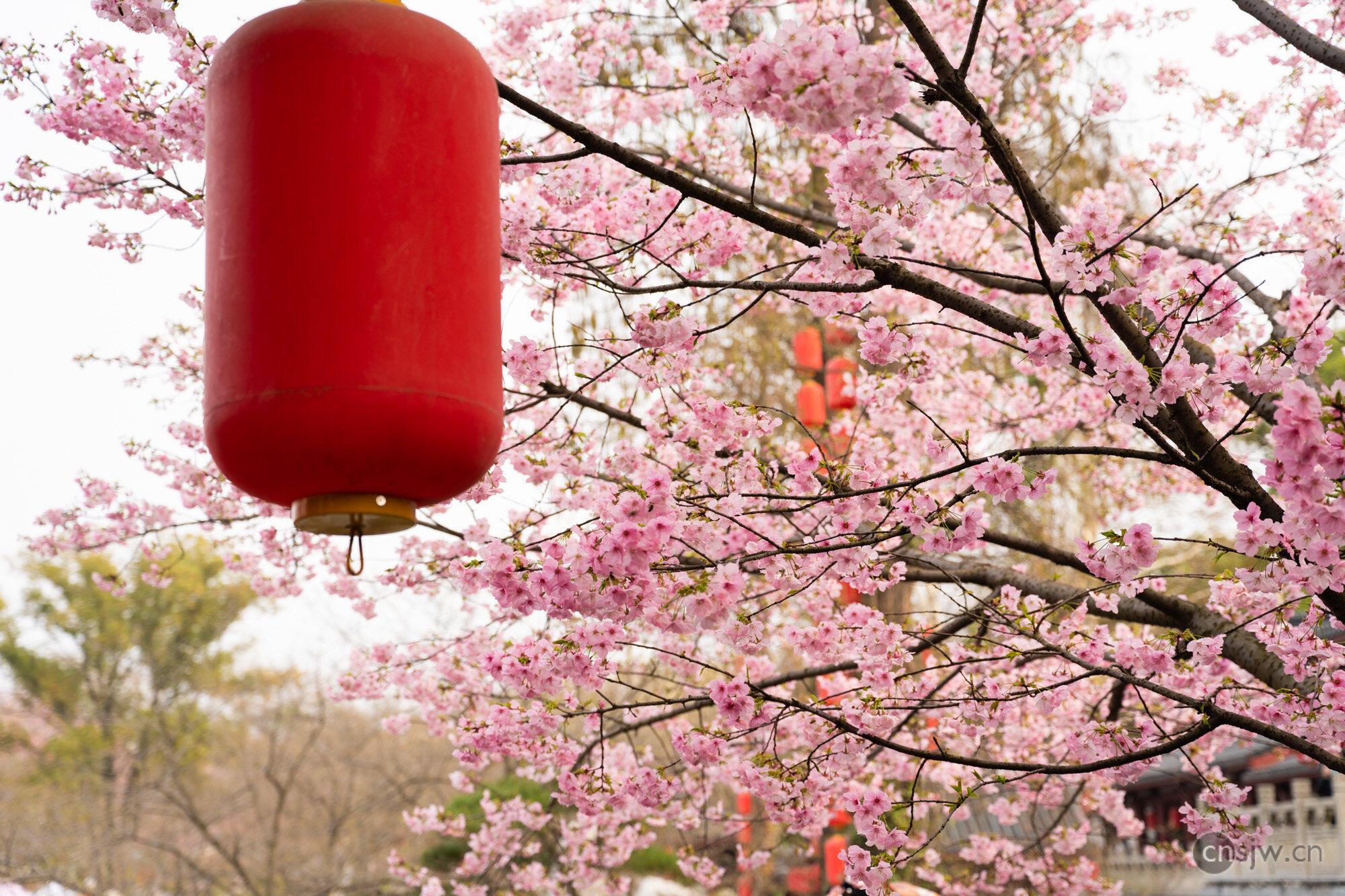
If you plan to visit Wuhan for cherry blossom viewing, be sure to check the blooming schedule beforehand to avoid disappointment—after all, ticket prices remain the same regardless of when you visit~~~



Support



Read this article on WeChat