
The first stop on my trip to Xi’an was the Terracotta Warriors. I have to say, it really is quite far—about 60 kilometers from the airport. However, the Terracotta Warriors can be considered a must-visit attraction in Xi’an; it is among the first batch of national AAAAA-level tourist attractions and also among the first batch of national first-class museums. In 1987, the Mausoleum of the First Qin Emperor and the Terracotta Warrior Pits were inscribed on the UNESCO World Heritage List.
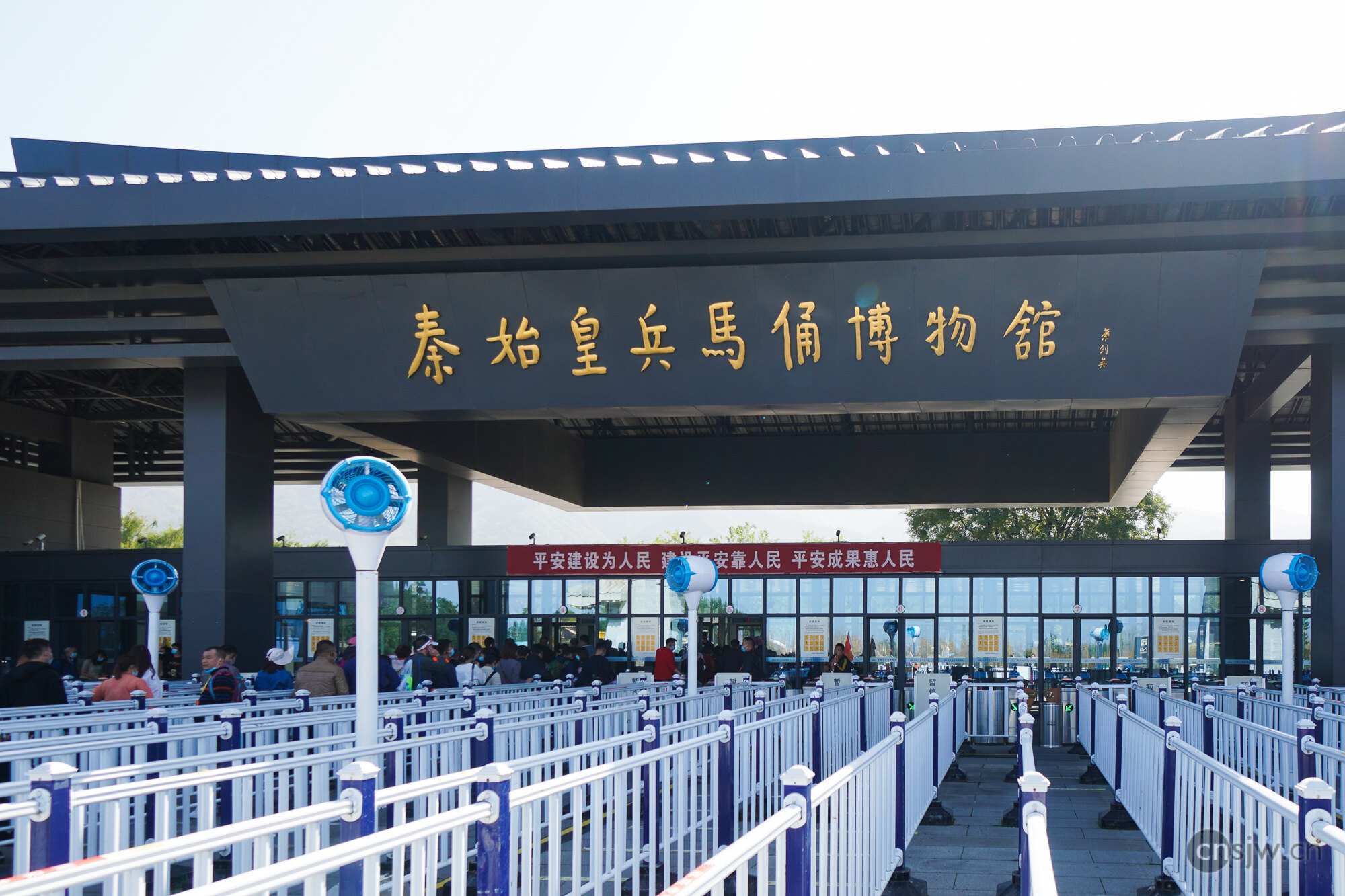
There weren’t many people at the entrance, showing that the pandemic has indeed had a significant impact on the tourism industry.
The Mausoleum of the First Qin Emperor was constructed from 246 BC to 208 BC, spanning 39 years. It is the tomb of Qin Shi Huang, the first emperor of the Qin Dynasty in Chinese history. It is also China’s first imperial mausoleum featuring a grand scale, elaborate layout, and excellent preservation. The existing tomb mound stands 76 meters high, and the mausoleum complex is laid out in imitation of Xianyang, the capital of the Qin Dynasty, divided into inner and outer cities. The inner city has a perimeter of 2.5 kilometers, while the outer city has a perimeter of 6.3 kilometers. The tomb mound is located in the southwest of the inner city, facing east from the west; the area housing the coffin chamber and burial artifacts forms the core of the mausoleum architectural complex and has not yet been fully excavated.
The Terracotta Warrior Pits are located approximately 955.5 meters east of the tomb mound of the Mausoleum of the First Qin Emperor. It is generally believed that the Terracotta Warriors are situated on the periphery of the mausoleum, serving as guards for the imperial tomb, and constitute an integral part of the Mausoleum of the First Qin Emperor.
Construction of his mausoleum began shortly after Qin Shi Huang ascended the throne and continued throughout his entire life. The total area of the mausoleum reaches 50 square kilometers, encompassing the current Terracotta Warriors and the Mausoleum of the First Qin Emperor. The Mausoleum of the First Qin Emperor is a unique imperial tomb in the world. First of all, strict requirements were placed on the sources of various raw materials; many were sourced from specific locations and extracted and processed by specialized craftsmen. The construction process mobilized massive amounts of manpower and material resources, with some historians estimating that up to 700,000 people participated in the project at its peak.
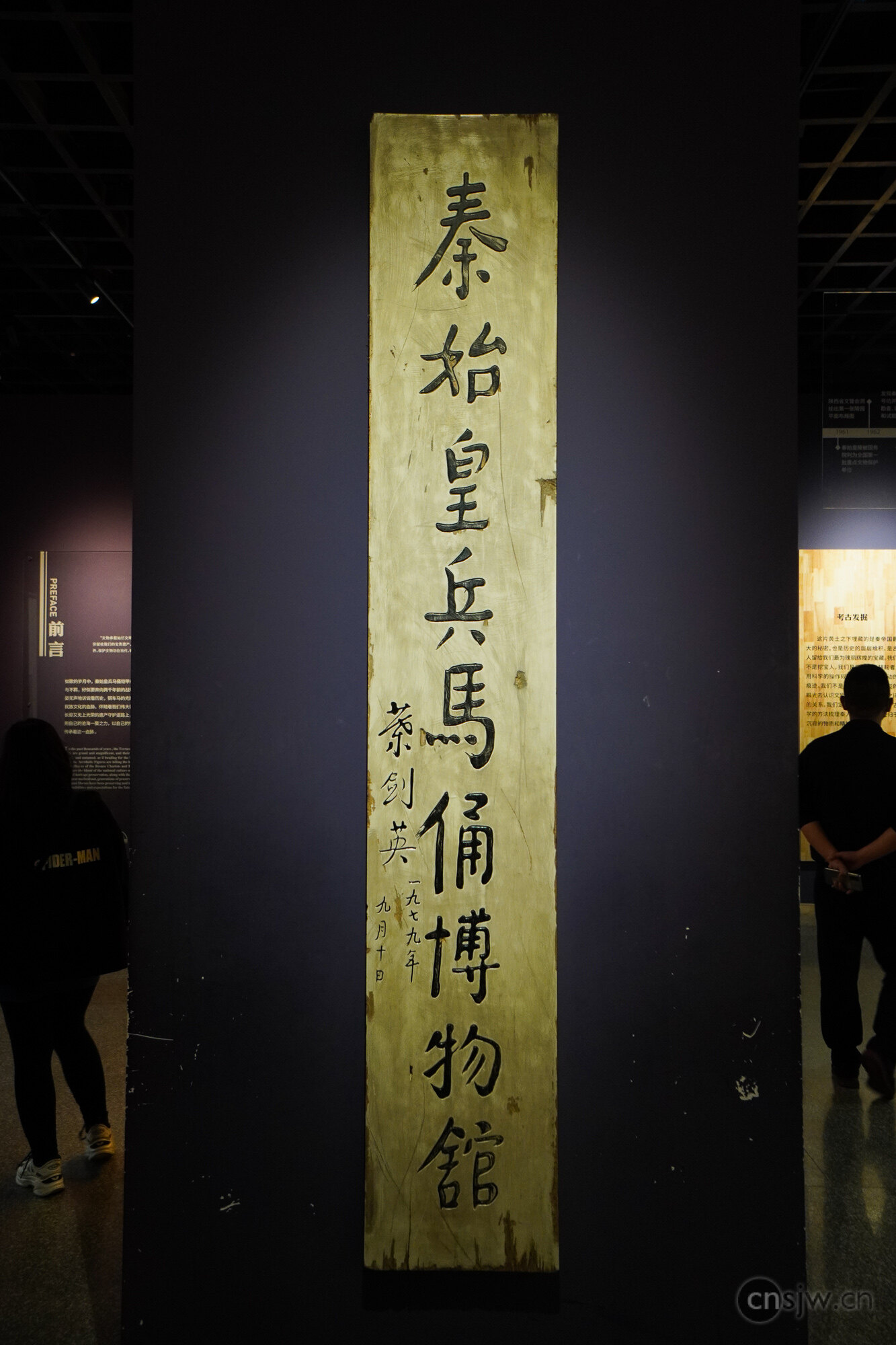
The Terracotta Warriors of the Mausoleum of the First Qin Emperor were not recorded in historical texts and thus remained unknown, which allowed them to retain their original appearance for over two thousand years. On March 29, 1974, during a severe drought in Shaanxi, villager Yang Zhifa from Lintong County accidentally discovered fragments of terracotta warriors while digging a well for water. At the time, locals referred to these clay sculptures as “Wa Ye” (Clay Grandpas). When people first saw the terracotta soldiers, the colors of their clothing and weapons were still very vivid and beautiful, retaining their majestic aura despite two millennia of history. However, upon excavation by archaeologists, exposure to air caused oxidation, and within minutes the colors gradually peeled away and vanished, leaving only the clay color familiar to the general public. From 1976 to 1978, the archaeological team expanded to include specialists in archaeology, conservation, photography, and restoration, and comprehensive excavation work commenced. On October 1, 1979, the Emperor Qinshihuang’s Terracotta Warriors Museum opened its doors to visitors from home and abroad.
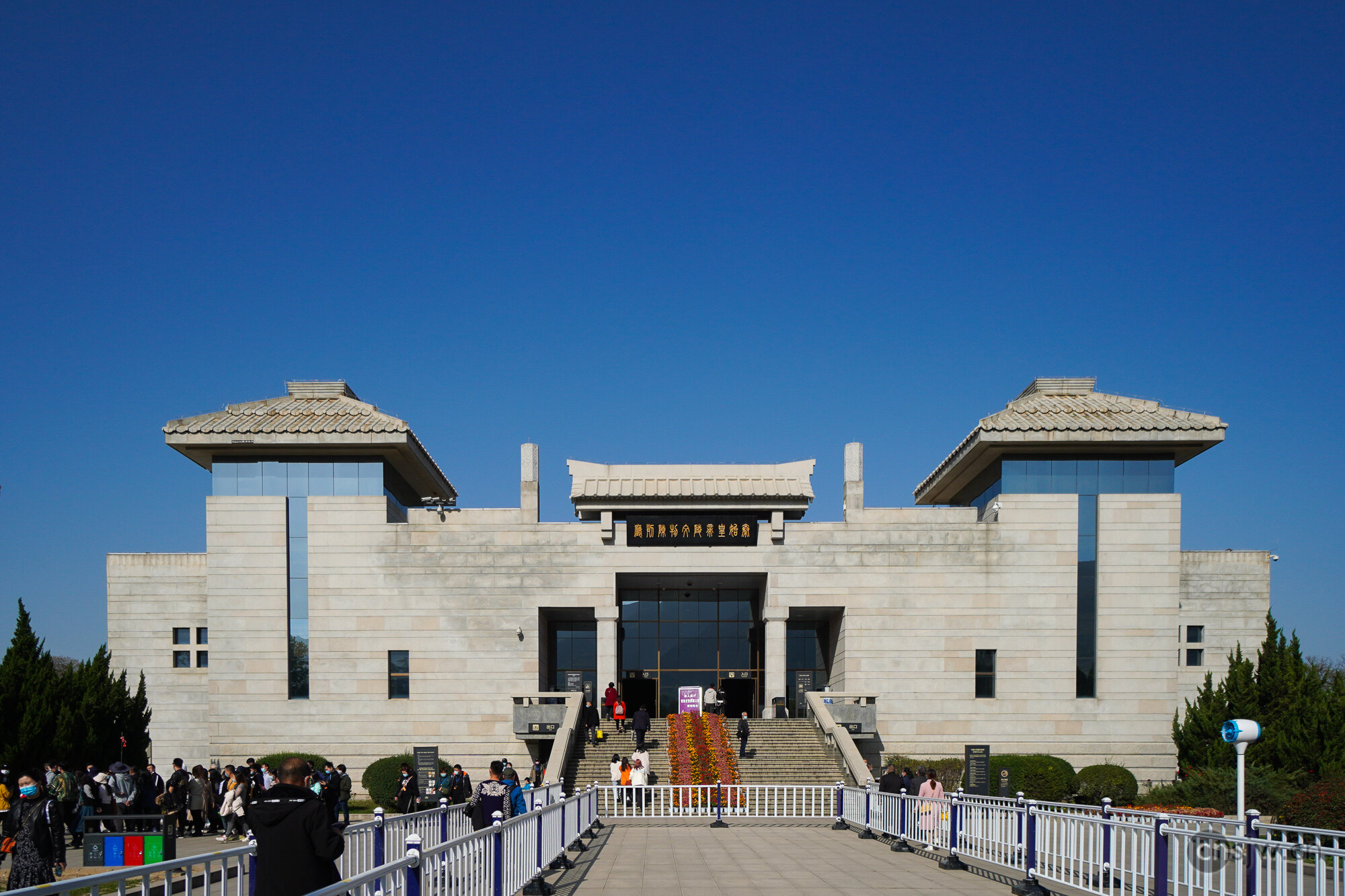
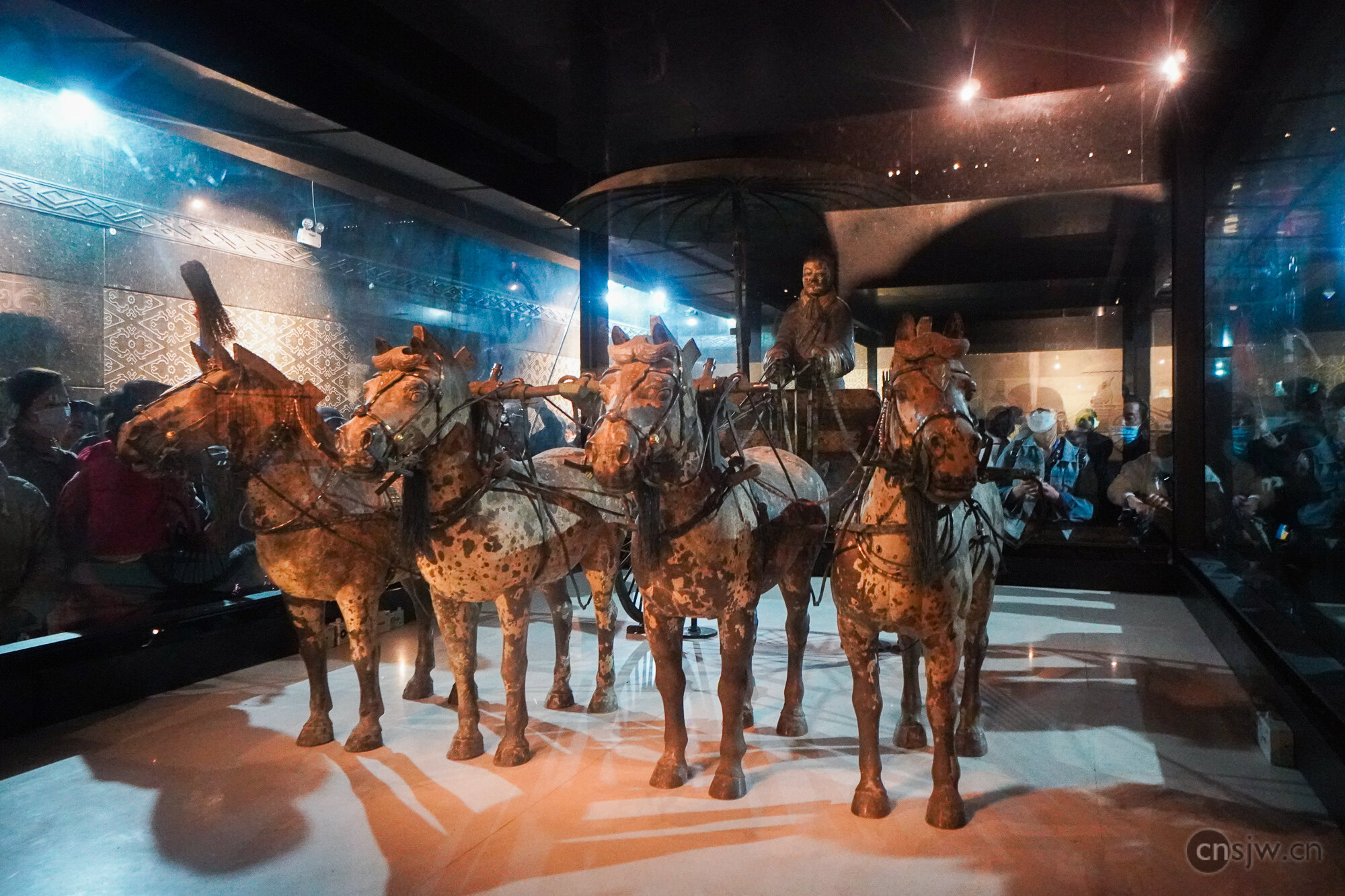
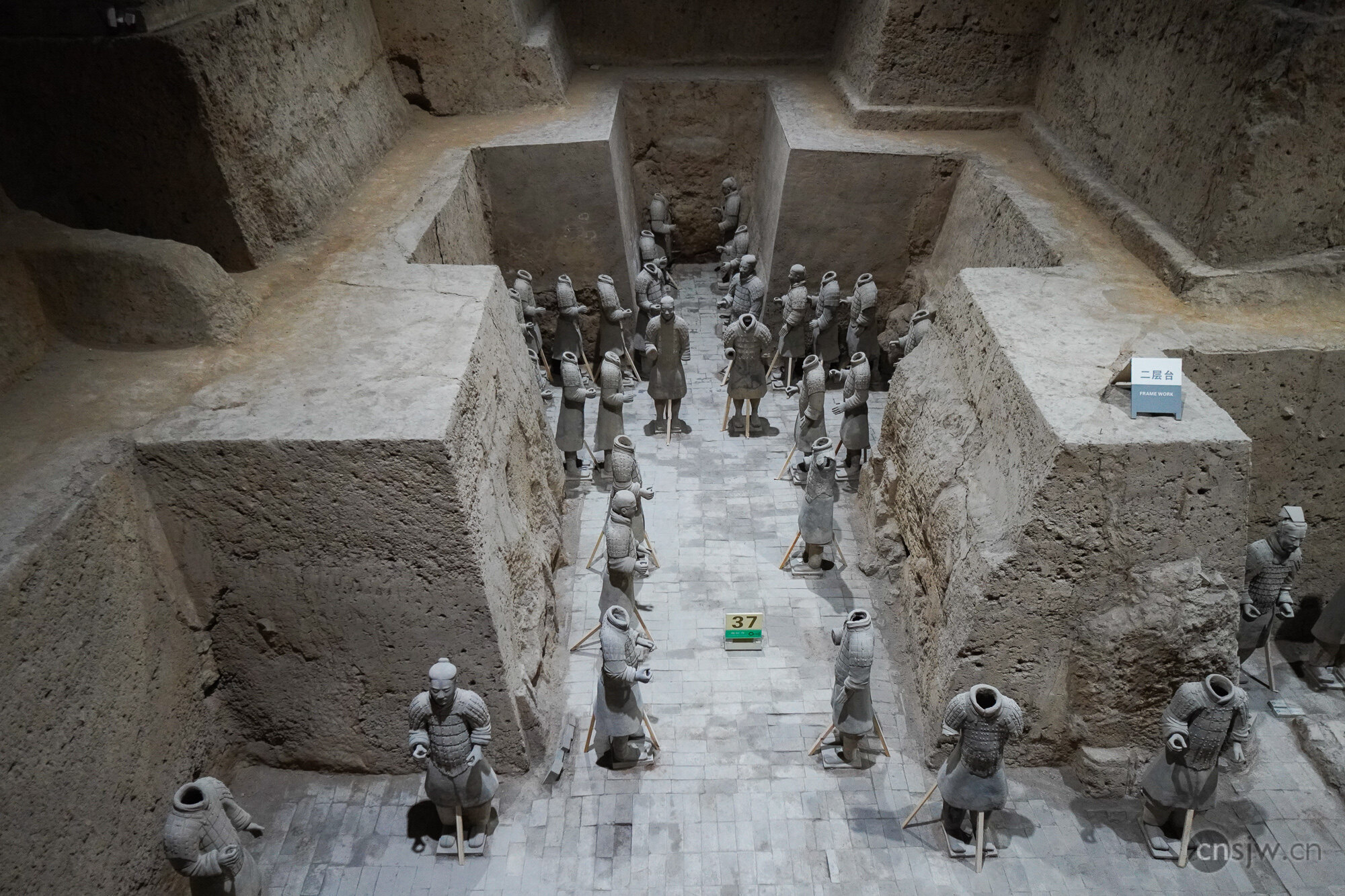
Today, the Emperor Qinshihuang’s Terracotta Warriors Museum consists of the Exhibition Hall of Unearthed Cultural Relics and Terracotta Warrior Pits No. 1, No. 2, and No. 3. The first site you encounter is the Exhibition Hall of Unearthed Cultural Relics, which houses the Bronze Chariots and Horses No. 1 and No. 2.
Pit No. 1 measures 230 meters from east to west and 62 meters from north to south, with a depth of 4.5 to 6.5 meters below the current ground surface, covering an area of 14,260 square meters. Based on the density of unearthed terracotta warriors and horses from trial excavations, it is estimated that Pit No. 1 contains approximately 6,000 terracotta warriors and horses, along with a large number of bronze weapons.
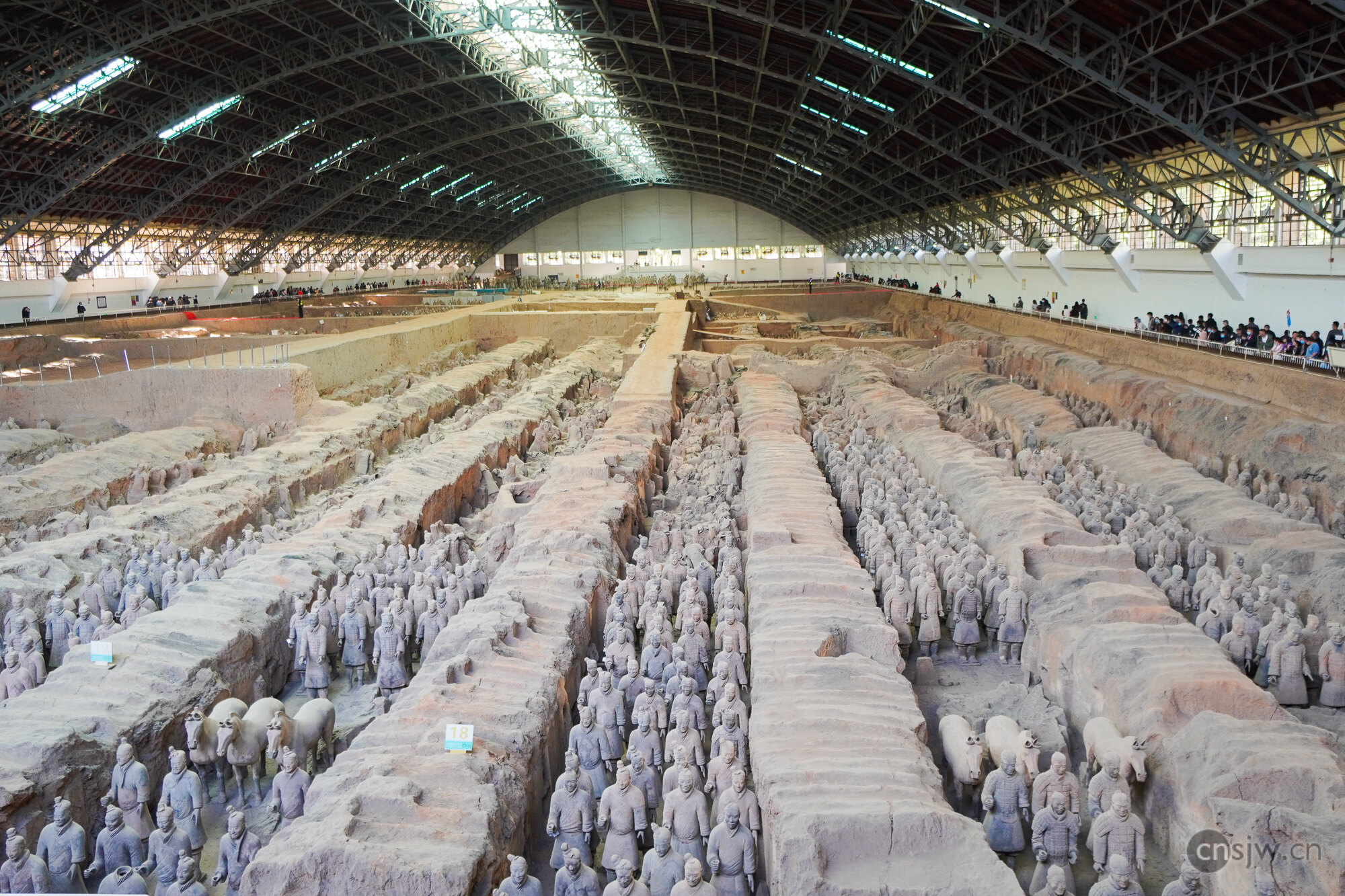
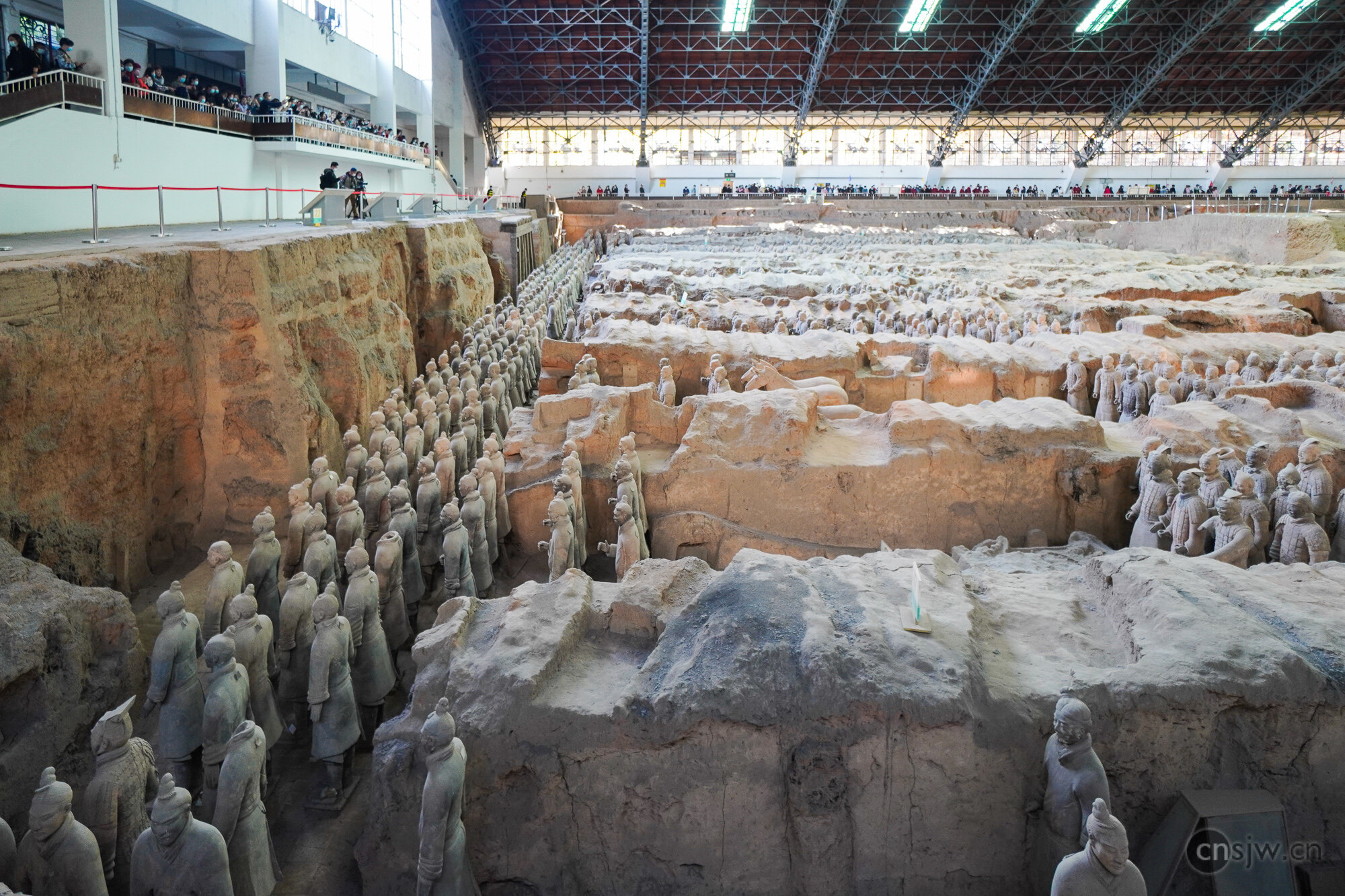
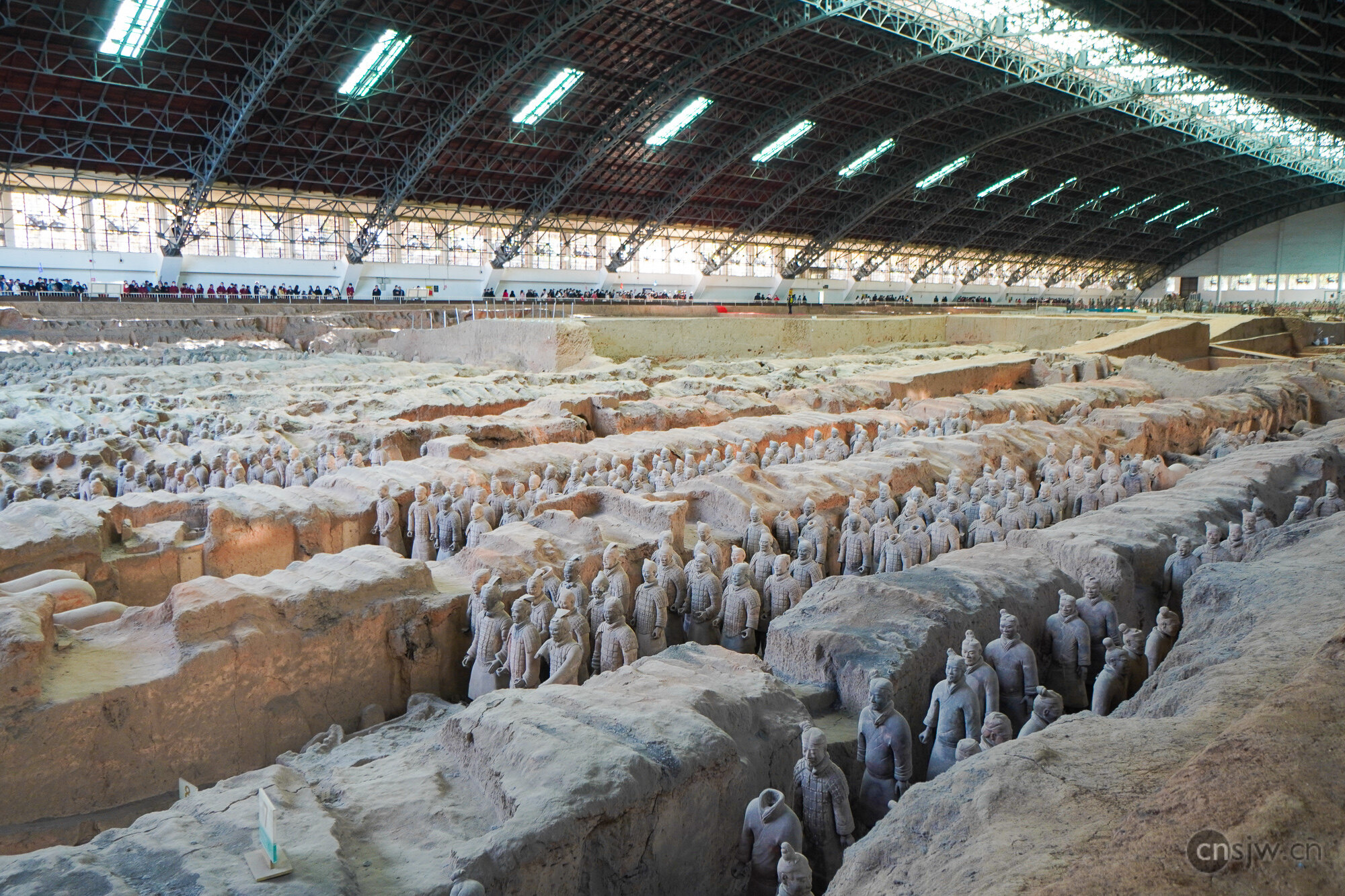
Excavation work is still ongoing in the rear sections…
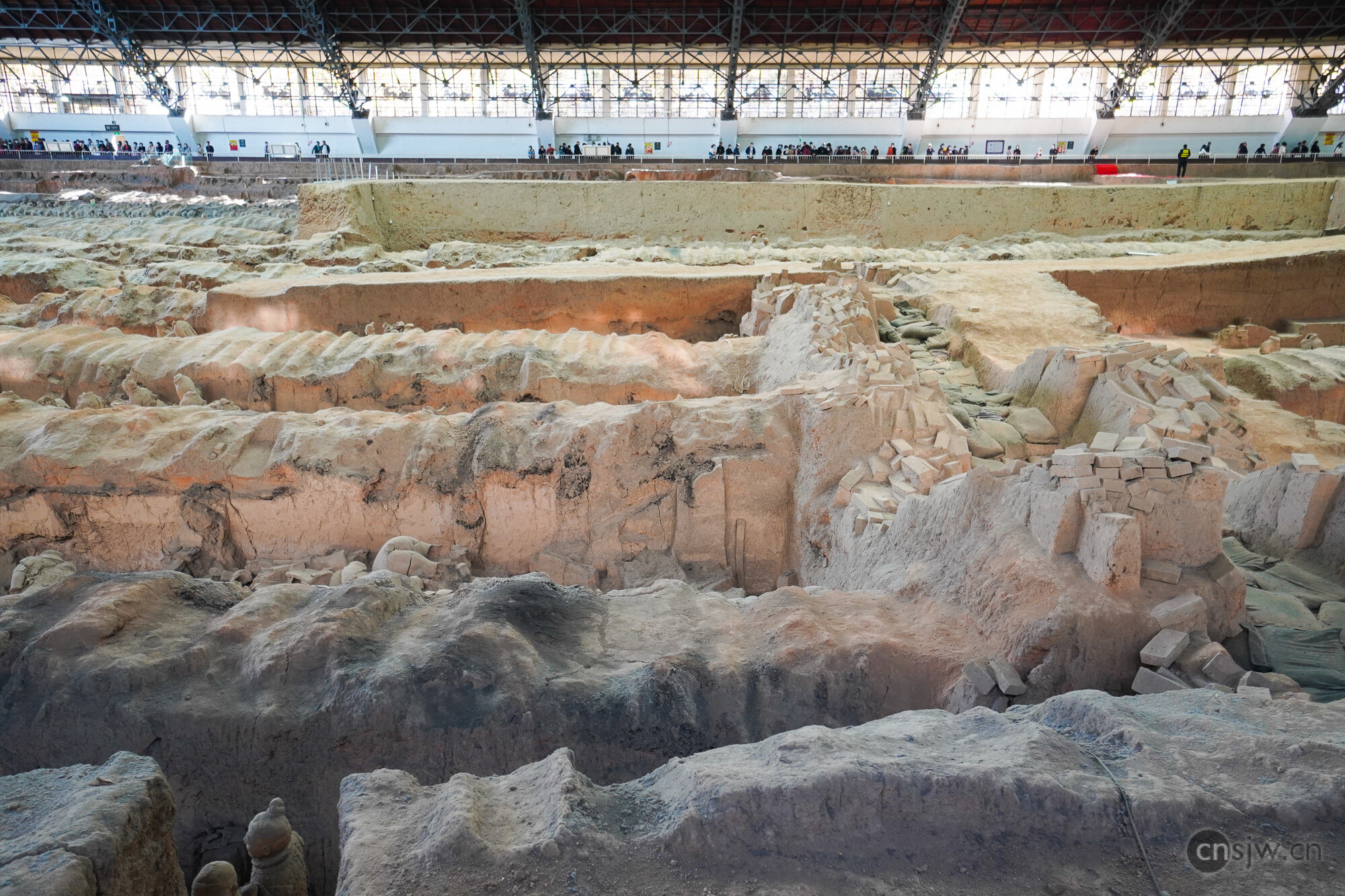
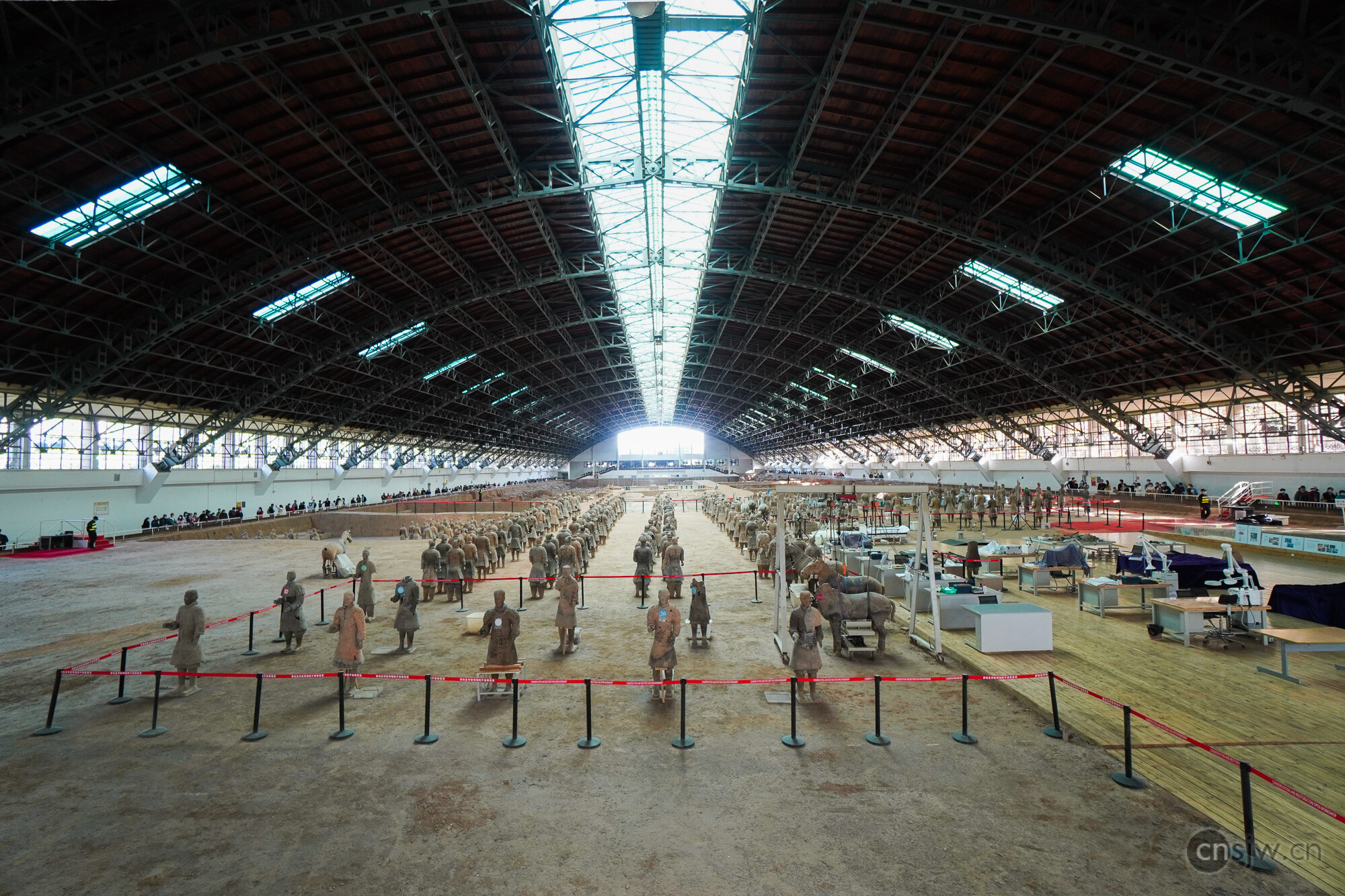
Pit No. 2 is L-shaped in plan, measuring 124 meters from east to west and 98 meters from north to south, with a depth of 5 meters below the current ground surface and an area of approximately 6,000 square meters. Judging from trial excavations, Pit No. 2 contains over 1,300 terracotta warriors and horses. Pit No. 2 features richer content and a more complete variety of military units compared to Pit No. 1.
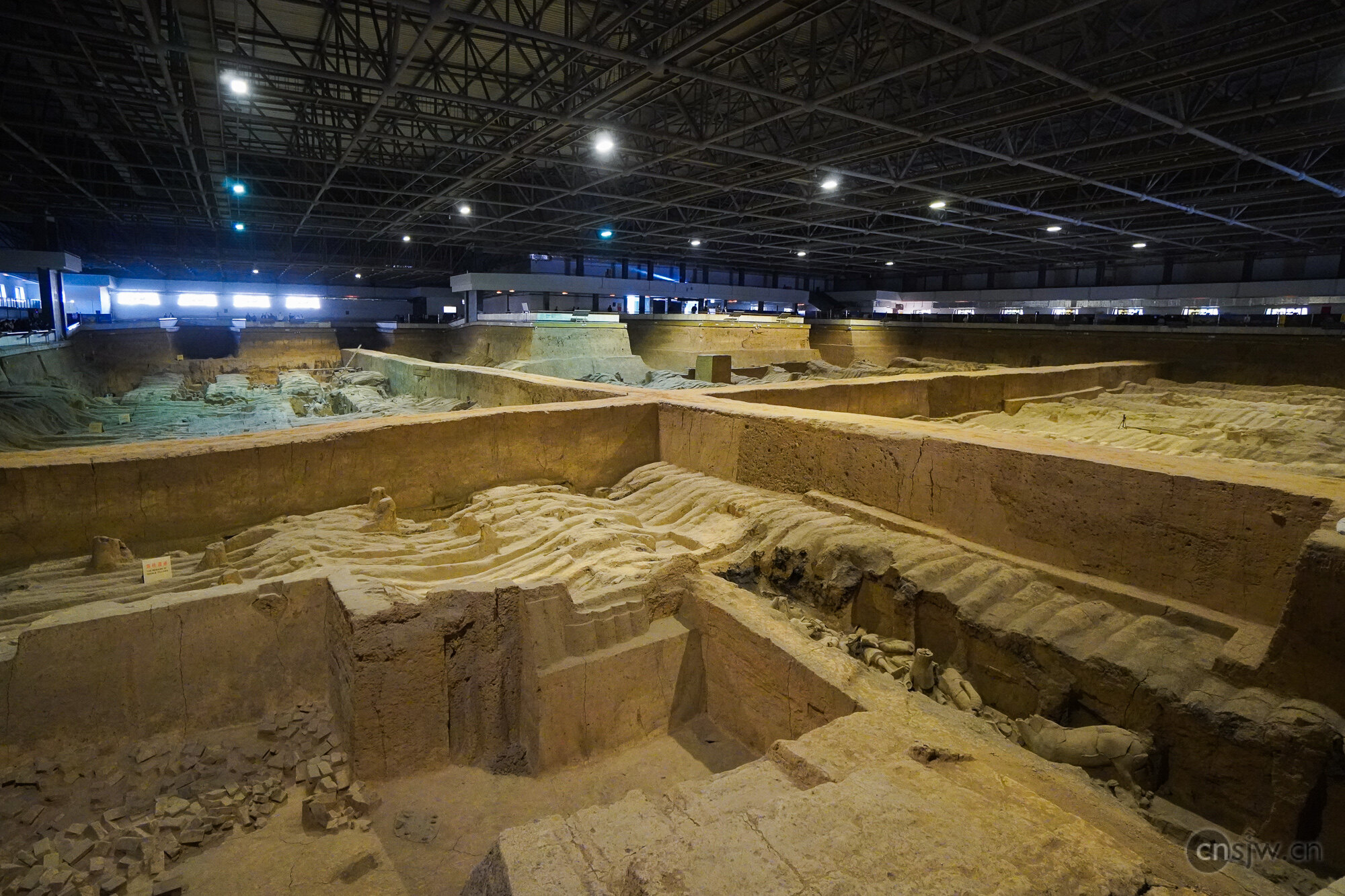
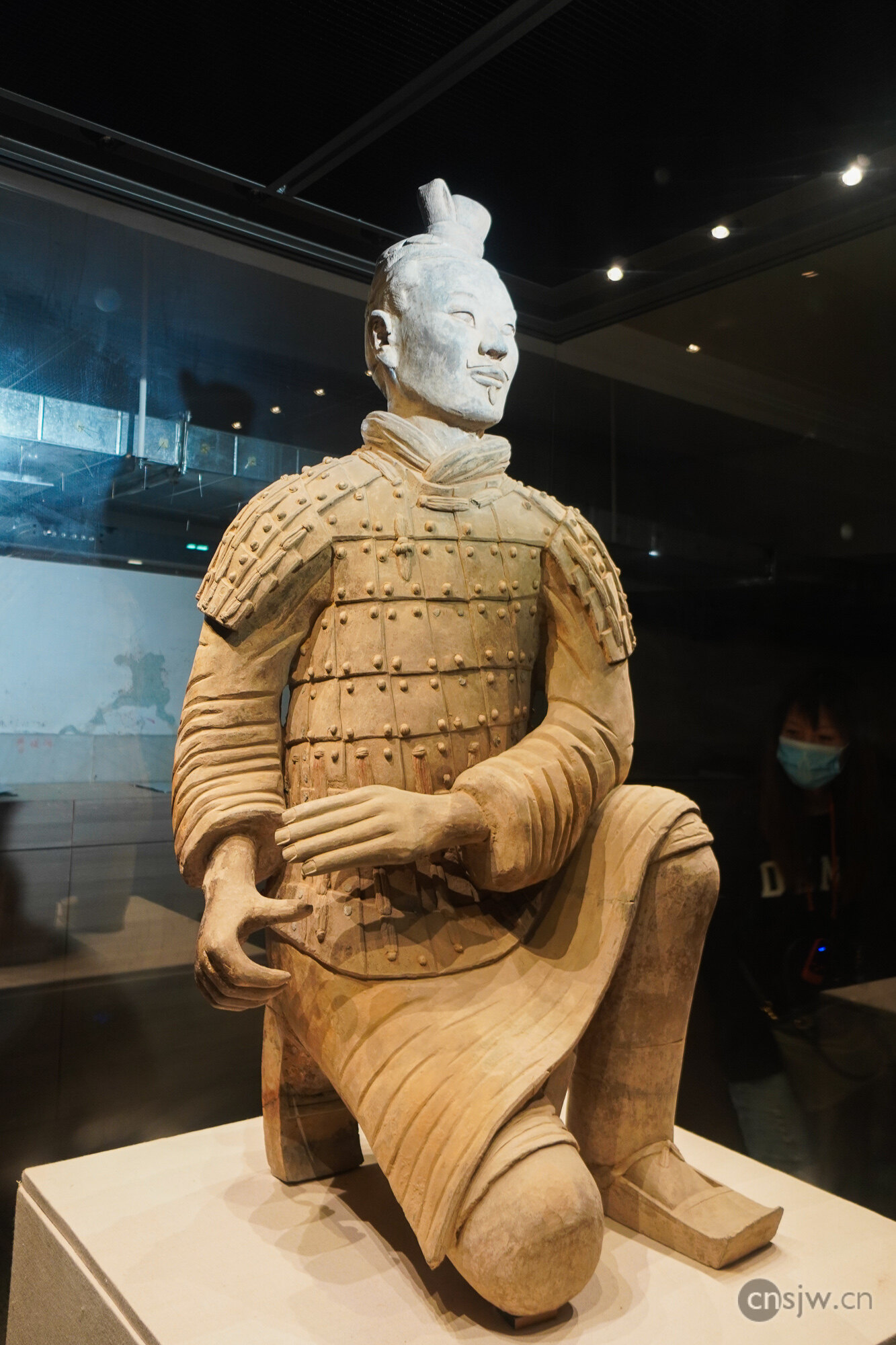
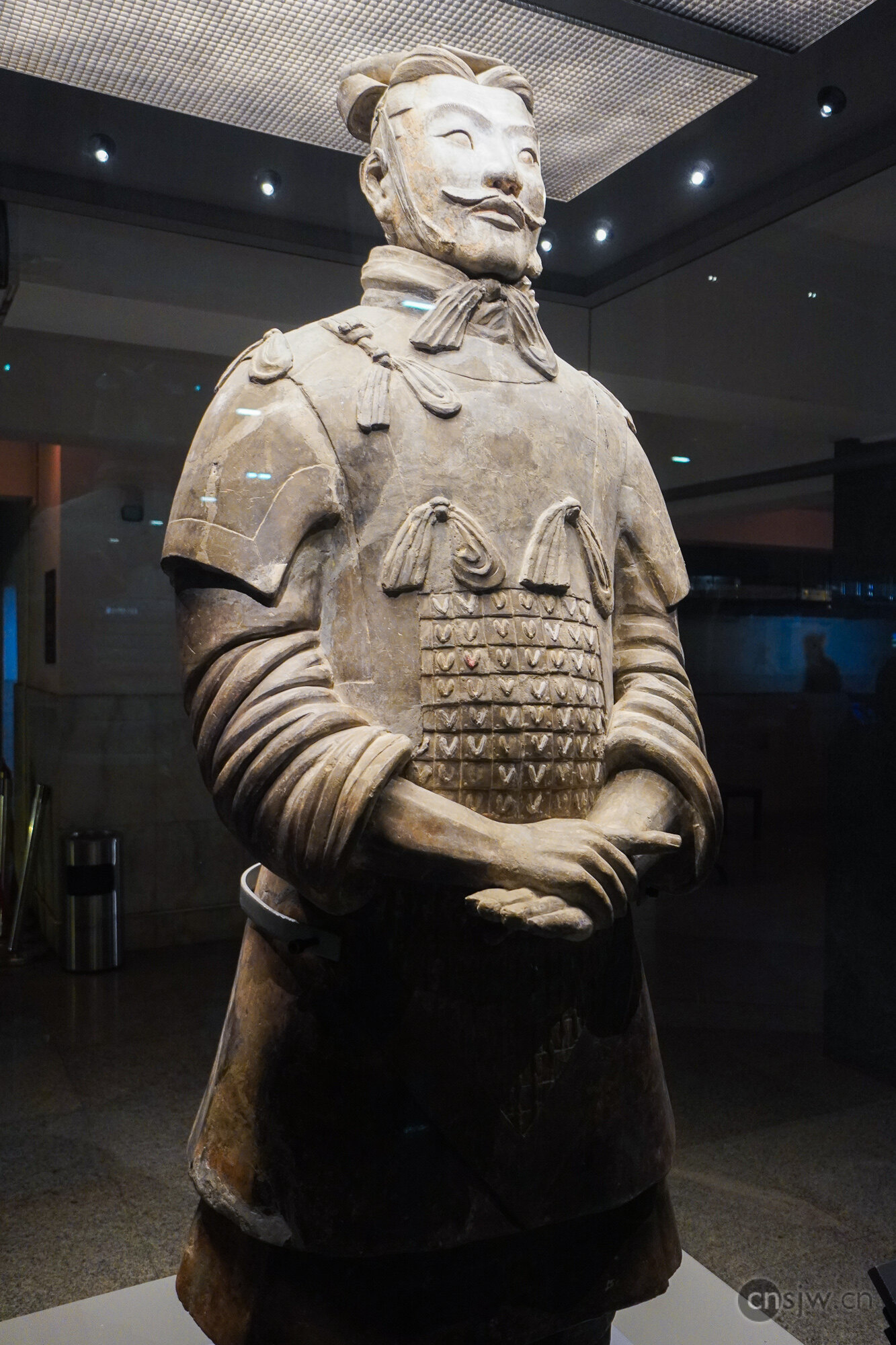
Pit No. 3 is smaller in scale and U-shaped in plan. It features a sloping gateway on the eastern side, measures 28.8 meters from east to west and 24.57 meters from north to south, lies 5.2 to 5.4 meters below the current ground surface, and covers an area of 520 square meters. The pit contains 72 terracotta warriors and horses.
Outside, there is also a very cute souvenir shop.

After exiting the museum, there are many commercial establishments further out, but due to limited time, I didn’t explore them and headed straight back to the city center. Overall, this place is definitely worth visiting, especially for those visiting Xi’an for the first time—it truly is a must-see destination. The only downside is the distance.



Support



Read this article on WeChat