
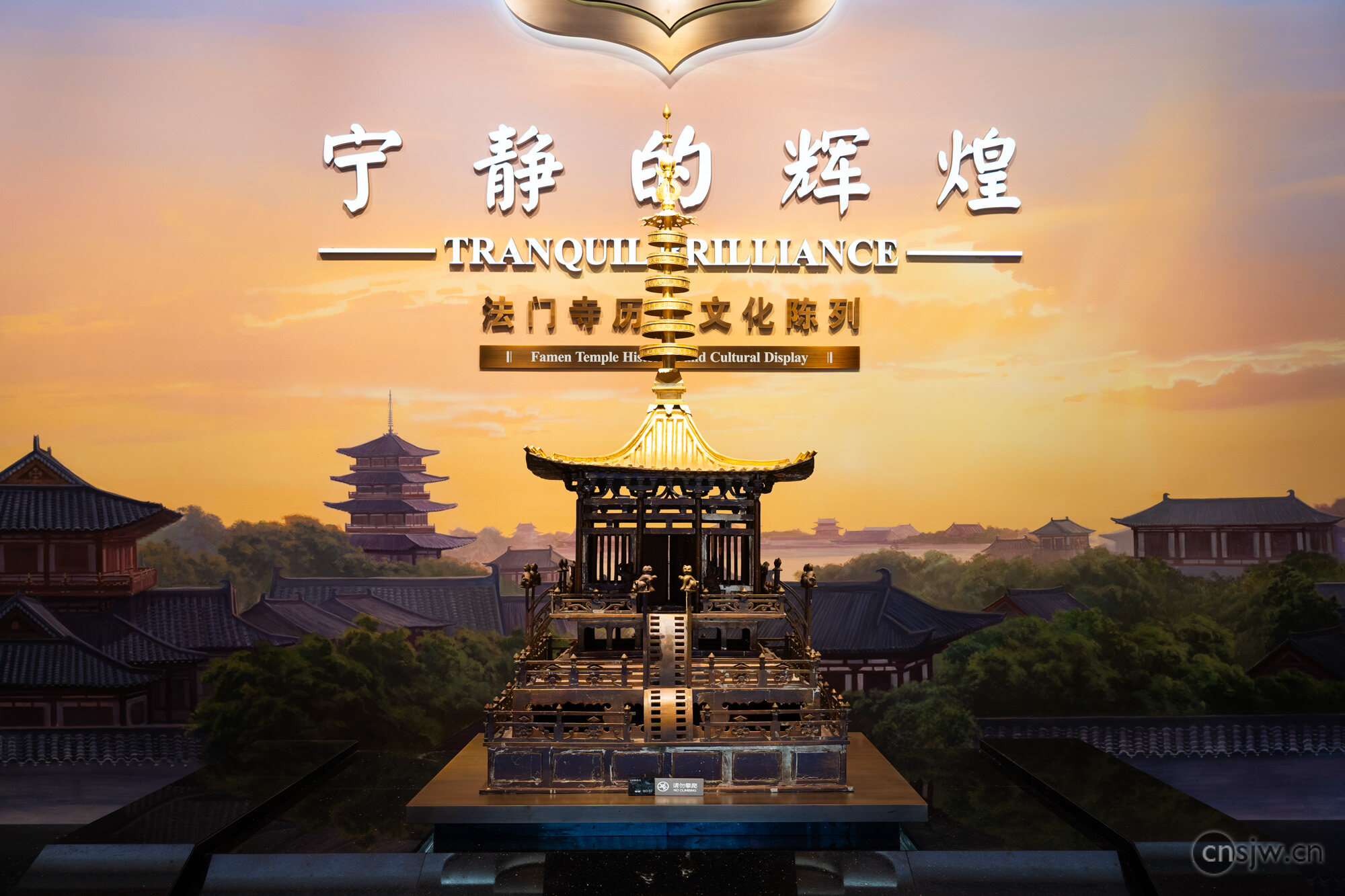
Famen Temple, also known as Fayun Temple and Ashoka Temple, is located in Famen Town, 10 kilometers north of Fufeng County, Baoji City, Shaanxi Province. Some believe it was first built during the reigns of Emperors Huan and Ling in the late Eastern Han Dynasty, earning it the title of “Ancestor of Pagodas and Temples in Guanzhong.” After the Nirvana of Shakyamuni Buddha, his remains were cremated and formed sariras. To promote Buddhism, King Ashoka of India distributed these bone sariras around the world. A pagoda was erected at Famen Temple to house the sarira, and the temple was subsequently built around the pagoda. In 1987, the underground palace of Famen Temple was accidentally discovered, unearthing the true finger bone sarira of the Buddha, along with thousands of rare Tang Dynasty treasures, including the national first-class cultural relic “Eight-Treasure Box” (which houses a shadow bone sarira) and a bronze stupa. This discovery shocked the world and established Famen Temple’s prestigious status in Buddhist, academic, and archaeological circles.
The Famen Temple Cultural Scenic Area is a 5A-rated attraction covering a total area of 9 square kilometers. The finger bone sarira of Shakyamuni Buddha is enshrined within the Namaste Dagoba at the end of the Buddha Light Avenue inside the scenic area. In the early 21st century, Shaanxi Province aimed to develop Famen Temple into a “World Buddhist Capital” and establish it as Shaanxi’s “second cultural symbol.” In 2003, the Baoji Famen Tourism Development and Construction Co., Ltd. was established. In March 2007, following directives from the Shaanxi Provincial Party Committee and Provincial Government, the Qujiang New District Management Committee formed a development team, the “Famen Temple Scenic Area Cultural Industry Group,” which jointly developed the Famen Temple Cultural Scenic Area with the Baoji Municipal Government.
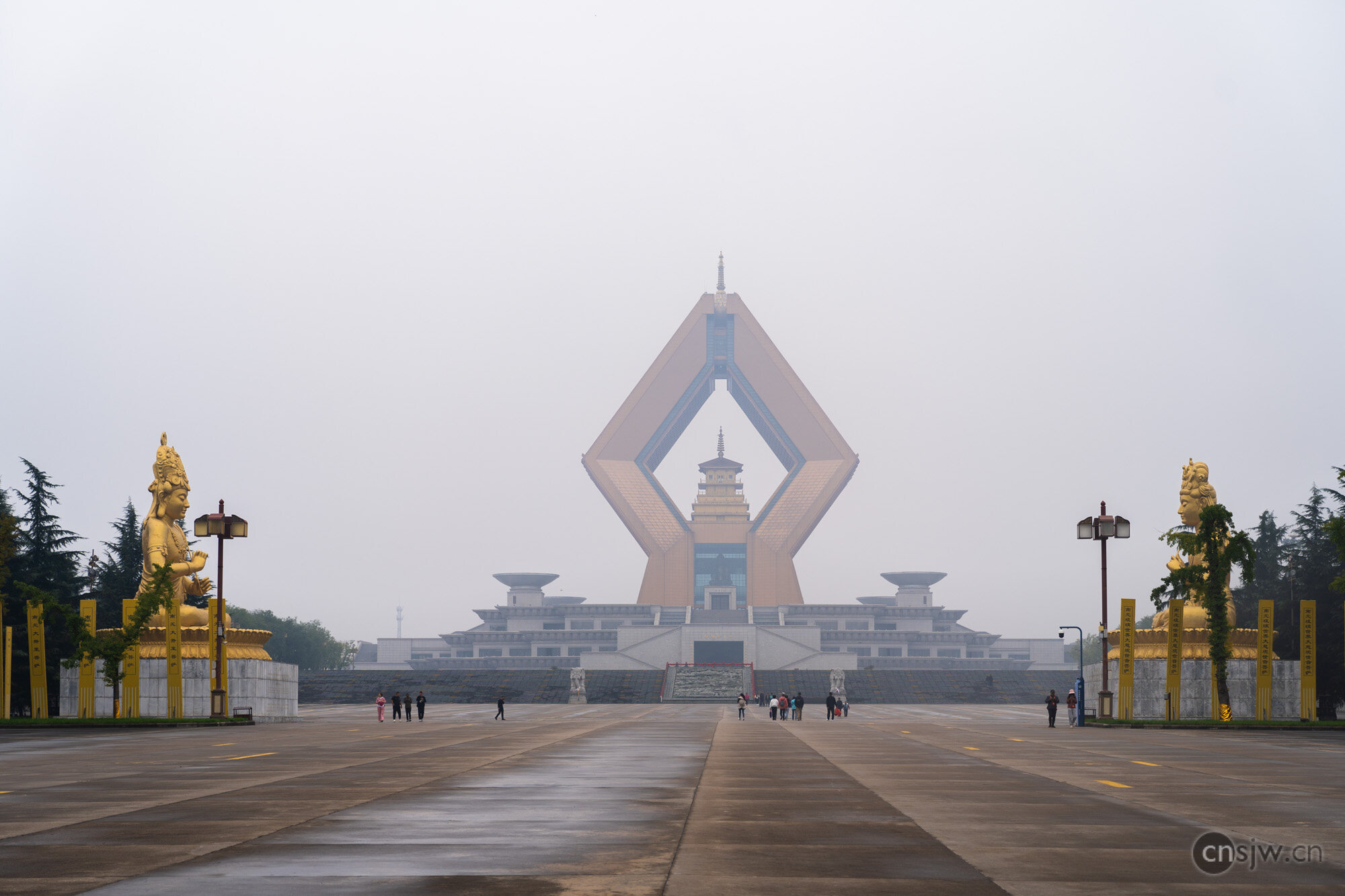
This scenic area is quite a distance from Xi’an, and the site itself is massive, especially the newly constructed section, which is particularly expansive. If possible, it is recommended to park in the parking lot directly in front of Famen Temple rather than at the entrance of the Cultural Scenic Area; otherwise, you will face a very long walk. Part of Famen Temple has been converted into exhibition halls, and there is also a Treasure Pavilion. These are reasonably well-curated and worth a visit.
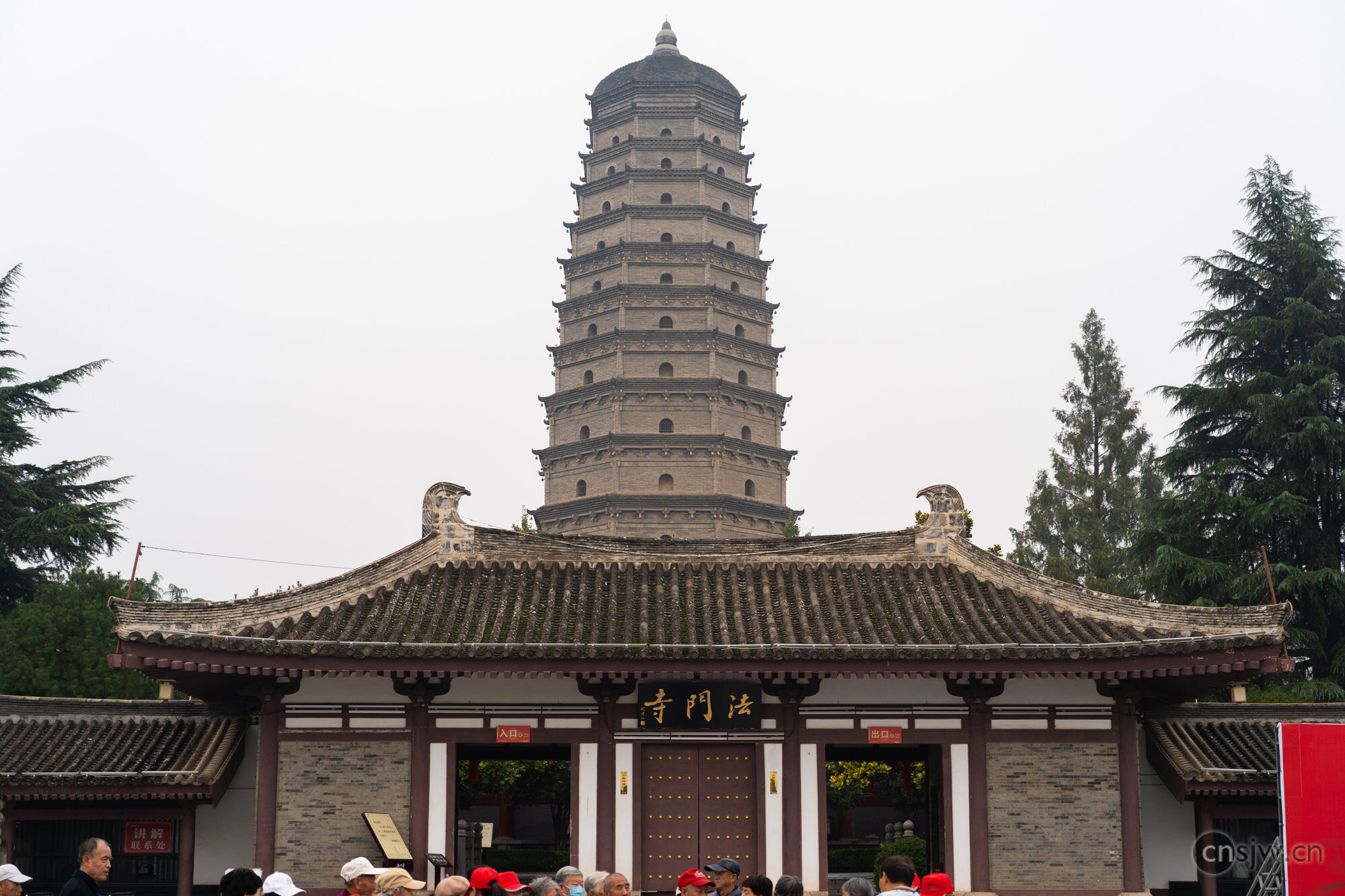
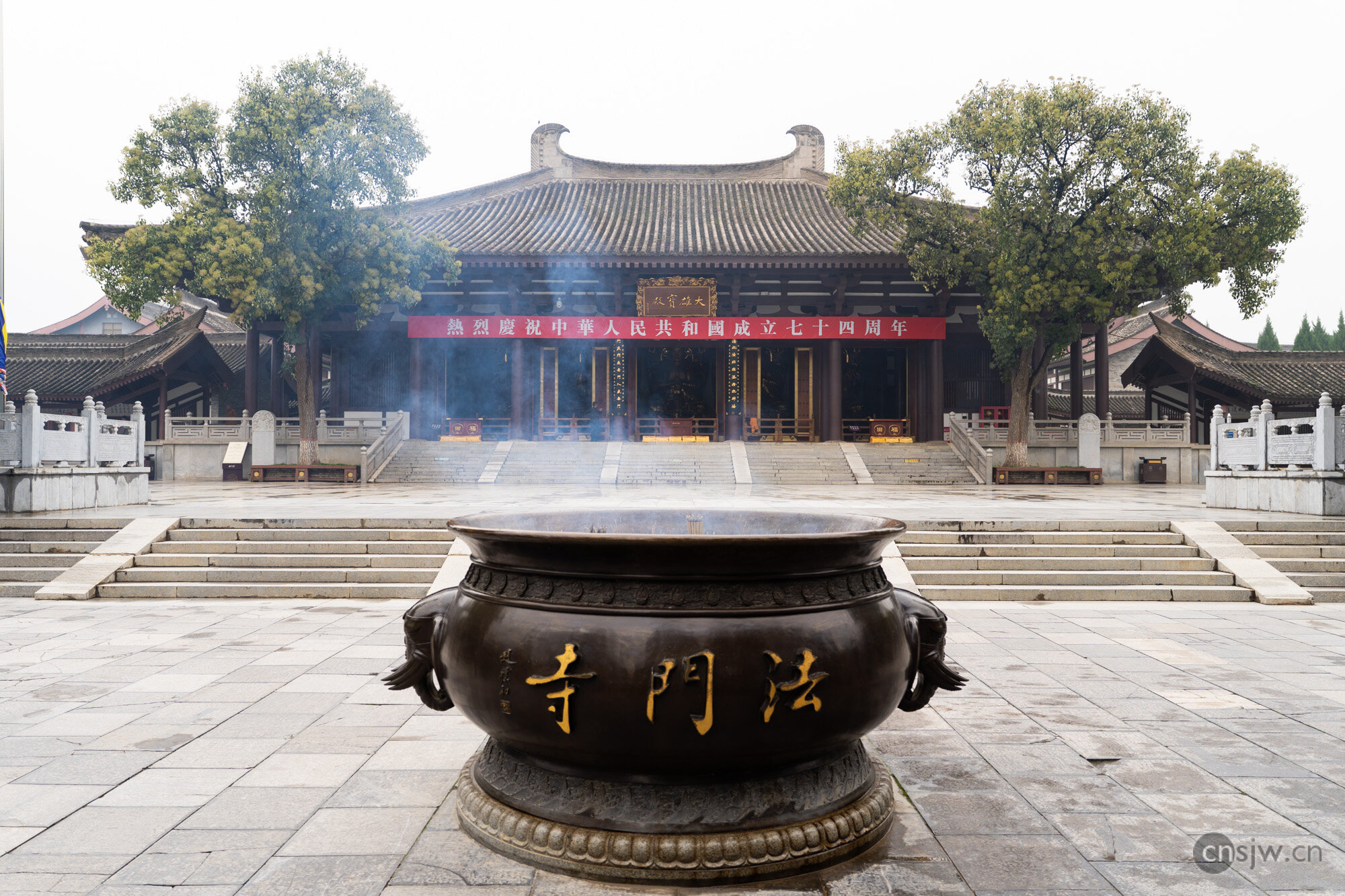
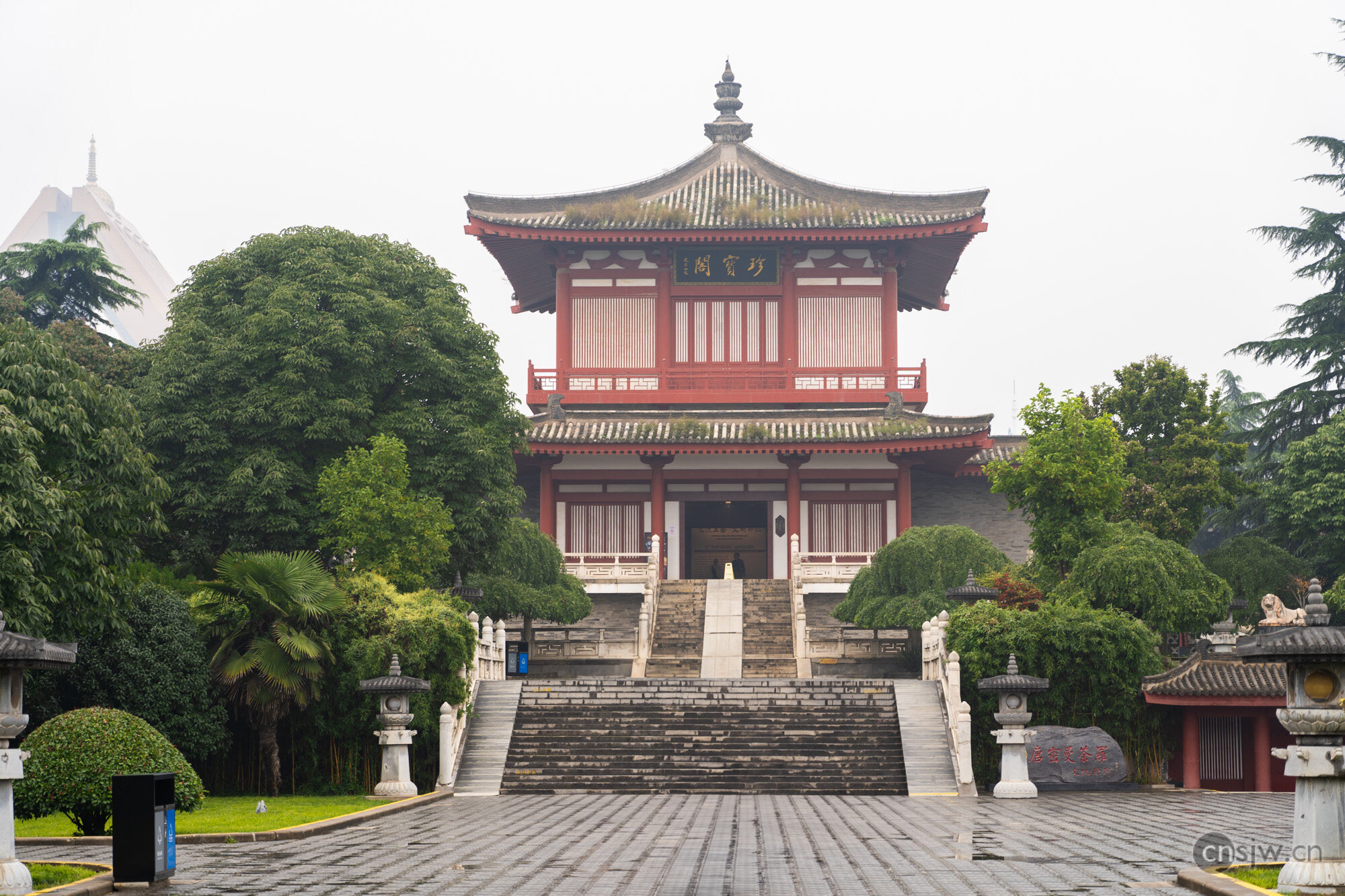
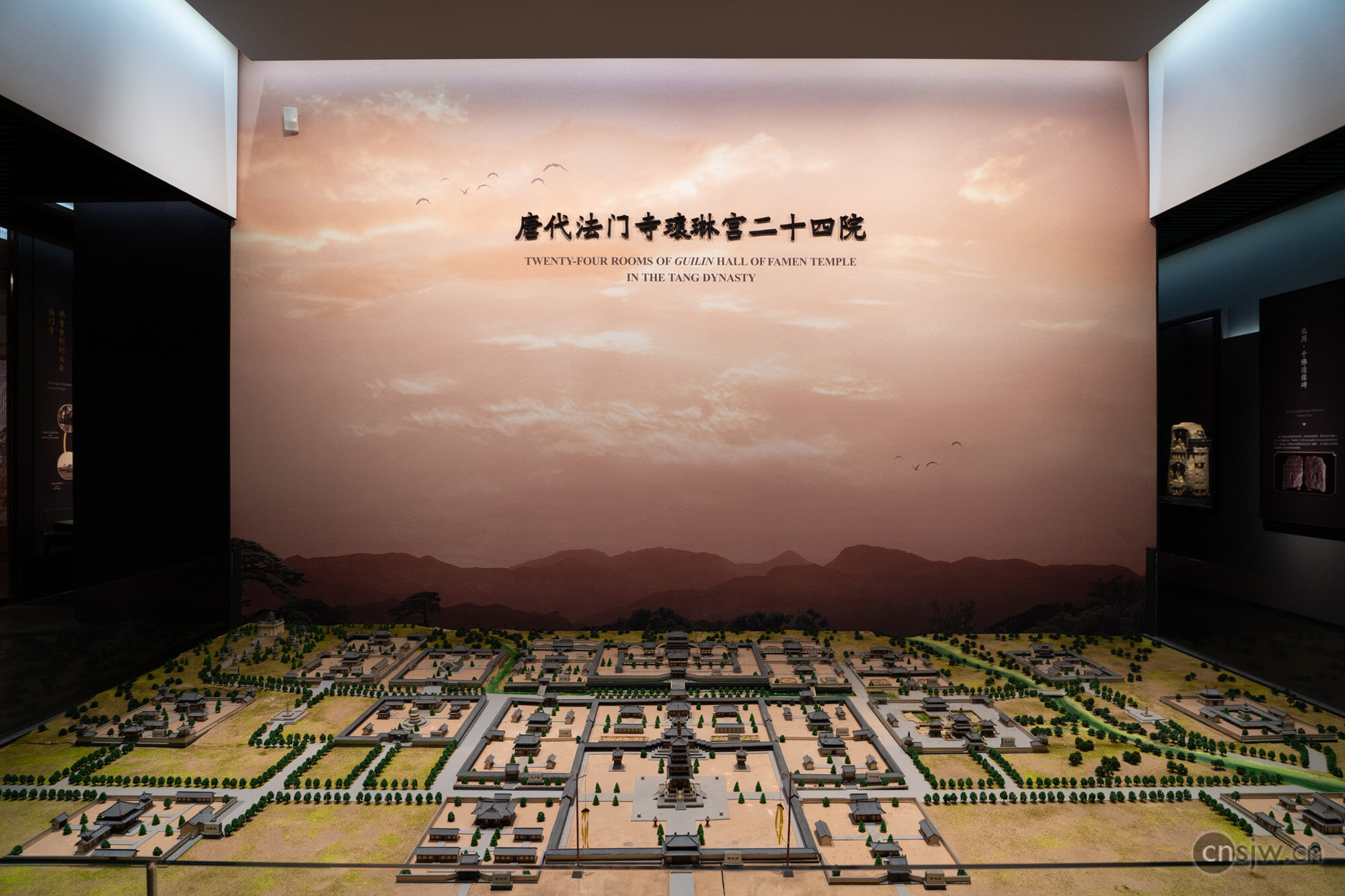
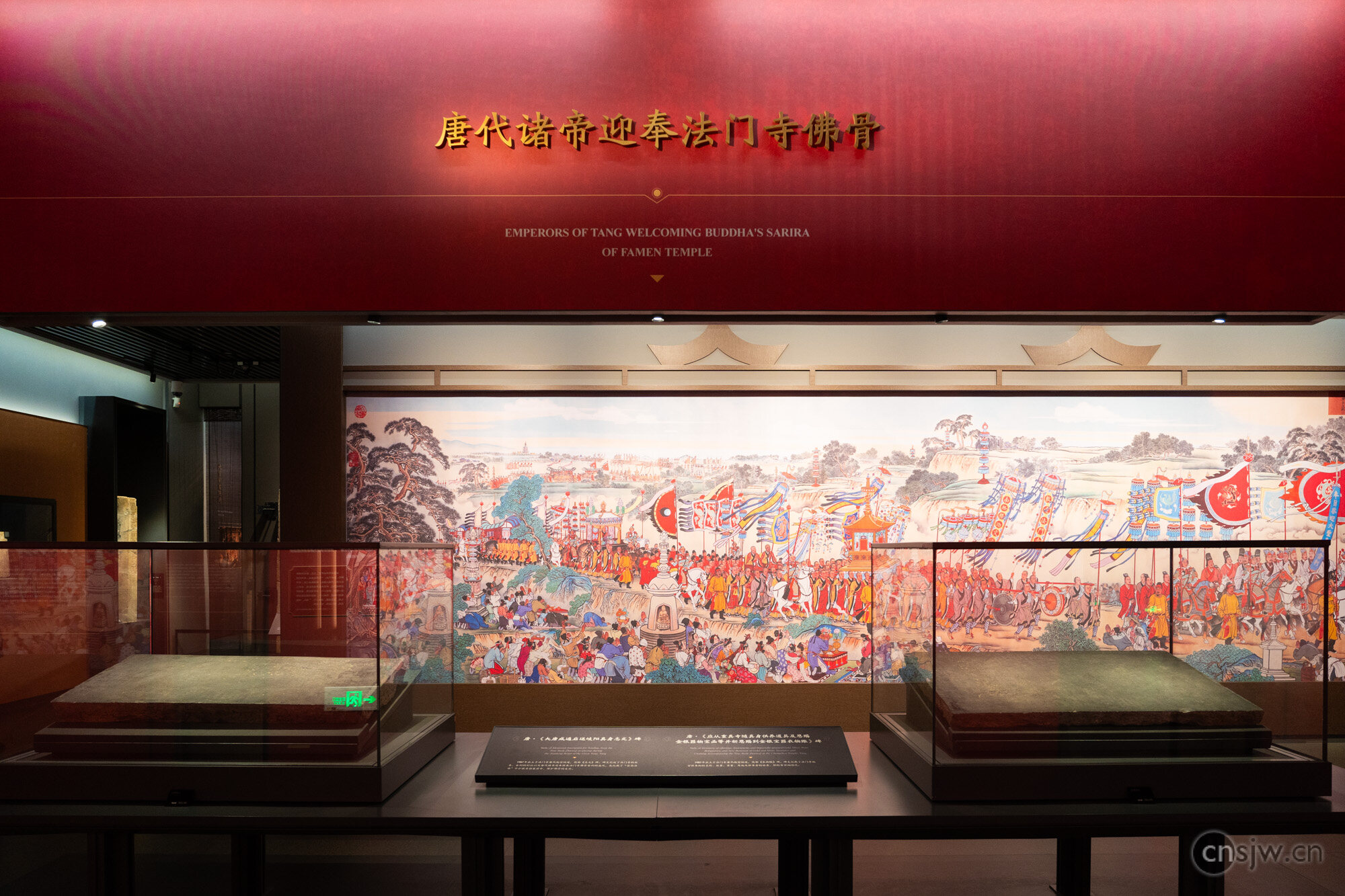
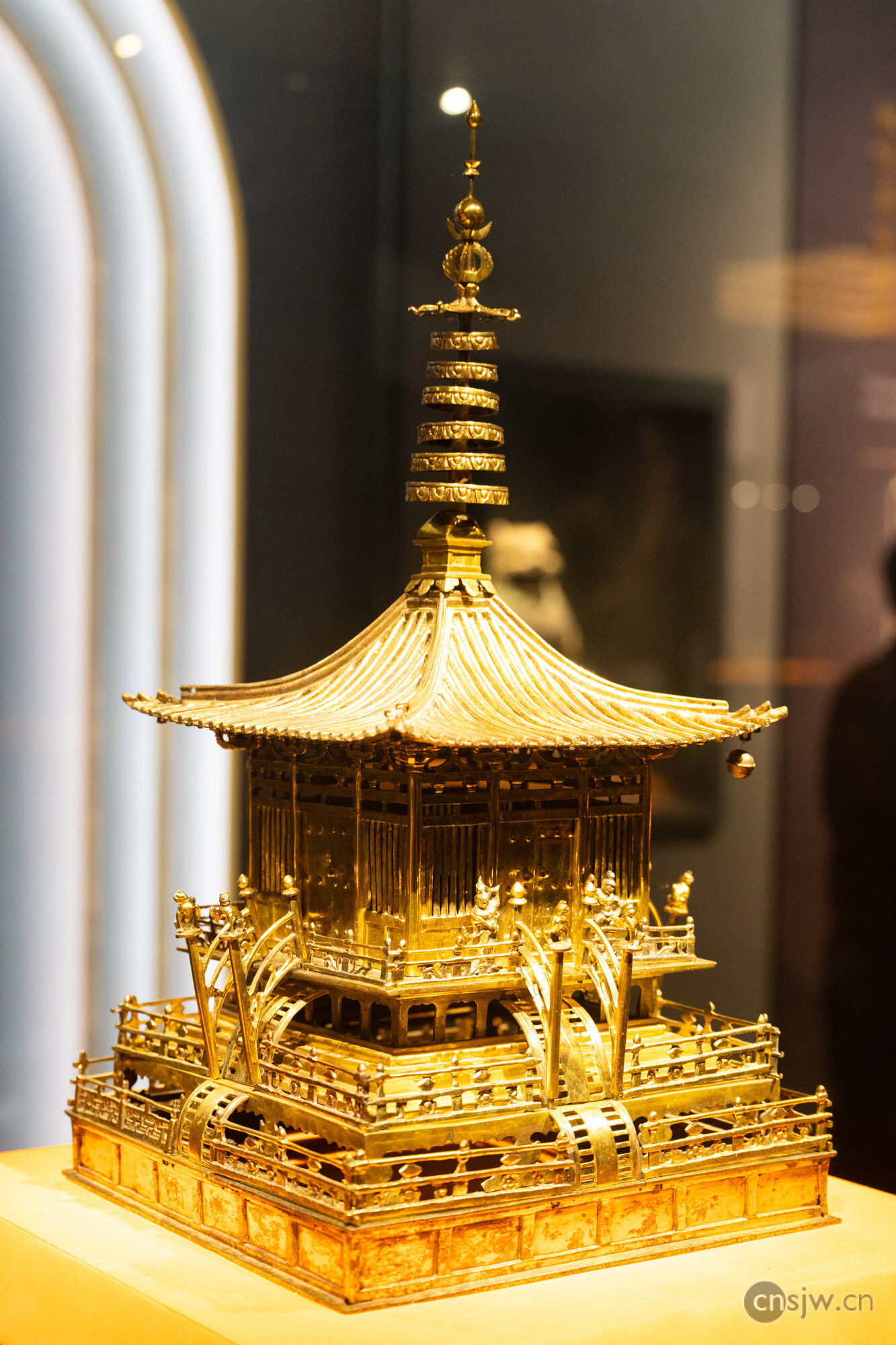
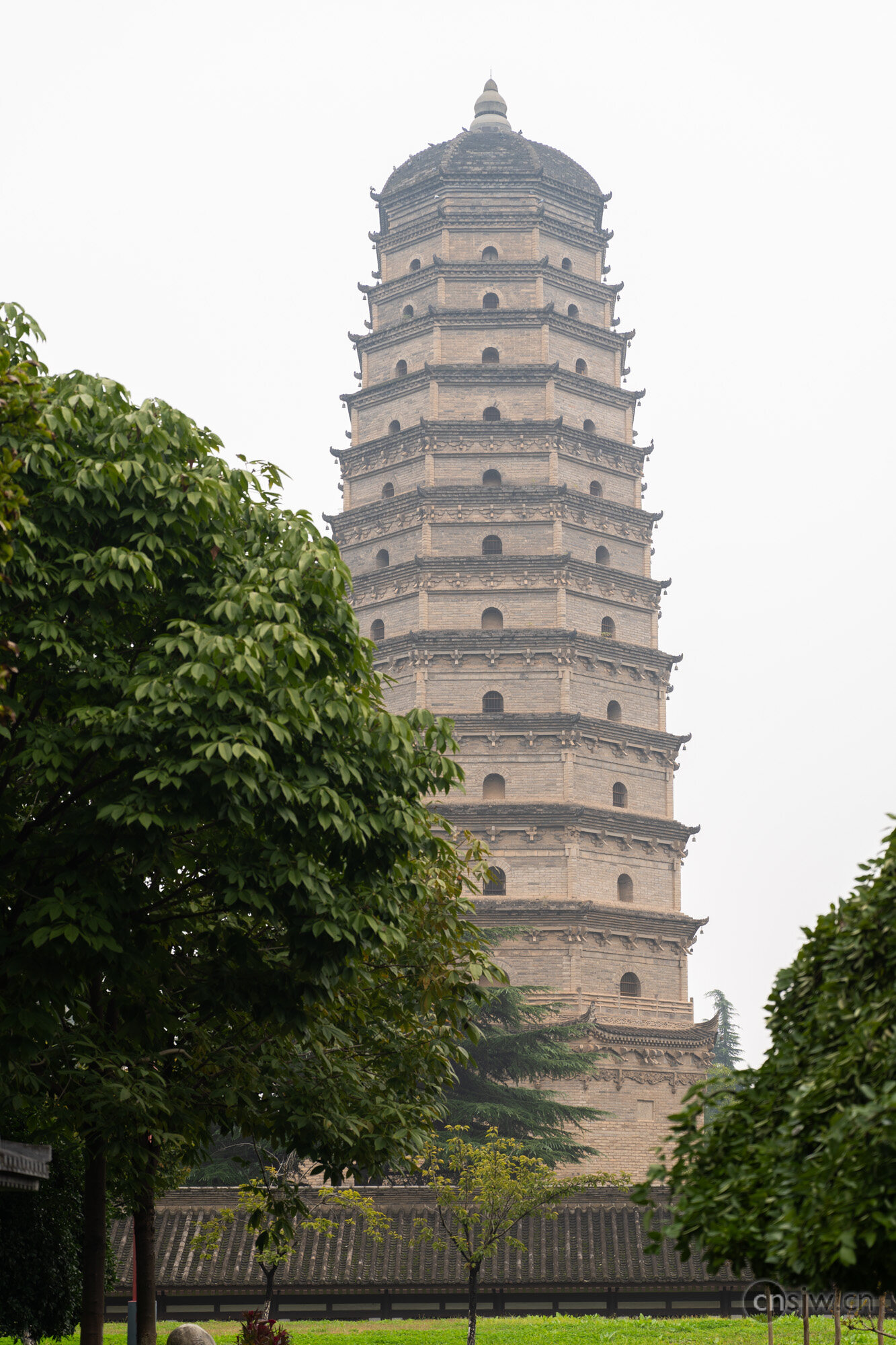
This pagoda has been destroyed and restored multiple times throughout history; the current structure was rebuilt in 1988.
The main feature of the new Famen Cultural Scenic Area is this Namaste Dagoba. It was designed by the renowned Taiwanese architect C.Y. Lee, who also designed Taipei 101. The interior is quite beautiful, but photography is not allowed.
The commercial environment throughout the scenic area and its surroundings is quite poor, with very few dining options and virtually no creative cultural products. As for the scenic area itself, the 100 yuan ticket price feels like a rip-off. Unless you have a specific interest, it is advisable to skip this visit.





Support