
Today I’m going to talk about three products that aren’t really related, but since each section won’t be very long, I’ve combined them into one post.
AirPods Pro
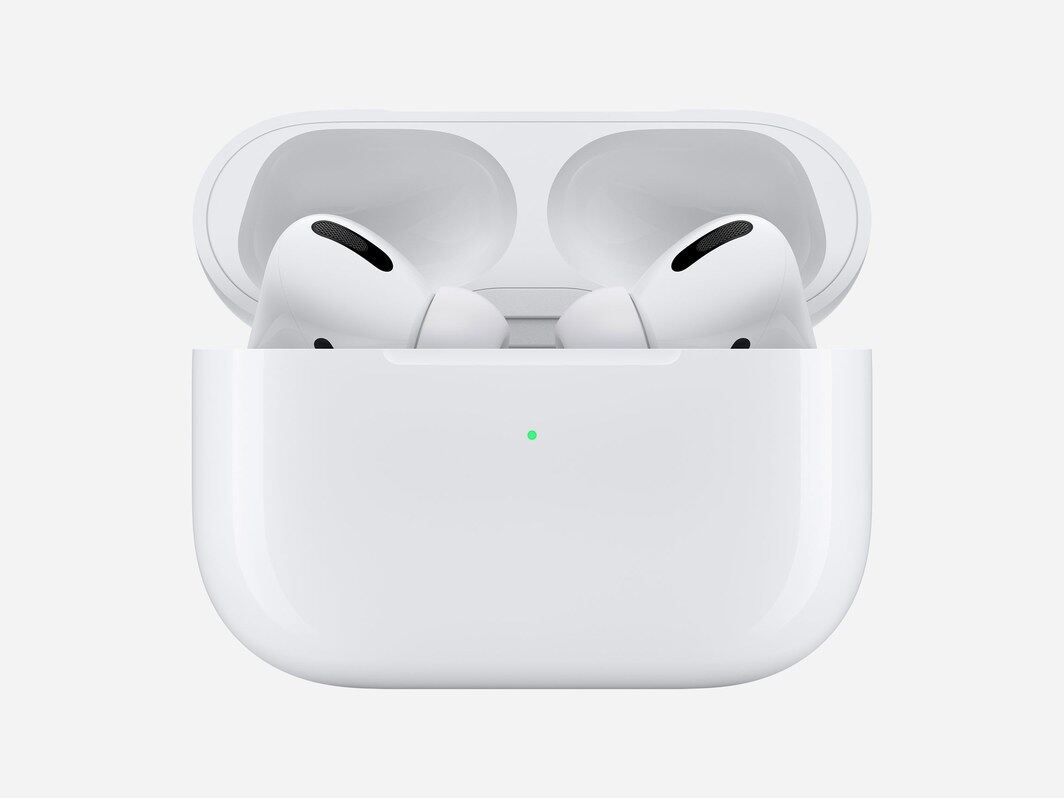
Let’s start with the recently hyped AirPods Pro. Apple quietly released this product, and many people were initially on the fence until the first batch of users got their hands on them and exclaimed how amazing they were. Then everyone rushed to buy them, leading to stock shortages…
AirPods are arguably the best-selling true wireless earbuds on the market. Released nearly three years ago, they not only sparked the true wireless trend but have remained unmatched in connection stability and low latency all these years. Unfortunately, AirPods have always been an open-fit design without noise isolation. For a user like me who only uses headphones in noisy environments, they were practically useless, which is why I never bought a pair.
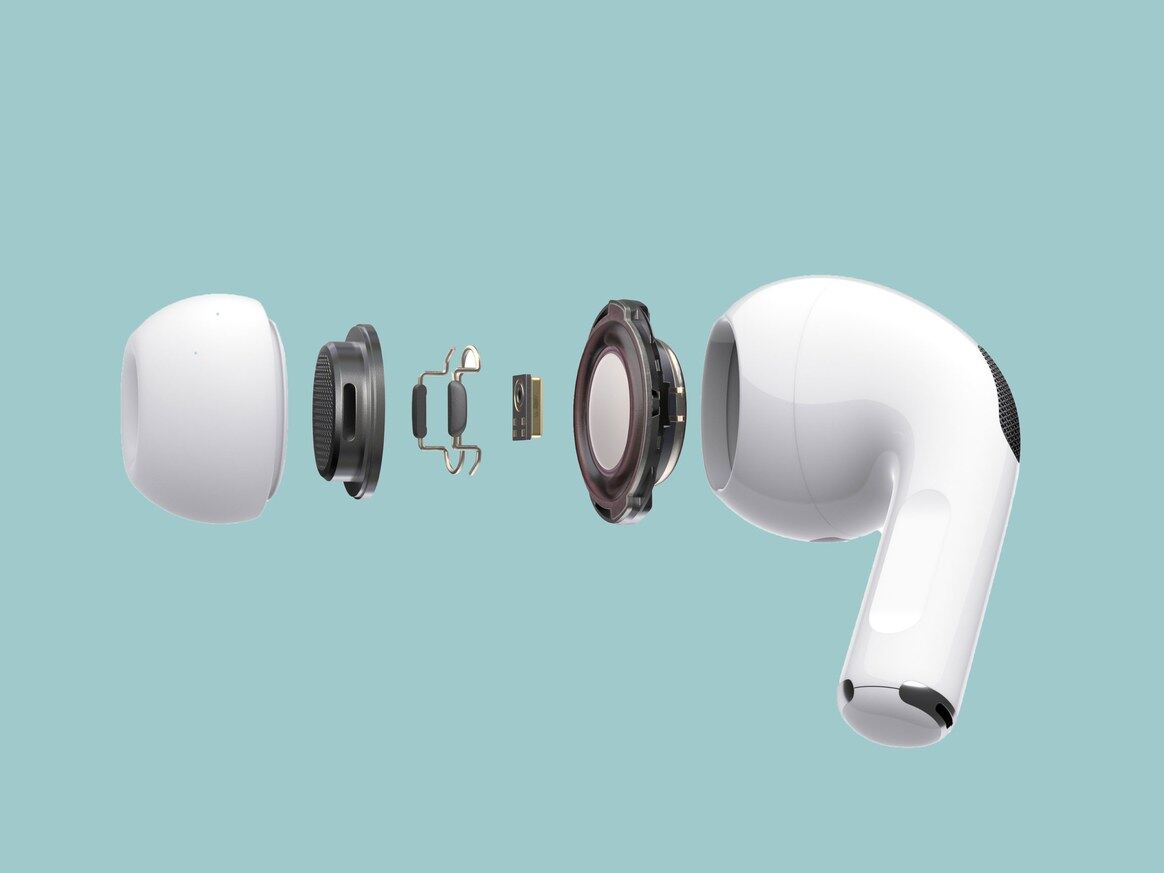
Then came the AirPods Pro. They not only feature an in-ear design with passive noise isolation but also active noise cancellation (ANC). Initially, I didn’t have high expectations for the ANC, as simply having an in-ear fit would have met my basic needs, and ANC surely couldn’t be worse than passive isolation alone. But when I actually got them, I was blown away. The moment I put both earbuds in, the whole world went silent. It was truly magical. Unlike many large over-ear ANC headphones that require you to press a button to activate silence, everything here is so natural—the instant you put them on, it’s quiet. The experience was genuinely surprising.
It also features a Transparency mode. Actually, previous models like the B&O E8 and Momentum True Wireless had similar features, but neither executed it very well; you still couldn’t hear people clearly if they were far away. The AirPods Pro, however, achieve a level of transparency almost indistinguishable from wearing no headphones at all, and the transition between modes is seamless and gradual—very typical of Apple. One minor issue is that music doesn’t automatically pause when switching to Transparency mode, requiring two separate actions. Hopefully, future software updates will improve this, perhaps by adding an option to enable auto-pause.
Moreover, due to their lightweight design, unlike many true in-ear monitors that need to be jammed into the ear canal and held in place by friction to prevent falling out, the AirPods Pro cause none of the discomfort associated with in-ear buds, nor do they have the heavy, dragging sensation of other true wireless earbuds. They are incredibly comfortable to wear.
Sound quality also exceeded expectations. Apple headphones are typically known for their flat, “plain water” sound signature, but perhaps thanks to the Beats acquisition, the bass on these earbuds is surprisingly good. However, keep in mind that any active noise cancellation affects audio quality. Especially in complex environments, the system must constantly adjust the output to counteract external noise. Therefore, if you’re in a quiet setting and demand high-fidelity audio, it’s best to turn off ANC.
Finally, the H1 chip certainly doesn’t disappoint, offering completely seamless integration with Apple devices. All controls are built directly into the system, which is far superior to having to install a separate third-party app. There are virtually no downsides to these earbuds. I highly recommend them to any Apple user needing noise cancellation. Honestly, competitors shouldn’t even bother making similarly priced alternatives anymore…
HomePod
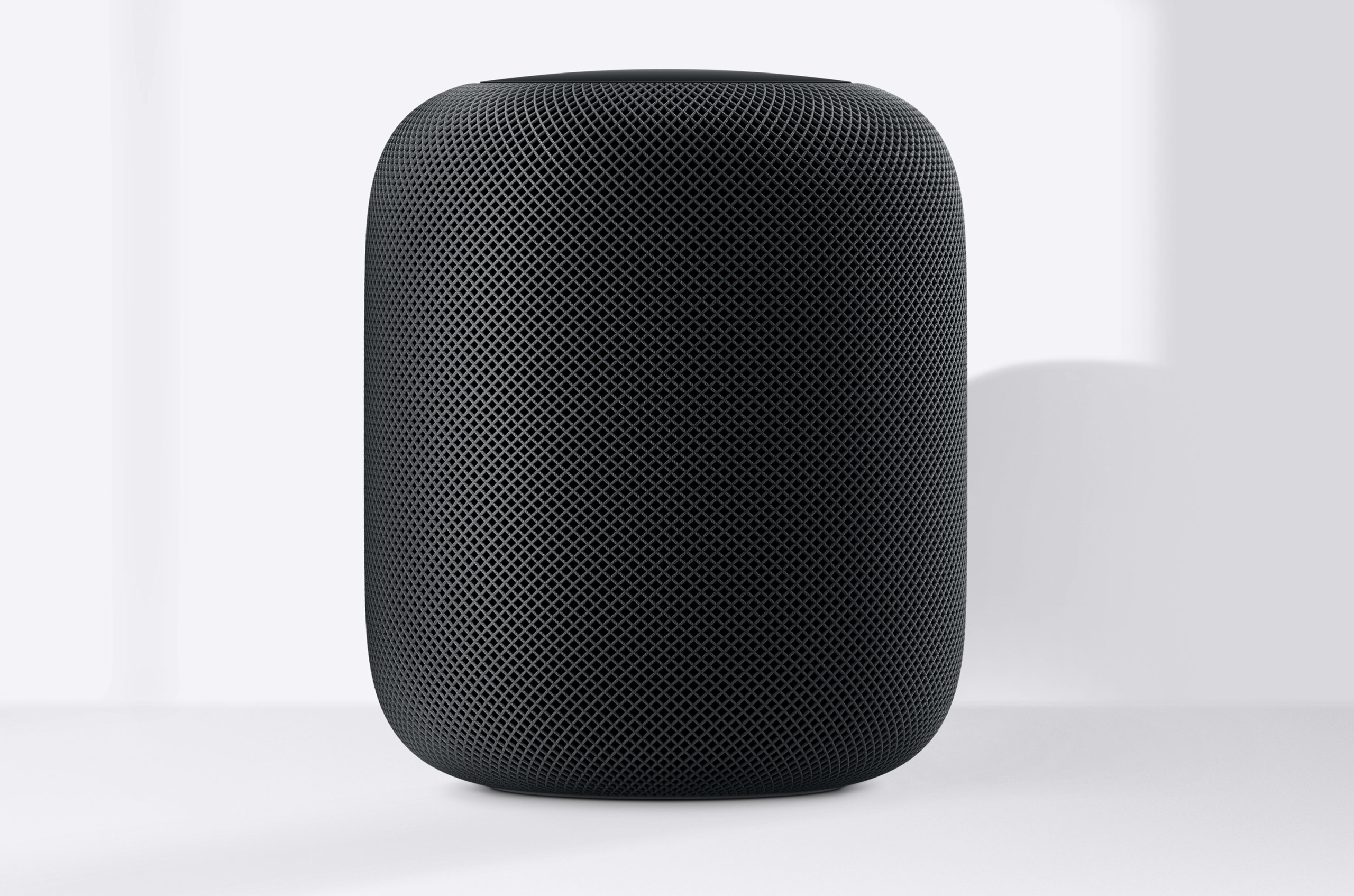
This device has been out for a while, though it only launched in mainland China earlier this year. The price was adjusted recently, and with additional discounts approaching Singles’ Day, it now offers excellent value for money, so I decided to pick one up. As a speaker, its sound quality absolutely justifies the price tag, and frankly, it seems unrivaled in its price range.
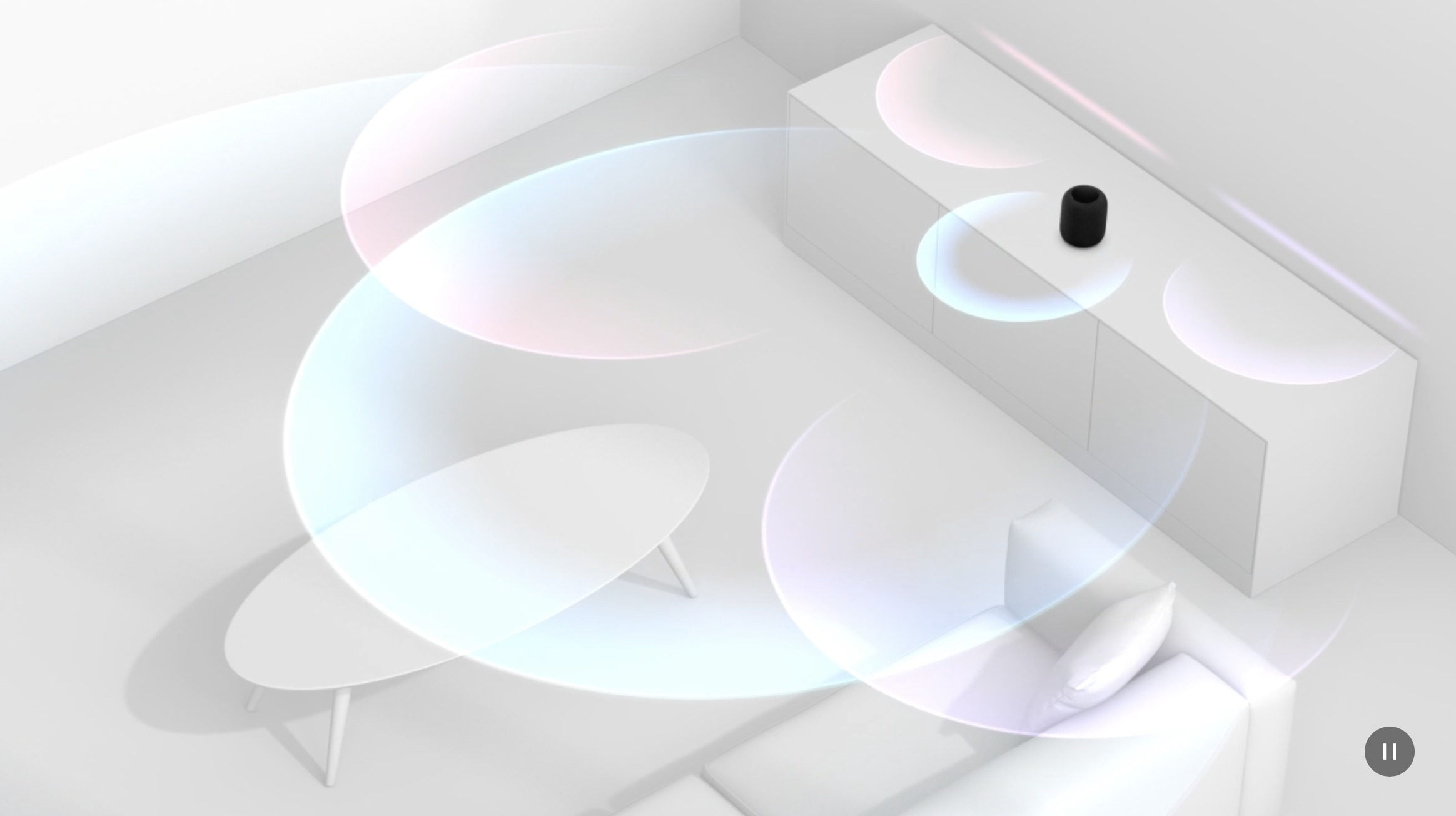
I believe this is largely because Apple is applying a computational approach to audio, similar to what they’ve done with cameras. Both the aforementioned AirPods Pro and this HomePod leverage powerful processors to enhance the listening experience. Powered by an A8 chip, the HomePod not only runs Siri but also dynamically controls sound emission from speakers in different directions based on the environment. Traditionally, 360-degree speakers are problematic because placing them in a corner or against a wall causes severe sound reflection issues. However, the HomePod detects its placement and not only mitigates reflection problems but actually utilizes reflections to create a wider soundstage, filling the entire room with music.
The HomePod features an upward-firing woofer on top, surrounded by seven tweeters/mid-range drivers and an array of six microphones, allowing you to easily summon Siri from anywhere in the room while also providing optimal voice pickup during phone calls.
Interaction with the HomePod is straightforward: there are only volume +/- buttons and a central touch surface for basic playback controls. All other functions rely on Siri. You can also control settings and update firmware via the Home app on your iPhone.
As a standalone speaker, its functionality is somewhat limited, so prospective buyers should carefully consider their needs. First, it lacks any wired audio input. Second, despite having Bluetooth hardware, it does not support Bluetooth audio streaming; Bluetooth is used solely for pairing and communication with your phone. For playback, it supports Apple Music natively and AirPlay for streaming other audio from your phone. However, AirPlay introduces significant latency when watching videos or gaming, and a Wi-Fi connection is mandatory.
Polar H10 Heart Rate Strap
Finally, let’s discuss heart rate monitoring during exercise. Initially, I trusted the Apple Watch’s heart rate sensor quite a bit. However, in practice, I found that aside from steady-state cardio, whether doing strength training or HIIT, the Apple Watch failed to provide accurate, continuous, and responsive data. At peak heart rates, it often failed to register a reading altogether or took at least a minute to catch up, by which point the data was essentially meaningless.
To understand why, we need to look at how optical heart rate sensors work:
Photoplethysmography (PPG) measures pulse using light. Blood is red, reflecting red light and absorbing green light. When light of a specific wavelength shines onto the skin, it passes through or reflects back to a photodetector. Along the way, absorption by skin, muscle, and blood attenuates the light intensity reaching the detector. While absorption by muscles, bones, veins, and connective tissues remains relatively constant (assuming minimal movement), blood volume in the skin fluctuates pulsatilely with each heartbeat. During systole (contraction), peripheral blood volume peaks, maximizing light absorption and minimizing detected light intensity. Conversely, during diastole (relaxation), detected light intensity reaches its maximum. This causes the received light signal to fluctuate rhythmically.
The biggest drawback of this technology is its heavy reliance on light, making it susceptible to interference. Even if the watch fits snugly, sliding during vigorous movement and sweat can severely compromise accuracy. Overall, while reasonably accurate for resting heart rate and rhythmic activities like running, its reliability drops significantly during irregular movements.
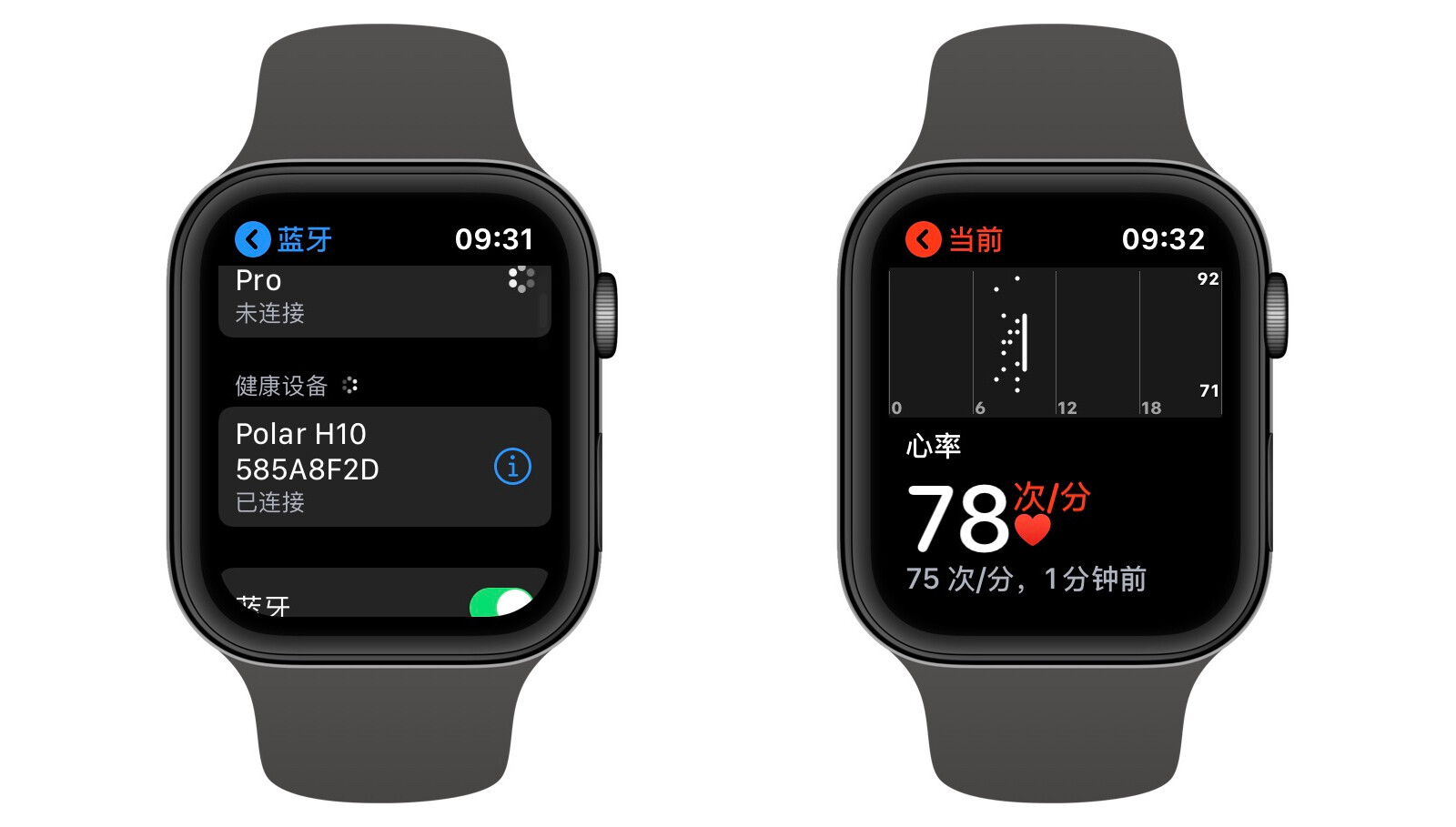
This brings us to the most traditional yet reliable solution: chest strap heart rate monitors. Their principle is much simpler, relying on electrical signals just like an ECG, ensuring stable, efficient, and accurate readings. The Polar H10 connects extremely quickly, displaying heart rate within a second of wearing it. Its built-in coin cell battery reportedly lasts up to two years. Although strapping something around your chest takes some getting used to, once adapted, it becomes virtually unnoticeable.

Surprisingly, it supports dual Bluetooth connections, allowing simultaneous pairing with two devices. This means both your Apple Watch and phone can receive data concurrently. Once connected to the Apple Watch, it seamlessly overrides the Watch’s built-in optical sensor—a fantastic feature.
Polar’s app is also excellently designed, featuring not only common workout types but also various Les Mills group fitness classes. Additionally, it offers comprehensive online services, enabling you to sync and view all measurement data on the Polar Flow website. This product is invaluable for anyone requiring precise heart rate tracking during workouts.

Support



Read this article on WeChat