
Like The Murray Hotel and PMQ, Tai Kwun is one of the eight projects under ‘Conserving Central.’ It was once the Central Police Station Compound.,A historic complex with over 170 years of history, comprising the former Central Police Station, Central Magistracy, and Victoria Prison. Once the center of law and order during British colonial rule, it has been revitalized and named ‘Tai Kwun.’ It is Hong Kong’s largest heritage conservation project to date.
Tai Kwun is restored and operated by The Hong Kong Jockey Club, with architectural design by Herzog & & de Meuron. Although the project was initiated over a decade ago, due to extensive preliminary work and archaeological excavations, it did not open to the public until mid-2018, and some sections remain incomplete even now. Admission to Tai Kwun is free, but please note that while the entire site opens at 10:00 AM, the art galleries, exhibition halls, and commercial outlets generally do not open until 11:00 AM, so avoid arriving too early.
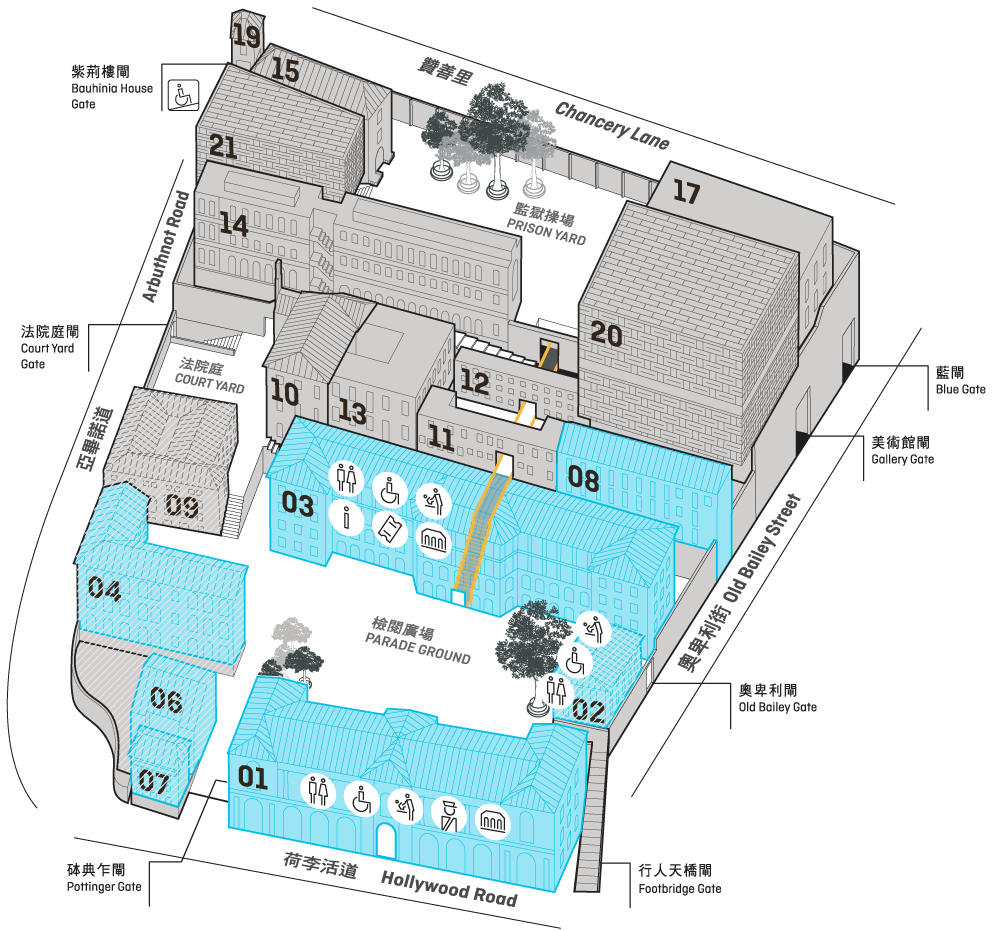
According to the map on the official website, the upper half essentially covers the prison area. The two modern new buildings at the top are JC Cube (Block 21) and JC Contemporary (Block 20); one is a theater and the other an art gallery. Block 17 in the upper right corner illustrates the historical prisoner registration process with interactive exhibits. In the center is the Parade Ground. To the left of the Parade Ground is Block 14, where you can learn about prison meals; it now houses several restaurants. The cluster of buildings below the Parade Ground comprises Blocks 10-12, which were the prison cells.
In the lower half, Block 9 is the Central Magistracy, and Block 3 is the Barracks Block, currently occupied mostly by restaurants and art shops. There is a Visitor Centre on the right side, featuring a small exhibition hall about the Tai Kwun revitalization project. Blocks 4, 6, and 7 are the Married Inspectors’ Quarters, Married Sergeants’ Quarters, and Single Inspectors’ Quarters respectively, all of which are currently closed to the public. Block 2 is the Arms Store, housing a restaurant and bar, and Block 1 is the Police Headquarters Building.
Tai Kwun offers free guided tours, which must be booked in advance via the official website or app. Unfortunately, tours are only available in Cantonese and English, with only two English sessions per week. On-site, there are often many primary and secondary school students visiting as part of organized school trips.
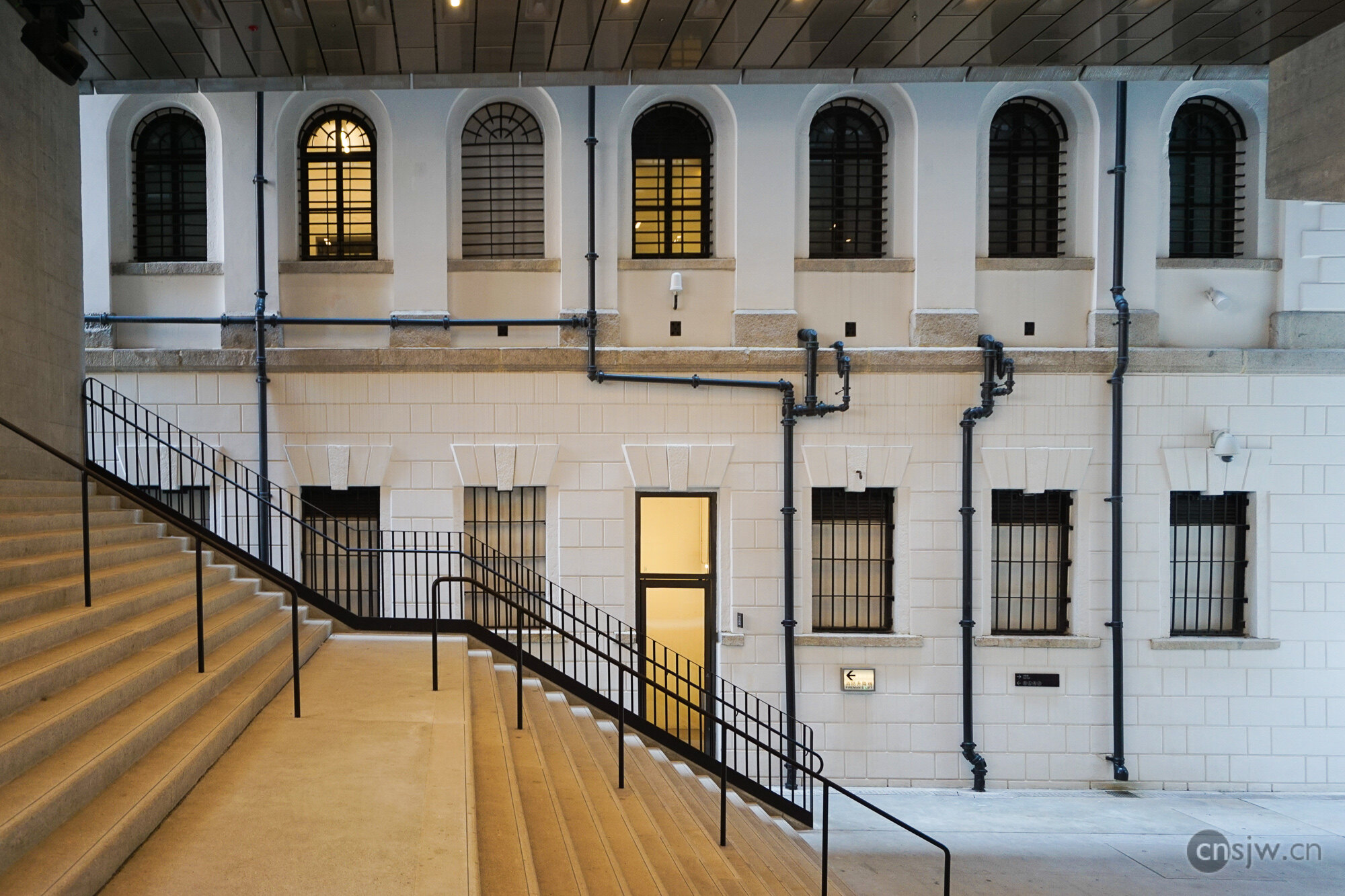
During the revitalization, many areas underwent restoration and reconstruction, blending the old with the new. As for distinguishing what is new and what is old, visitors will have to discover that for themselves.
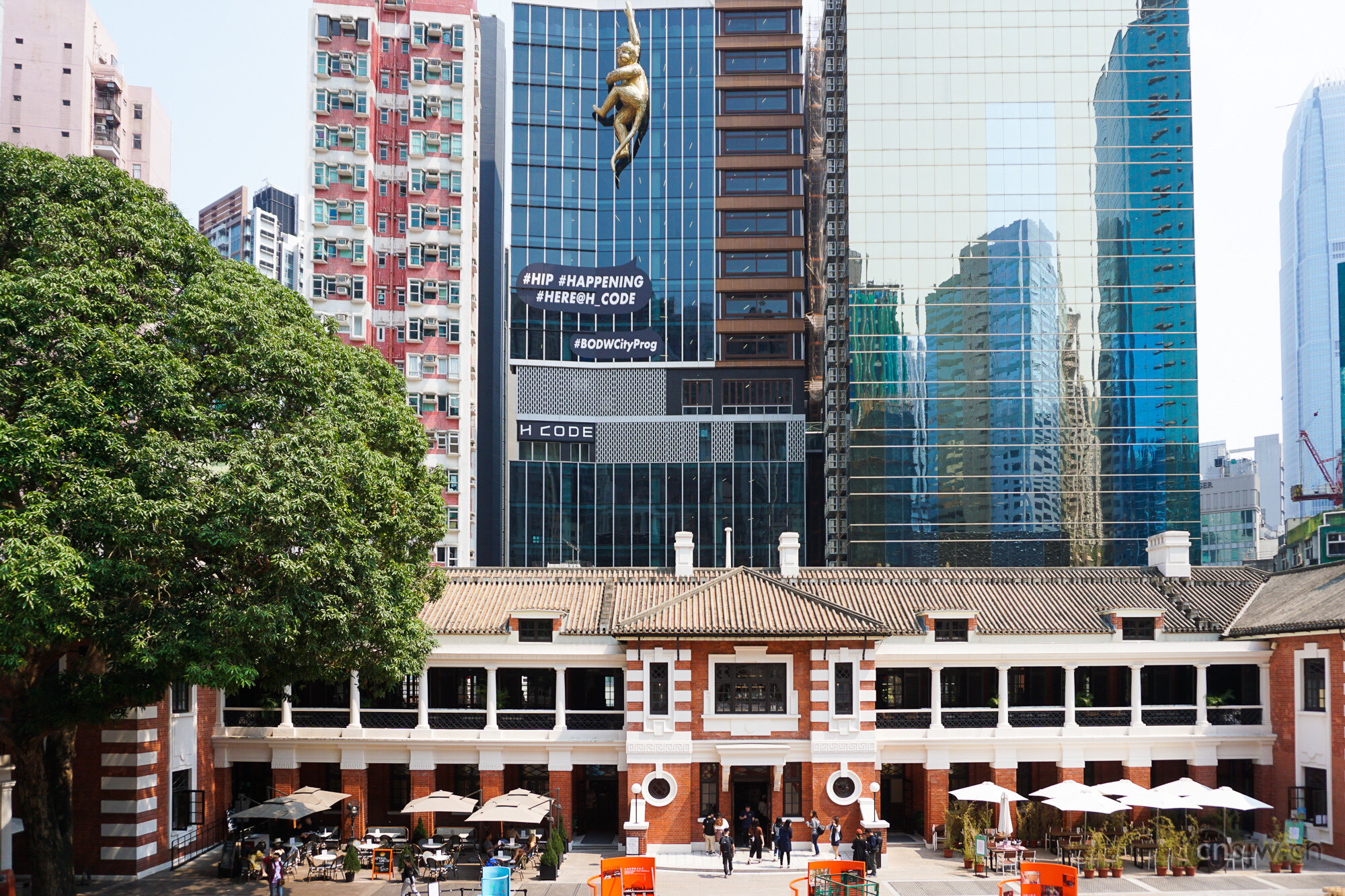
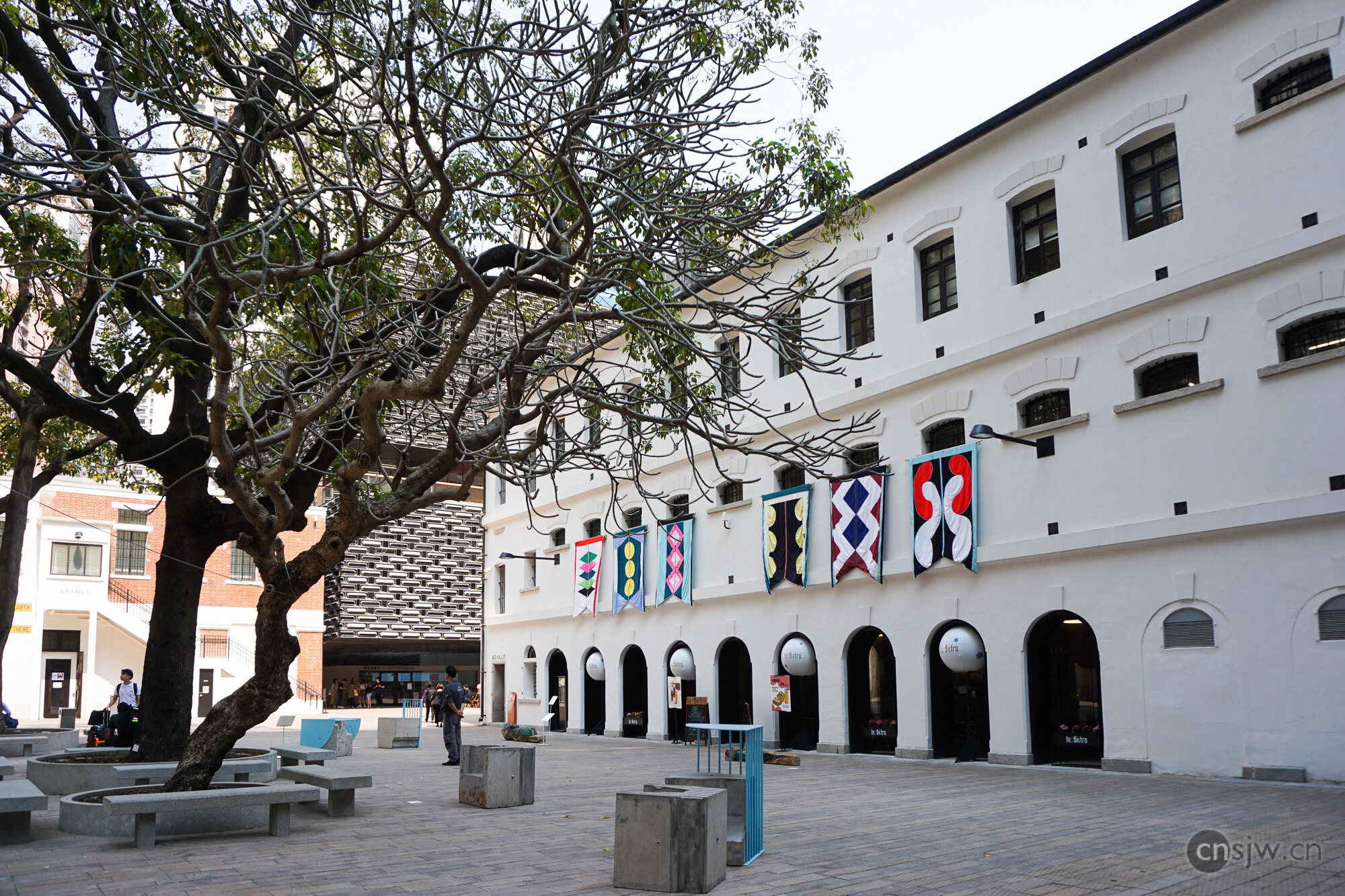
The Reviewing Square contrasts sharply with H Code behind it.
The Barracks Block is a key highlight, featuring a central staircase that leads through to the buildings behind.
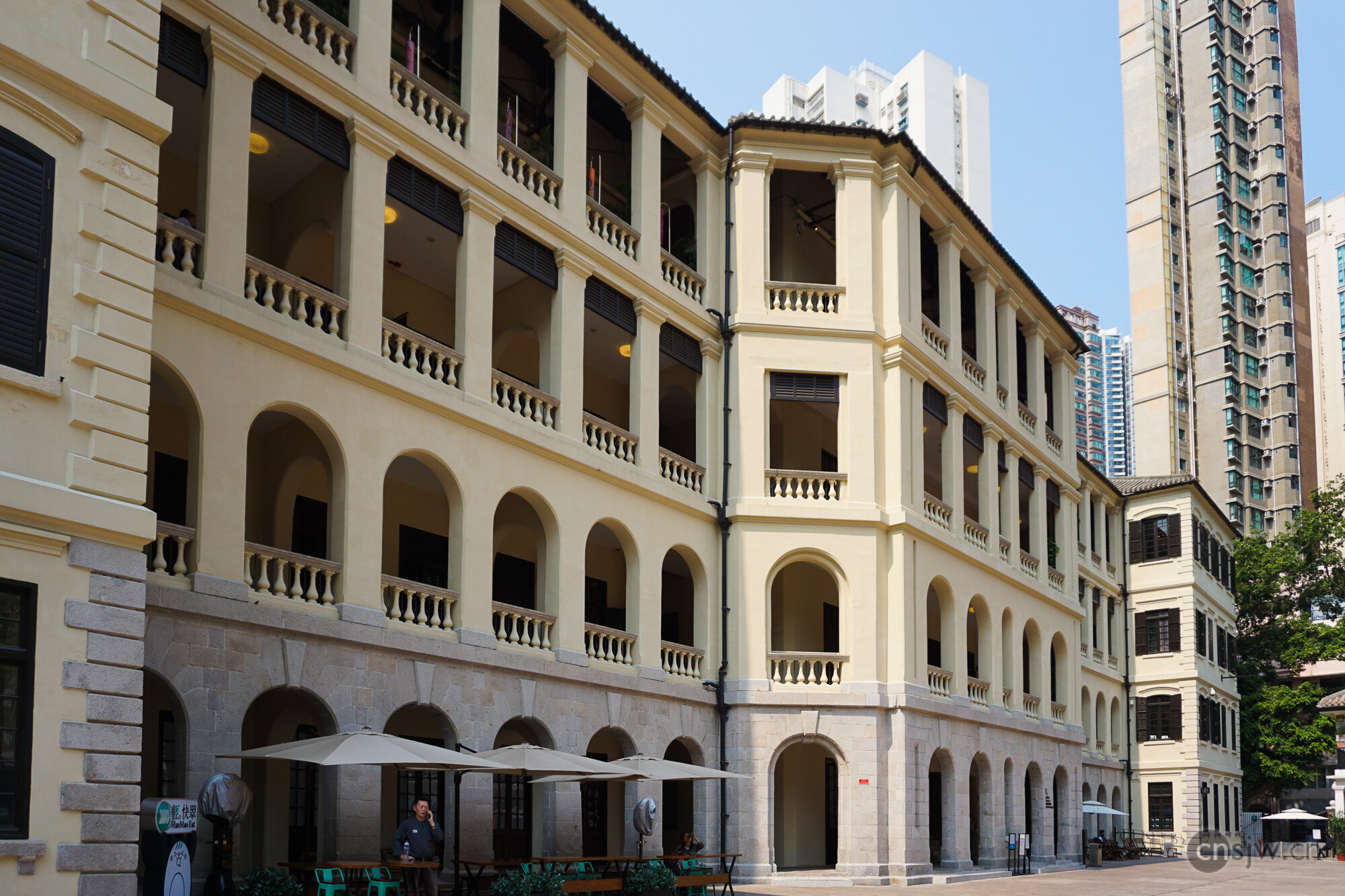
Barracks Block
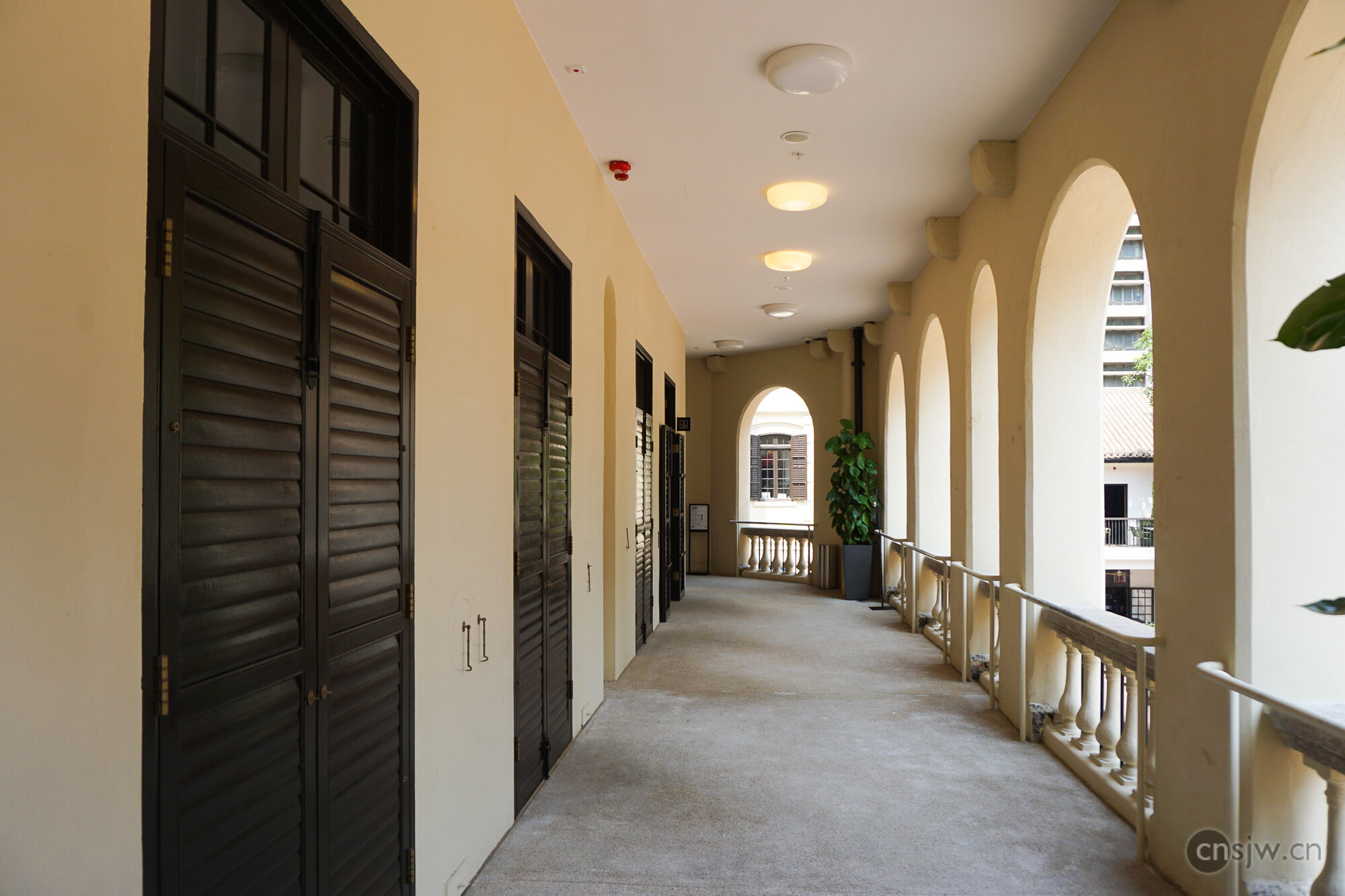

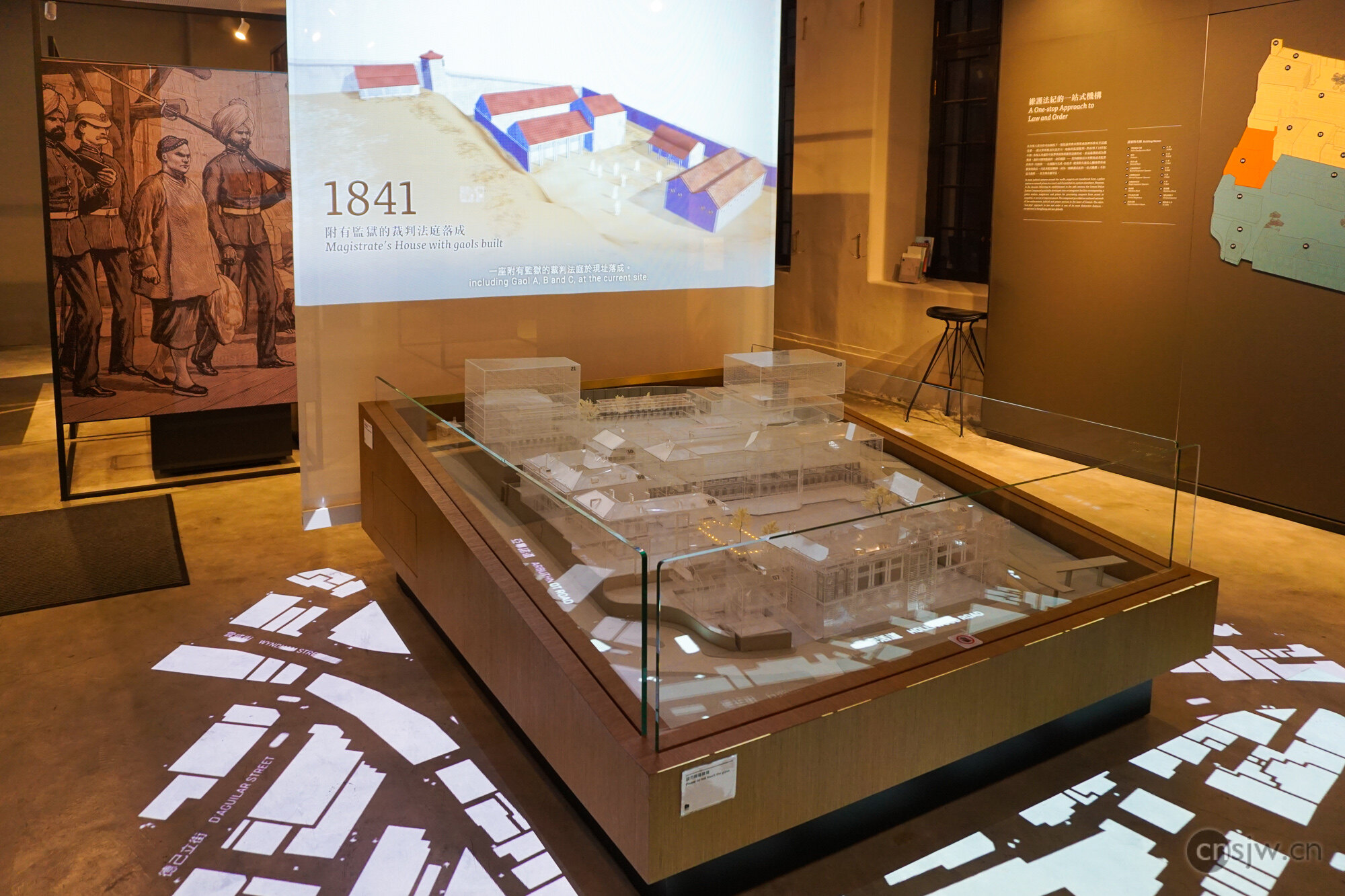
Explore the Stories of Tai Kwun

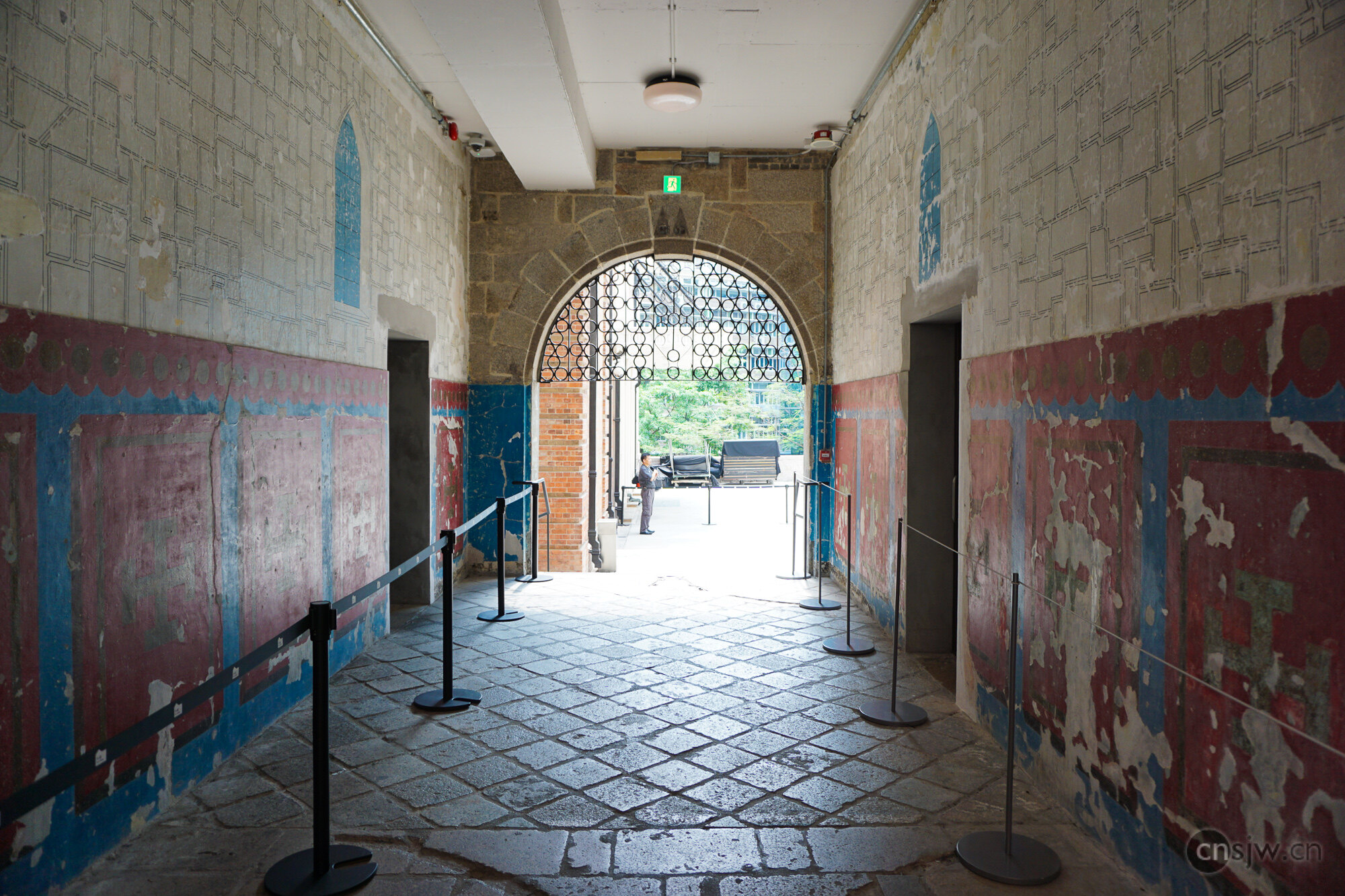
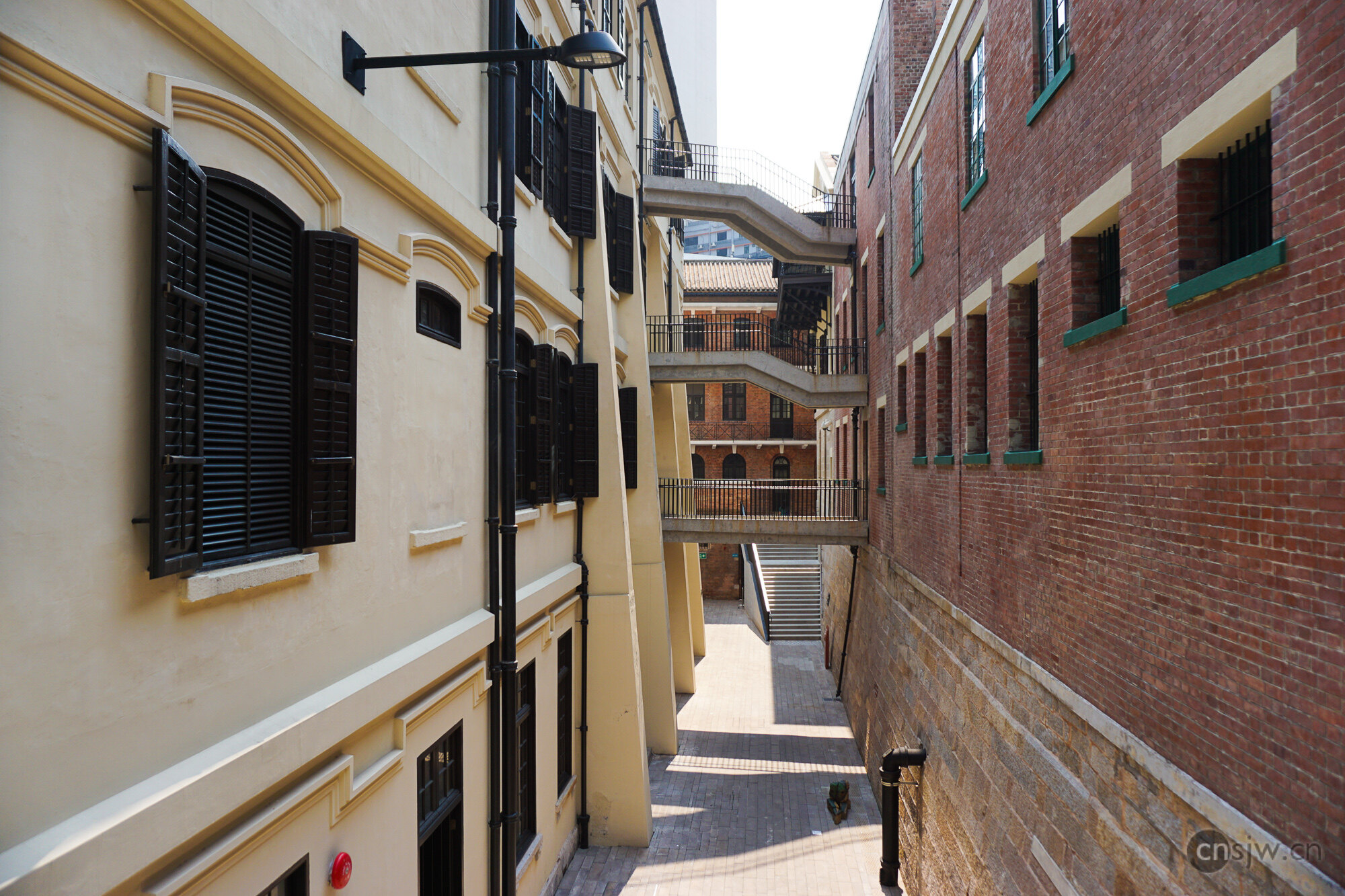
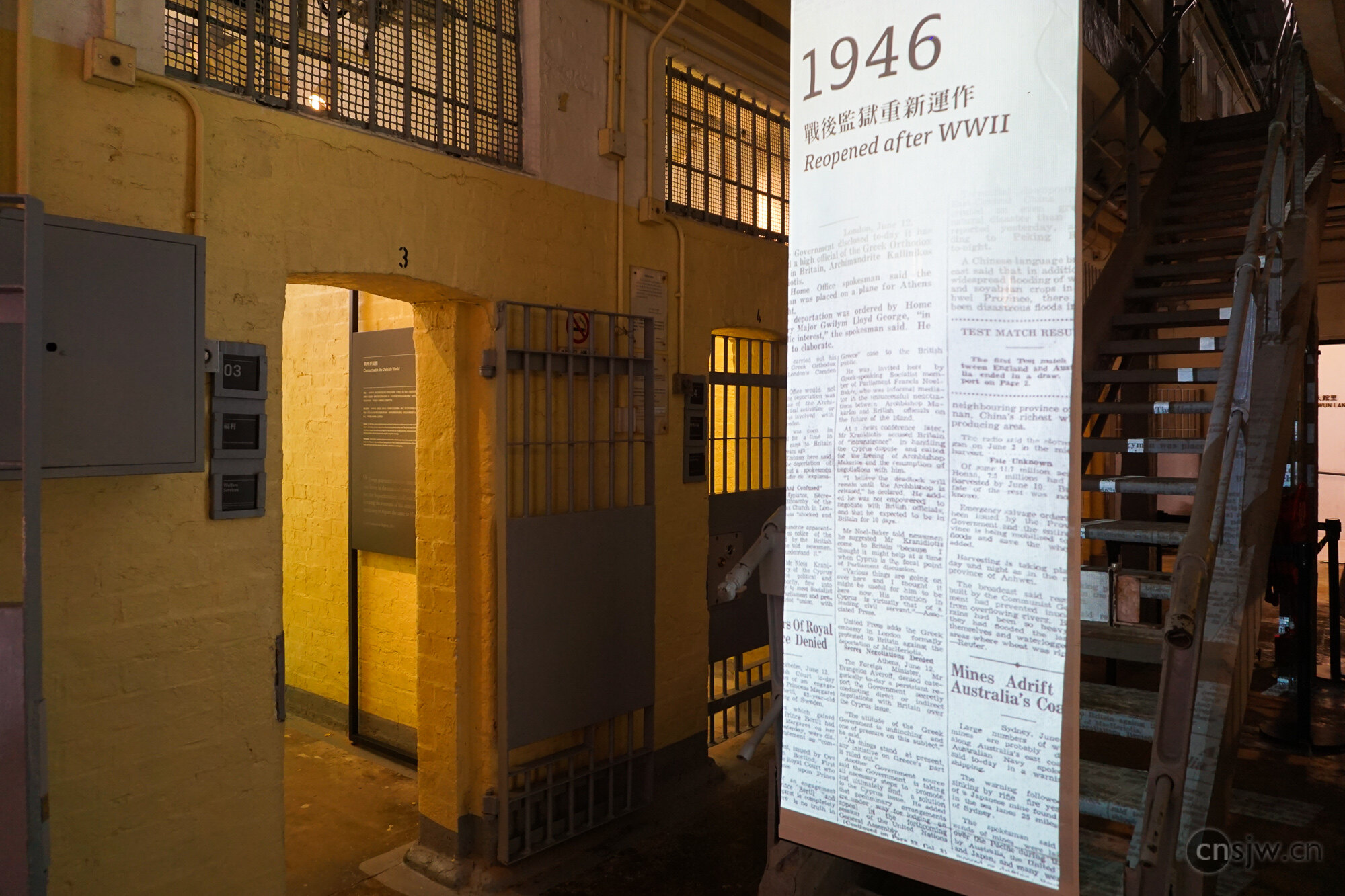
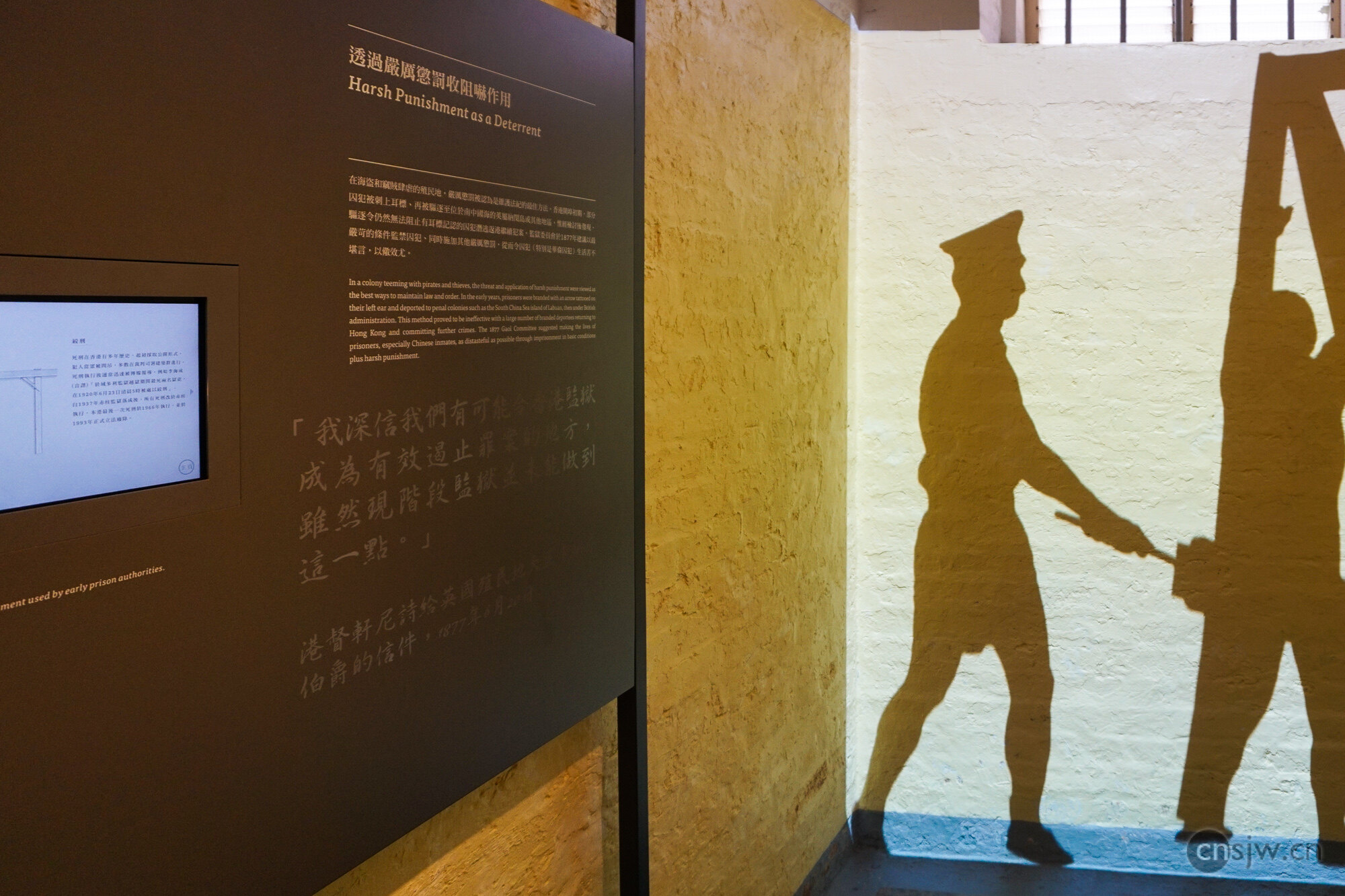
The exhibition spaces throughout Tai Kwun are exceptionally well-executed, utilizing various modern technologies to interpret the traditional architecture. This is ‘Life Behind Bars at Victoria Prison’ in Block 12:
Block 14 and Block 17 next to the Prison Yard:

Next, we arrive at the two new buildings, giving a real sense of what it means to survive in tight spaces…
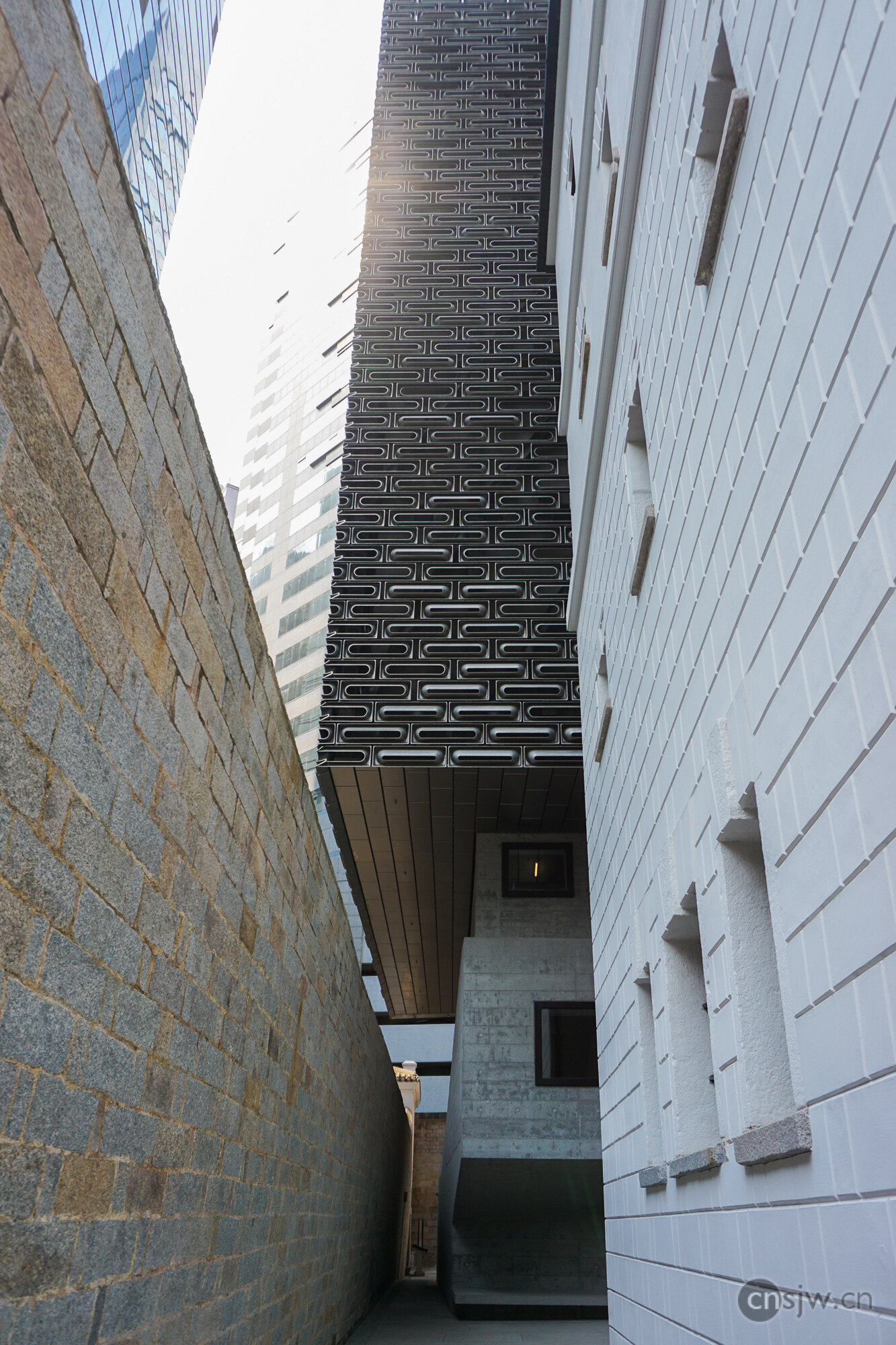


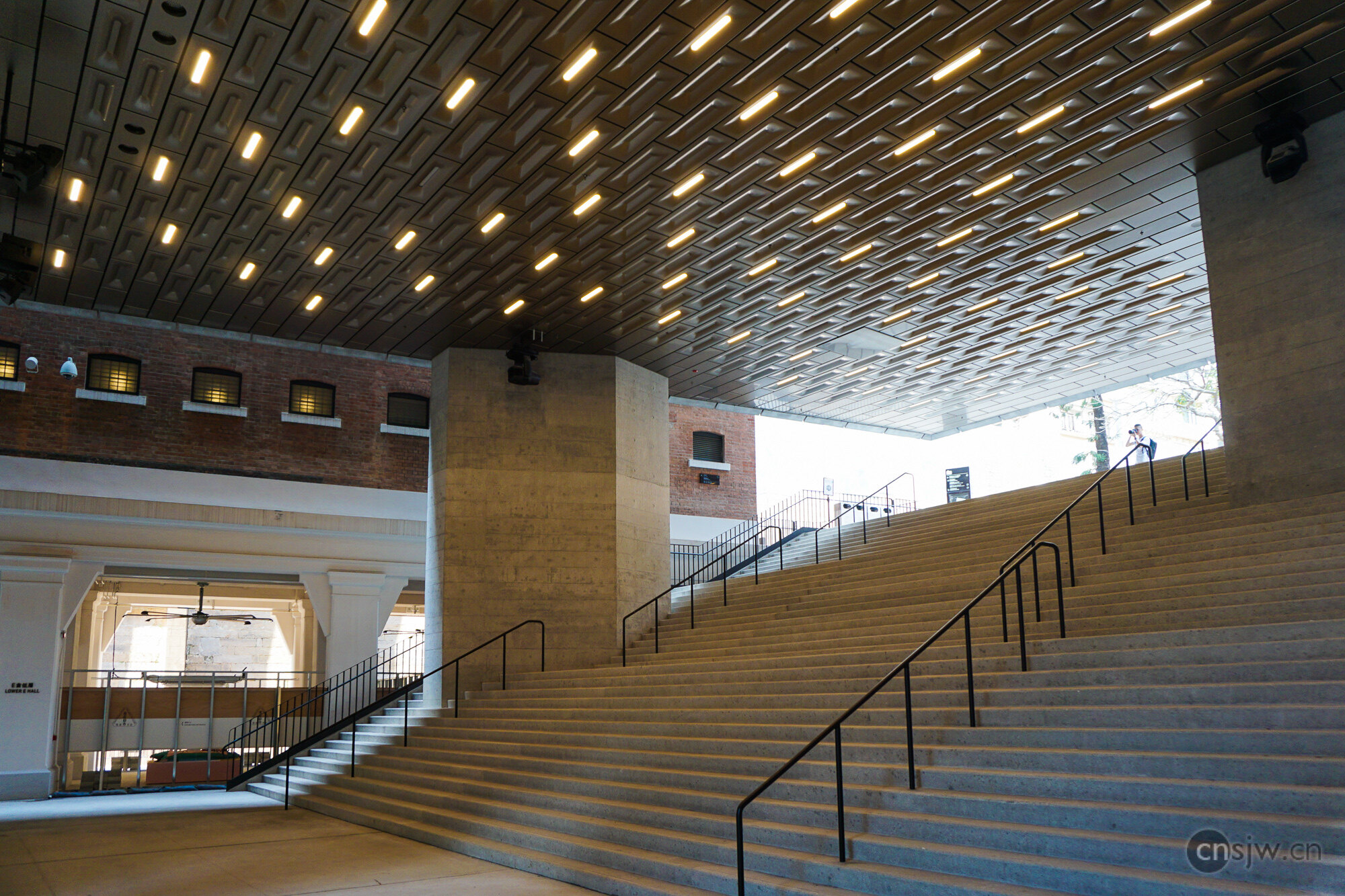
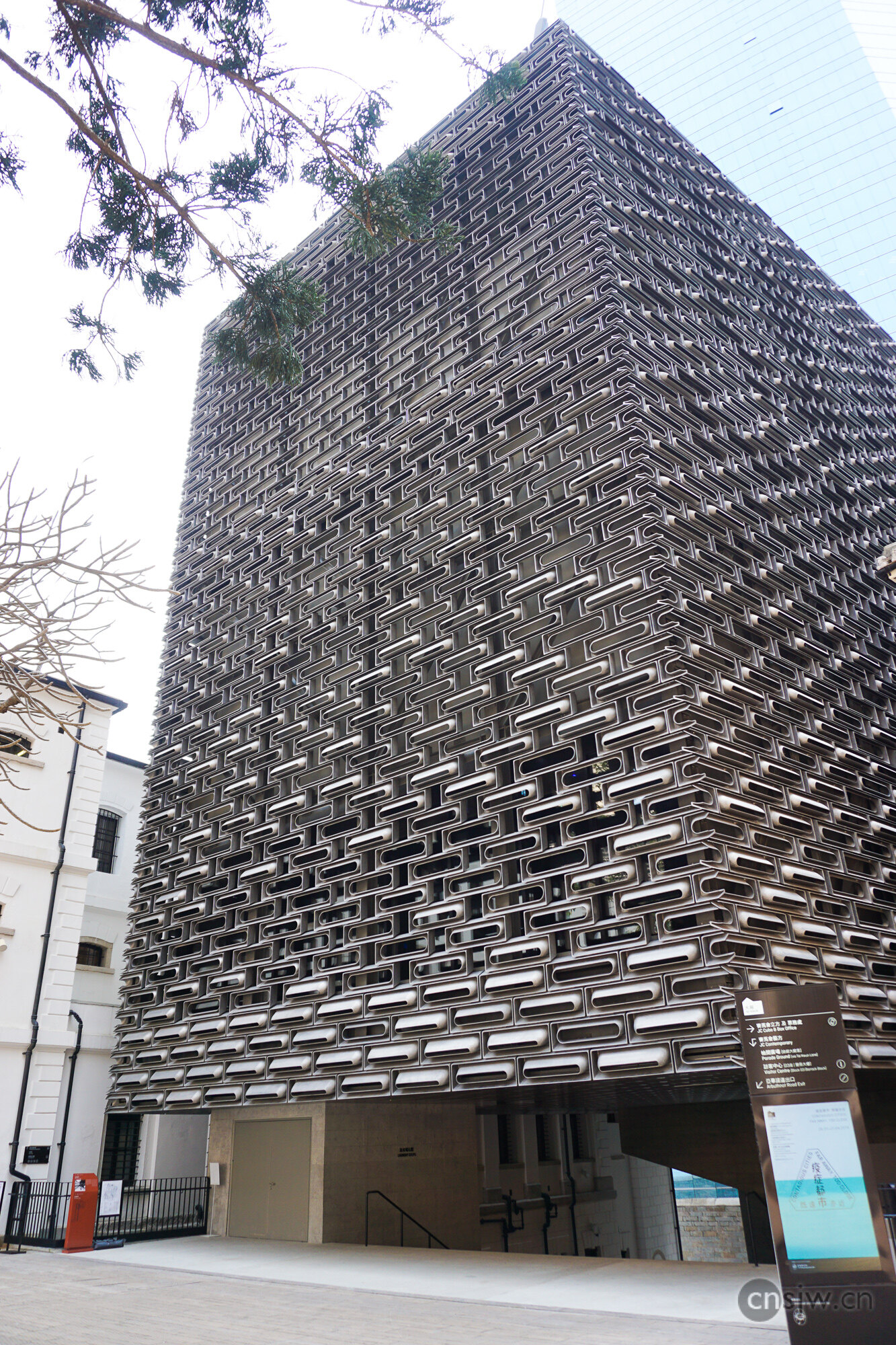
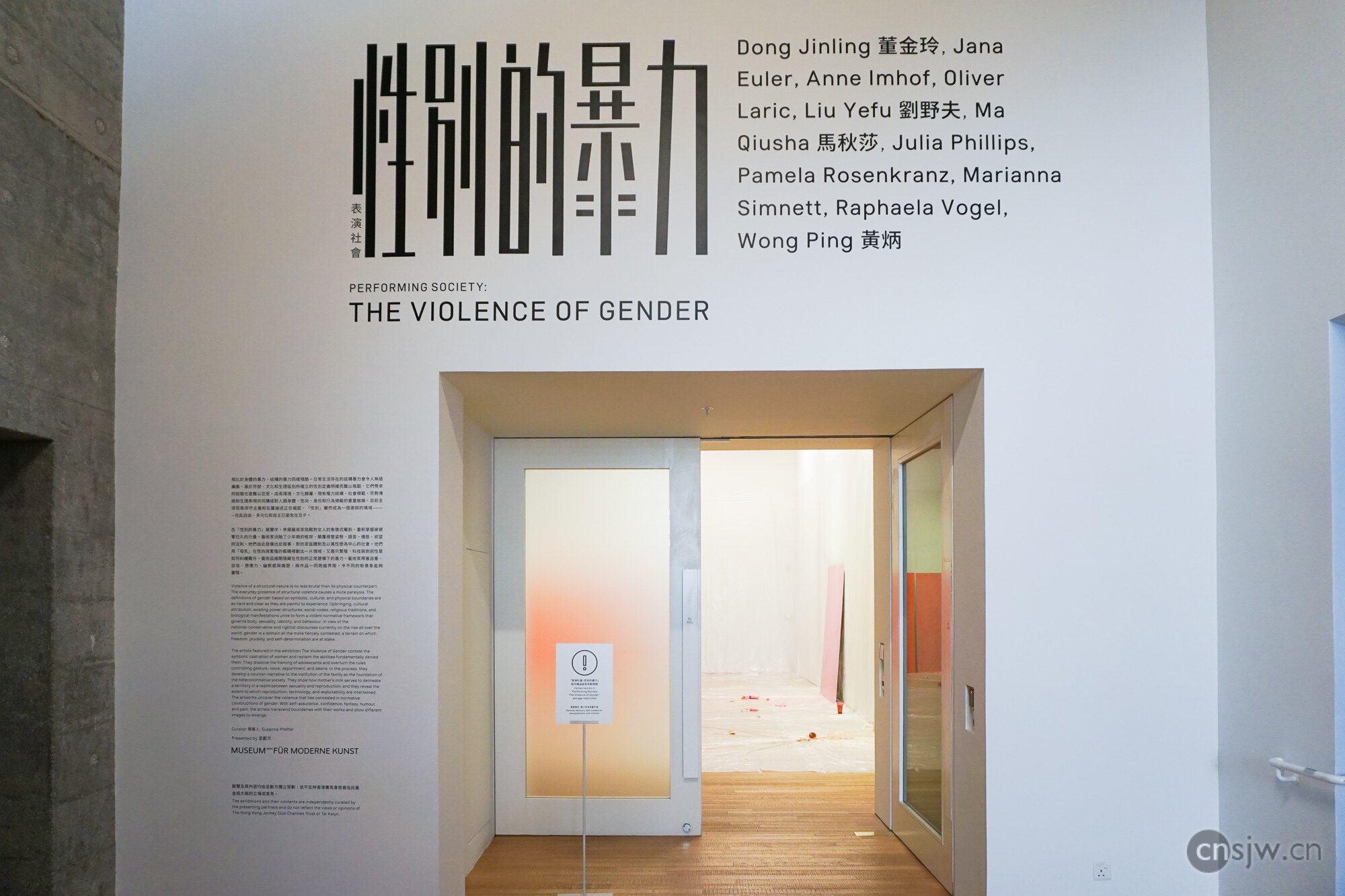
JC Cube is a theater and is naturally closed to the general public outside of performances, while JC Contemporary is an art museum where most exhibitions are free. Even the staircase inside is an art installation, making it an absolute hotspot for social media photos. The exhibitions on the day included an 18+ art show titled ‘Performing Society: The Violence of Gender,’ which, as the name suggests, focuses on women, and another titled ‘Infectious City: Epidemics Near and Far,’ themed around infectious disease prevention. I must say the quality of both exhibitions was quite high and well worth seeing. However, I won’t post photos of the exhibitions here; instead, here are a few shots of the famous Instagram-worthy staircase.
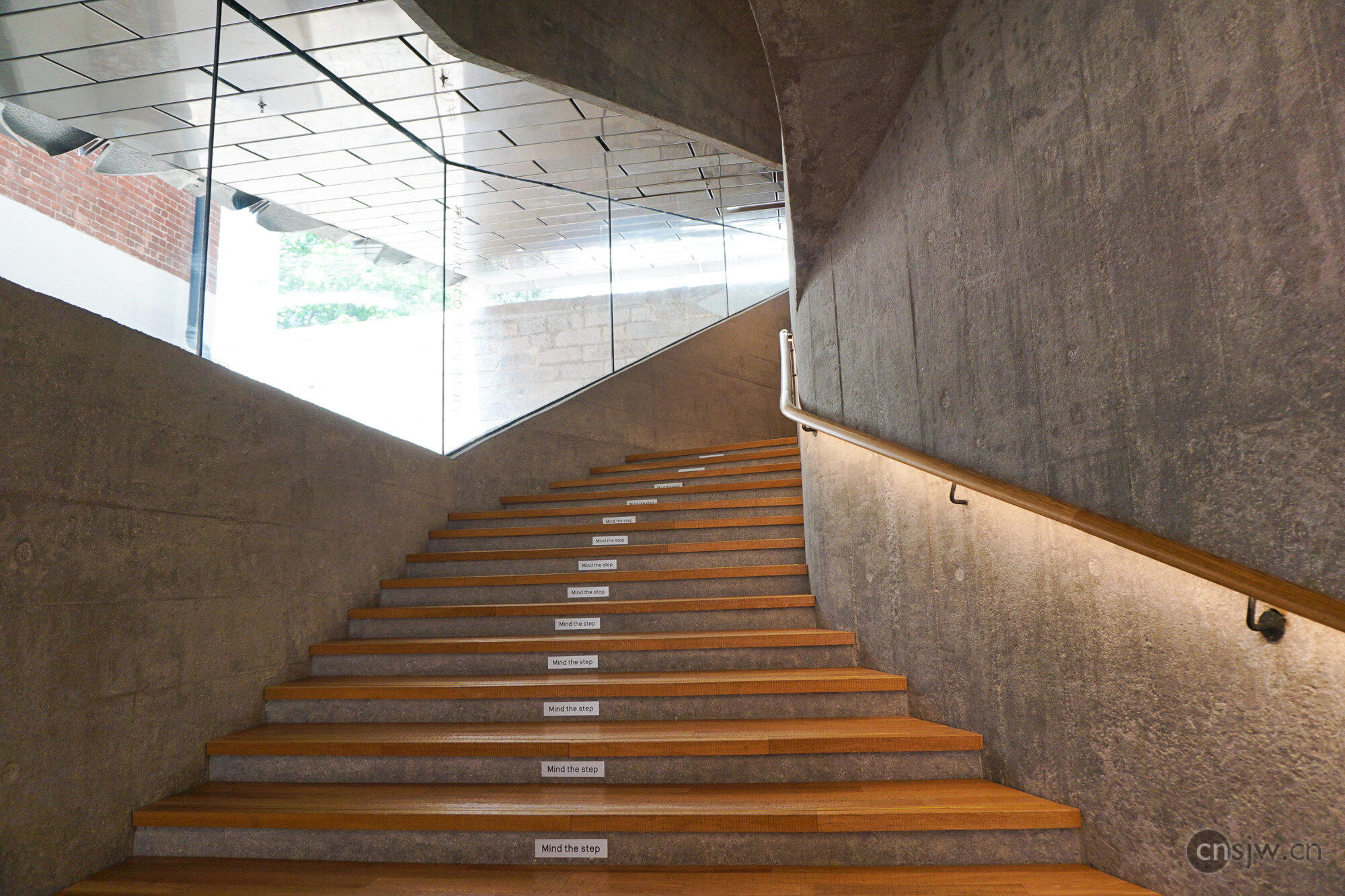

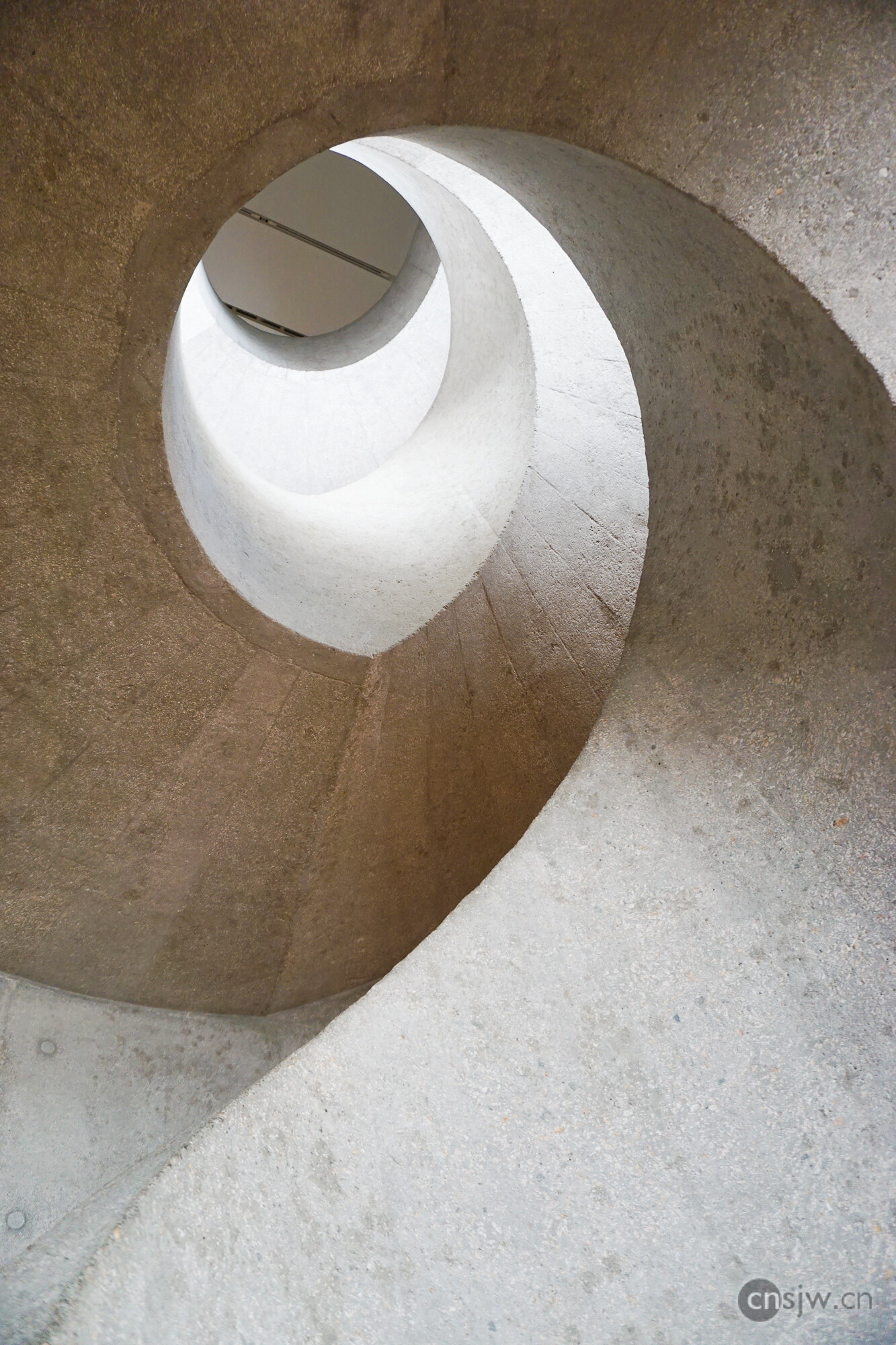

Photos in this post taken with SONY A5100 + 16-50 f3.5-5.6, post-processed in Lightroom.

Support



Read this article on WeChat