
Kindle’s updates are even more incremental than Intel’s, releasing new products only once every few years, with each update being extremely minor. Over these four years, we’ve seen the Oasis launched and then discontinued a year later, the Voyage launched and then discontinued four years later… Ultimately, the market is left with only three products: the ultra-low-end Kindle, the Paperwhite 3, and the Oasis 2~~~
The timeline is as follows:
- Paperwhite 2, released on September 3, 2013, and launched in China in mid-2014. Specs: 1GHz single-core / 256MB / 4GB / 1024*768 / 1470mAh / 206g.
- Voyage, released on September 18, 2014. Resolution increased to 300 PPI, added ambient light sensor, virtual touch page-turn buttons with haptic feedback. It was the flagship product at the time. Specs: 1GHz single-core / 512MB / 4GB / 1448*1072 / 1320mAh / 180g.
- Paperwhite 3, released on June 30, 2015. Resolution matched the Voyage, but otherwise almost identical to the Paperwhite 2. Specs: 1GHz single-core / 512MB / 4GB / 1440*1072 / 1320mAh / 205g.
- Oasis 1, released on April 18, 2016. A thoughtfully designed device intended to be Kindle’s flagship, featuring physical buttons, auto-rotating screen via accelerometer, and an incredibly lightweight build. However, because most improvements were in relatively insignificant areas, it performed poorly in the market and was discontinued just one year after launch. Those who bought it must have felt completely screwed…. Specs: 1GHz single-core / 512MB / 4GB / 1440*1072 / 245mAh (1535mAh with battery cover) / 131g (238g with battery cover).
- Oasis 2, released on October 12, 2017. The all-new flagship model. Besides a larger screen and waterproof metal body, it finally features a dual-core CPU, more storage space, and strikes a great balance between battery life and weight. Specs: 1GHz dual-core / 512MB / 8GB / 1680*1264 / 1000mAh / 194g.
Here you can clearly see the incremental, toothpaste-squeezing style of Kindle’s hardware upgrades, while also recognizing the Oasis 2’s flagship status in the e-reader market.
Previously, I wasn’t satisfied with Kindle’s built-in system fonts and didn’t expect them to update them since I rarely used the device for reading. Unexpectedly, last month’s system update suddenly allowed custom font installation. This is a game-changer; combined with the 300 PPI screen, the display effect is nearly identical to printed text, which is extremely satisfying. Additionally, four years ago, I bought the Kindle Paperwhite 2 for 900 yuan. After four years of use, I was still able to sell it on AiHuishou for 300 yuan. That works out to just over 100 yuan per year, which is pretty decent.
Let’s take a look at some photos comparing the Oasis 2 and Paperwhite 2 below.

The screen is incredibly crisp:
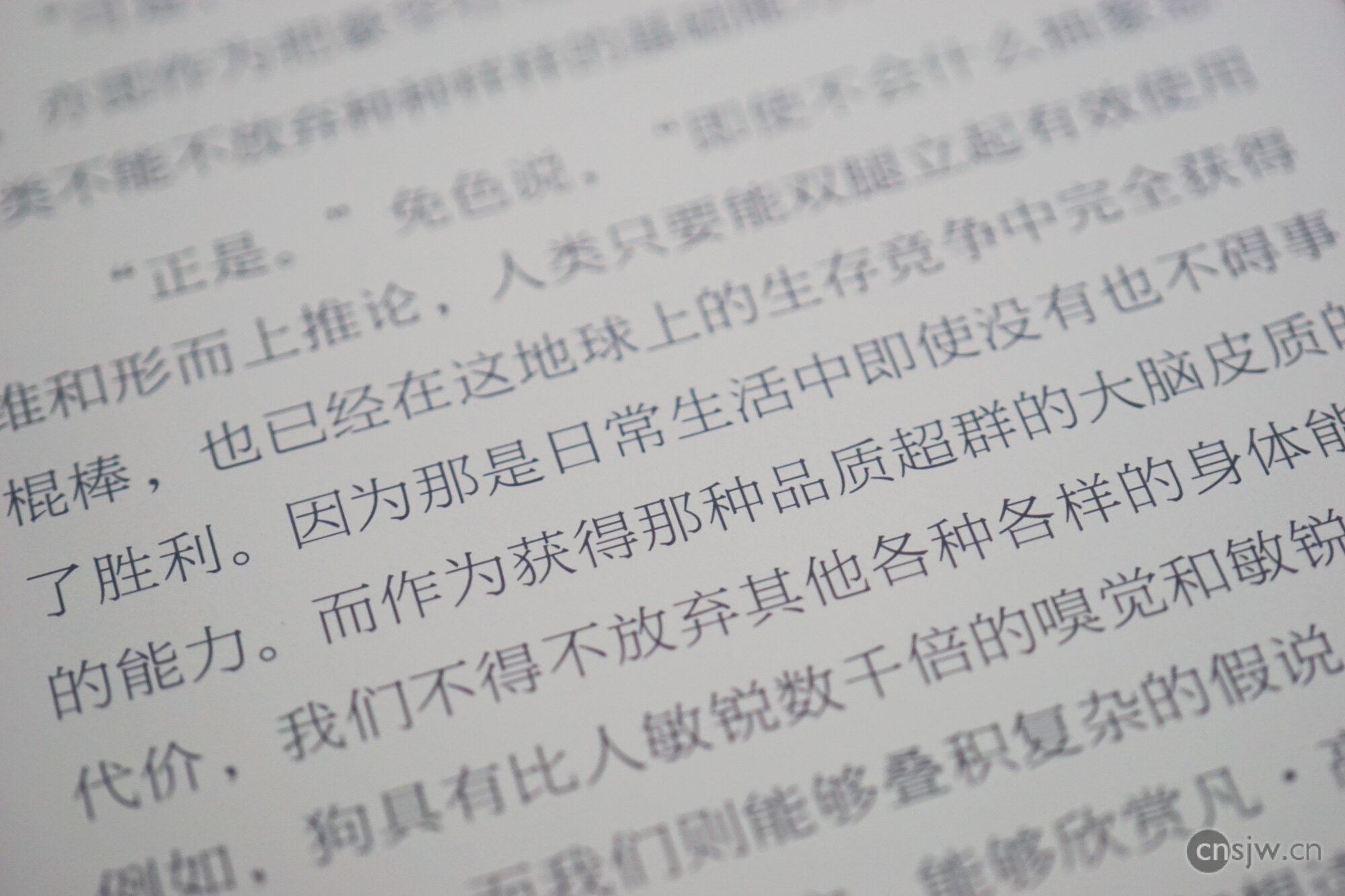
Paperwhite 2 212 PPI screen:
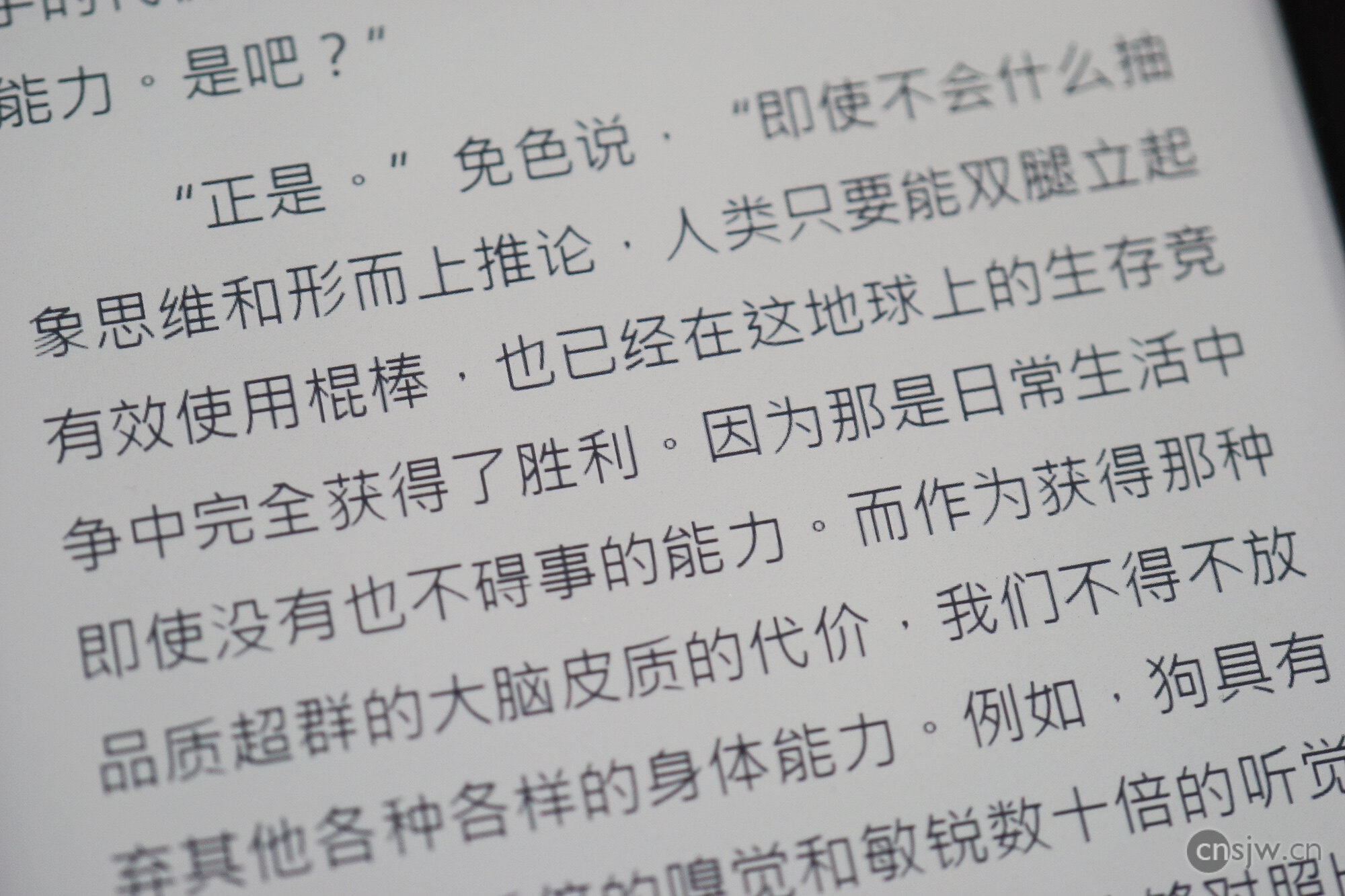
Oasis 2 300 PPI screen:
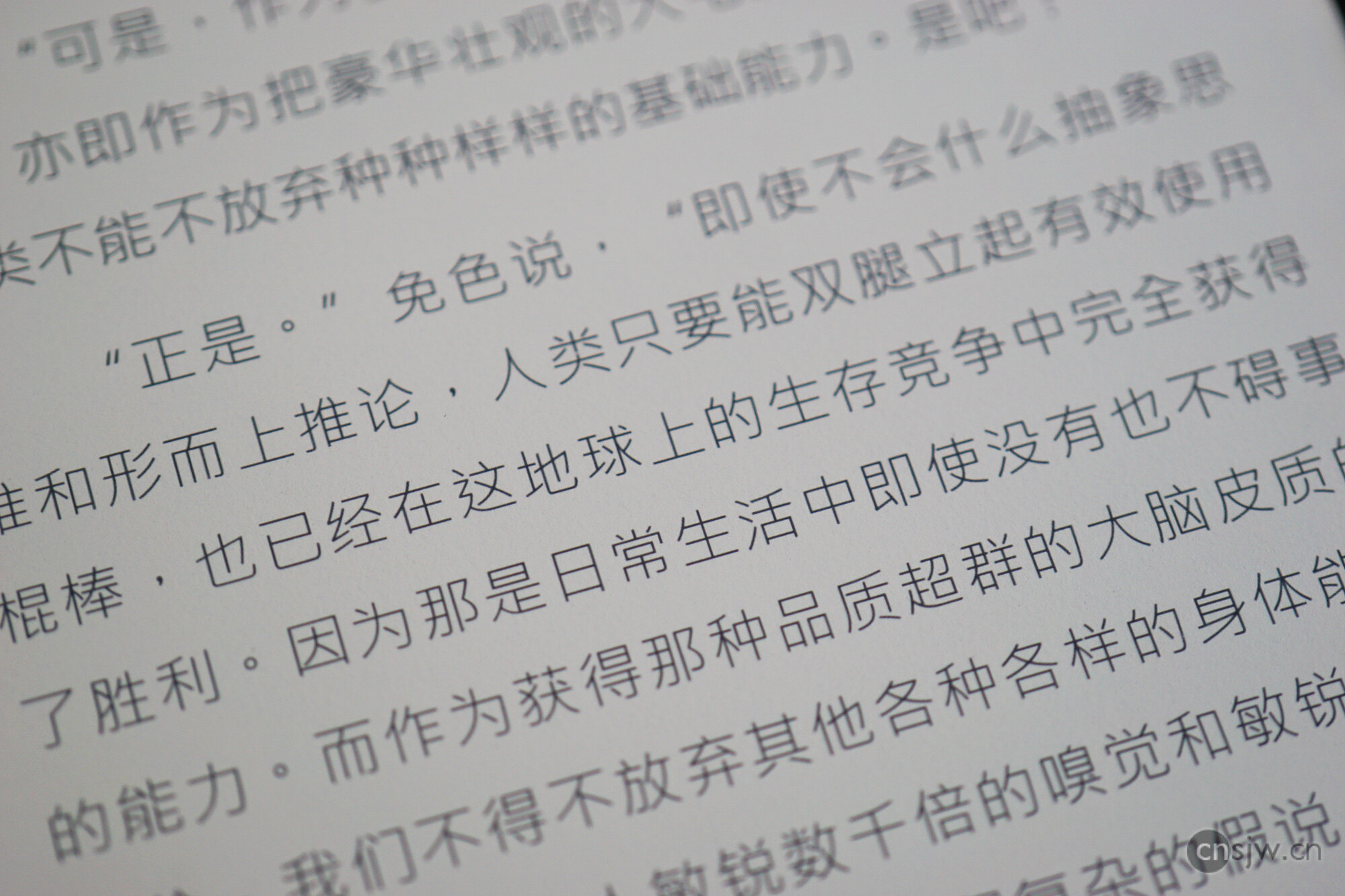
Let’s zoom in with a macro shot:
Paperwhite 2 212 PPI screen:

Oasis 2 300 PPI screen:

Looking at system screenshots, with the same font size 6, the 7-inch screen displays approximately 15% more content than the 6-inch screen.
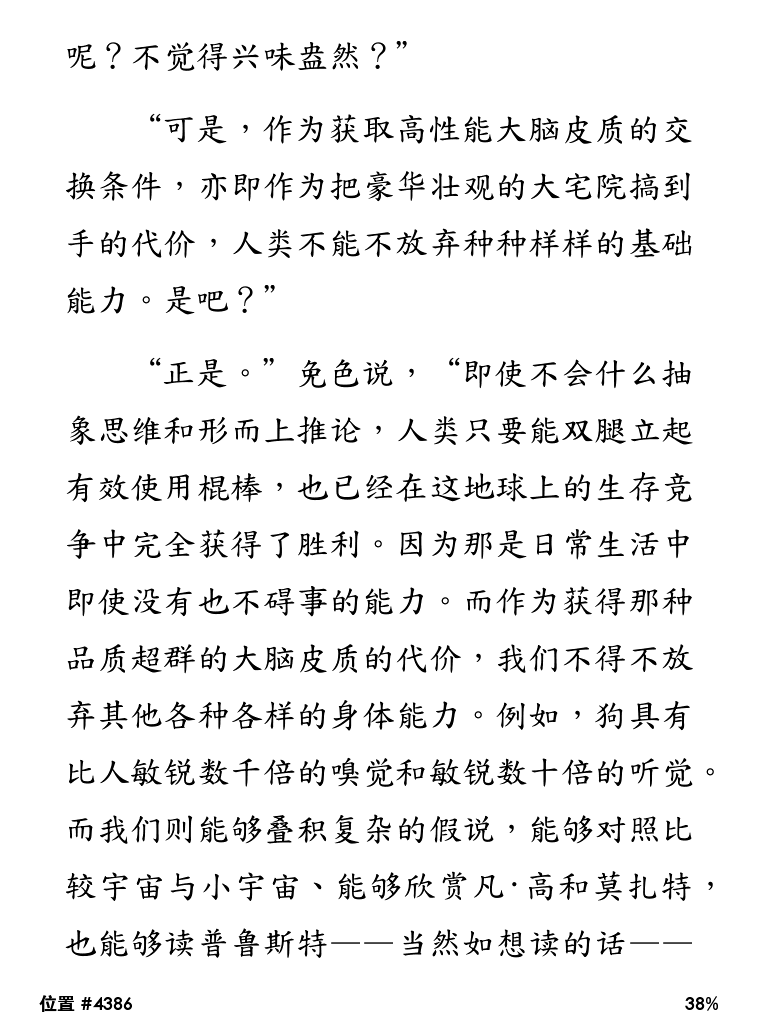

Comparing the exterior design, the screen is noticeably larger, the bezels are narrower, and the actual weight has decreased by 10g. Combined with the non-flat back, the grip feels excellent.
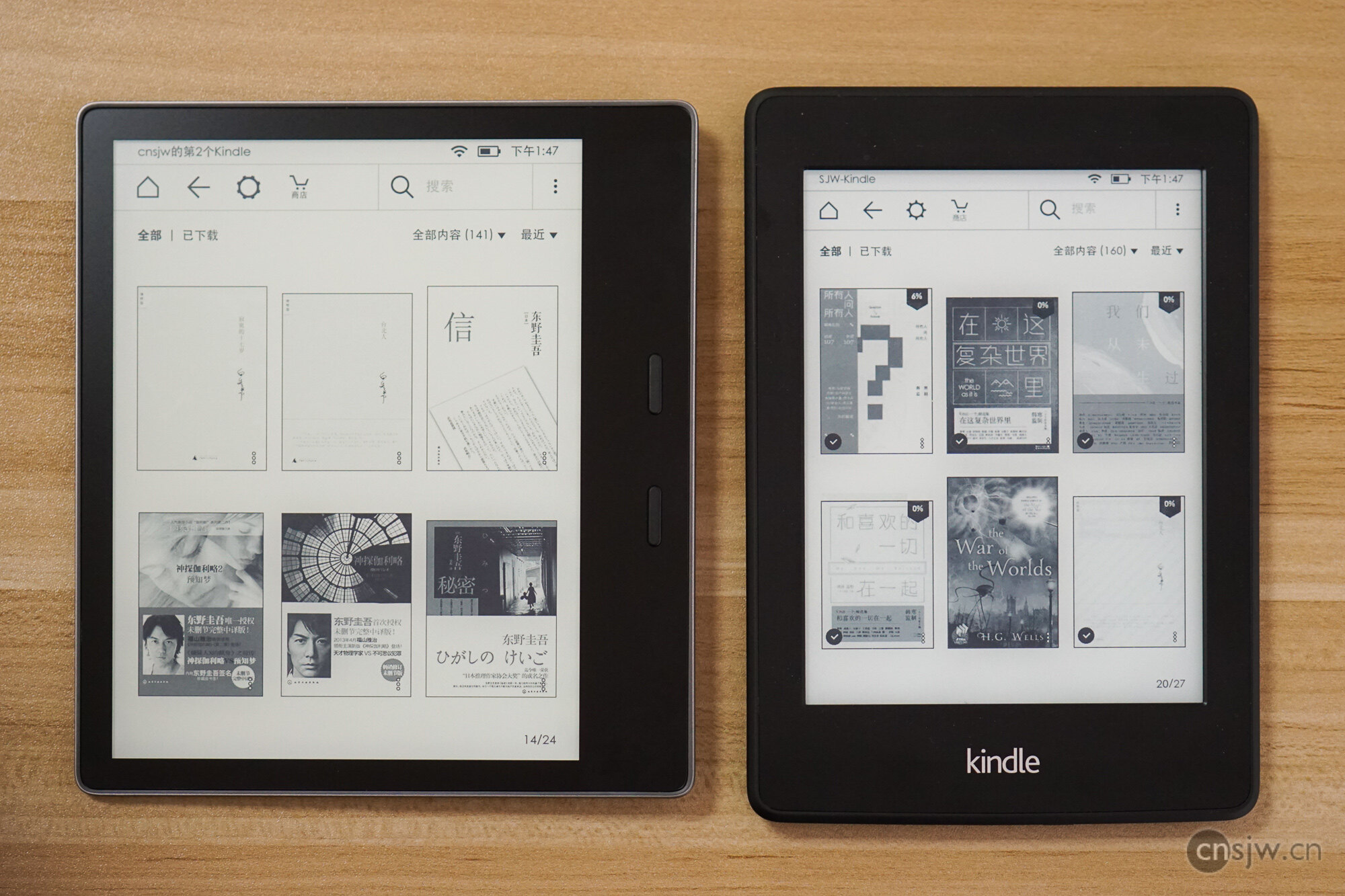
In summary, as the current flagship model, the Kindle Oasis 2 delivers a reading experience superior to traditional books. With the same high resolution, built-in lighting, lighter and thinner profile, cheaper book prices, online content updates, and instant dictionary lookup, it’s hard to beat. Although I love the tactile feel of paper and print, the weight of physical books, the lack of disposal options after reading, the space they occupy, and the heavy burden when moving house have made me increasingly inclined toward e-books.
I have to say that Kindle’s system and content ecosystem are becoming increasingly refined. On the hardware side, it includes almost everything you could need: waterproofing, a metal back, accelerometer, ambient light sensor, physical page-turn buttons, and even Bluetooth connectivity for listening to audiobooks via Bluetooth headphones (English only). As for minor drawbacks, likely due to the dual-core processor and the LED count increasing several times over—from 4 LEDs on the Paperwhite to 12 on the Oasis 2—along with the larger screen, the battery isn’t as strong as the Paperwhite’s. Heavy users might need to charge it every few days. Also, when holding it, if the corners dig into your palm, it can feel slightly uncomfortable.
Photos in this post taken with SONY A5100 + 50mm f2.8, post-processed in Lightroom.

Support



Read this article on WeChat