
With Apple Pay launching in mainland China a couple of days ago, it has received plenty of attention from both the media and users. On the first day alone, 38 million cards were added. Due to overwhelming enthusiasm, the servers even went down briefly, but according to the official status page, all services are now running normally. Those who couldn’t add their cards earlier can give it another try.
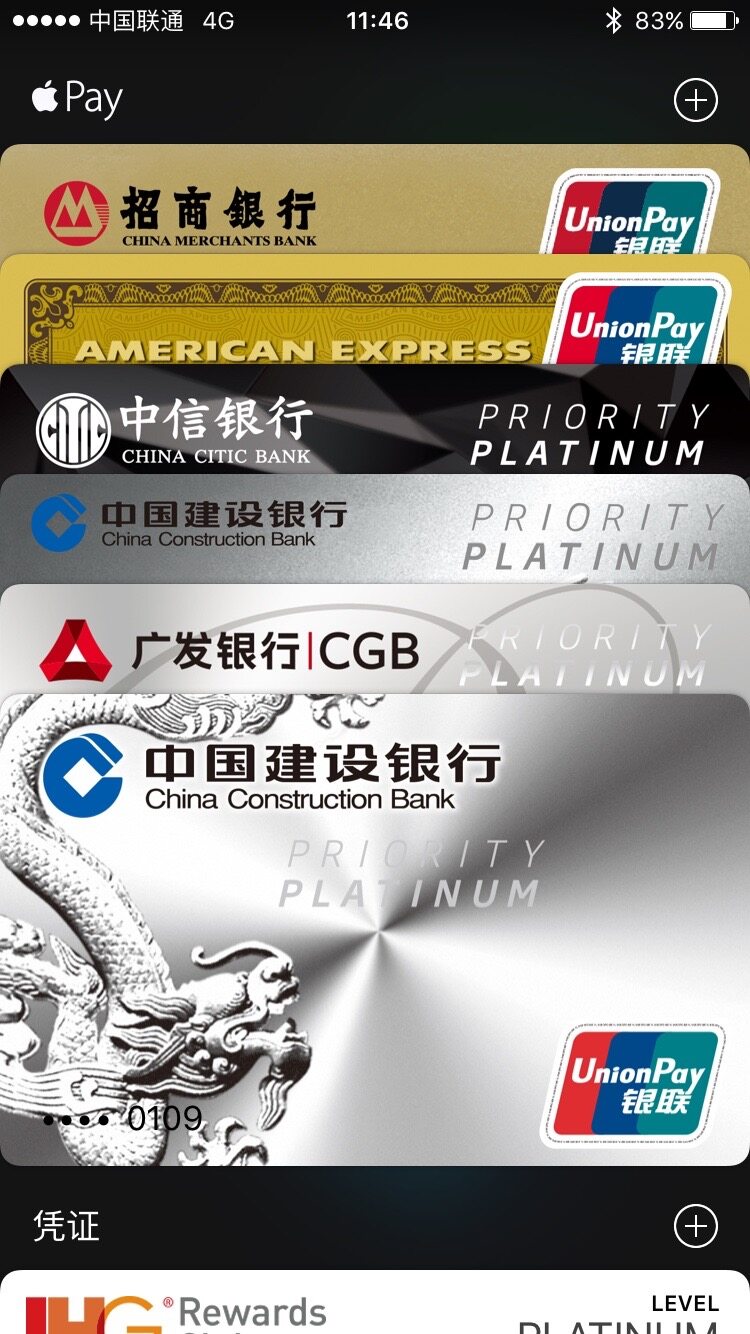
Articles about Apple Pay are everywhere right now, and some are so long they’re hard to digest. So, to help everyone better understand the differences between Apple Pay and Alipay, let’s break down the basics…
Apple PayIt uses UnionPay’s QuickPass service. Once a card is added to your phone, a virtual card linked to the physical card is generated on the device. This virtual card shares the same account as the physical card, allowing for deposits, withdrawals, and purchases, but it has a different card number. A single physical card can have multiple virtual cards, meaning it can be added to many different devices (including iPhone, iPad, Apple Watch, and even someone else’s iPhone…). Switching devices requires re-adding the card. The virtual card number is stored directly on the device, so no internet connection is needed during use—just the device itself. You could even go for a run without your phone and still make payments using just your Watch.
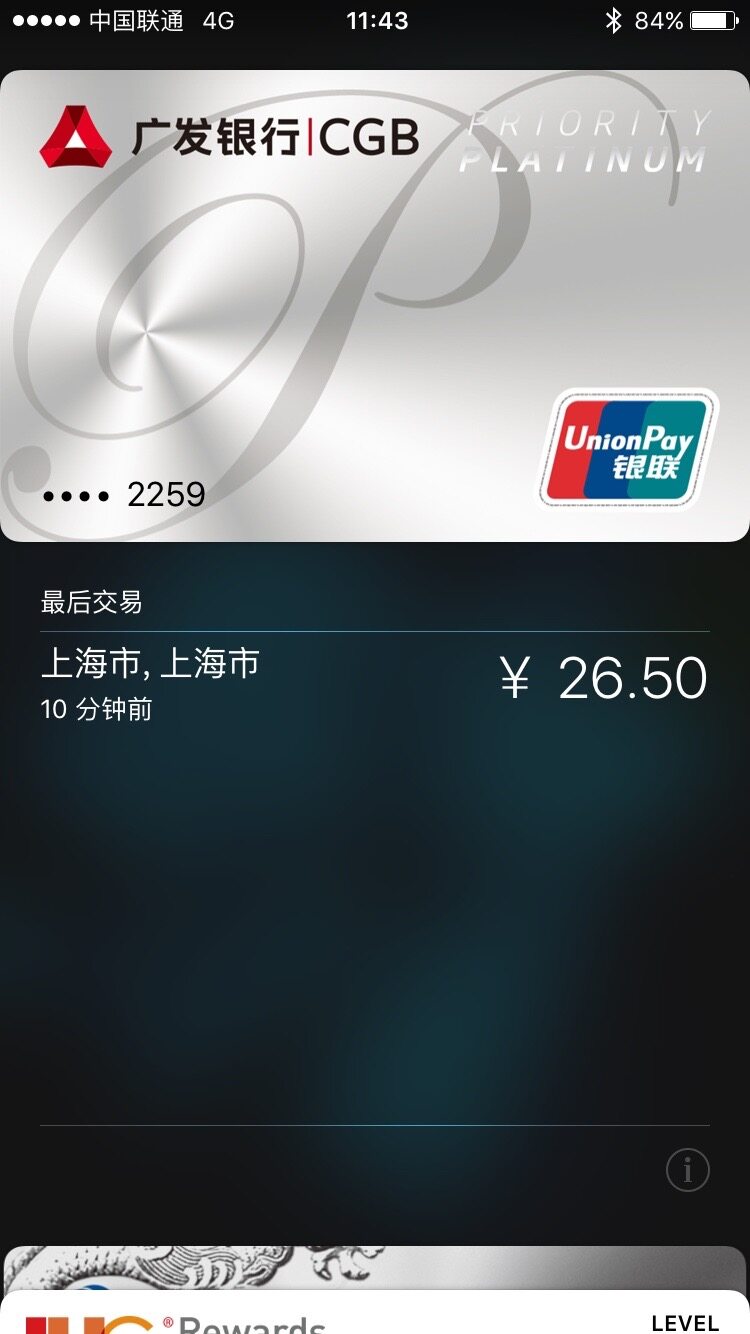
Every Apple Pay transaction works exactly like swiping your physical card. The money doesn’t pass through Apple; it goes directly from the bank via UnionPay to the merchant. Therefore, transactions are considered offline. The advantage is that, theoretically, any POS terminal supporting QuickPass can be used—in Shanghai, practically all UnionPay POS terminals should work. You can participate in any offline bank card promotions and earn reward points. The downside is that if a POS terminal hasn’t been upgraded, you may still be asked to enter your PIN and sign after tapping your phone. If it has been upgraded, transactions under 300 yuan are PIN-less and signature-free. Also, since Apple essentially just facilitates the card swipe, the transaction history in Wallet only confirms the swipe was successful; UnionPay handles the rest. Wallet cannot tell you whether the actual transaction succeeded—you’ll need to check your credit card statement for that.
Alipay and WeChatThese are account-based third-party payment platforms. Once logged into an account, all your information is there. Money flows from the bank through Alipay/WeChat to the merchant. The advantages include rich features: repaying credit cards, paying utility bills, topping up mobile credit, etc. The barrier to entry is low, making it easy for small shops to support Alipay, though getting a UnionPay POS terminal might be difficult. The downsides are that you need an internet connection to generate the QR code, and banks treat all Alipay transactions as online transactions, which often means no reward points, exclusion from promotions, and frequent limits on large amounts. Additionally, Alipay supports far fewer merchants than UnionPay.
As for user experience, under ideal conditions (cashier knows how to operate, POS terminal upgraded), offline payments with Apple Pay require no unlocking, no ads, and no tapping a pay button—just hold up your phone to pay. Alipay requires unlocking, viewing ads, tapping pay, and sometimes confirming the payment. For online payments, Apple Pay doesn’t require jumping between apps, offering a much smoother experience.
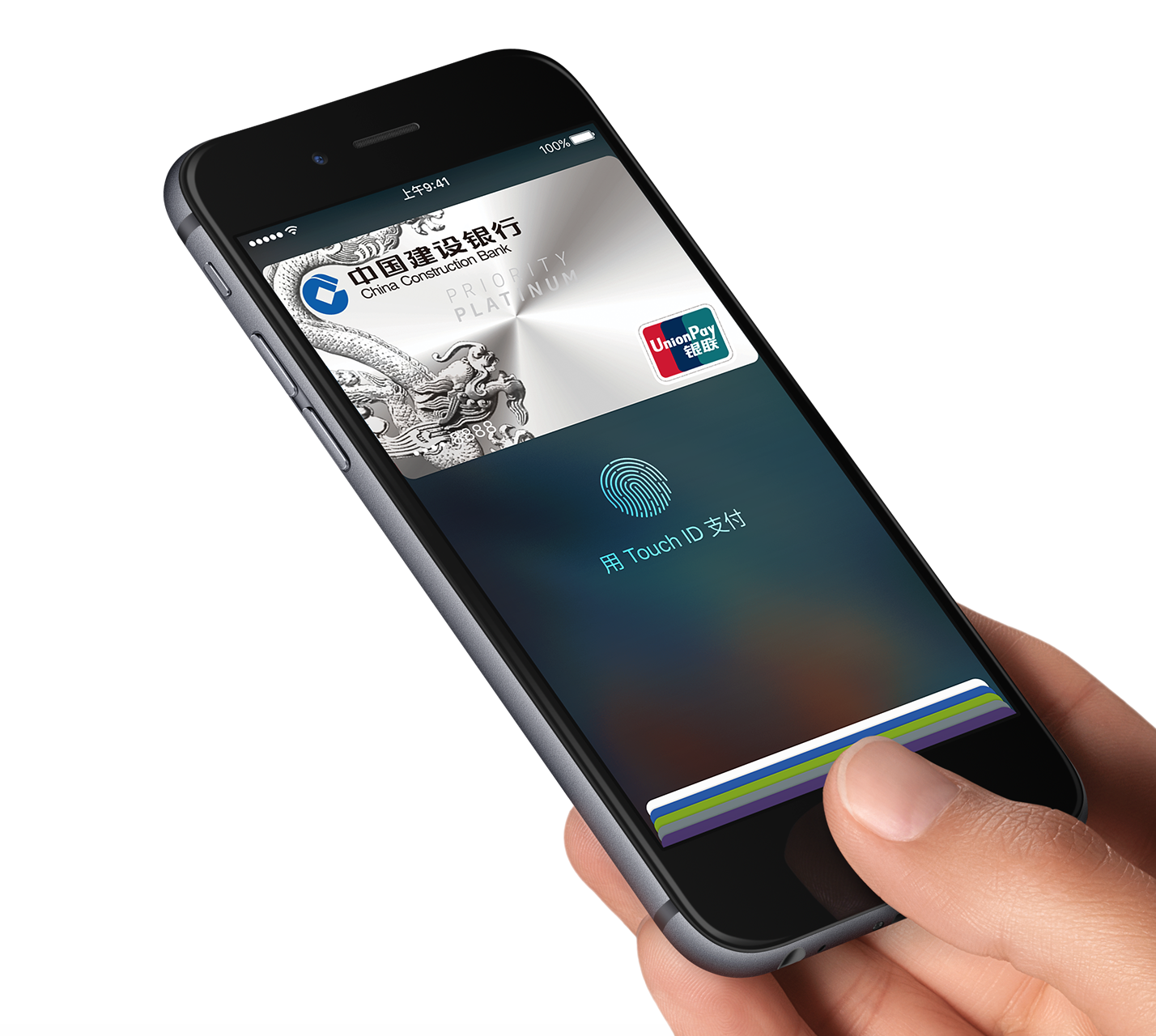
So, Apple Pay replaces your wallet. Once bank counters and ATMs fully support it, you could truly leave home without ever carrying a physical bank card again. However, given the current merchant coverage of Alipay and WeChat, leaving home without a wallet is still completely out of the question…
Let’s talk about security:
First off, iPhone security speaks for itself: Touch ID/Face ID plus hardware iCloud Activation Lock means you don’t have to worry about data leaks if lost. As for bank cards, although chip cards are gradually replacing magnetic stripe cards, dual-currency cards bearing both UnionPay and VISA/MasterCard/AE logos cannot be upgraded to chips due to incompatible chip standards, so they remain magnetic-stripe-only. These cards can still be added to Apple Pay, meaning you can safely leave these magnetic stripe cards in your wallet or at home, greatly reducing the risk of them being cloned.
Currently supported banks:

Banks coming soon:

I have to say, relying on UnionPay rather than building proprietary channels was quite a smart move. Given China’s current payment landscape, leveraging UnionPay’s mature transaction system and existing POS infrastructure—which only needs software upgrades to fully support Apple Pay—saved a ton of money… I hope banks will roll out more promotions to really popularize this system. UnionPay has pushed QuickPass for years, yet users didn’t want to use it and merchants didn’t know how. Honestly, UnionPay really dropped the ball back then…

Support



Read this article on WeChat