
The next day at noon, after checking out, we found a reliable Japanese yakiniku restaurant near Beiling Park. The difference between Japanese and Korean BBQ is like the difference between Cantonese and Sichuan cuisine: one focuses more on the quality of ingredients, while the other emphasizes seasonings. However, once people have tasted high-quality ingredients, they can easily distinguish the difference in quality. As a result, upscale Sichuan cuisine brands are gradually emerging.
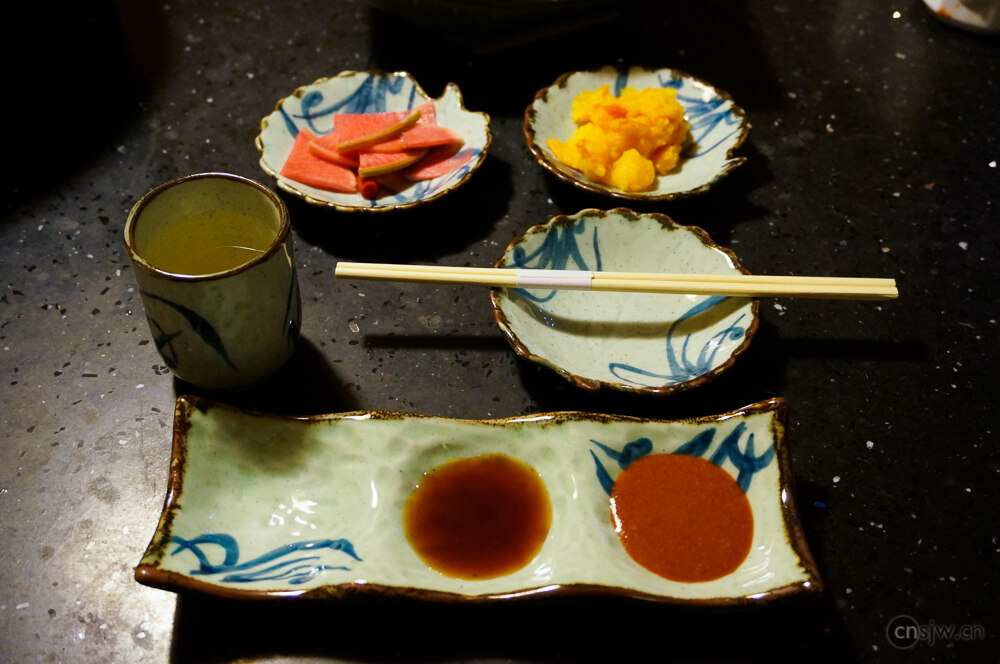
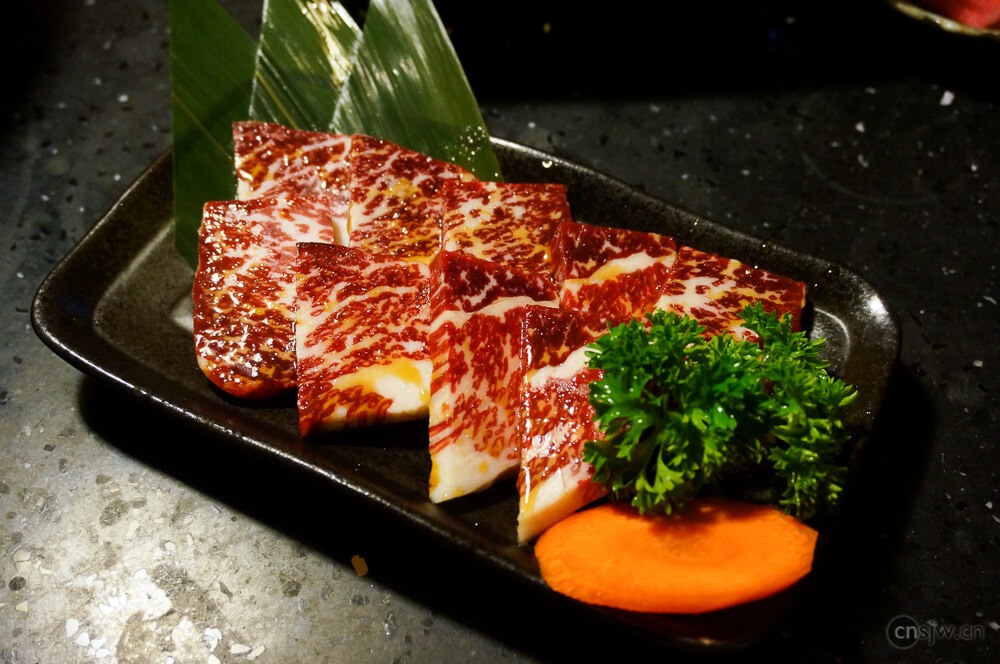
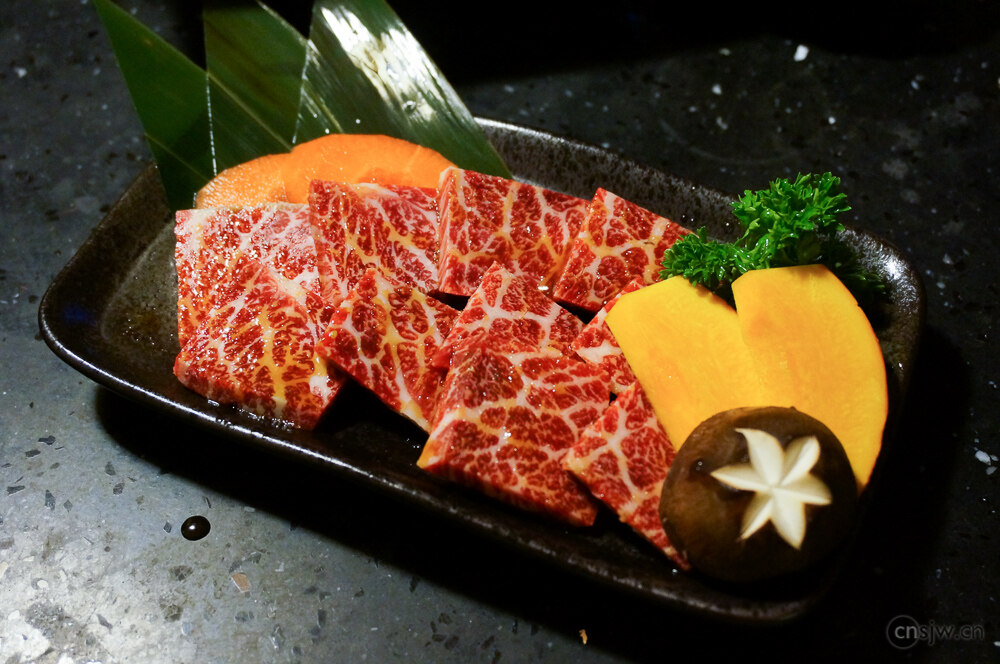
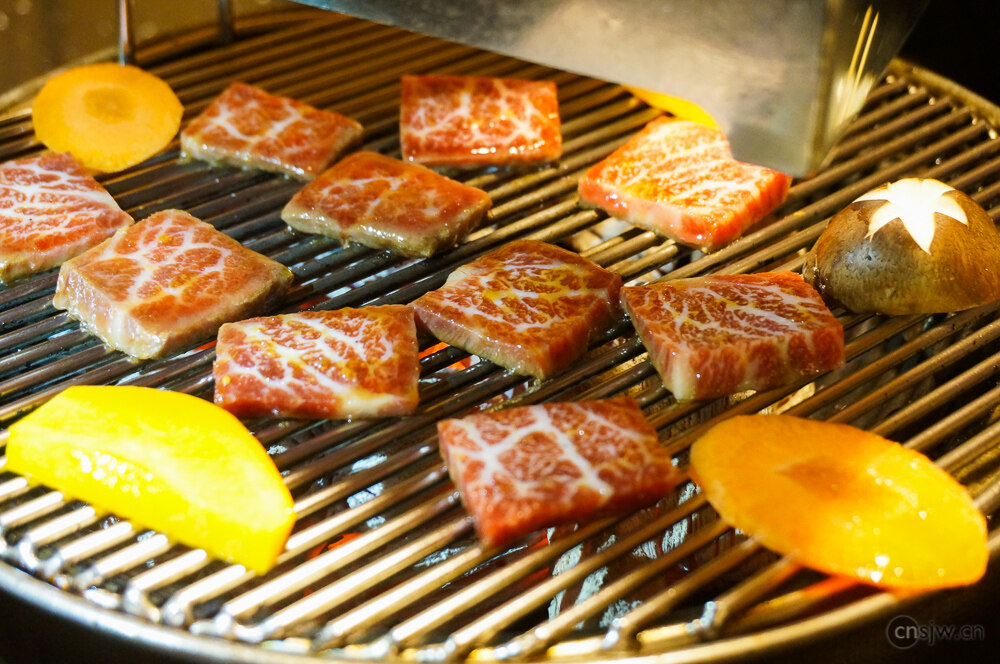
This Japanese yakiniku place is quite small; the second floor has only about three tables, and the third floor consists of private rooms. The decor is fairly Japanese-style, but the heating was severely inadequate. The service, however, was excellent. Since we had eaten too much in the morning, we ordered only two signature grilled meat dishes: Premium Chuck Roll and Premium Snowflake Beef. The meat quality was truly outstanding—after a simple sear, it was tender and juicy. The dipping sauce was relatively mild, and even just a pinch of salt was enough.
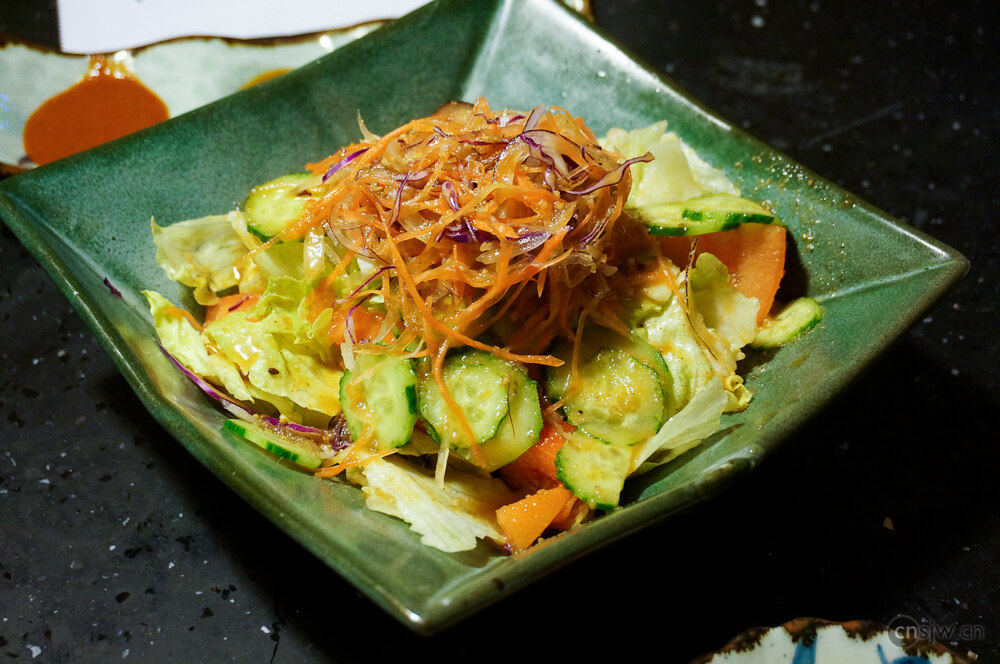
Signature Salad: nothing special, but very affordable and served chilled, making it perfect for summer…
Premium Snowflake Beef
Premium Chuck Roll
In the afternoon, we visited the nearby Huafu Xintiandi. It’s not far from the North Railway Station and within walking distance. Inside, there’s a CGV cinema with an IMAX theater, but the mall suffers from a severe lack of foot traffic—even on weekends, it feels quite empty. For dinner, we decided to eat at the adjacent Shanghai Min to see how Shanghai cuisine prepared outside of Shanghai would taste.
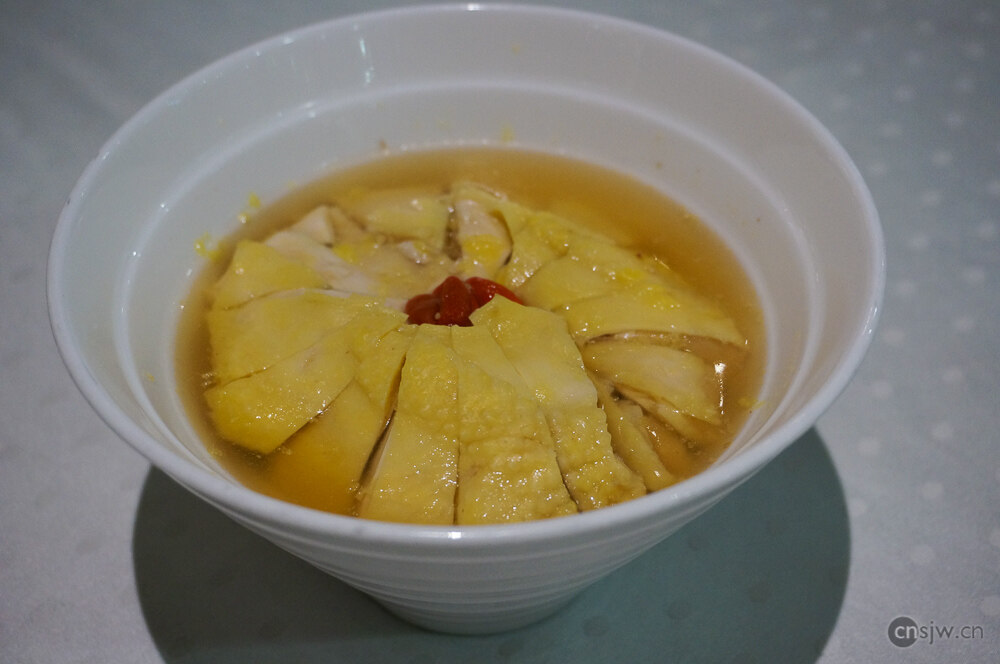
Drunken Chicken: very authentic… hmm…
Roasted Pigeon: the flavor was fine, but the pigeon wasn’t plump enough.

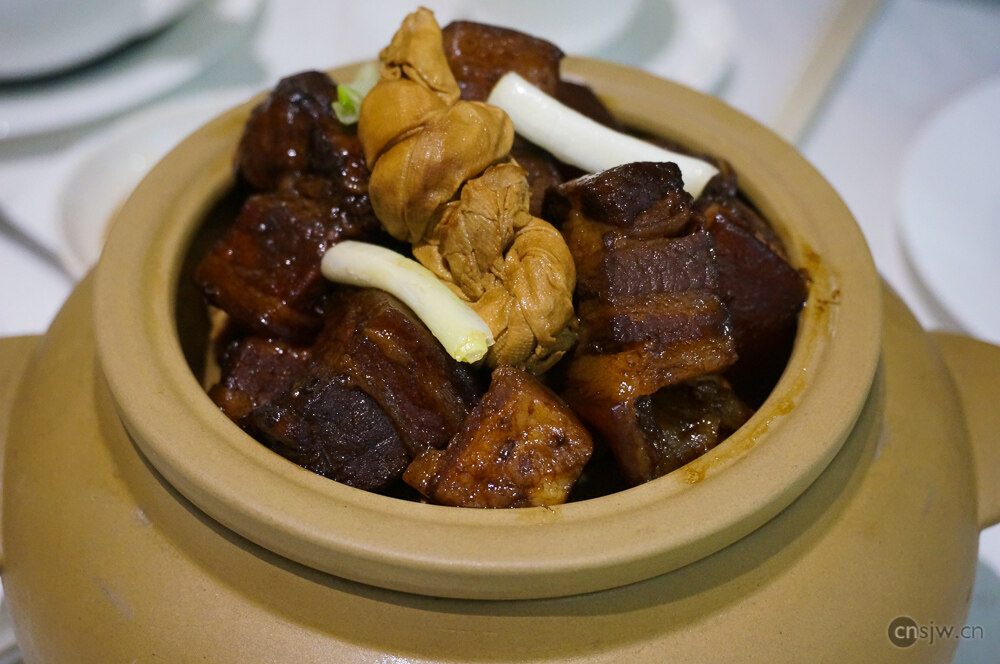
Braised Pork Belly: compared to the version in Shanghai, this one clearly had more soy sauce and less sugar, resulting in a significantly different taste. Considering that roasted meats in Northern China tend to be salty, it became clear that these signature dishes have been localized for Northern palates. I can understand this kind of localization—when locals aren’t yet accustomed to flavors from another region, adapting dishes to suit local tastes makes sense. However, it’s still hard to accept: we came specifically for Shanghai cuisine, only to end up eating a Northeastern-style version of it, which was quite frustrating. Similarly, in Shanghai, I’ve had Guo Bao Rou (sweet and sour pork) that was cloyingly sweet, yet the restaurant still received high ratings. I suppose you could ask the chef to prepare the dish in the traditional Shanghai style—I might try that next time if I get the chance… But nowadays in Shanghai, more and more authentic restaurants are opening up, no longer adapting to local tastes but instead striving to recreate the original flavors from their regions of origin. People living away from home often prefer to taste the flavors of their hometowns, so promoting authentic regional cuisines should be the direction for restaurants operating outside their native regions.
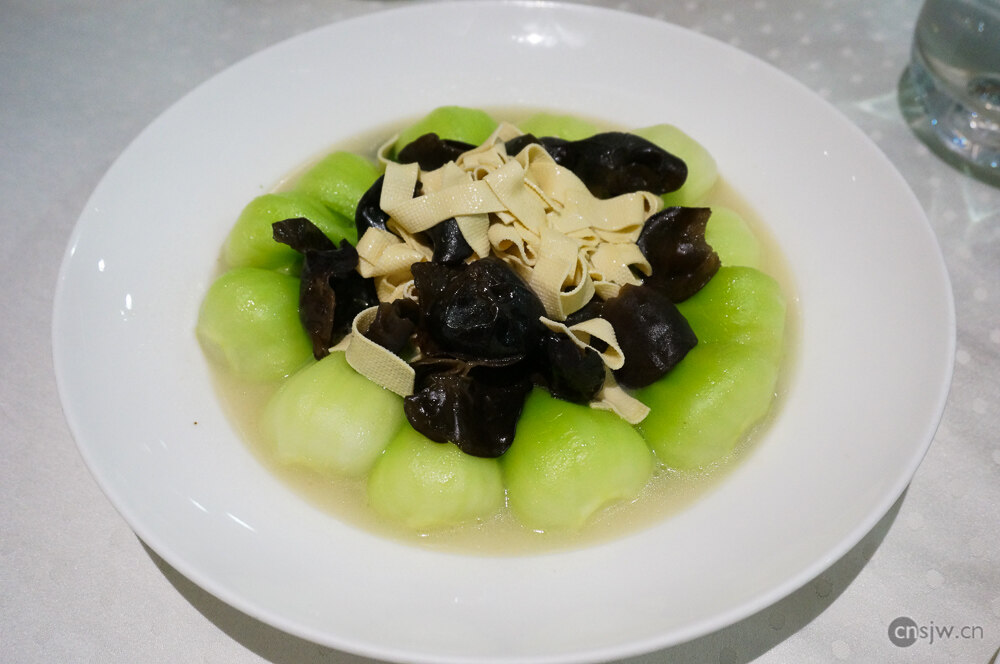
Baby Bok Choy with Tofu Skin: it’s genuinely impressive to make greens taste this good—the flavor was identical to what you’d find in Shanghai.
Potstickers: since pan-fried buns were unavailable, we ordered potstickers instead. They share the same filling and tasted great.

Overall, this branch falls somewhat short of Shanghai Min locations in Shanghai in terms of ingredient quality, flavor, and service. However, considering it’s located in Northeast China, finding Shanghai cuisine of this caliber is already quite remarkable~~~
Photos in this post taken with SONY NEX-5R + 16-50 f3.5-5.6, post-processed in Lightroom.

Support



Read this article on WeChat