
iPhone 5S
I’ve had it for over a month now. Since I was previously using a 4S, the upgrade to the 5S feels quite significant. First off, it’s 28g lighter, 8.8mm taller, and 1.7mm thinner. Although these numbers might not seem dramatic on paper, the difference is very noticeable when you hold it in your hand—after all, this is something you’re constantly holding. Then there’s the taller screen, which fits an extra row of icons~~~ iOS 7, in particular, was clearly designed with the taller screen in mind, necessitating some compromises for shorter screens. As a result, many interfaces look a bit cramped and uncomfortable on the older, shorter displays.
These are the most直观 changes, but the internal upgrades are even more substantial. First is the A7 processor, finally bringing mobile devices into the 64-bit era; it’s significantly faster than the 4S—not just by a little bit. Then there’s the M7 coprocessor, which drastically reduces power consumption from GPS and motion sensors. For apps that track movement or count steps, keeping them running continuously used to be practically impossible due to battery drain. Now, leaving GPS and motion sensing on all day only consumes about 20%-30% of the battery.
The camera has also been upgraded, featuring a new ISP, burst mode at 10 frames per second (up to 999 shots), and 120fps 720p slow-motion video. The camera app now launches instantly, unlike the 4S which would often lag for a moment, and system bugs are far fewer than on the 4S. Lastly, there’s Touch ID. I never set a passcode on my 4S not because I didn’t need security, but because entering it every time was such a hassle. With Touch ID, it’s incredibly convenient—recognition and unlocking are super fast, saving me even the swipe gesture~~~
That pretty much covers everything else. Combined with Apple’s impeccable build quality, it’s definitely worth upgrading for users coming from a 4/4S or other platforms. However, compared to the iPhone 5, the speed improvement is minor and the design is unchanged, so unless those specific new features are particularly important to you, there’s probably no urgent need to upgrade.
One thing worth mentioning is that the aluminum body is indeed much less durable than the stainless steel frame of the 4/4S—it dents easily if bumped. That’s probably why Apple released official cases… or you could always opt for AppleCare+~~
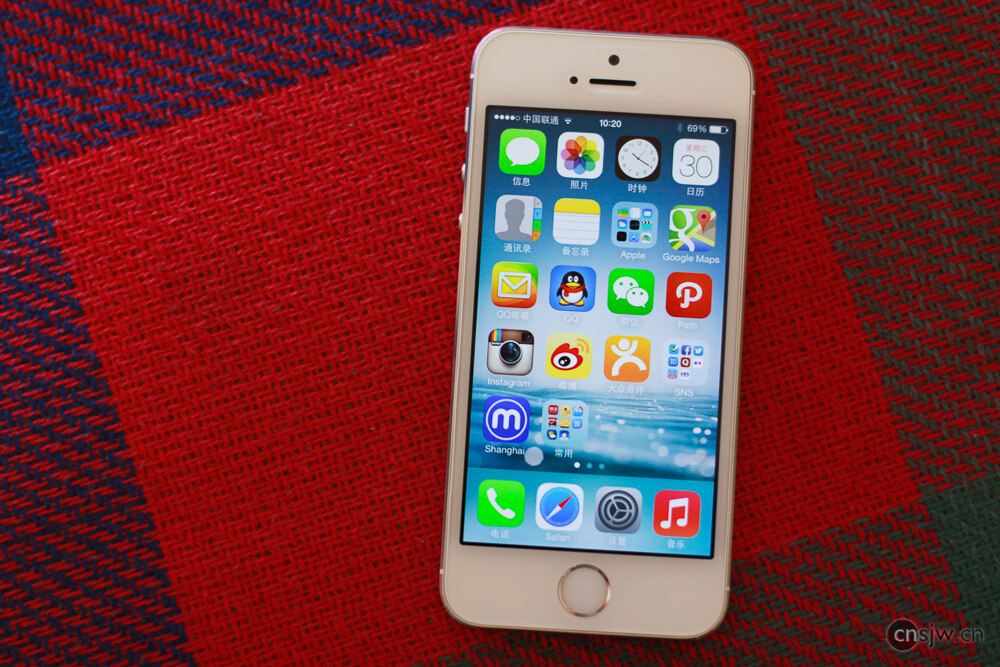
iPhone 5S
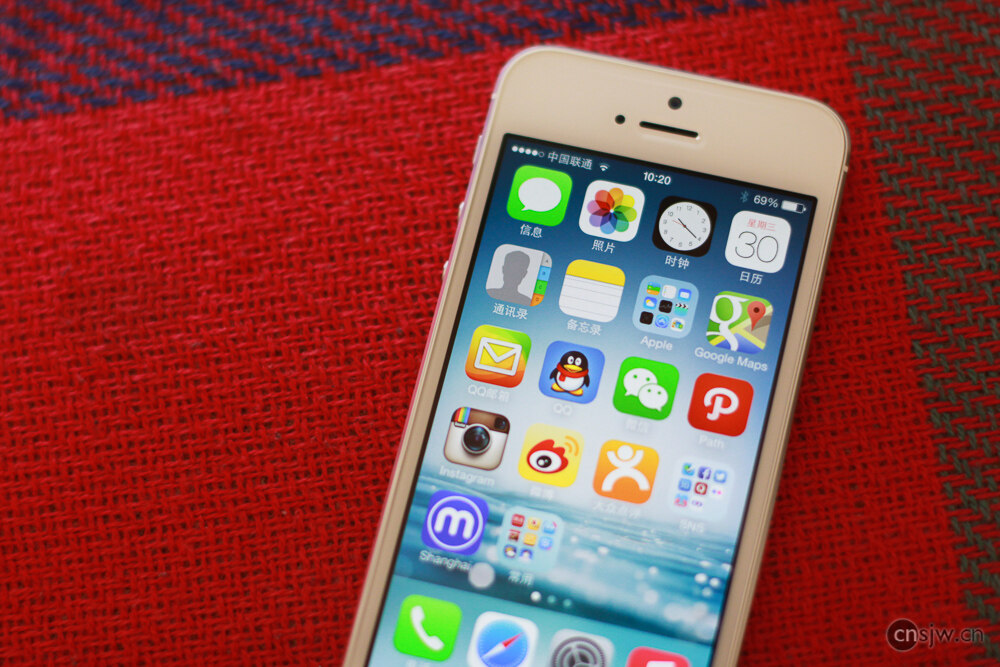
iPhone 5S
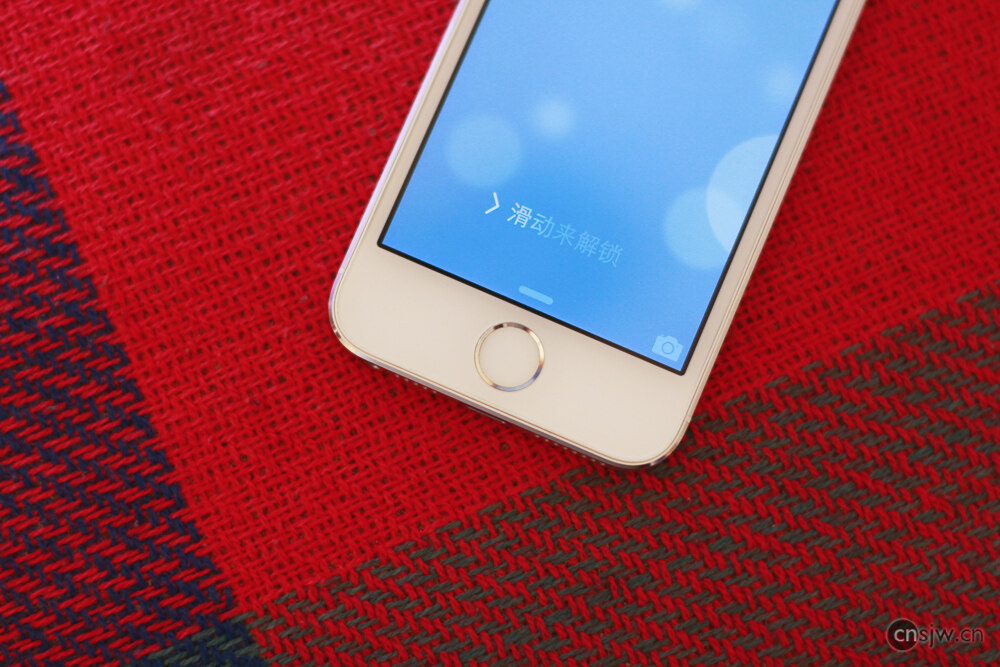
Touch ID
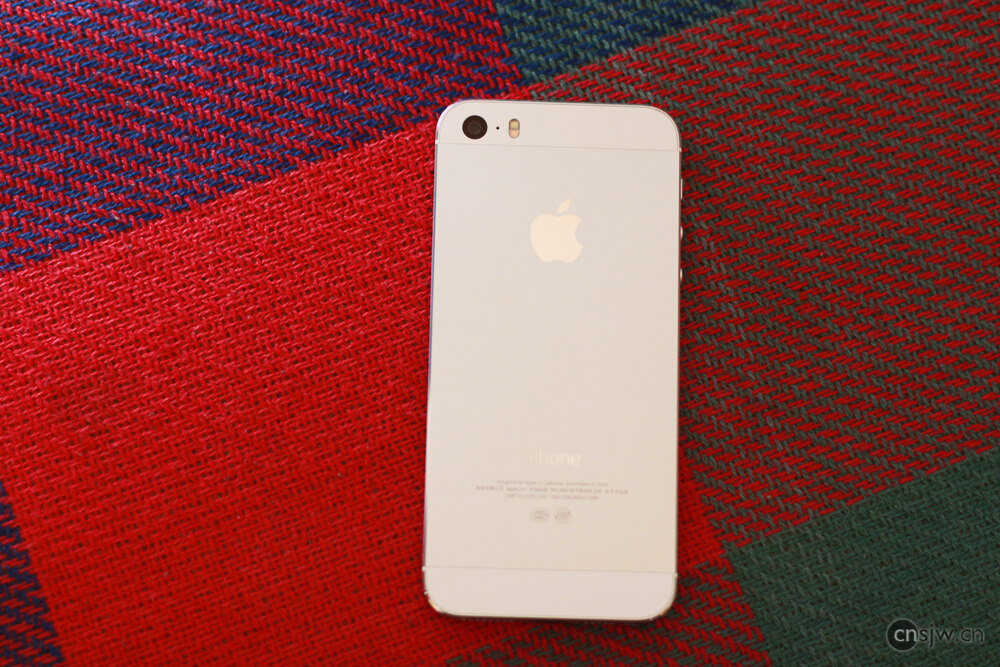
Back
iPad Air
This product represents the biggest physical redesign in iPad history… Of course, for a device meant to be held in your hands regularly, weight is absolutely the most critical factor… The iPad Air sheds a massive 183g compared to the iPad 4’s 652g, dropping down to just 469g—finally light enough to hold comfortably with one hand… Additionally, it’s 1.2mm shorter, 16.2mm narrower, and 1.9mm thinner, making it noticeably smaller overall~~~
I have to mention the iPad Mini 2 as well. Although it hasn’t gone on sale yet, its upgrade over the original iPad Mini is far more substantial, boasting specs nearly identical to the iPad Air: internally upgraded to the A7 processor with an M7 coprocessor, same thickness, and also featuring a Retina Display. The only differences are screen size—the iPad Air is 9.7 inches while the iPad Mini 2 is 7.9 inches—and a weight difference of 130g. Its camera burst speed is similar to the iPhone 5, though it lacks slow-motion video capability.
So essentially, unless your iPad stays exclusively on your desk and never leaves home, this upgrade is worthwhile for virtually every user…
As for choosing between the Air and the Mini: larger screens excel at watching videos, viewing photos, and reading books—if you primarily use it at home and only occasionally take it out, go with the Air. Smaller screens offer superior portability and mobility—if you carry it daily for commuting or need constant access on the go, choose the Mini.
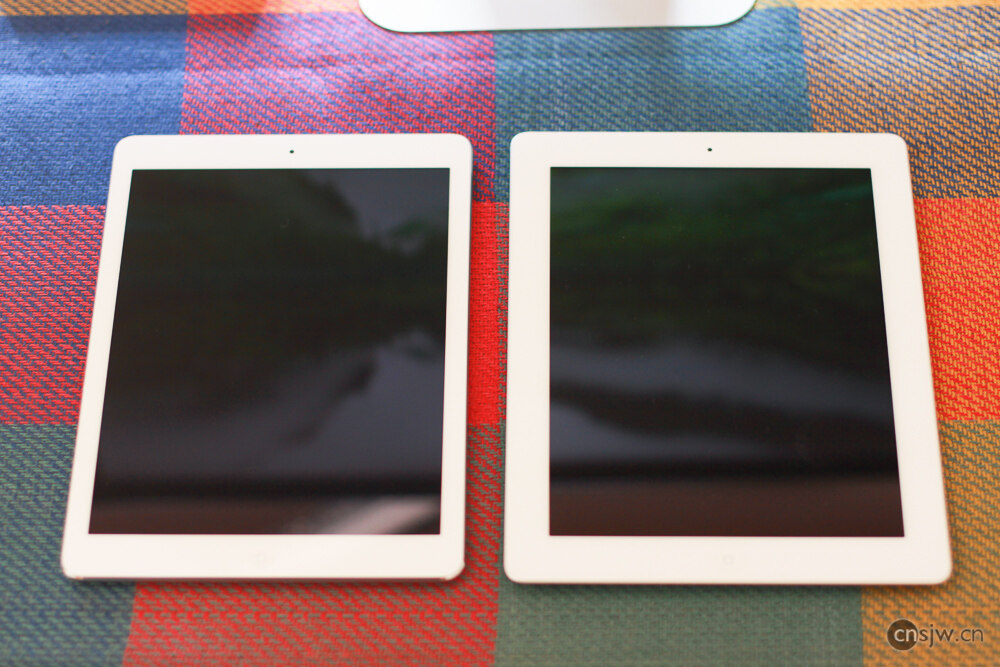
Generation Comparison
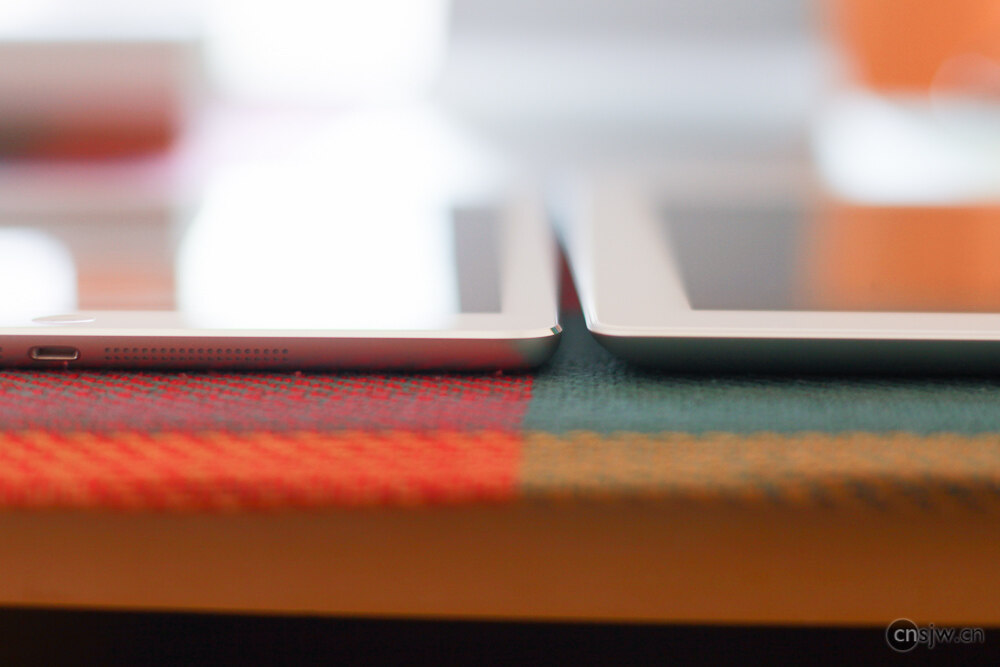
Thickness Comparison
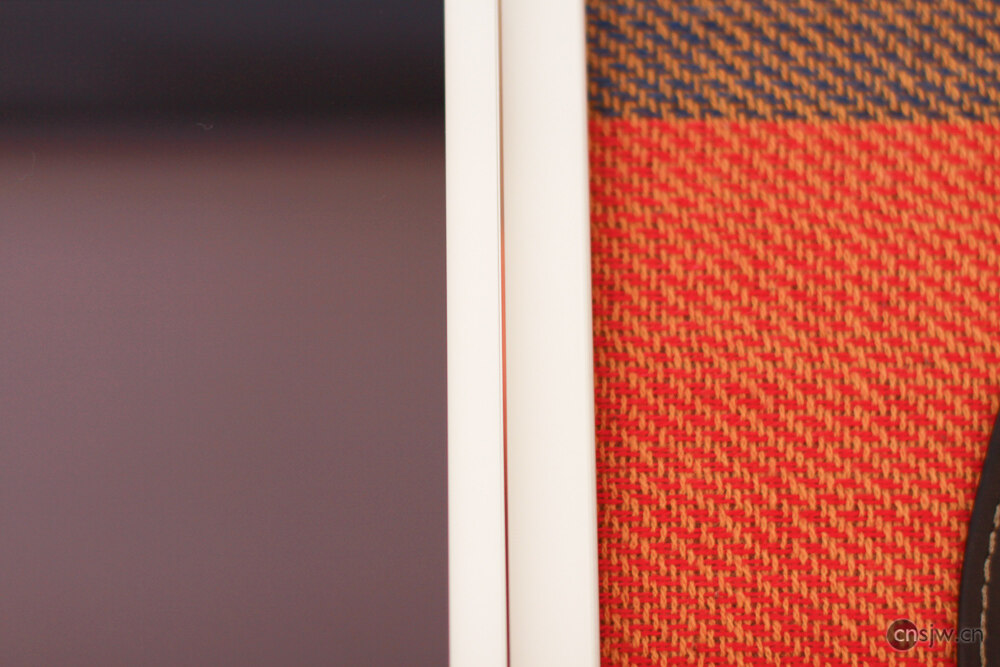
Width Comparison
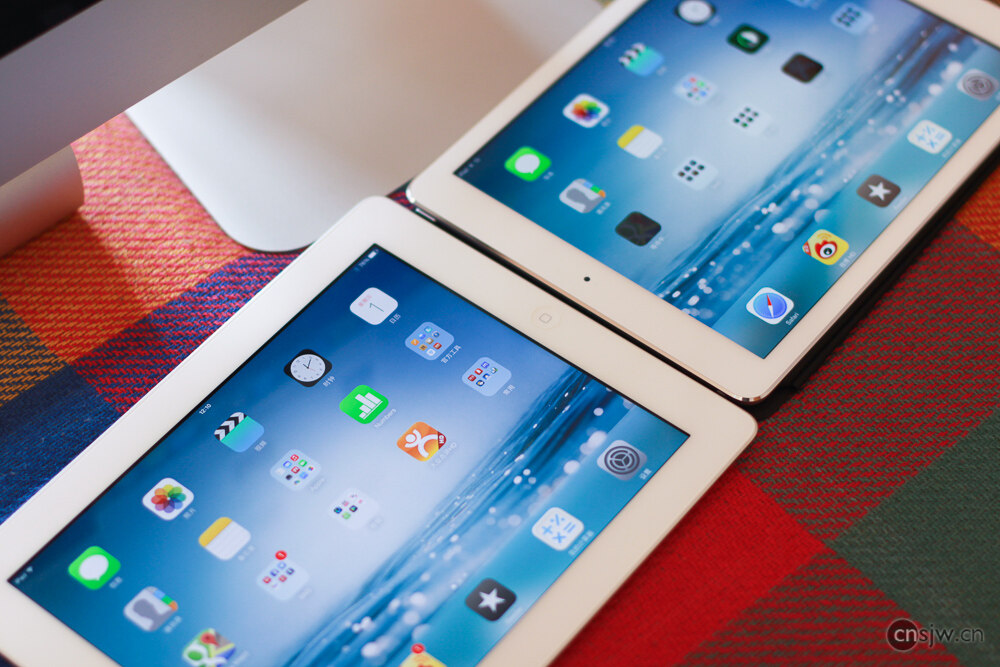
Front
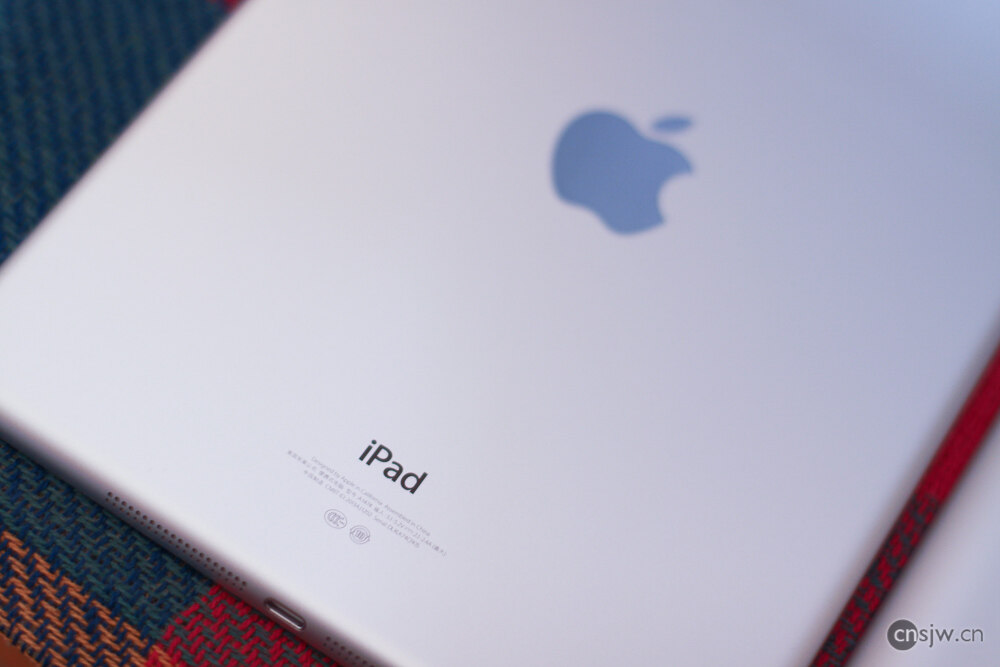
Back
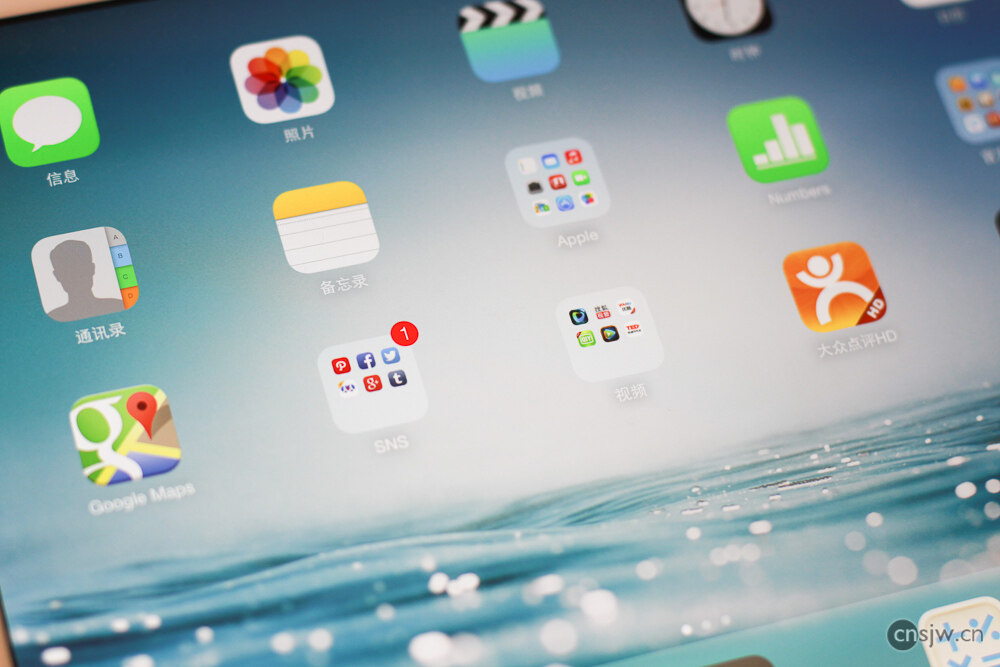
Screen
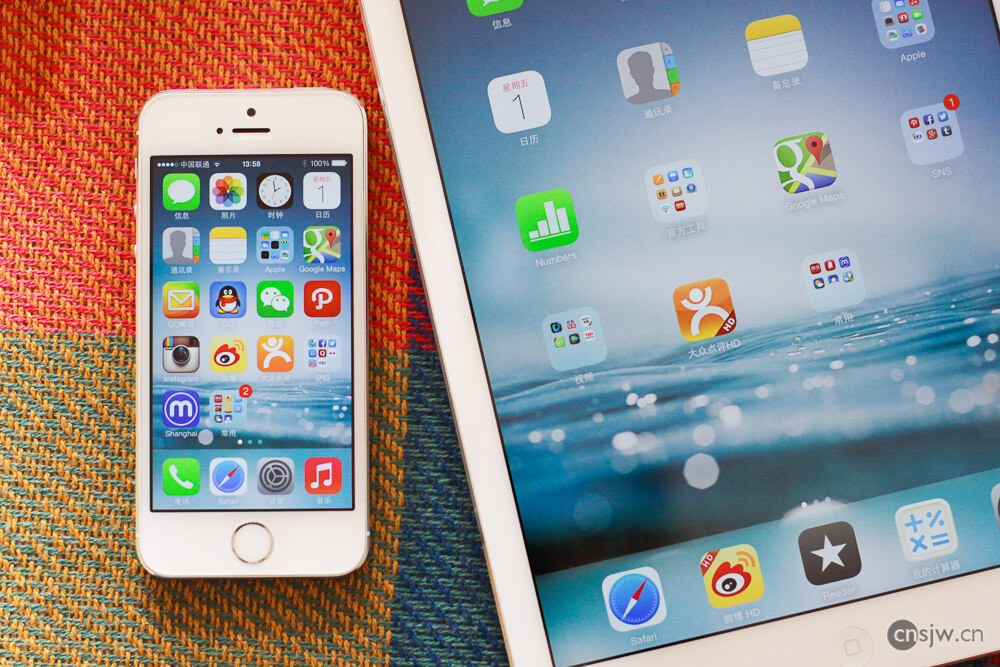
iPhone 5S & iPad Air
Photos taken with: Canon 50D + 50mm f/1.4, post-processed in Lightroom.


Support