
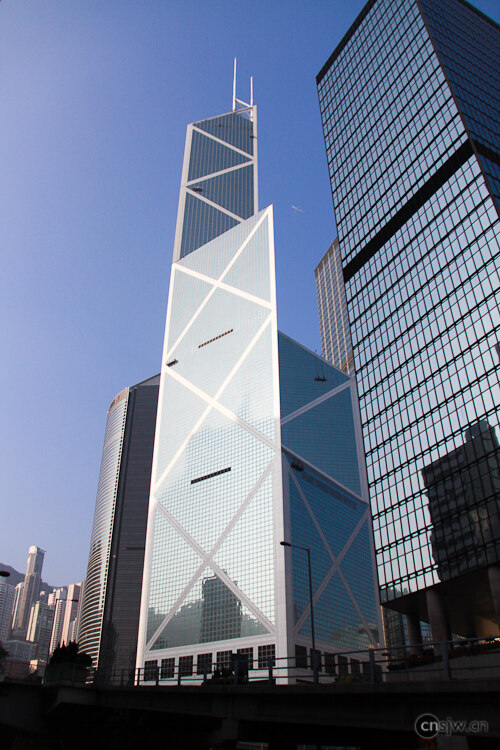
Day 2 in Hong Kong. Being familiar with the route, I expected the border crossing to be crowded, but it actually wasn’t. After passing through customs smoothly, we took the MTR directly to Admiralty. Upon exiting, we walked toward the Peak Tram station, passing many famous buildings along the way, such as the Bank of China Tower:
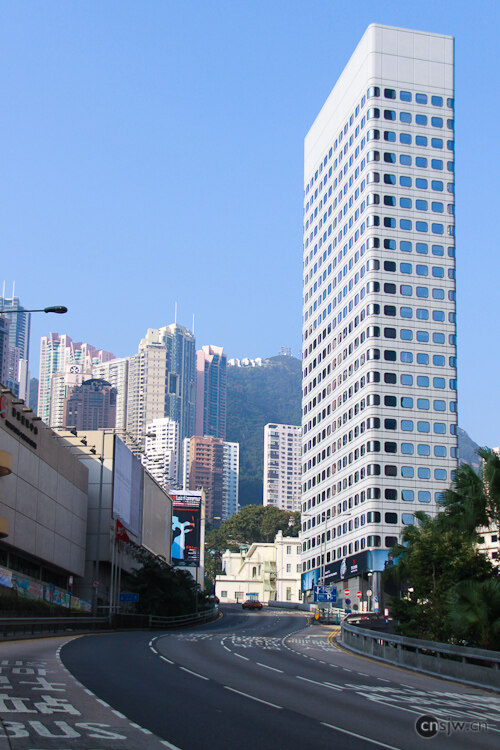
Once you see St. John’s Building, you’re almost there. The starting point of the Peak Tram, Garden Road Station, is located at the base of St. John’s Building. When we arrived, there was no line for tickets and hardly anyone on the tram:
Peak Tram
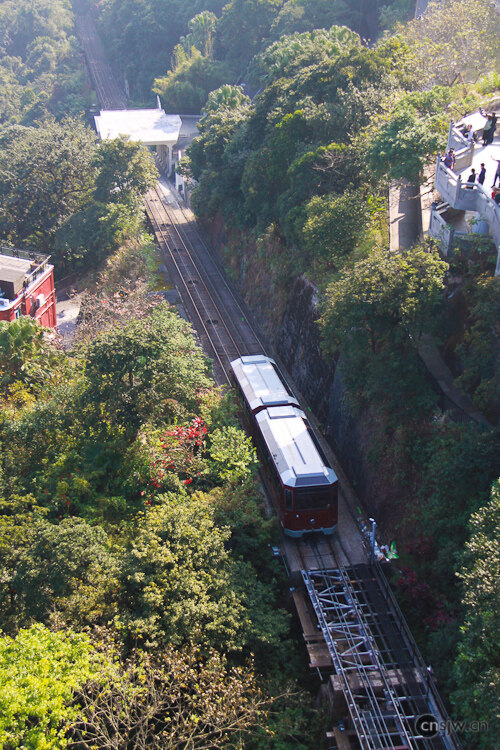
The Peak Tram line is 1,365 meters long and operates with two cars running in opposite directions. The entire journey takes less than 8 minutes. There is only a single track on both sides, except for a middle section with double tracks allowing the two cars to pass each other. Although the tram has been in operation since 1888 and boasts over a century of history, it has undergone numerous upgrades. The current trains, introduced in 1989, feature computer-controlled, all-aluminum red carriages manufactured by Von Roll Transport System Limited of Switzerland. Each car holds 120 passengers, with a total capacity of 2,800 passengers per hour. The previous generation of green carriages has been repurposed as a tourist service center at the Peak.
Current ticket prices are HKD 28 for a one-way adult ticket and HKD 40 for a round-trip. A combo ticket including Sky Terrace 428 admission is HKD 65. With the 10% discount coupon provided with the MTR ticket, the combo price drops to HKD 58, effectively making the Sky Terrace 428 admission only HKD 18—quite reasonable. You also receive a discount card for shops at The Peak Tower.
A tram in operation:
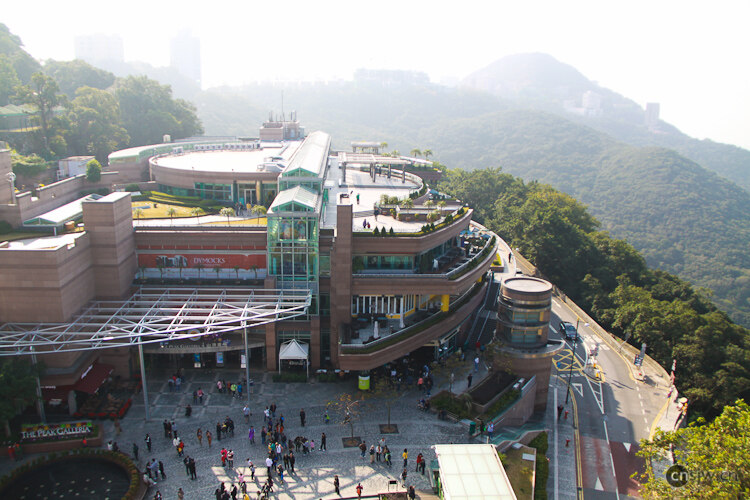
The Peak Tower is the terminus of the Peak Tram, featuring various shops, restaurants, and a rooftop observation deck. The rooftop observation deck stands 428 meters high, offering panoramic views of Victoria Harbour.
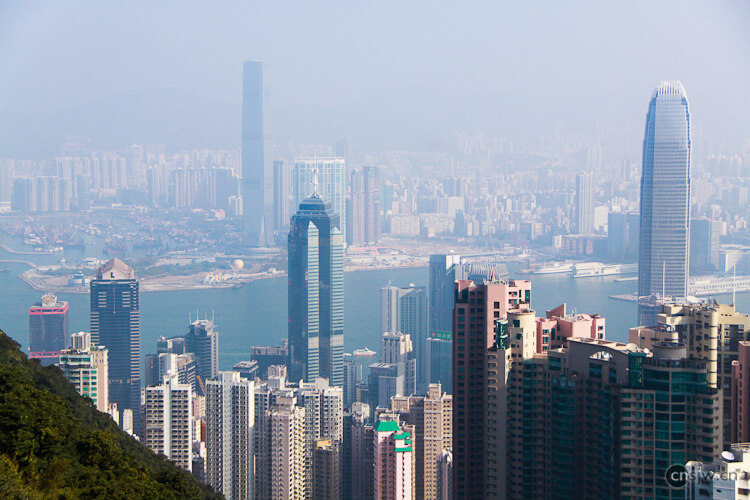
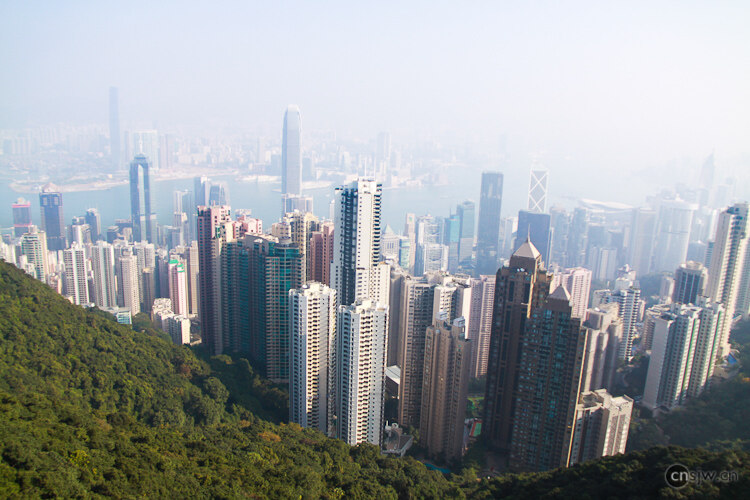
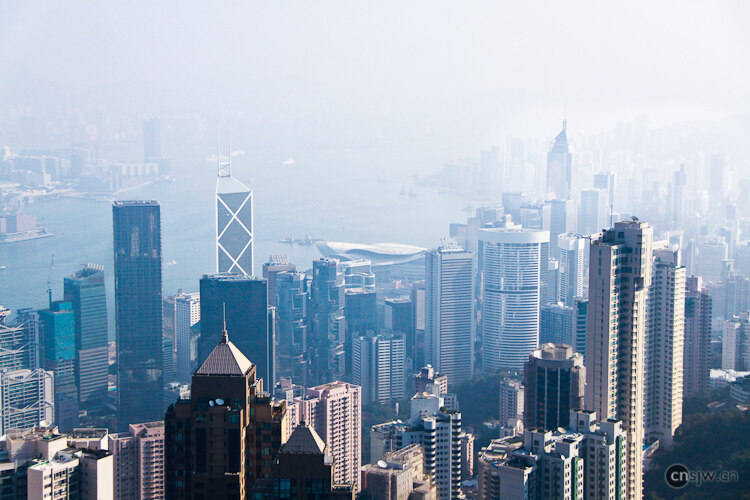
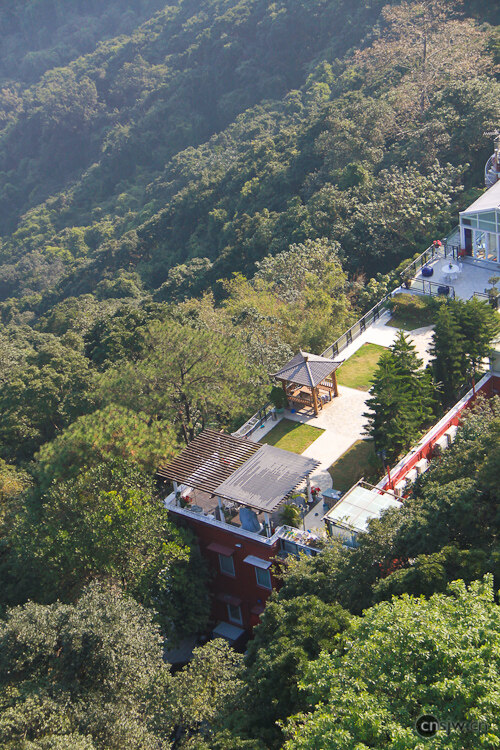
Houses on the mountain
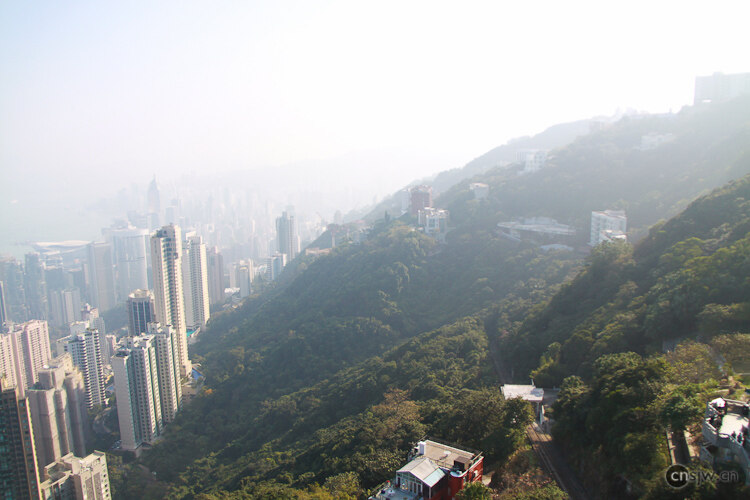
Pok Fu Lam Reservoir, providing drinking water for Hong Kong residents
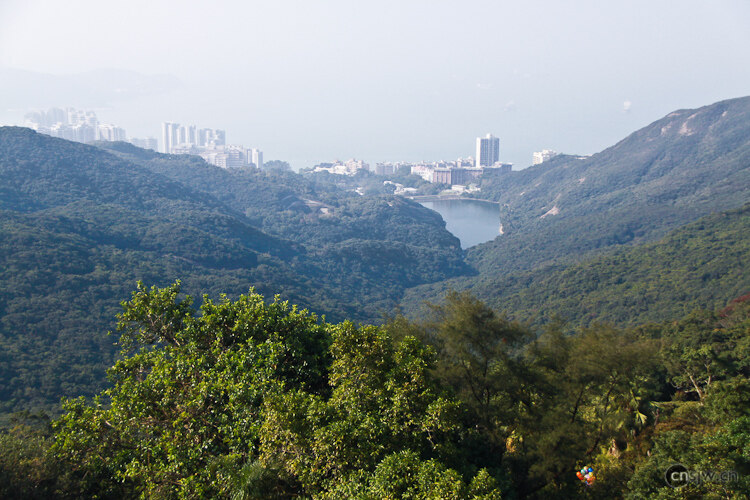
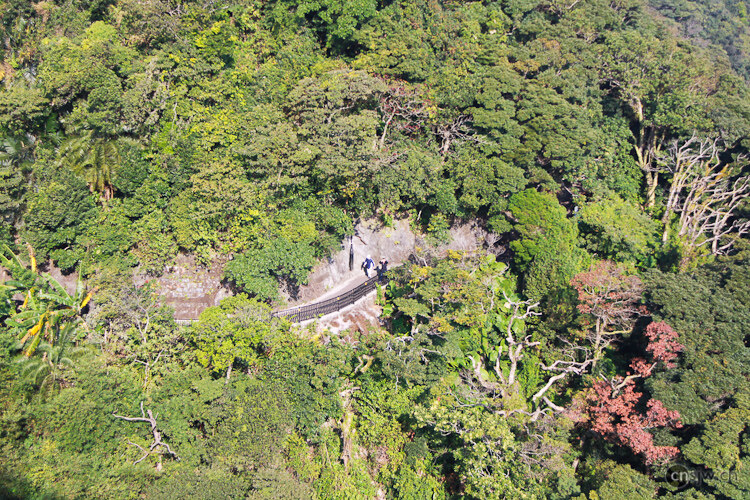
If time permits in the future, hiking up the mountain could be an option
The Peak Galleria
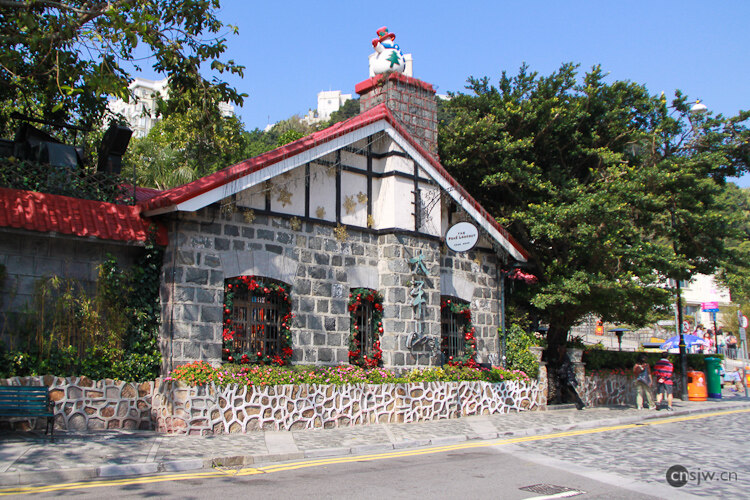
Old Peak Café
Tin Yee Restaurant
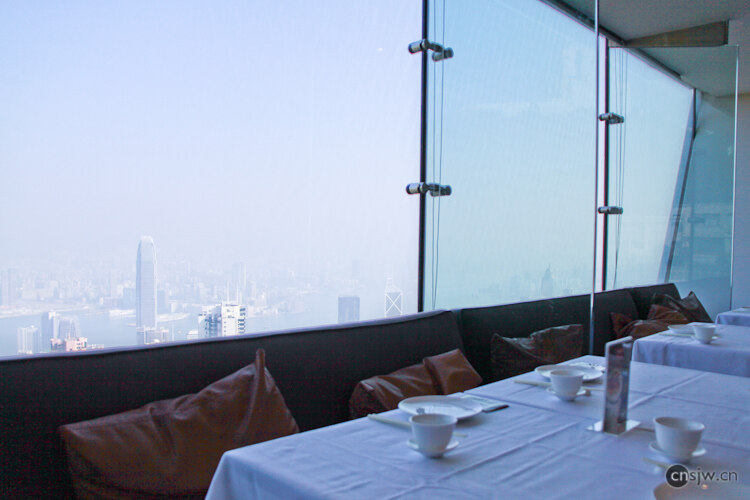
The Peak Tower houses a Burger King, Kyo Japanese Cuisine, and Bubba Gump Shrimp Co., themed after Forrest Gump. Since it was still early, none of them were open yet. We were starving, so we went to Tin Yee Restaurant for dim sum instead. The window-side seating offered a lovely ambiance:
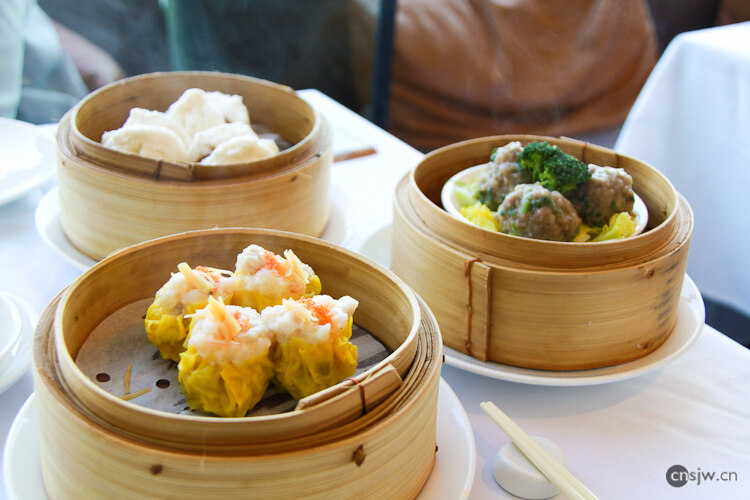
Crab roe siu mai, char siu bao, beef balls
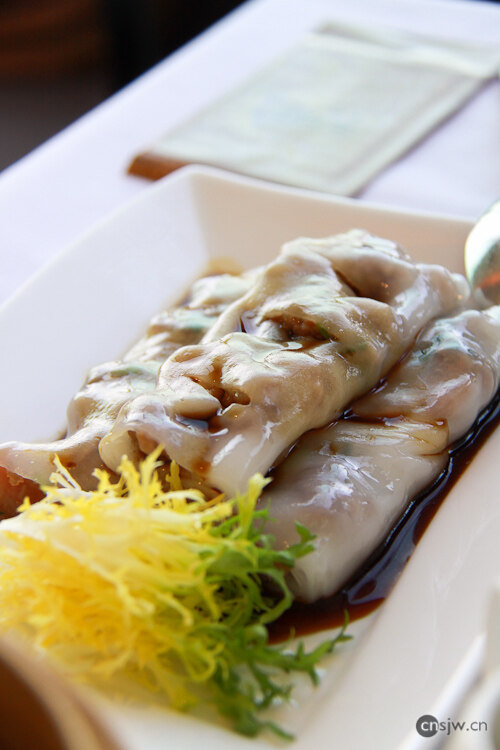
Had the most delicious rice noodle rolls I’ve ever tasted
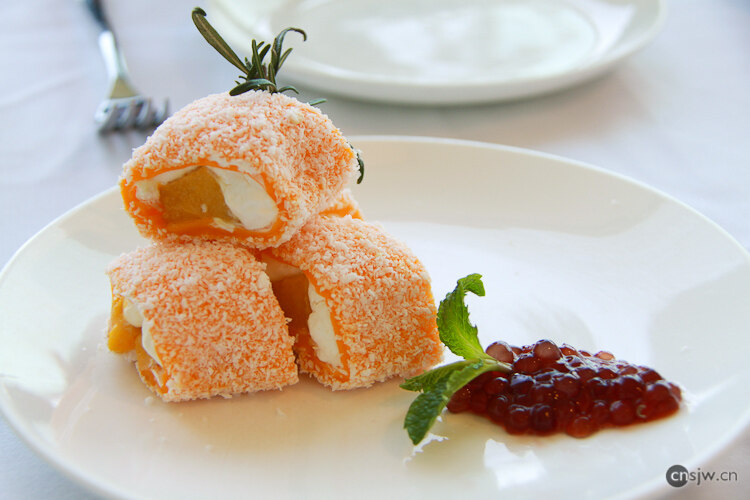
Mango mochi. The small decorative dumplings beside it were actually made with grape juice and surprisingly tasted like grapes.
Sweet cake complimentary with the discount card:
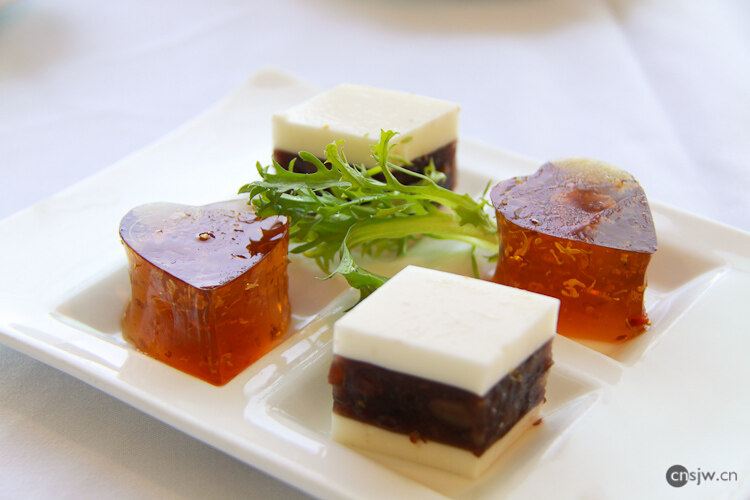
Everything was satisfying—the ingredients were generous and the preparation thoughtful. However, perhaps because we arrived too early, service was a bit slow. Prices weren’t exactly low either, plus there’s an additional 10% service charge, despite there not being much actual service…
Around noon, we took the tram back down and saw that the ticket queue had grown incredibly long… Glad we went early!
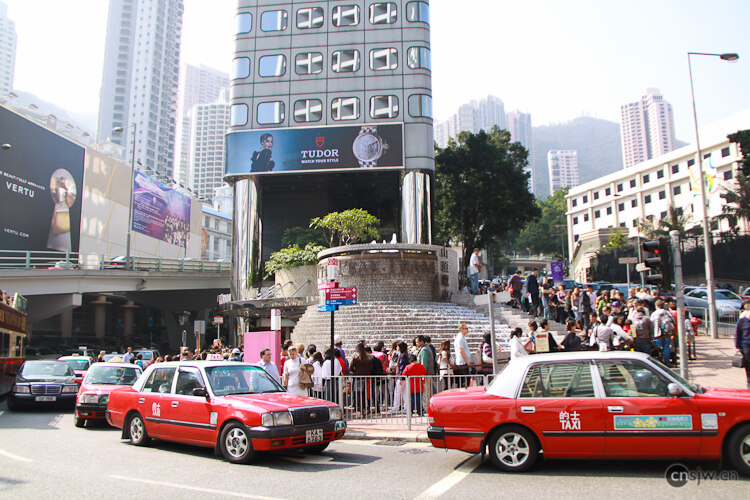
Lippo Centre
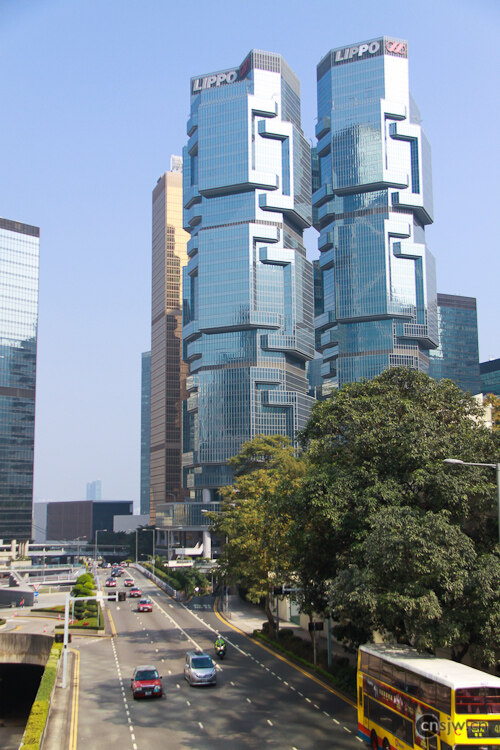
On the way back, we cut straight through Hong Kong Park, which leads directly to Admiralty MTR Station
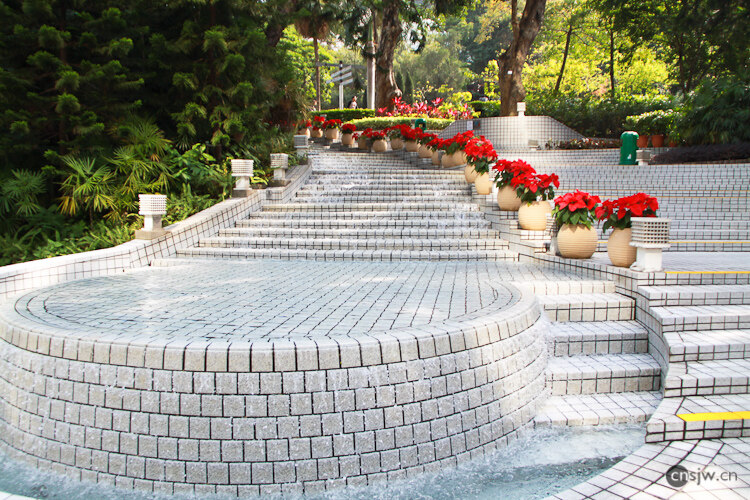
Causeway Bay
Afterward, we headed to Tin Hau and happened upon the Hong Kong Brands and Products Expo (Hong Kong International Industrial Products Exhibition). Although accustomed to massive crowds in Shanghai, I was still shocked by the throngs at the expo entrance—there were just so many people… It looked as if everything inside was free… Passing through nearby Victoria Park, we found it packed with domestic helpers from the Philippines resting or gathering, practically taking over the entire park. Crossing Victoria Park brought us to another bustling area of Hong Kong: Causeway Bay.
We wandered around Hang Lung Centre, visiting Broadway, Mannings, and Francfranc. Tired from walking, we stopped at Starbucks for a break. This was the only Starbucks in two days that still had an available seat (and only one at that), making me miss Shanghai terribly… Honestly, finding a McDonald’s or Starbucks in Hong Kong is far harder than in Shanghai; the difference in numbers is significant. Often, when exhausted from walking, surrounded only by street food stalls, there’s nowhere to sit and rest…
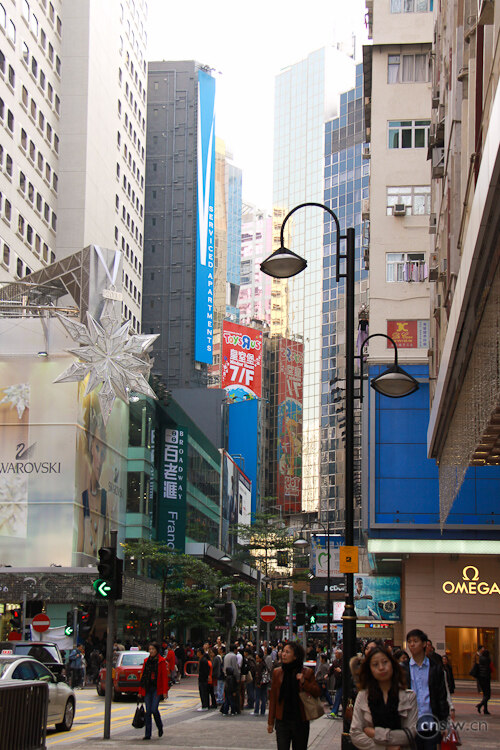
Walking over to nearby Times Square, the crowds were overwhelming—I nearly fainted. Compare that to how few people are at Times Square in Shanghai~~~~ We also visited MUJI and UNIQLO at Lee Theatre Plaza next to Times Square… Then we popped into a nearby Burger King for an apple pie, which was quite mediocre. While Hong Kong’s Burger King still offers apple pies, they no longer serve chicken wings~~~~ By then it was dinnertime, so we went to Itacho Sushi in AIA Tower. Prices matched those in Shanghai, but thanks to exchange rates, it felt like a 20% discount. However, with Hong Kong’s 10% service charge added, the effective discount was closer to 10%….. Moreover, the sushi quality was identical—not any better. After dinner, we checked out the famous Sogo Department Store nearby but were quickly driven out by the surging crowds… Thus ended our Hong Kong trip, heading straight back to Shenzhen via MTR….
Summary:
Tourism:
This visit was mainly about getting a brief overview of Hong Kong and checking off its famous landmarks. We skipped Disneyland and Ocean Park—I’m not interested in Disneyland, and Ocean Park would surely have been packed. If you really want to enjoy Hong Kong properly, whether shopping in Mong Kok, sampling street snacks, or visiting Harbour City or Times Square, it’s best to go during off-peak times.
Shopping:
Except for remote outlets like Citygate Outlets, retail stores in Hong Kong maintain uniform pricing, generally matching mainland China prices. The only difference is currency—HKD versus RMB—which effectively amounts to a 20% discount. New arrivals, however, rarely see discounts. For example, my friend Ding bought a Burberry bag priced at HKD 5,500 in Hong Kong compared to RMB 5,500 in Shanghai—not cheap enough to make it non-luxury~~~~~
As for cosmetics, aside from major brand boutiques, Sasa and Bonjour shops are everywhere in Hong Kong, typically offering lower prices than official stores. Overall, Sasa appears more upscale, while Bonjour tends to offer even cheaper prices.
Additionally, every international brand available in Hong Kong also has stores in Shanghai, often with far fewer crowds. Some brands even opened in Shanghai before Hong Kong, such as Apple Store and GAP. So if your sole purpose is shopping, there’s no need to travel to Hong Kong unless your purchases reach a certain value to justify the trip~~~~~
Food:
Many well-known restaurant chains have branches in Shanghai too, such as Jade Garden, Itacho Sushi, Genki Sushi, and Tsui Wah. Overall, dining isn’t particularly inexpensive—prices are similar to mainland China, especially considering the extra 10% service charge, making meals pricier. Chains like Starbucks, McDonald’s, and Burger King are much less common here than in Shanghai, with comparable prices and slight menu variations. Smaller local eateries, however, do very well—for instance, Hong Kong-style fast-food restaurants offer tasty meals for around HKD 20–30, leaving you fully satisfied.
Moreover, various mainland Chinese brands are increasingly visible in Hong Kong. For example, you’ll spot China Unicom stores, Basic Life specialty shops, SF Express vehicles, and Taobao Mall advertisements…
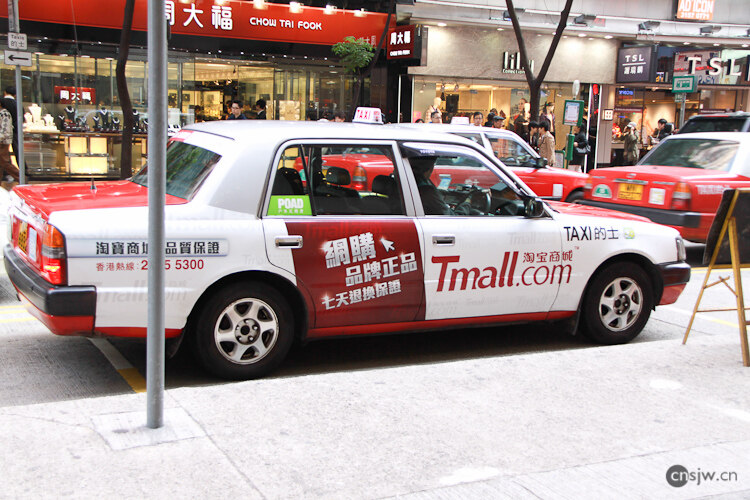
If you’re not shopping, strolling around Hong Kong feels remarkably similar to Shanghai, apart from the temperature… Just replace migrant workers with Filipino domestic helpers and Indians, and otherwise there’s little difference……….
Things I liked about Hong Kong:
Octopus cards accepted everywhere, convenient MTR transfers, quiet and clean subway cars, free Wi-Fi in major malls and parks, and those round, adorable trash cans…

Support