
Two days in Hong Kong, Day 1:
Got up in the morning and headed straight to the Futian Port. I had heard that this port is much less crowded than Luohu, and indeed, there were very few people. We made two round trips over two days, and whether going or returning, there was basically no queue; clearing customs took less than 10 minutes.
After crossing the border, you arrive at Lok Ma Chau in Hong Kong. From there, take the MTR directly into the city. The line into the city is called the East Rail Line, running from Lo Wu or Lok Ma Chau to Hung Hom. The East Rail Line trains have 12 cars, including 1 First Class car and 3 Quiet Cars. Trains run every 2 minutes. Eating and drinking are prohibited on the MTR, passengers speak softly, and station announcements are also relatively quiet. Announcements are made in Cantonese, Mandarin, and English. This is noticeably better than the incredibly loud announcements on the Shanghai Metro—though I suppose they have no choice, as some people on the Shanghai subway chat as if they’re arguing… The Quiet Cars have no TV audio. The TVs basically show a mix of ads and news; the ad quality is fairly average, but the picture clarity is good. Most people transfer at Kowloon Tong to the Kwun Tong Line, making Kowloon Tong somewhat like People’s Square Station in Shanghai—a very busy transfer hub with a considerable walking distance for transfers.
For tickets, we bought the 2-Day Pass for HKD 120 directly. It allows 2 entries/exits at Lo Wu or Lok Ma Chau stations and unlimited travel at all other stations (except the Airport Express) within 2 days. It also came with 10% discount coupons for tickets to several famous attractions. There is also a 1-Day Pass available for HKD 85. Actually, getting an Octopus card is also a good option. The Octopus card is widely accepted in Hong Kong, covering all public transport, and can be used directly at convenience stores and many restaurants. Some shops in Macau also accept Octopus payments.
Our first destination was Tsim Sha Tsui, so we transferred to the Tsuen Wan Line at Prince Edward. This transfer is very convenient—you can transfer directly across the platform. I originally thought Shanghai should adopt this kind of design more often to reduce walking distances for transferring passengers, but later realized that in Shanghai and Beijing, transfer corridors serve another important purpose: the platforms simply cannot hold that many people, so an extra space is needed to accommodate the crowds… Take Century Avenue Station, for example: transferring to Line 6 is convenient, basically just going up or down half a floor, but during peak hours, it gets so crowded that you can barely move…
Tsim Sha Tsui
Exiting Tsim Sha Tsui Station, I found typical southern streets: since it was the 31st, there weren’t too many people yet. This entire area is a shopping district, feeling a bit like Huaihai Road squeezed into one place.
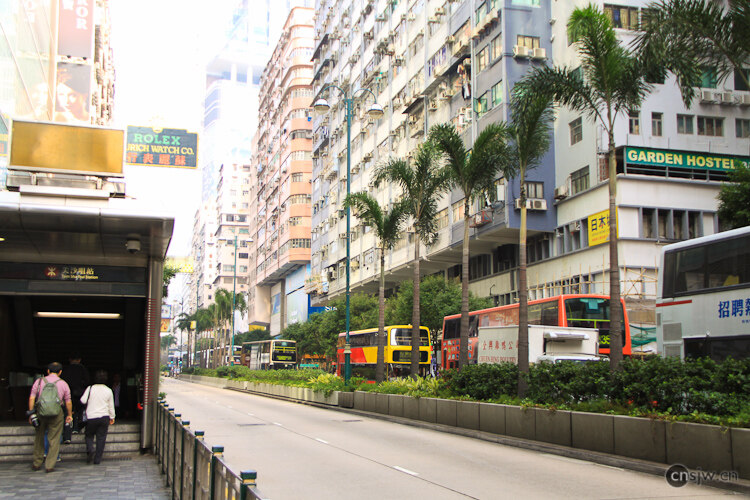
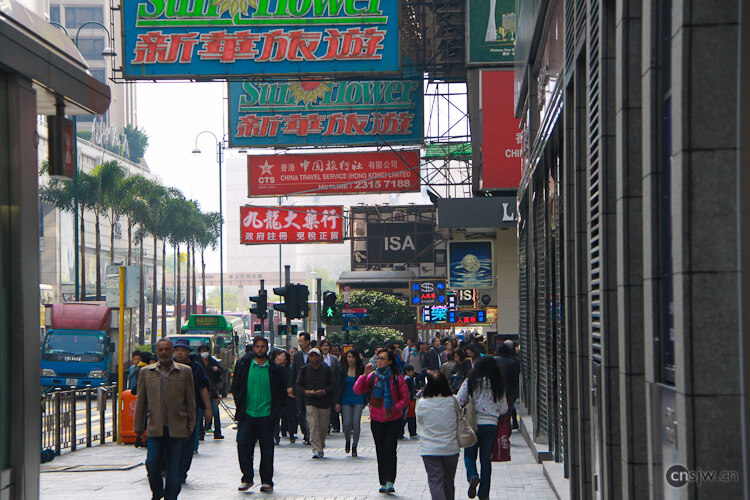
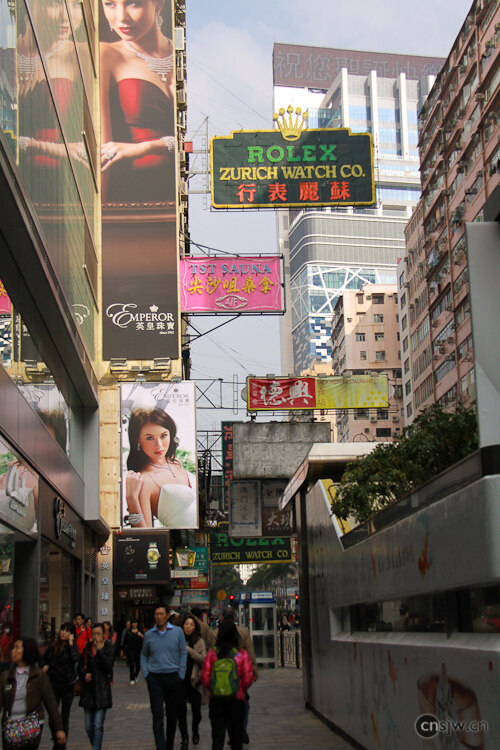
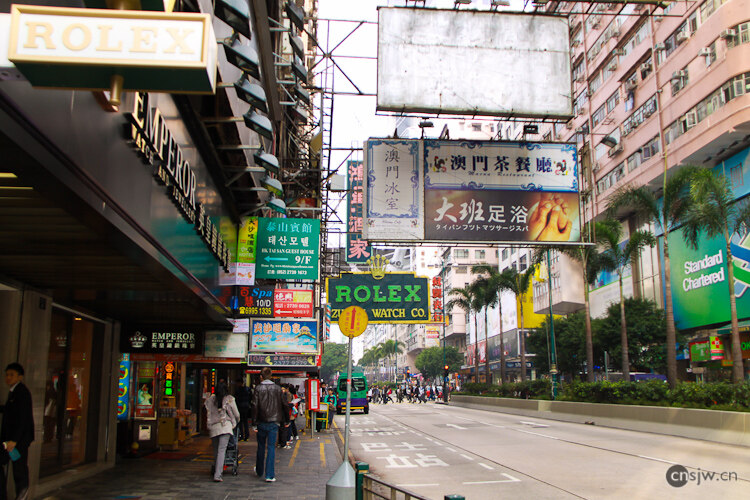
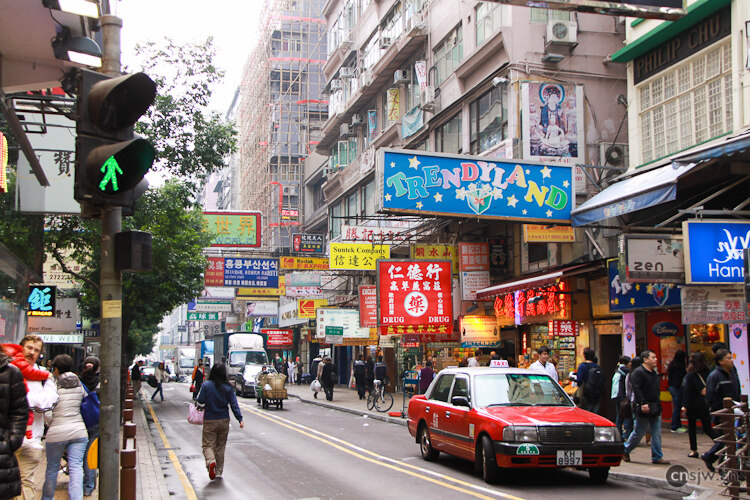
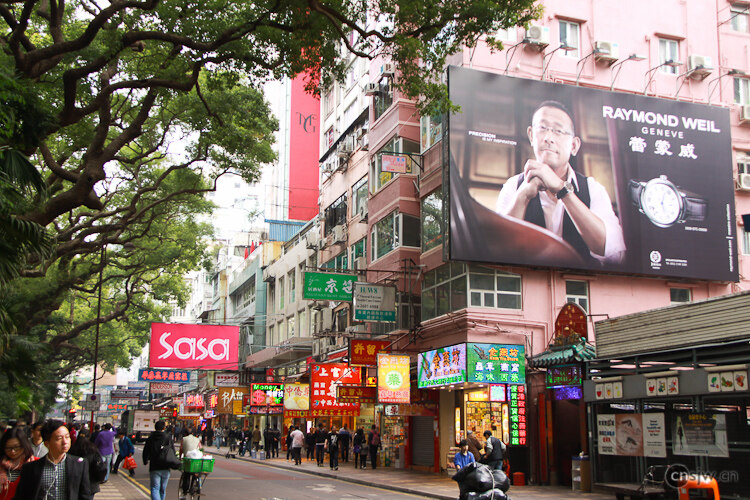
We had lunch at Harbour City, where we encountered an Indian person soliciting donations—essentially a high-class beggar. They use a few more tricks than asking for money directly, but there’s no real difference in essence… There wasn’t much to see in the mall, especially for someone like me with no shopping needs; it really looks too similar to malls in Shanghai… Aside from the prices, there is almost no difference. I saw a sea view from a window on the third floor, so I went downstairs for a walk.
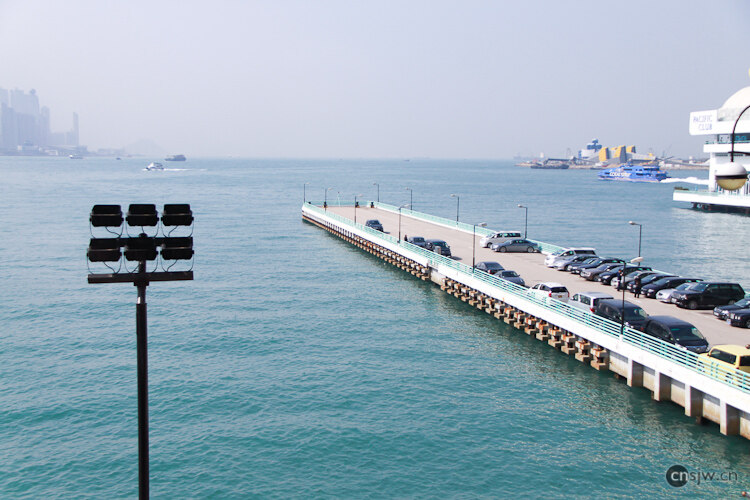
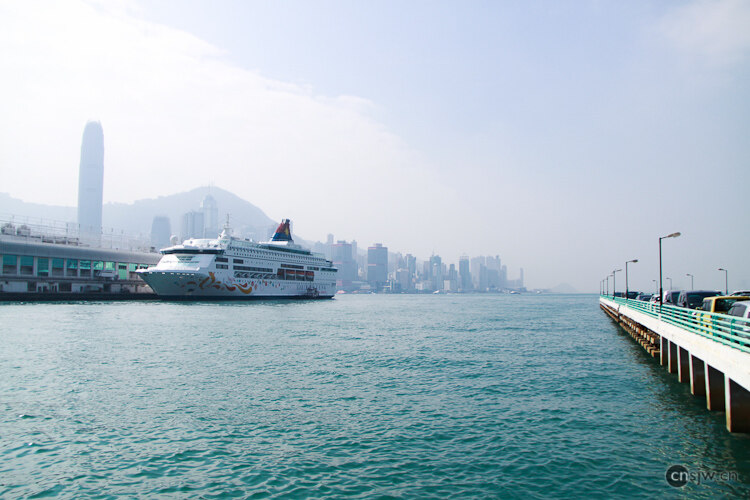
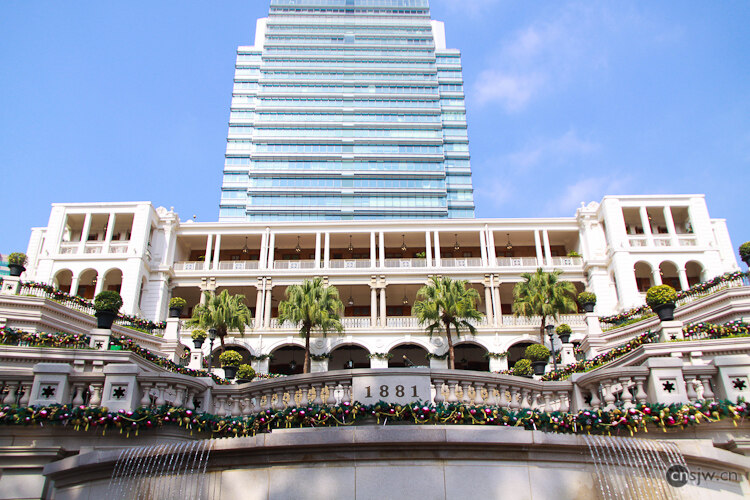
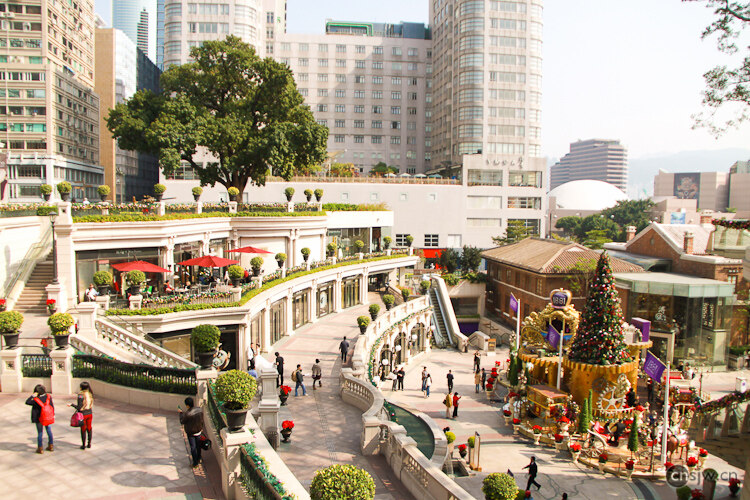
Then I walked to this place, which feels a lot like Xintiandi: 1881 Heritage.
This site was formerly the Marine Police Headquarters and has been converted into a hotel and retail complex. The historic building consists of five structures: the Main Building, the Stables, the Time Ball Tower, the Kowloon Fire Station, and the Firemen’s Dormitory. After the renovation was completed in 2009, the site covers approximately 130,000 square feet and features no more than 30 hotel rooms. The rooms retain fireplaces over a hundred years old, and the detention cells from the original Marine Police Headquarters have also been preserved.
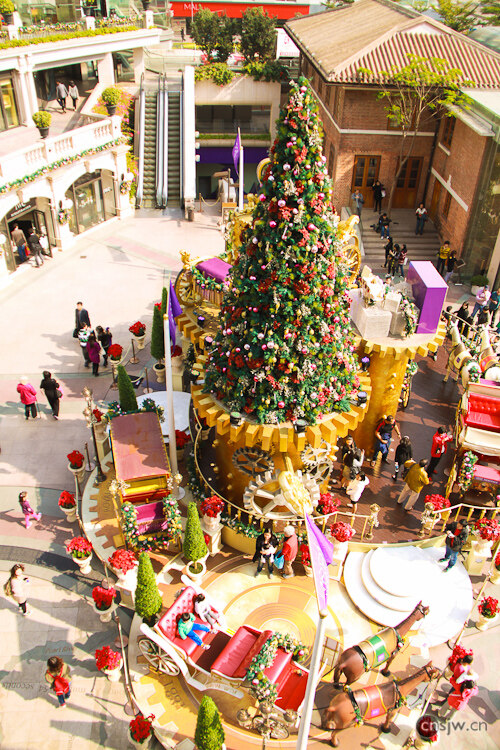
There is a giant Christmas tree and a horse-drawn carriage in the plaza.
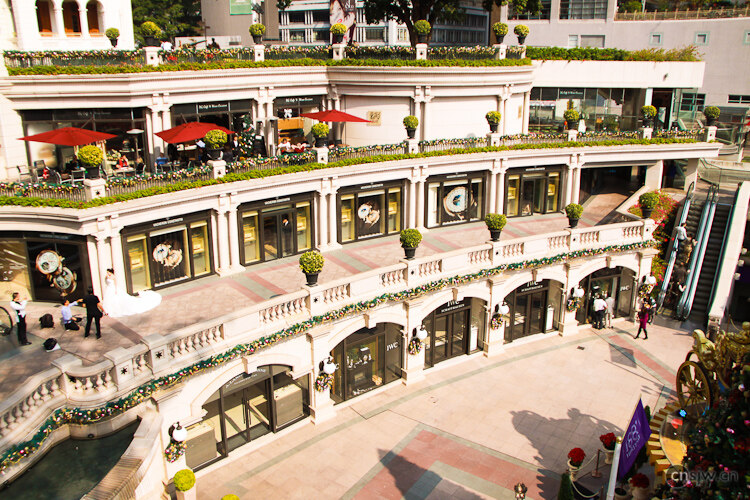
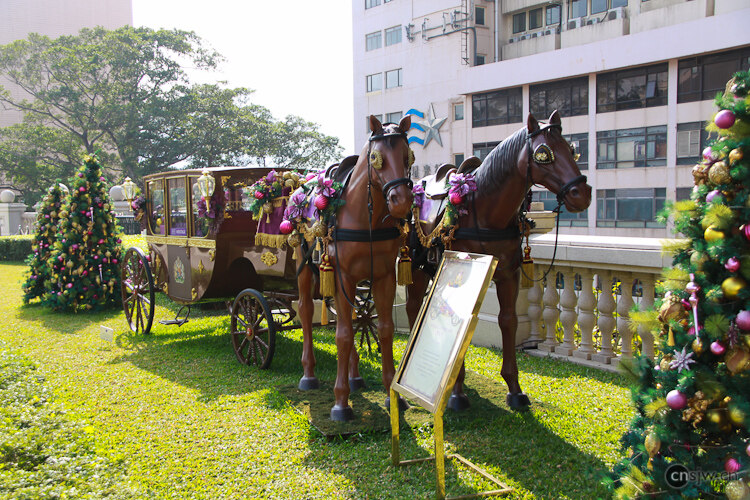
The Marine Police Headquarters compound originally had 192 trees, but only 18 remain:
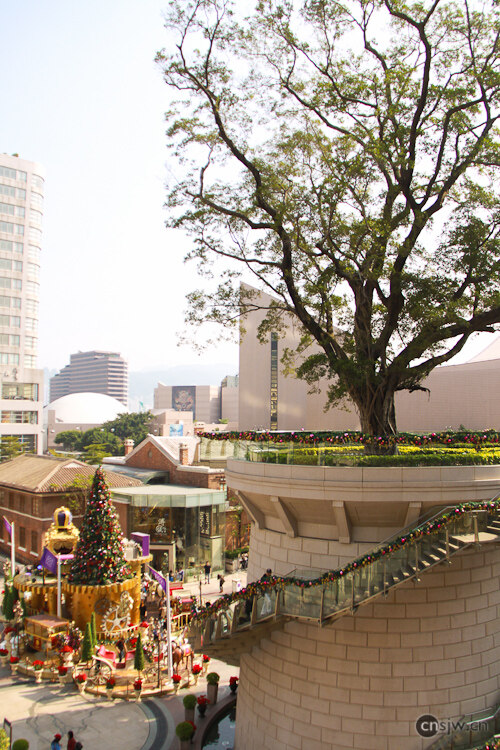
First, half of the panorama.
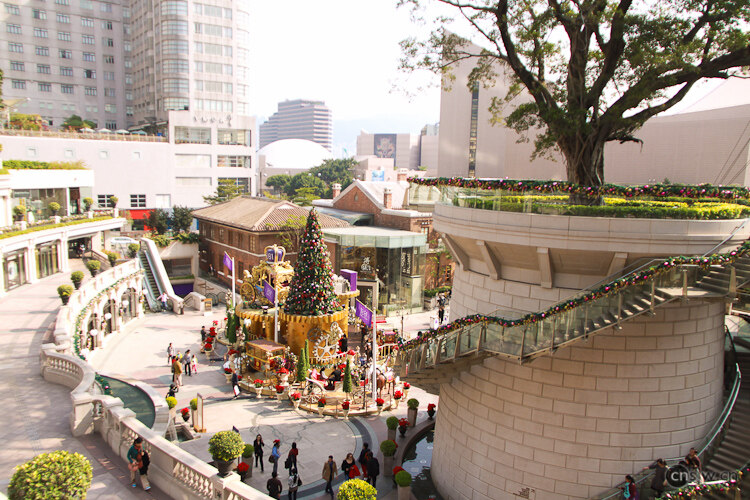
And the other half…
Mong Kok
After exploring Tsim Sha Tsui, we took the subway to Mong Kok, then walked south from Mong Kok through Yau Ma Tei to Jordan. The main road is Nathan Road. There were countless people along the way; the only impression was just how crowded it was… We stopped at Honeymoon Dessert for a break. The taste was no different from the branches in Shanghai—an average dessert shop.
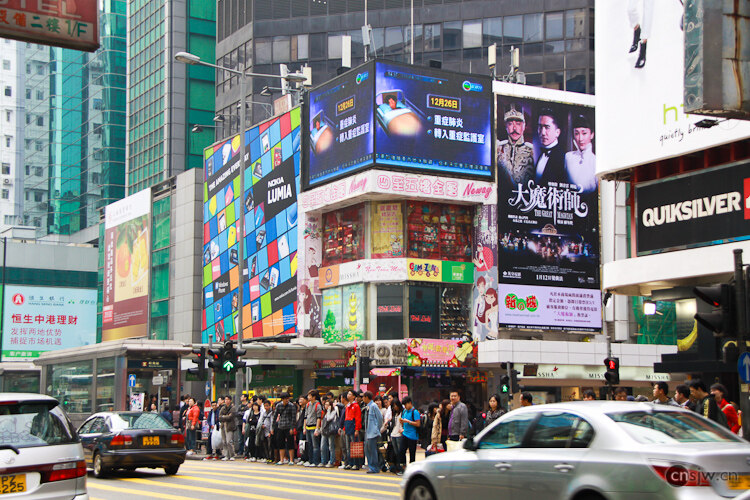
Just like in mainland China, phone stores don’t display real devices, only dummy models. I couldn’t even get my hands on a WP7 phone to try out~~~
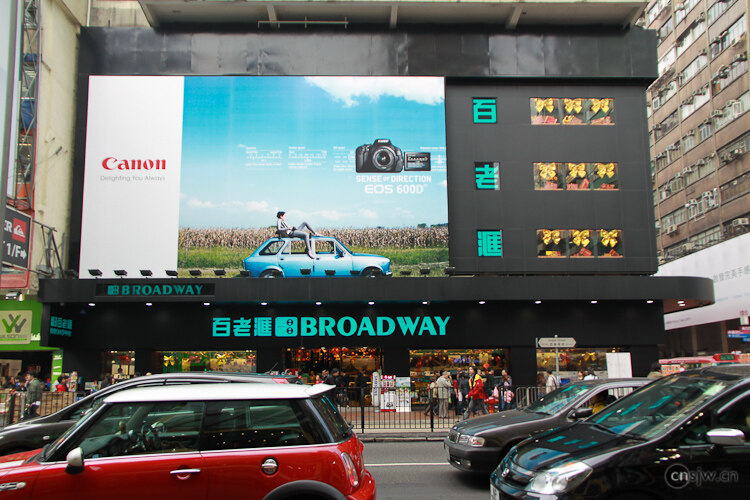
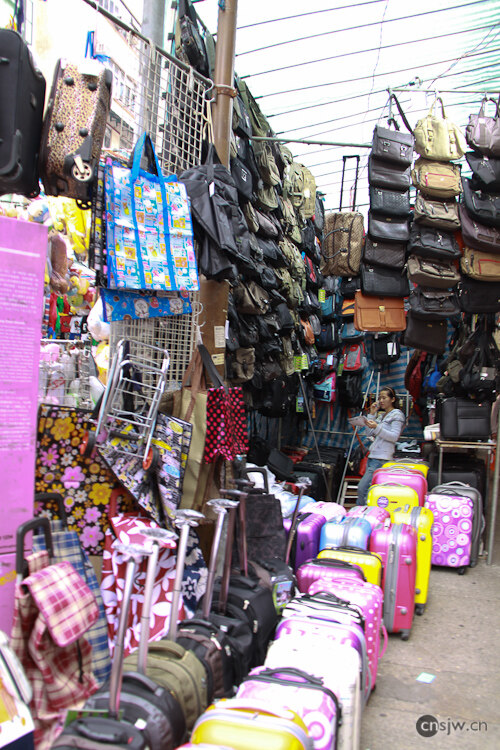
Avoiding the main roads, you come across various themed streets, like Ladies’ Market and Sneakers Street. It feels a bit like Qipu Road… Of course, the items sold here are probably all genuine…
Central
After walking to Jordan, we took the subway to Central. This area is like Lujiazui in Shanghai—the economic center—but with fewer shopping malls.
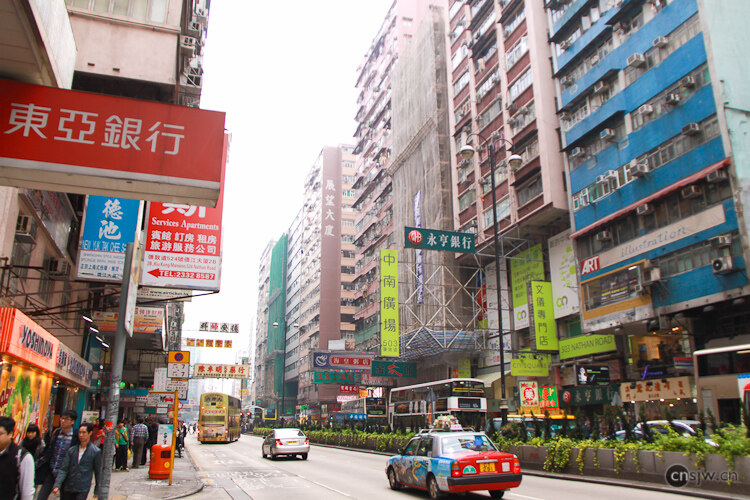
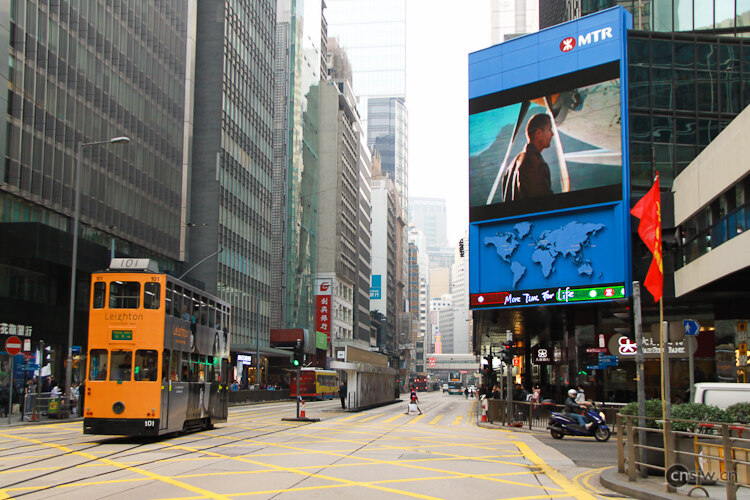
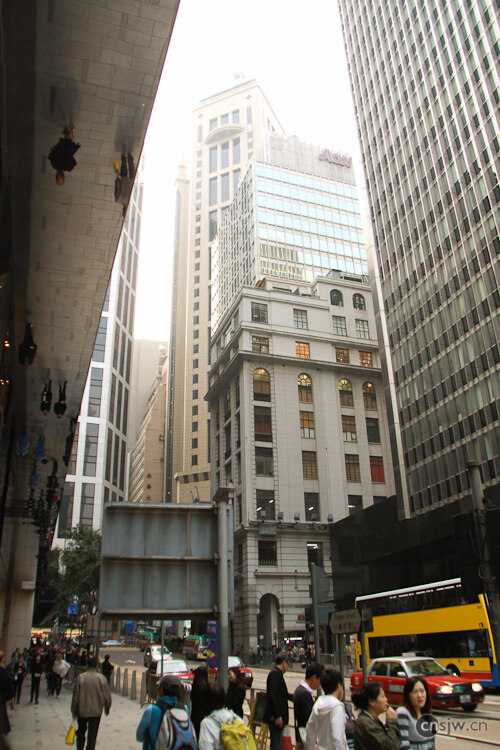
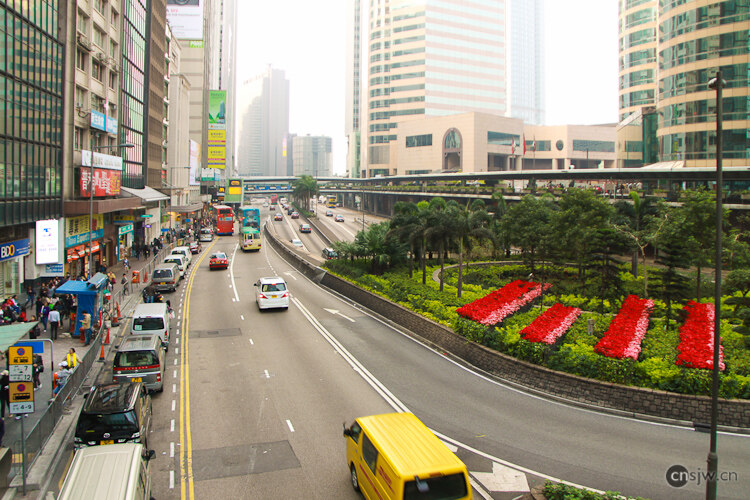
And just like Lujiazui, there is also an ifc here… There is an Apple Store inside ifc as well, but unfortunately, on that day, the Apple Store was only open until 16:00.
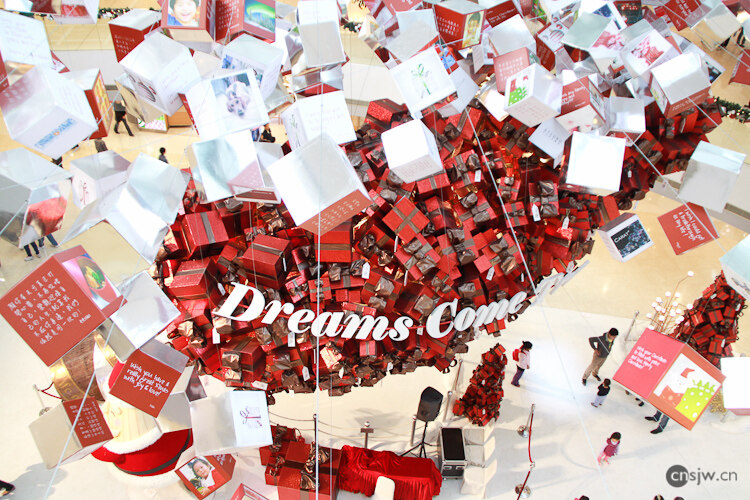
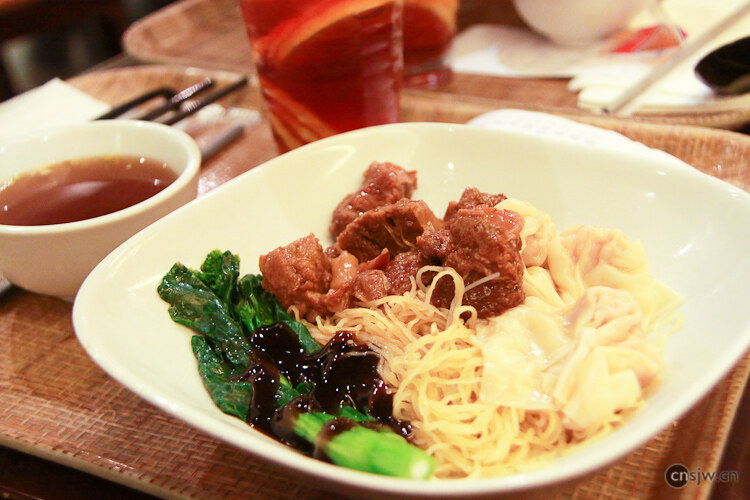
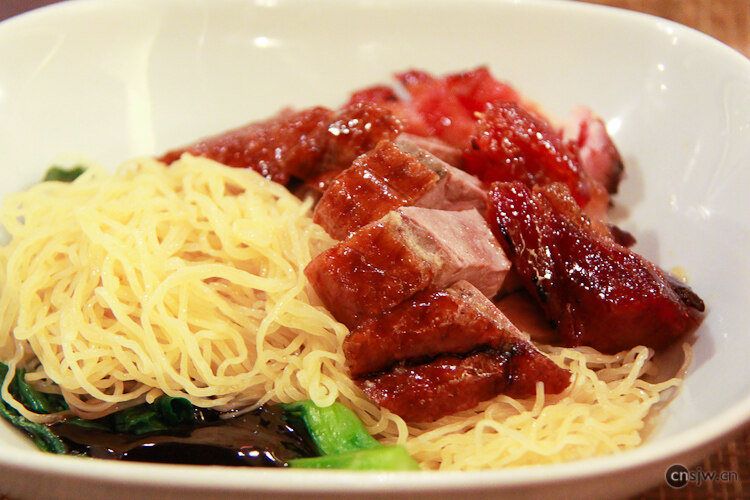
Tired from walking around, we had dinner at Deli-O in the basement of the nearby Jardine House. Judging by the name and storefront, I thought it was a bakery… It turned out to be a Hong Kong-style fast-food restaurant. We ordered Beef Brisket & Fresh Shrimp Wonton Noodles and a BBQ Pork Combo Noodle dish. The portions were generous, the food was delicious, and the price was very reasonable—only HKD 33 per bowl, including a drink. The iced tea was also excellently made.
After finishing our meal, having lost all interest in Hong Kong’s malls, we took the MTR straight back to Shenzhen~~~~


Support