
On the morning of January 2, we headed straight to Shekou Port and took a ferry to Macau~~~~ Since HKD is widely accepted in Macau, there’s no need to exchange currency if you already have HKD on hand. We had booked our ferry tickets online in advance; online bookings are for one-way trips only, but return tickets can be purchased directly at the ticket counter by paying the fare difference. The one-way fare is 180 RMB per person, and the round-trip fare is 320 RMB, so we only needed to pay an additional 140 RMB.
Shekou Port is a small terminal that looks somewhat run-down overall, and management seems a bit disorganized. Normally, ticket checks and boarding begin 15 minutes before departure, but due to the large crowds when we visited, they started half an hour early. After clearing immigration at Shekou and boarding the vessel, it was just about time to depart. Seating on board is unassigned and first-come, first-served, so during the day it’s worth arriving early to grab a window seat; at night it doesn’t really matter since there’s nothing to see outside anyway.
The sea was very calm, and after about an hour on the ferry, we arrived at Macau’s Outer Harbour Ferry Terminal. We had mobile signal for most of the journey, but lost it once we reached Macau. China Unicom 3G roaming rates there are quite steep: local calls (making/receiving) cost 3.48 RMB, calls to Mainland China cost 6.28 RMB, SMS to Mainland China costs 2.46 RMB, SMS to other regions costs 3.36 RMB, and data usage is 0.05 RMB per KB.
Clearing immigration actually took quite a while because the computer at the queue we joined broke down… It was much slower than the adjacent lines… Right outside the terminal, there are free shuttle buses to various casinos, which can be found in the port parking lot. Instead of taking a casino shuttle right away, we took a short walk nearby to sort out lunch first.
Water Palace Sea View Restaurant
Our only meal in Macau was at Water Palace Sea View Restaurant. The ambiance is somewhat similar to some restaurants along Shanghai’s Binjiang area, except this one is right by the sea… Another important difference is that Shanghai is too cold right now, whereas Macau is around 20°C—neither too hot nor too cold—and sitting outside soaking up the sun feels incredibly comfortable…
Here are a few photos of the surroundings:
Macau Friendship Bridge
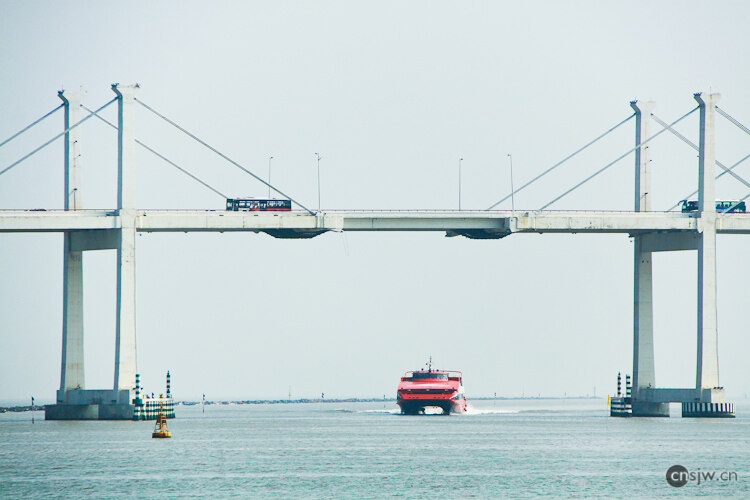
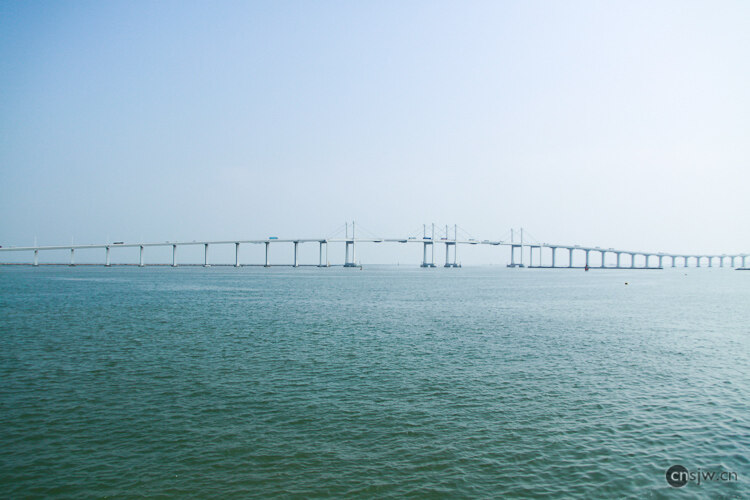
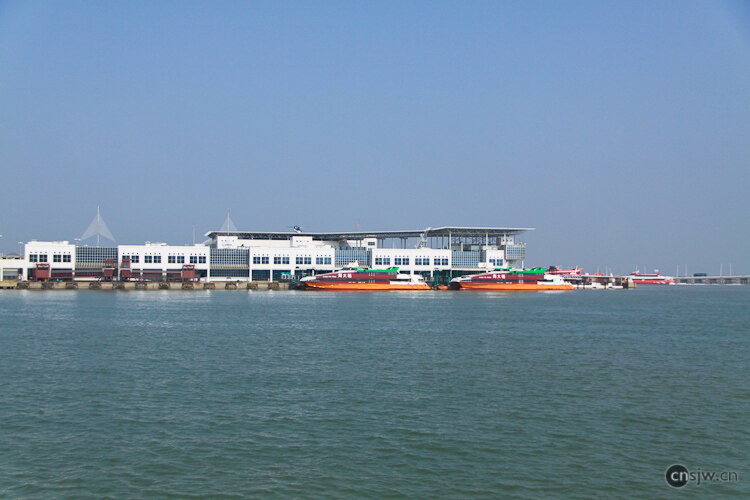
Outer Harbour Ferry Terminal
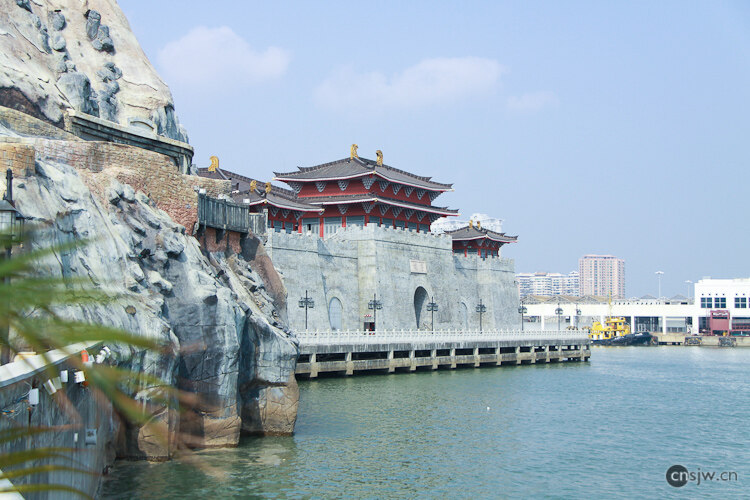
Tang City on the north side
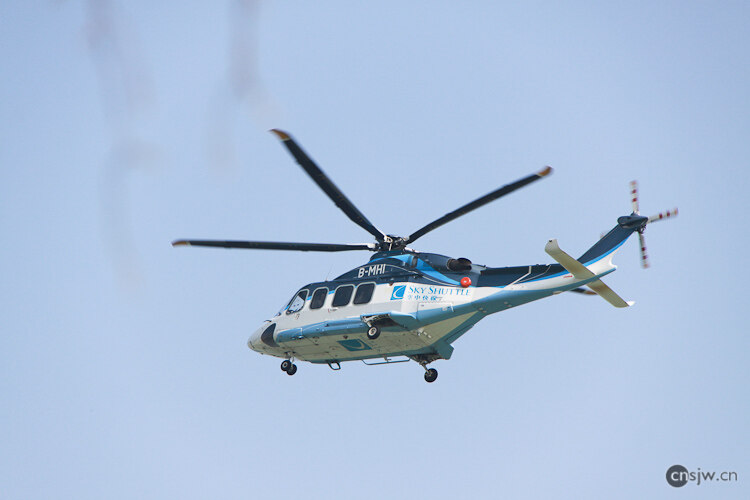
Sky Shuttle helicopters, as the fastest way to travel between Macau, Shenzhen, and Hong Kong, are naturally also the most expensive: current fares are Macau–Shenzhen: 4,000 RMB / 4,800 HKD; Macau–Hong Kong: 3,400 RMB / 3,700 HKD.
For more information, please visittheir official website.
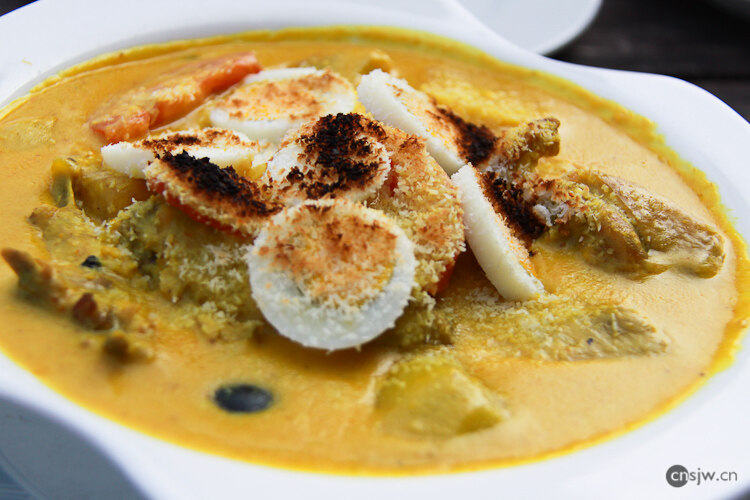
The following dishes:
Portuguese Chicken
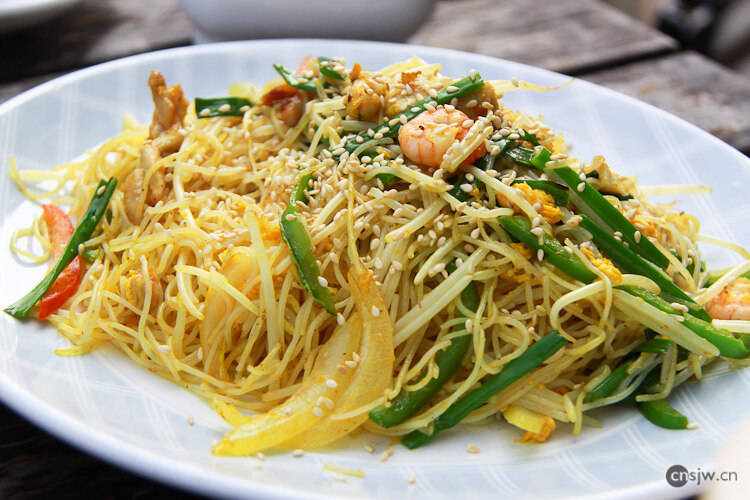
Singapore Fried Rice Noodles
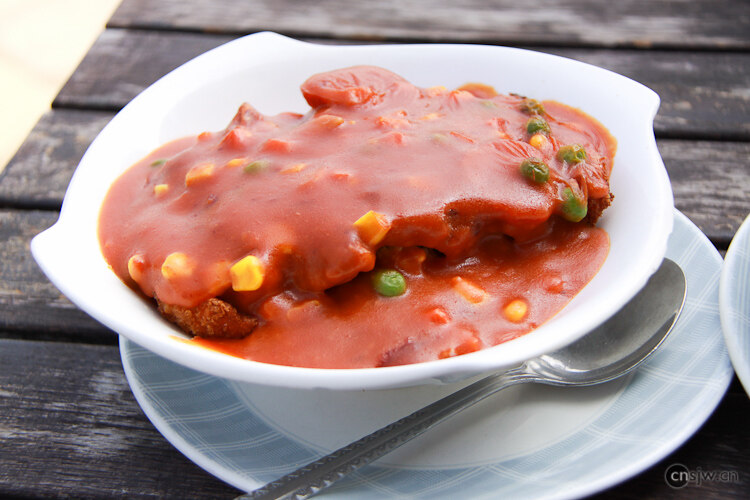
Pork Chop Rice
Fisherman’s Wharf
The restaurant is located inside Macau Fisherman’s Wharf, a tourist attraction themed around a fishing village atmosphere. Fisherman’s Wharf typically features a variety of eateries and bars, specialty shops, seafood markets, and more, allowing visitors to experience a traditional fishing harbor in different ways. The concept of Fisherman’s Wharf originated in San Francisco and has since appeared in cities around the world. (From Wikipedia)
This place felt a bit like a domestic resort to me; upon entering, it seemed rather deserted, with many shops still closed, reminding me of Thames Town in Songjiang and Meilan Lake in Baoshan.
If you’re interested in learning more, you can read the relevant entry on Wikipedia:Macau Fisherman’s Wharf
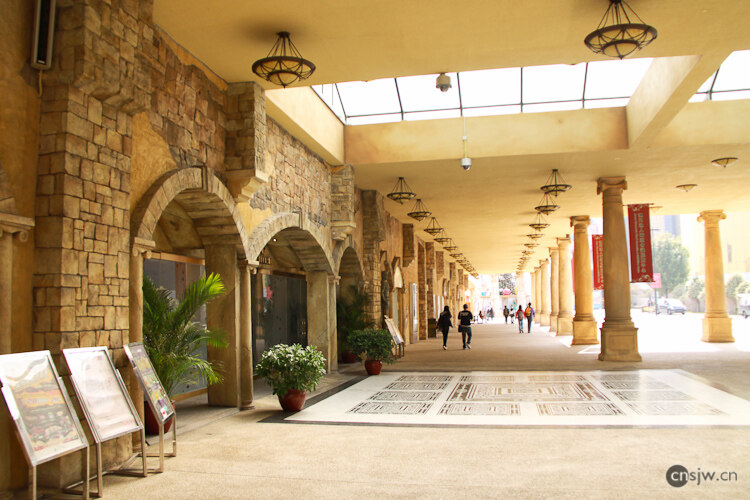
After lunch, we continued exploring Fisherman’s Wharf. There were very few pedestrians, and although a few shops were open, they had hardly any customers.
But the buildings nearby looked pretty nice:
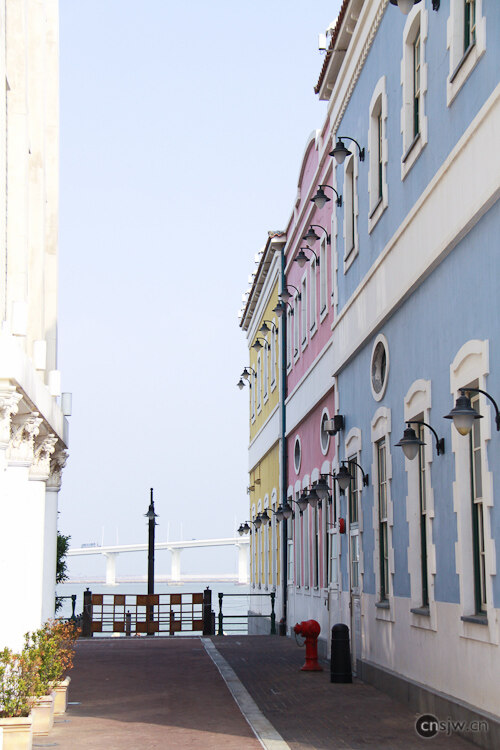
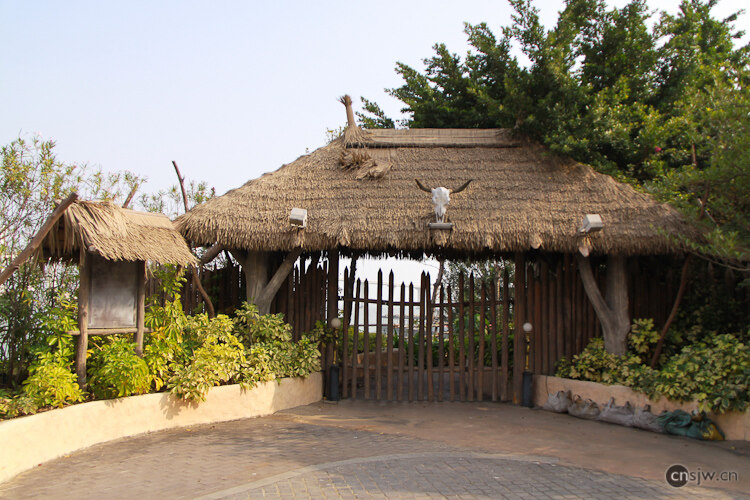
Rocks Hotel
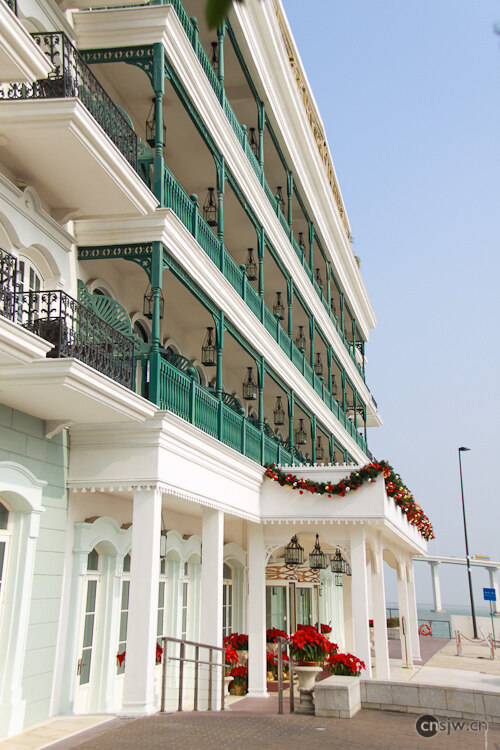
Casino
At the other end of Fisherman’s Wharf lies the famous Sands Casino. Now let’s talk about Macau’s renowned gaming industry~~~~ Macau is a truly remarkable place, with an area of only 29.5 km2, essentially forming a rectangular zone about 3 km by 10 km. It comprises the Macau Peninsula in the north, connected to Zhuhai, and the larger island complex in the south made up of Taipa, Cotai, and Coloane, linked north-to-south by three bridges. A visit to Macau isn’t complete without visiting a casino; gaming is its pillar industry, generating revenue of 267.87 billion yuan in 2011 alone.
Sands Casino is the largest casino in Macau, but since photography is not allowed inside, I don’t have many photos. Downstairs, there are free shuttle buses to The Venetian:
Macau has several massive integrated resorts—complexes that combine hotels, dining, shopping malls, casinos, and more all under one roof. The advantage is obvious: they can monetize guests from multiple angles, ensuring that even if you win money at the casino, you’ll likely spend it elsewhere.
At The Venetian, the ground floor houses the casino, while the upper levels feature a shopping mall.
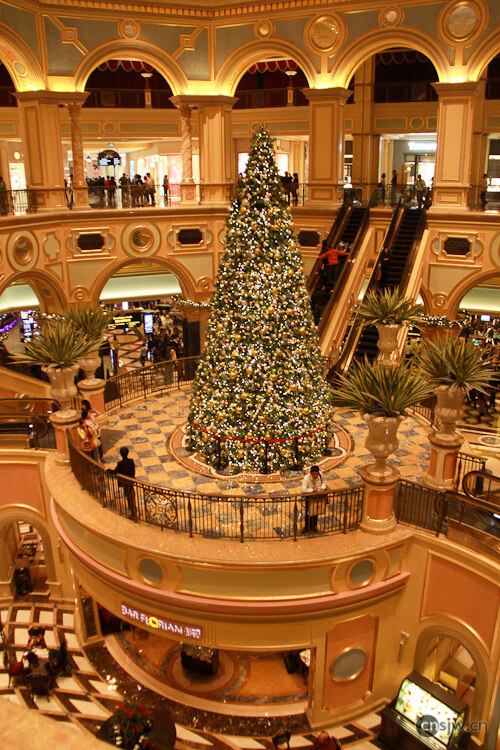
Gorgeously decorated
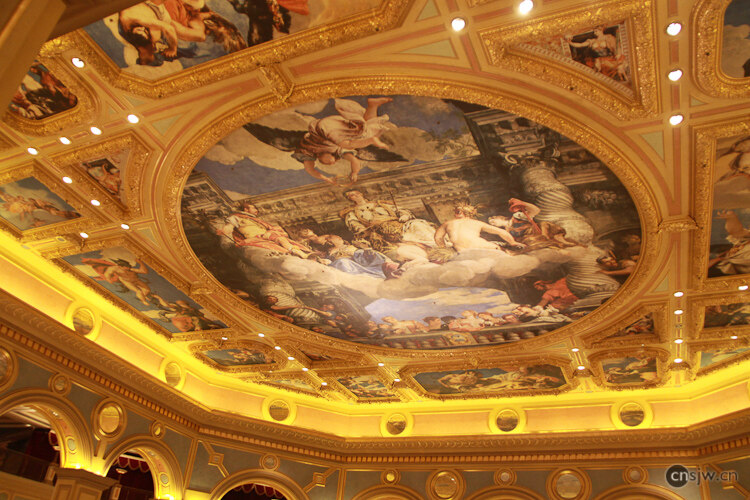
As for the mall section, I finally realized where Changchun’s Xintiandi Shopping Park got its ‘knockoff’ inspiration from…
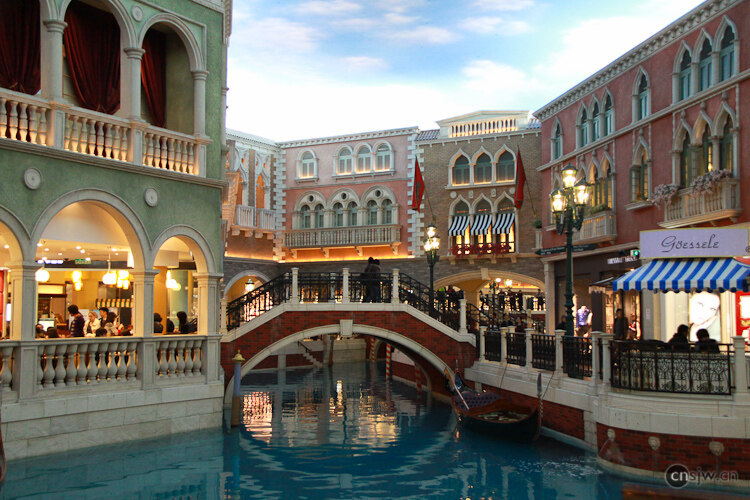
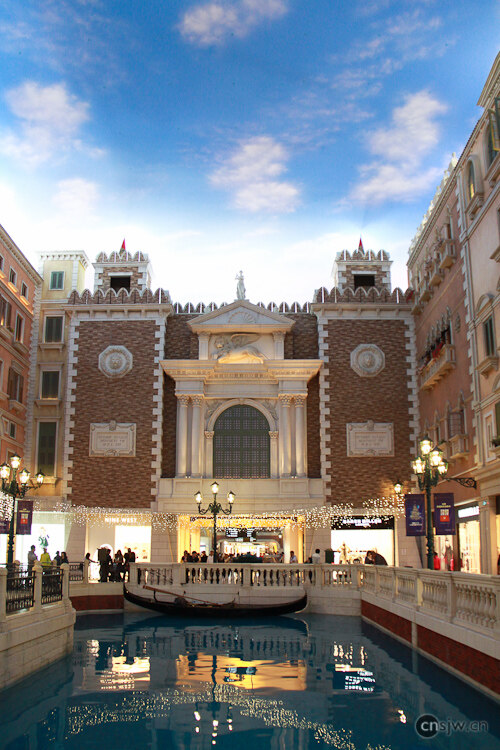
It’s simply enormous—it took us an hour just to barely cover one side of the mall area… Every brand imaginable is available here, and prices are as affordable as in Hong Kong.
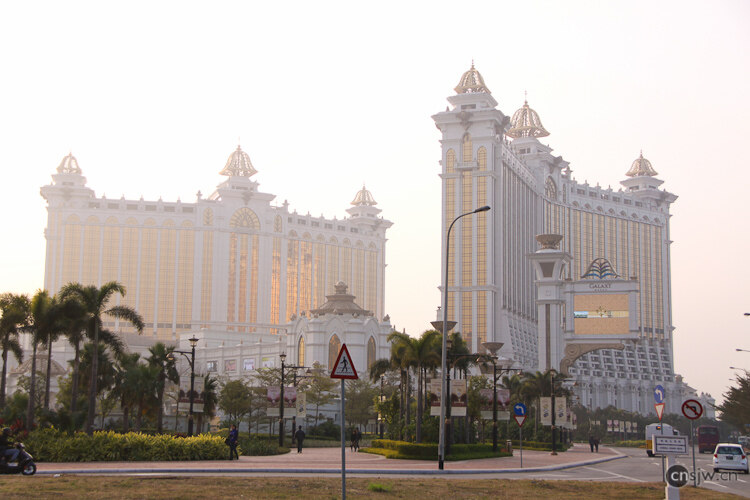
Galaxy, which recently opened:
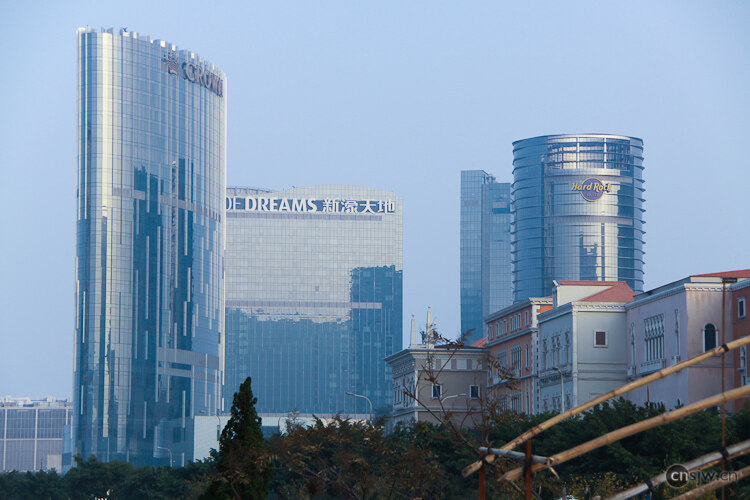
The famous City of Dreams:


Support