
Samcheong-dong
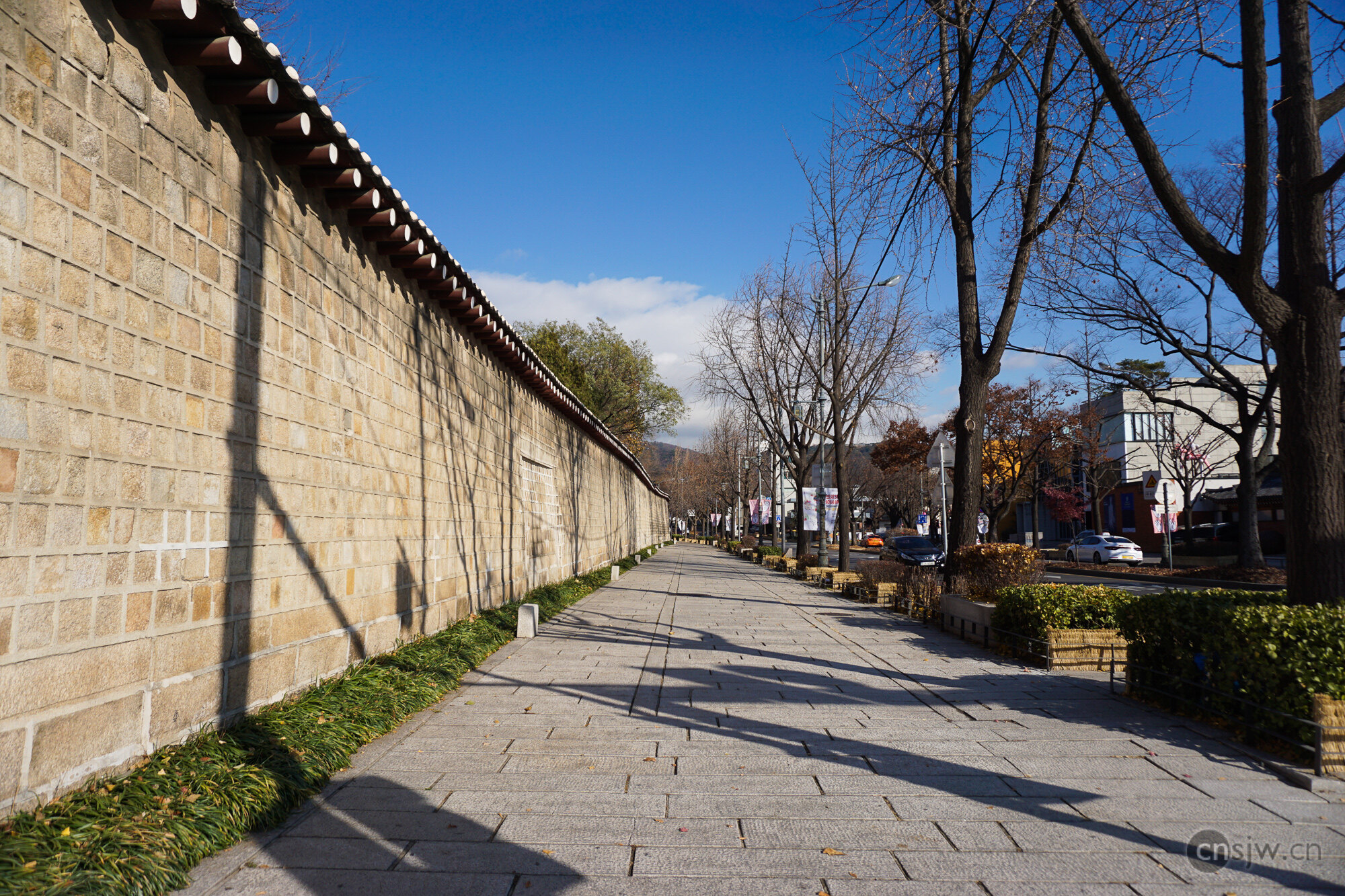
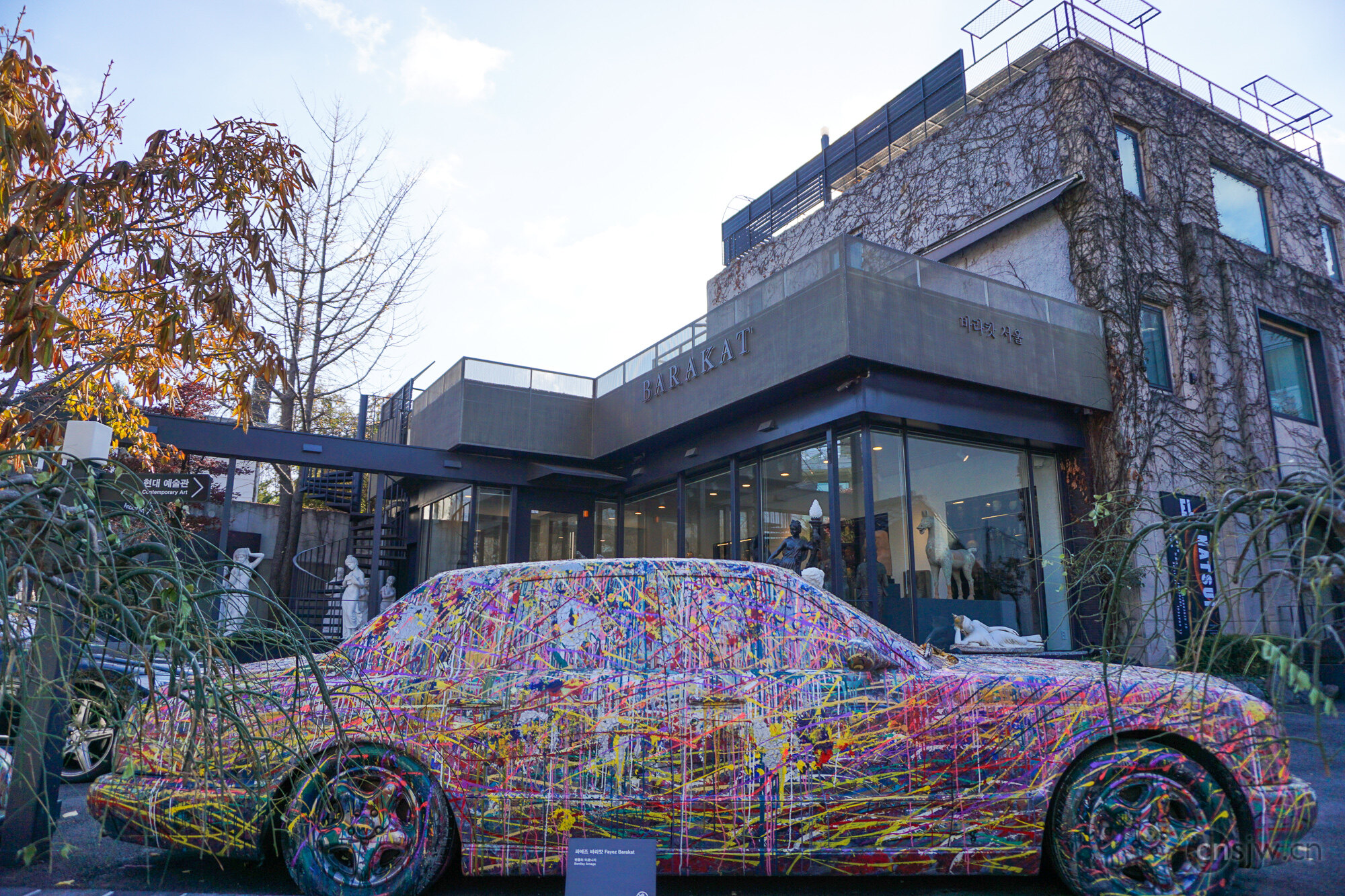
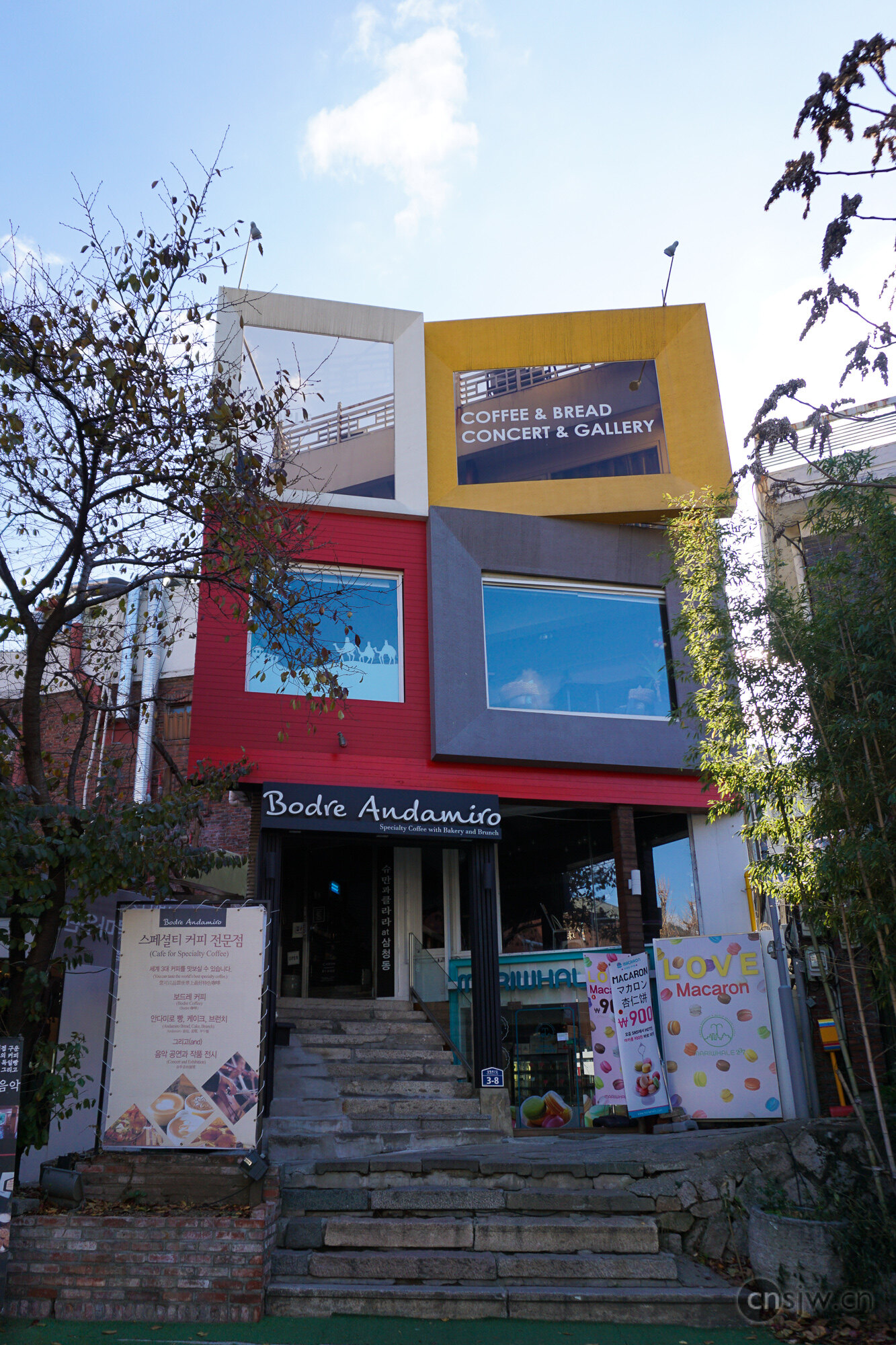
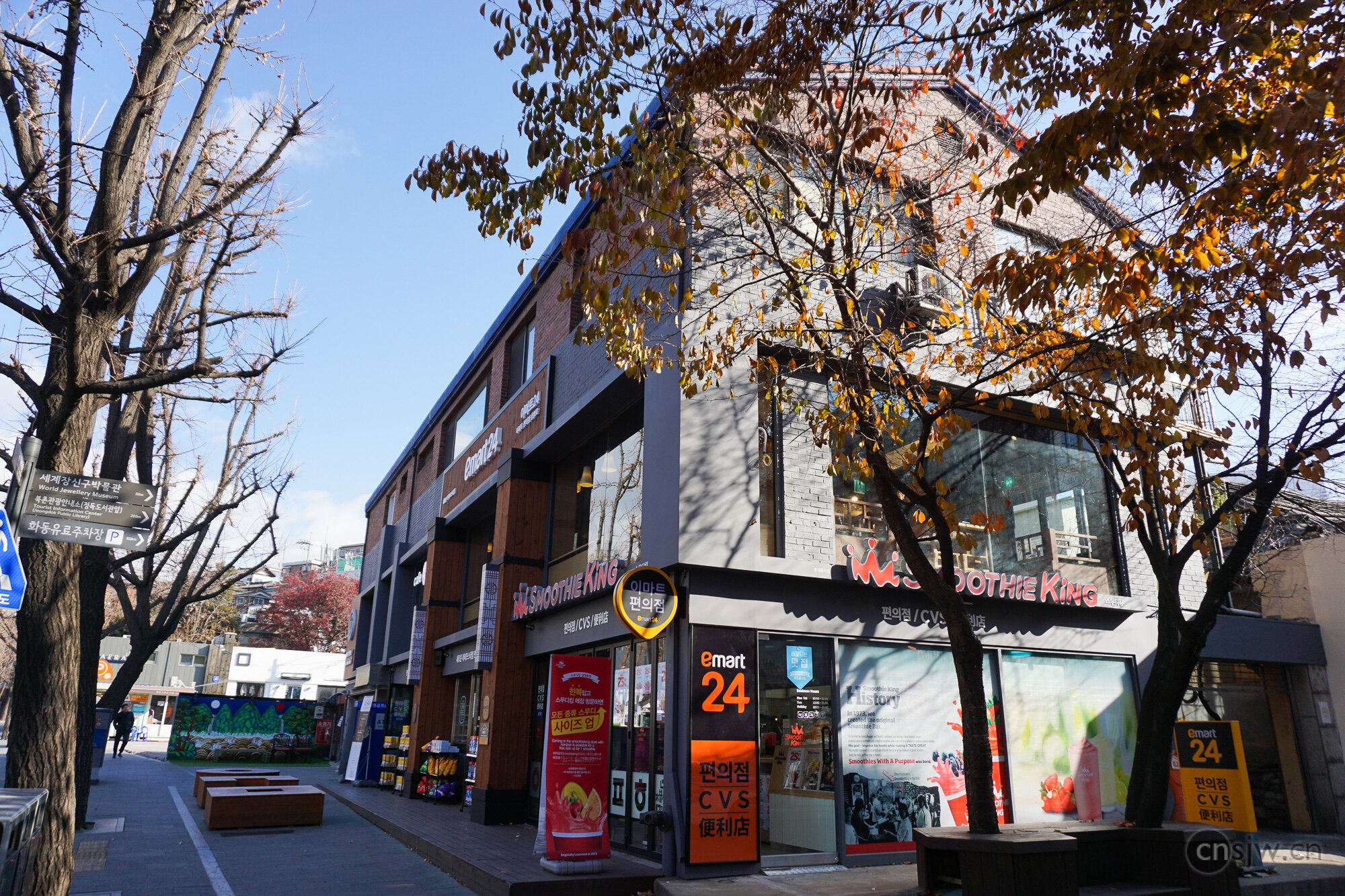
After exiting Gyeongbokgung Palace, head towards the Folk Museum to reach the famous Samcheong-dong. Historically known as “Bukchon” (North Village), this area refers to the northern part of the capital. The name “Samcheong” signifies clear mountains, clear water, and pure people. Long considered a site of excellent feng shui in Seoul, it has been a residential area for the upper class since ancient times. The district still preserves many hanoks built during the Joseon Dynasty, forming the renowned Bukchon Hanok Village. Opposite the National Folk Museum is the Seoul branch of the National Museum of Modern and Contemporary Art. Along the way, you will find numerous art museums and galleries of various sizes. The street architecture is quite distinctive, and there are many small shops, restaurants, and cafes at reasonable prices, making it well worth a visit.
Bukchon Hanok Village
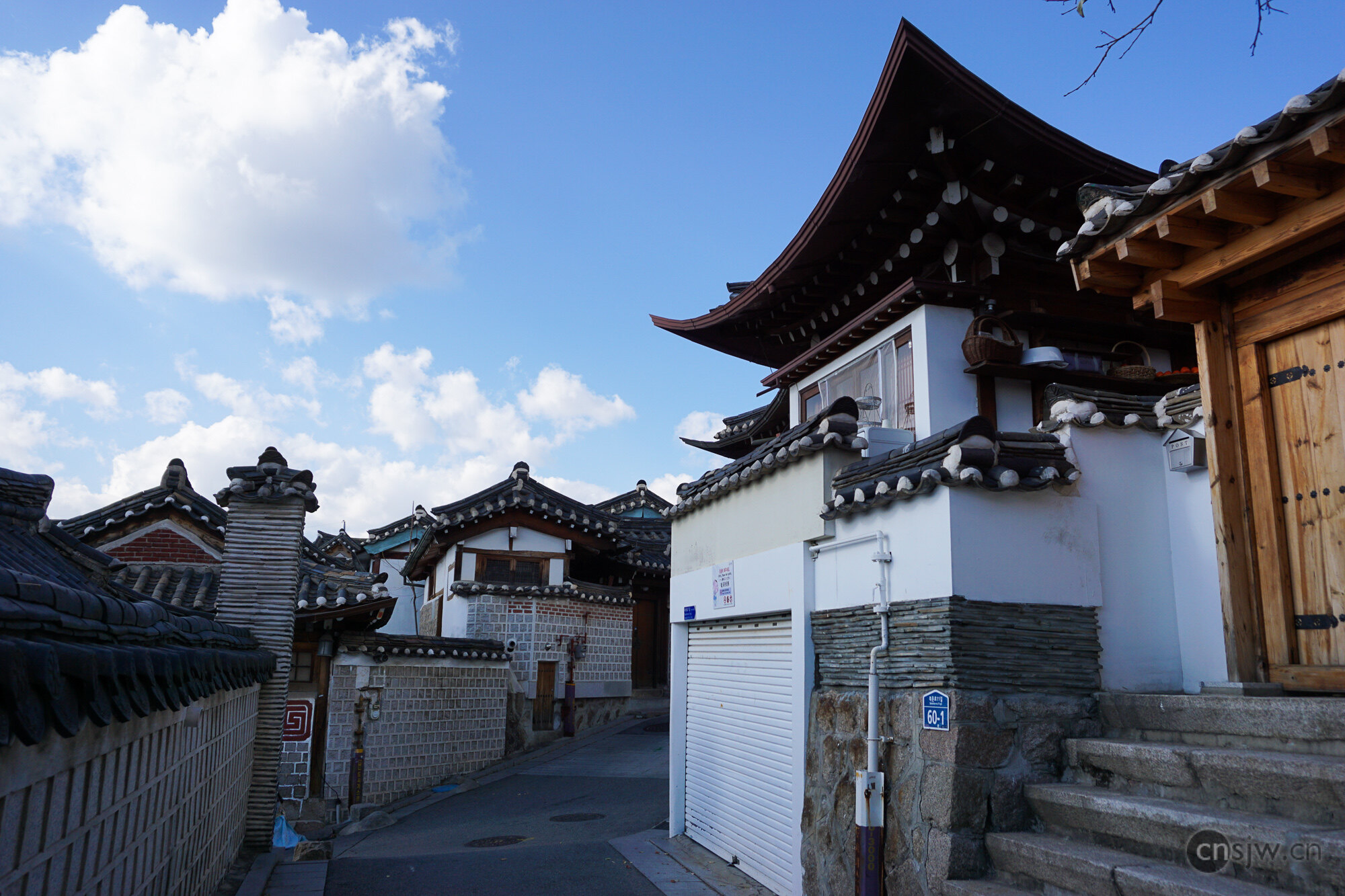
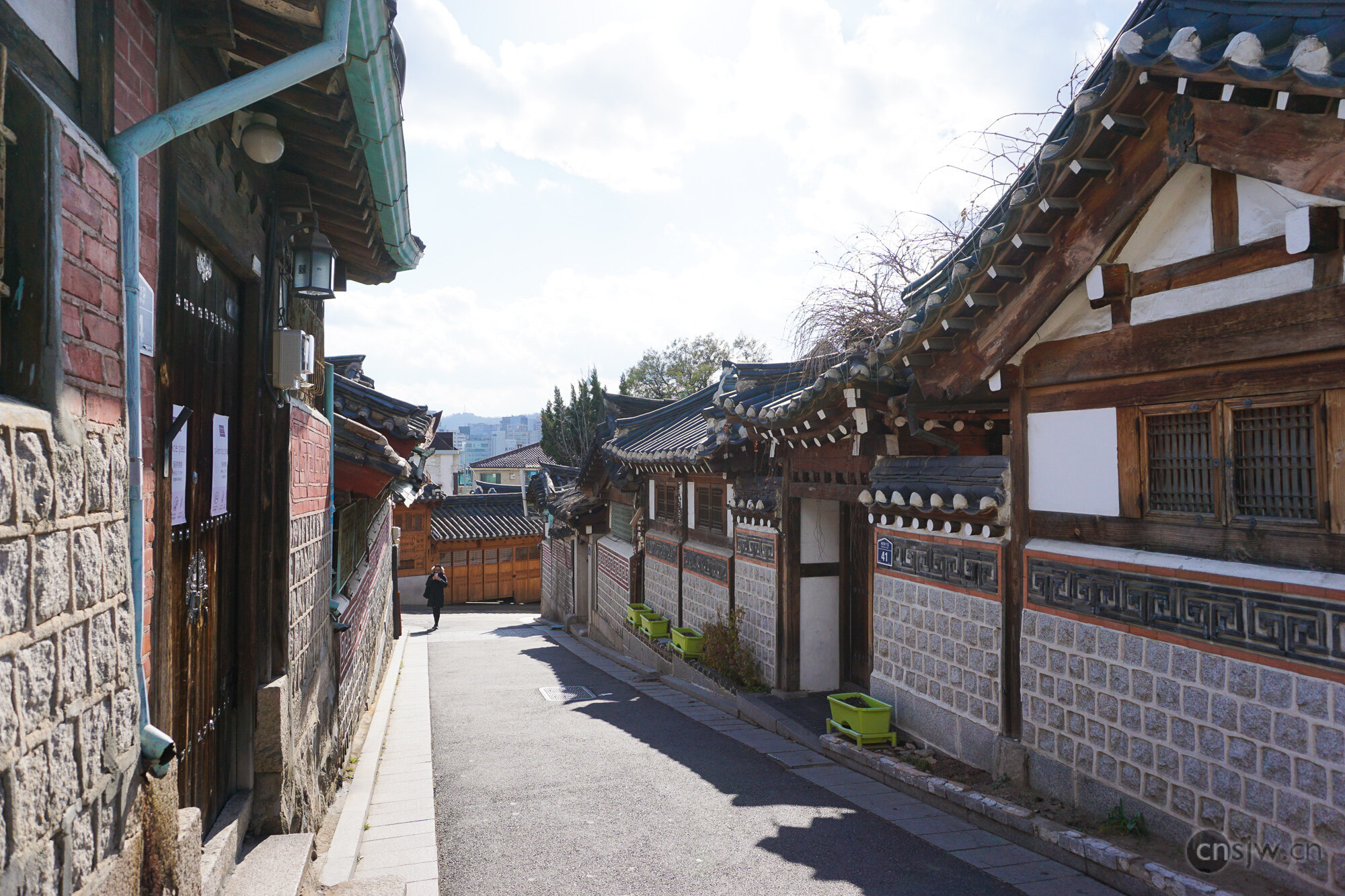
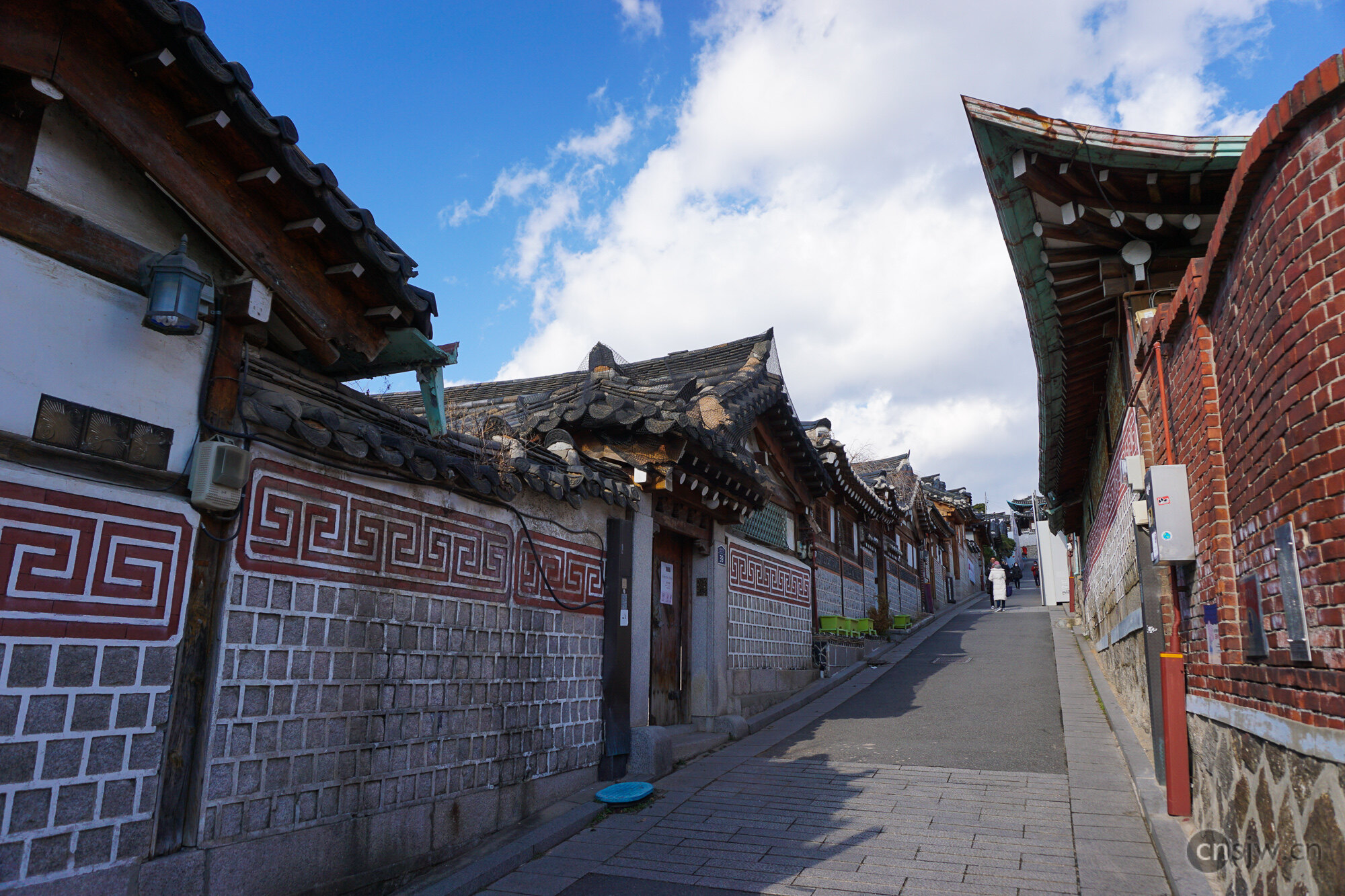
Next to Samcheong-dong Street, simply take any stone stairway path up the hill to reach Bukchon Hanok Village. There are several other areas dedicated to preserving traditional architecture, such as Namsangol Hanok Village and Suncheon Naganeupseong.
Houses built using traditional Korean architectural methods are called hanoks. They are generally divided into tiled-roof hanoks and thatched-roof houses made with straw or reeds. In the past, tiled-roof hanoks were primarily inhabited by the yangban nobility, while commoners lived in thatched houses. Today, many people still choose to live in hanoks, which maintain traditional aesthetics while incorporating modern structural elements.
The heating system in hanoks is similar to the heated brick beds found in rural Northeast China, except that the entire floor of a hanok is heated via ondol. Consequently, residents prefer sitting on the floor, and some older Koreans still maintain this habit today.
It is quite impressive that cars can navigate these roads and that garages have been fitted into such compact spaces. It must be noted that while many streets in Seoul appear flat on maps, they actually involve significant elevation changes. Many homes are located on hillsides, requiring strenuous uphill and downhill walking.
In areas frequented by tourists, you can easily spot staff members in red uniforms providing consultation and directions in Chinese and English, which is very thoughtful.
The nearest subway station when leaving the Hanok Village is Anguk Station. If you are not coming from Gyeongbokgung Palace, this is also the most direct station for reaching the village. On the way, you will see many shops offering hanbok rentals, and numerous tourists wear hanbok to take photos within the village. Of course, compared to domestic tourist spots, the crowds here are much smaller…



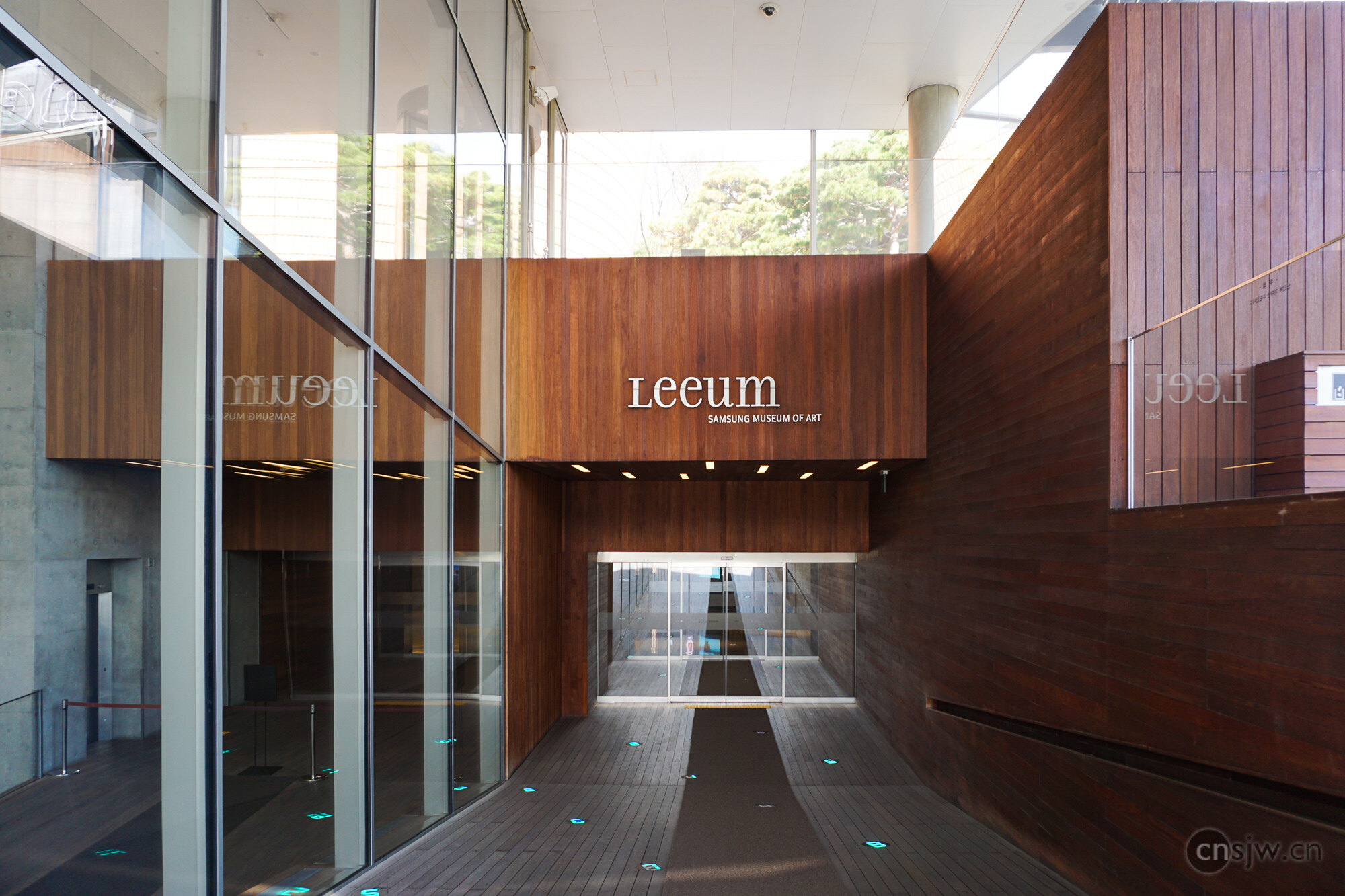
Leeum Samsung Museum of Art
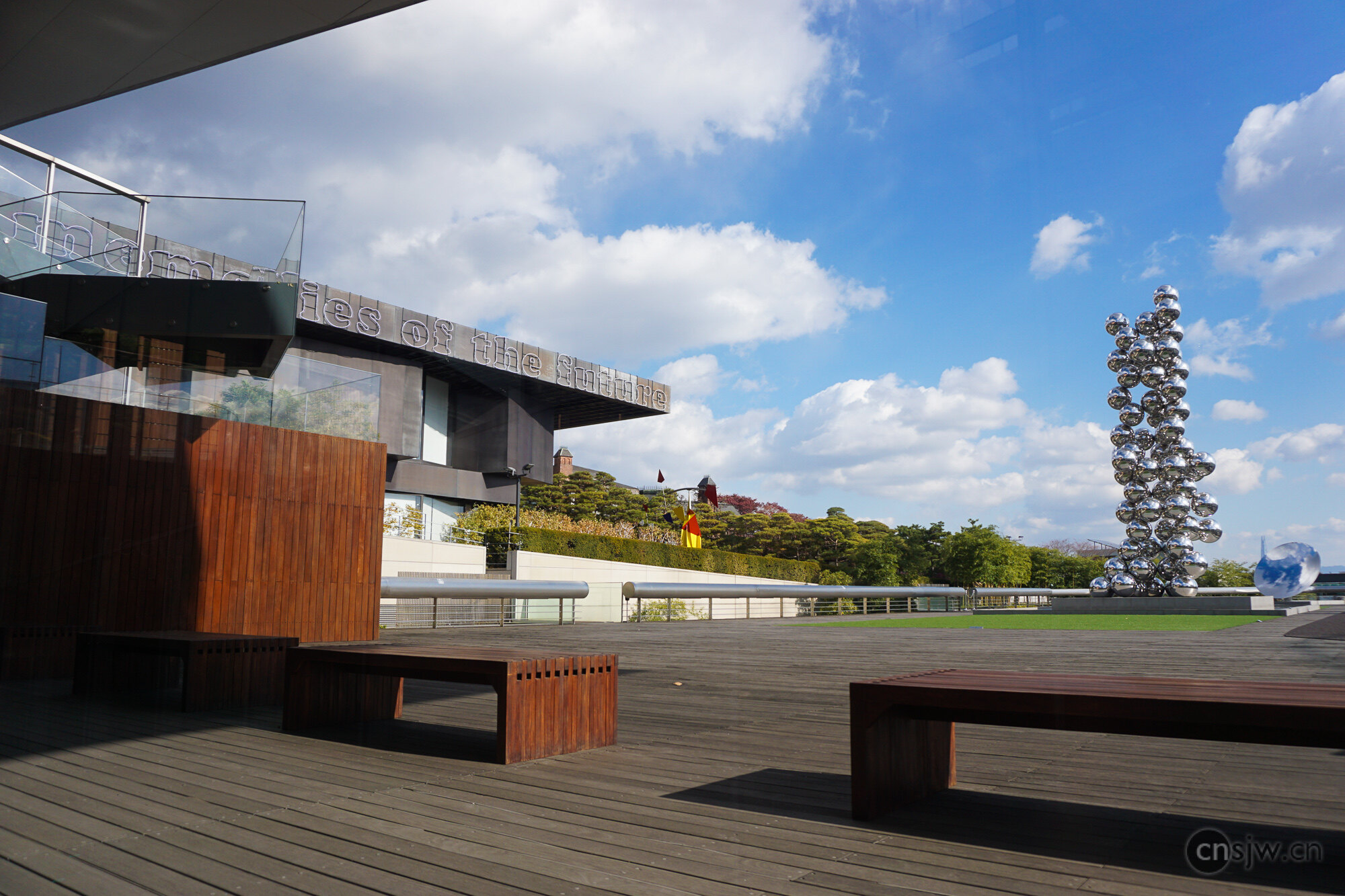
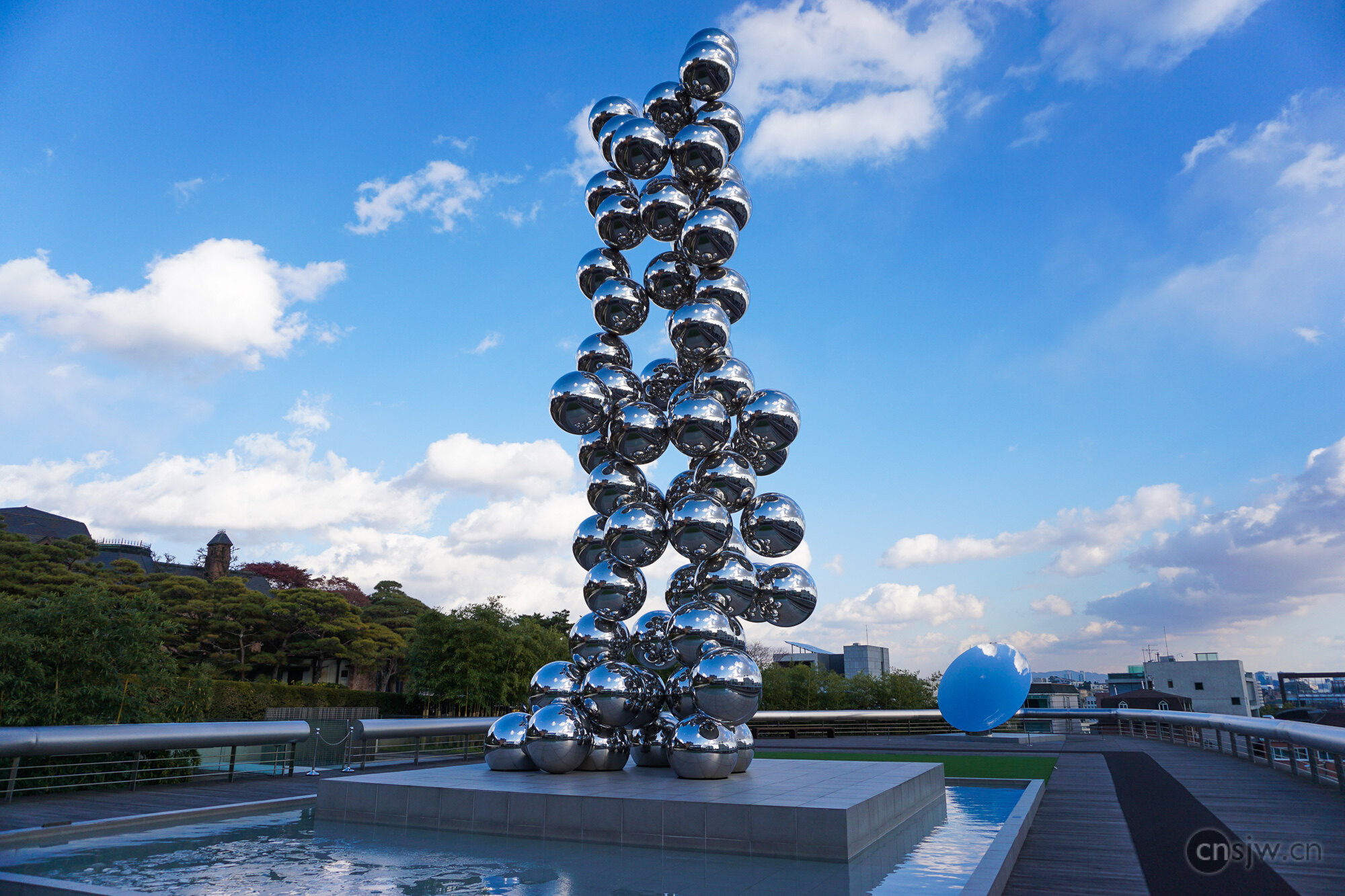
This is another highly recommended destination. Its collection consists primarily of the private holdings of Samsung’s founder. A private museum of this national caliber is quite rare. Officially opened in October 2004, the museum sits on a site covering 3,967㎡ with a total floor area of 14,876㎡. The collection is diverse, comprising 36 National Treasures, 96 Treasures, and approximately 15,000 works ranging from ancient art to pieces by world-renowned modern artists. However, not all items are on display at once; a significant portion remains in storage, and onthe Samsung Museum of Art official website, you can view the complete collection catalog along with specific information on exhibit locations.
The museum commissioned three different architects to design three distinct exhibition halls: Museum 1, designed by Swiss architect Mario Botta, draws inspiration from traditional Korean ceramics; Museum 2, a permanent contemporary art gallery designed by French architect Jean Nouvel, utilizes new materials; and the Samsung Child Education & Culture Center, designed by Dutch architect Rem Koolhaas.
Being affiliated with Samsung, the museum naturally integrates various technologies to enhance your viewing experience, including HD TVs and mobile device interactions. It also features a location-aware audio guide that automatically provides commentary as you approach specific exhibits. However, the Chinese voiceover is not particularly pleasant, and reading the text directly is much faster than listening to the slow narration. Additionally, since physical displays cannot show every angle of an artifact—especially the bottom—the audio guide provides high-resolution images for detailed viewing.
Admission is very affordable at just 10,000 KRW, and the audio guide costs only 1,000 KRW. Spending that extra 6 RMB absolutely makes for a completely different experience.
Exit Hangangjin Subway Station and walk about 100 meters toward Itaewon. You will see clear signs for the museum. Follow the signs uphill for about five minutes, and you will arrive.
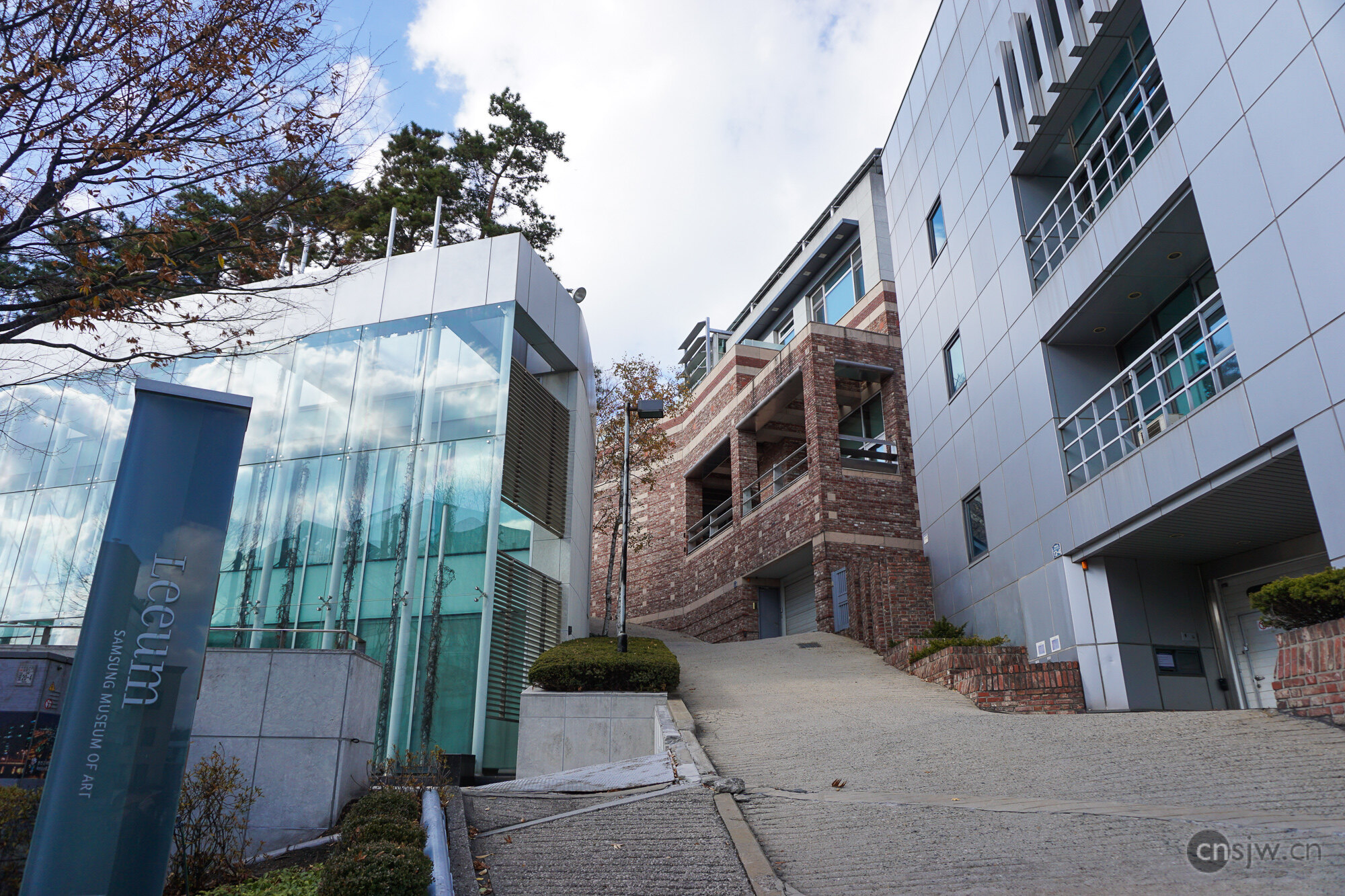
Since photography is not allowed inside, I could only take pictures of the exterior:
Photos in this post taken with SONY A5100 + 16-50 f3.5-5.6, post-processed in Lightroom.

Support



Read this article on WeChat