
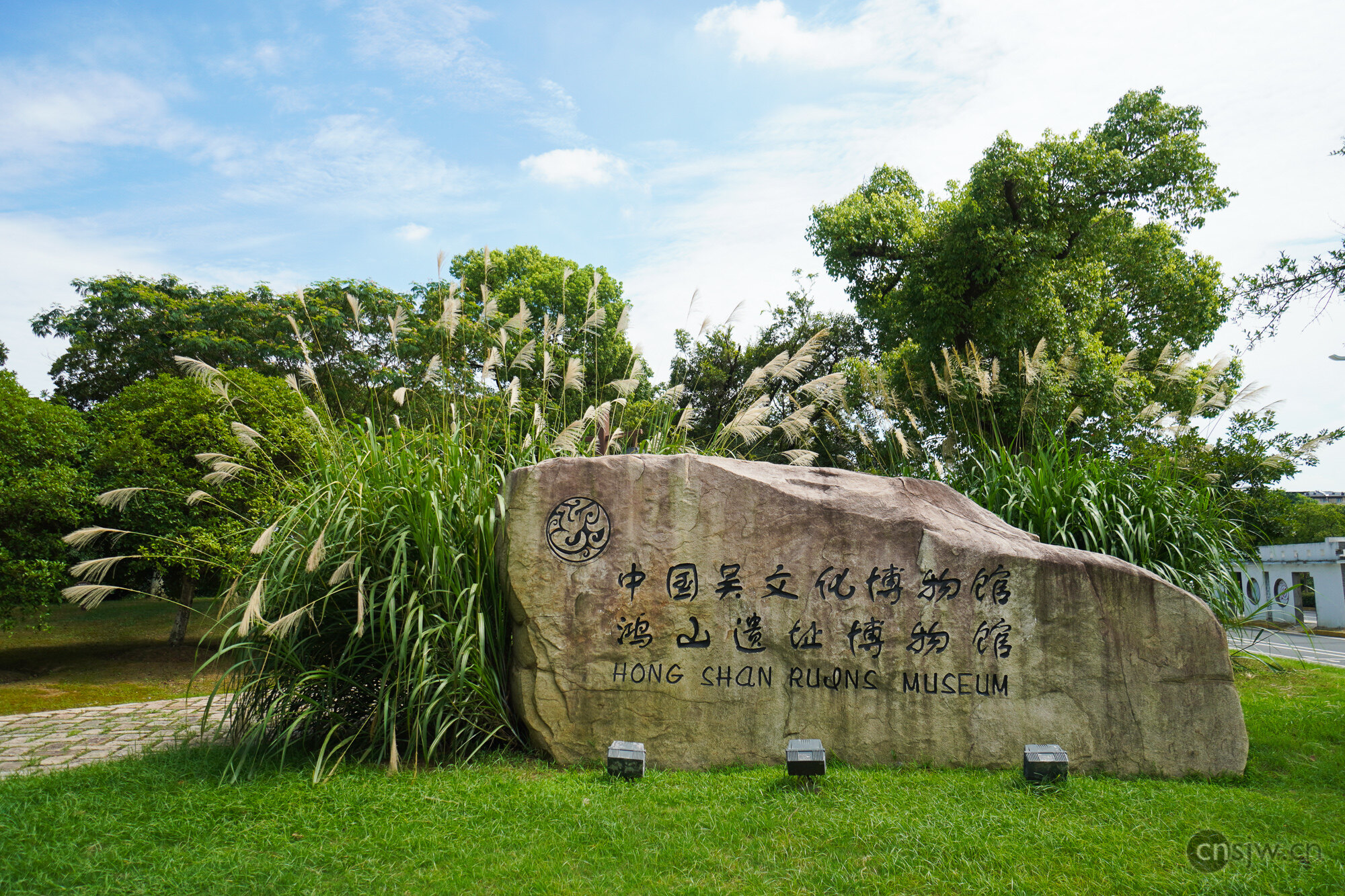
The Hongshan Site is an attraction you can visit on the way from Wuxi back to Shanghai. Due to its inconvenient location, it is practically accessible only by car, resulting in very few visitors. It is almost entirely free of tourists, making it a great spot for photography~~
Located in Hongshan Subdistrict, Xinwu District, Wuxi, the Hongshan Site is a burial complex dating back to the Spring and Autumn and Warring States periods in the lower Yangtze River region of China, covering an area of 7.5 square kilometers. Between 2003 and 2005, rescue archaeological excavations were conducted on seven tombs at the site, unearthing over 2,300 precious cultural relics.
Due to its significant historical and cultural relic value, the Hongshan Site was successively selected as one of the Top Ten Archaeological Discoveries in China in 2004, included in the sixth batch of Major Historical and Cultural Sites Protected at the National Level in 2006, and listed as one of the key large-scale site protection projects under both the 11th Five-Year Plan (Top 100) and the 12th Five-Year Plan (Top 150). In November 2010, the Hongshan Site was designated by the National Cultural Heritage Administration as one of the first National Archaeological Site Parks.
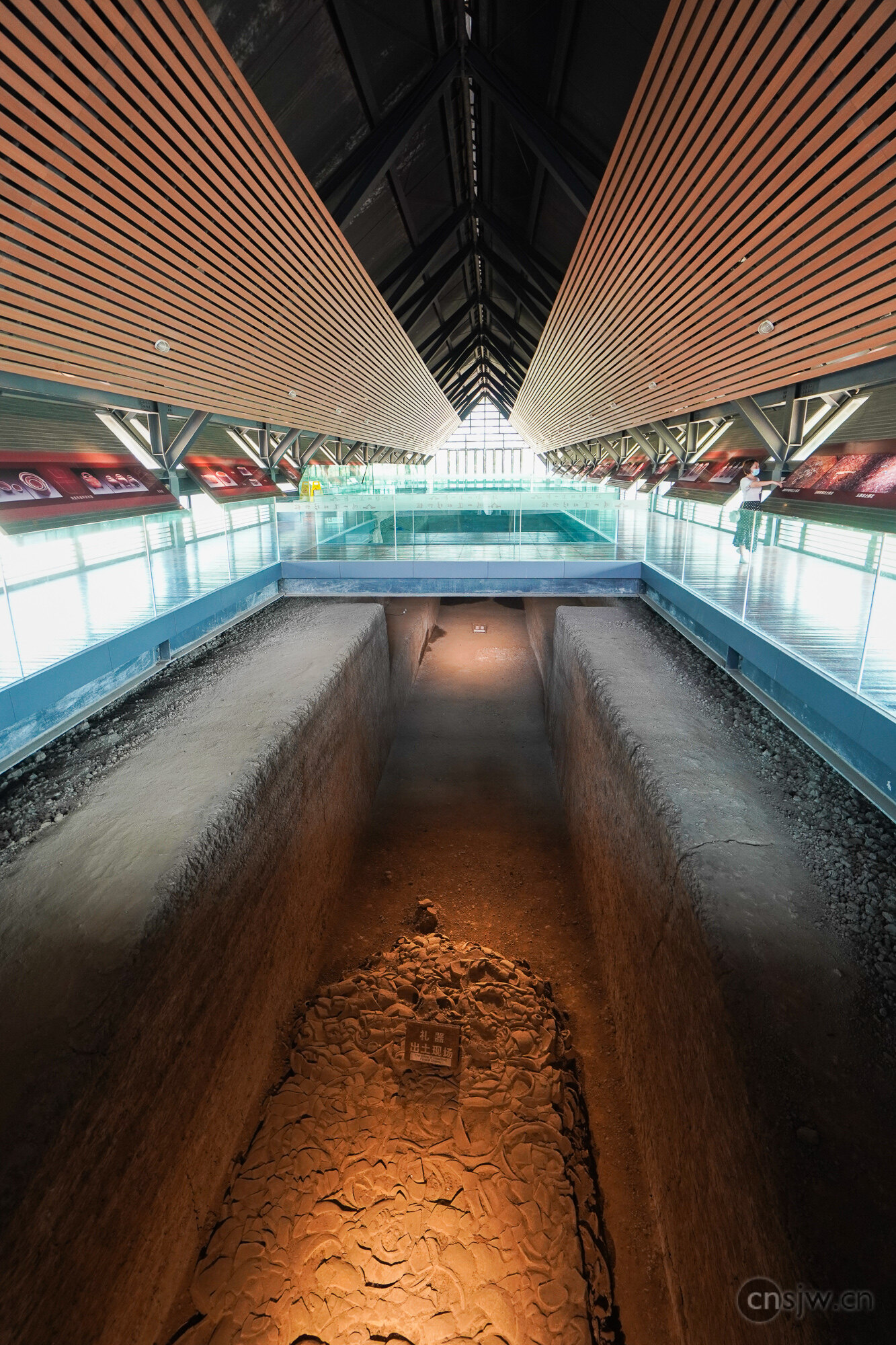
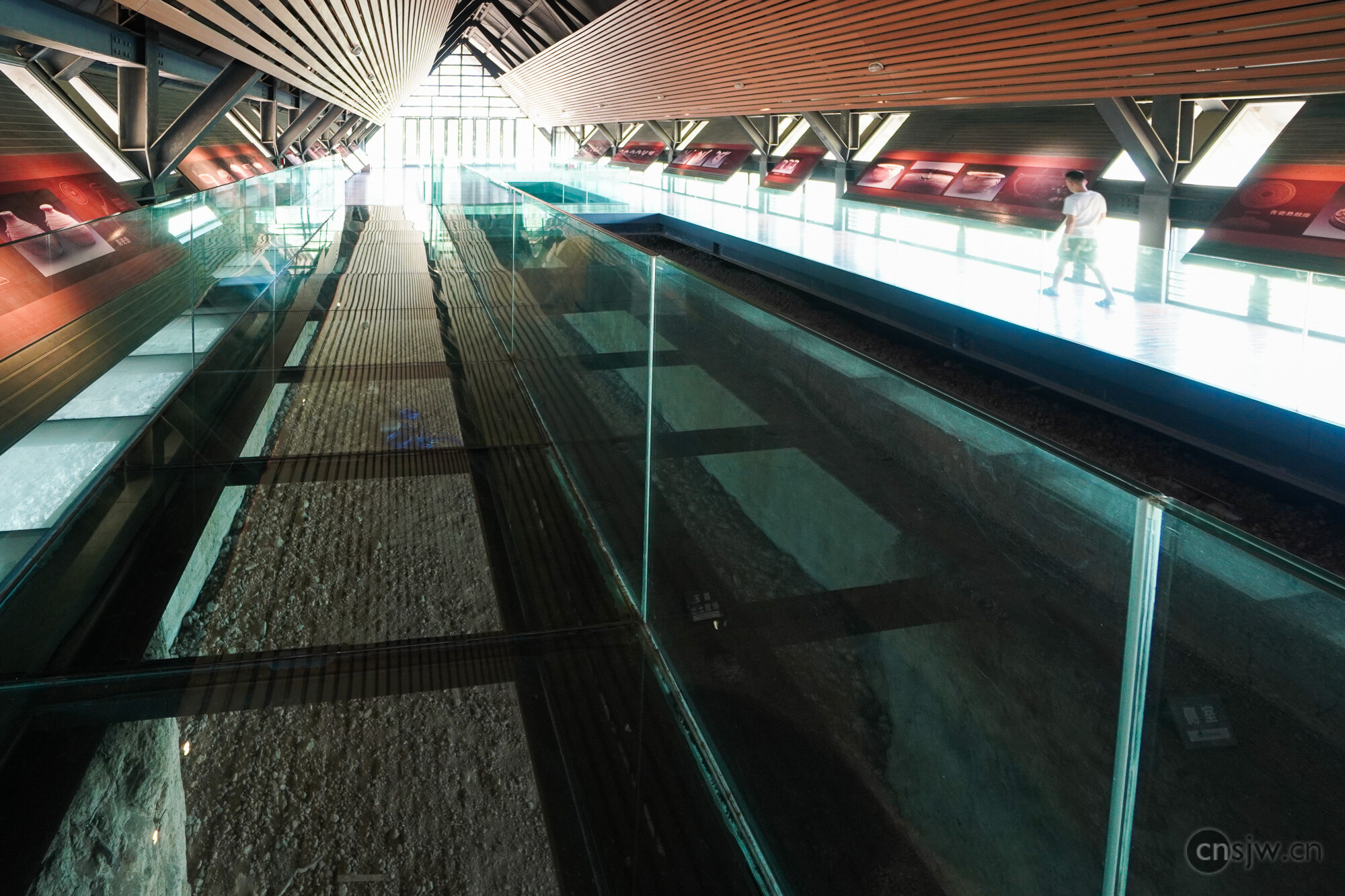
Since 2008, various cultural and ecological conservation and exhibition projects have been completed, including the Hongshan Site Museum, the preservation and display of the Qiuchengdun tomb itself, the agricultural ecology exhibition area, and the wetland ecology exhibition area. These developments have turned the area into a cultural and ecological leisure resort with considerable influence in southern Jiangsu and even the entire Yangtze River Delta. The site’s approach to protection and utilization—characterized by “comprehensive coordination and scientific mutual benefit”—has been recognized by the National Cultural Heritage Administration and dubbed the “Wuxi Model” for large-scale site protection.
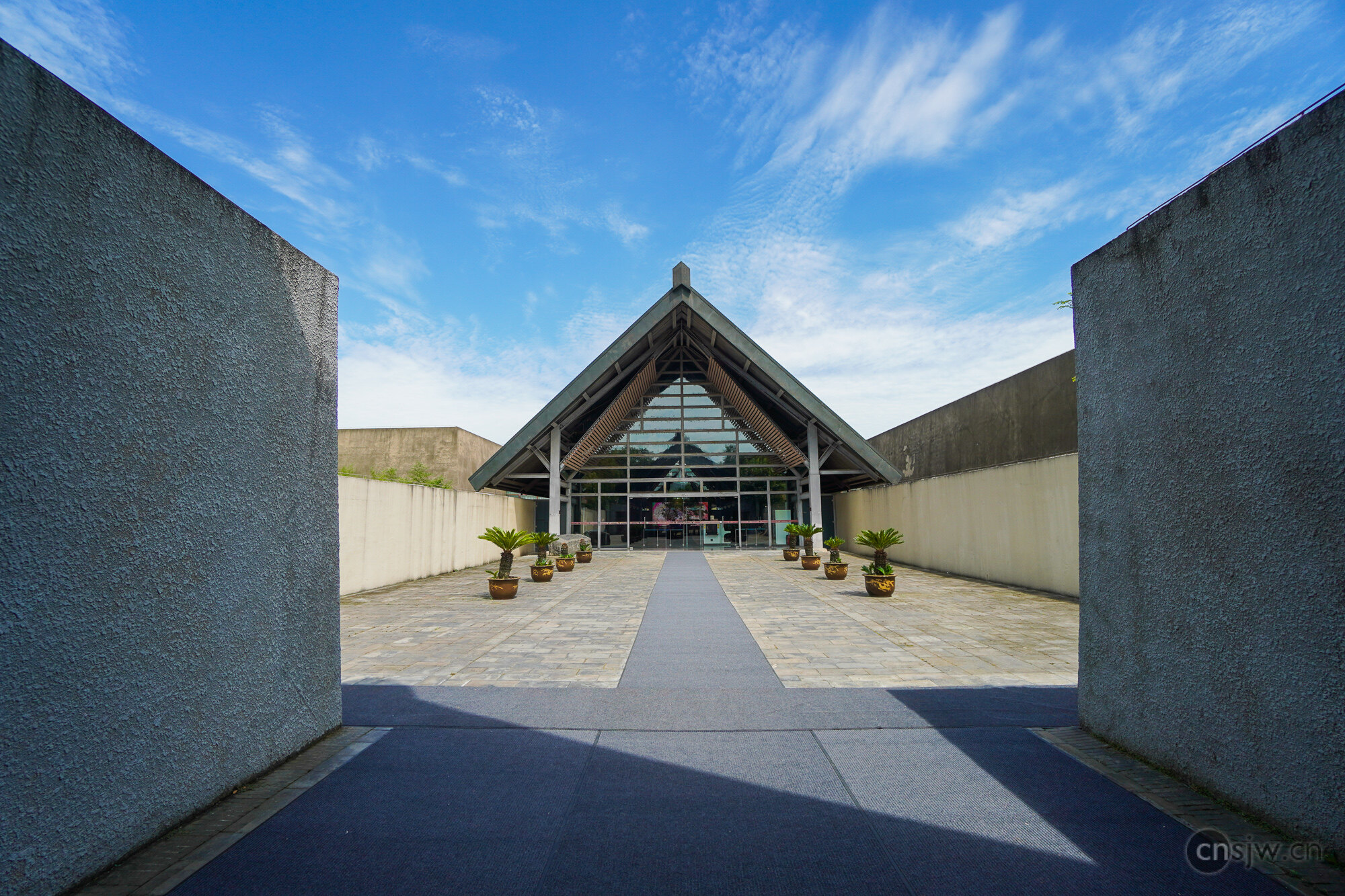
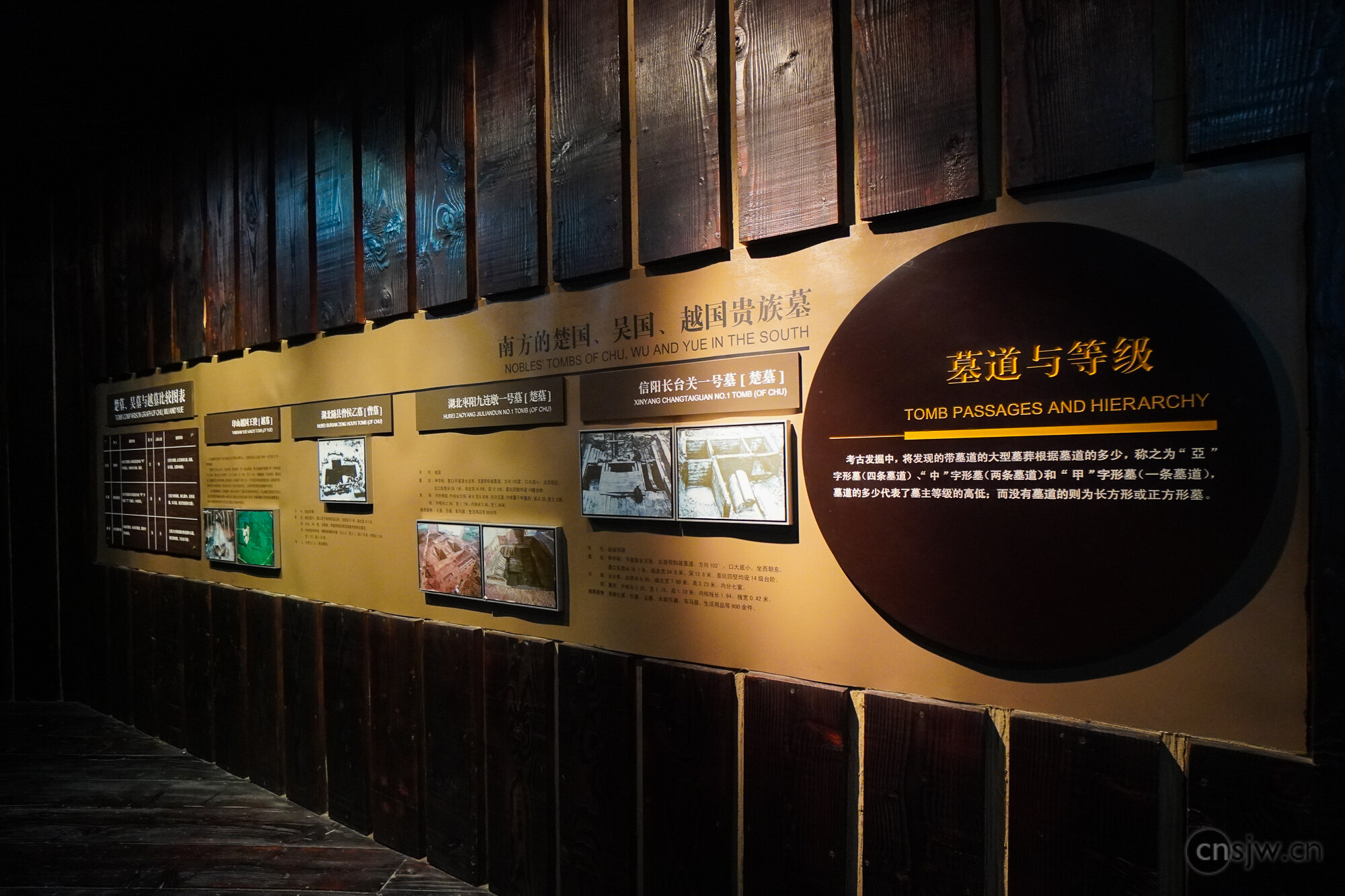
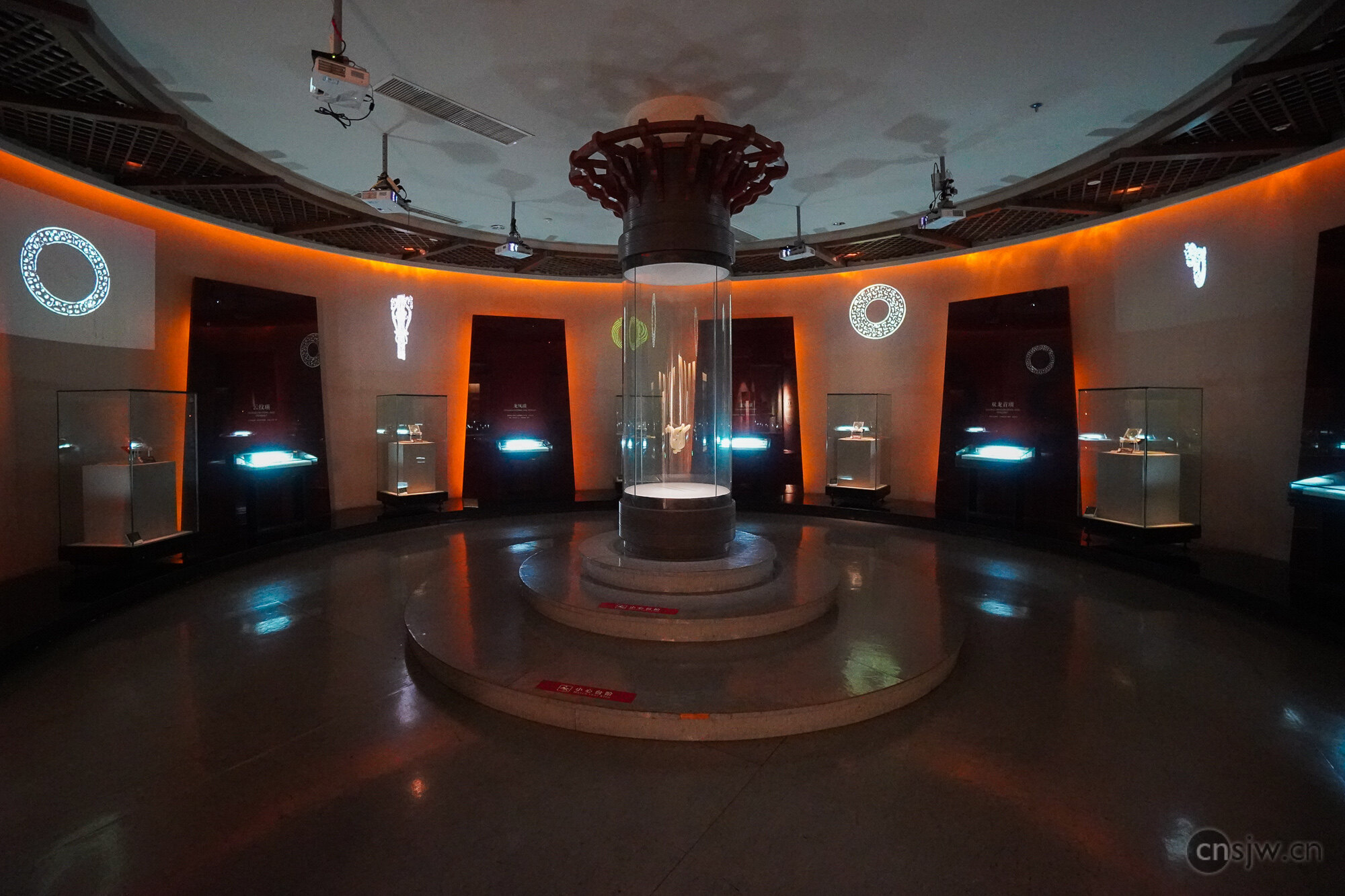
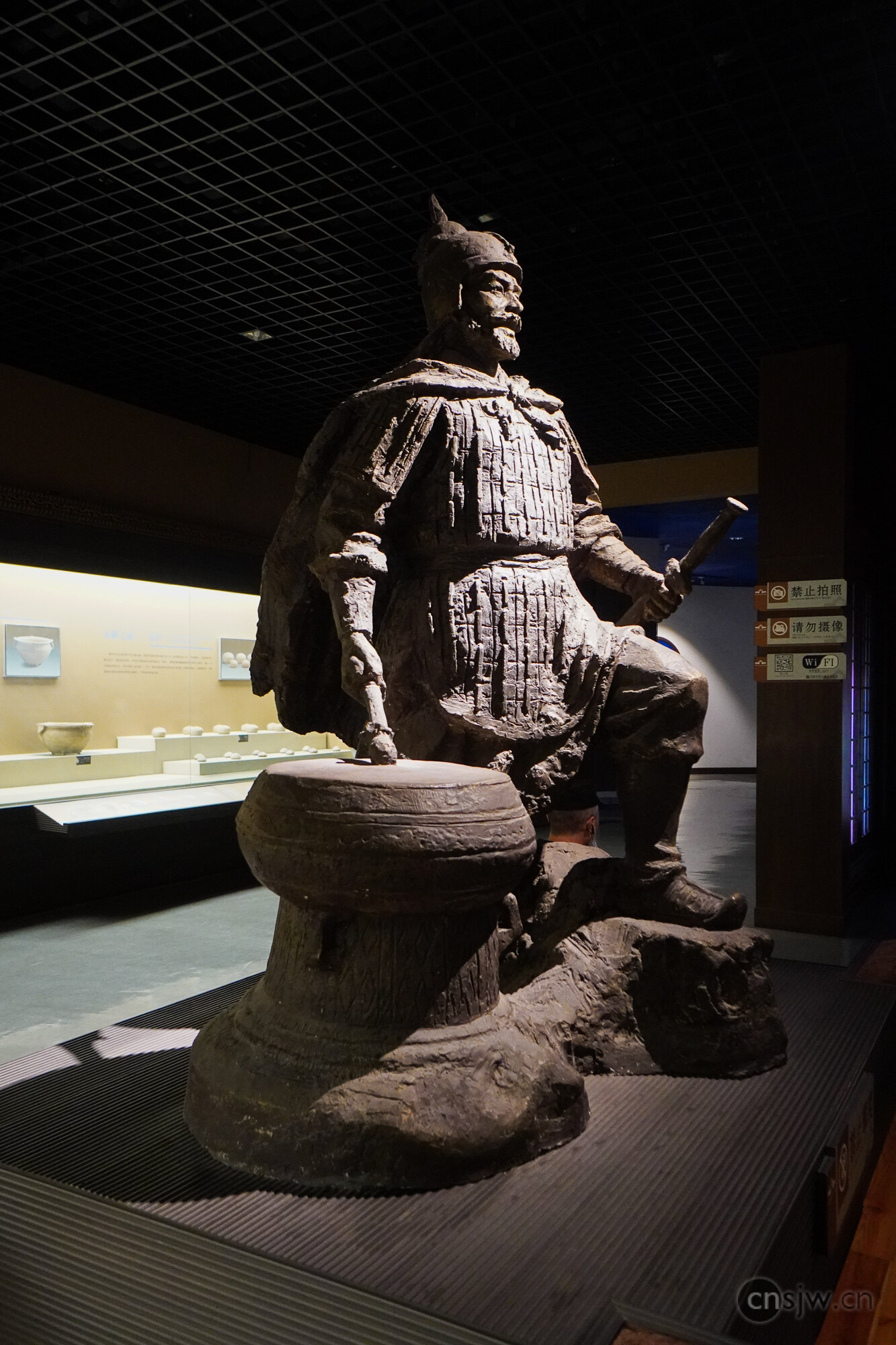
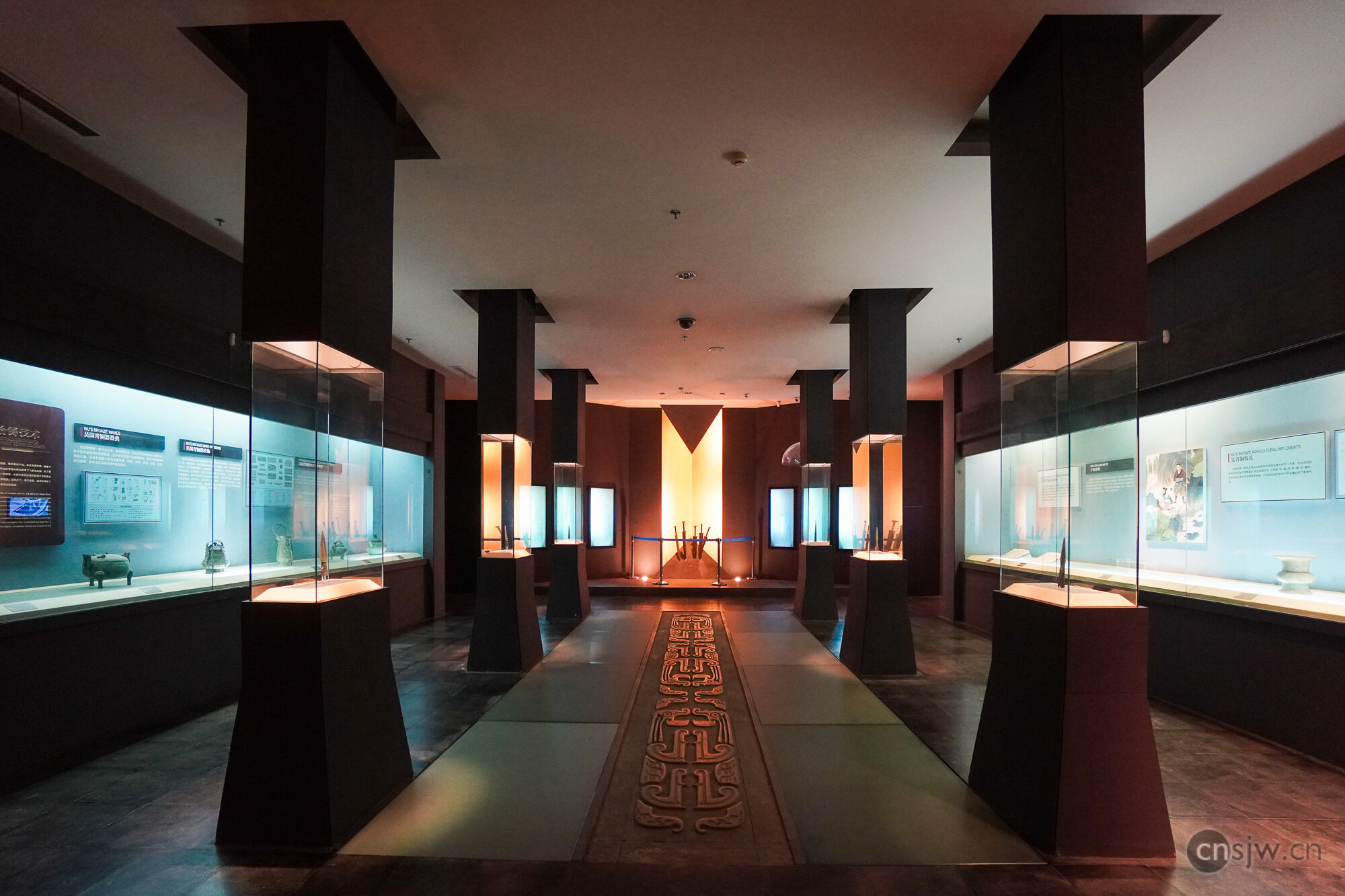
The Hongshan Site Museum is a specialized museum focused on the Wu-Yue culture of the lower Yangtze River region during the Spring and Autumn and Warring States periods, and is rated as a National Second-Class Museum. It currently houses a collection of 1,173 cultural relics. The collection is rich, diverse in form, and complete in series, with strong chronological and regional characteristics. It comprehensively showcases the superb celadon manufacturing techniques and exquisite jade micro-carving craftsmanship of the Wu-Yue region, reflecting the burial hierarchy and ritual-music systems of the time. As a concentrated embodiment of the brilliant history and culture of the Wu-Yue region, it holds immense value for research topics such as Wu-Yue history during the Spring and Autumn and Warring States periods, the history of jade craftsmanship, music history, and the origins of celadon.
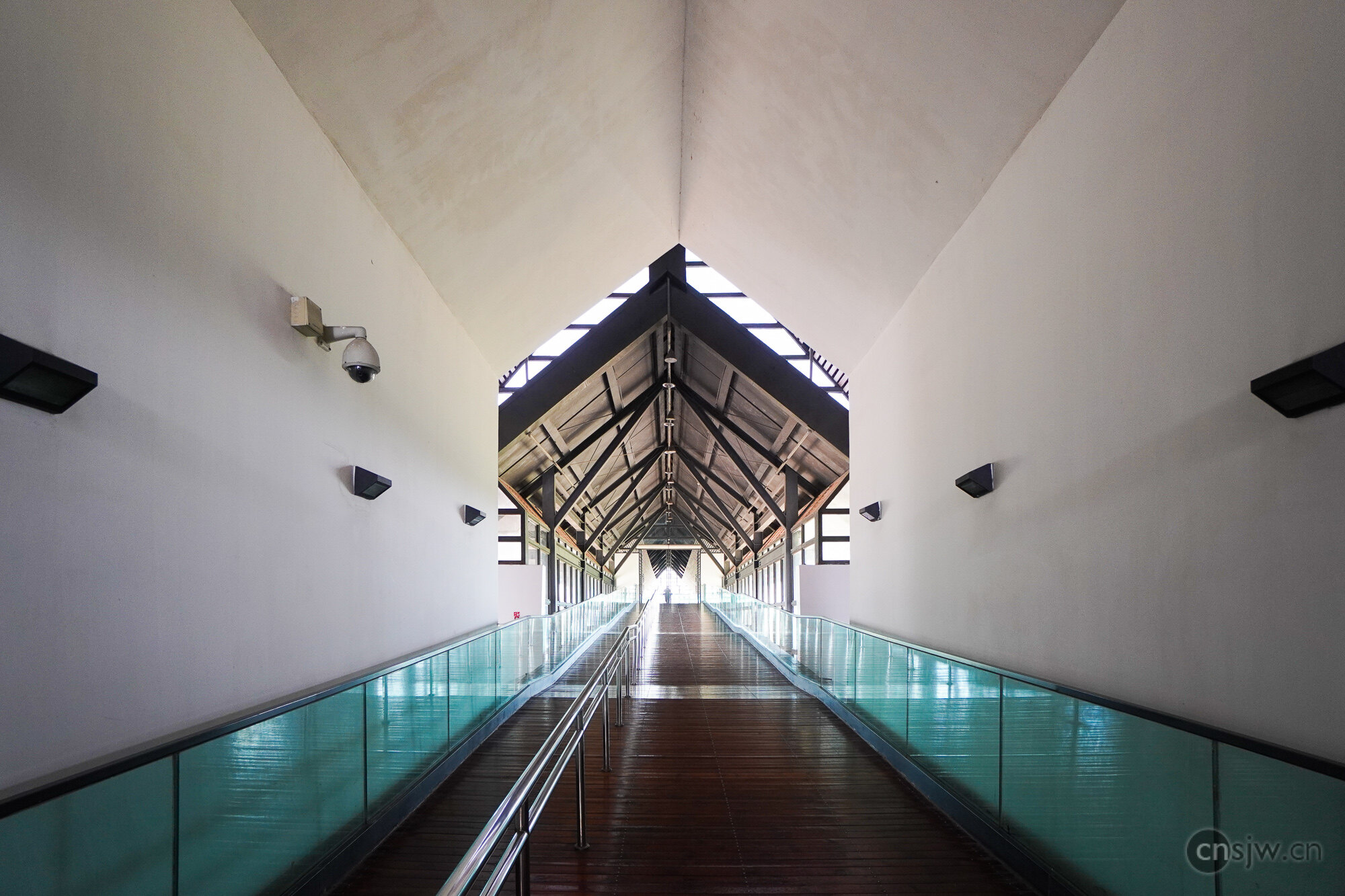
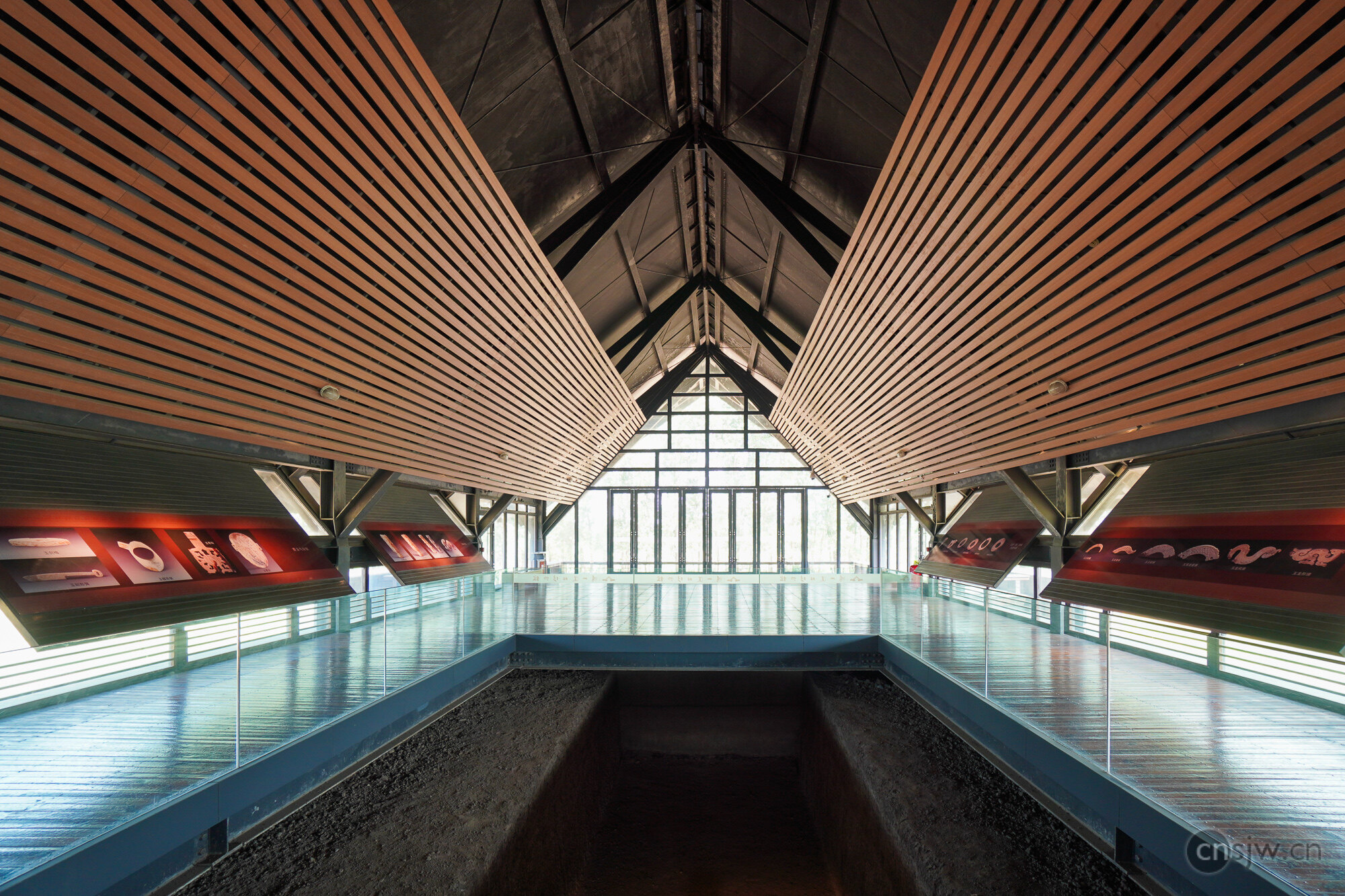
Built adjacent to the Qiuchengdun tomb, an exceptionally large aristocratic tomb from the Warring States period, the museum has a total floor area of 9,139 square meters, with 3,431 square meters dedicated to exhibition halls. The exhibitions consist of three parts: the display of the Hongshan tomb cluster and unearthed artifacts, the in-situ exhibition of the Qiuchengdun aristocratic tomb, and a thematic exhibition on the history and culture of the Wu region.





Support



Read this article on WeChat