
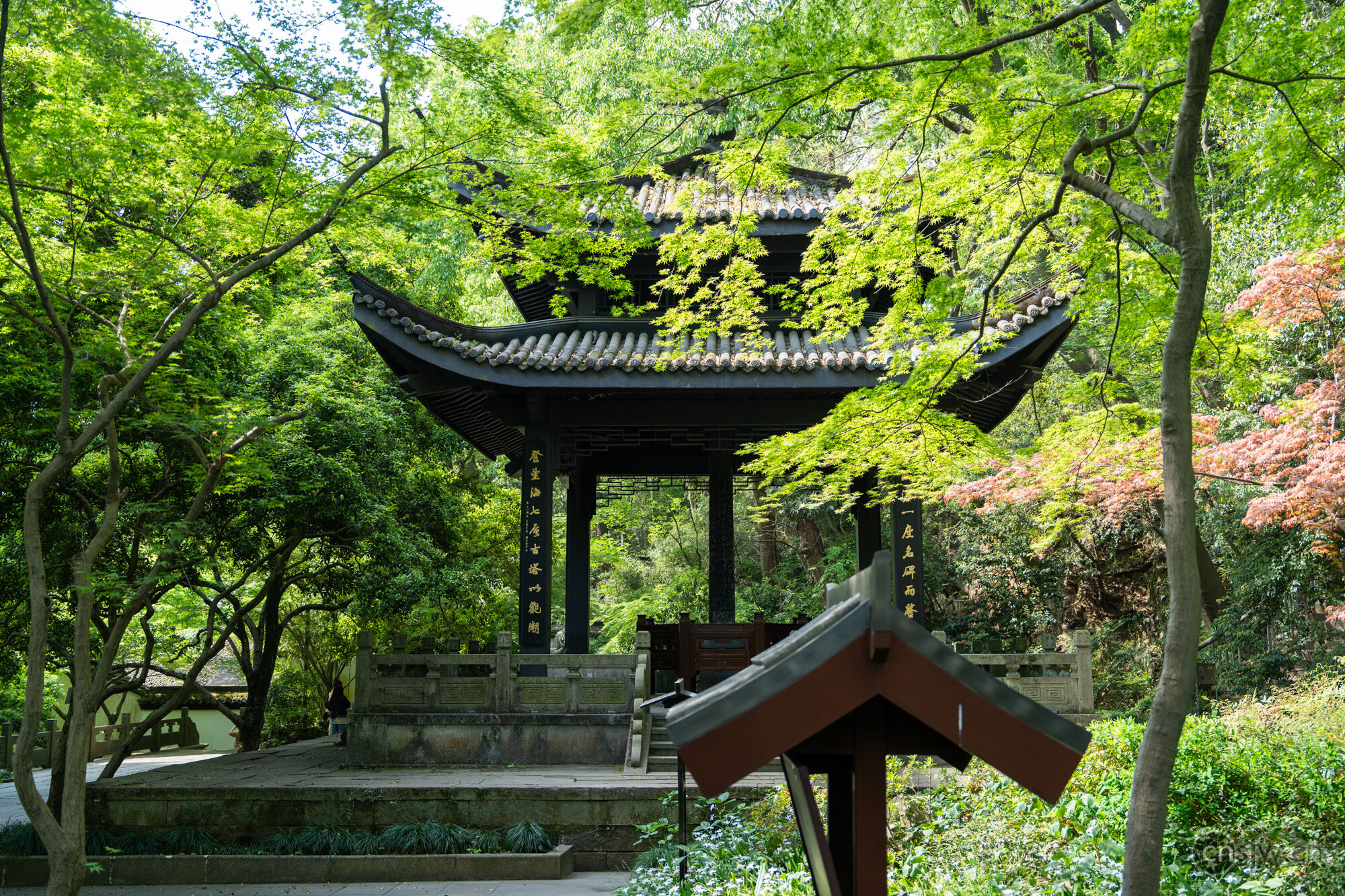
A short walk from the hotel brings you to the Liuhe Pagoda, right next to which is the Qiantang River Bridge.
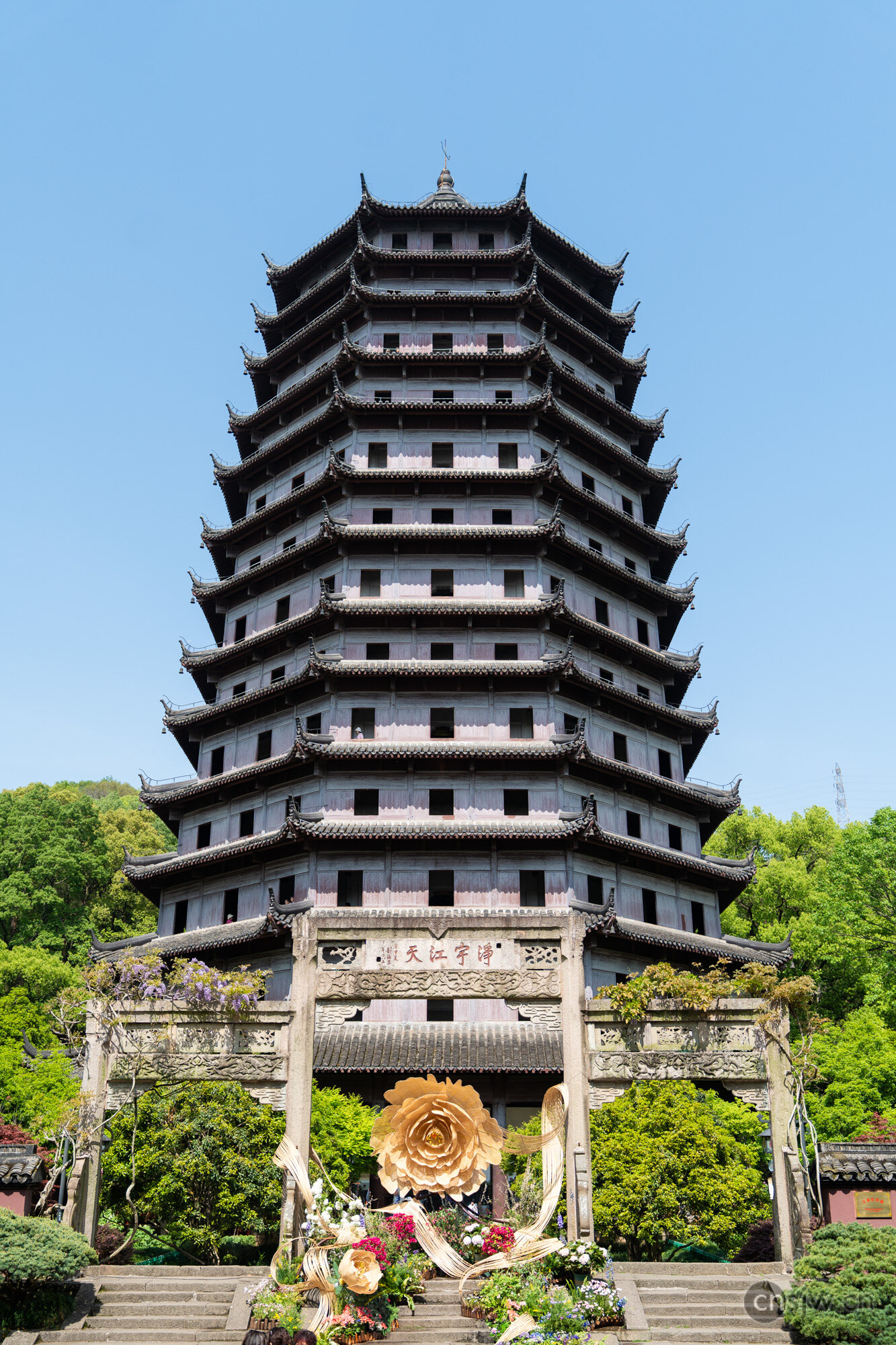
Liuhe Pagoda
The Liuhe Pagoda is a pavilion-style pagoda constructed of brick and wood. It was originally commissioned by King Qian Chu of the Wuyue Kingdom and built by monks to suppress the tidal bores of the Qiantang River. The pagoda was later destroyed during the Fang La Uprising, and the existing main structure was rebuilt during the Southern Song Dynasty. Its outer eaves were burned down by Japanese pirates during the Jiajing reign of the Ming Dynasty, and the current outer structure was restored during the Qing Dynasty. The pagoda has an octagonal floor plan; the inner core consists of seven stories, while the exterior features thirteen apparent tiers (seven visible and six hidden). A total of 104 iron bells hang from the upturned corners of the eaves, and the interior houses a corridor and a central chamber. In 1961, the Liuhe Pagoda was designated as one of the first Major Historical and Cultural Sites Protected at the National Level.
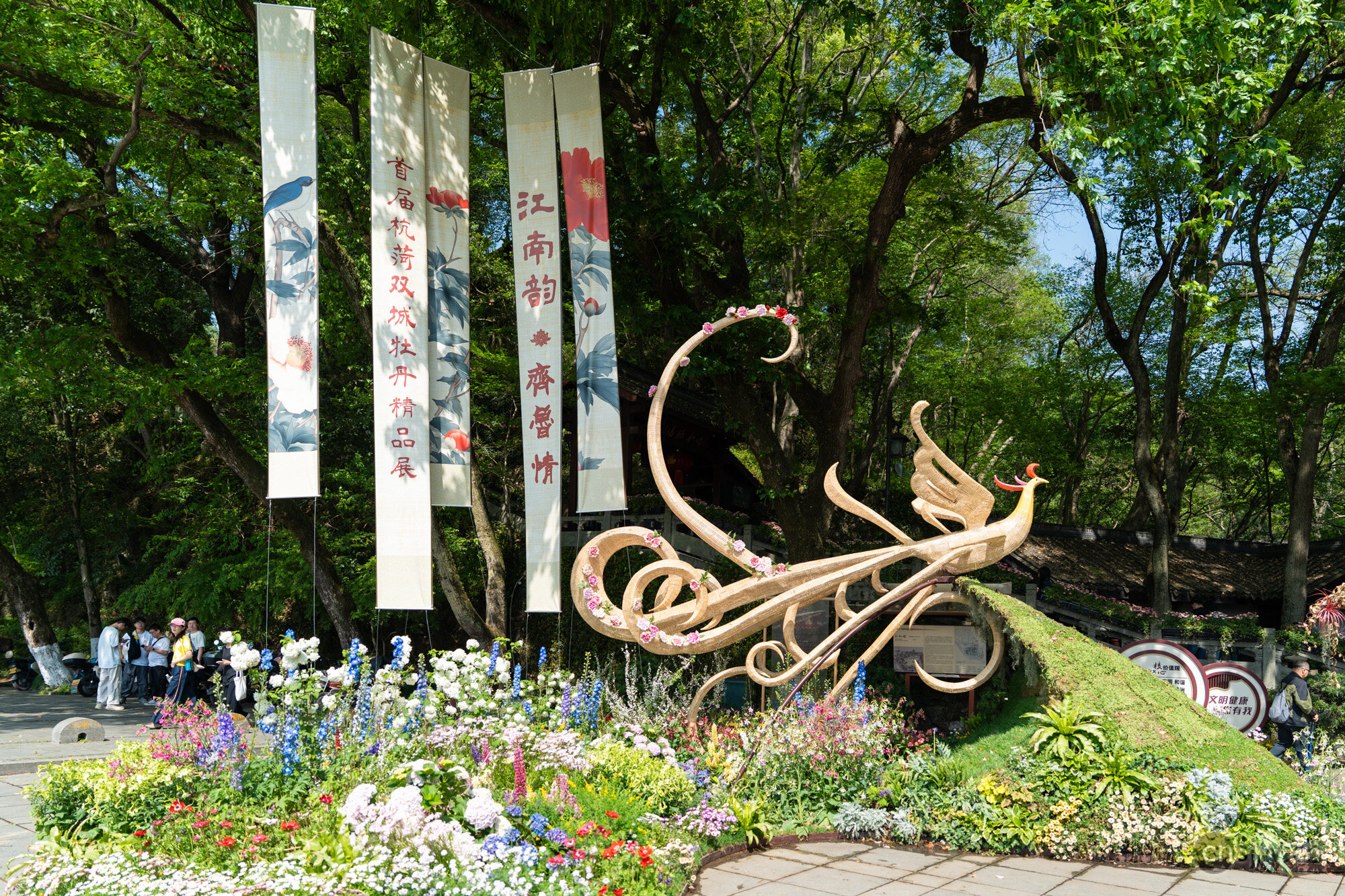
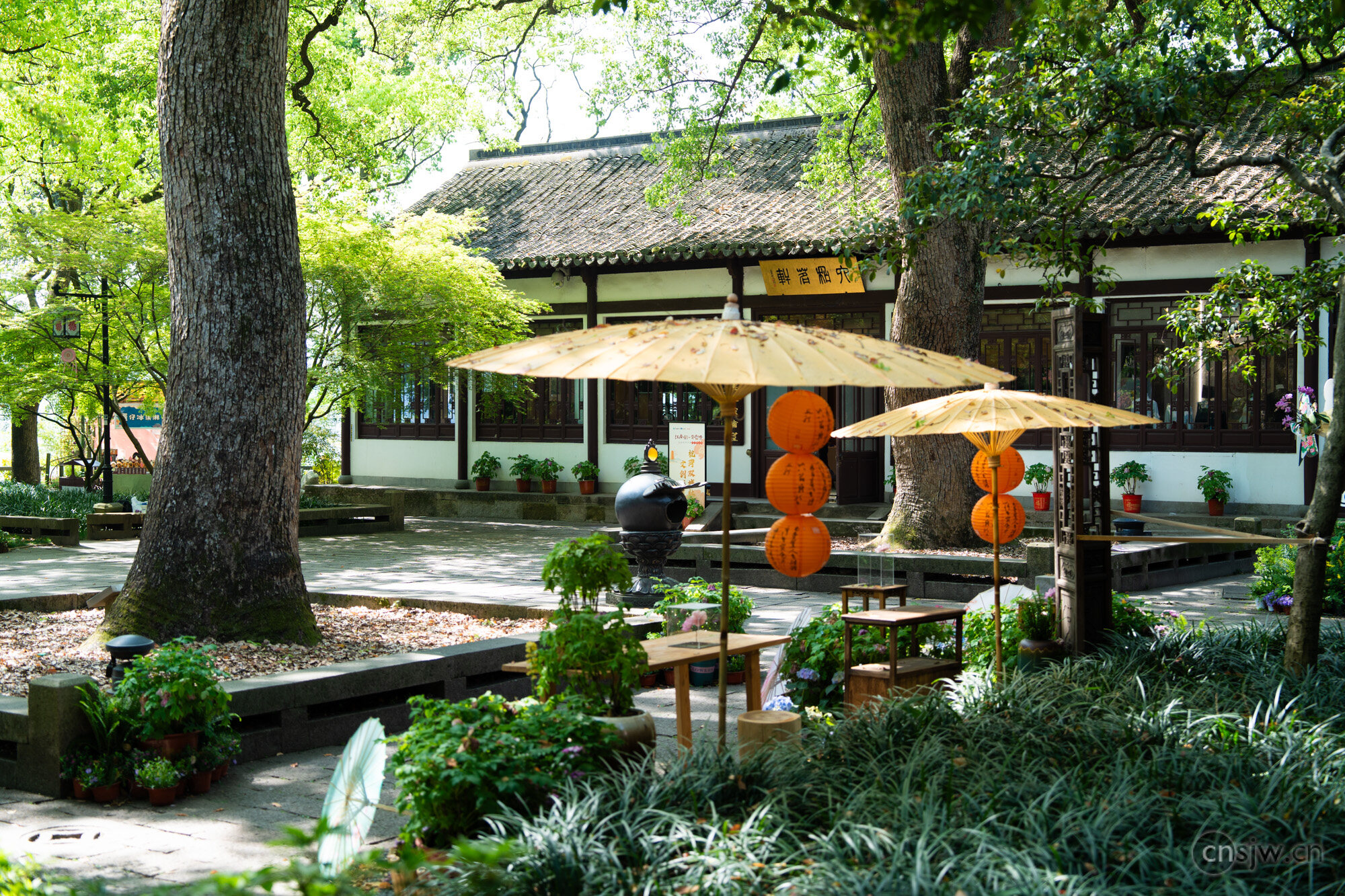
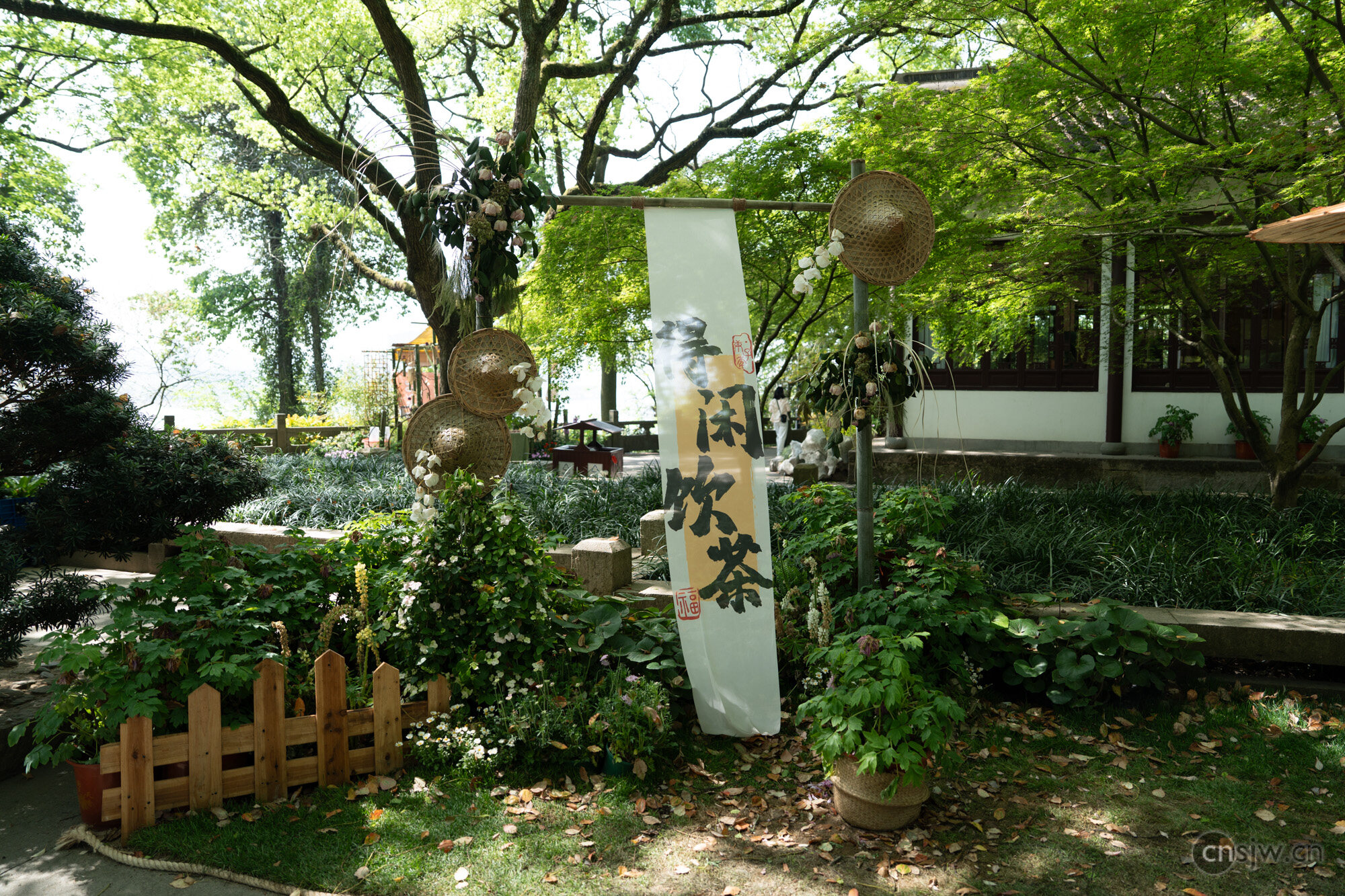
The area surrounding the pagoda is a small park featuring many popular photo spots. It appears to have been meticulously renovated and offers excellent photographic opportunities. Admission is 30 RMB, which includes access to climb the pagoda. The interior becomes narrower as you ascend. During my visit, a peony exhibition was being held, and many people were sketching on-site.
Qiantang River Bridge
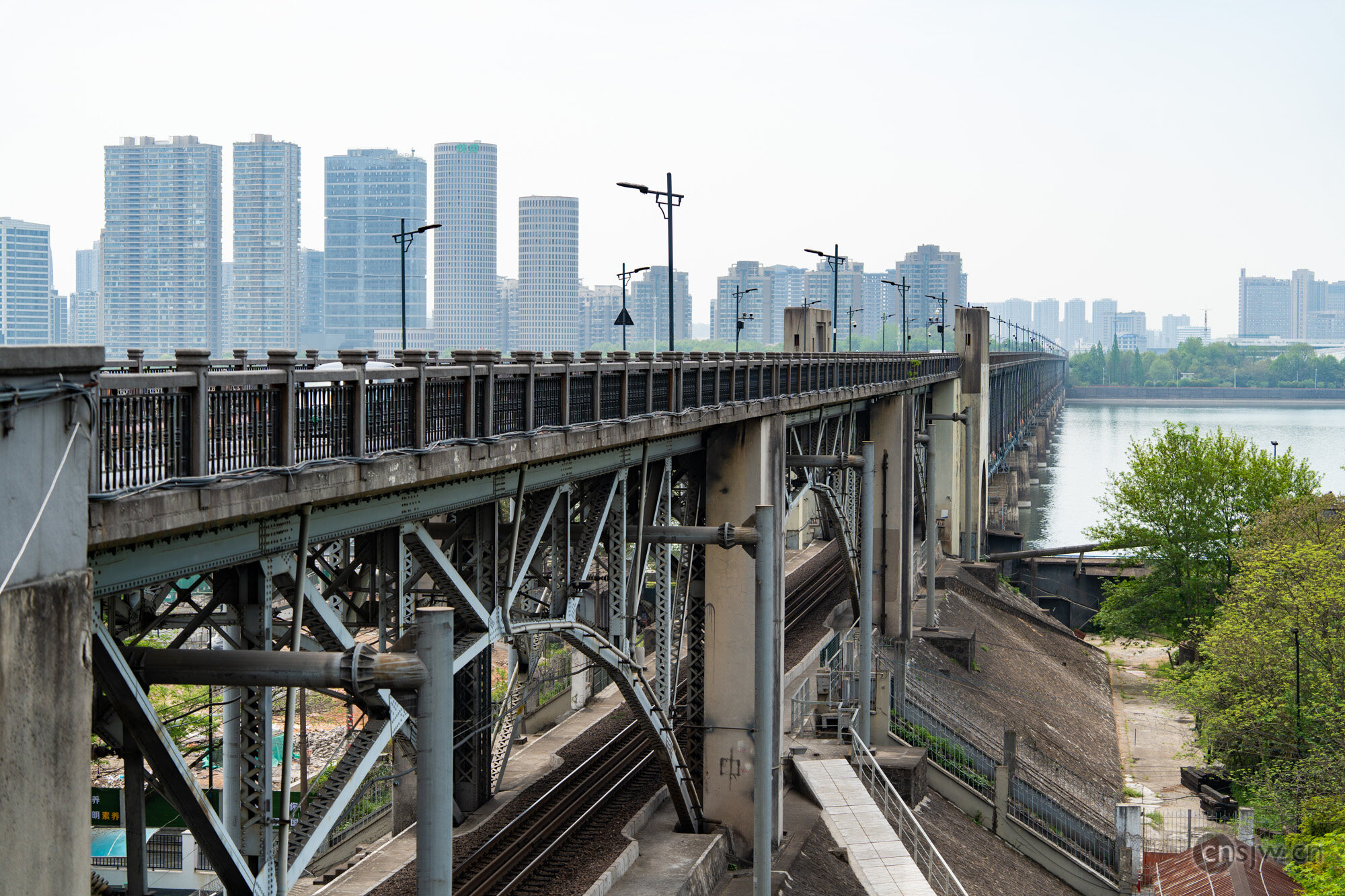
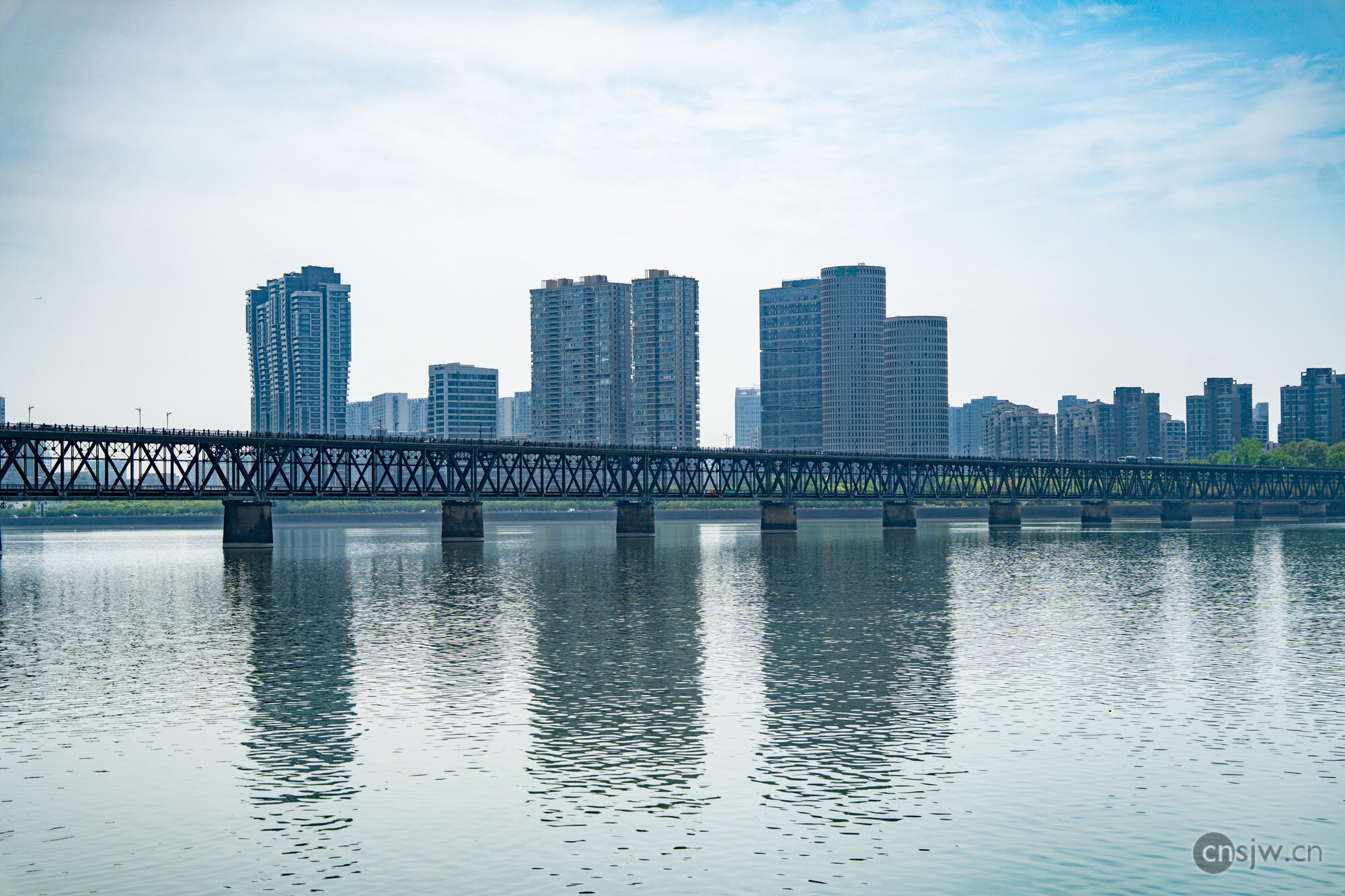
Construction of the Qiantang River Bridge began in 1934 and was completed in 1937. Just 89 days after its completion, it was blown up to impede the Japanese invasion. It was subsequently demolished three more times during the Second Sino-Japanese War and again after the end of the Chinese Civil War. Throughout this period, only temporary repairs were carried out to maintain traffic until a comprehensive restoration was completed in 1953. Prior to 1992, it was the only bridge spanning the Qiantang River. As the first double-deck road-rail bridge independently designed and built in China, it holds significant importance in the history of Chinese bridge engineering.
Since the 1990s, truck traffic has been prohibited to protect the bridge. In 2006, the Qiantang River Bridge was listed by the State Council as a Major Historical and Cultural Site Protected at the National Level.
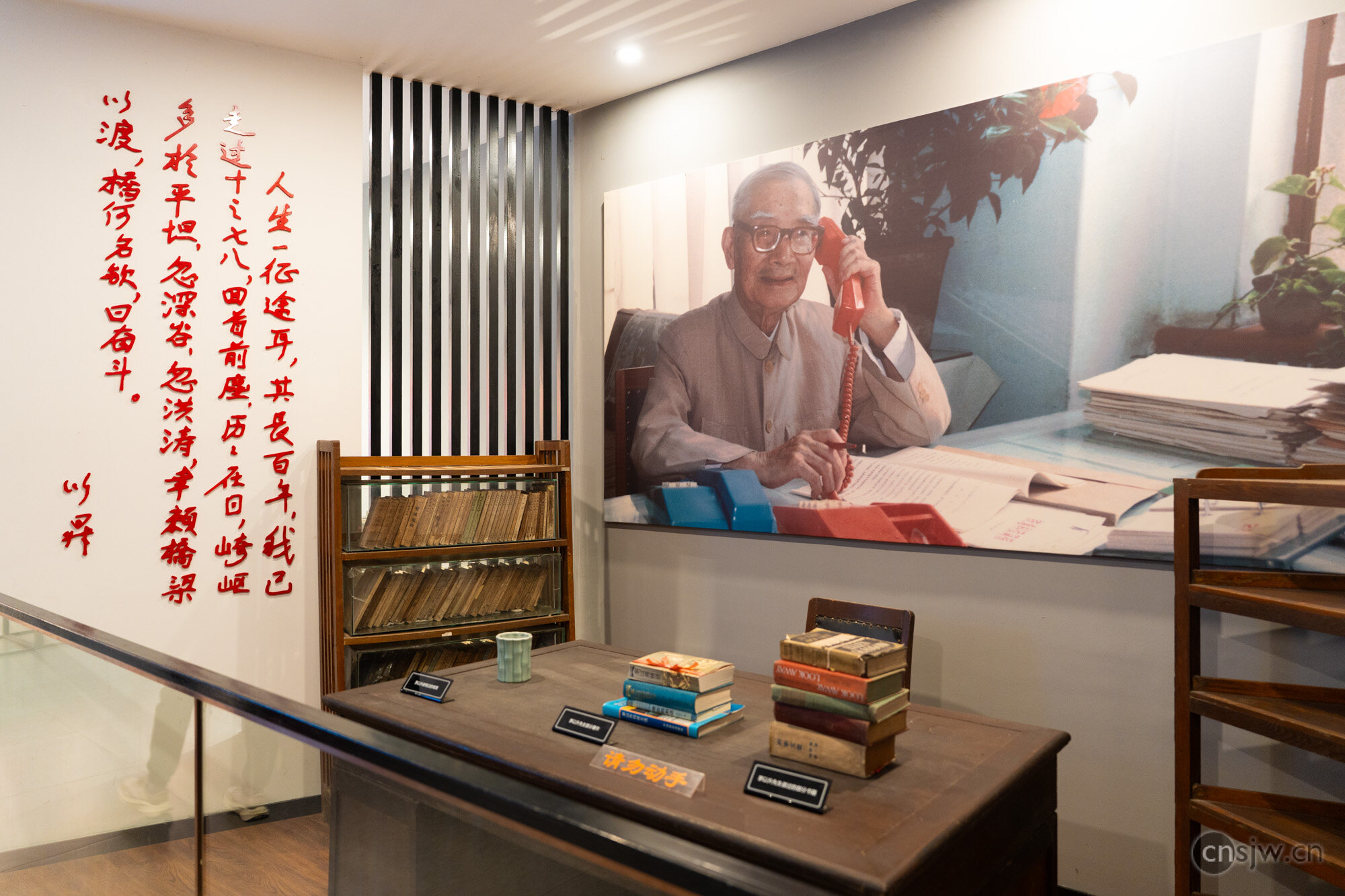
Adjacent to the bridge is the Qiantang River Bridge Memorial Hall. The museum is modest in size, free of charge, and comprises three exhibition halls. Its collection includes over 70 artifacts related to the construction and repair of the bridge, as well as more than 40 items belonging to Mao Yisheng, including his manuscripts, publications, and personal office supplies.
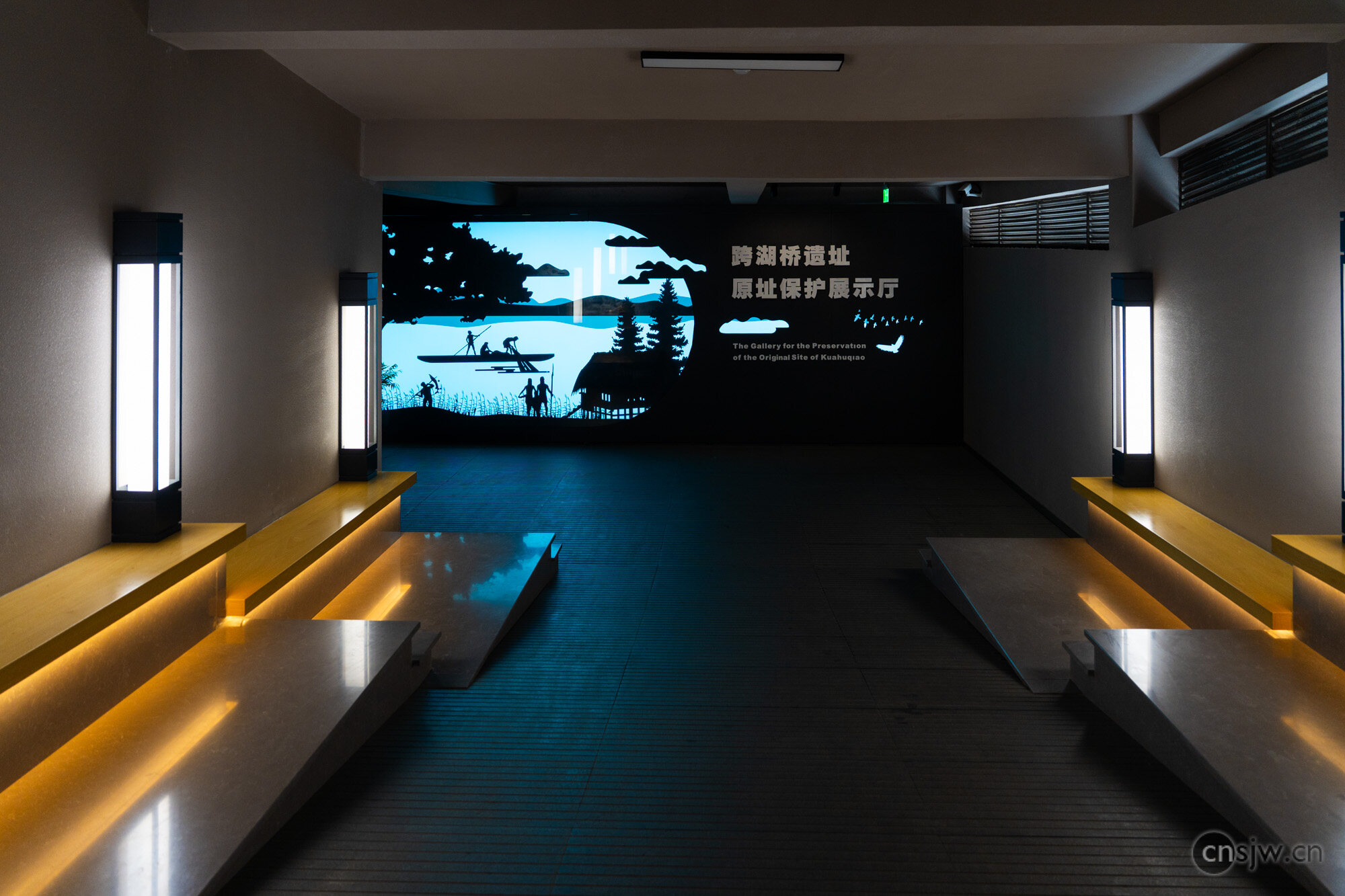
Xianghu Kuahuqiao Site Museum
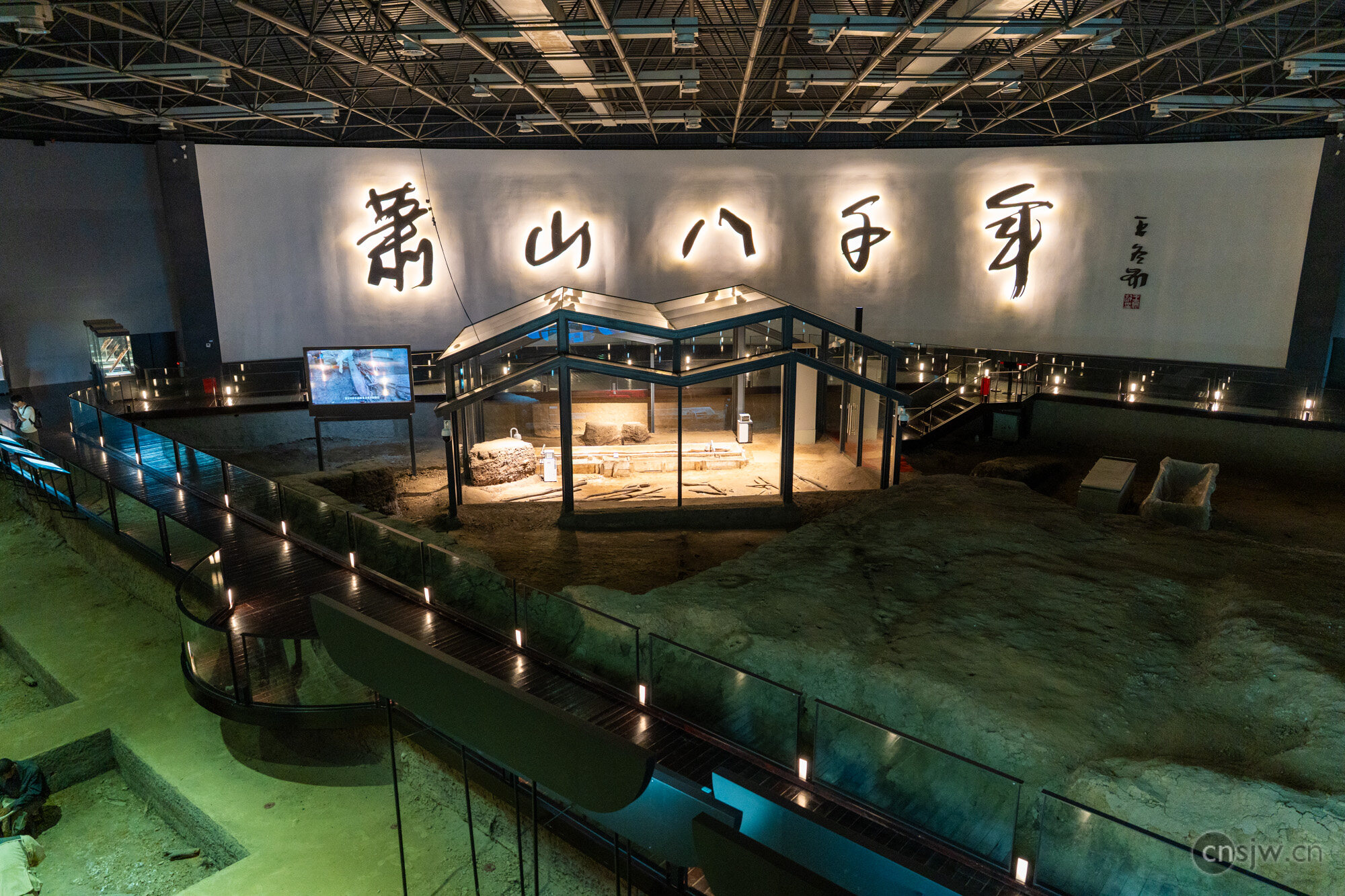
Located on the southern shore of Xianghu Lake in Wenyan Subdistrict, Xiaoshan District, Hangzhou, Zhejiang Province, China, the Kuahuqiao Site is a Neolithic site dating back approximately 8,000 to 7,000 years. It was named one of the Top Ten Archaeological Discoveries in China for 2001 and was designated as part of the sixth batch of Major Historical and Cultural Sites Protected at the National Level in 2006.
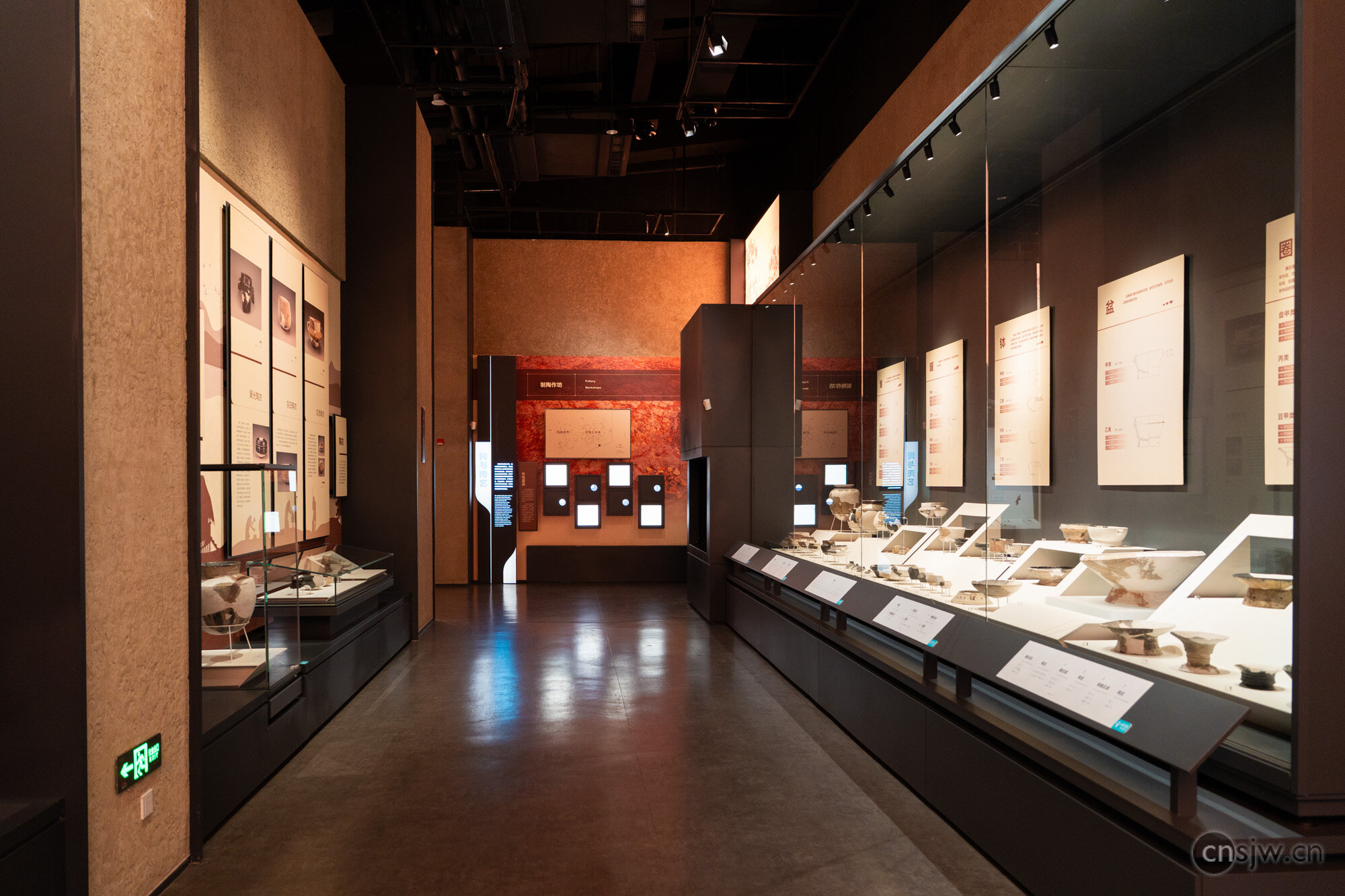
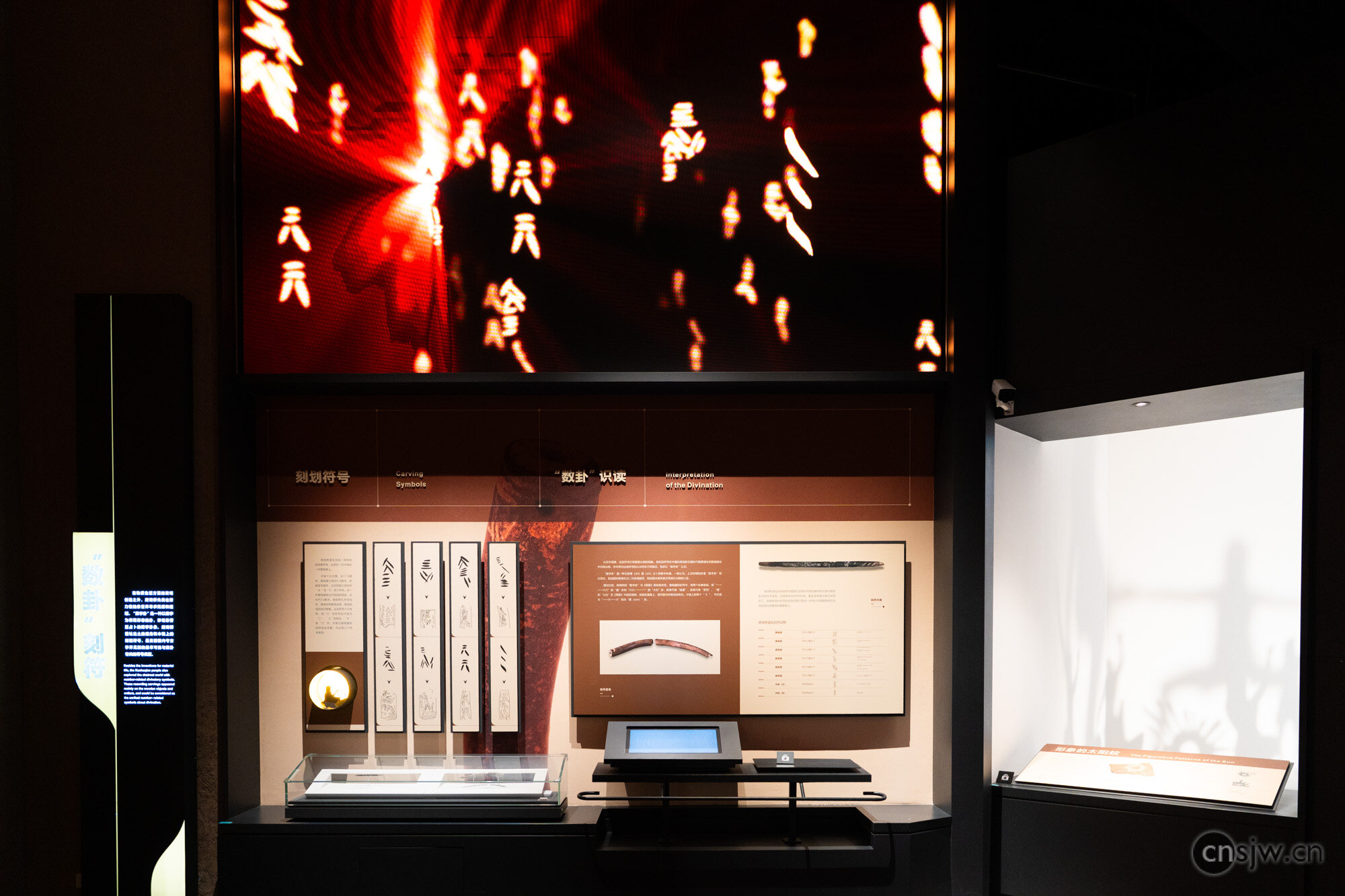
The site was discovered in the 1970s. The first excavation took place in 1990, followed by a second in 2000–2001 and a third in 2002, covering a total excavated area of over 1,000 square meters. In May 2003, the Xiasun Site was discovered approximately two kilometers northeast of the Kuahuqiao Site (on the northeastern shore of Xianghu Lake); both sites share the same chronological period and cultural characteristics. The Kuahuqiao Site covers a total area of about 150,000 square meters, with cultural deposits ranging from 1 to 3 meters in thickness. Radiocarbon dating, calibrated via dendrochronology, indicates that the site dates back roughly 8,000 to 7,000 years. Excavated artifacts include pottery, stone tools, bone implements, and wooden objects. Among the finds was a dugout canoe made of pine wood, measuring 560 cm in remaining length and approximately 29–52 cm in width; it is the earliest dugout canoe ever discovered in China. Additionally, a wooden bow with a remaining length of 121 cm was unearthed, representing the earliest known wooden bow found in China to date.
Overall, it is an extremely niche attraction—you’ll hardly see any other visitors inside…




Support



Read this article on WeChat