
Come to think of it, the last time I visited Wuxi was 17 years ago when I was a college freshman. Although Wuxi is very close to Shanghai, I never really had a reason to visit. This time, I took advantage of a weekend to come over and explore the city~~
Huishan Ancient Town Scenic Area is a 5A-rated tourist attraction, formed by merging the former Xihui Park (Xihui Scenic Area) with the Huishan Historical and Cultural District. The Huishan Historical and Cultural District is free to enter, while Xihui Park requires an admission ticket, and the cable car for going up and down the mountain also requires a separate ticket~
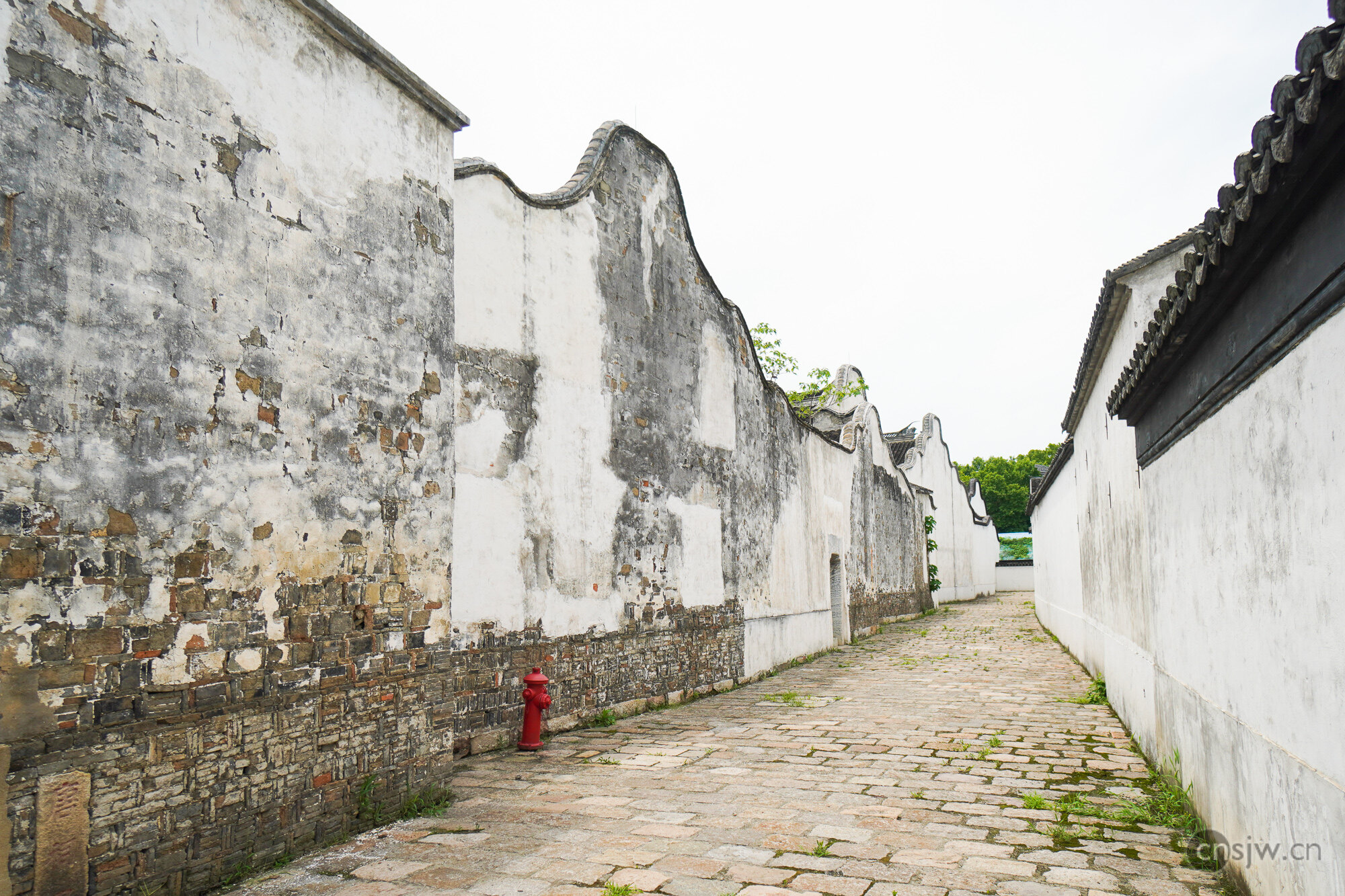
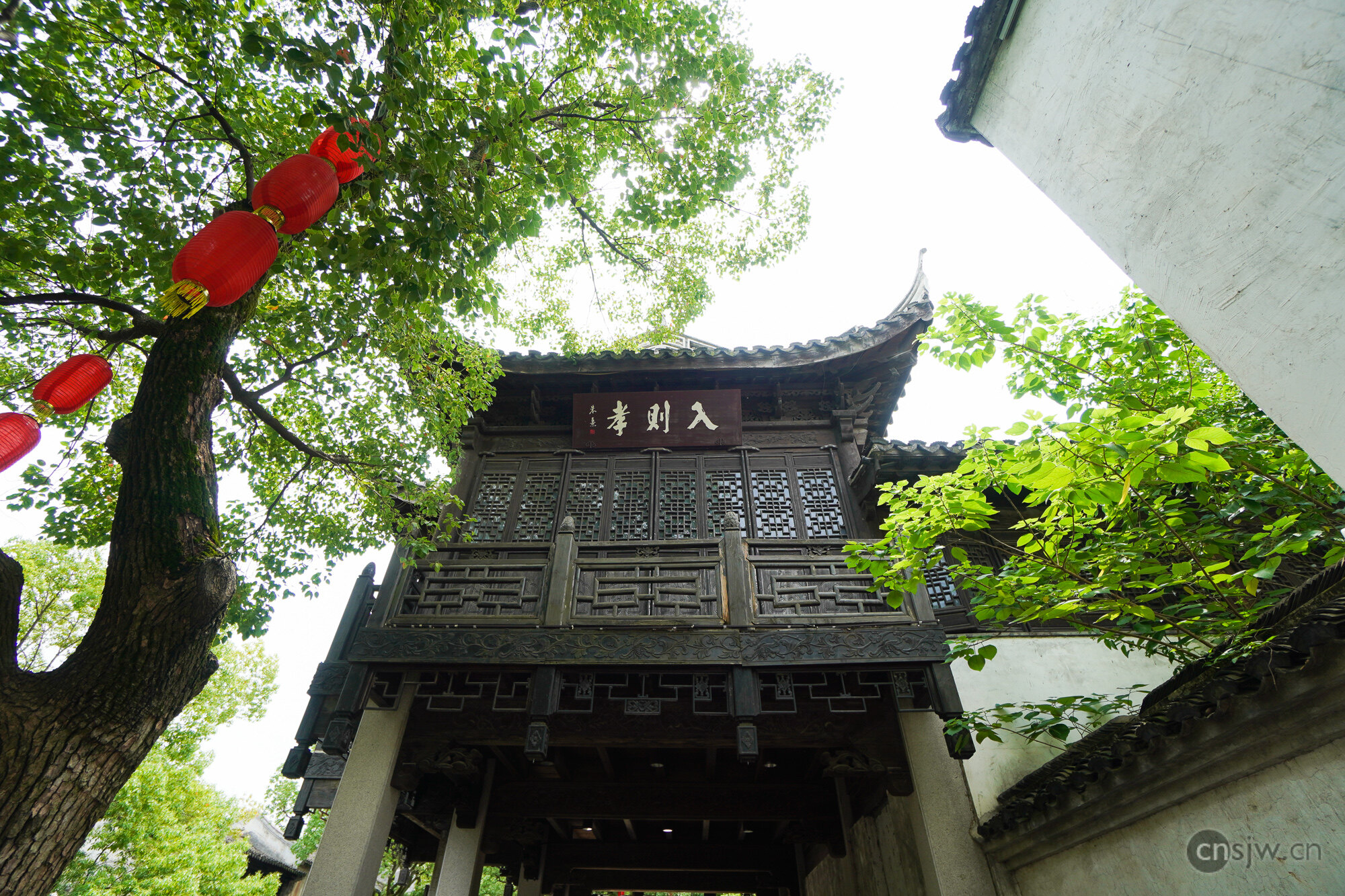
Upon first entering Huishan Ancient Town, it felt quite uncrowded. Partly because the area is rather large, and partly because transportation here might not be very convenient… The nearby roads are under major renovation. Also, the buildings here feel quite new; probably only a few ancient ancestral halls are genuinely preserved old structures, while most of the rest appear to be newly built. In preparation for the World Cultural Heritage application, the area has undergone multiple rounds of construction and renovation.
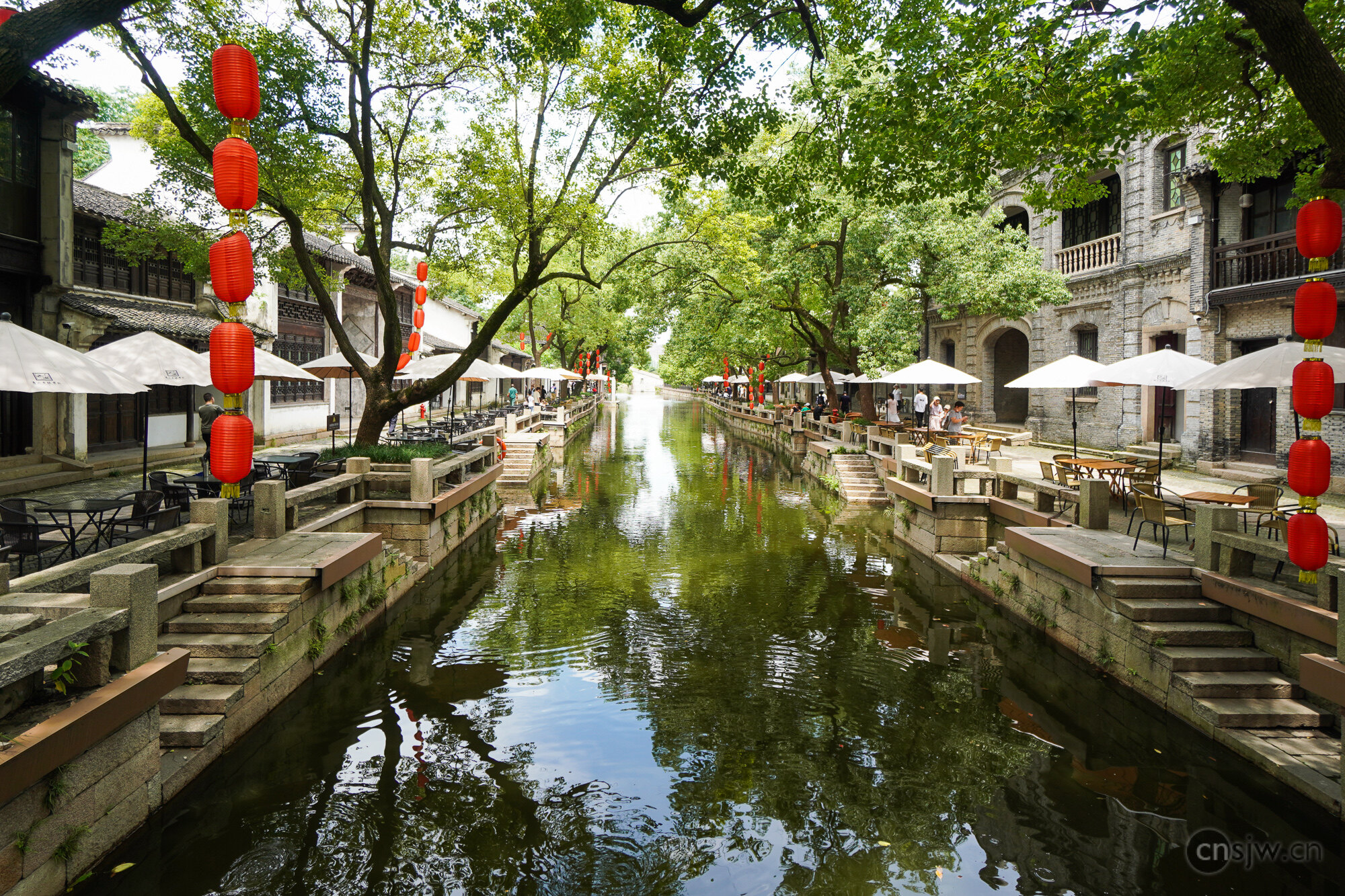
Although it looks new, the architectural style remains quite classical, making for some great photos, and the area is also very clean. Overall, commercial development isn’t particularly advanced yet, and investment promotion still needs strengthening. There’s a Librairie Avant-Garde bookstore inside, along with some local specialty restaurants like Yiqinyuan Soup Dumplings and Xinwanxin Silver Thread Noodles, plus various snacks. Unlike other ancient towns filled with trendy internet-famous shops, Wuxi’s popular spots seem to be mostly concentrated on Nanchang Street~~~

Once you enter Xihui Park, the experience changes completely. Attractions here are densely packed, including famous sites such as the Liangzhu Xishan Early Settlers Site, the spot where Lord Chunshen watered his horses during the Warring States period, the Huishan Temple Gardens from the Southern and Northern Dynasties, the Second Spring Under Heaven from the Tang Dynasty, the Jinlian Bridge from the Song Dynasty, the Ming Dynasty Jichang Garden and Yugong Valley, the Erquan Academy and Bishan Poetry Society from the Ming era, as well as 118 ancestral halls and gardens dating from the Tang Dynasty through the Republic of China era, plus the Erquan Yingyue Moonlight Reflection on the Second Spring site and Abing’s Cemetery…

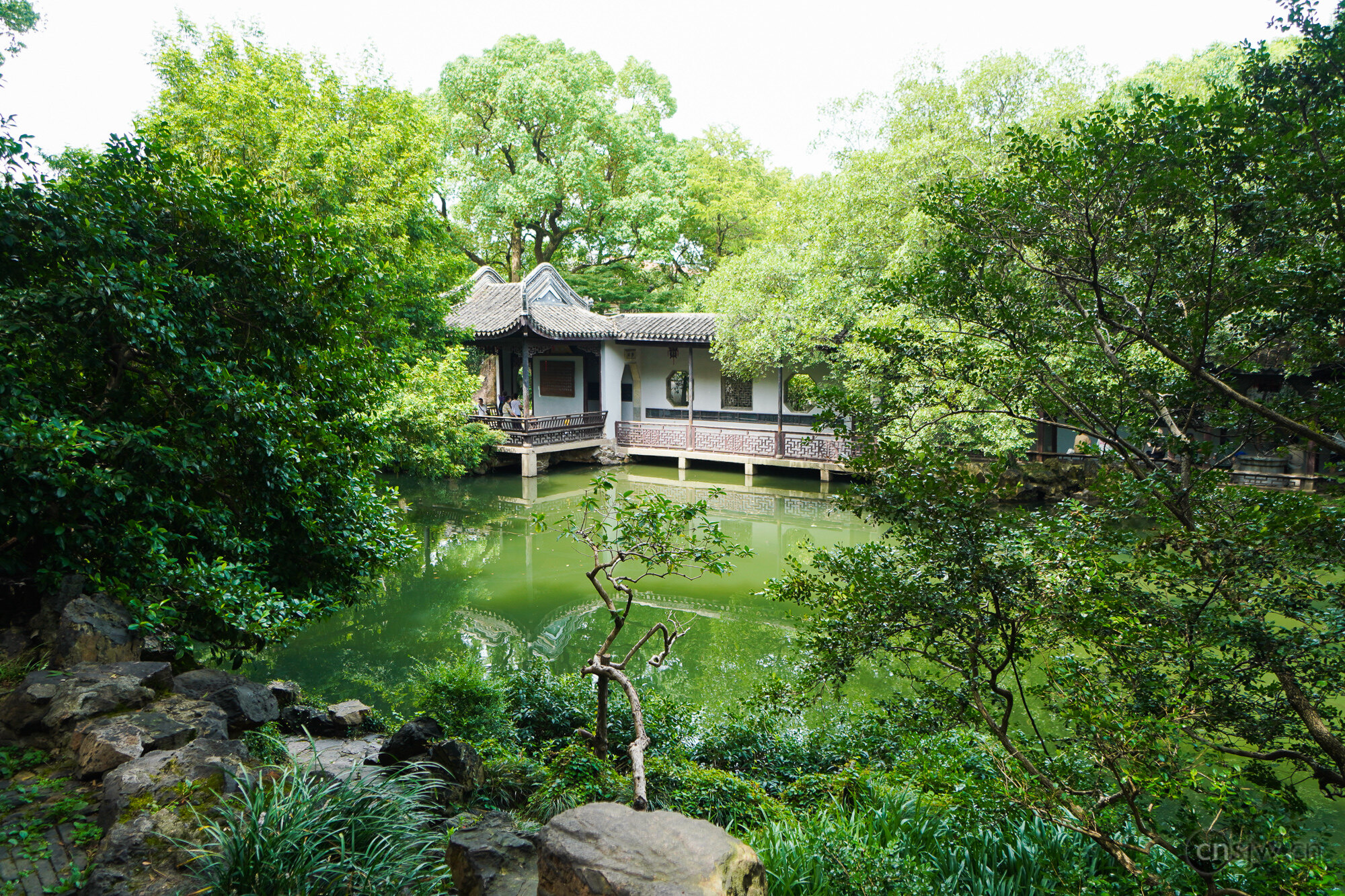
Jichang Garden derives its name from Wang Xizhi’s phrase “Finding delight amidst shaded mountains and waters.” It stands as one of the quintessential masterpieces of Jiangnan garden architecture. Emperors Kangxi and Qianlong each conducted six southern inspection tours during their reigns, visiting this garden every time they traveled south. During this period, Jichang Garden reached the height of its prosperity.
The Second Spring Under Heaven refers to Huishan Spring. Lu Yu, the Sage of Tea from the Tang Dynasty, listed twenty renowned springs in his classic work “The Classic of Tea,” ranking Huishan Spring second (with Lushan Guliang Spring taking first place). The “Second Spring” mentioned in the famous musical piece “Erquan Yingyue” (Moonlight Reflection on the Second Spring) refers precisely to this location.


You can take a cable car to reach the mountaintop. This cable car is probably the oldest one I’ve ridden in the past decade—it doesn’t slow down at all when boarding or alighting, which is pretty scary…

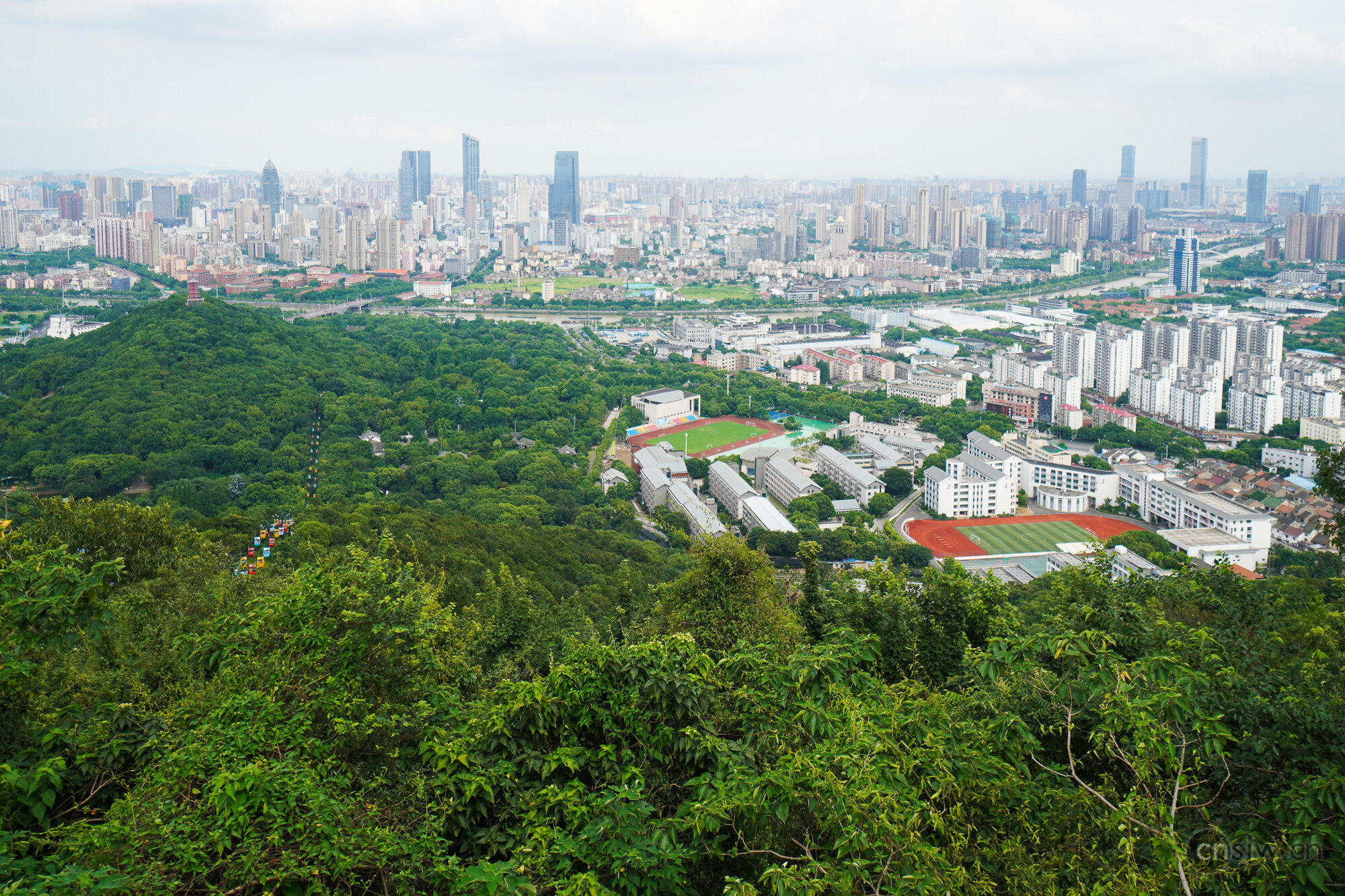
There’s an observation deck at the summit offering panoramic views of the entire city of Wuxi. Aside from this viewing platform, there’s nothing else up there, so once you’ve enjoyed the scenery and taken your photos, your only option is to ride the cable car back down~~
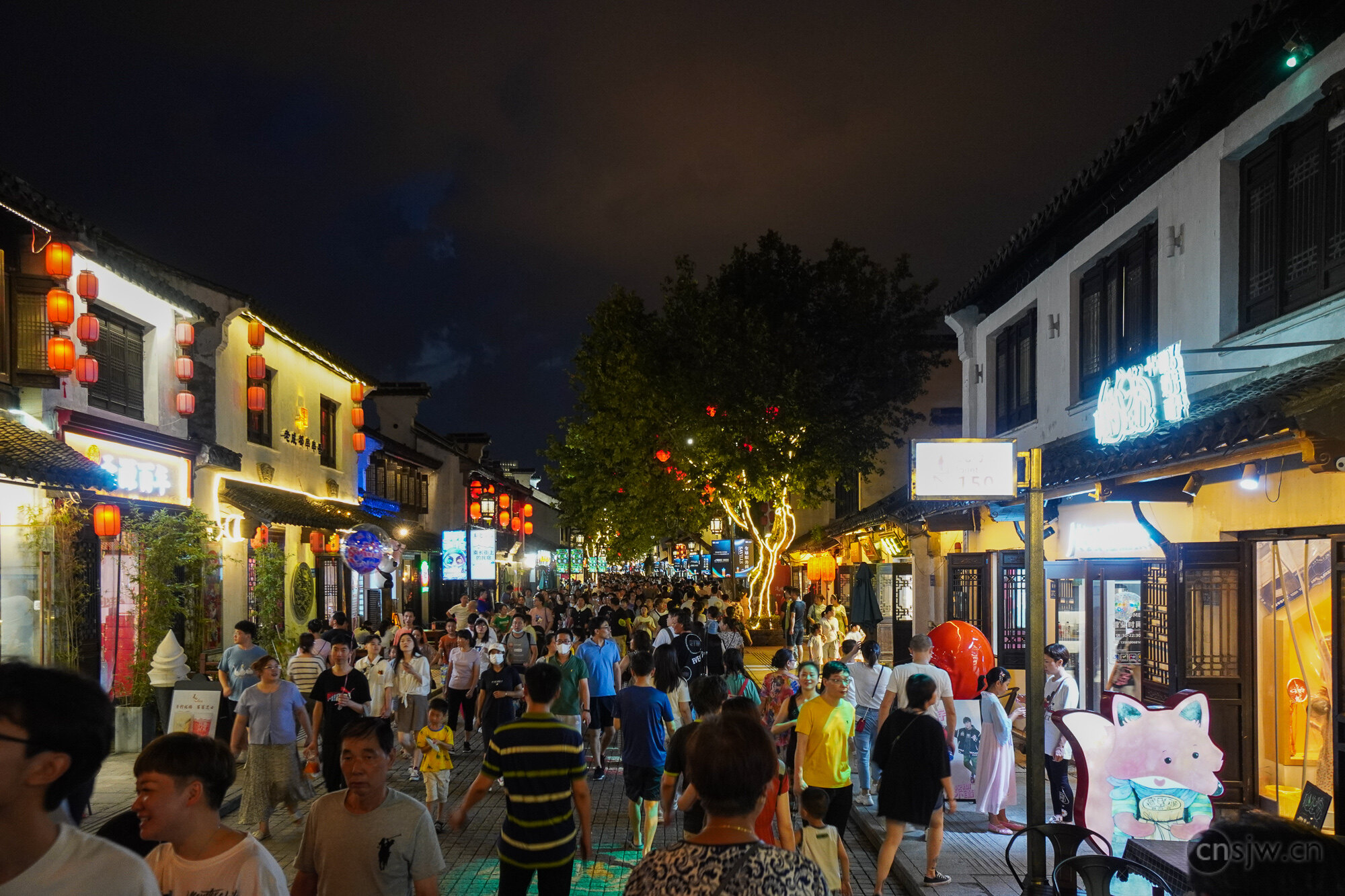
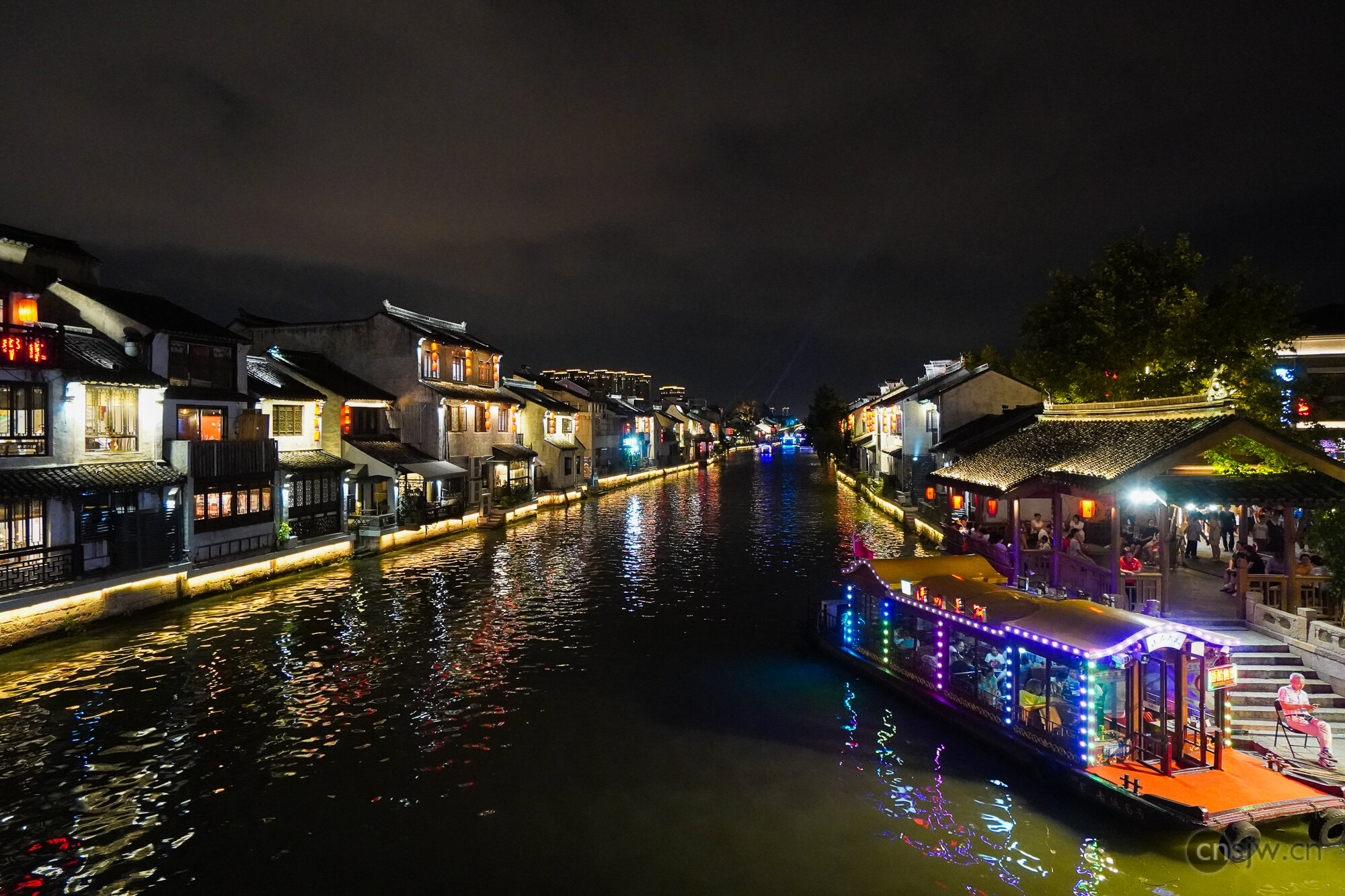
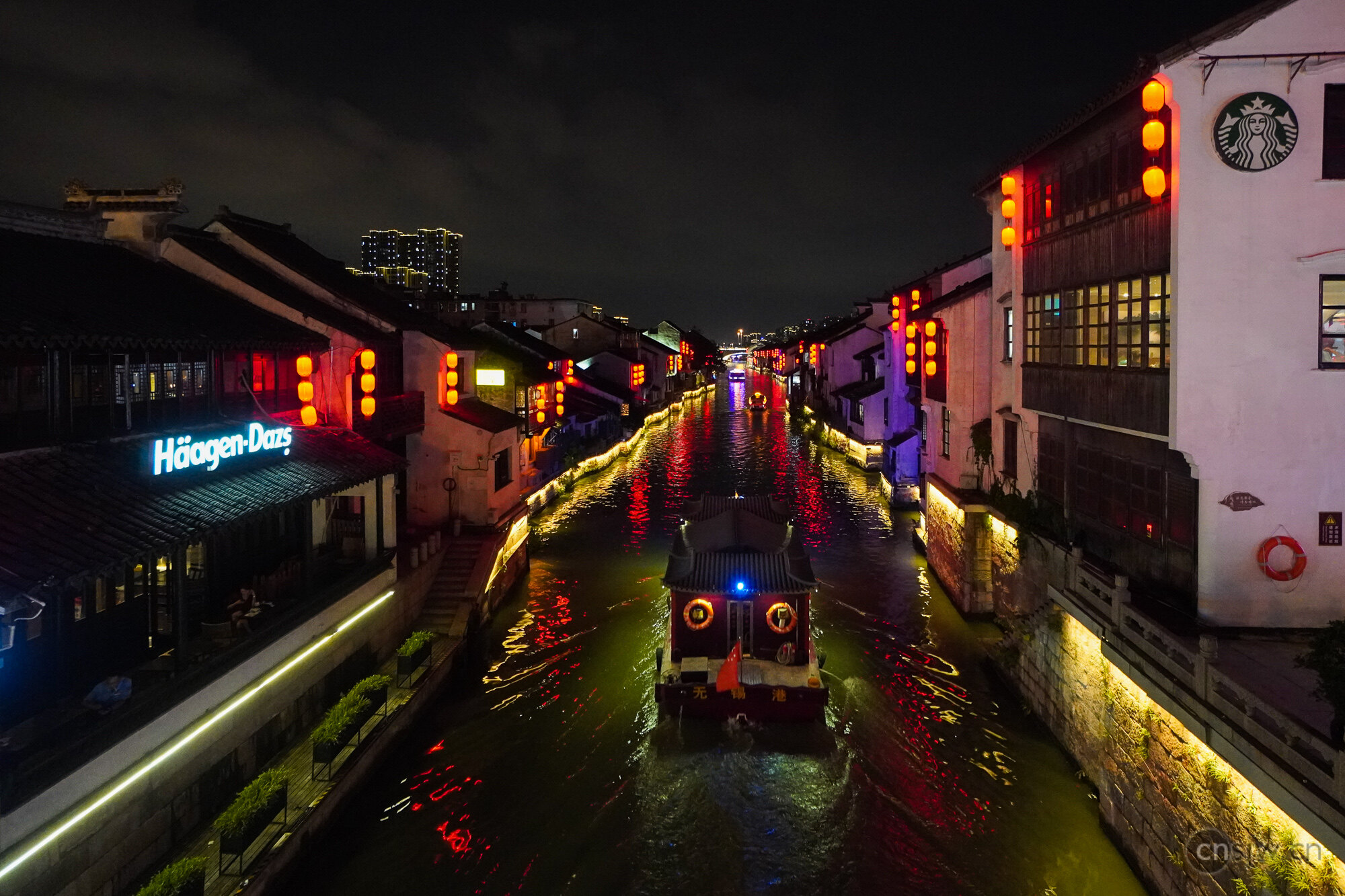
In the evening, I headed to the famous Nanchang Street. Built alongside the ancient Beijing-Hangzhou Grand Canal, Nanchang Street was bustling with crowds. Commercial activity here is highly developed, lined with numerous trendy, Instagram-worthy shops. Moreover, there aren’t many tall buildings around, preserving a charming Jiangnan watertown atmosphere. On one side lies Nanzen Temple, and right next to it is a metro station, making transportation extremely convenient.




Support



Read this article on WeChat