
The Museum of Art Pudong (MAP) can be considered Shanghai’s premier art museum. Located in the core Lujiazui riverside area, construction began on September 26, 2017, and it officially opened to the public in July 2021.
Invested in, built, and operated by the Lujiazui Group, and designed by Ateliers Jean Nouvel (AJN), MAP focuses primarily on international art exhibitions and exchanges while also showcasing domestic art. It highlights four major functions: exhibitions, aesthetic education, cultural creativity, and international exchange, aiming to become a new landmark among Shanghai’s international cultural venues and an important platform for global cultural and artistic exchange.
The current exhibitions are all major shows, namely:
Cai Guo-Qiang: Odyssey and Homecoming
“Cai Guo-Qiang: Odyssey and Homecoming” stems from the artist’s recent “Individual’s Journey through Western Art History,” during which he held solo exhibitions at major museums worldwide, engaging in dialogue with their collections representing Western art history: tracing ancient Greek and Roman civilizations at the National Archaeological Museum of Naples and Pompeii; dialoguing with the Italian Renaissance at the Uffizi Gallery; exploring Spain’s Golden Age and Baroque art at the Prado Museum; discussing Russian Social Realism and the Avant-Garde at the Pushkin State Museum of Fine Arts; examining Modernism at the Solomon R. Guggenheim Museum in New York; followed by journeys into the Middle Ages and studies of Cézanne and the germination of Modernism. Using Eastern spirit as a mirror, Cai Guo-Qiang revisits and engages with the classics of Western art history he studied in his youth, seeking answers to contemporary challenges in painting.
This journey through art history reached its climax with “Odyssey and Homecoming” presented at the Meridian Gate Gallery of the Palace Museum (Dec 15, 2020 – Feb 28, 2021). On July 8, 2021, “Cai Guo-Qiang: Odyssey and Homecoming” arrived in Shanghai—the first port the artist departed from when leaving his hometown, a place that accompanied his youthful growth and with which he has maintained a bond ever since. Compared to the classical Chinese architectural context of the Forbidden City, MAP’s contemporary art galleries bring viewers closer to the aesthetics of painting itself. As the inaugural exhibition, “Odyssey and Homecoming” presents an artist unbound by regional or cultural conventions, moving freely across boundaries. It embodies the museum’s spirit of being rooted in Shanghai with a global outlook, and its mission to connect Eastern and Western cultures. The artist also created a large-scale spectacular installation, “Encounter with the Unknown,” specifically for the Central Hall, echoing the theme of “Odyssey” and dialoguing with his cosmic homeland. The exhibition-within-an-exhibition “Materials’ Odyssey,” curated by the Getty Conservation Institute in Los Angeles, is also touring to the fourth floor.
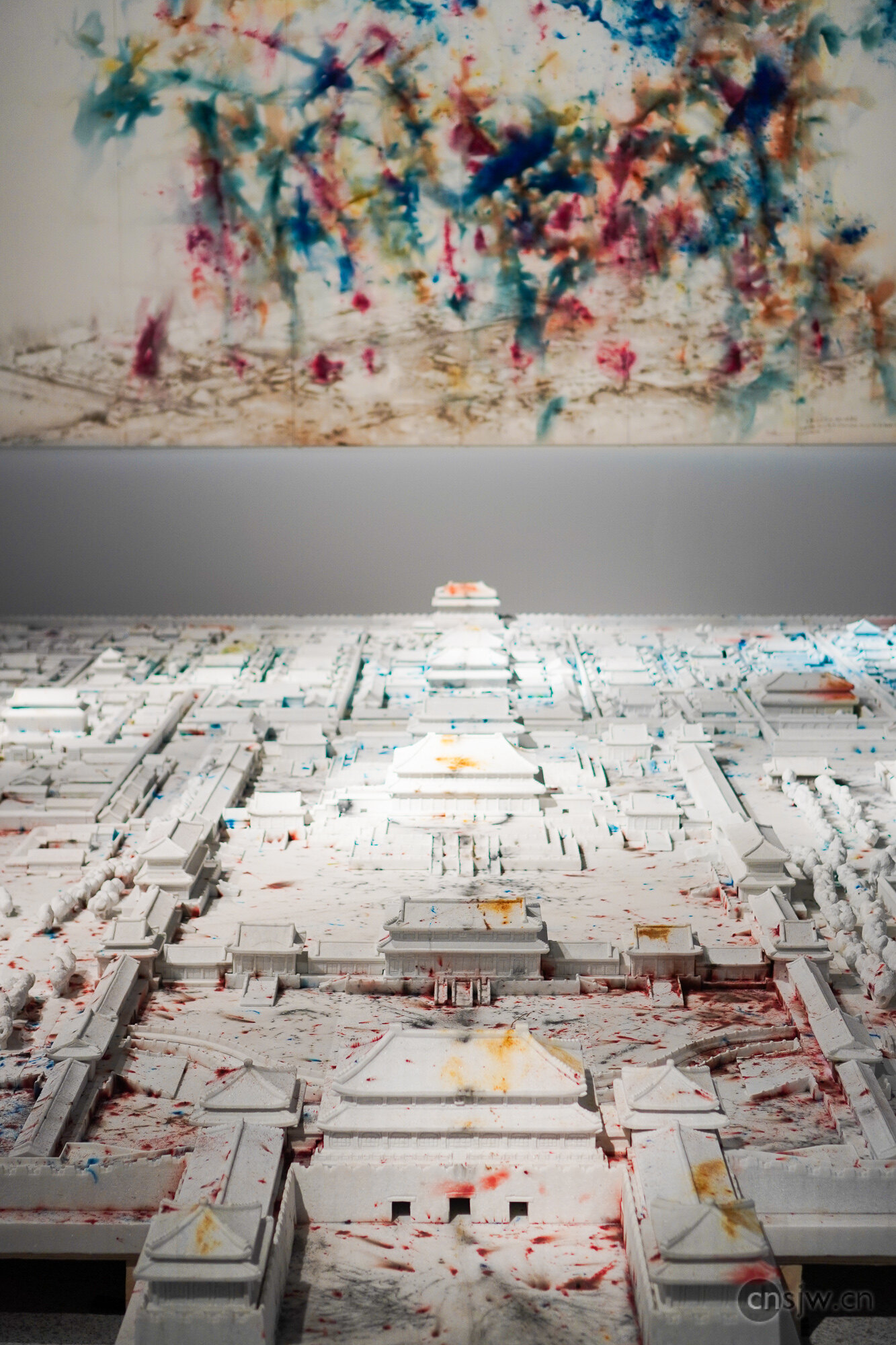
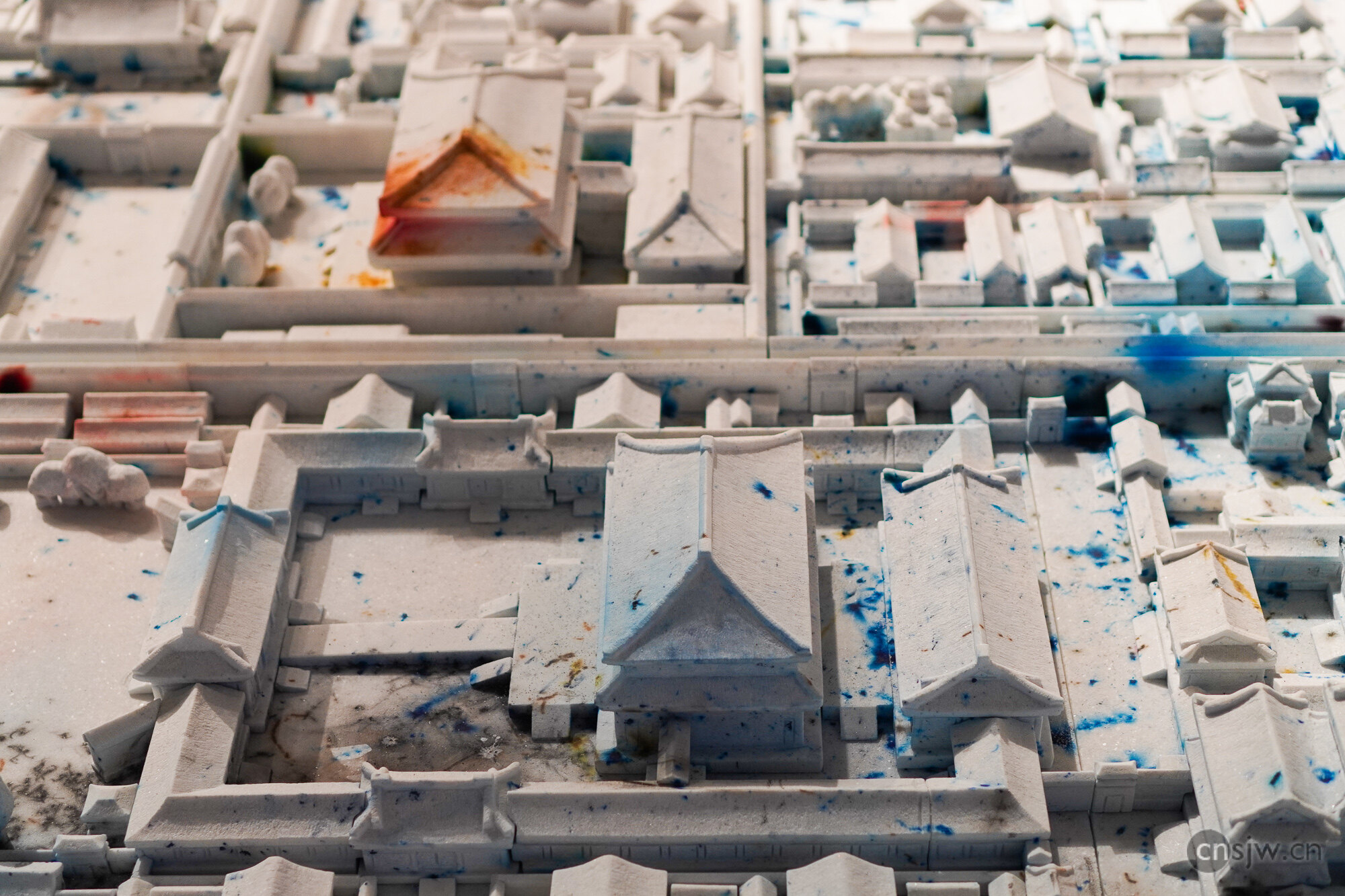
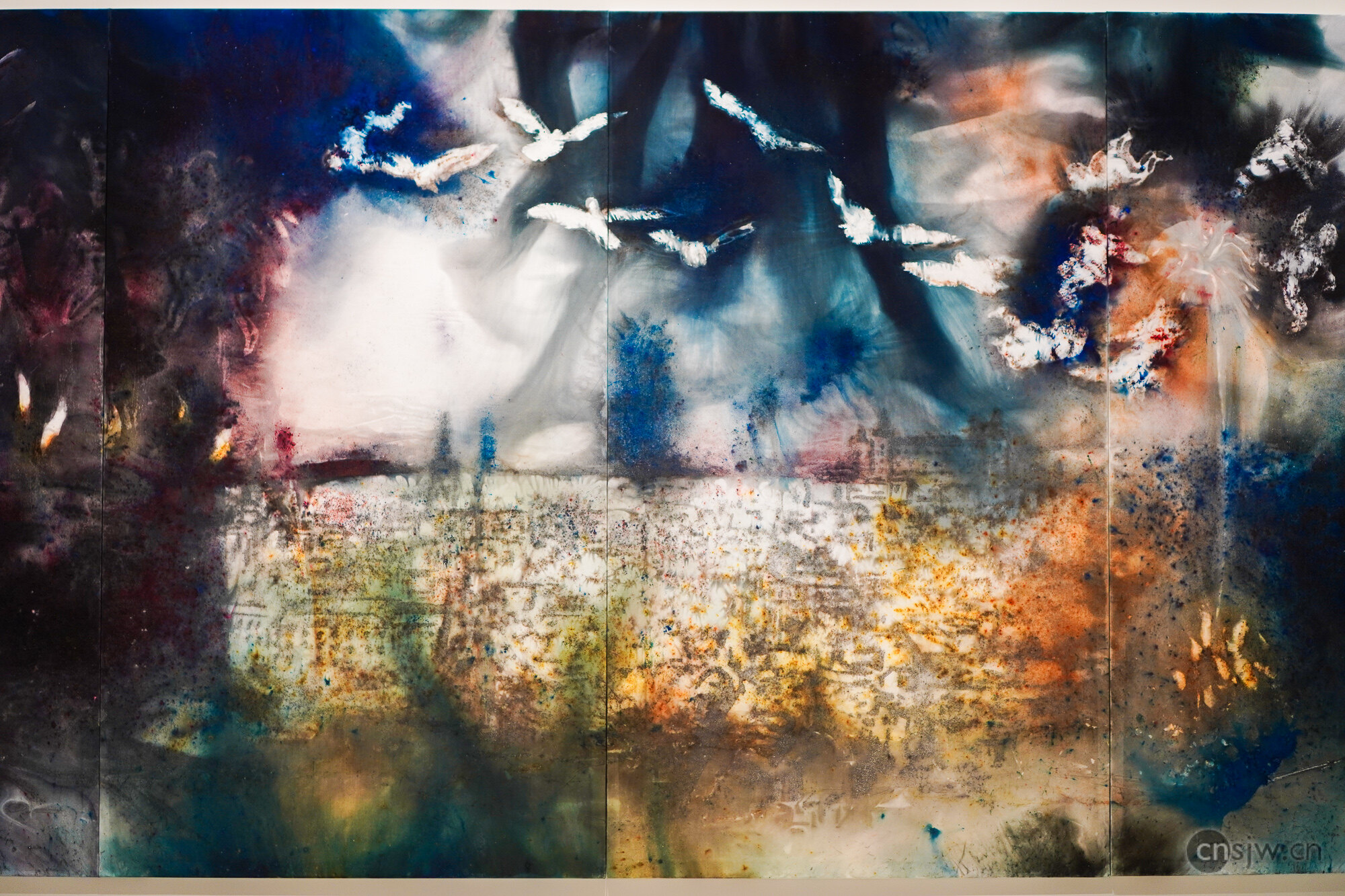
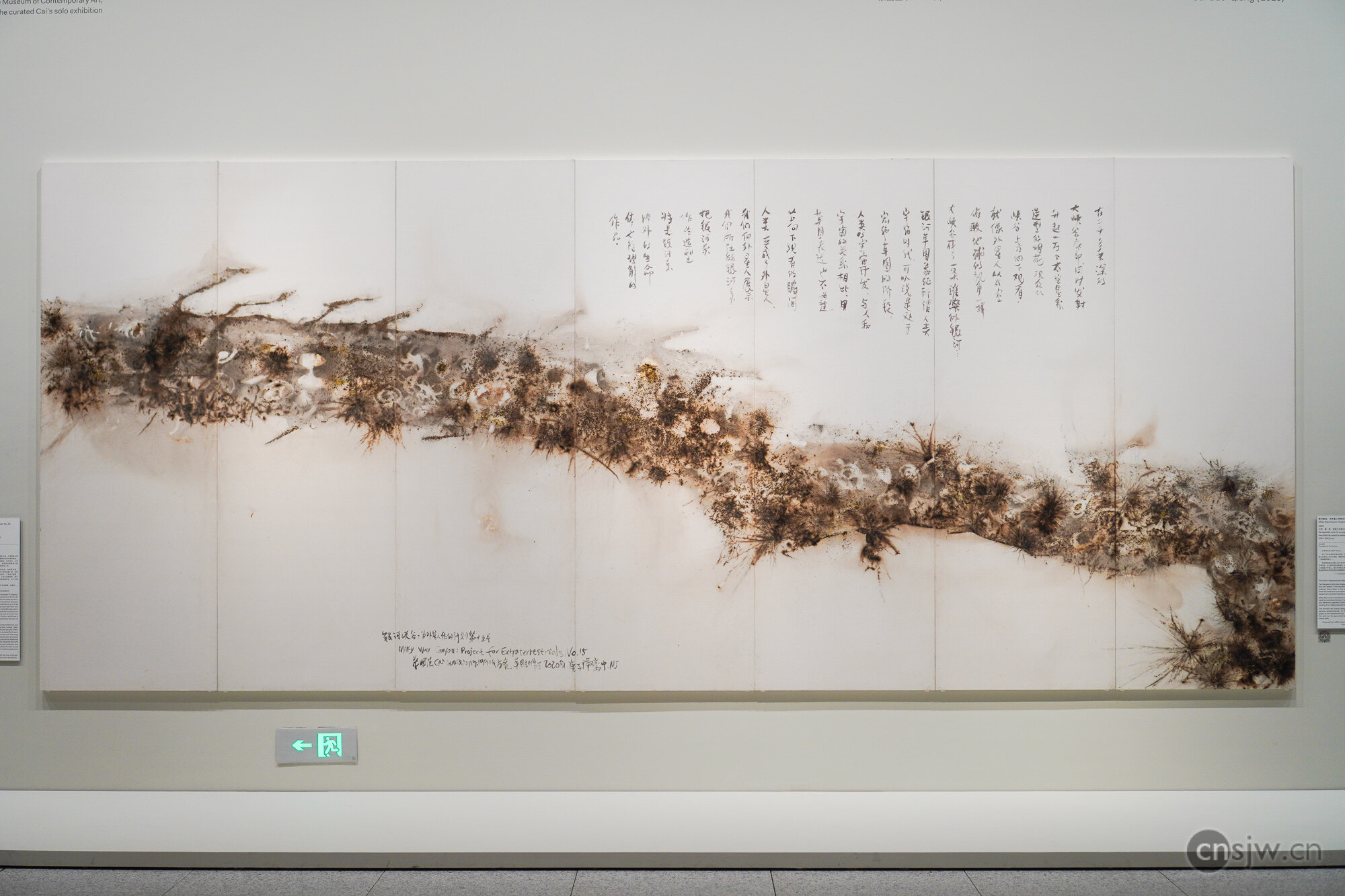
Personally, I feel this section has too many exhibits and covers too much ground. Although it employs various artistic mediums such as video and AR, walking through it for a long time can still be tiring.
Light: Tate Collection Highlights
Using “light” as a thematic thread, “Light: Tate Collection Highlights” showcases over 100 works by approximately 46 artists. Spanning more than 200 years, the exhibition is broadly structured chronologically, focusing on representative works and artists from various periods to illustrate the evolution of “light” in artistic creation.
“Light” explores how international artists have created works using light in its myriad forms. Beginning in 18th-century Britain and extending to the present day, the exhibition features artists from around the world. The theme of light is refracted through the prism of art in countless ways: from the sublime to the intimate, from the spiritual to the scientific. Whether in oil paintings, sculptures, or immersive installations, the challenge of capturing this phenomenon has prompted artists to develop unique technical approaches. While arranged roughly chronologically, the exhibition also juxtaposes works from different historical periods, outlining connections that transcend time.
The history of light is essentially the history of human perception. Although our understanding of light has advanced significantly over the centuries, this has not diminished its allure or its capacity to evoke diverse responses. Light remains beautiful yet ephemeral; visible yet intangible.

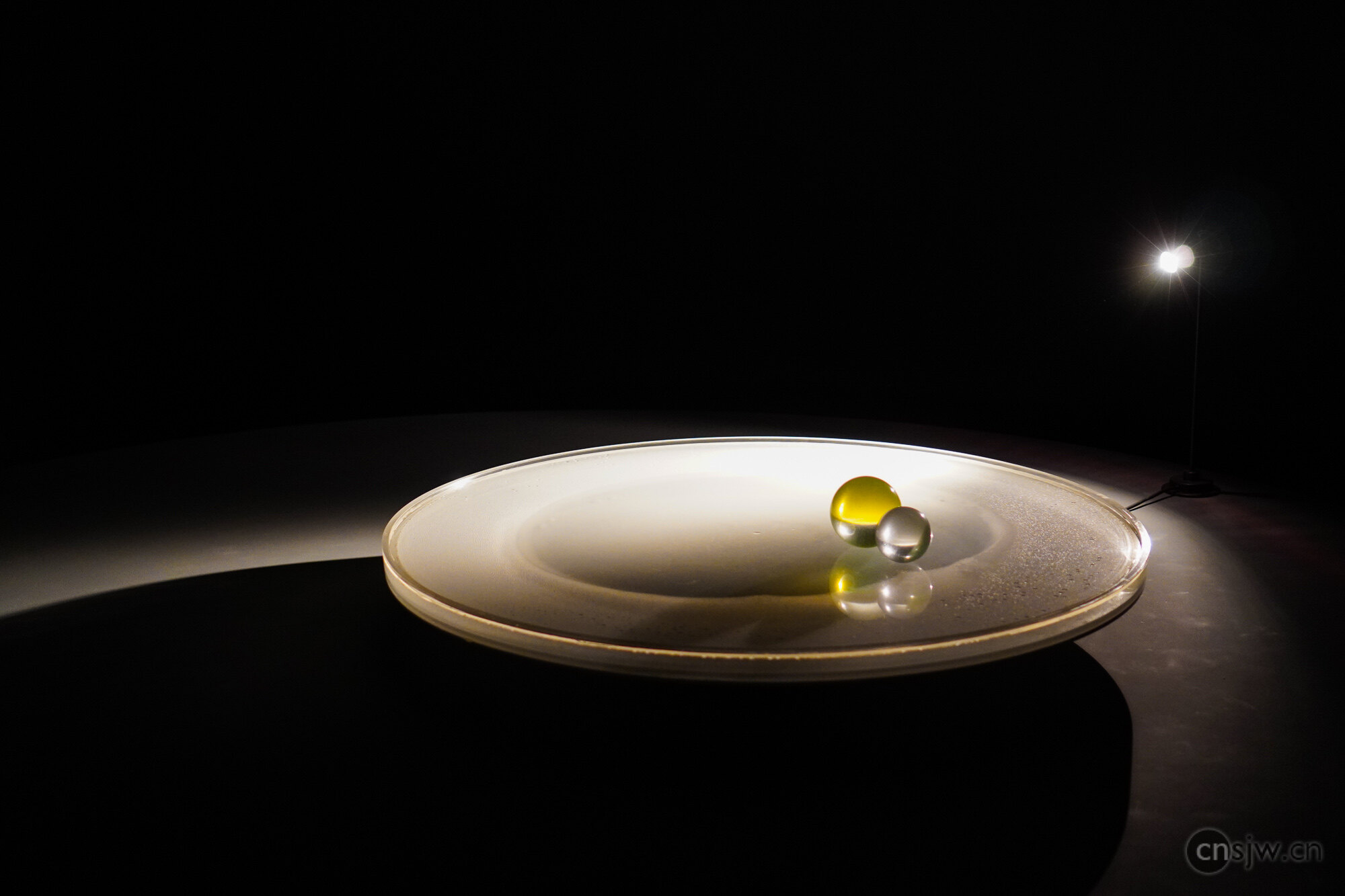
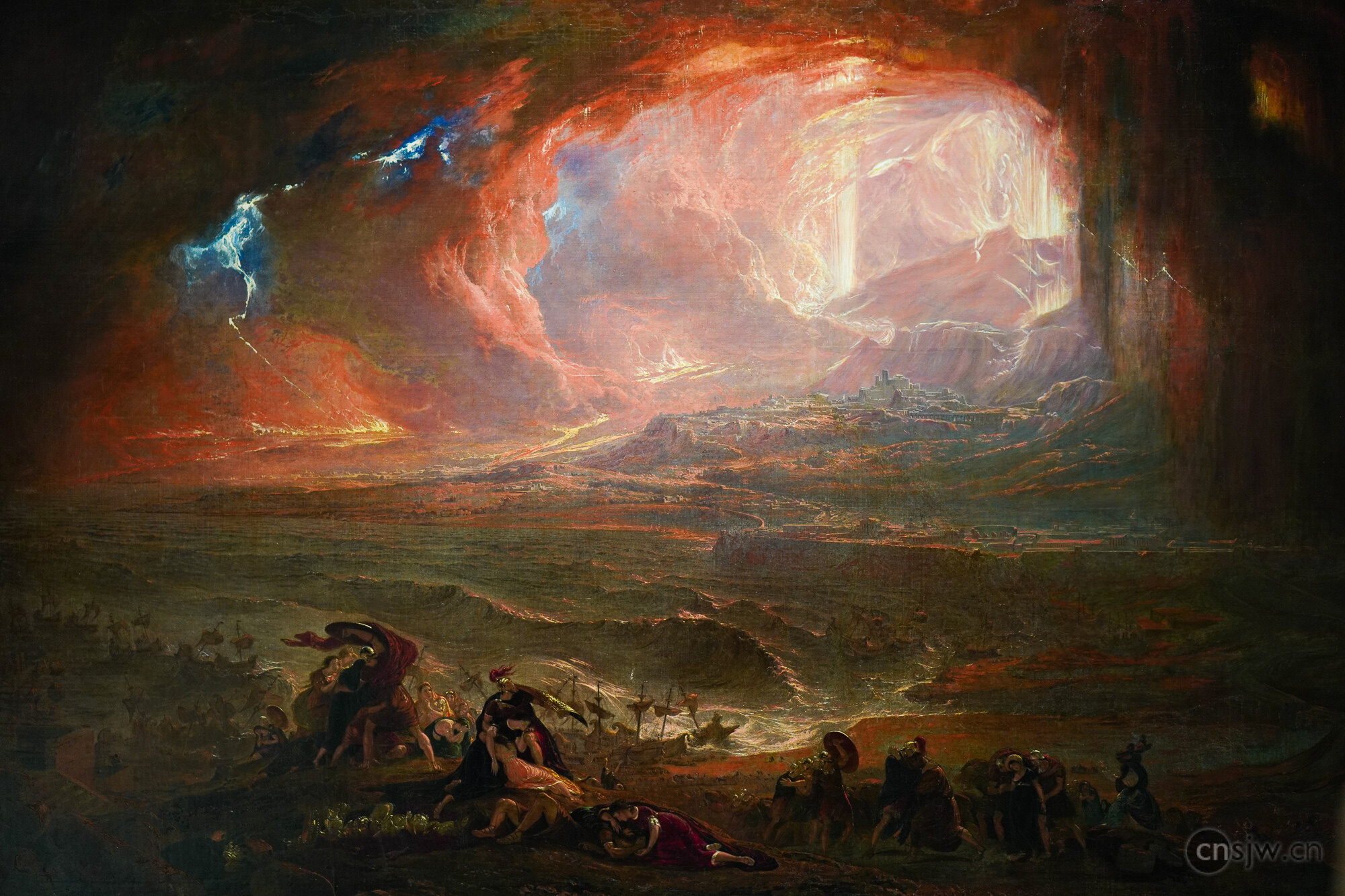
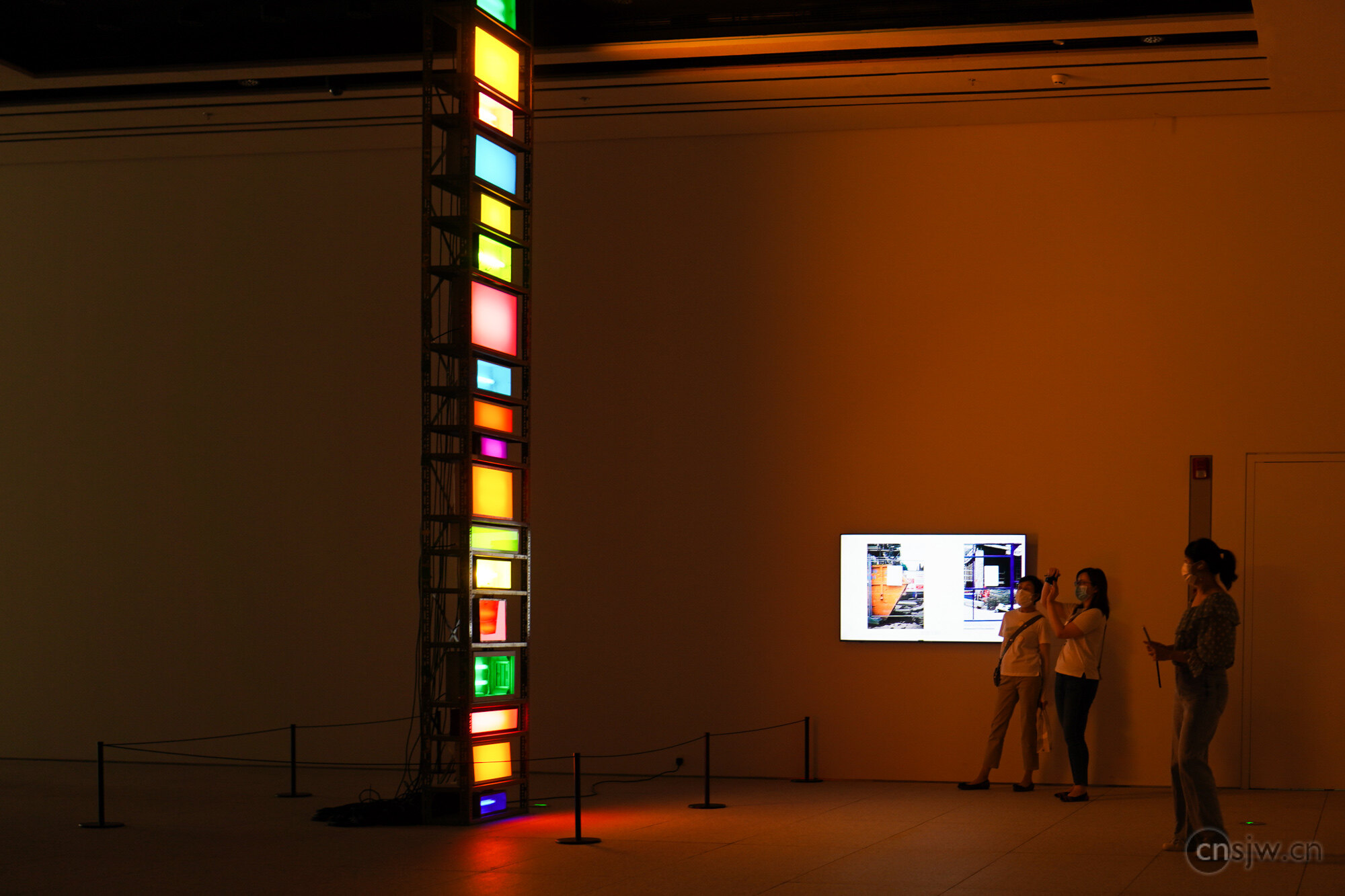
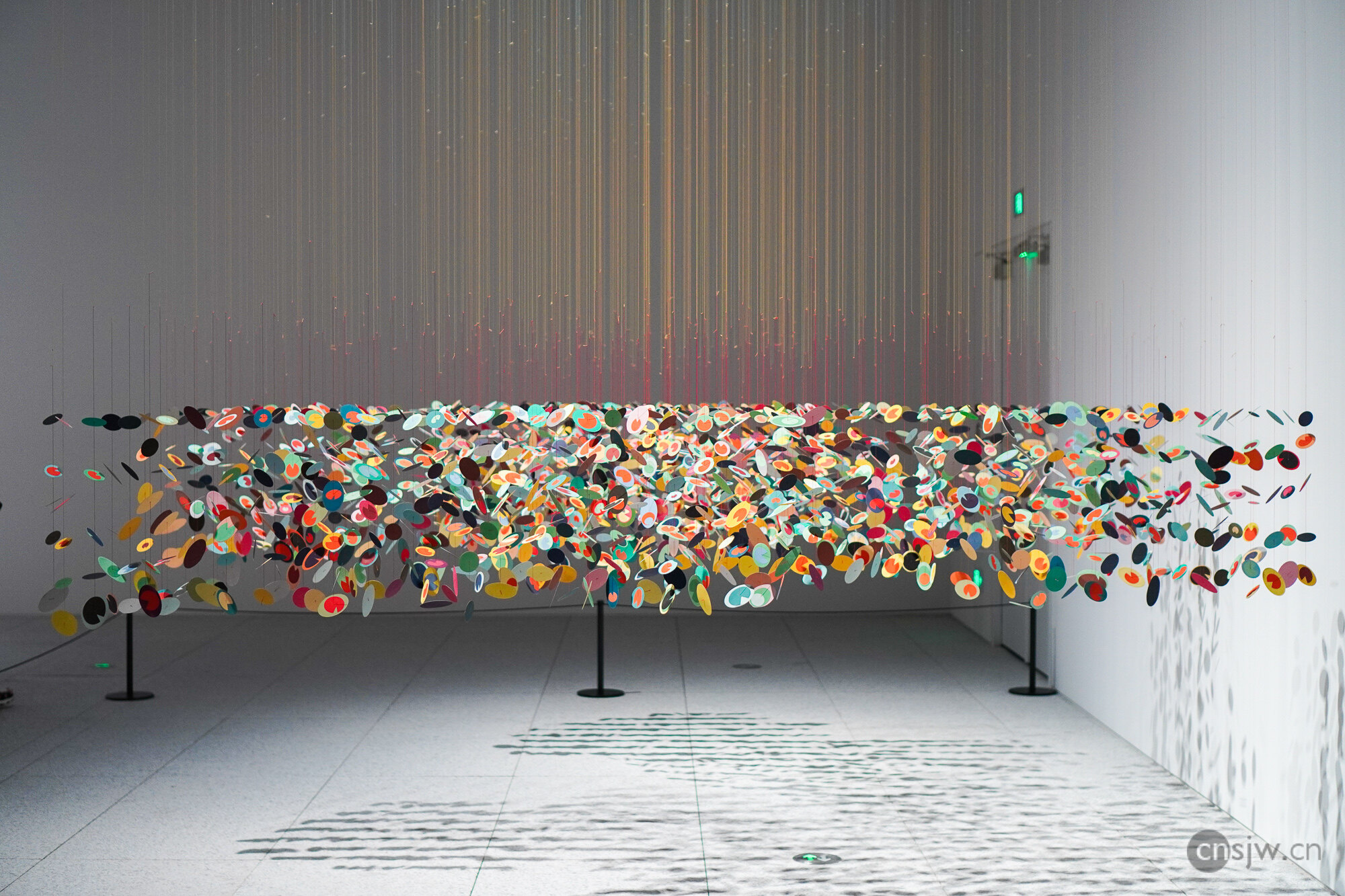
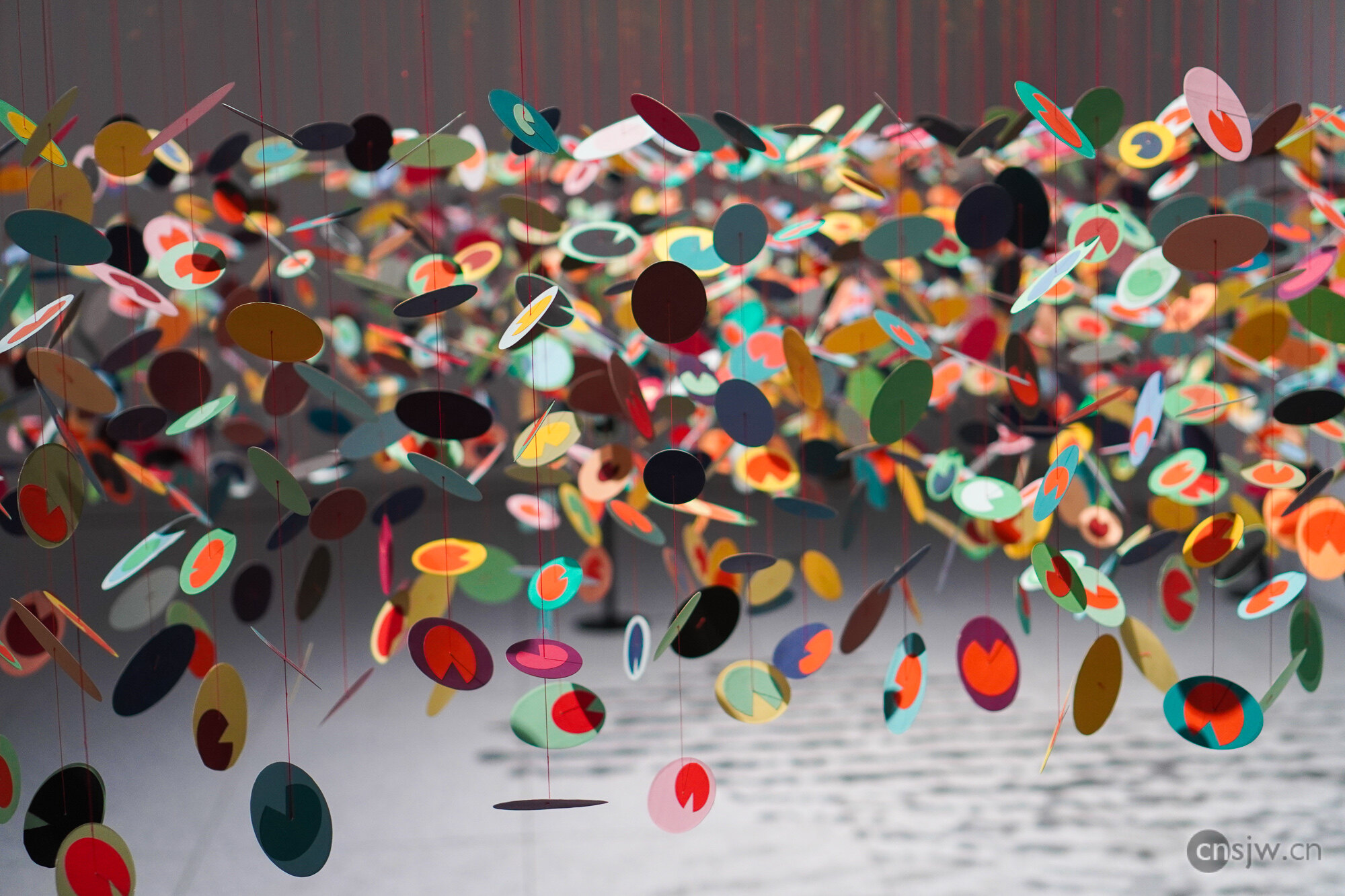
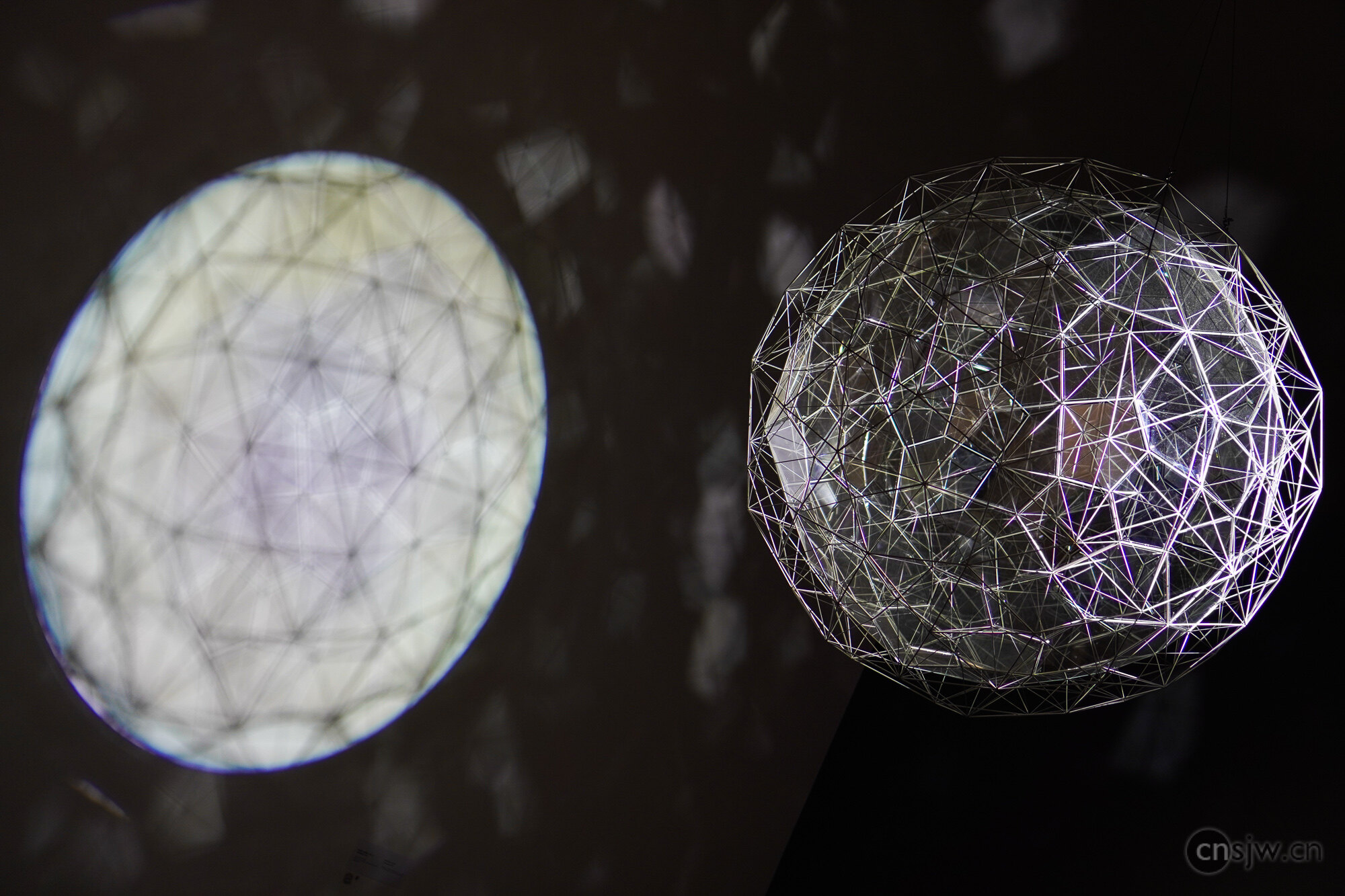
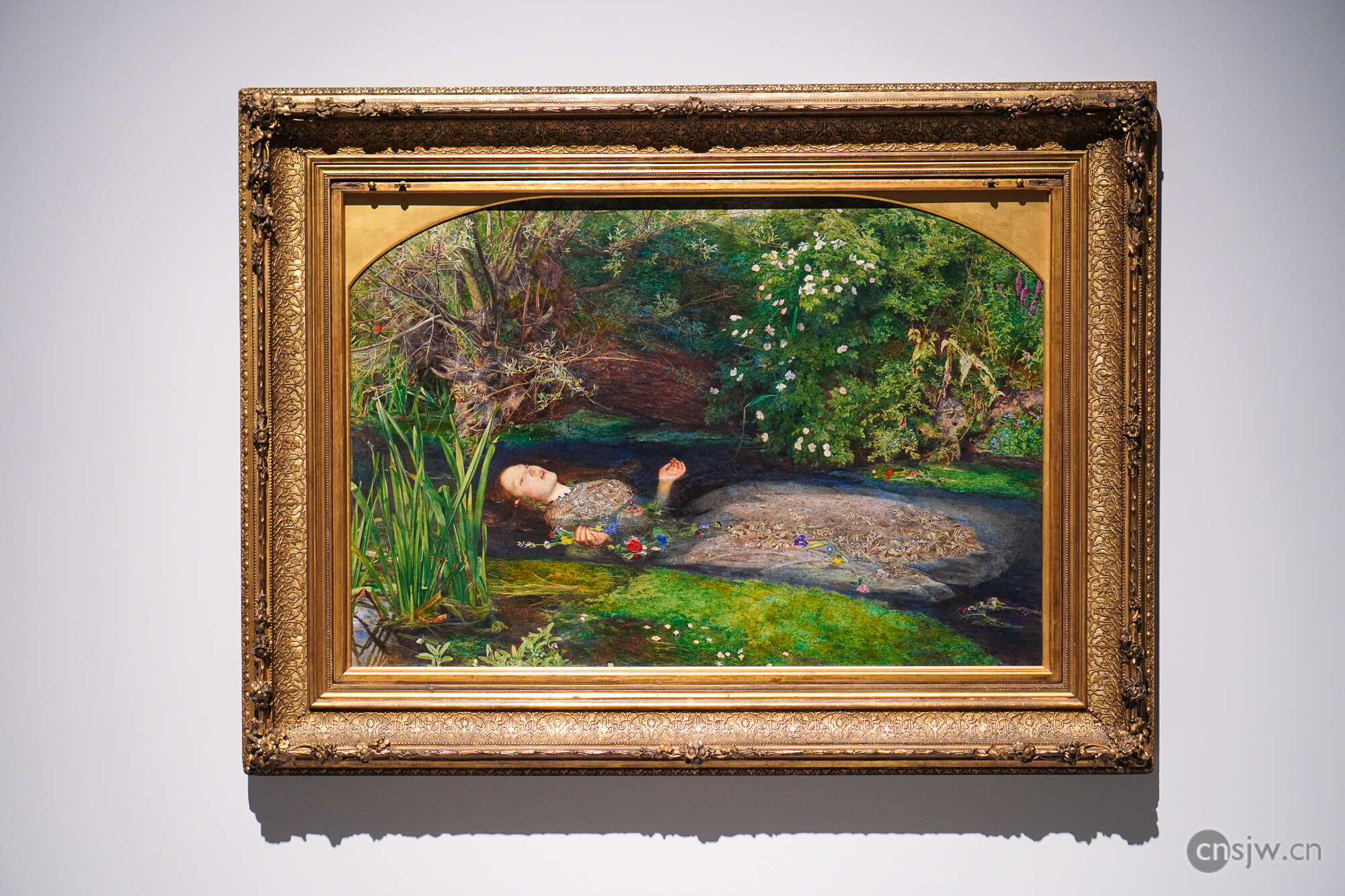
The absolute highlight here is Tate’s crown jewel, Ophelia, which is given an entire gallery dedicated solely to it.
Ophelia is an oil on canvas painted by British artist John Everett Millais between 1851 and 1852, and is a masterpiece both for Millais personally and for the Pre-Raphaelite Brotherhood.
Inspired by the character Ophelia from William Shakespeare’s Hamlet, the painting depicts the scene of her drowning. Rejected by Hamlet and devastated by the stabbing death of her father Polonius, Ophelia is driven mad by the double blow and eventually falls into the water and drowns.
The landscape portion of the painting was painted en plein air along the Hogsmill River in Surrey, southeastern England, while the figure was completed in the artist’s studio on Gower Street, London, using Elizabeth Siddal as the model.
This section is truly remarkable. You can see depictions of light by Turner, Monet, Kandinsky, Kusama, and Eliasson all here, alongside a rich array of installation art.
Joan Miró: Women, Birds, Stars
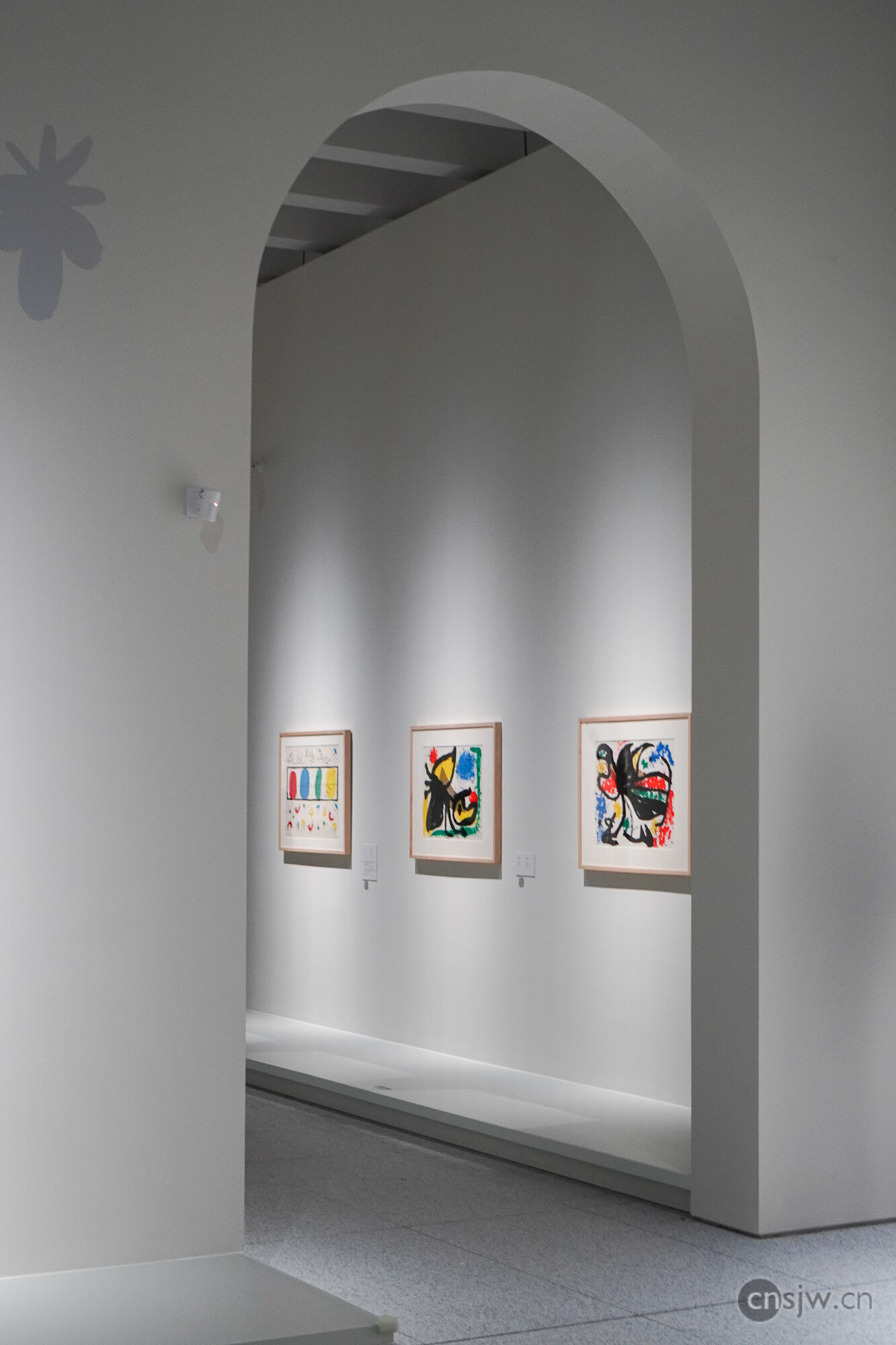
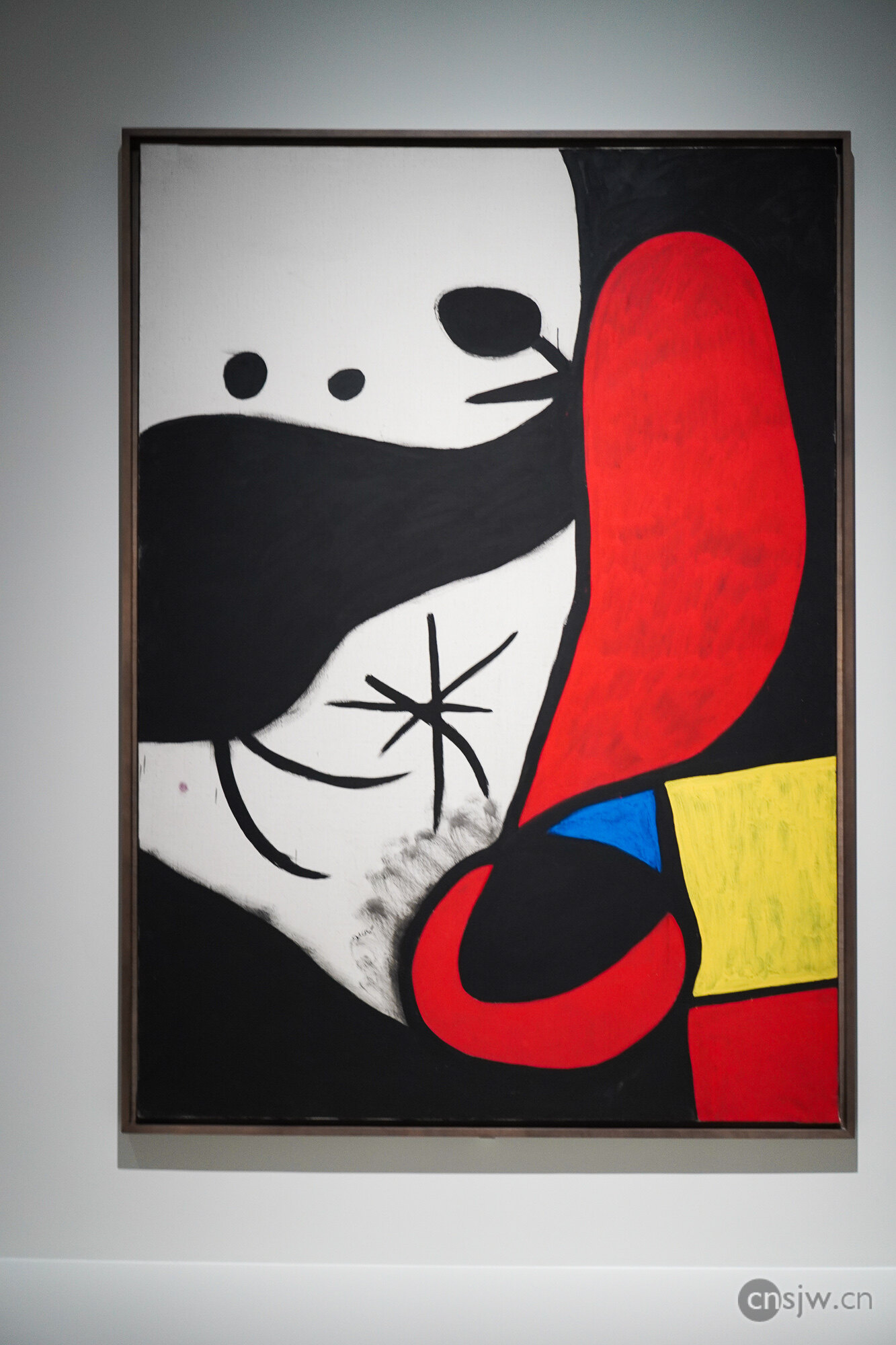
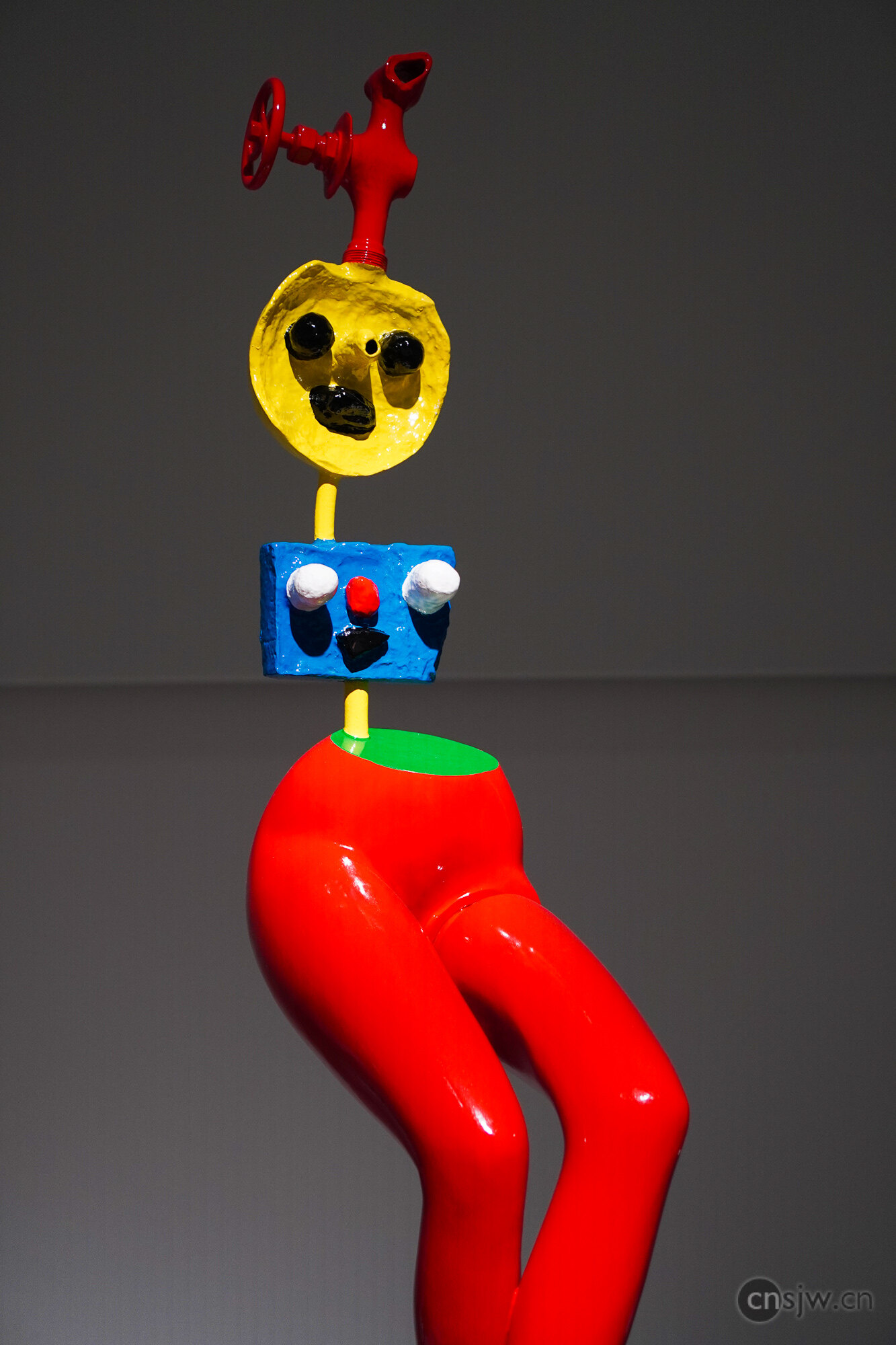
“Joan Miró: Women, Birds, Stars” encompasses a series of themes spanning forty years that dominated the final phase of the artist’s career. Undoubtedly, Miró’s mature creative period emerged during the most tranquil stage of his life, due to multiple factors: after overcoming the economic hardships, uncertainty, and suffering caused by the Spanish Civil War and the subsequent World War II, Miró settled in Palma de Mallorca in 1956. There, he finally acquired a spacious studio designed by his architect friend Josep Lluís Sert, who later also designed the Fundació Joan Miró in Barcelona. The new studio enabled Miró to create large-scale works; his output became more diverse as he combined painting with sculpture and printmaking, and began working with textile materials.
However, it took him years to establish a style entirely his own. He systematically narrowed his color palette to just a few basic hues and developed a formal vocabulary composed of recurring motifs: figures, women, birds, moons, suns, stars, constellations, and ladders of escape—themes that reference broader concepts such as earth and sky, the connection between them, and the possibility of ideal harmony. Divided into four sections—”Vocabulary of Signs,” “Liberated Signs,” “Objects,” and “Black Figures”—this exhibition reflects the development of Miró’s artistic language and creative journey. The exhibits are carefully selected from the collection of the Fundació Joan Miró in Barcelona and various private collections.
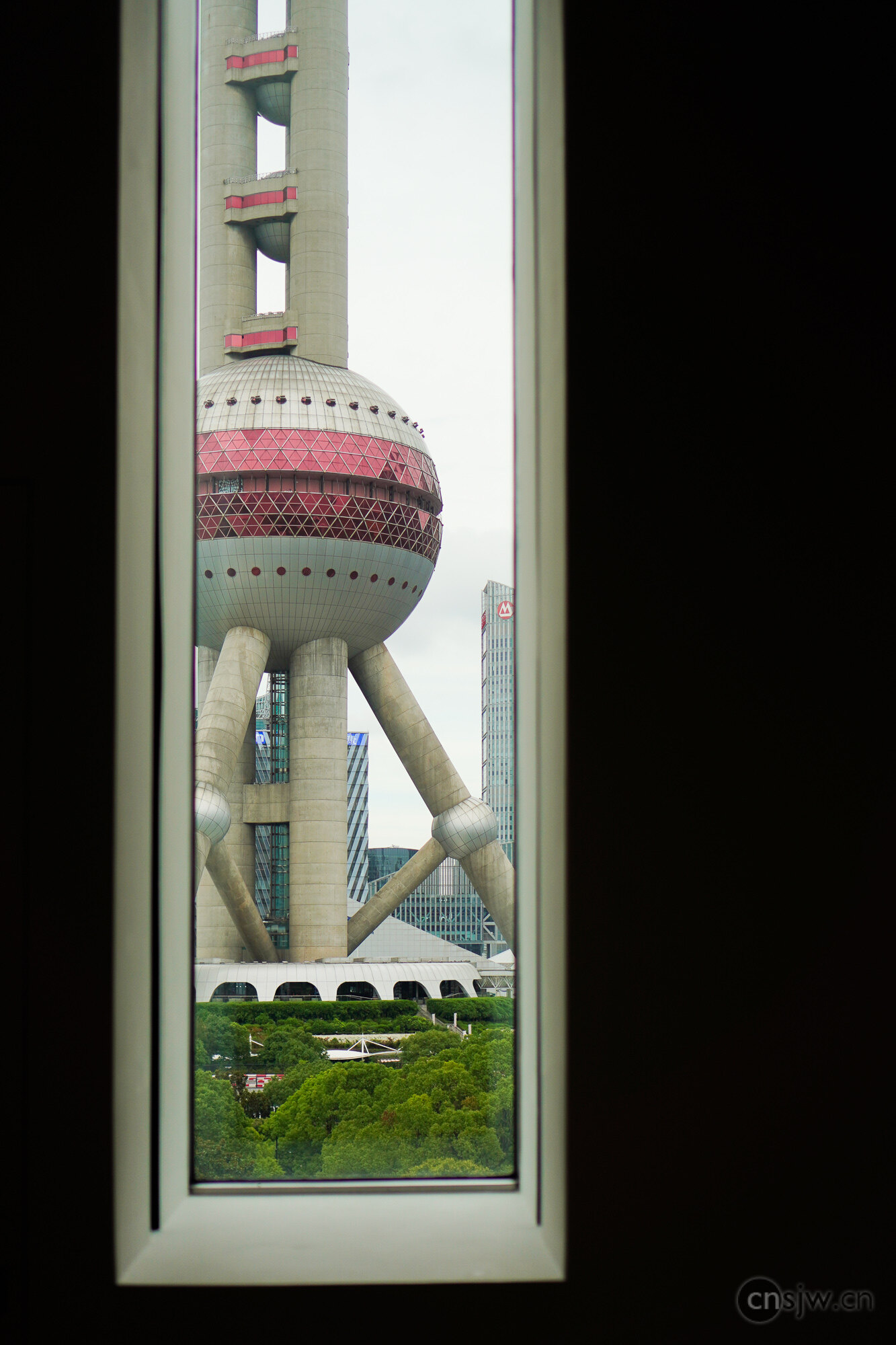
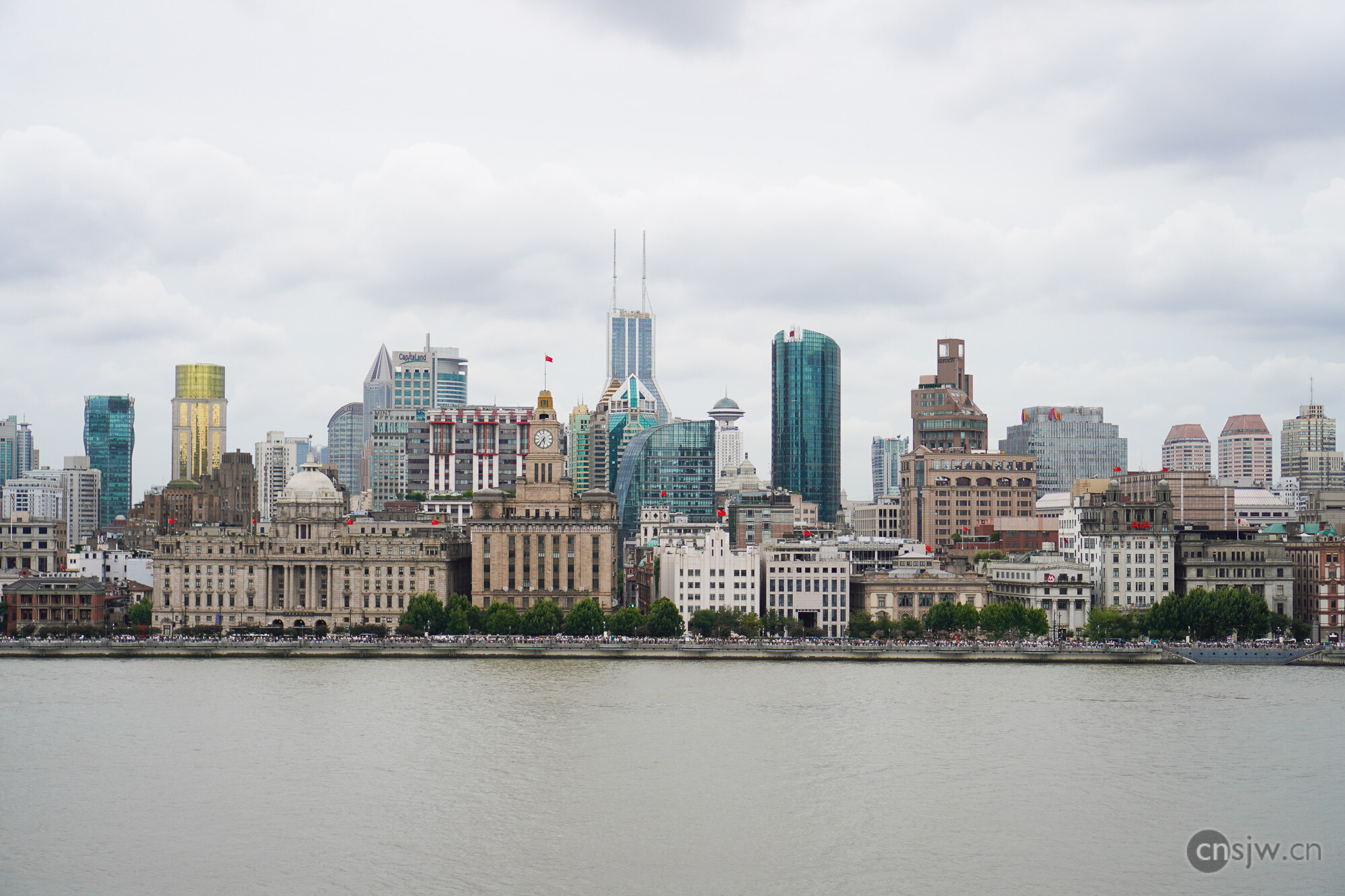
Additionally, there are rest areas on every floor of the museum. There’s a Seesaw Coffee on the first floor, and a restaurant with a terrace on the top floor. There are also two massive mirror rooms with hidden screens. You can enjoy prime river views from almost anywhere, and every corner offers a perfect spot for Instagram-worthy photos… You could easily spend a joyful afternoon here.



Support



Read this article on WeChat