
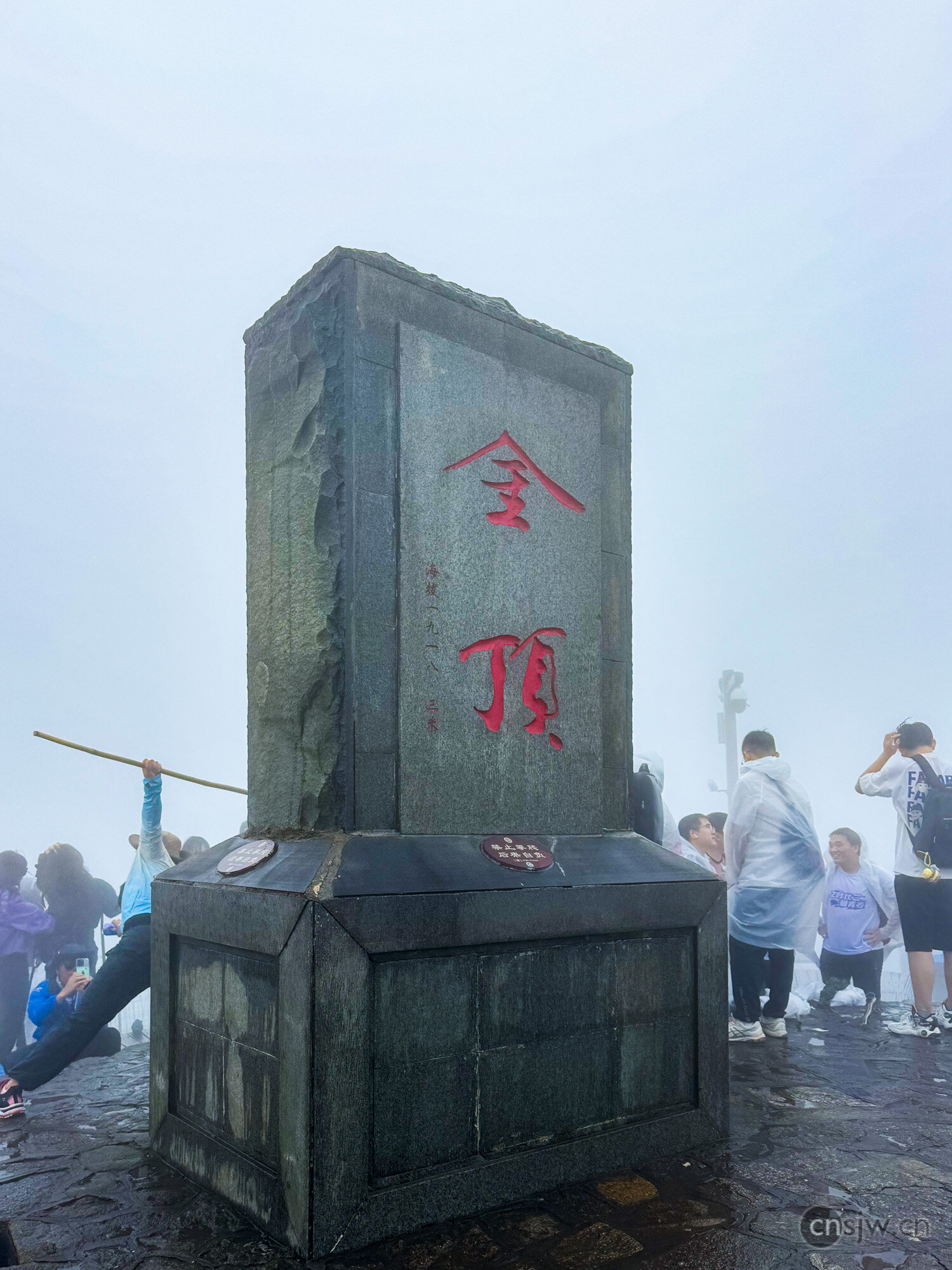
Wugong Mountain is located in Jiangxi Province. The mountain range runs from northeast to southwest, stretching over 120 kilometers from Anfu County in Ji’an City, Yuanzhou District in Yichun City, to Luxi County and Lianhua County in Pingxiang City, covering a total area of nearly 1,000 square kilometers. The main peak, Baihe Peak (Golden Summit), stands at an altitude of 1,918.3 meters. Around the Golden Summit, the “Wugong Mountain National Geopark,” “Wugong Mountain National Forest Park,” and “Mingyue Mountain National Forest Park” have been established.
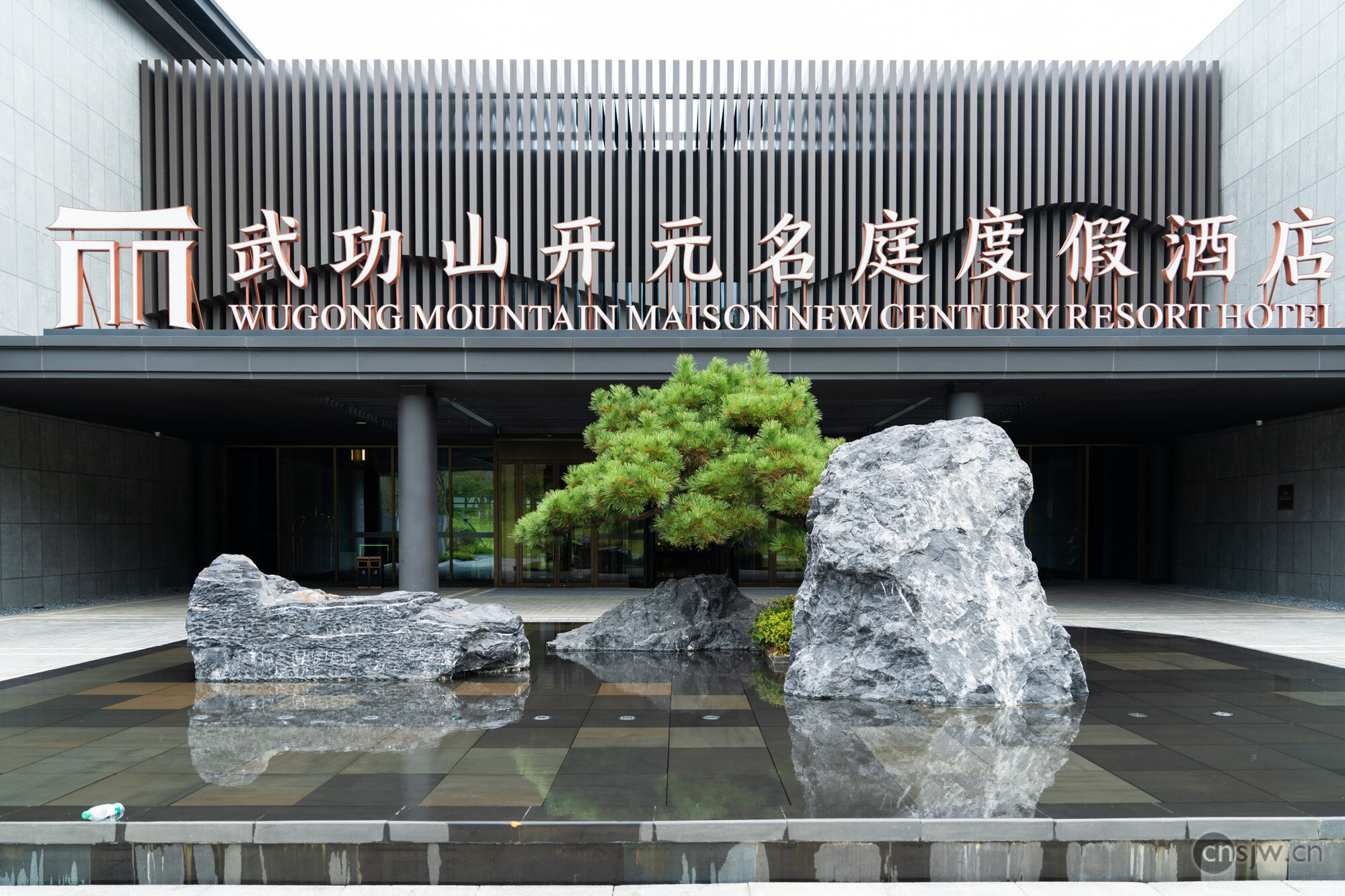
Wugong Mountain is a national AAAAA-level tourist attraction and a famous Taoist mountain. Our visit focused on the Wugong Mountain scenic area in Pingxiang. This was also our first trip to Jiangxi Province. Since Pingxiang is very close to Changsha, we chose to check into the Hampton by Hilton in downtown Pingxiang a day in advance. Driving from downtown Pingxiang to Wugong Mountain takes about an hour. We arrived at the New Century Grand Hotel next to Wugong Mountain before 10 a.m. I have to say, the location of this hotel is absolutely unbeatable—it’s right next to the Wugong Mountain Tourist Service Center. I highly recommend it for anyone planning to visit Wugong Mountain.
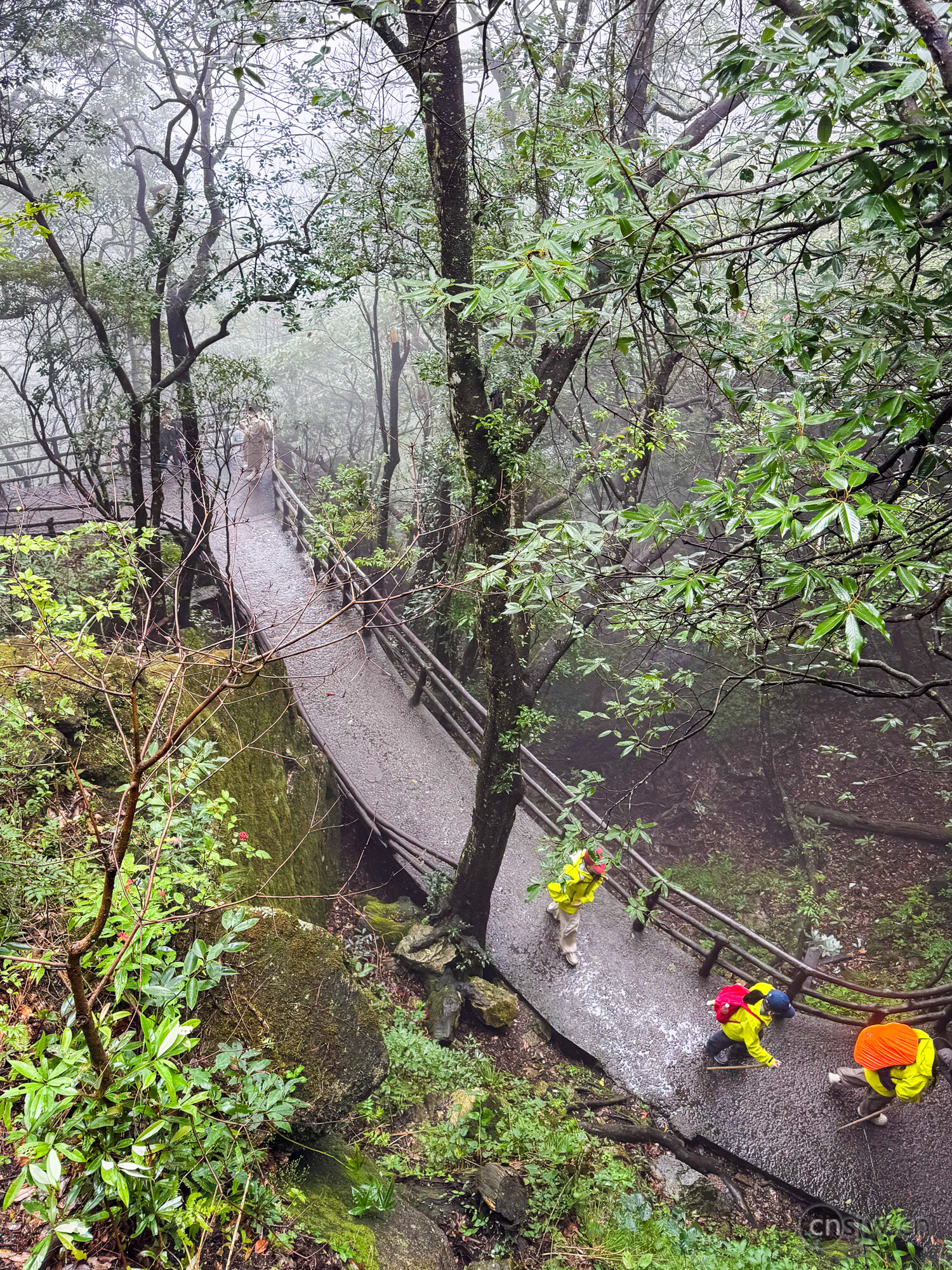
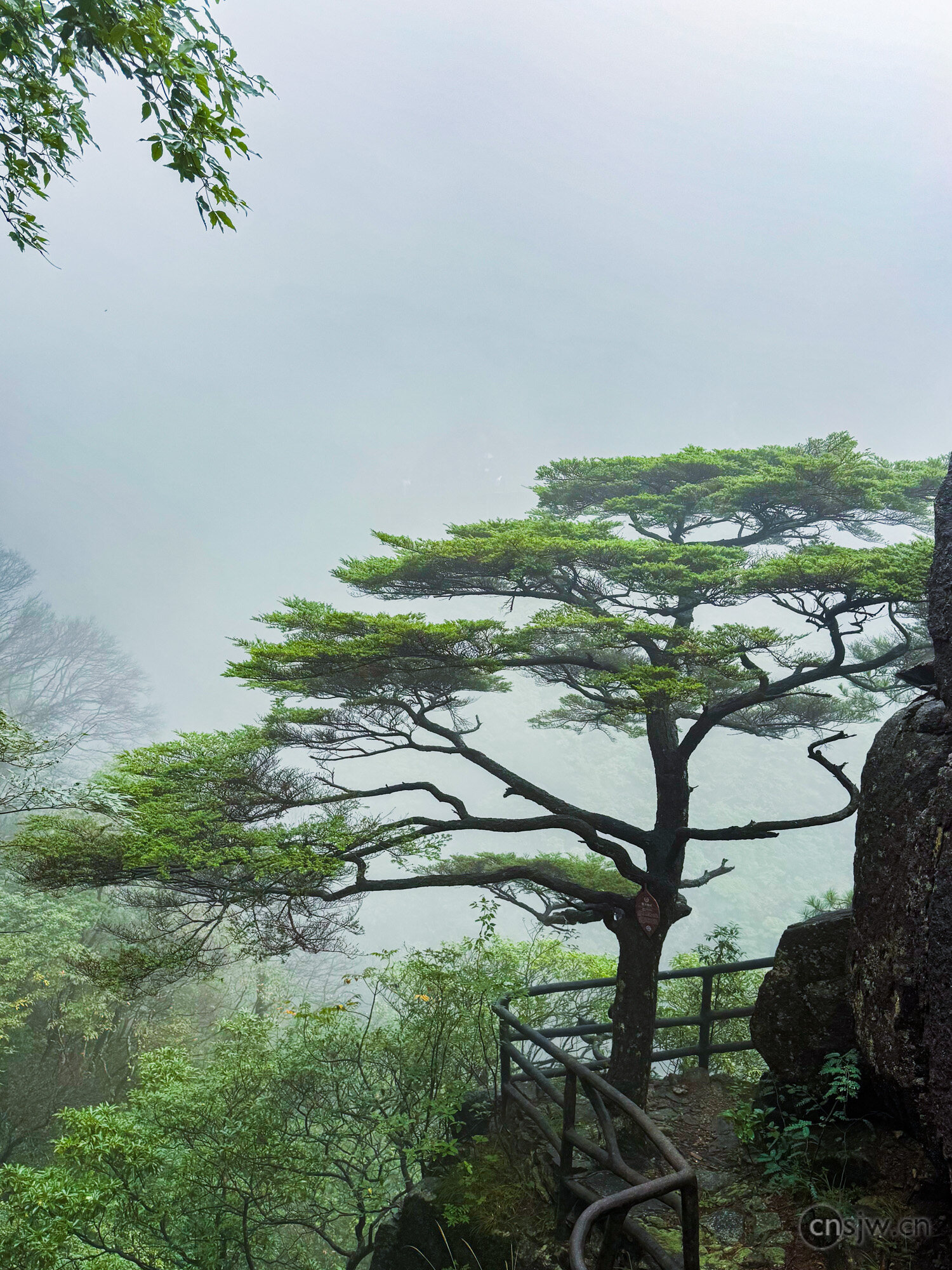
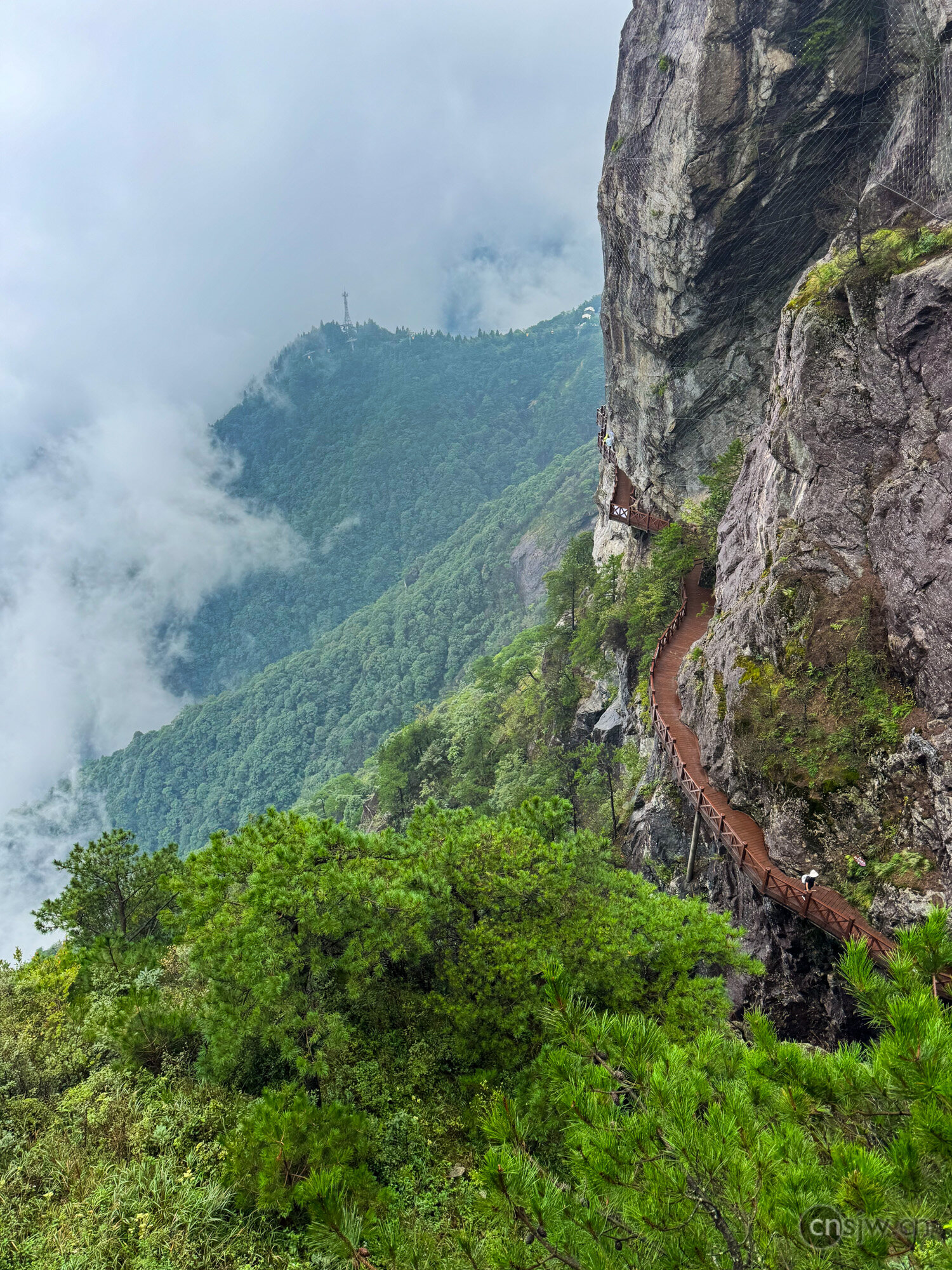
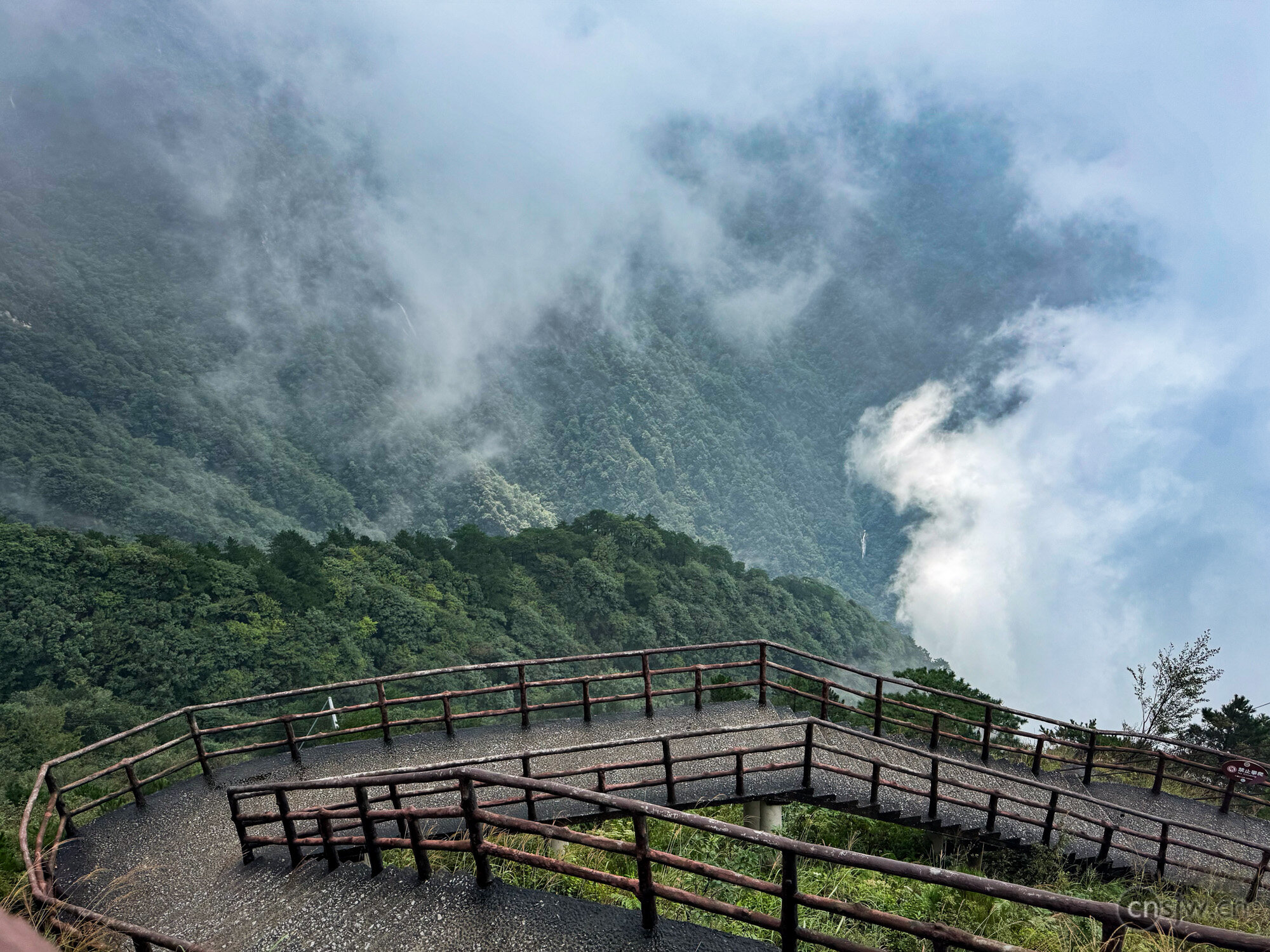
Unfortunately, we weren’t very lucky with the weather. It rained all day, the entire mountain was shrouded in mist, and visibility was extremely low. We bought raincoats and bamboo poles (2 yuan each) at the small supermarket inside the Tourist Service Center before embarking on our hiking journey.
At the Wugong Mountain Tourist Service Center, there are free scenic area shuttle buses that take you to Shigu Temple. This spot serves as the starting point for the hike and is also where the Zhong’an Cableway entrance is located; there’s even a newly opened KFC nearby. The shuttle bus service is excellent—you can even ride it without buying an entrance ticket. As a result, we didn’t bring our camera up the mountain that day. The few photos taken on the mountain were captured with a phone, while the rest were taken with our camera the following morning when we took the free shuttle back to Shigu Temple specifically to retake some shots.
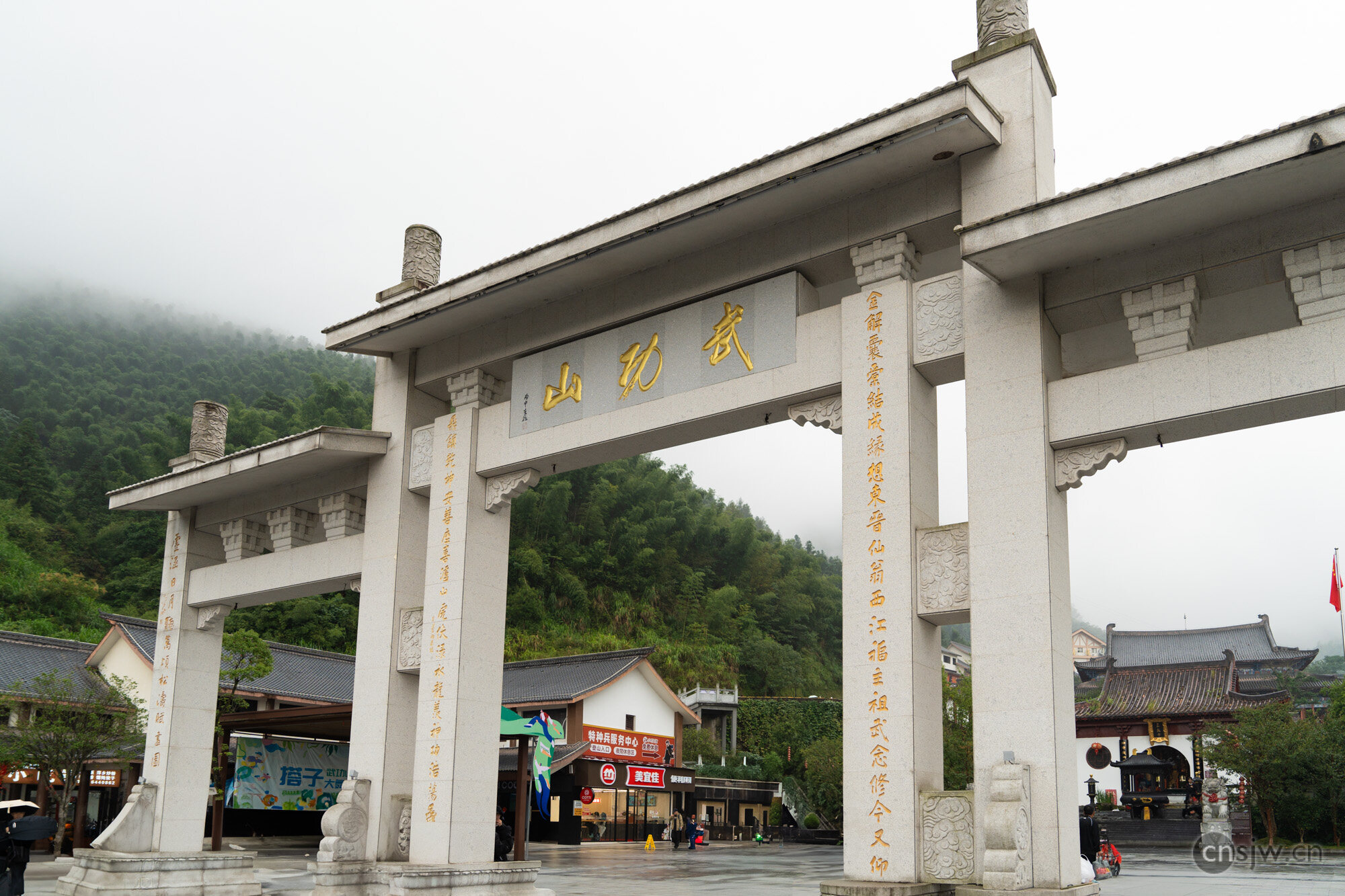
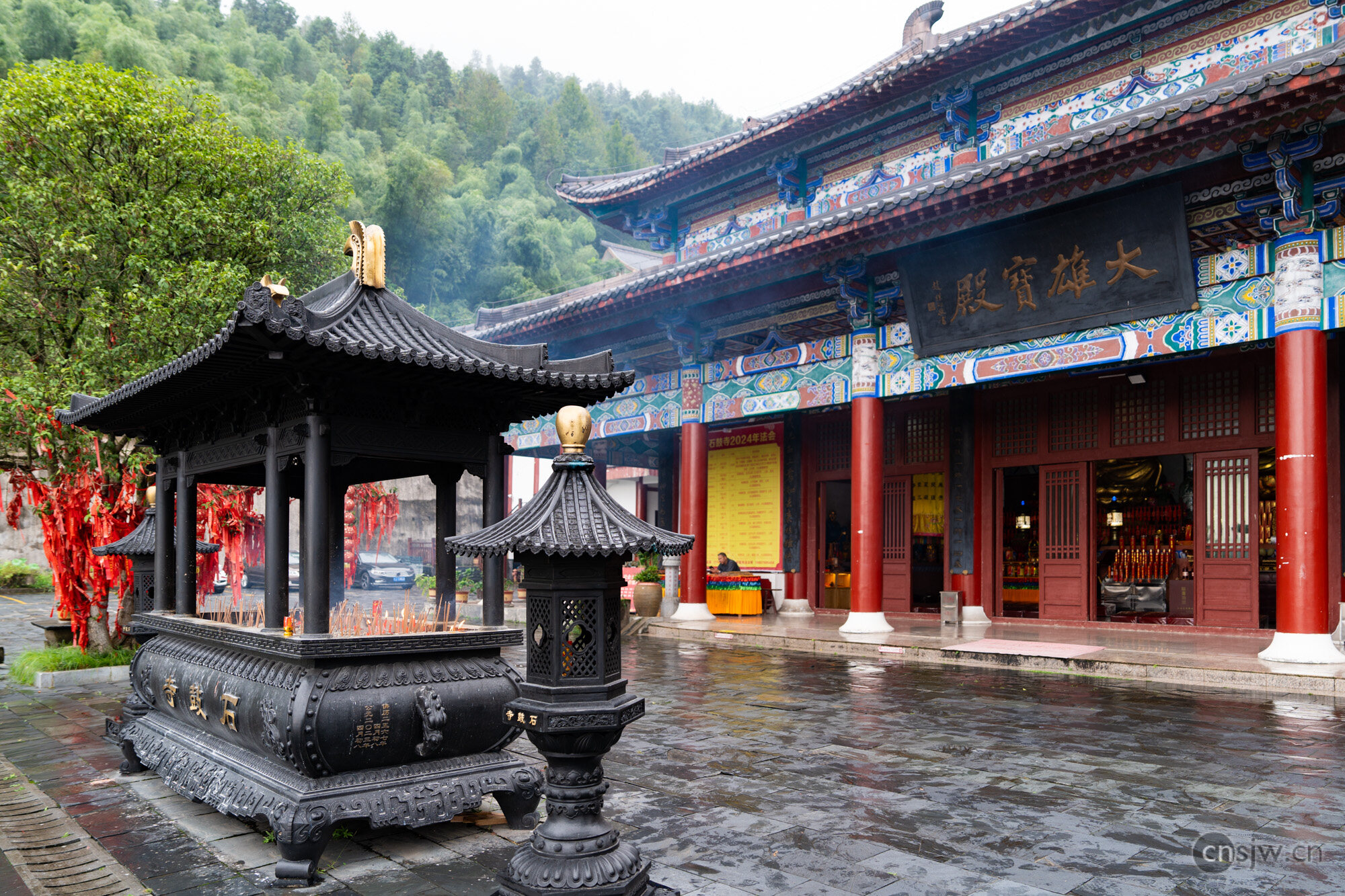
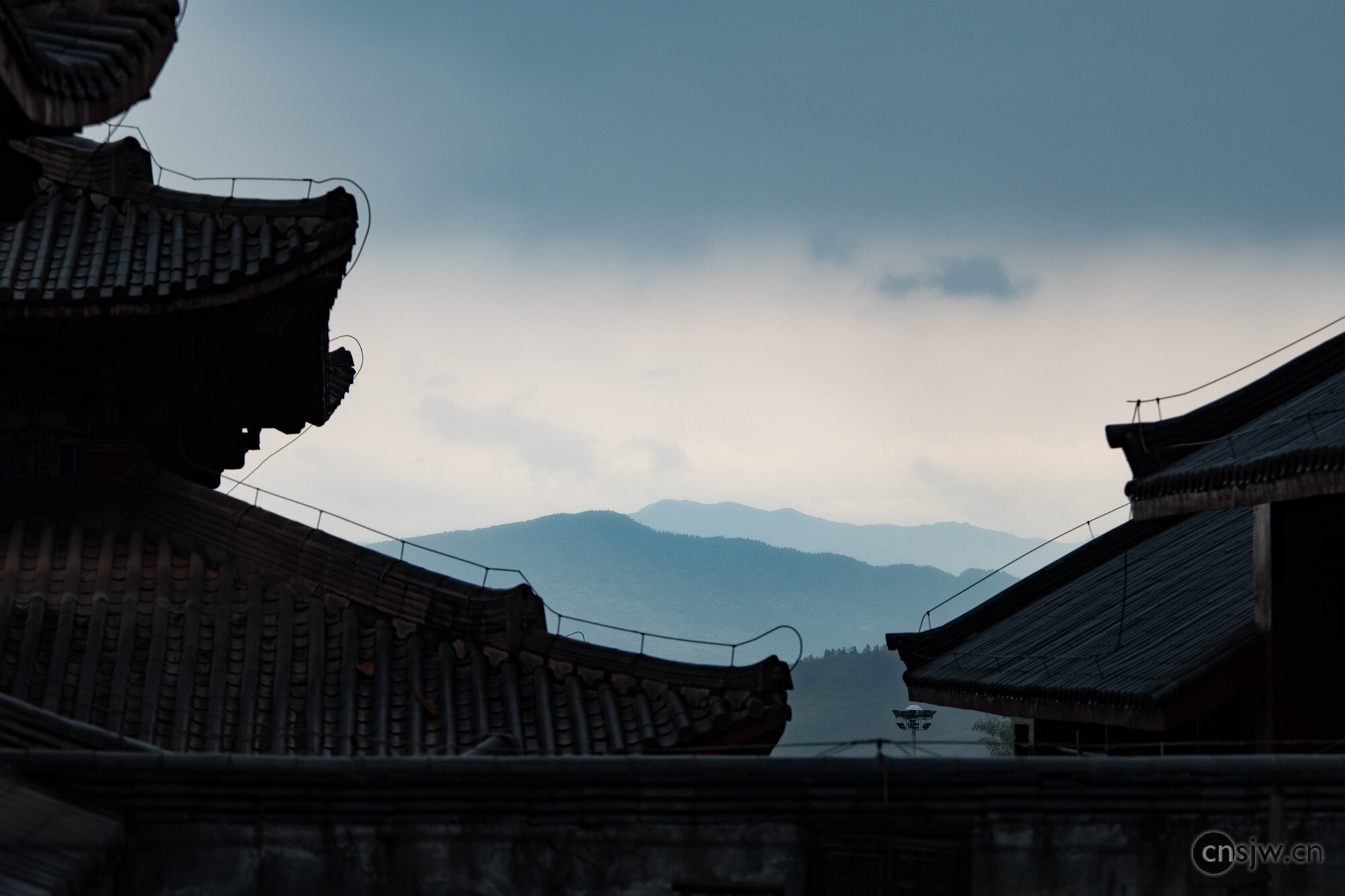
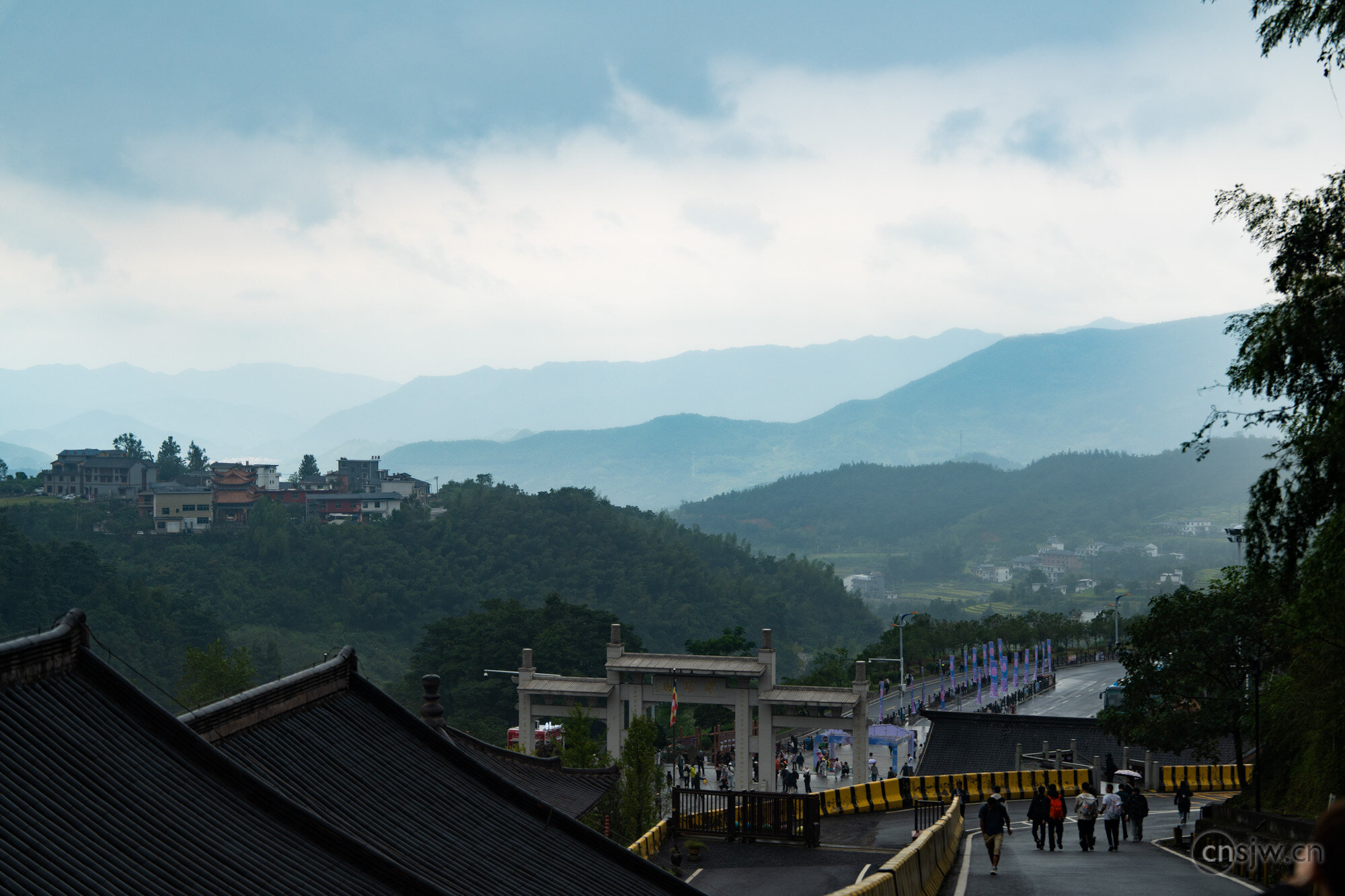
When purchasing tickets for Wugong Mountain, you need to decide whether to take the cable car, as the entrances for hiking and taking the cable car are different. There are two cableway sections in total: the Zhong’an Cableway and the Golden Summit Cableway. The lower station of the Zhong’an Cableway is located at Shigu Temple, which is very convenient. It ascends from an altitude of approximately 650 meters to 1,400 meters. After that, you need to walk for about 40 minutes to reach the Golden Summit Cableway, which climbs from roughly 1,600 meters to 1,900 meters. From there, it takes another 20–30 minutes of walking to reach the Golden Summit.
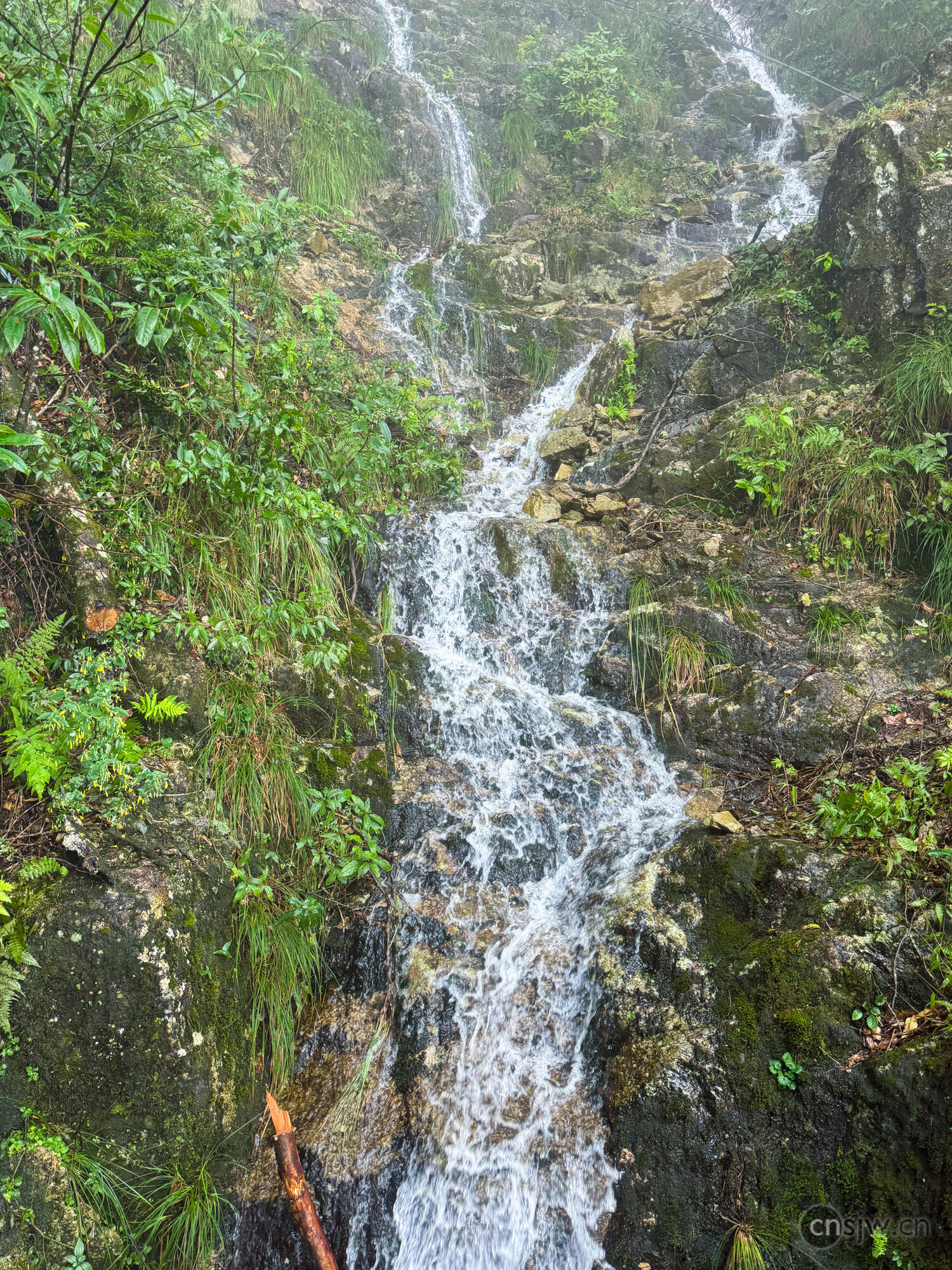
The stepped trails throughout the Wugong Mountain scenic area are very well-maintained; none are particularly steep or difficult, and most are relatively flat. Water resources are abundant within the area, featuring numerous small waterfalls to enjoy, though some sections of the path can be wet and slippery. All in all, including the scenic area shuttle bus, both cableway rides, walking, and sheltering from the rain—and with absolutely no queuing—the round trip took us about 5 to 6 hours.
There are many young visitors at Wugong Mountain. According to guides on Xiaohongshu, many people hike all night via unofficial trails from the Anfu side, watch the sunrise at the Golden Summit, and then descend via the Pingxiang side, managing the entire trek without paying an entrance fee.
Although the weather wasn’t cooperative and we could barely see anything, from an outdoor activity perspective, the experience was still very satisfying.
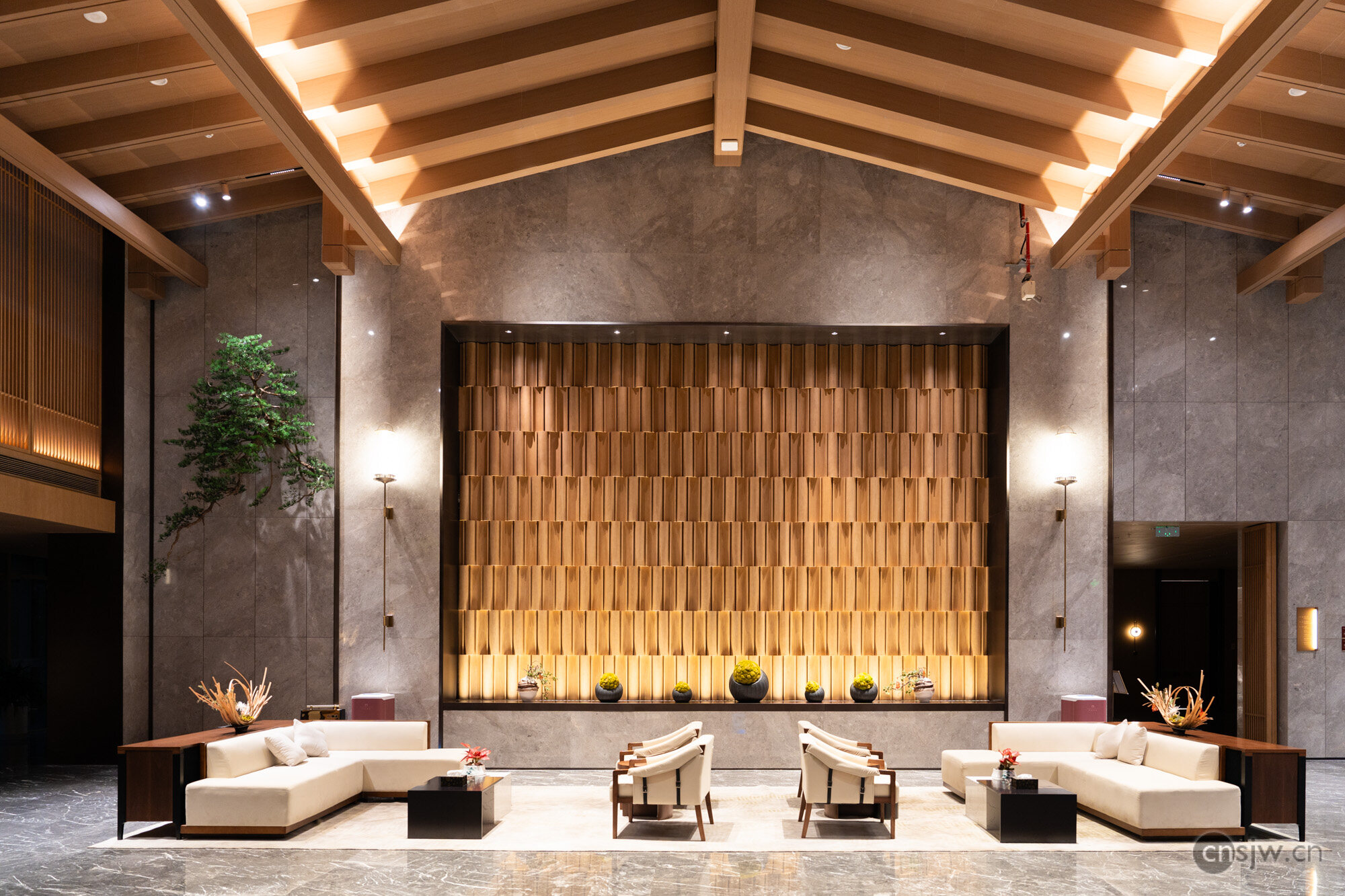
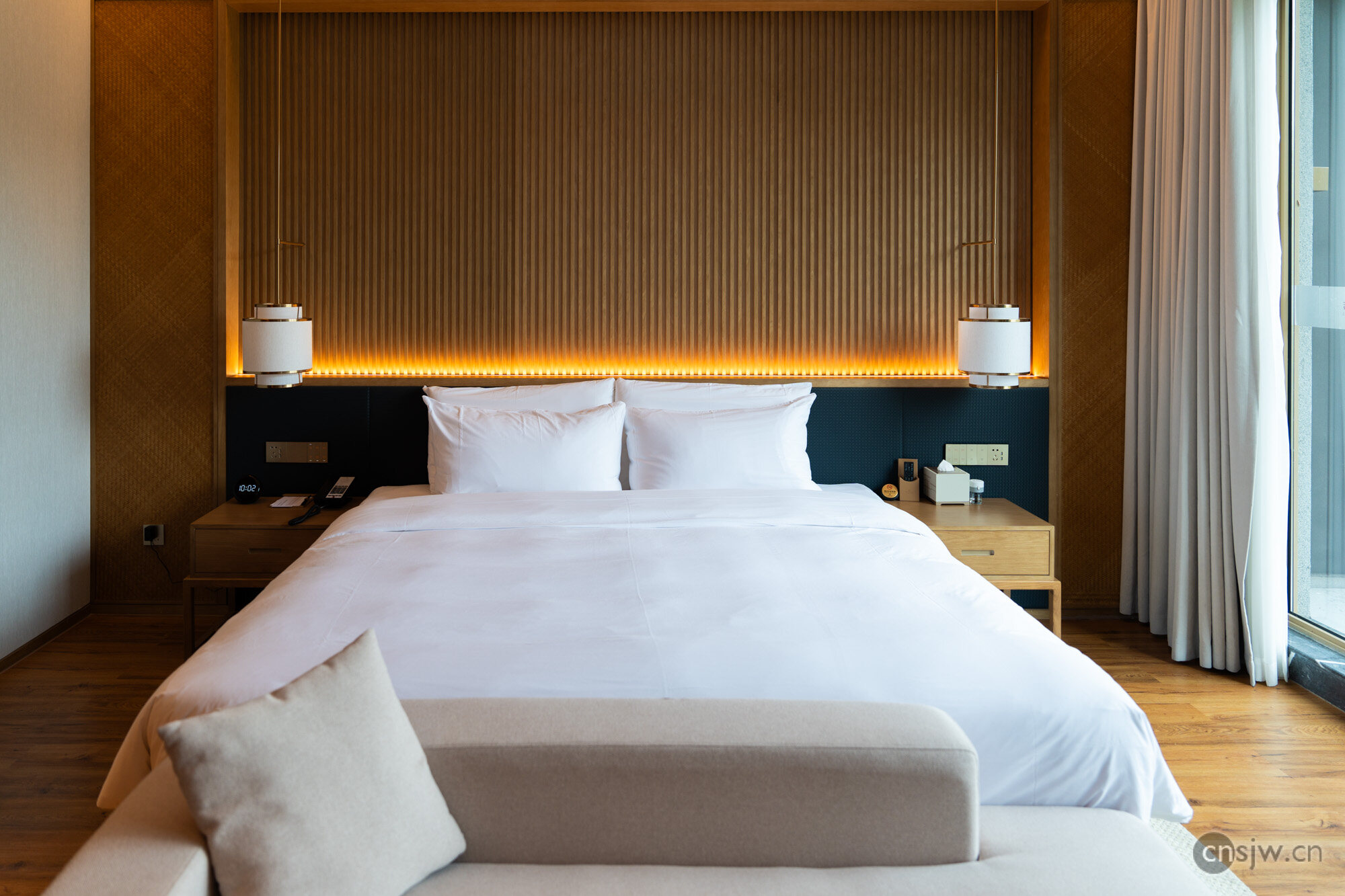
A few photos of the New Century Grand Hotel at Wugong Mountain:




Support



Read this article on WeChat