
Shaoshan, located in central Hunan Province at the junction of Xiangtan, Ningxiang, and Xiangxiang, is a county-level city administered by Xiangtan City and the hometown of Mao Zedong. Situated southwest of Changsha, it is not far to drive from there, making it a suitable stop for a self-driving tour around Changsha.
Shaoshan is not very large; the entire tourist area is contained within the Shaoshan Tourism Zone, which is very convenient as it is accessible immediately upon exiting the nearest highway exit. At the Shaoshan Tourist Consultation and Distribution Center, you can park your car, and there is also a KFC nearby to grab a bite. Inside the scenic area, eco-friendly shuttle buses are available to take you to the main zones, after which exploration is on foot. The main attractions include the Mao Zedong Bronze Statue, the Mao Zedong Memorial Hall, and Mao Zedong’s Former Residence. Admission to all these sites is free, provided you reserve a time slot in advance via the mini-program.
There are numerous tour groups visiting the attractions, especially groups of middle-aged and elderly tourists—busload after busload.
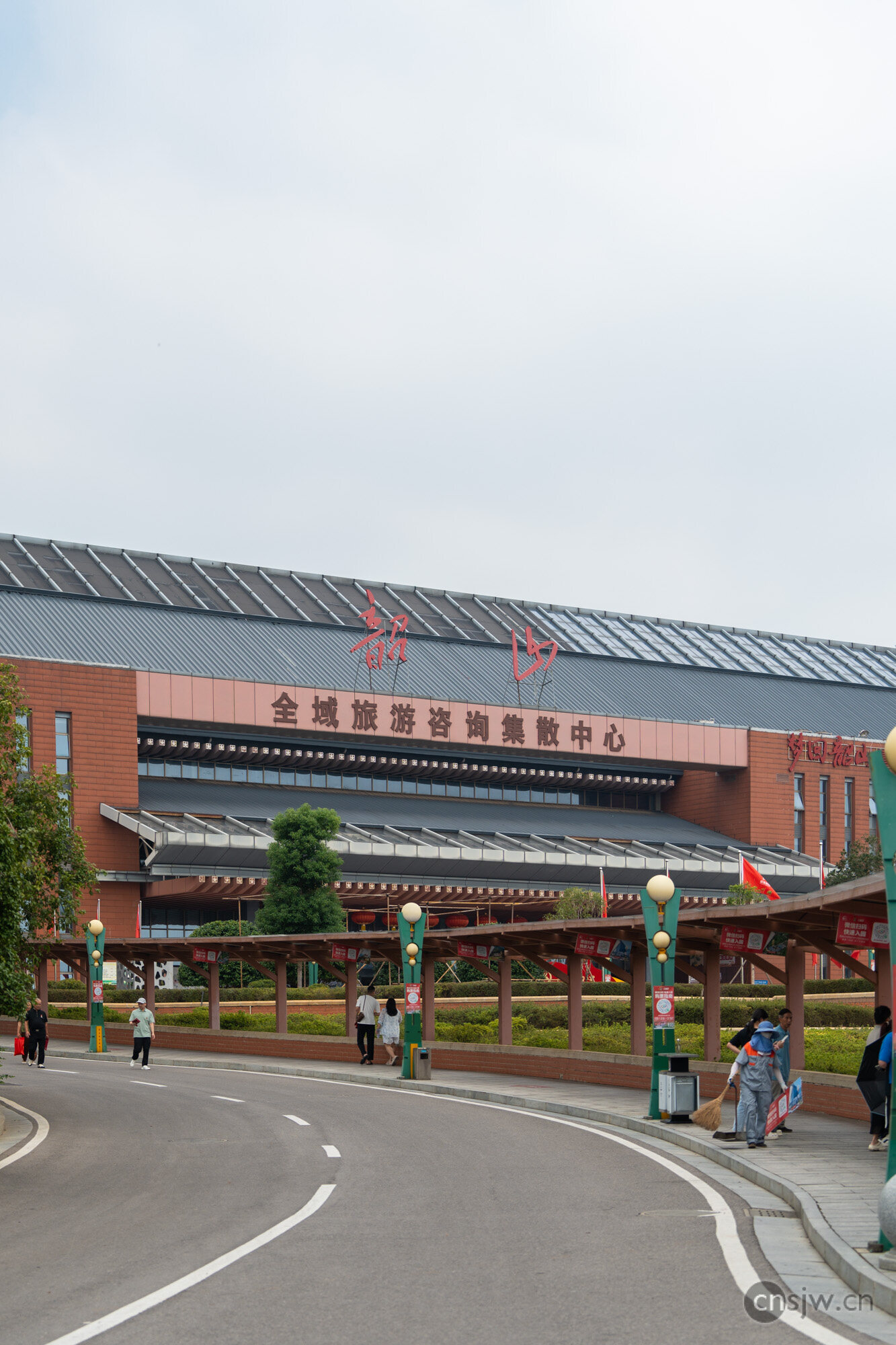
The Memorial Square is quite spacious, with many people taking photos and offering flowers in front of the bronze statue.
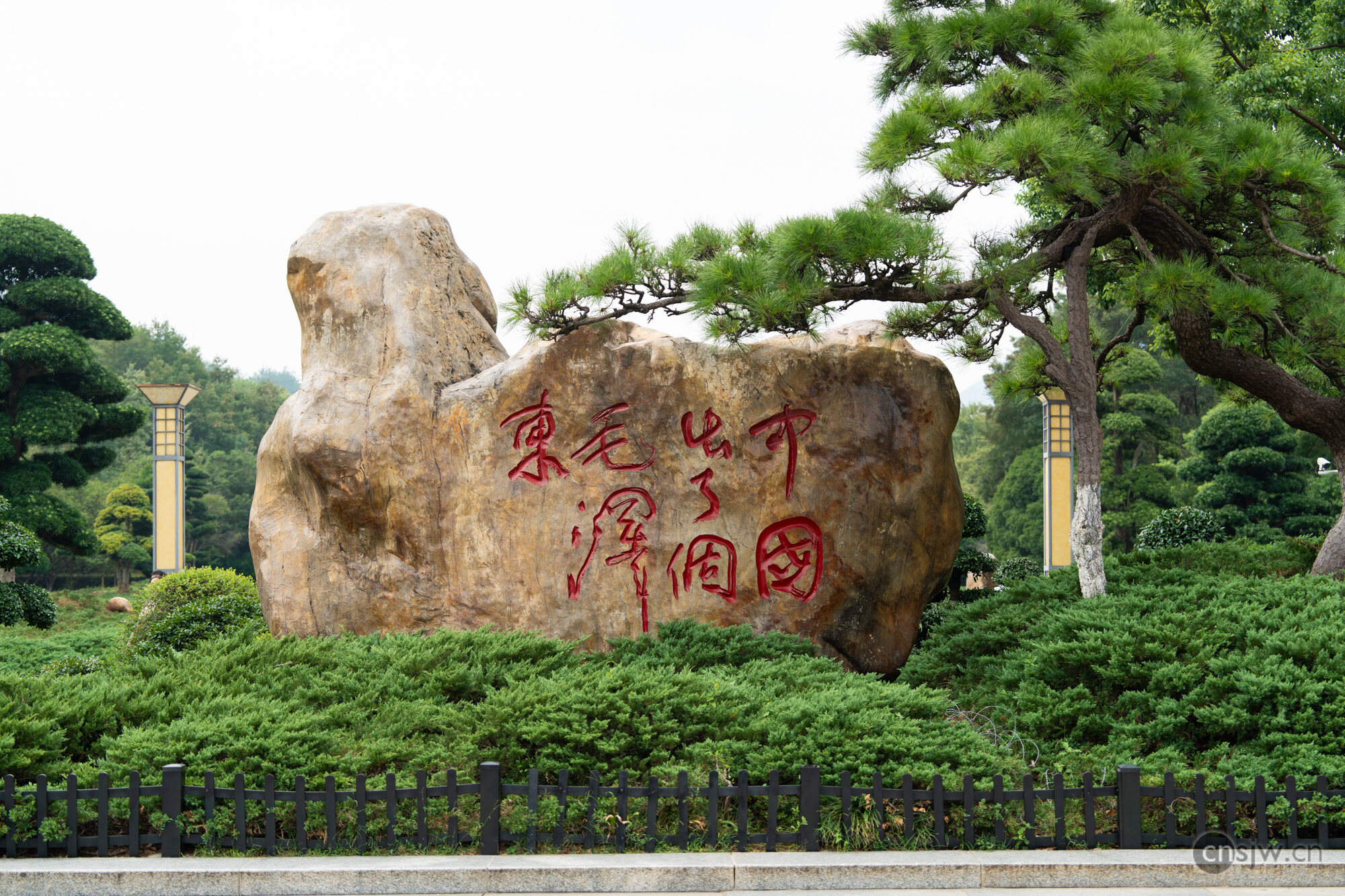
The bronze statue weighs3.7tons,the statueis6meters tall, the pedestal is4.1meters high, making the total height10.1meters. The bronze statue was designed by the renowned sculptor and Director of the National Art Museum of China, Liu Kaiqu, and his distinguished student, Cheng Yunxian, a National First-Class Artist. It was cast by Nanjing Chenguang Machine Factory, a National First-Class Enterprise under the Ministry of Aerospace Industry. It was unveiled on the morning of December 20, 1993.
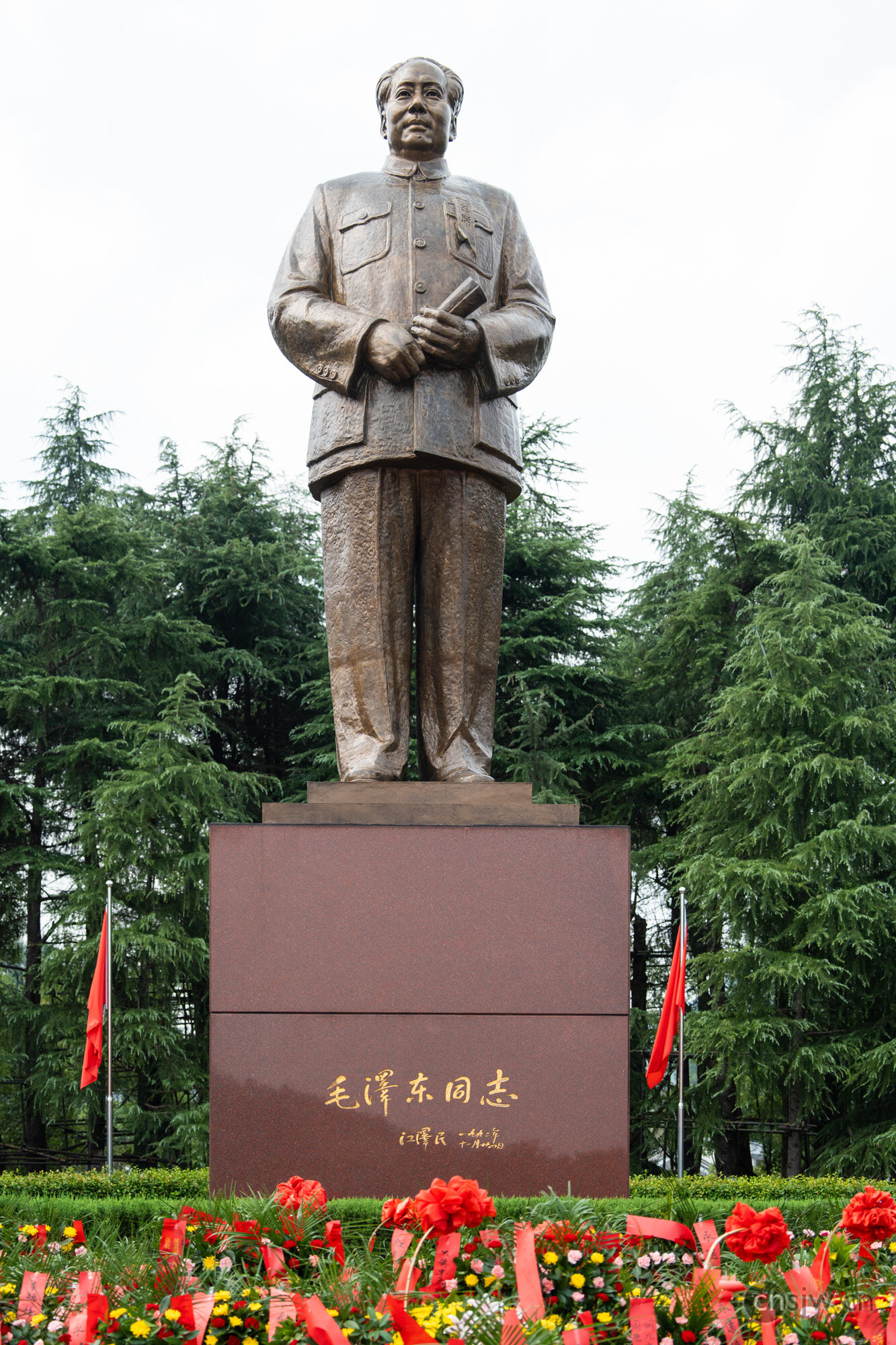
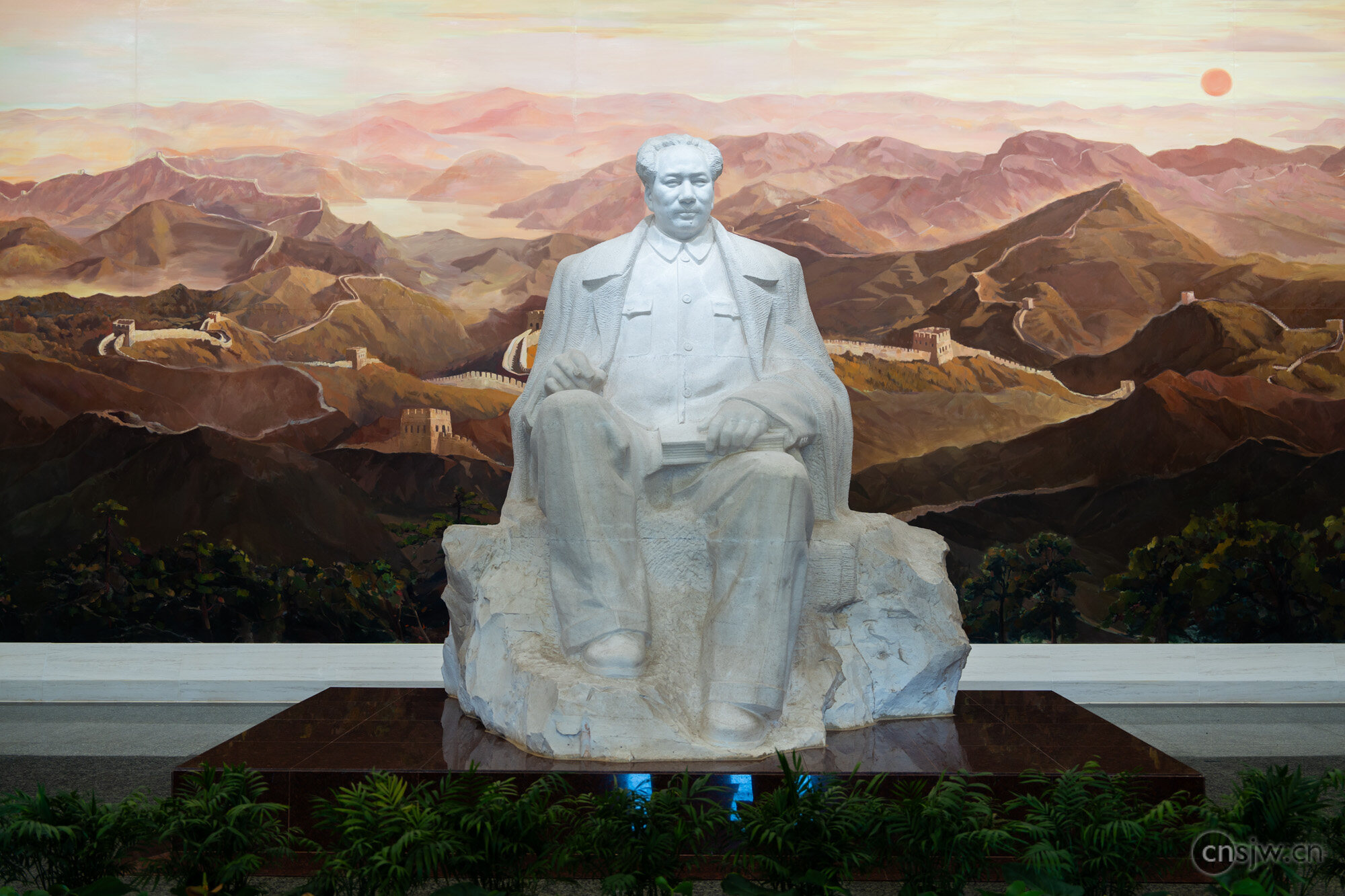
Adjacent to the square is the Memorial Hall. The Memorial Hall is a division-level public institution directly affiliated with the Shaoshan Administration Bureau of Hunan Province. It is the only thematic museum in the country dedicated to systematically showcasing Chairman Mao Zedong’s life story, thoughts, and personal character. The museum’s name was inscribed by Deng Xiaoping on April 20, 1983, and it is designated as a National First-Class Museum.
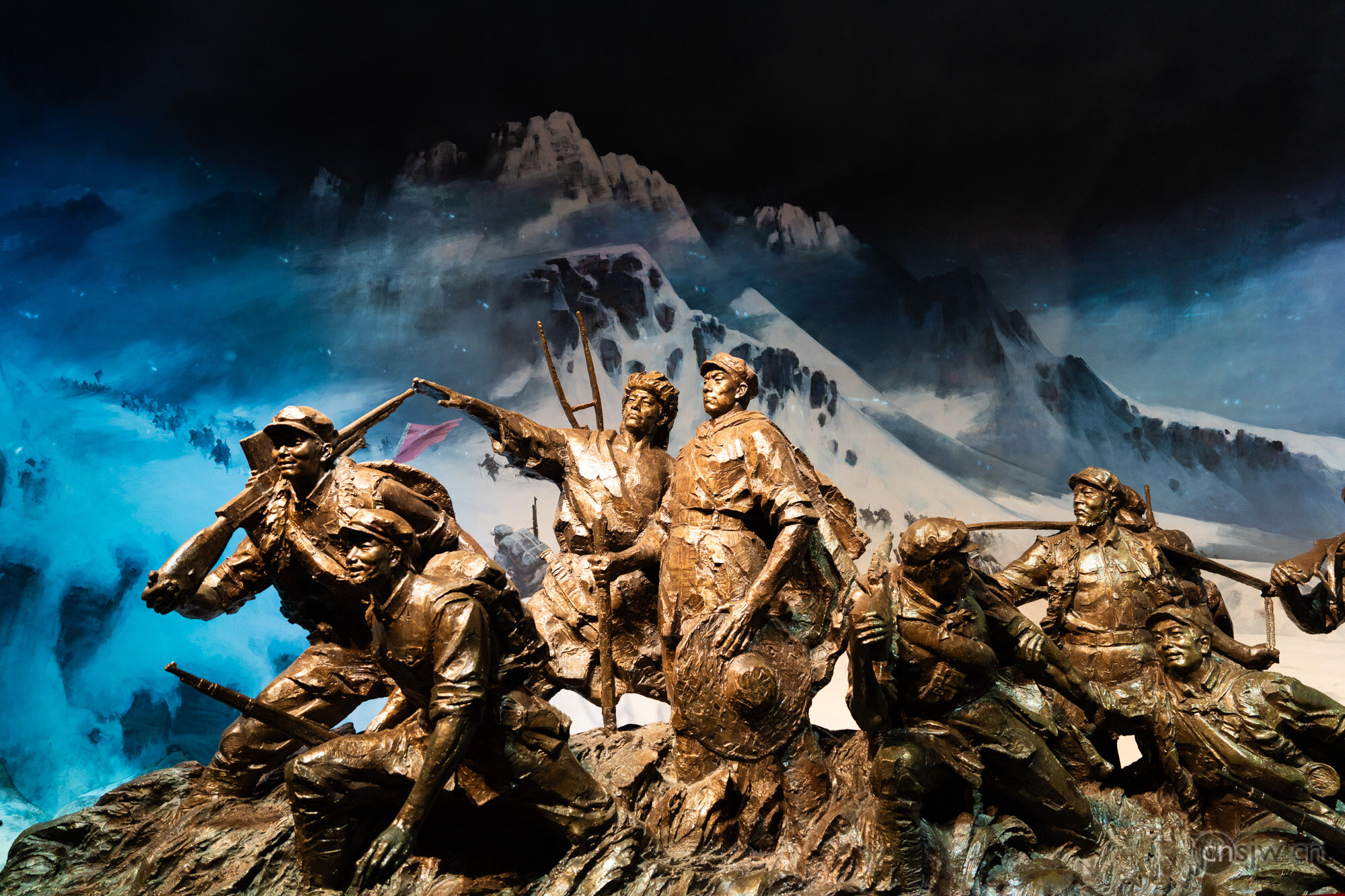
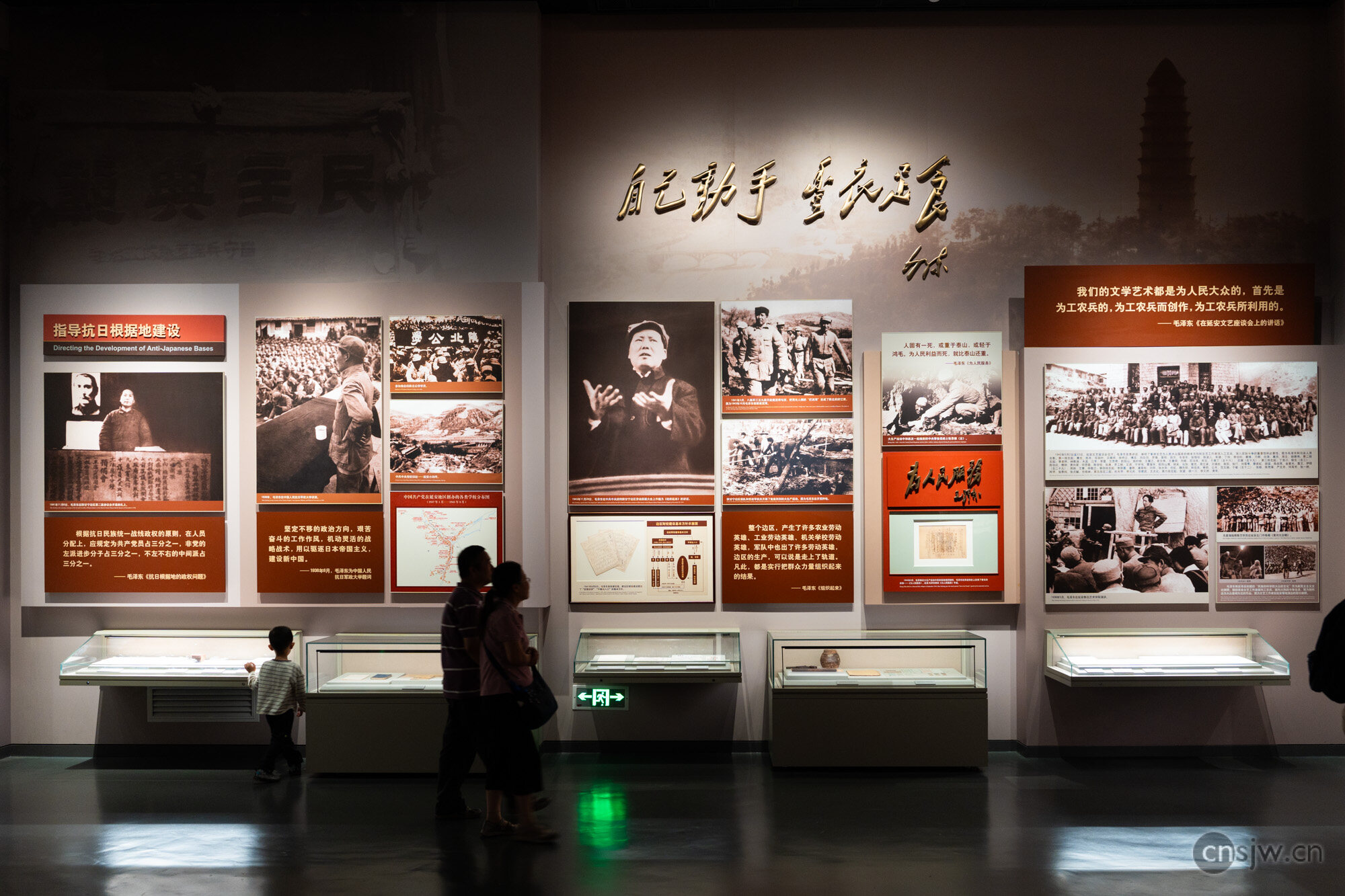
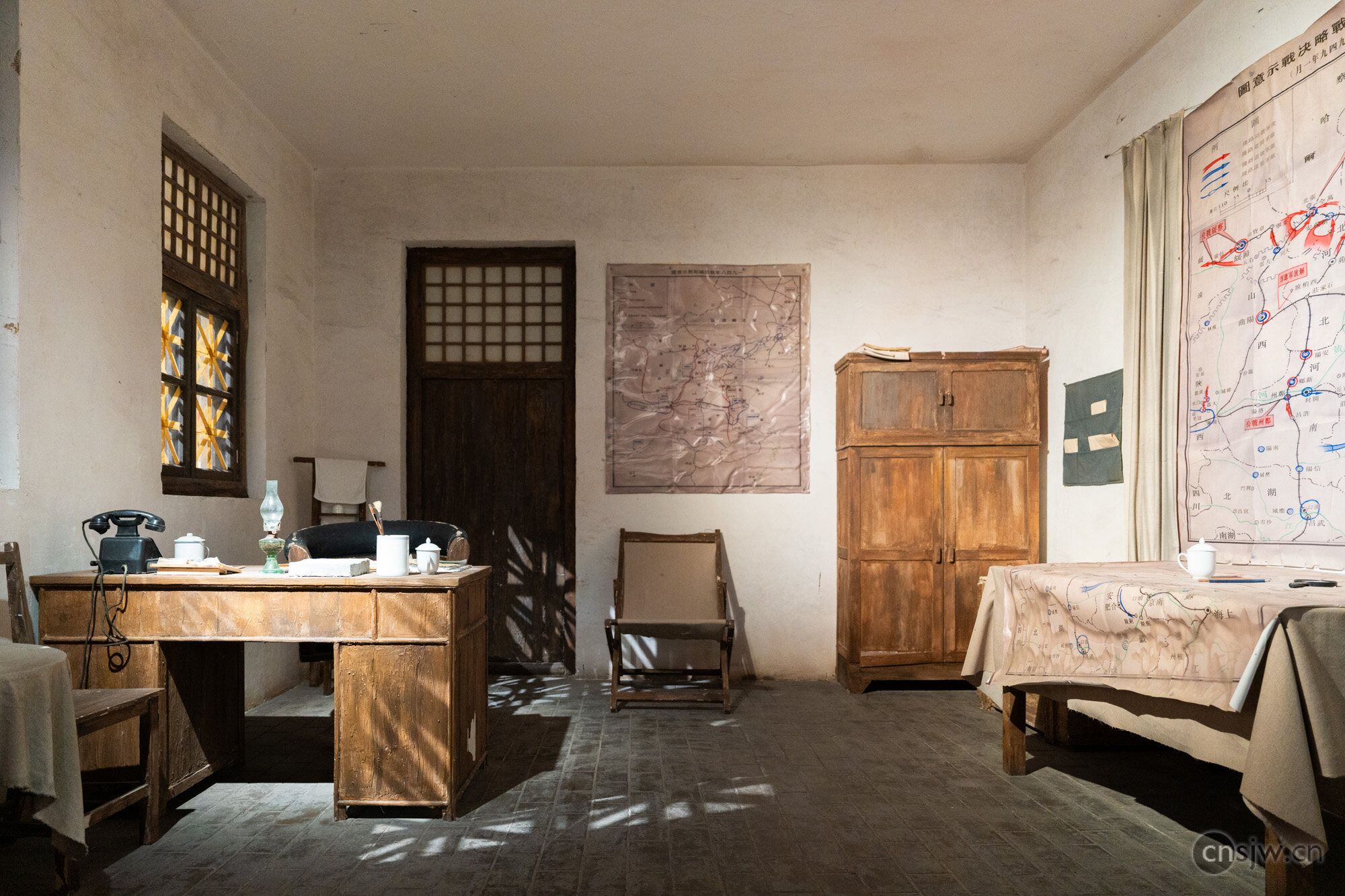
The highlight is the Life Exhibition Area. Originally built in 1964, it underwent renovation completed in 2013 to mark the 120th anniversary of Comrade Mao Zedong’s birth and officially reopened to the public. The current version on display was updated in 2023. Overall, the exhibition is quite modern, with reasonable lighting and layout. The hall is very crowded, and many visitors without reservations were turned away at the entrance.
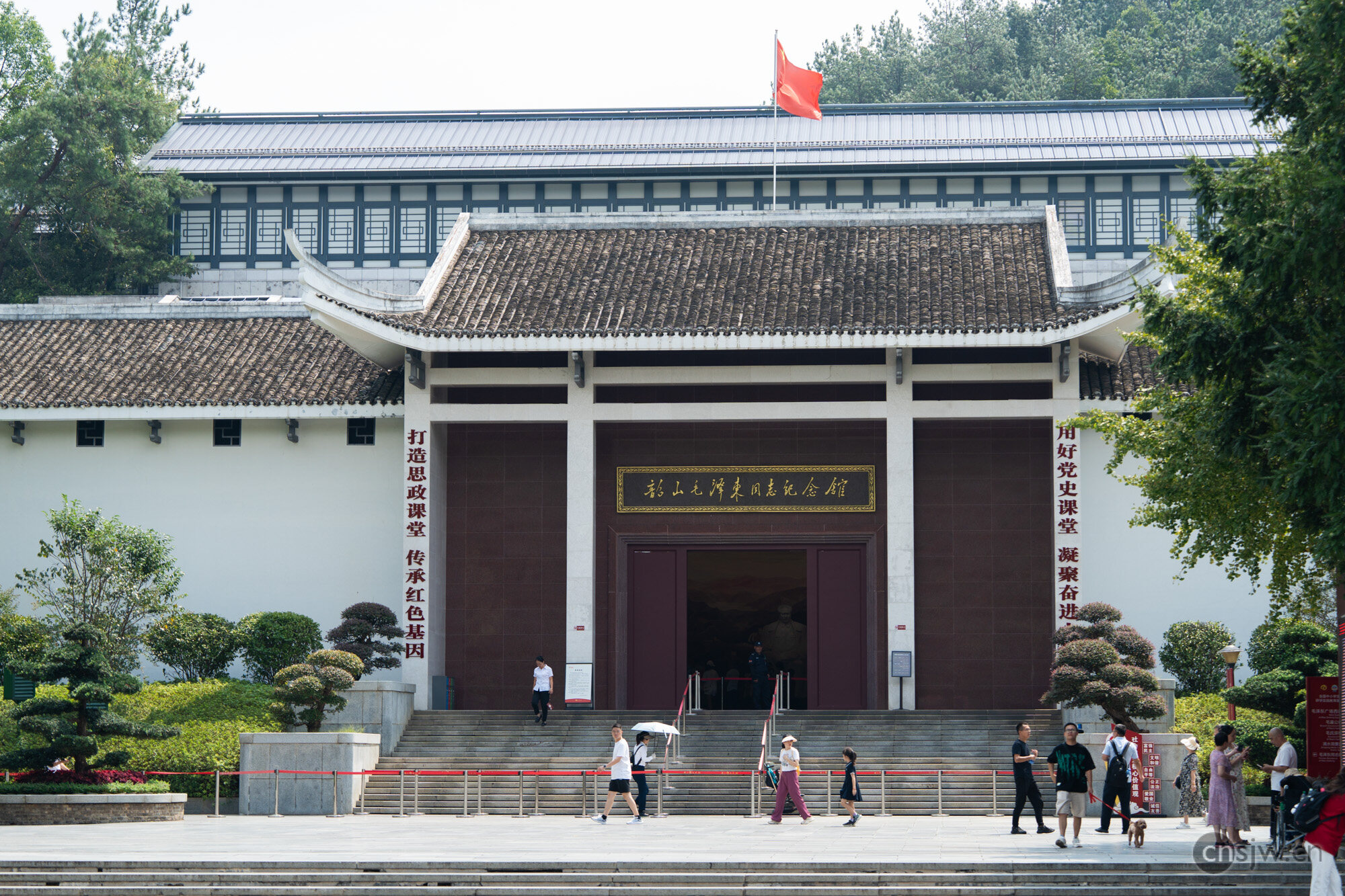
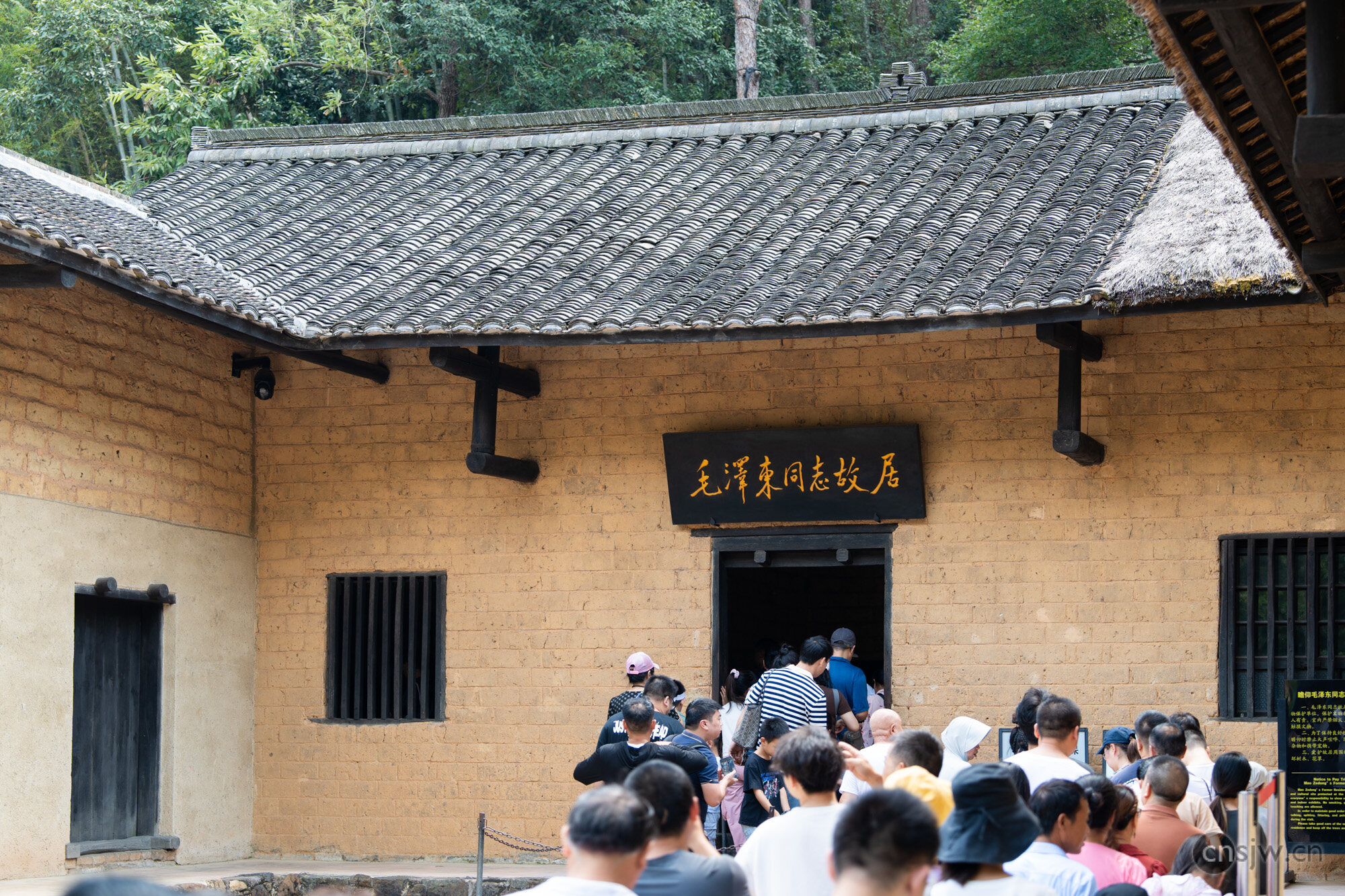
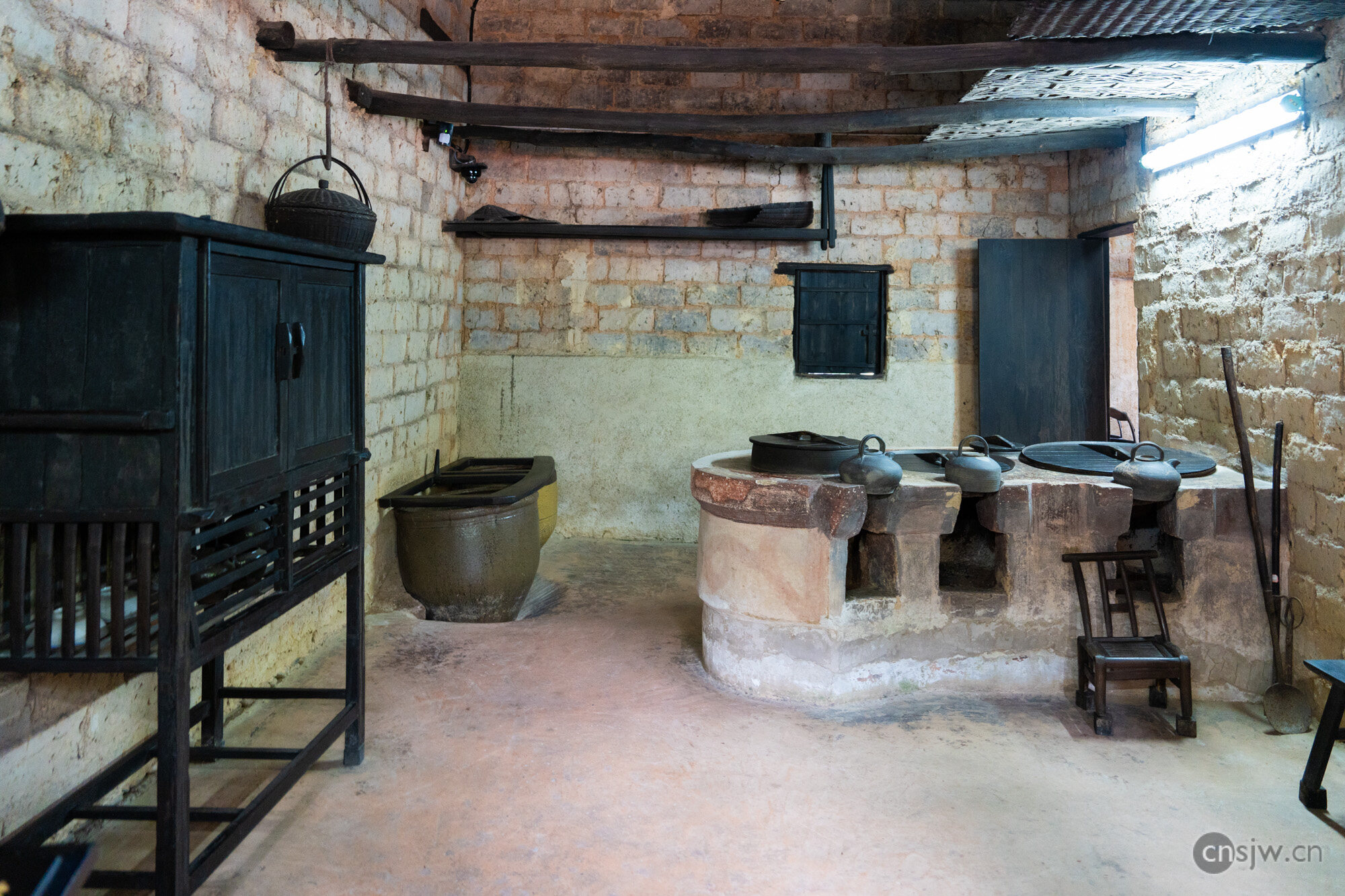
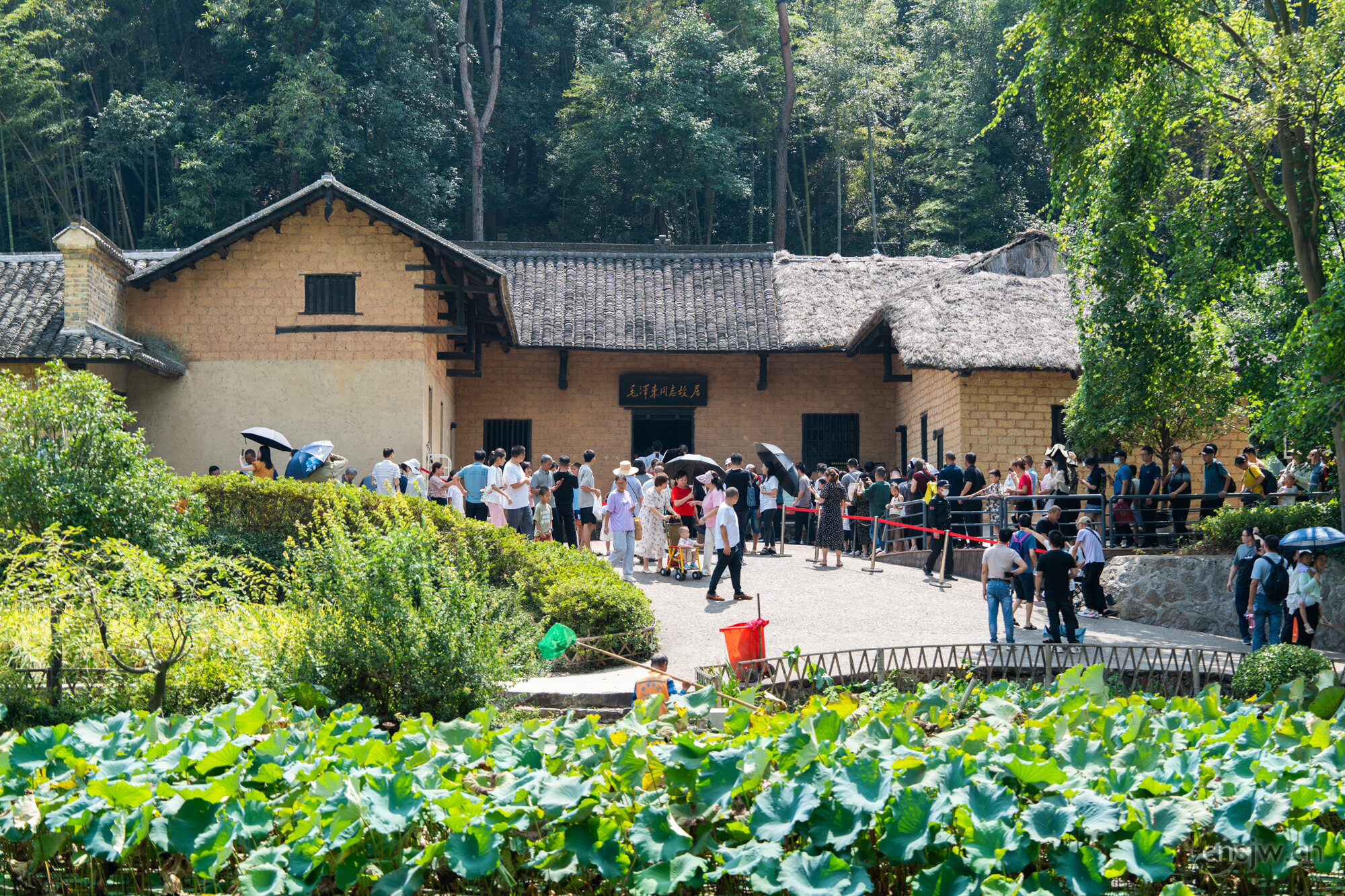
Finally, there is Mao Zedong’s Former Residence. Located in Shangwuchang, Shaoshan Chong, the residence faces north from the south and is laid out in a “concave” shape. It consists of 18 rooms in total. Mao Zedong was born here on December 26, 1893, and spent his childhood and youth here until leaving for his studies in the autumn of 1910. Many items on display are originals, including the bed, desk, and wardrobe in the bedroom; the square table and benches in the central hall; the large water vat and cupboard in the kitchen; and the stone mill, waterwheel, and large wooden rake in the farm tool room.
The queue for this site can be quite long. Crowd control measures are implemented at the entrance, requiring visitors to line up before entering, so mosquito protection is recommended. Additionally, the passageways inside are relatively narrow, allowing only for continuous forward movement without stopping for photos.
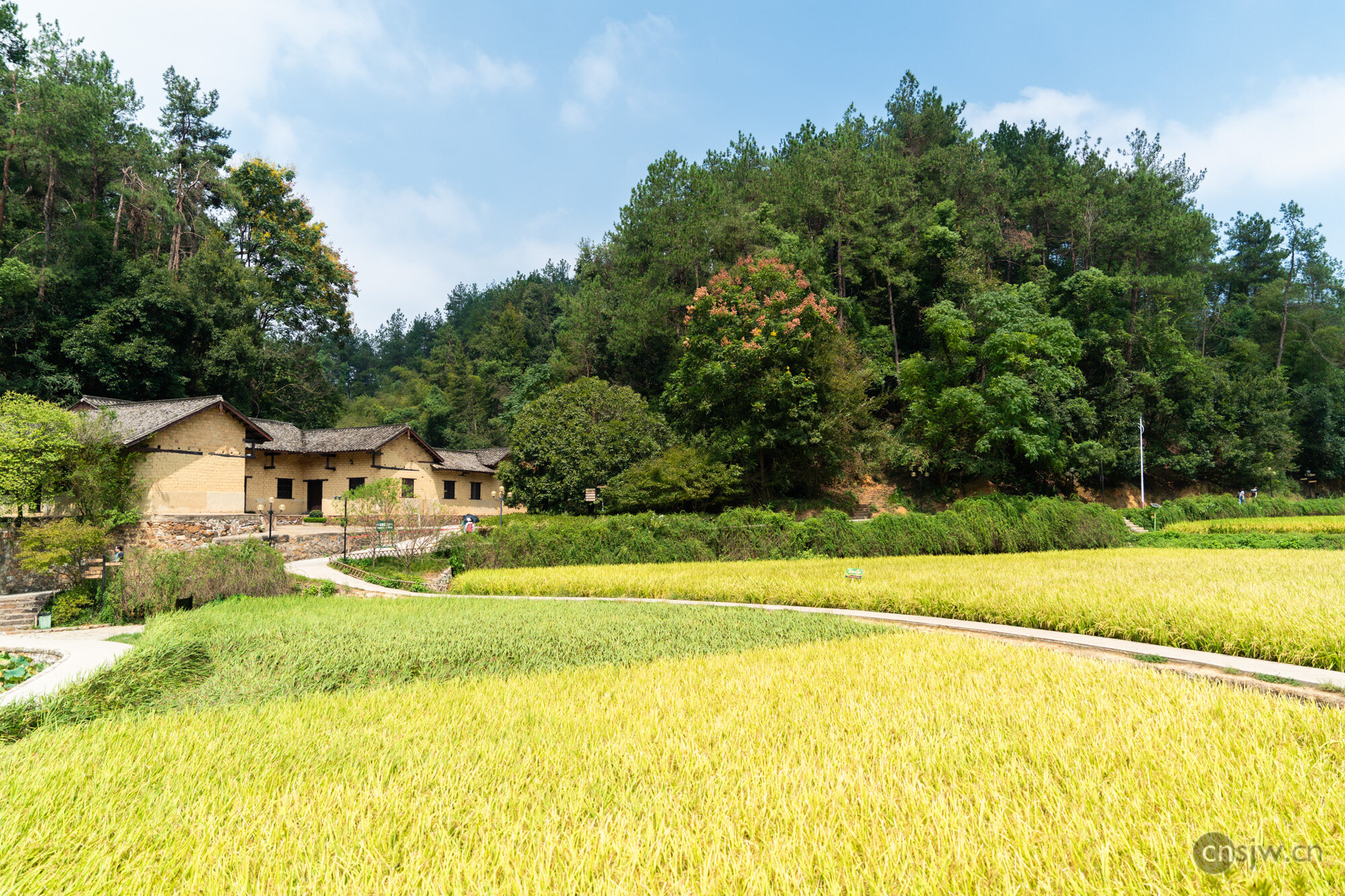
Exiting the former residence, you will find farmland and a lotus pond, which make for a pleasant view.



Support



Read this article on WeChat