
After leaving Uji, I continued on the JR line to Nara, then took a bus directly to Nara Park to see the deer. Many of Nara’s attractions are located right here.
Between 710 and 794 AD, Nara served as the capital of Japan, known as Heijo-kyo. During this time, Nara was arguably the political, economic, and cultural center of Japan. Exchanges with China’s Tang Dynasty during this period fostered the formation and development of Japanese culture. Even after the capital was moved to Heian-kyo (present-day Kyoto), Nara continued to prosper as a religious center. The numerous shrines, temples, and palaces built in Nara during this era bear witness to the development of Japanese culture in the Nara period. The Historic Monuments of Ancient Nara refer collectively to a series of historic sites within Nara City, Nara Prefecture, Japan (Todai-ji, Kofuku-ji, Kasuga Taisha, Gango-ji, Yakushi-ji, Toshodai-ji, and the Heijo Palace Site). On December 2, 1998, UNESCO inscribed them as a World Heritage Site, marking Japan’s ninth World Cultural Heritage property.
As the city with the most World Heritage Sites in Japan, less than a day is obviously not enough to see everything, so I picked a few representative spots to visit.
Nara Park
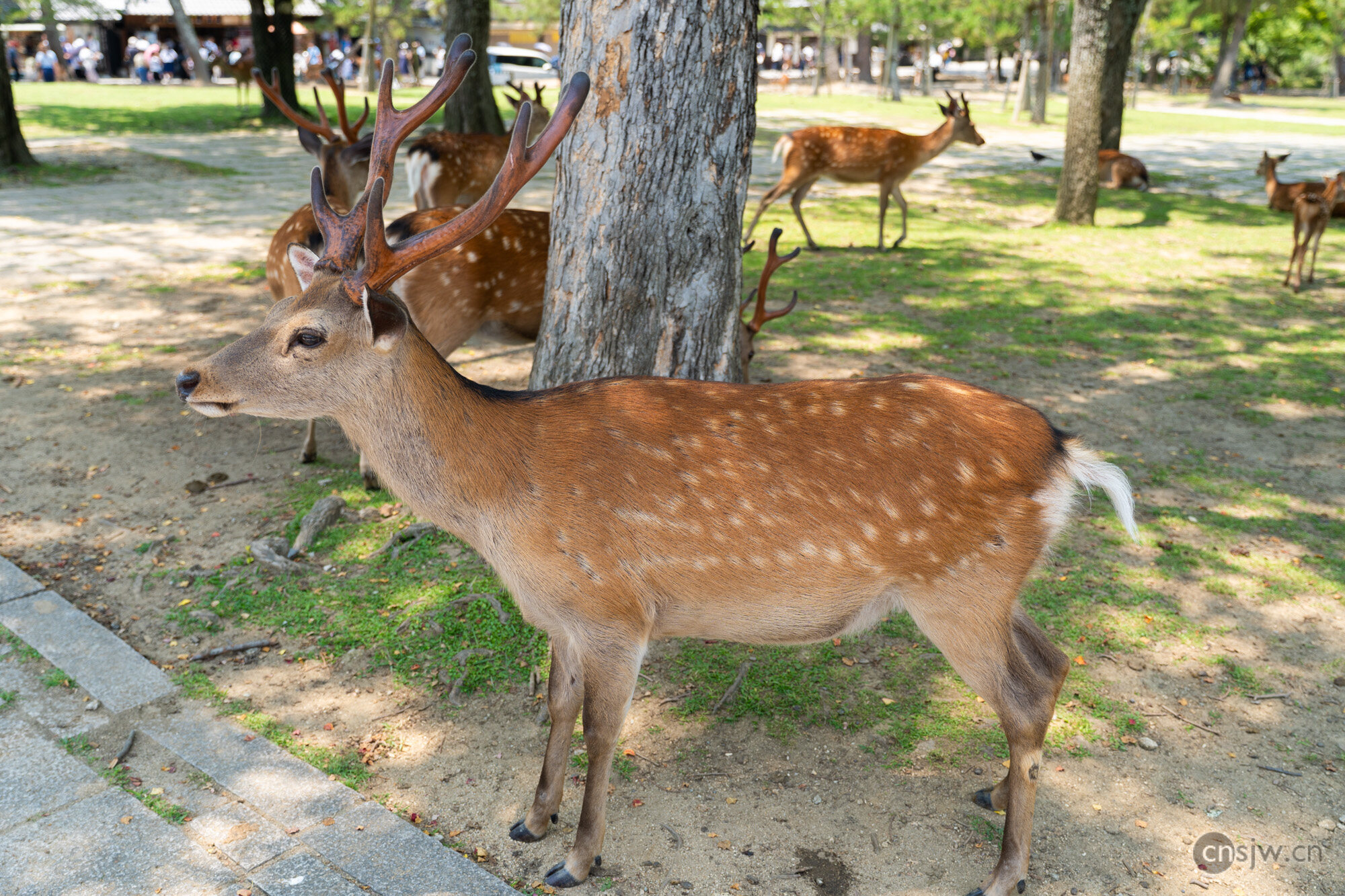
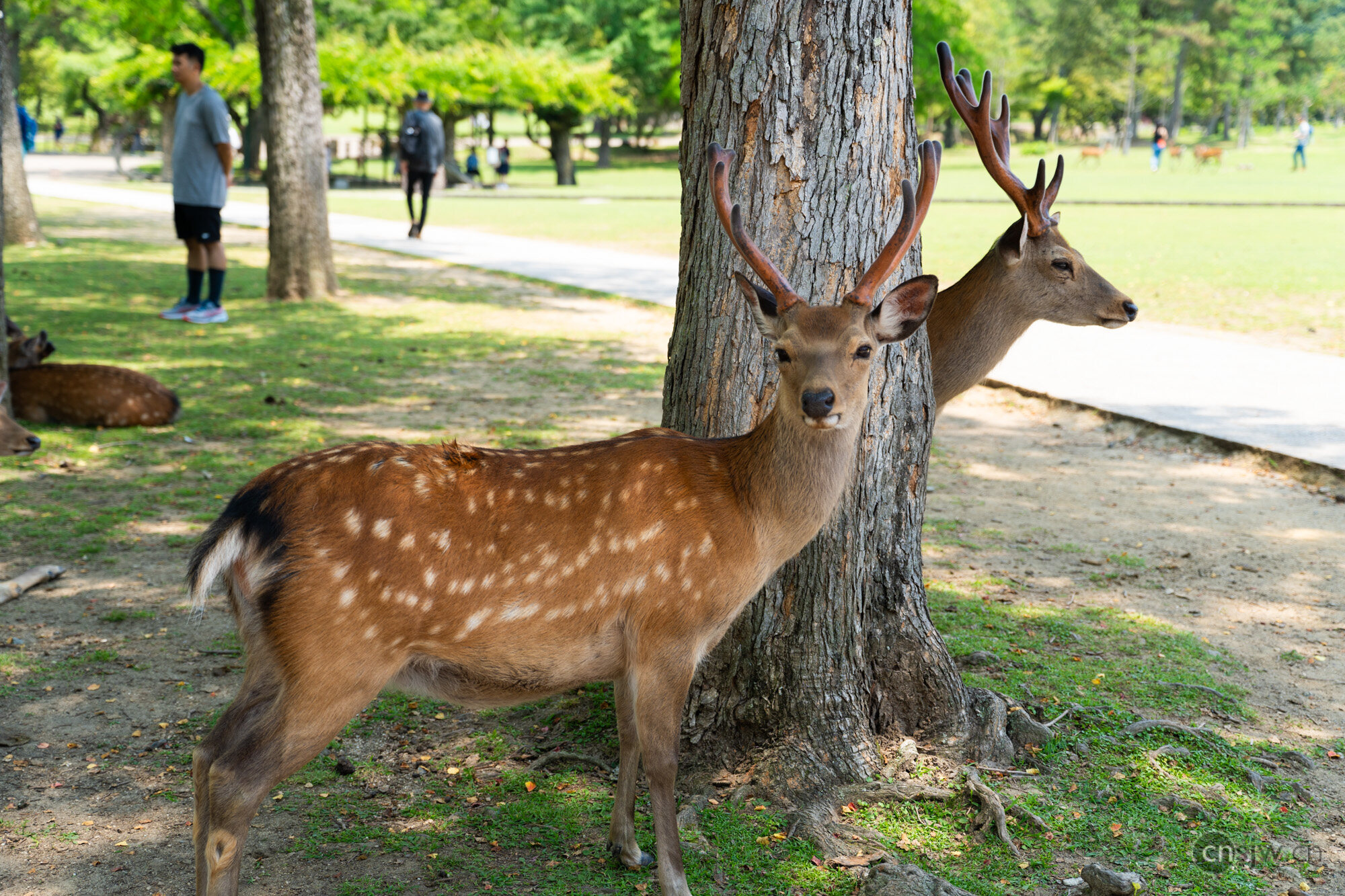
Nara Park is located on the east side of Nara City. The park has no barriers such as fences or gates, and admission is free. It is arguably the most visited spot in Nara, best known for the deer roaming freely throughout the grounds (known as sika deer).
According to statistics from the Nara Deer Preservation Foundation, there are over 1,000 deer in Nara Park, all of which are wild. Based on their feeding habits, Nara’s deer are divided into two types: “Park Deer,” which live on the park’s flatlands, and “Wakakusa-yama Deer,” which inhabit the mountain; both primarily graze on grass. You can also purchase the famous “Deer Crackers” here. “Deer Crackers” are a registered trademark of the Nara Deer Preservation Foundation, made from wheat flour and rice bran, with a portion of the proceeds going toward deer conservation efforts.
Overall, these deer are quite gentle and generally non-aggressive. You can pet them, feed them crackers, and even bow to them—some deer will bow back! The only downside is that there is a lot of deer droppings on the ground, so be careful not to step in it…
This area also has the highest concentration of commercial establishments in the vicinity. You can find various eateries, including restaurants, cafes, and dessert shops. However, most are independent rather than chain brands, and many accept cash only.
Todai-ji Temple
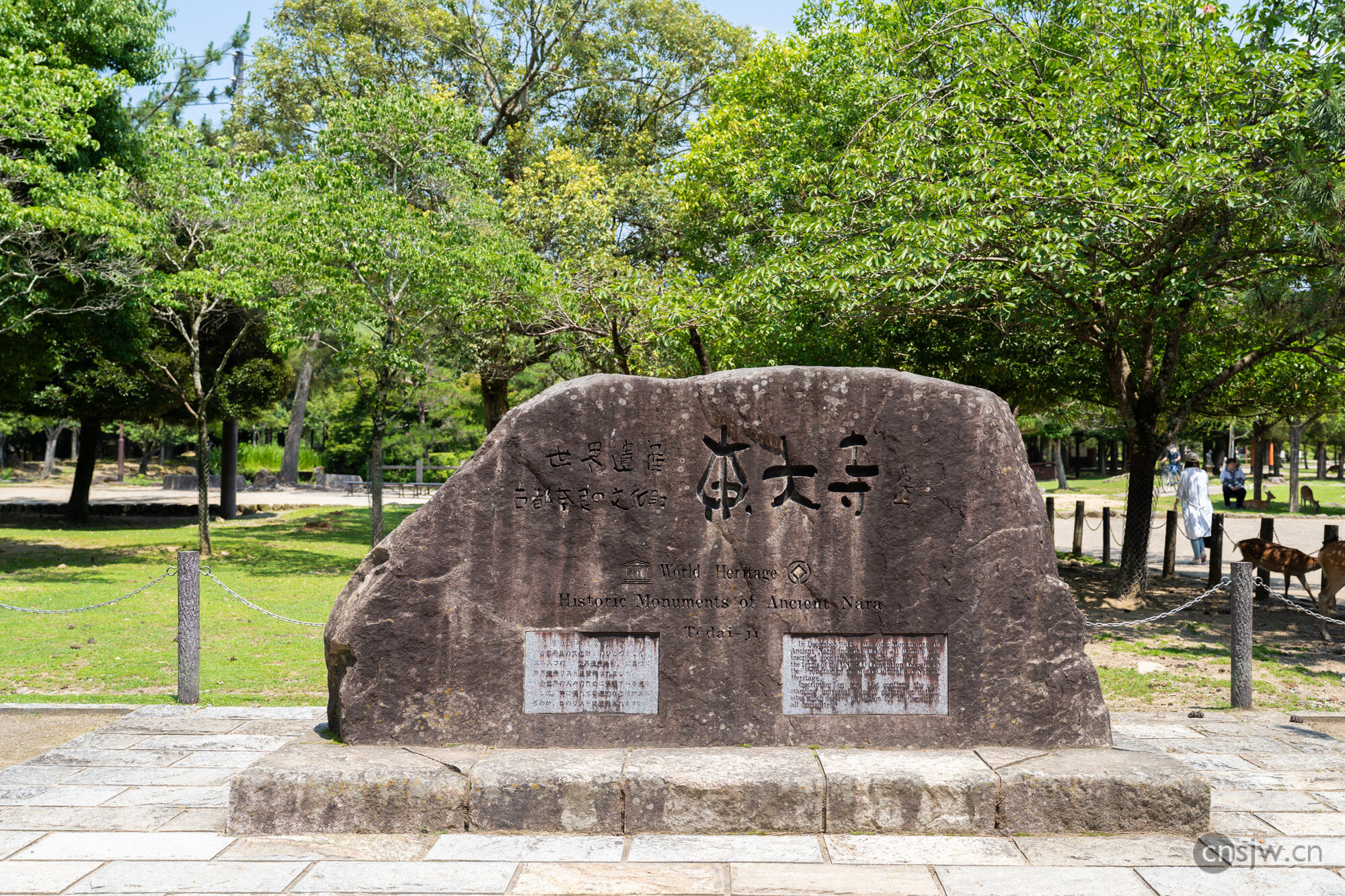
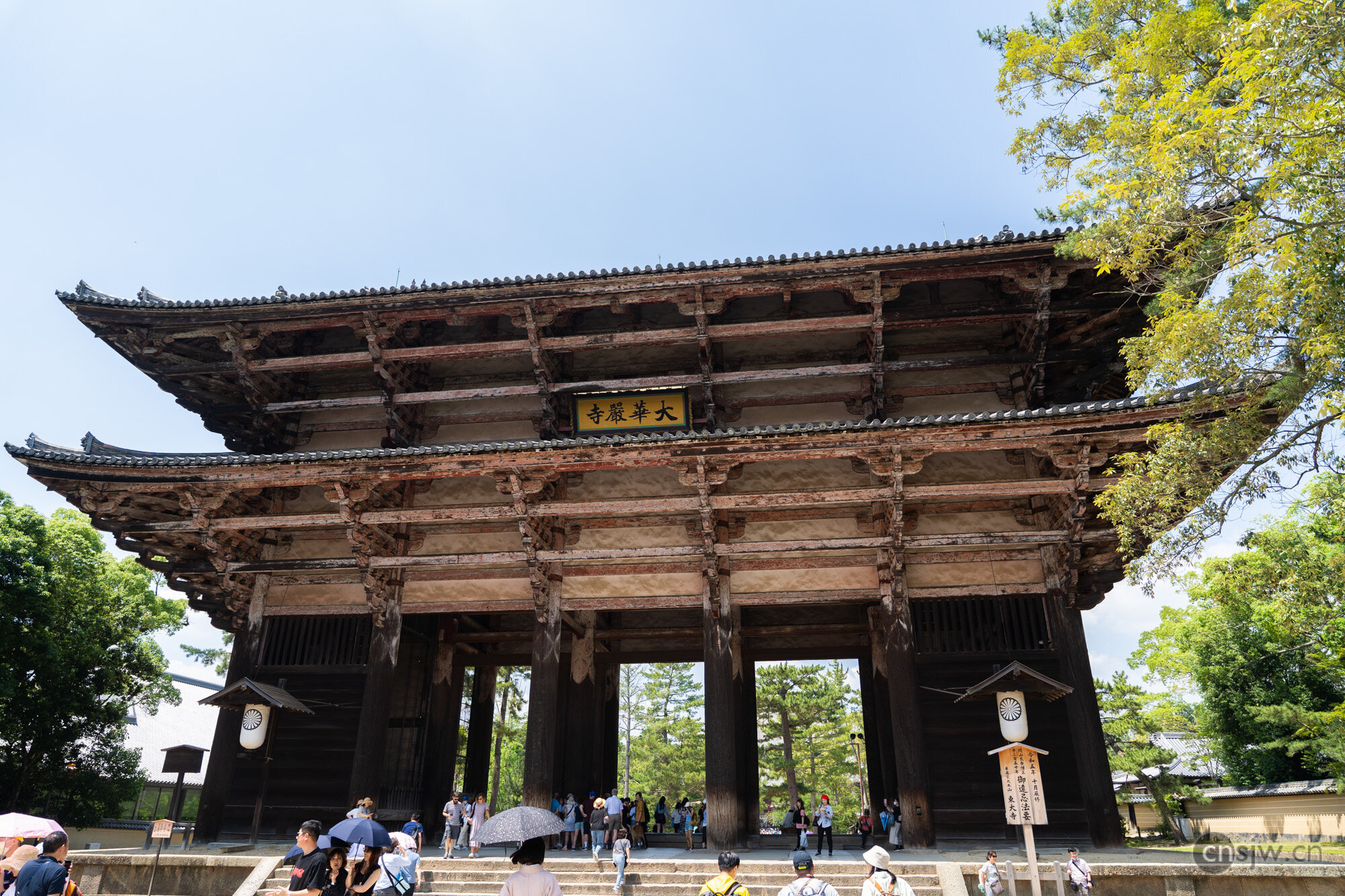
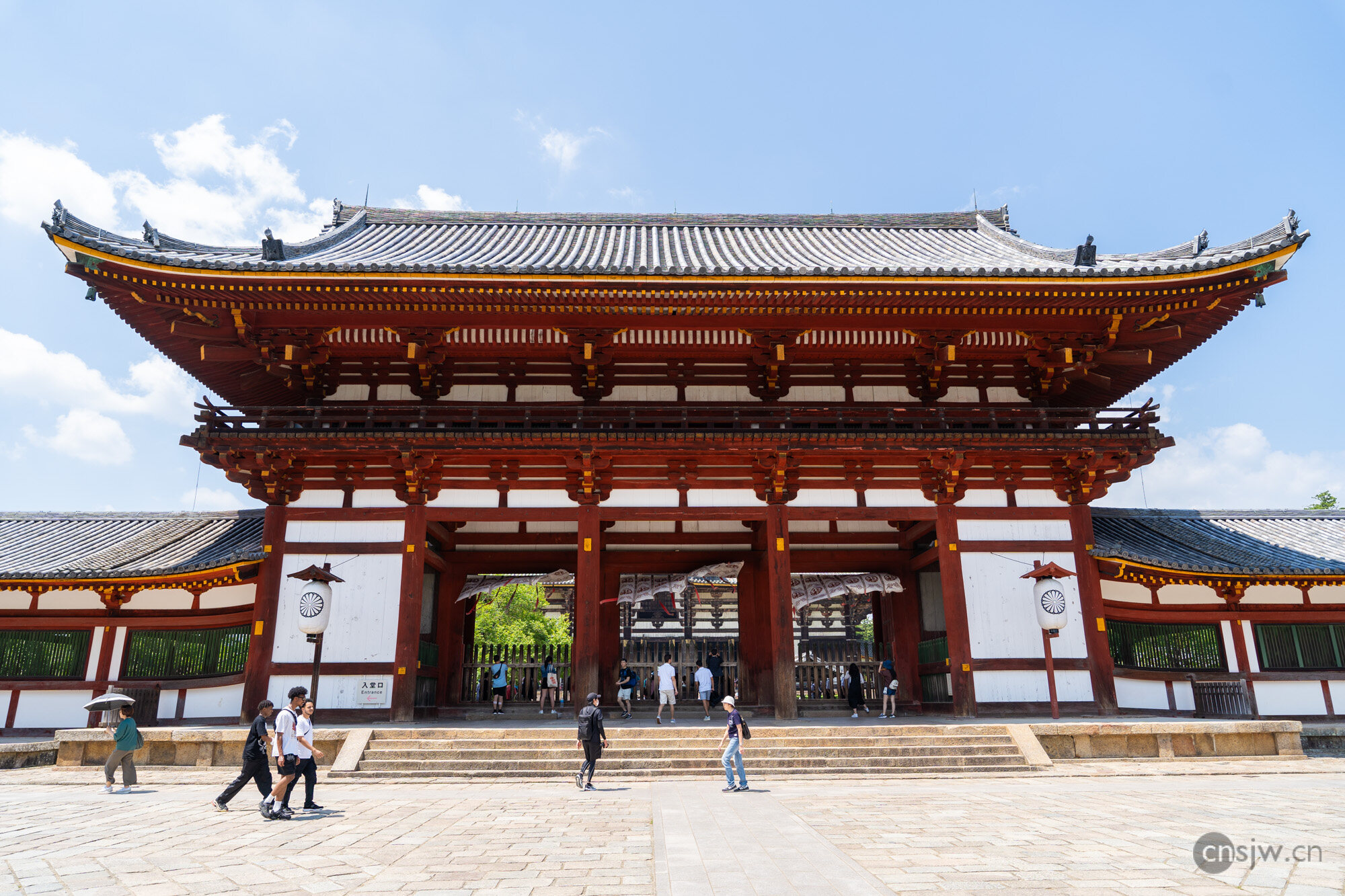
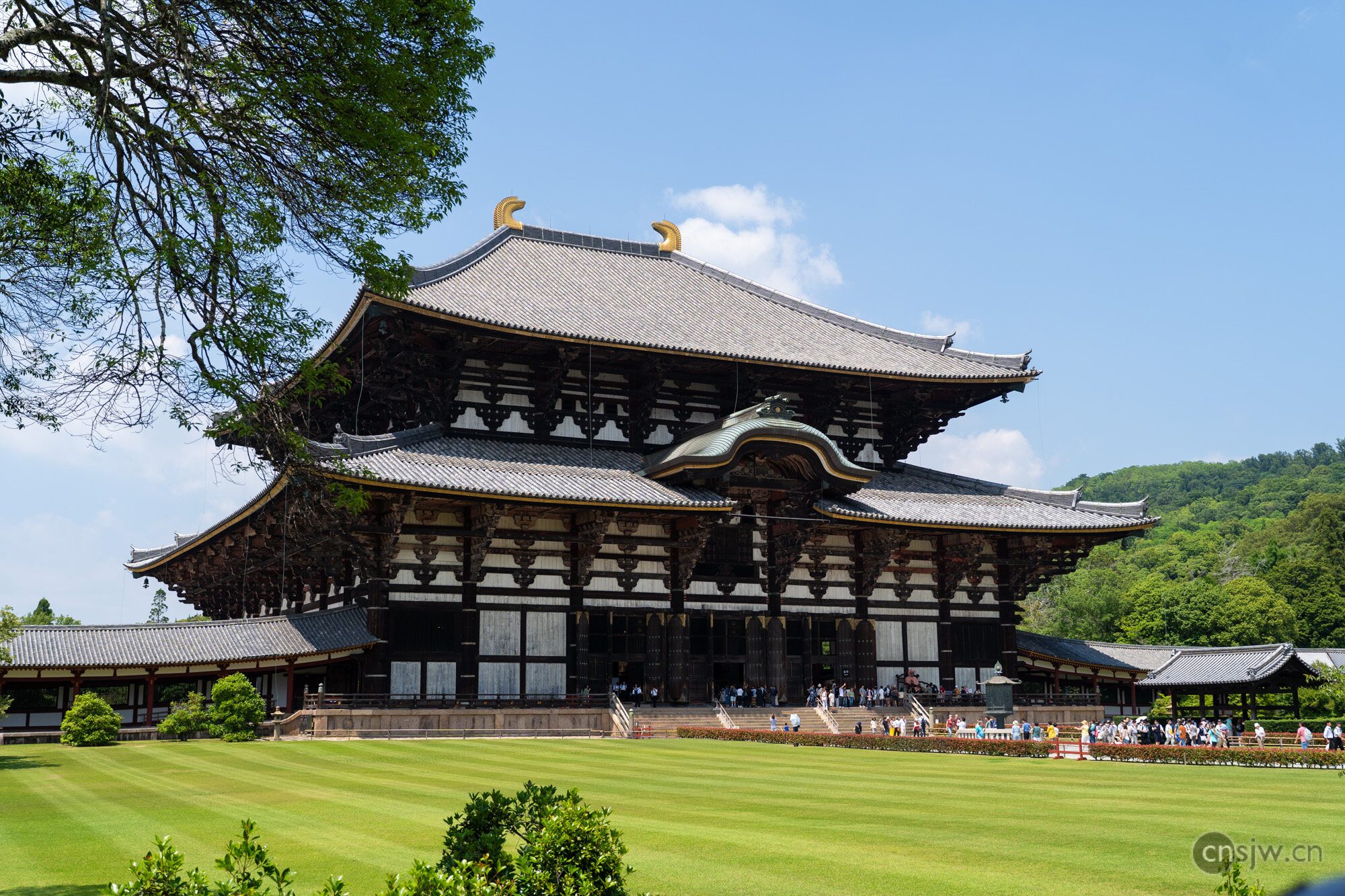
Todai-ji is the head temple of the Kegon school of Buddhism in Japan and one of the Seven Great Temples of Nanto. It was founded in 728 by Emperor Shomu, a devout Buddhist believer. Because it was built to the east of the capital, Heijo-kyo, it was named Todai-ji (Great Eastern Temple), with Saidai-ji (Great Western Temple) serving as its counterpart. Later, Emperor Shomu established over 68 provincial temples across Japan (officially named “Temples of the Golden Light and Four Heavenly Kings for the Protection of the Nation”), with Todai-ji ranking as the highest-status head temple among them.
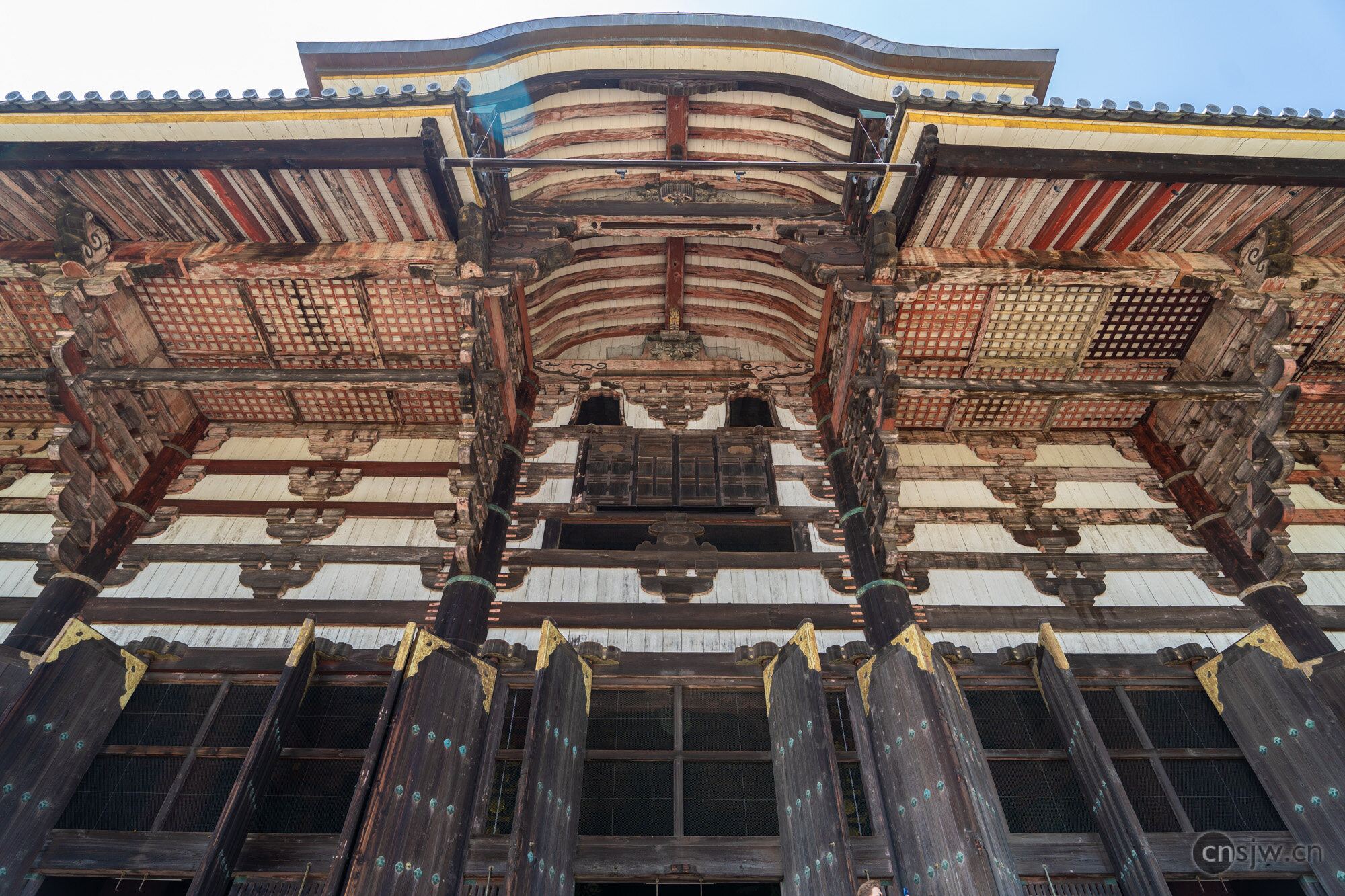
The temple’s Great Buddha Hall measures 57 meters wide and 50 meters deep, making it the largest wooden structure in the world. Inside stands the Great Buddha statue of Rushana (Vairocana), which is over 15 meters tall. The temple grounds also feature structures such as the Nandaimon Gate, Nigatsu-do Hall, Sangatsu-do Hall, and the Shosoin Repository. The Nandaimon houses the famous pair of Kongorikishi guardian statues, while the Nigatsu-do offers panoramic views of the Great Buddha Hall and the city of Nara below.
Kasuga Taisha Shrine
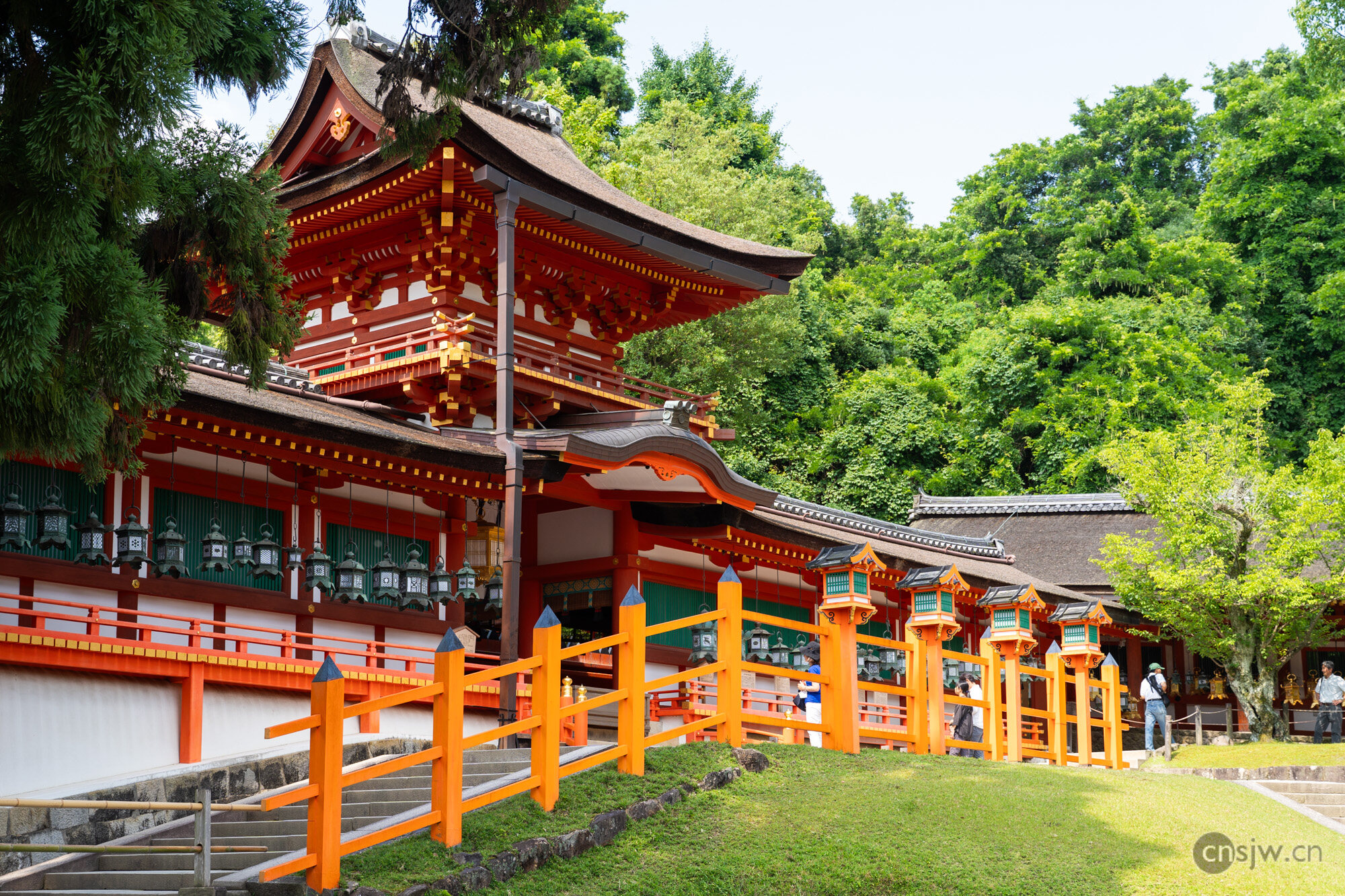
Kasuga Taisha was formerly known as Kasuga Shrine. It was established in Wado 2 (710 AD). The enshrined deities include Takemikazuchi-no-mikoto, Futsunushi-no-mikoto, Amenokoyane-no-mikoto, and Himegami. The shrine’s annual festival is held on March 13 (the Kasuga Festival).
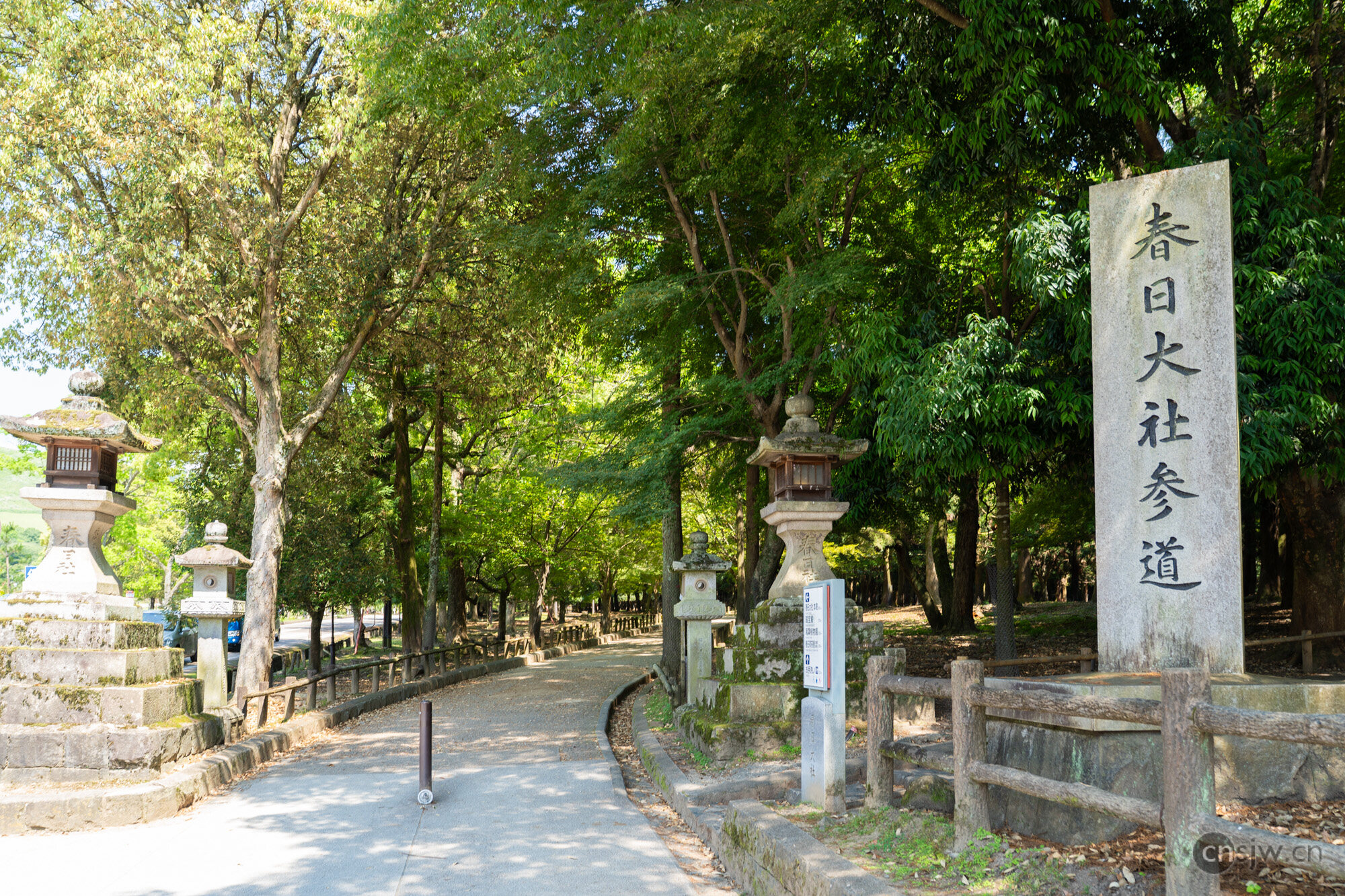
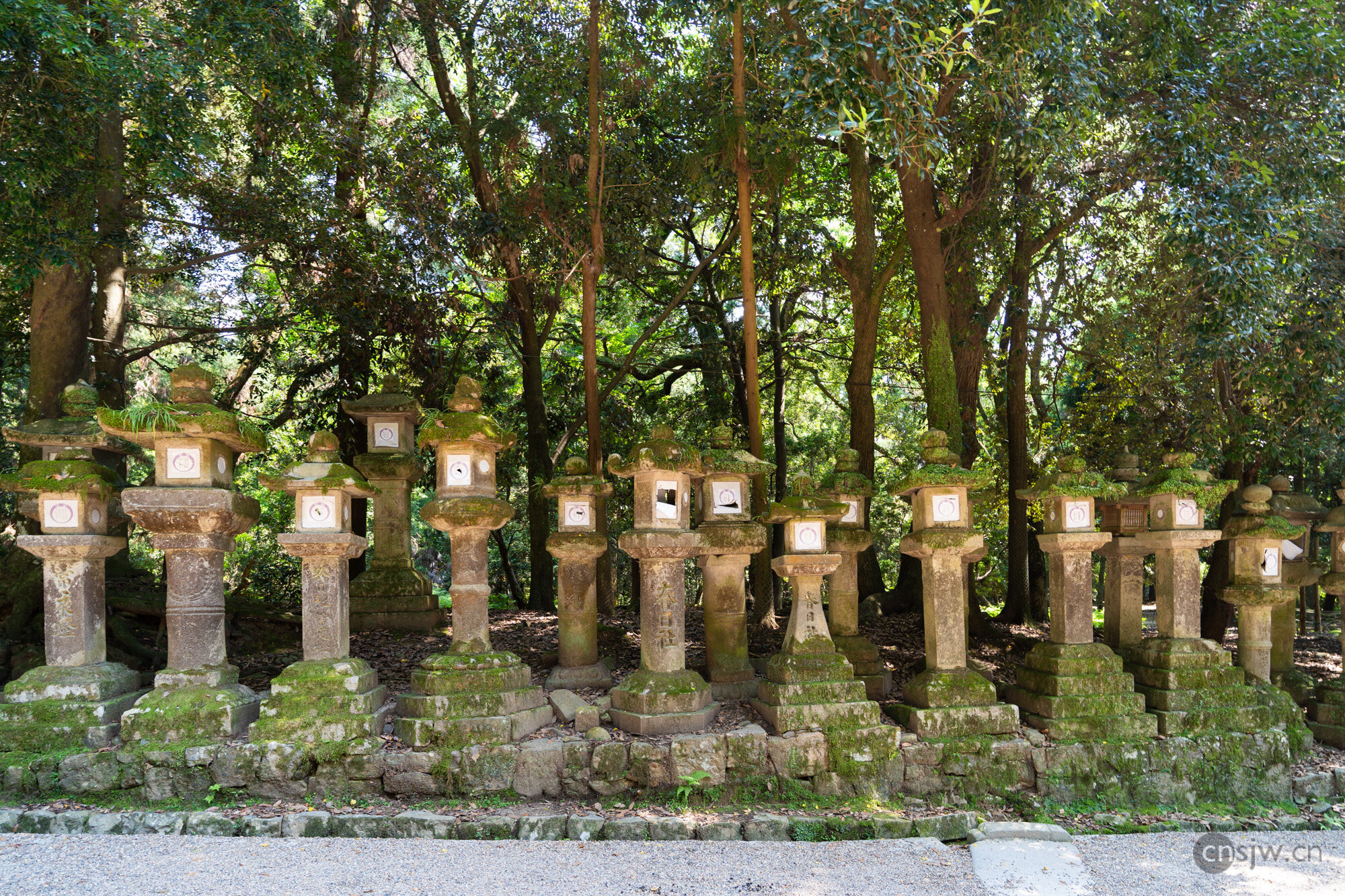
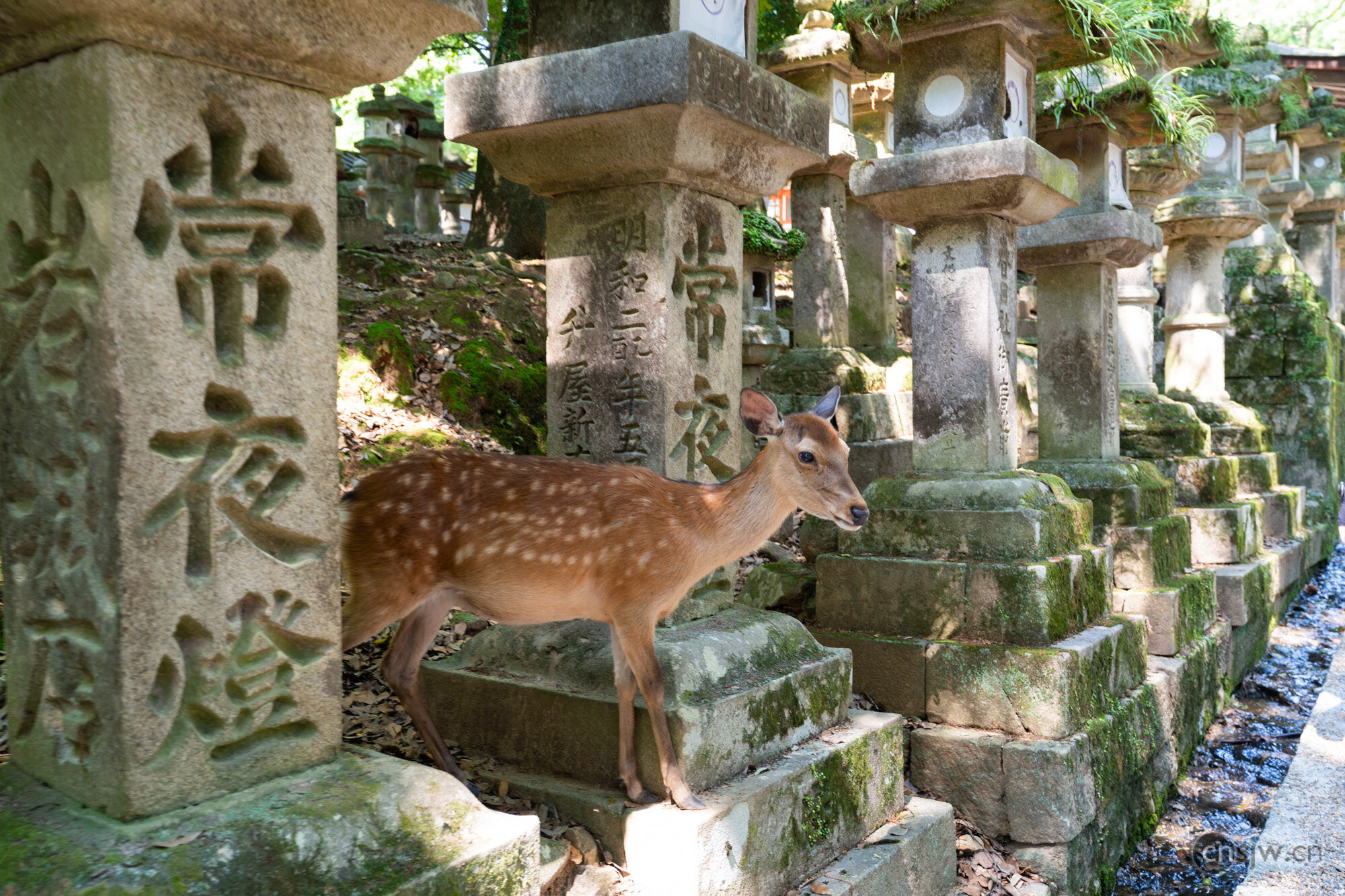
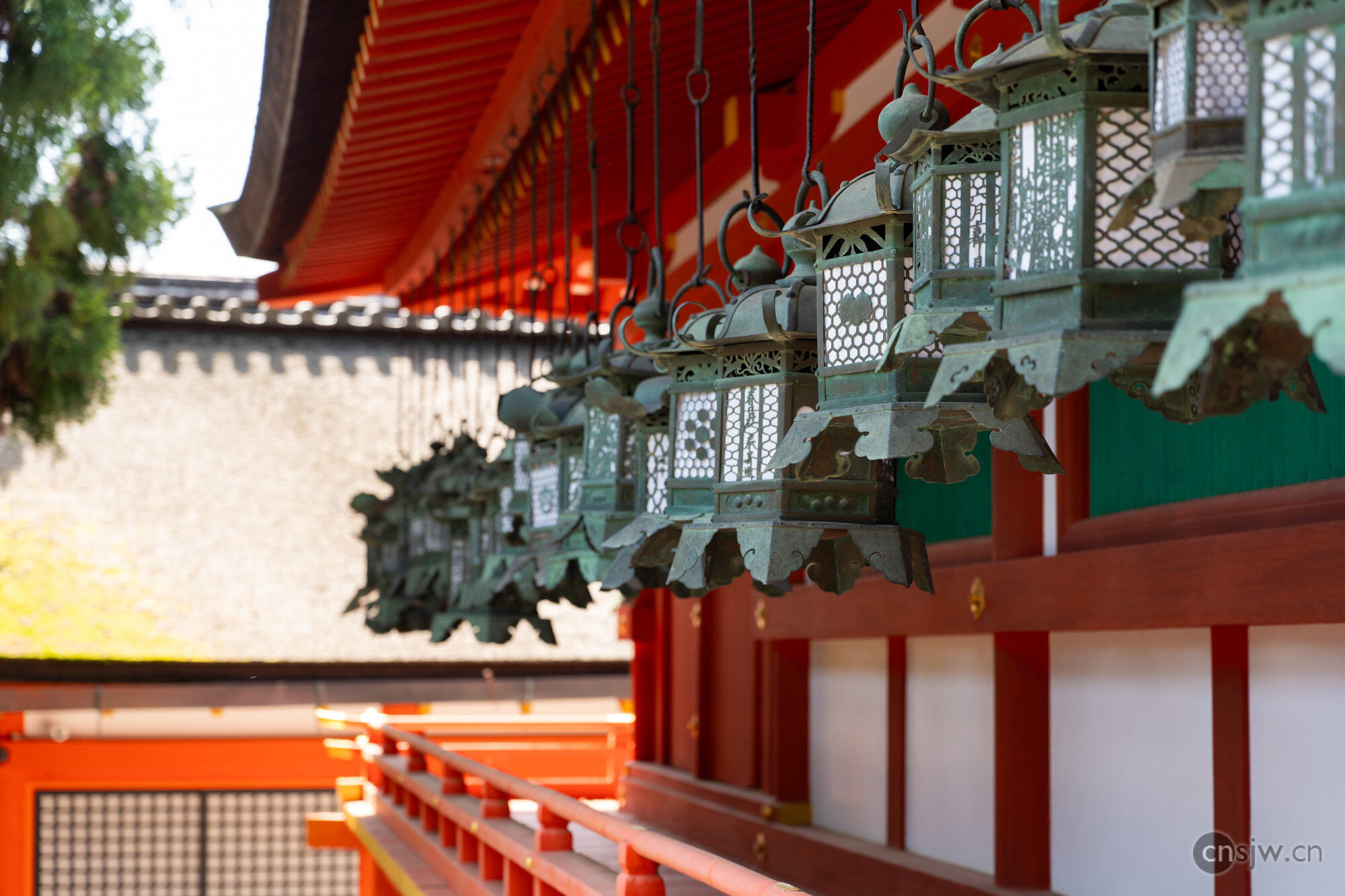
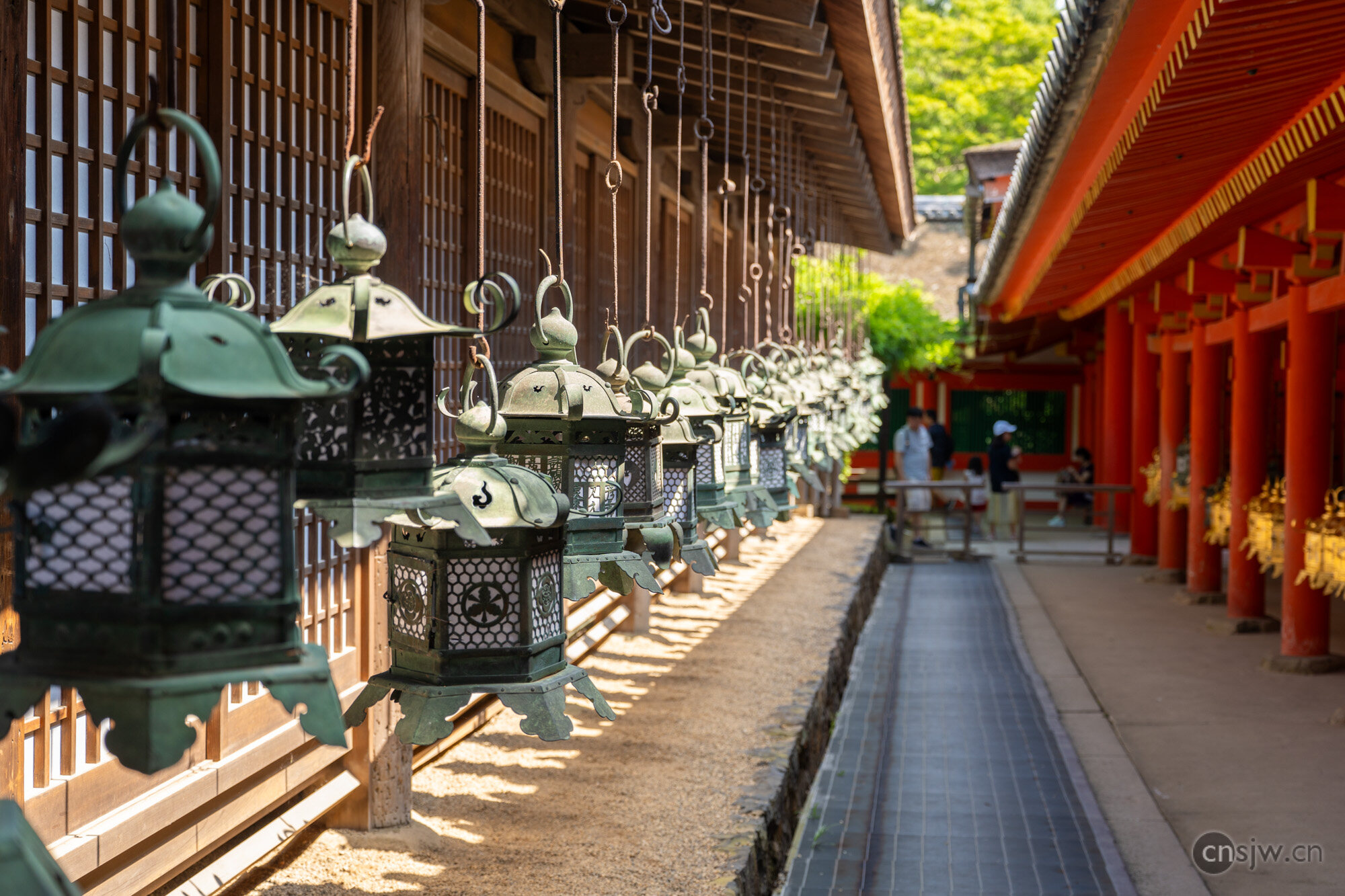
Reaching the shrine requires walking along the approach to Kasuga Taisha, which is quite long. Deer can often be seen along the path as well. Both sides of the approach are lined with stone lanterns donated by worshippers, totaling around 2,000. Inside the shrine precincts, more than 1,000 bronze hanging lanterns are suspended. Admission is required to enter the inner sanctuary, and the site is exceptionally photogenic.
Toshodai-ji Temple
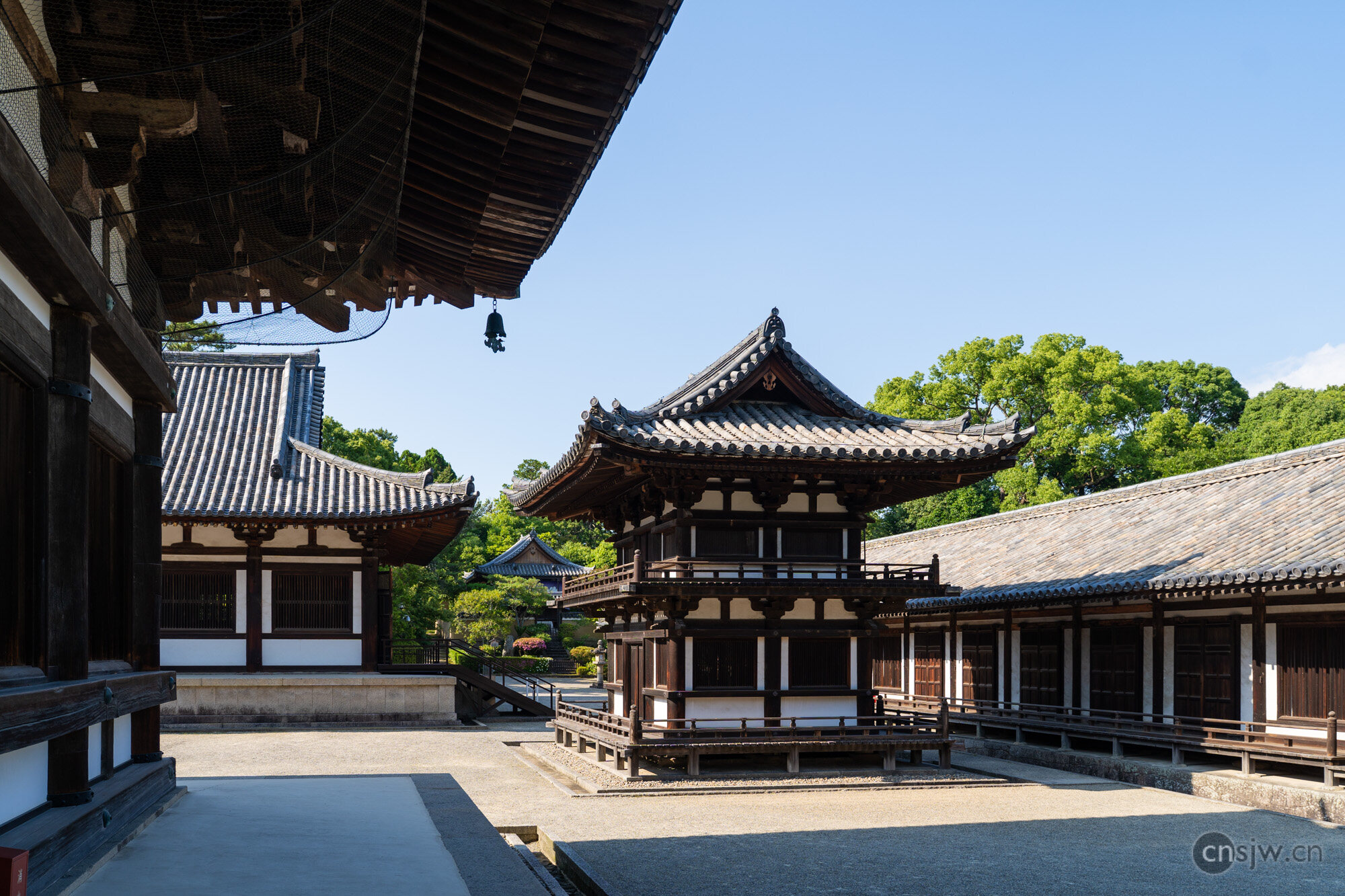
Toshodai-ji is the head temple of the Risshu school of Buddhism in Japan. It is located in Gojocho, Nara City, Nara Prefecture. Built personally by the eminent Chinese Tang Dynasty monk Ganjin (Jianzhen) in the architectural style of the High Tang period, it is regarded as a symbol of friendship between China and Japan.
According to the Shoku Nihongi, in Tenpyo-hoji 3 (759 AD), Ganjin established this temple using the former residence of Prince Niitabe, which had been granted to him by the Imperial Court. After Ganjin’s passing, his disciples continued the construction, completing it in Konin 1 (810 AD). The temple’s Main Hall (Kondo) and Lecture Hall (Kodo) are ancient structures dating back to the 8th century and are designated National Treasures of Japan. Other National Treasures include the Drum Tower, Sutra Repository, Treasure House, a dry-lacquer seated statue of Rushana Buddha (8th century), and a dry-lacquer seated statue of Priest Ganjin (8th century), among others.
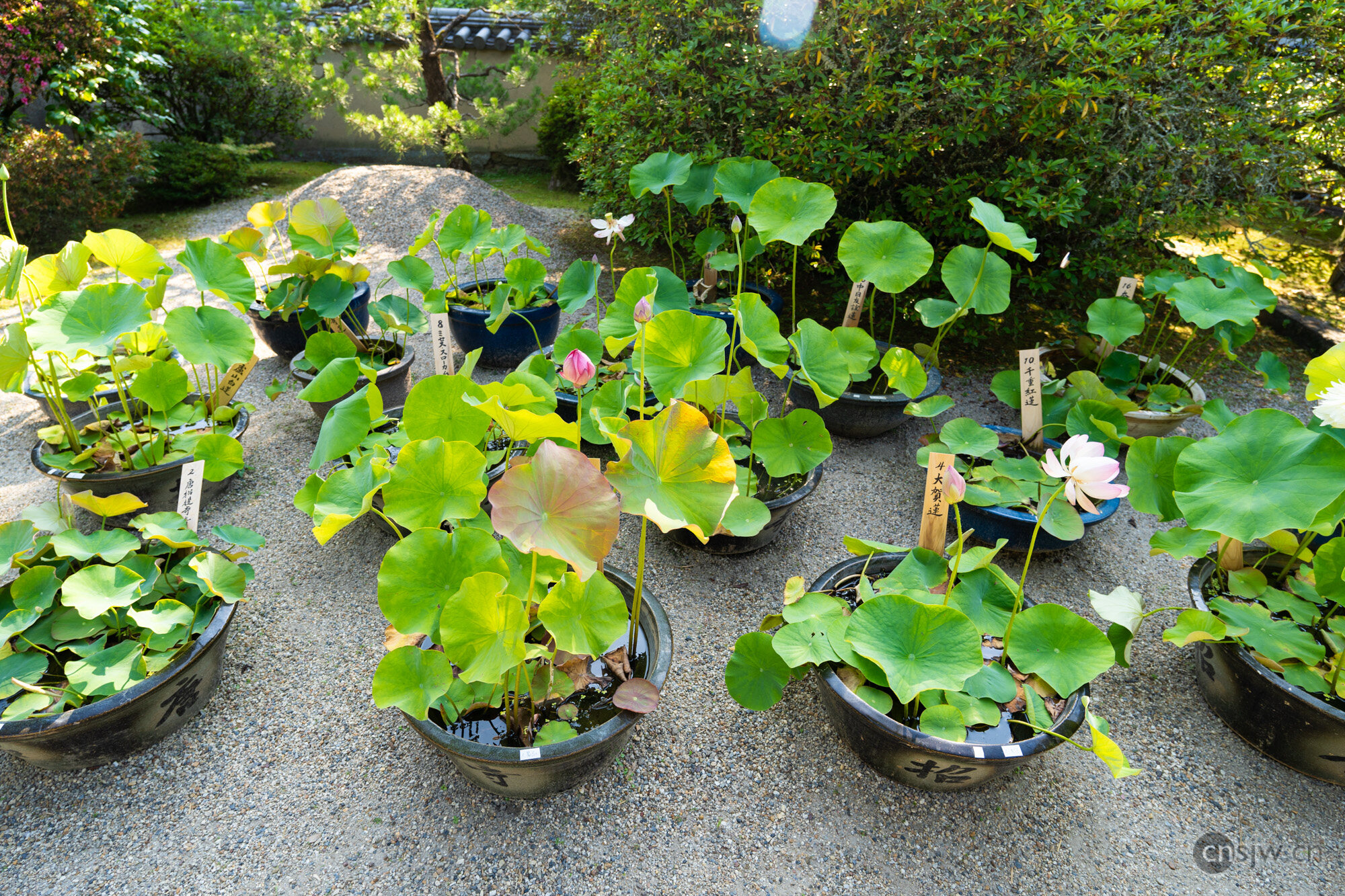
This site is not located within Nara Park and requires a bus ride to reach. Overall, it is not very crowded with tourists, though there are many Chinese visitors. The atmosphere inside is extremely serene, with a garden at the rear featuring various varieties of lotus flowers cultivated by the monks.
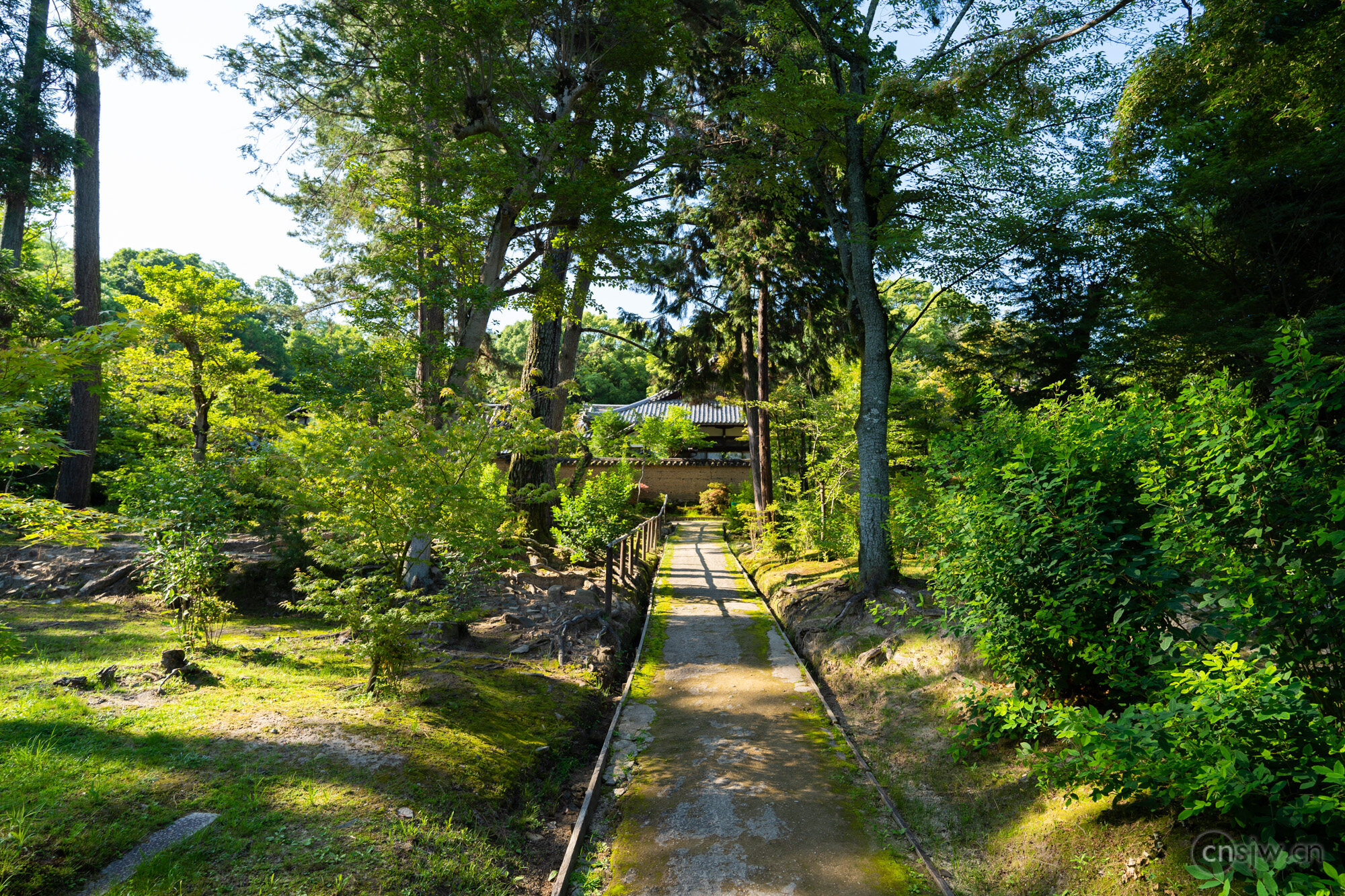
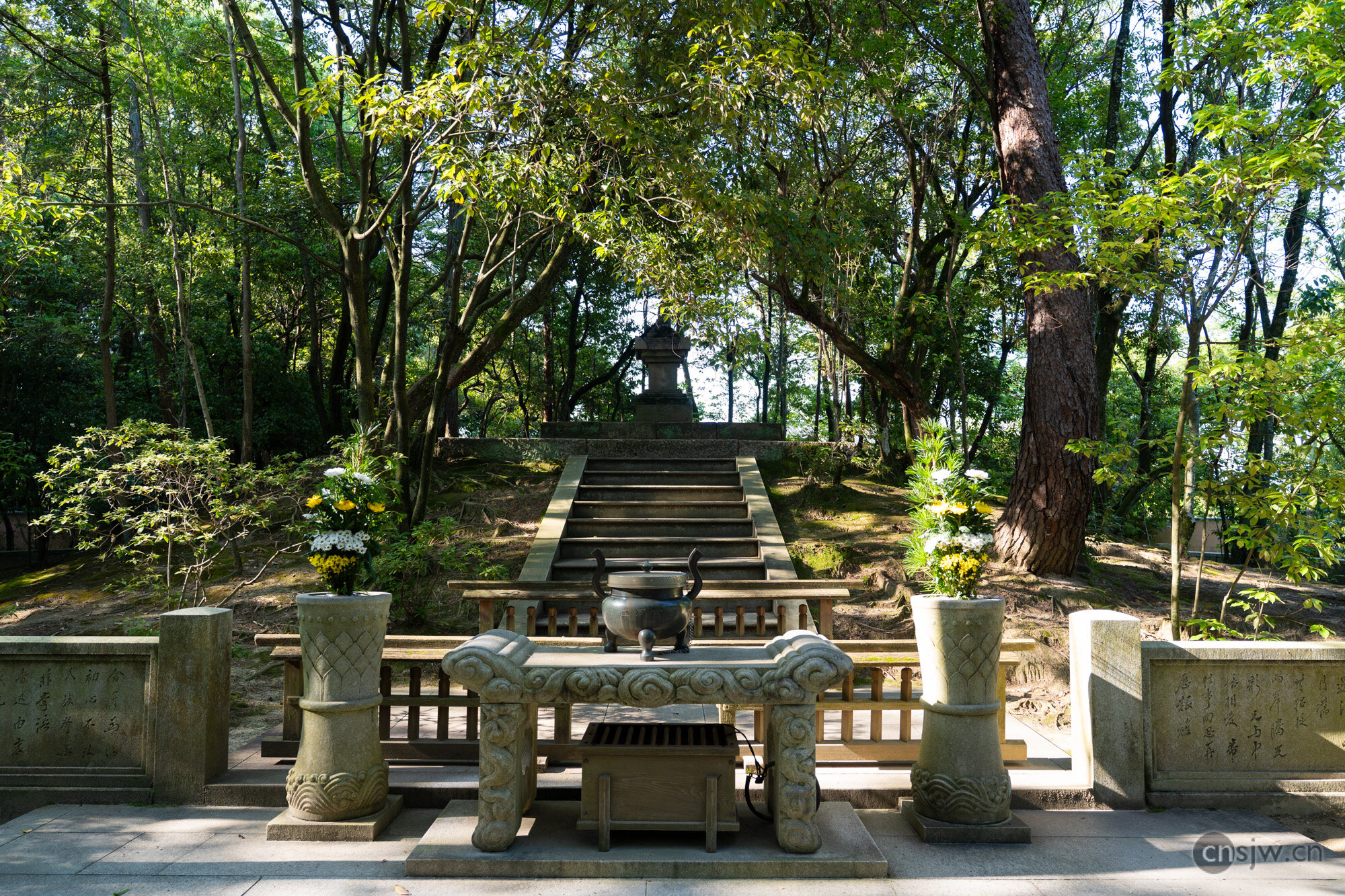
The Tomb of Ganjin. On May 6, 763 AD, Ganjin passed away at the age of 76 while sitting in the lotus position facing west in the meditation hall of Toshodai-ji. His remains were interred in a pine grove behind the northeastern section of Toshodai-ji.





Support