
I chose June 18, 2023, to embark on an intensive ‘special forces’ style trip to Japan. I arrived smoothly at Kansai International Airport in Osaka on the first afternoon and took the HARUKA Express to Kyoto. That evening, I checked into the ANA Crown Plaza Hotel Kyoto. Although the hotel is a bit dated, it offers reasonable prices, and as a Platinum member, I was upgraded to a newly renovated floor. The room was spacious and clean, featuring not only a bathtub and capsule coffee machine but also bath salts to aid sleep. It also provides a free shuttle bus to Kyoto Station, making it an excellent choice for travelers.
Early the next morning, I set off for Uji and Nara. After checking the route on Google Maps, I found that every train and bus line had precise schedules; all I had to do was wait at the designated platform according to the times displayed on Google Maps. There was only one attraction I wanted to visit in Uji: Byodo-in. It is located not far from JR Uji Station, making it very convenient to access.
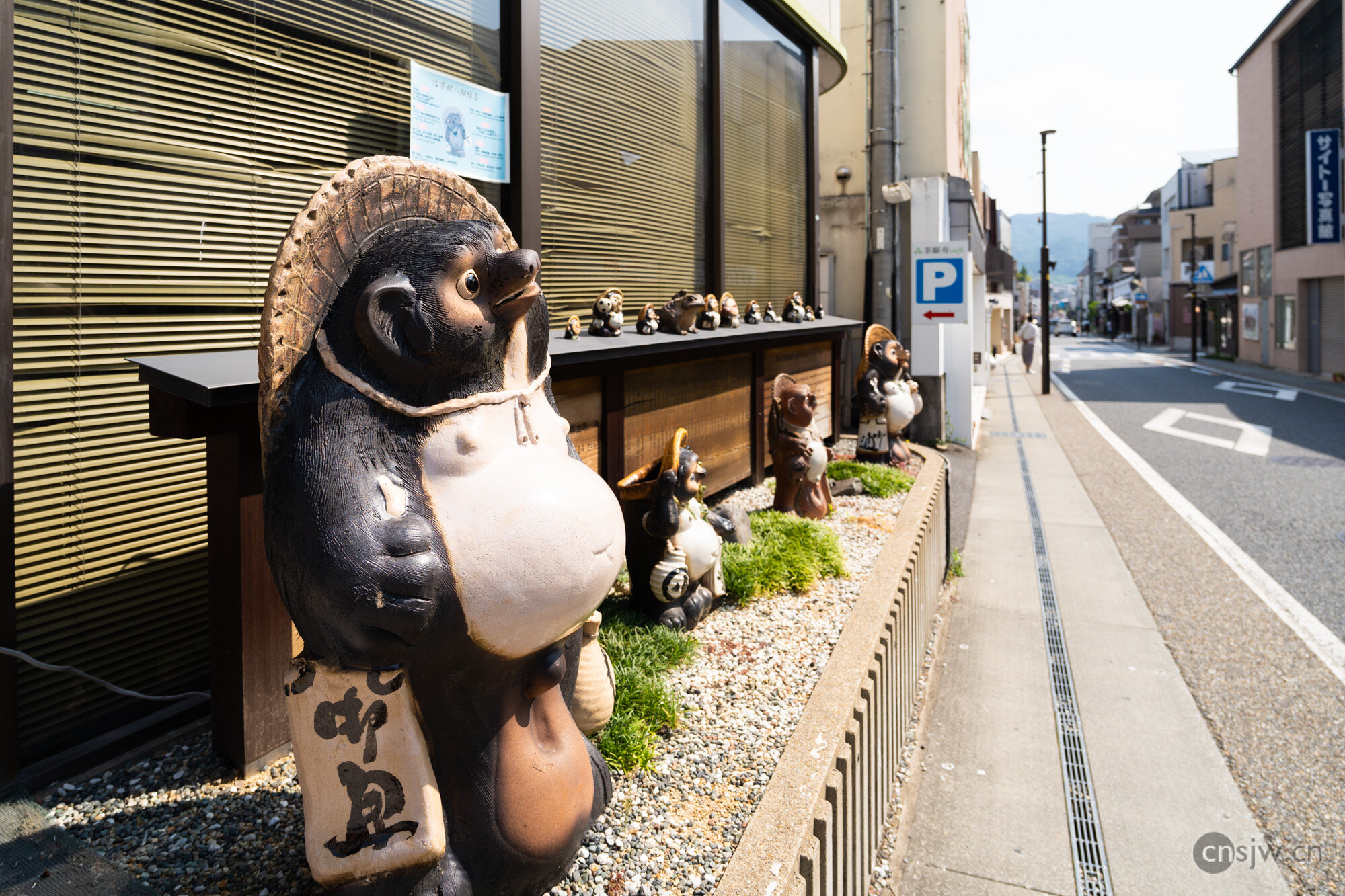
After getting off the train, you can see many tanuki (Japanese raccoon dogs) along the road.
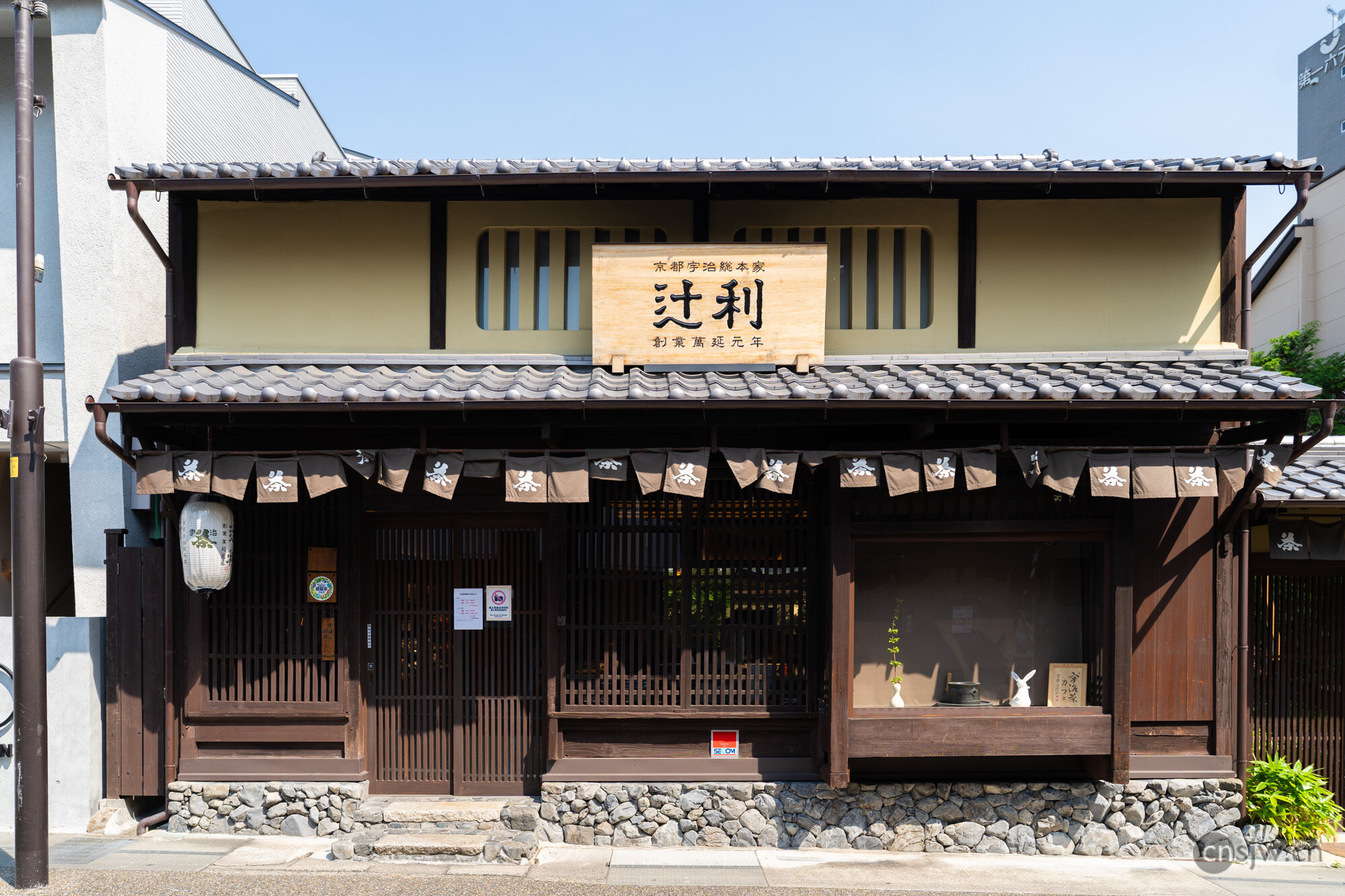
There are also numerous shops selling matcha.
And the famous Starbucks at Byodo-in.

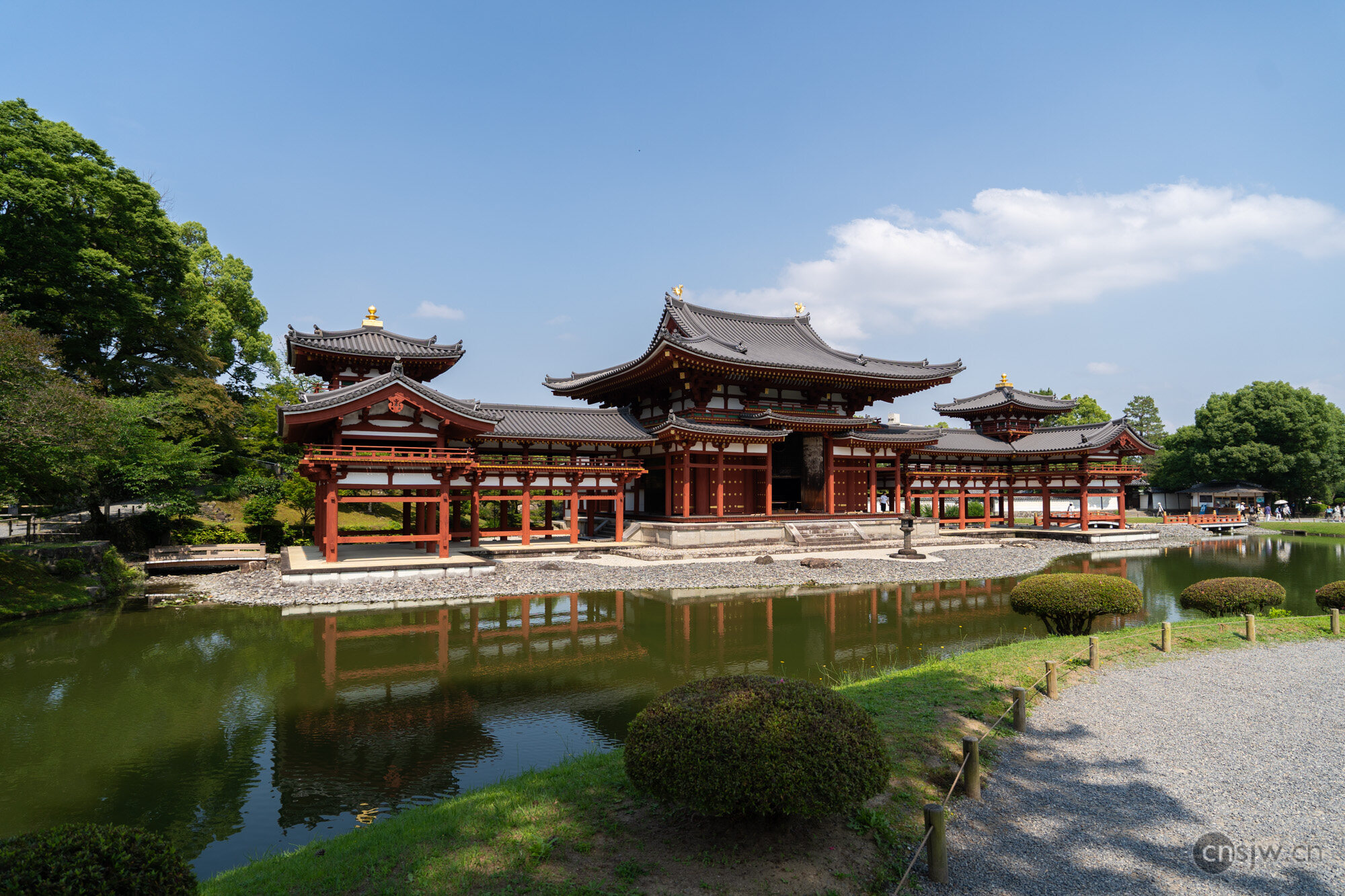
Besides matcha, Uji is most famous for Byodo-in. Founded in 1053 AD, this temple was converted by Fujiwara no Yorimichi, a powerful regent of the Heian period, from his father’s villa. Covering an area equivalent to half of present-day Uji, Byodo-in was designed to draw water from the Uji River, creating a ‘Pure Land Garden’ based on Buddhist eschatology. The Amida Hall was built on the west side of the pond, while a worship hall symbolizing the present world was constructed on the east, serving as a reference standard for later Japanese garden design.
The most representative structure of the ancient Byodo-in is the Amida Hall, built facing the Aji-ike Pond. Initially named for enshrining Amida Nyorai and 52 statues of Bodhisattvas on Clouds, it was later renamed ‘Phoenix Hall’ during the Edo period because its shape resembles a bird spreading its wings to fly, adorned with a pair of noble gold-and-bronze phoenix statues on the roof ridge.
The Phoenix Hall can be described as a masterpiece gathering national treasures of painting, architecture, craftsmanship, and sculpture. Given its rare national treasures—including the wooden canopy, statues of Bodhisattvas on clouds, gold-and-bronze phoenixes, bonsho bell, and murals—and the historical value of Byodo-in itself, it was designated as a UNESCO World Cultural Heritage site in 1995 as part of the Historic Monuments of Ancient Kyoto. Furthermore, the image of the Phoenix Hall appears on the back of the current 10-yen coin and 10,000-yen banknote, signifying its profound importance to the Japanese people.
The Heisei Restoration Project for the National Treasure Byodo-in Phoenix Hall, which began on September 3, 2012, was completed on September 30, 2014. The previous restoration took place in 1950. This latest restoration replaced the roof tiles with non-glossy, antique-style tiles, applied gold leaf to the pair of phoenixes atop the main hall, and painted the doors and pillars with reddish-brown earth pigment.
Admission to Byodo-in requires a ticket, and entering the Phoenix Hall requires an additional separate ticket. Tickets for these attractions can only be purchased with cash, which feels quite outdated. Inside the grounds, there is also the Hosho-kan Museum, where photography is prohibited; it is a small museum displaying various historical artifacts. Additionally, there is the Tea Room Toka where you can enjoy tea, but since I arrived too early, it had not yet opened. The grounds also house the Jodo-shu sect’s Jodo-in, the Tendai sect’s Saisho-in, as well as the Yojin-an Shoin (not open to the public) and the Kannon-do Hall built during the Kamakura period.
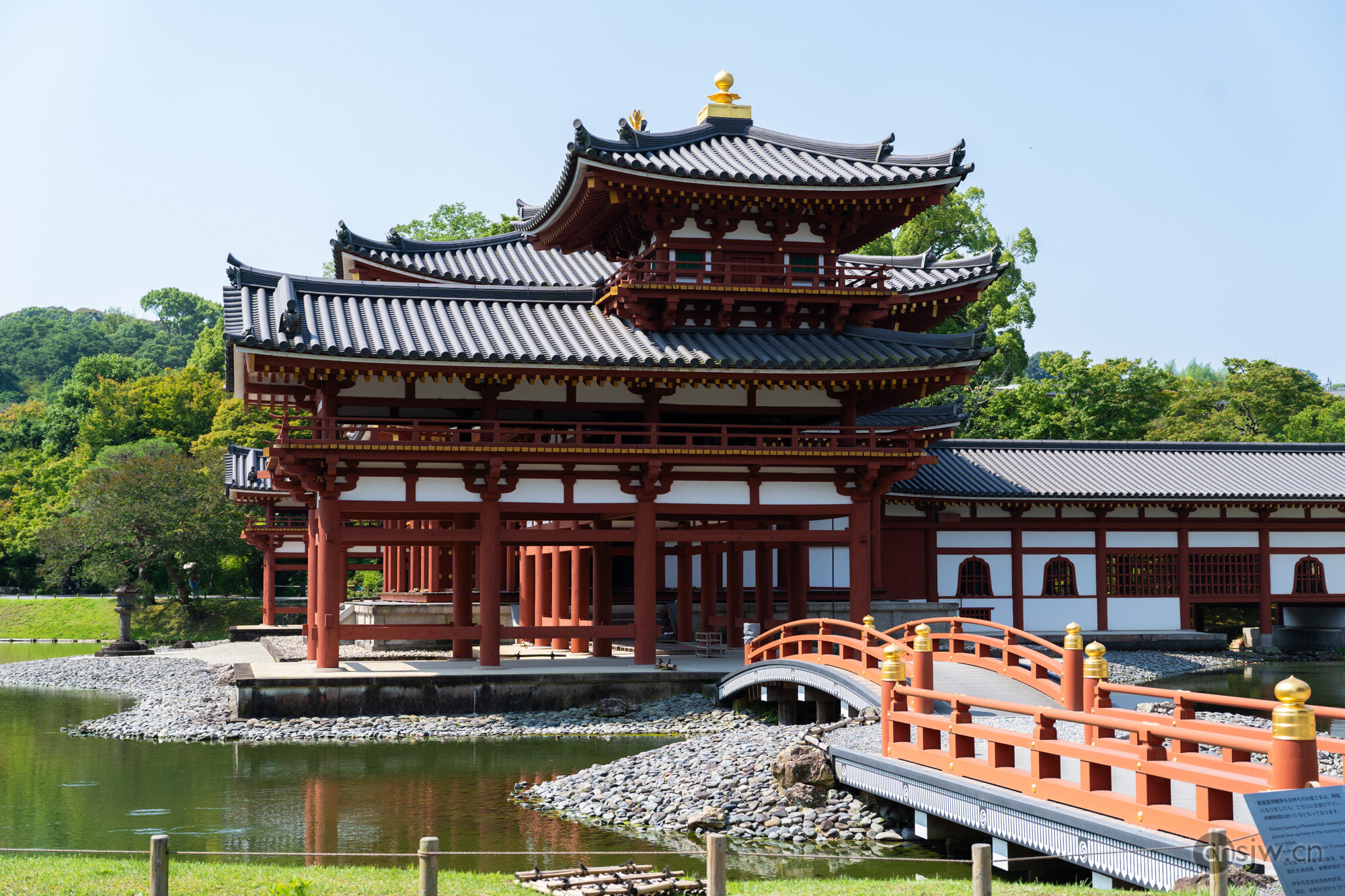
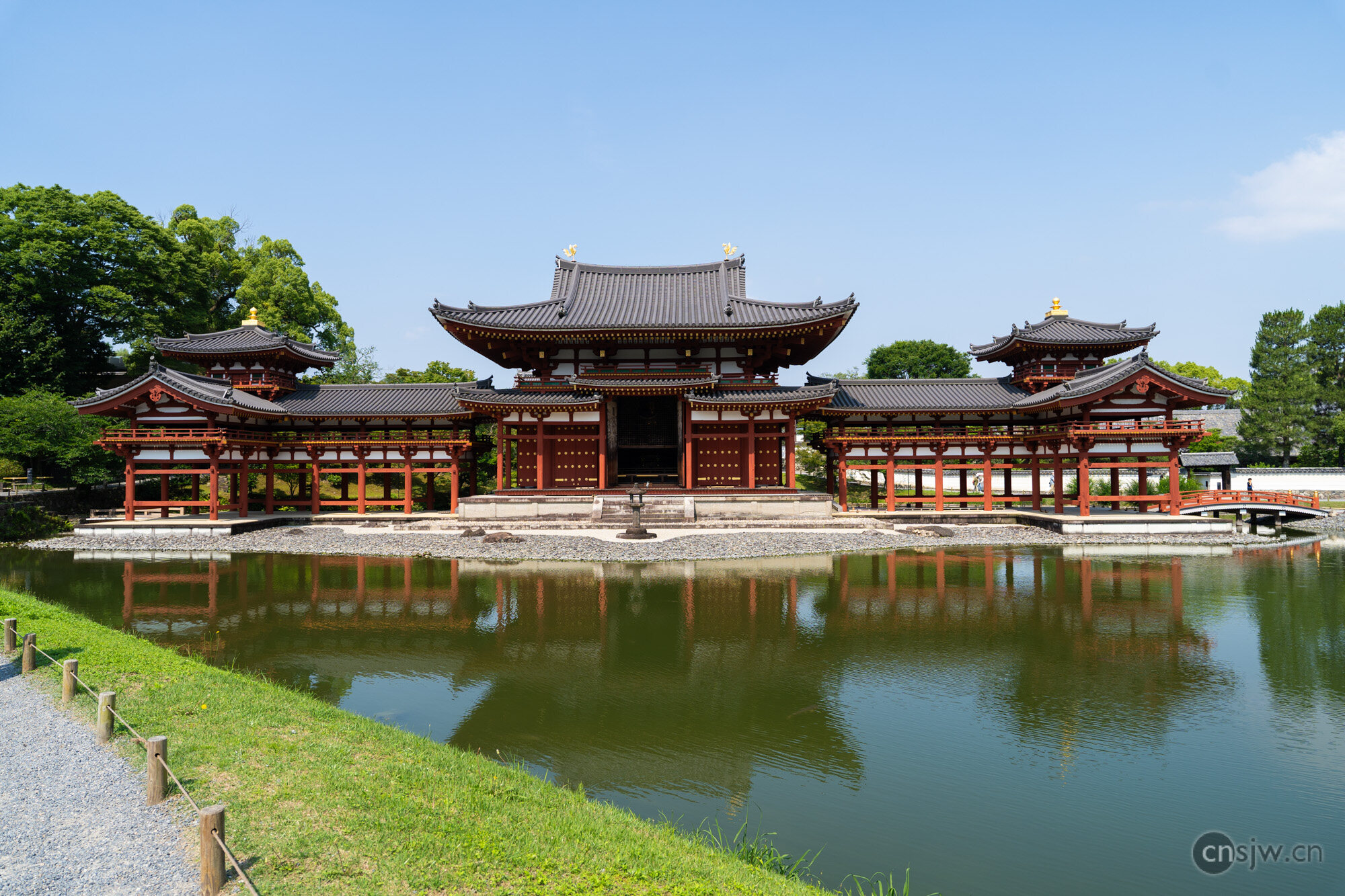
The entire Phoenix Hall possesses grand horizontal lines and rigorous symmetry. It is unclear exactly what changes have occurred after multiple restorations, but the overall goal seems to be making it increasingly beautiful. The flowers, grass, and trees surrounding the temple grounds are also meticulously manicured and look stunning.
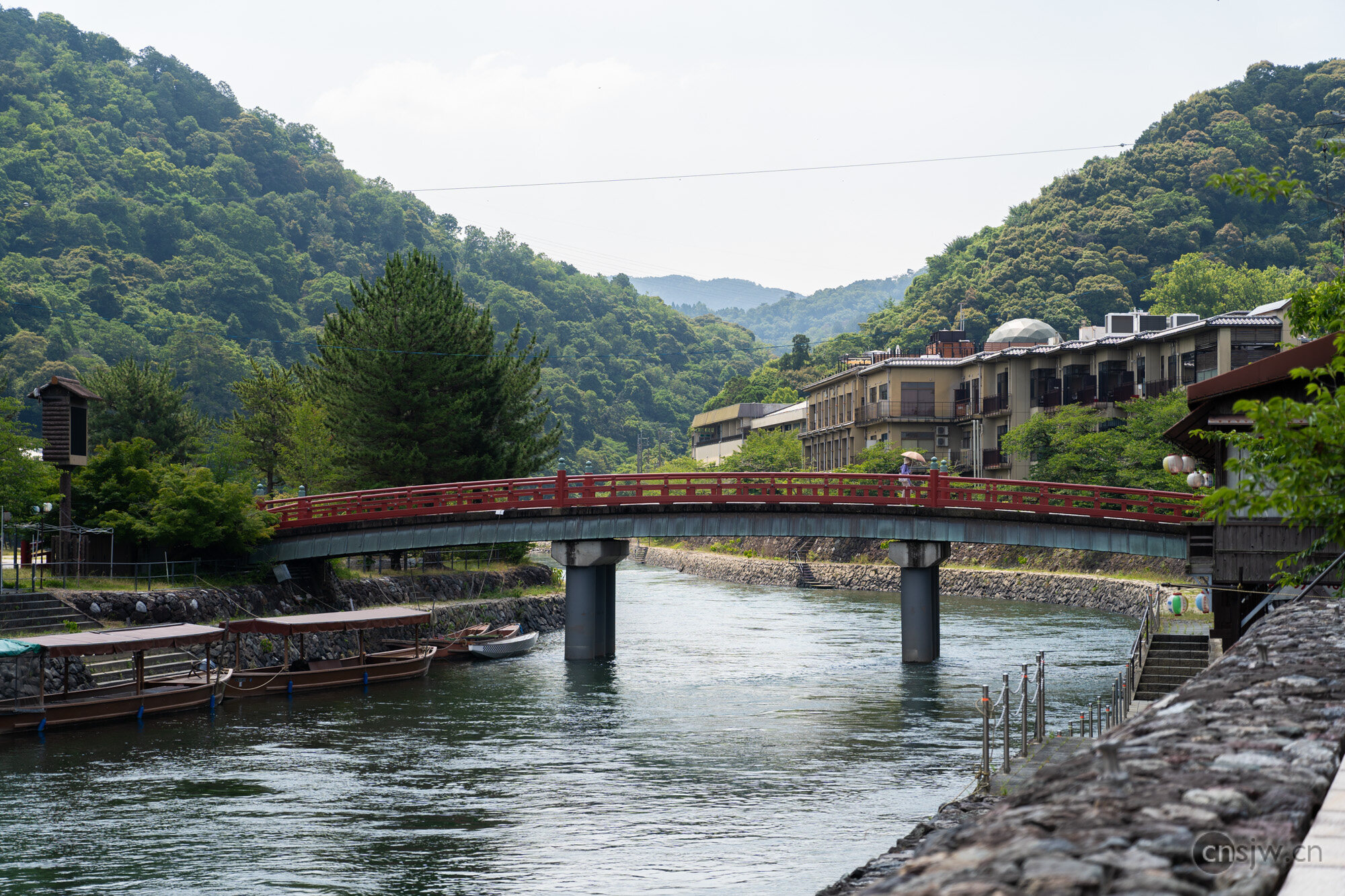
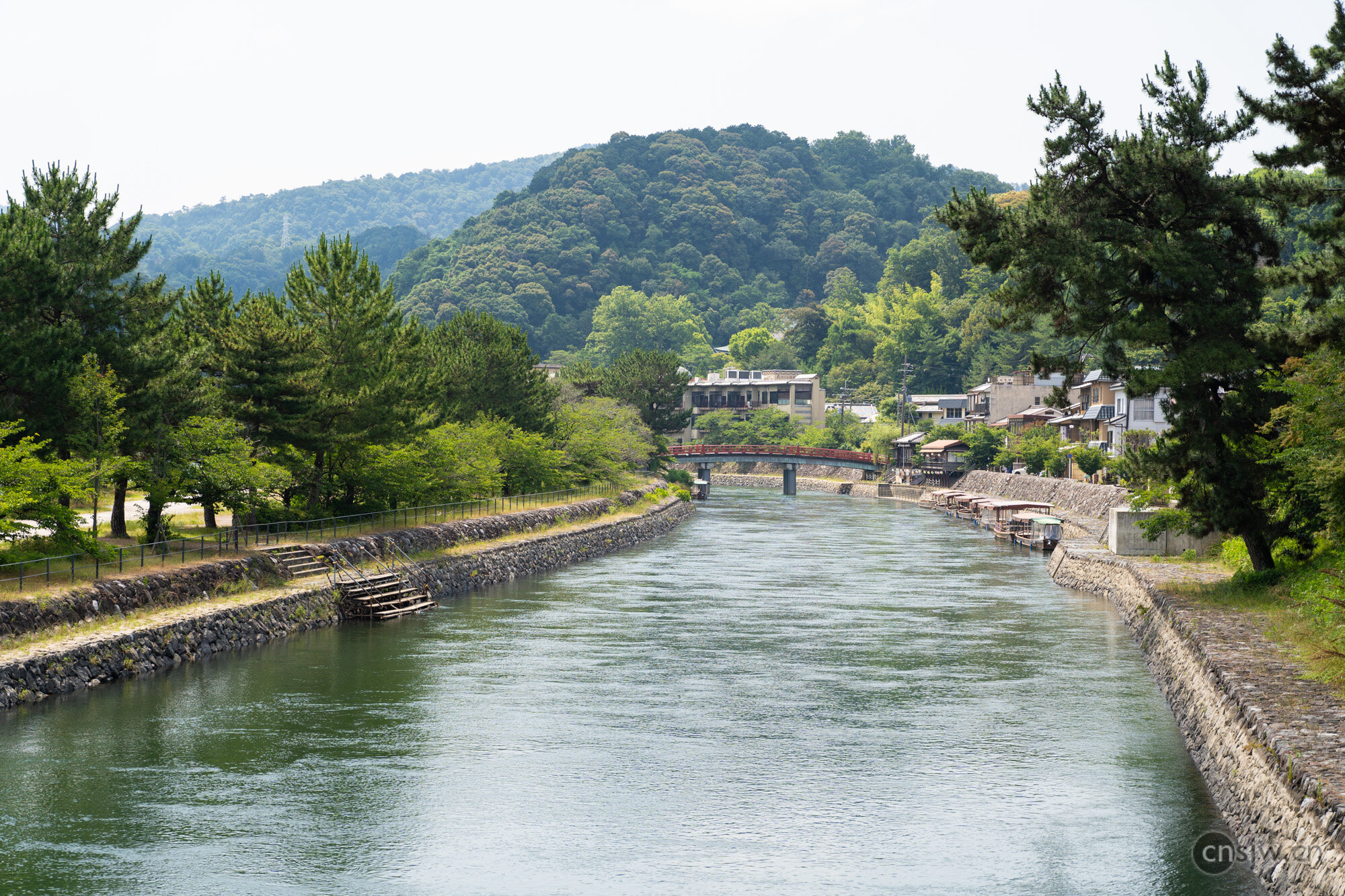
Outside Byodo-in flows a small river, the Uji River, lined with many more matcha shops and restaurants.
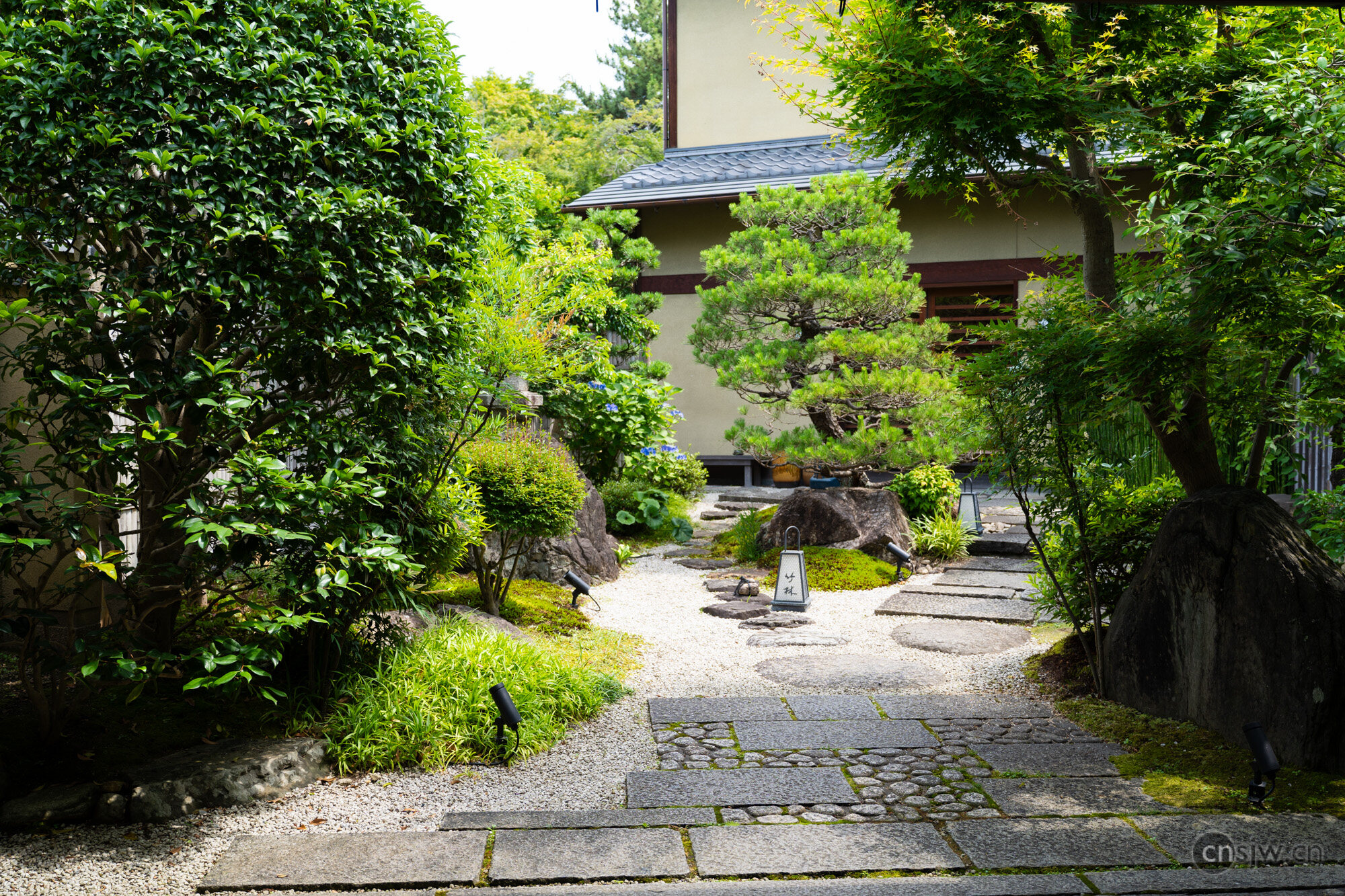
I passed a restaurant called Chikurin (Bamboo Forest). The ambiance was truly wonderful. Dinner is relatively expensive, and they offer set meals at lunch, but I arrived too early, before mealtime had even started.
Ultimately, I chose Nakamura Tokichi to sample some matcha desserts. The flavor was indeed rich and intense. However, due to limited production volume, unless a shop owns its own tea plantation, Uji matcha is highly likely sourced from factories like Kitagawa Hanbee or Marukyu Koyamaen, and many raw materials may not even originate from Uji. Matcha is divided into various grades; higher grades are typically used for traditional tea ceremonies, while lower grades are used for desserts. Similar to Chinese tea, the primary distinction between grades often lies in the aroma.
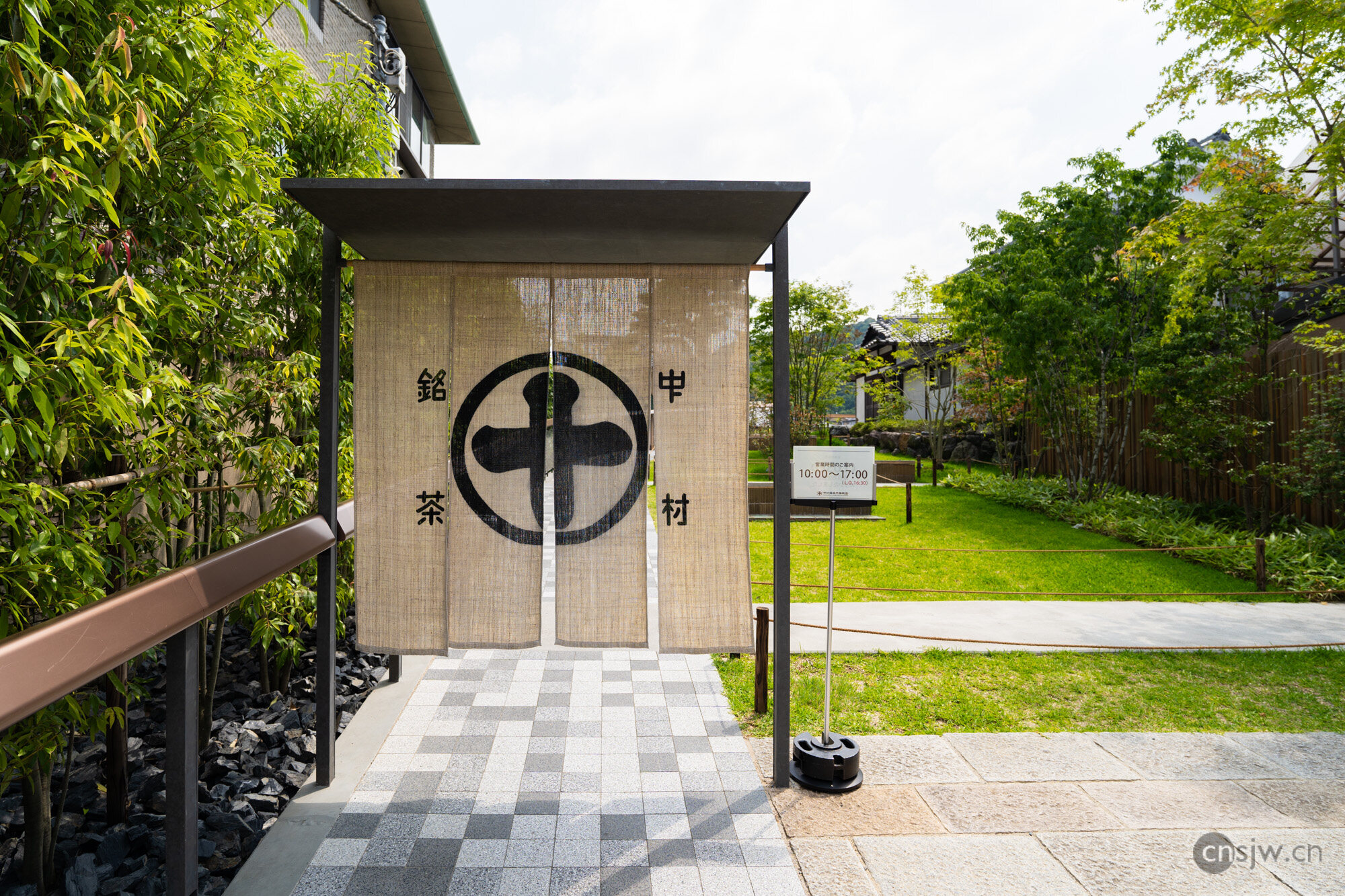
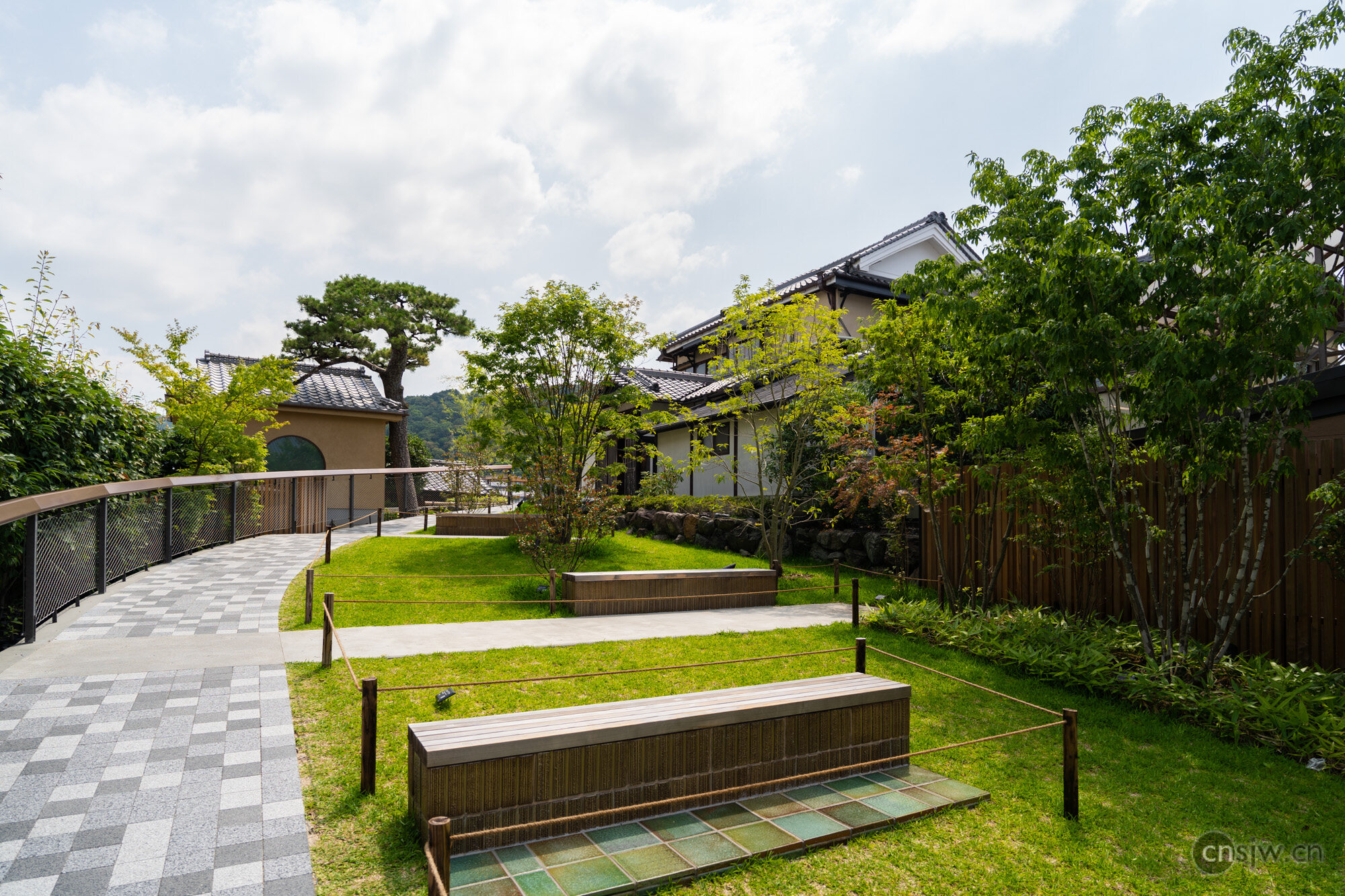
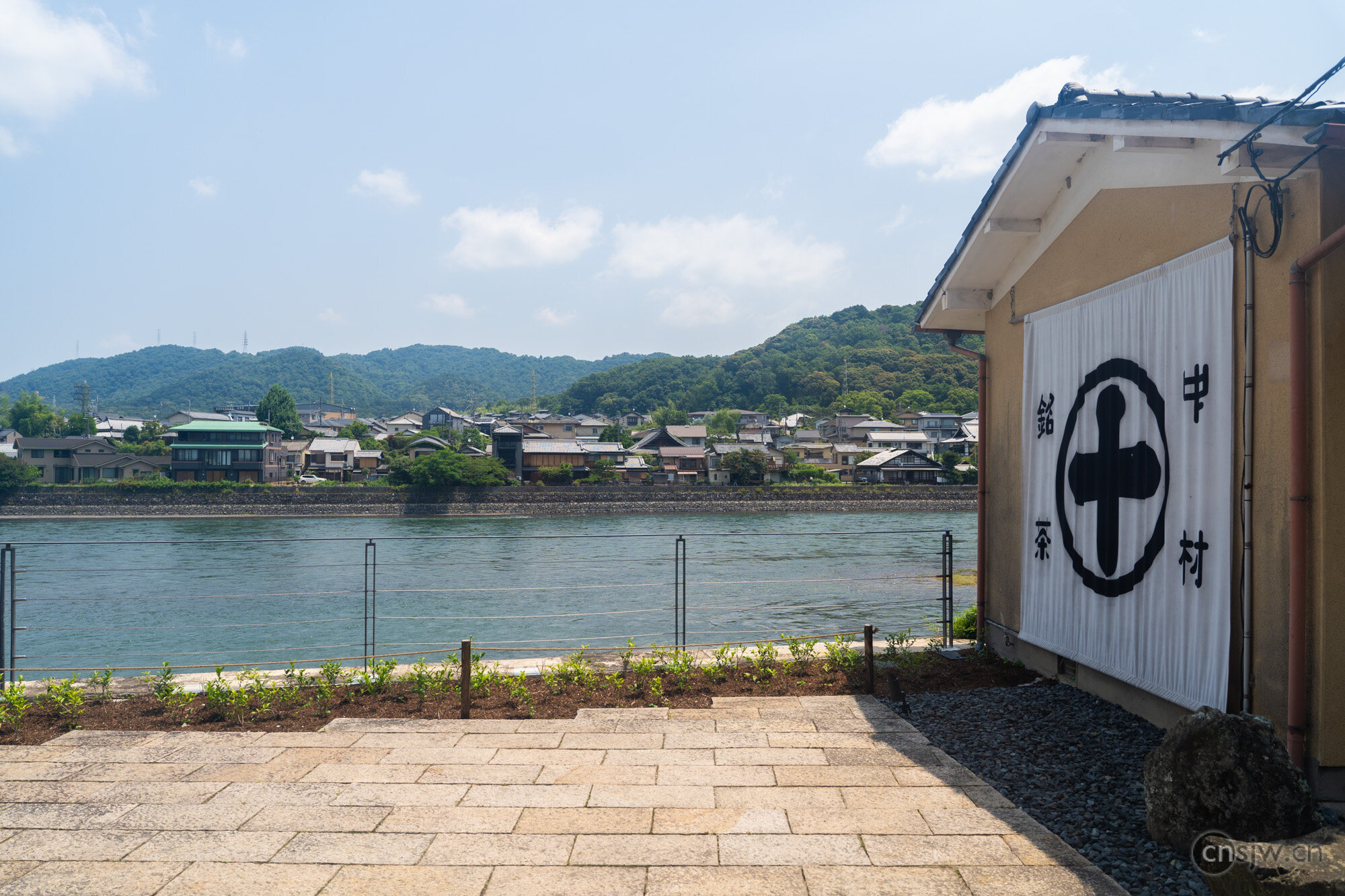
Nakamura Tokichi is a renowned dessert shop in Uji. Not only does it overlook the river for scenic views, but it also features a large, beautiful garden inside. Rumor has it that the place gets packed during peak hours. Service is fully self-service, with ordering done via automated machines, which is very tourist-friendly. In terms of taste, it comes highly recommended. My biggest regret from this trip to Uji was failing to buy some matcha to bring home.



Support



Read this article on WeChat