
Yongrixiang is a Japanese-style ryokan in Qingdao, housed in an 80-year-old Japanese building with a garden. Inside, all rooms are traditional washitsu; the first floor is used for dining, while the second and third floors have a total of 11 guest rooms available for accommodation. Their kaiseki cuisine is quite good value for money. The menu changes monthly, and ingredients are purchased fresh on the day according to the required quantity. Reservations must be made at least one week in advance, and a deposit is required upon booking.
We called ahead to confirm our arrival time. Upon arriving at the appointed time, we were led directly to a washitsu on the first floor to be seated. There were two tables in the room; this was the other one, which was not being used by any other guests. There was a TV in the room, though there were only a few channels available.
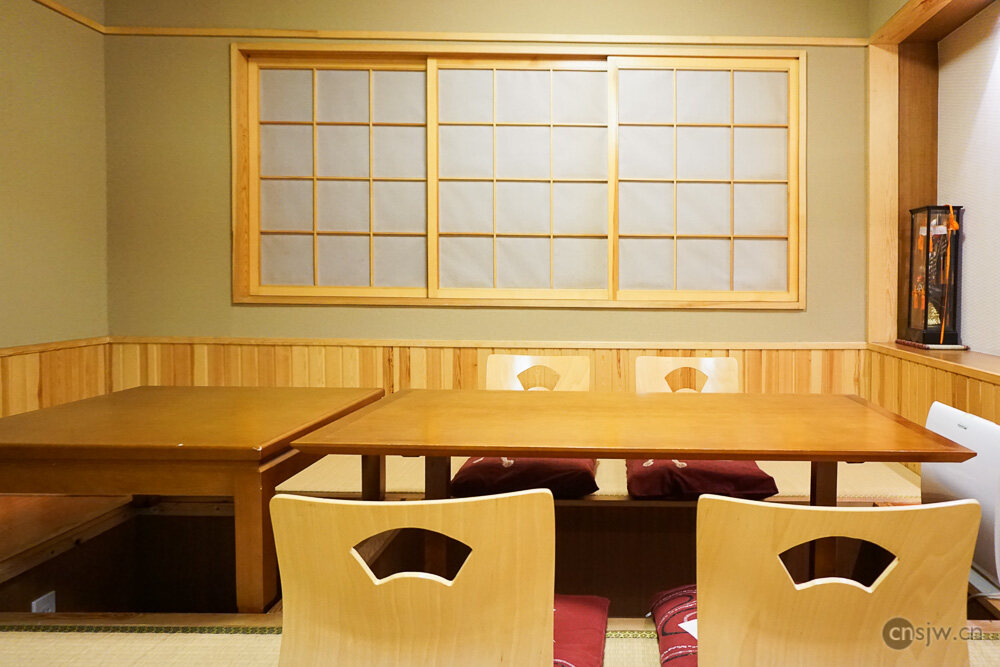
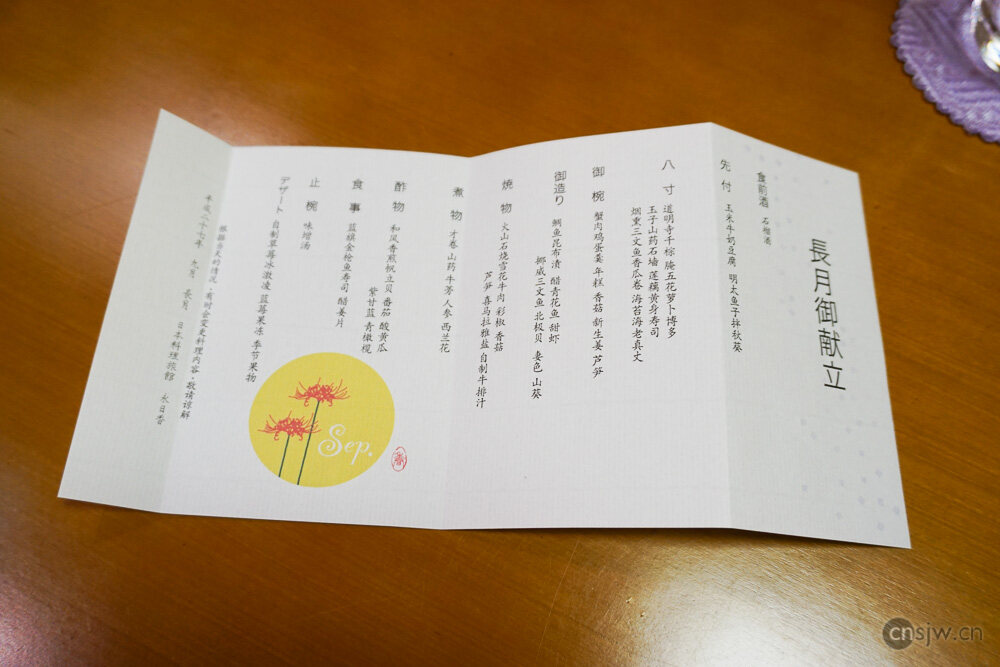
Overall, the service was excellent. Each dish came with a detailed explanation, including preparation methods and how to eat it, and tea was refilled promptly. This was the new September menu, consisting of nine courses, and the server seemed slightly unfamiliar with some of the dishes.
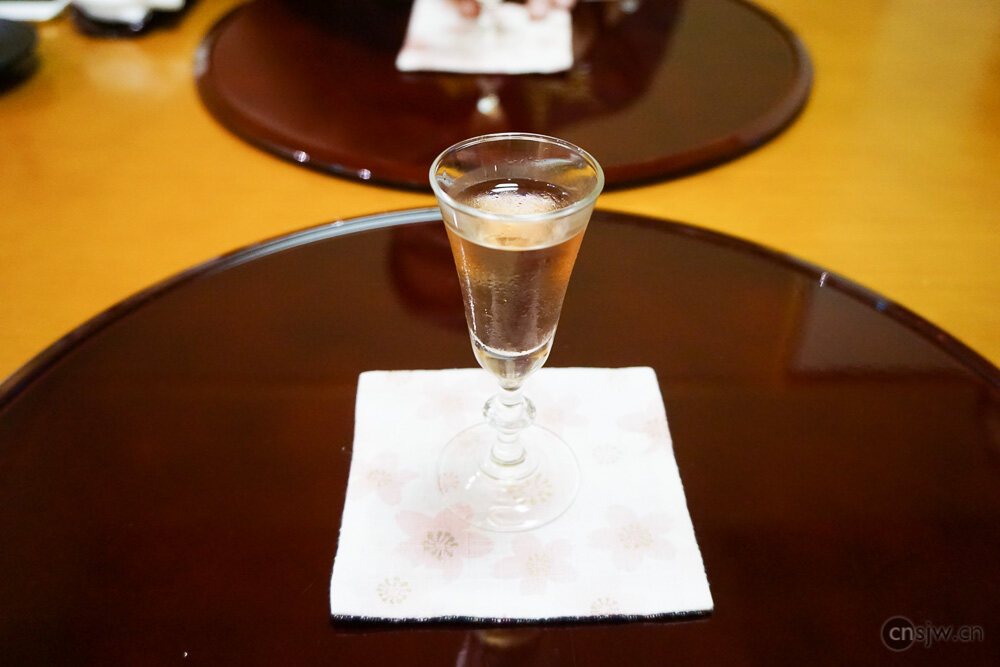
First up was the pre-meal drink: pomegranate wine. It had a noticeable alcohol content and tasted quite good.
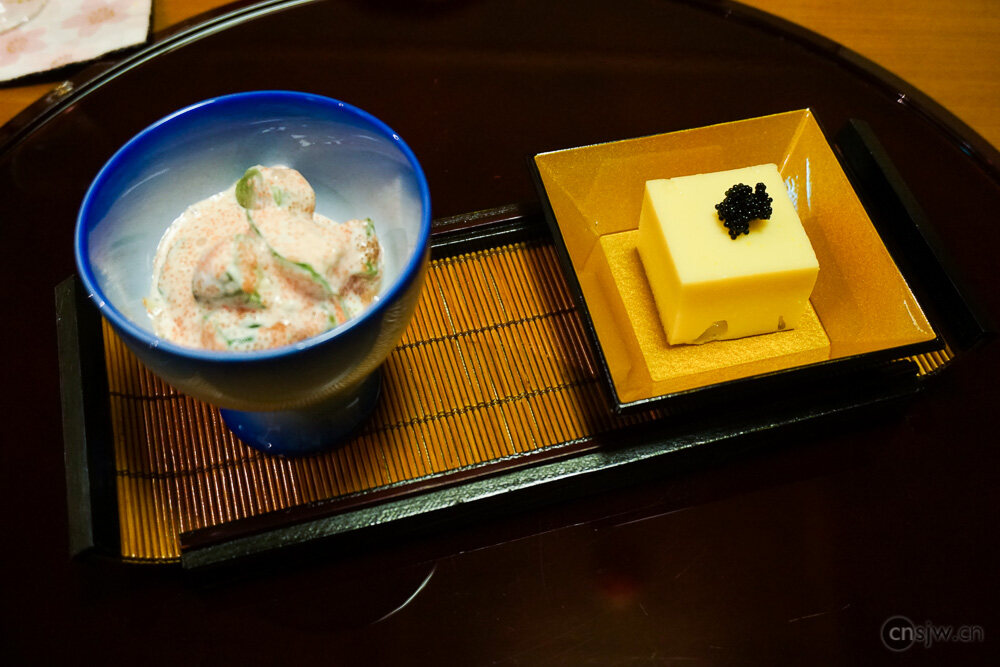
The sakizuke consisted of corn milk tofu and okra tossed with pollock roe; both dishes tasted excellent.
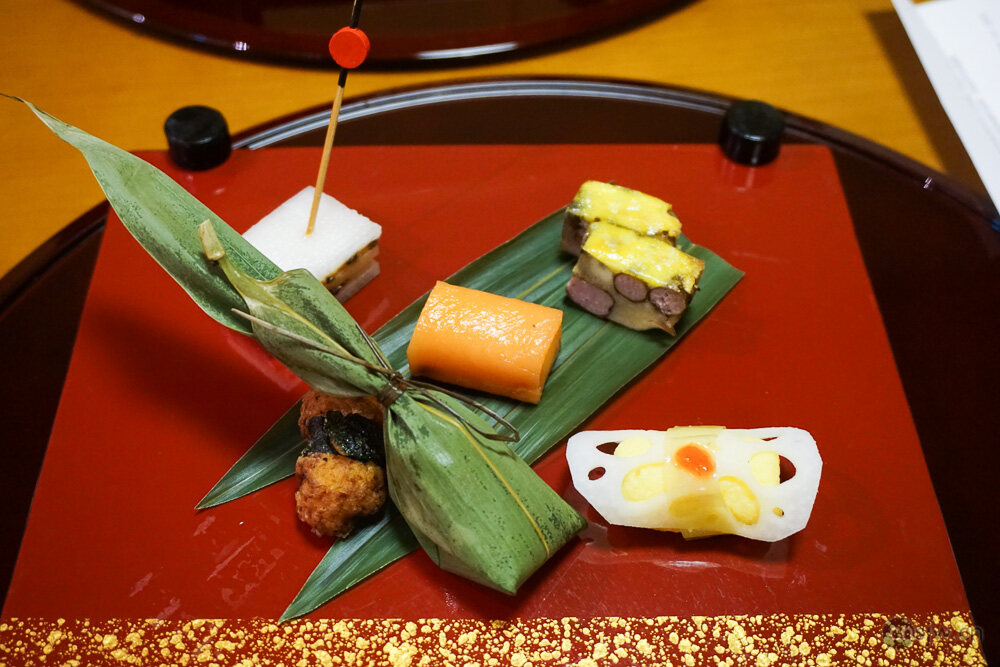
The hassun included Domyoji chimaki, pickled pork belly with radish Hakata-style, egg yam wrapped in nori, lotus root egg yolk sushi, smoked salmon and melon roll, and nori shrimp shinjo. All were exquisitely presented with great flavor and texture.
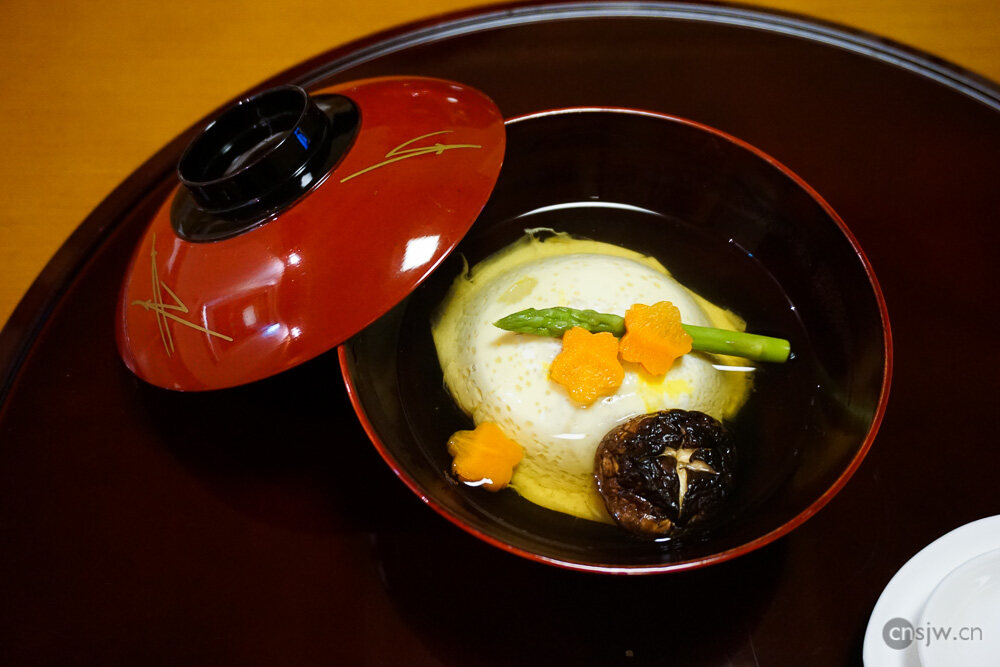
The owan was a crab meat egg custard soup.
Now moving on to the main courses:
Otsukuri: sea bream kobujime, vinegared mackerel, sweet shrimp, salmon, and surf clam. Given the price point, the ingredients weren’t top-tier, and portions weren’t large, but the freshness was still quite impressive.

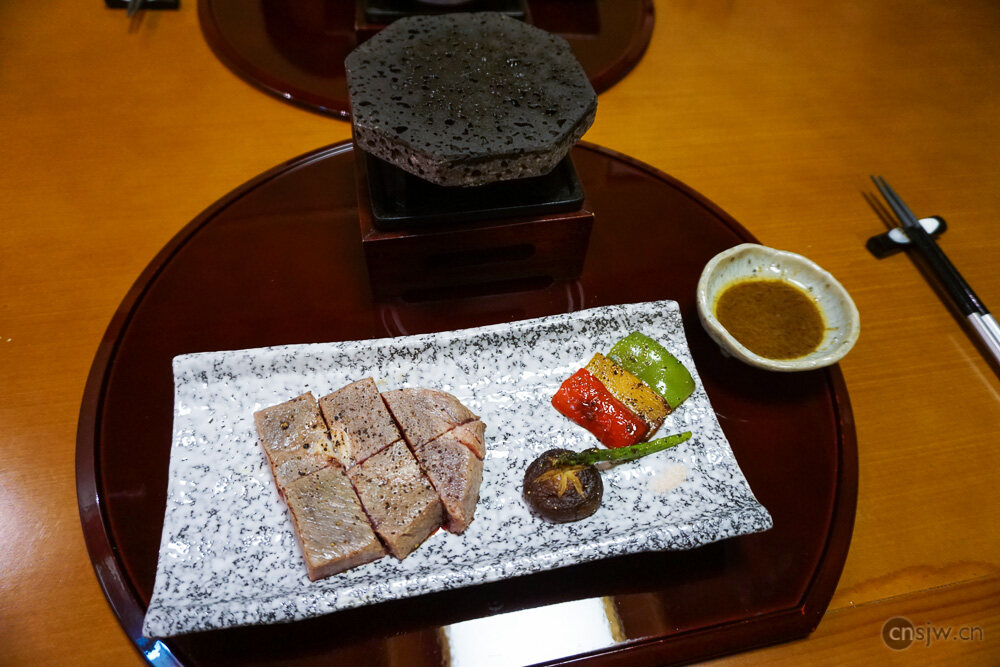
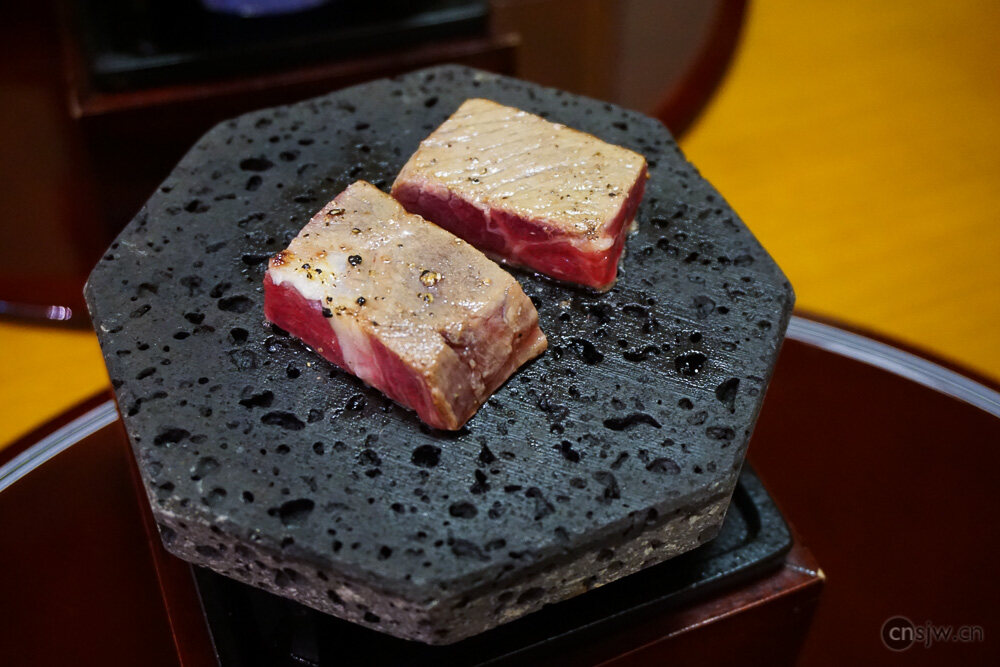
Yakimono: volcanic stone-grilled marbled beef. This was quite a lengthy and interesting cooking process. With such small volcanic stones, it really took a while to cook the meat thoroughly. The downside was that the meat quality wasn’t exceptional—if overcooked, it became tough to chew. There were six slices in total, grilled to approximately medium-well, medium, and medium-rare. Ultimately, the medium-rare was the most palatable, remaining tender and juicy. The house-made steak sauce also tasted very good. Some vegetable slices were oil-infused, primarily to prevent the meat from sticking to the stone due to lack of oil.
The nimono consisted of shrimp, yam, burdock root, ginseng, and broccoli.

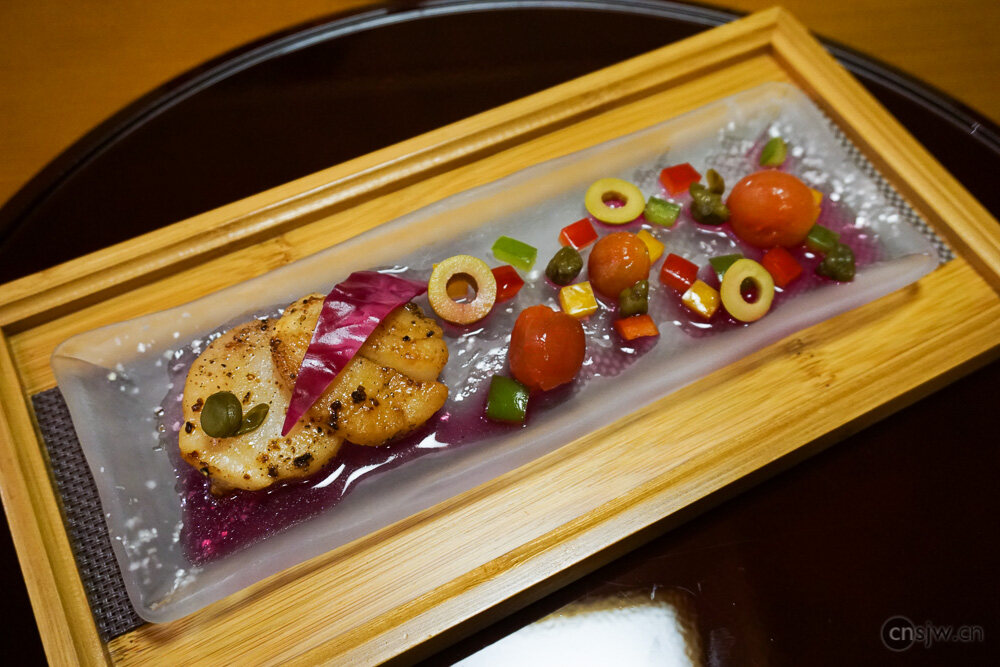
The sunomono was Japanese-style pan-seared scallops. This dish was prepared exceptionally well, and the scallops were delicious.
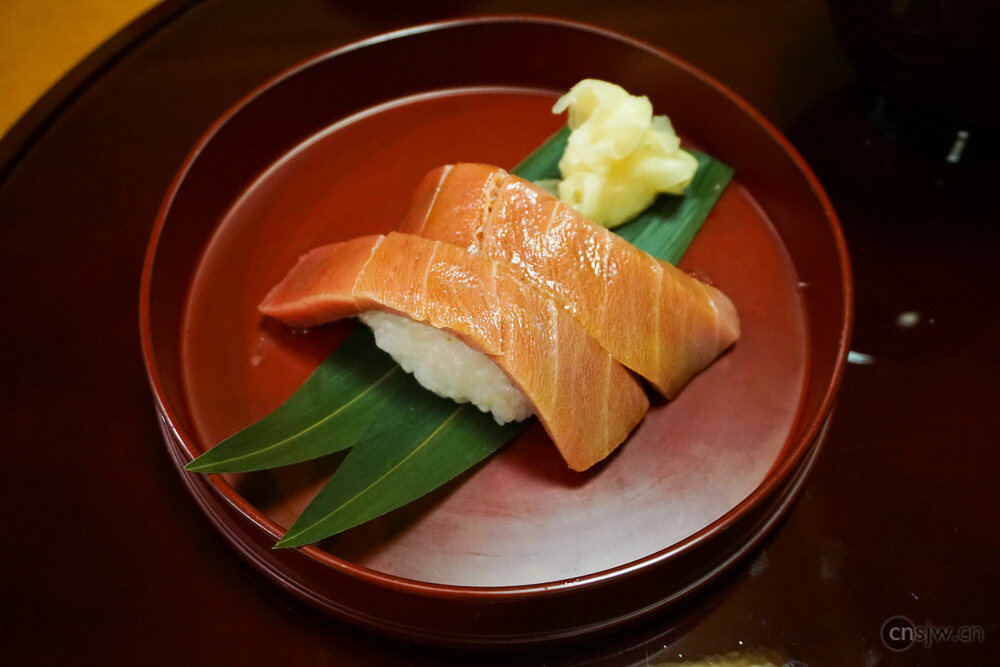
Shokuji: bluefin tuna sushi. Medium-fatty tuna was selected, pre-brushed with soy sauce—excellent! However, the sushi rice felt somewhat average.
Tome-wan was miso soup (no photo~~).
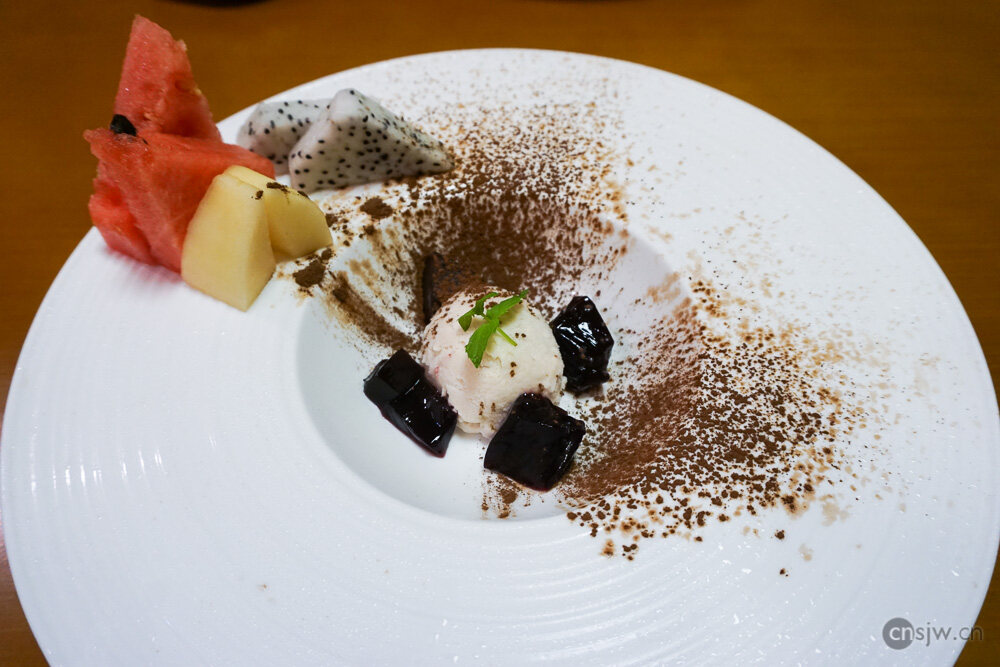
Finally, dessert: homemade strawberry ice cream, blueberry jelly, and fruit.
Sencha tea was served throughout the meal. After eating oily foods, the teacups and towels were replaced once.

In summary, the environment featured very quiet private rooms, the service was authentically Japanese and excellent, and the flavors were spot-on. Considering the price is only 498 RMB per person, it’s completely understandable—and shouldn’t be expected—that the ingredients aren’t top-tier. I feel this restaurant offers exceptional value for money, and the portions were filling enough. It’s an excellent choice for beginners wanting to experience kaiseki cuisine. Just note that you’ll need to book quite far in advance to secure a reservation~~~
Photos in this post taken with SONY A5100 + 35mm f1.8, post-processed in Lightroom.

Support



Read this article on WeChat