
According to Wikipedia:
The history of hutongs is as long as that of the current city of Beijing. The present old city of Beijing was built upon the foundation of Dadu, the capital of the Yuan Dynasty. Dadu had a total of 11 city gates, and the avenues inside these gates formed the main thoroughfares of the entire city. The intersections of these main thoroughfares created numerous rectangular residential districts. Within these districts were several evenly spaced east-west alleys, which were called hutongs. At that time, regulations stipulated that main avenues be 24 paces wide (approximately 37.2 meters), minor streets be 12 paces wide (approximately 18.6 meters), and hutongs be six paces wide (approximately 9.3 meters). Together, hutongs, minor streets, and main avenues constituted the complete street system of Yuan Dadu.
Ming Dynasty Beijing was built upon the foundation of Yuan Dadu and largely followed its layout. Many hutongs in the Inner City, including Zhuanta Hutong, are remnants from the Yuan Dynasty. However, starting from the Ming Dynasty, regulations on urban architecture became increasingly relaxed, leading to the emergence of many diagonal and irregular streets. During the reign of Emperor Yingzong of Ming, construction began on the Outer City, resulting in even more diagonal streets and winding, non-standard hutongs.
Historically, Beijing has been renowned for its vast number of hutongs. A popular folk saying goes: “There are 3,600 famous hutongs, and unnamed ones outnumber ox hairs.” The Yuan Dynasty text Qiaojin Zhi records that Dadu had “384 fire lanes and 29 hutongs.” In the book Jingshi Wucheng Fangxiang Hutong Ji by Zhang Jue of the Ming Dynasty, it is recorded that Ming Beijing had approximately 1,170 streets and hutongs, of which about 459 were directly named “hutong.” The list of Beijing street and hutong names in Jingshi Fangxiang Zhigao by Zhu Yixin of the Qing Dynasty shows that during the Qing era, Beijing had 2,076 streets and hutongs, with 978 directly named “hutong.” In 1944, Japanese scholar Tada Teiichi recorded in Beijing Place Names that there were 3,200 hutongs at the time. Statistics from 1949 indicate that the urban area of Beijing had 6,074 named streets and alleys, including 1,330 hutongs, 274 streets (jie), 111 alleys (xiang), 85 roads (dao), and 71 lanes (li). Customarily, people collectively refer to all the aforementioned hutongs, streets, alleys, roads, and lanes simply as “hutongs.”
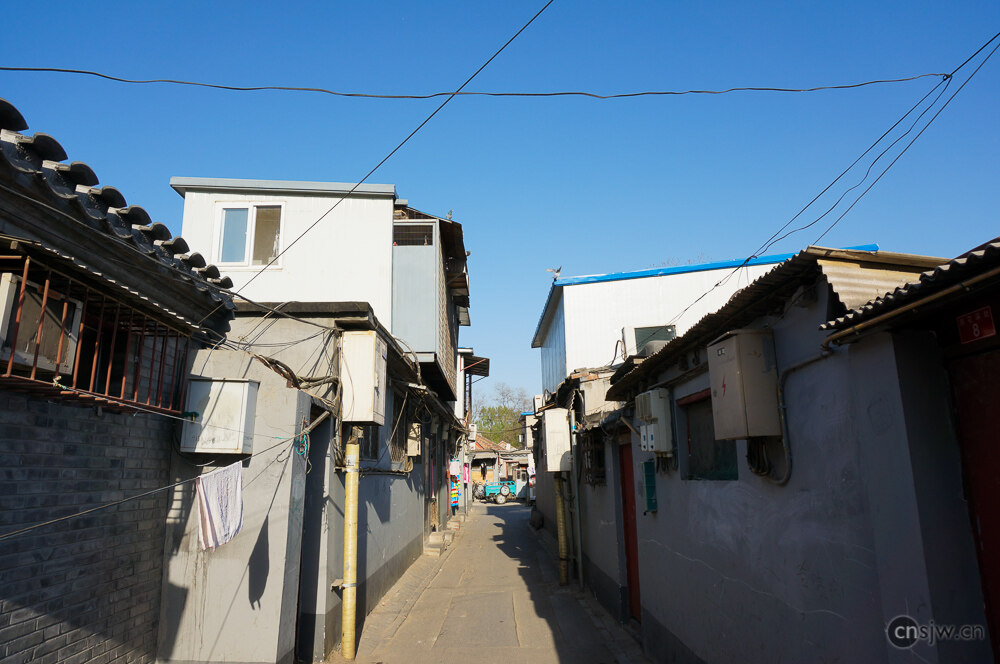
Both historically and in modern times, hutongs have served as living spaces for ordinary citizens. They played a decisive role in the formation and existence of Beijing culture. Compared to the Forbidden City, Temple of Heaven, and Summer Palace, which represent imperial culture, hutongs can be considered representatives of Beijing’s commoner culture. Gray bricks, gray tiles, and clear-water ridges have almost become symbols of old Beijing.
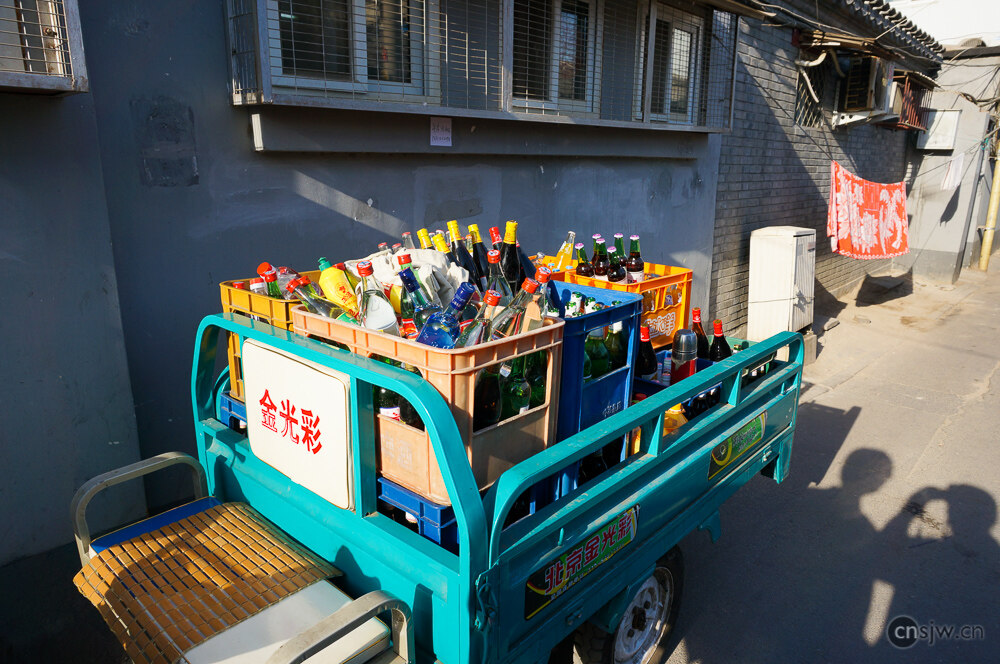
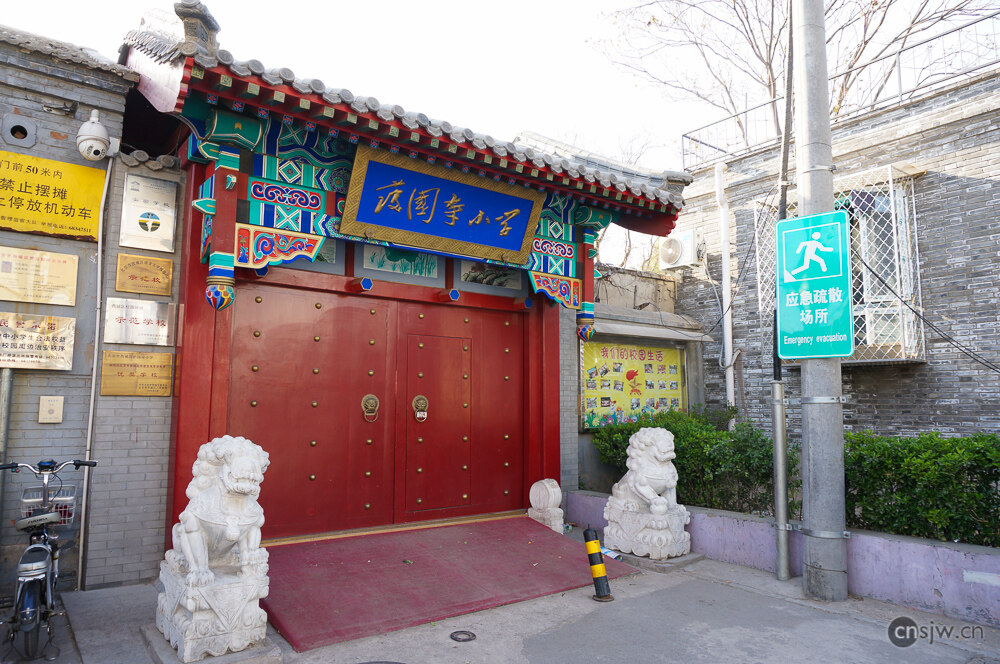
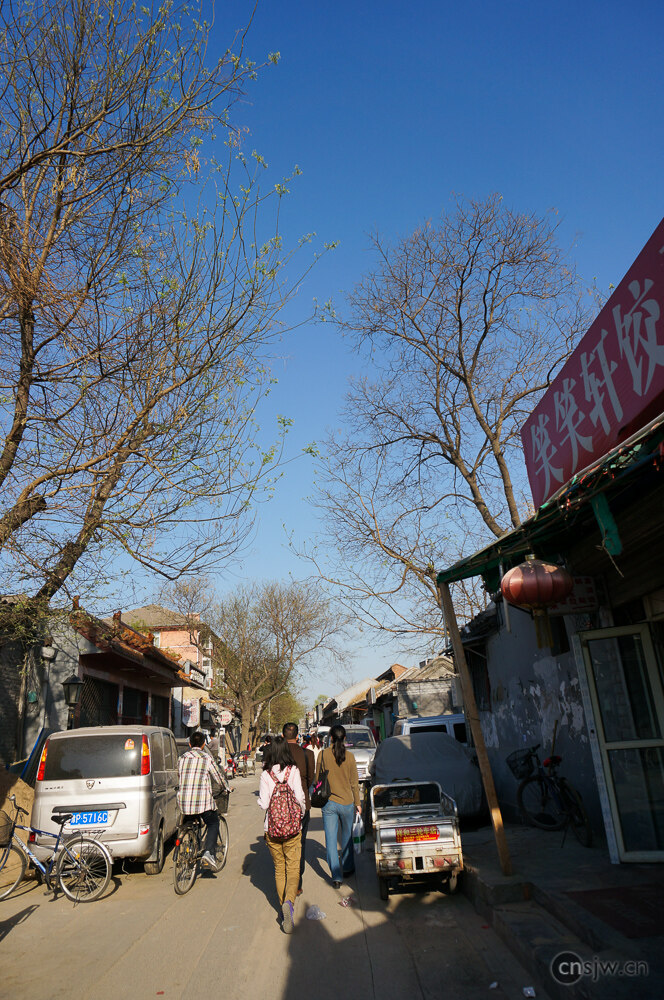
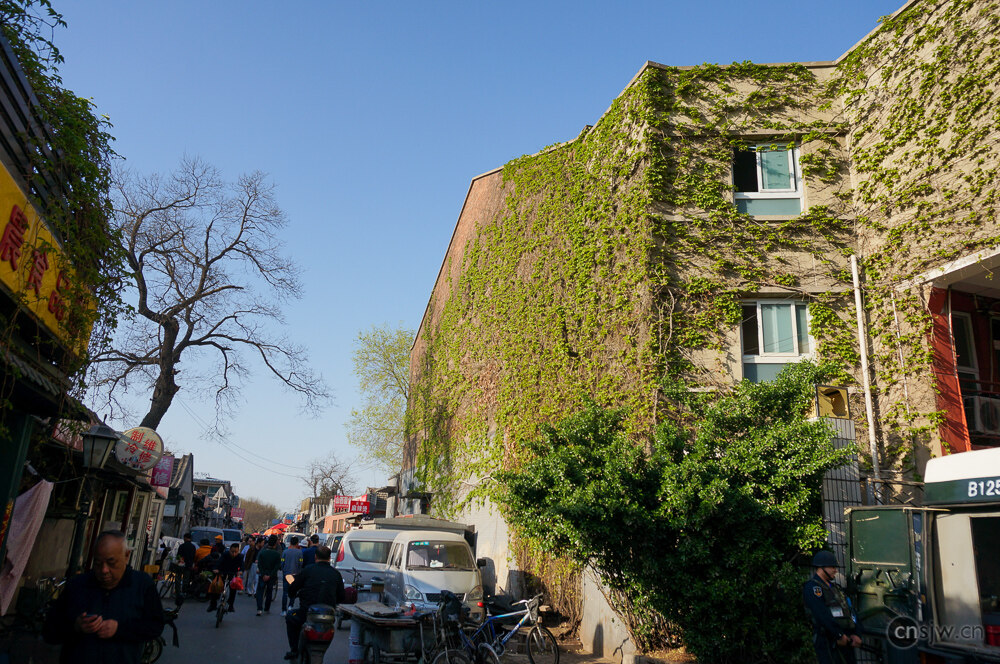
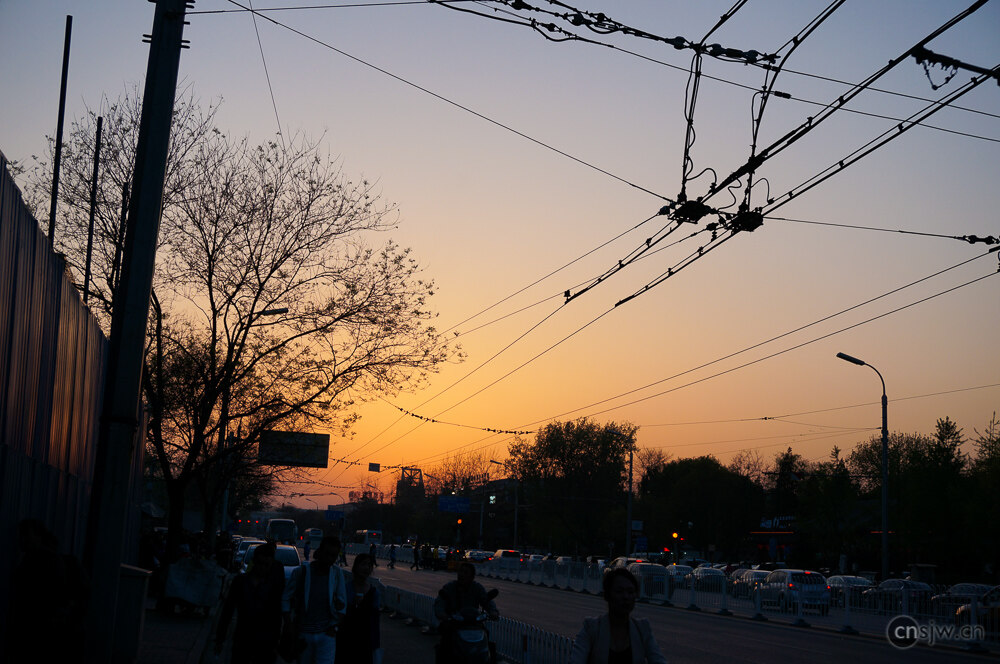
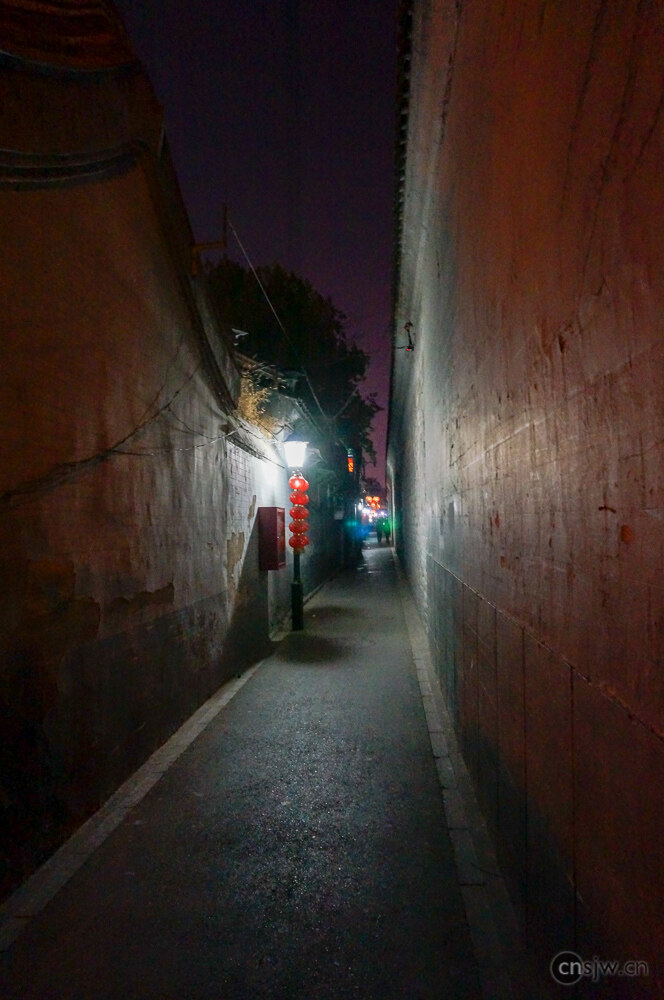
The route explored this time went roughly like this: Starting from Deshengmen, walking along Xinjiekou Street, turning into Da Yangjia Hutong, Huguo Temple West Alley, Xin Taiping Hutong, Front Luoquan Hutong, Rear Luoquan Hutong, and Huazhi Hutong… Coming out, we originally intended to visit Nanluoguxiang, but seeing the massive crowds making it impossible to squeeze in, we found a restaurant serving Imperial Court cuisine in Gongjian Hutong for dinner. Afterwards, we walked back to Deshengmen via Qianhai, Shichahai, and Houhai.
These hutongs aren’t particularly famous and are quite ordinary; most are still inhabited. They aren’t as tidy as those well-preserved hutongs. Later, I had the chance to visit Beiluoguxiang and Guozijian Street at night, where the commercial atmosphere was much stronger, featuring many shops that looked quite nice~~~~

Imperial Ice Cellar Courtyard
On Gongjian Hutong, there is a restaurant with a large red gate. The ambiance here is quite good—it’s an authentic old house with a spacious interior. Private rooms are located underground, and the service is rather local-style.
There is an ice cellar underground open for visitors, known as the Deshun Ice Cellar. During the coldest days of winter, when outside temperatures may drop to over ten degrees below zero, the interior remains around 6°C. In the peak of summer, when outside temperatures reach 37 or 38°C, the inside stays between 18 and 20°C. Its walls are 1.4 meters thick, providing excellent insulation; once the cold temperature is absorbed, it is very difficult for it to dissipate. There is also insulating material in the middle, offering superior thermal retention.
In the past, it served as the imperial palace’s giant refrigerator. Today, the restaurant uses it to chill dishes, fruits, beverages, and store wine.
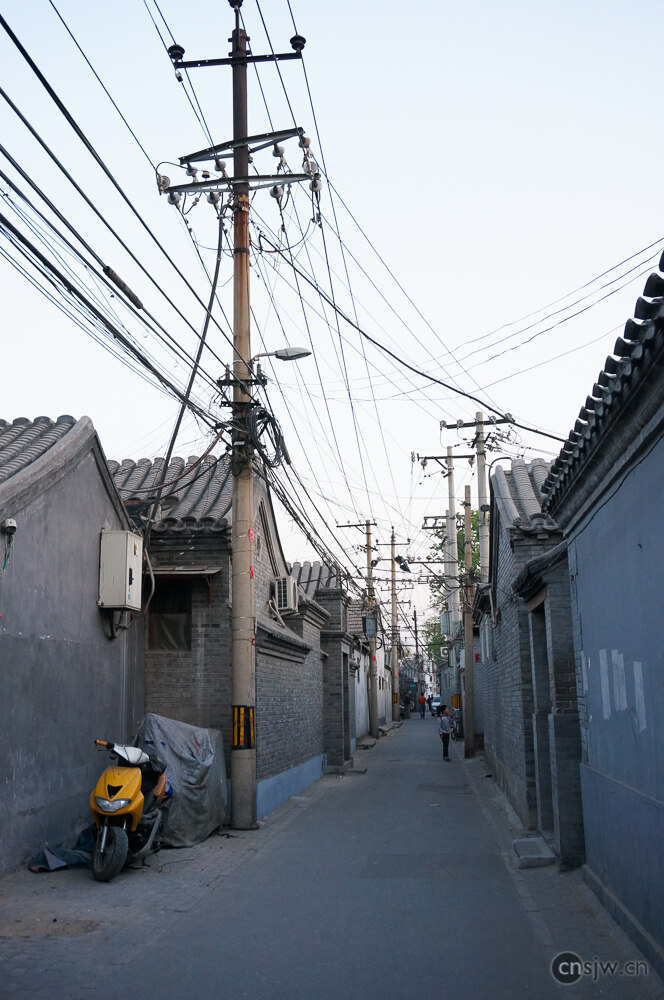
Gongjian Hutong
Qing Palace Roasted Lamb Leg: The lamb is very tender and well-seasoned, but the portion size is slightly large, making it a bit greasy for two people to finish.
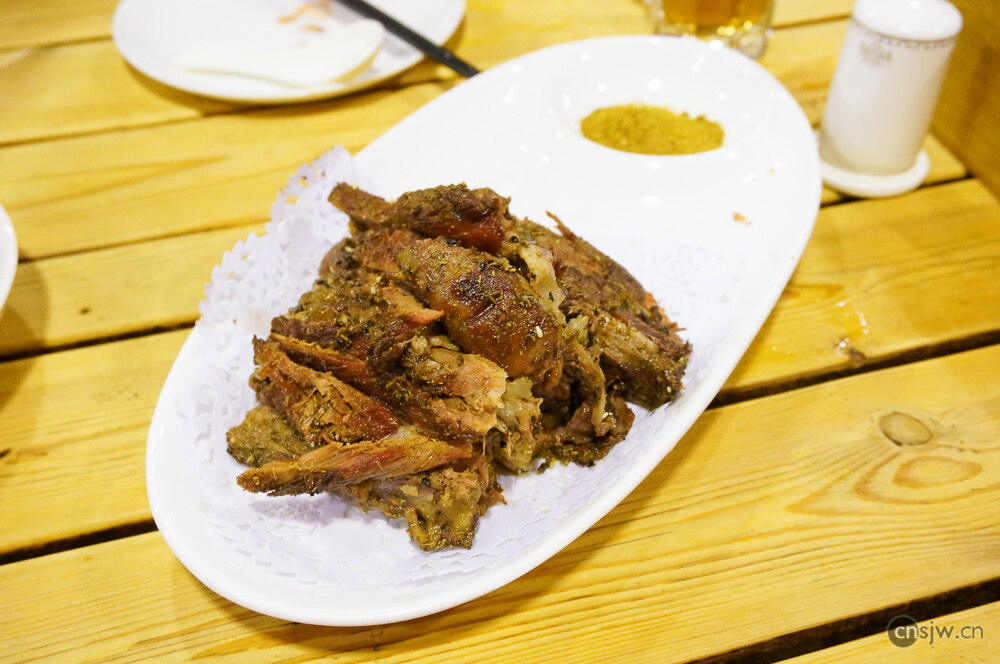
Qing Palace Roasted Lamb Leg
Secret Recipe Wine-Scented Pork: The flavor is somewhat similar to Cherry Pork; it’s also a relatively rich dish… Eating a piece or two is fine, though.
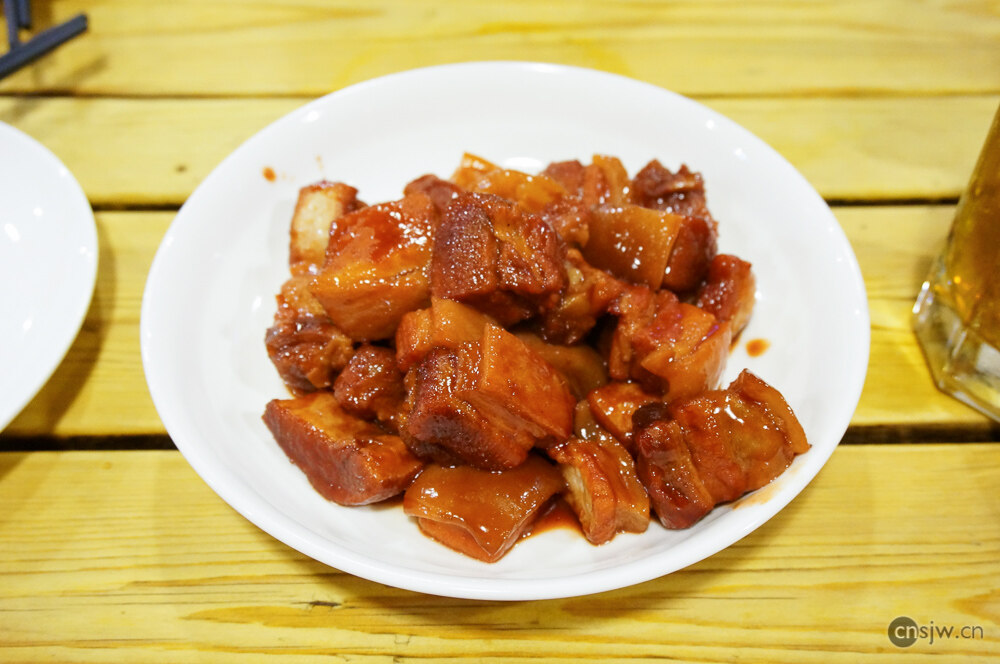
Secret Recipe Wine-Scented Pork
Stir-Fried Tofu Pudding: Honestly, it might as well be called Stir-Fried Tofu… It really has nothing to do with tofu pudding… But the taste isn’t bad~~~
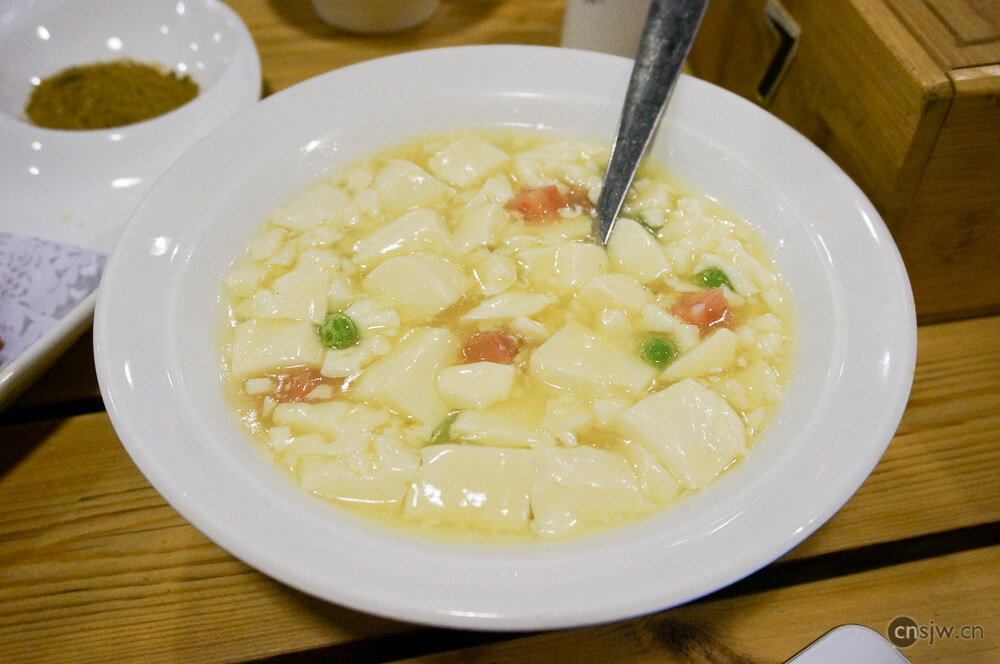
Stir-Fried Tofu Pudding
Old Beijing Fried Sauce Noodles: A total letdown; poorly made…
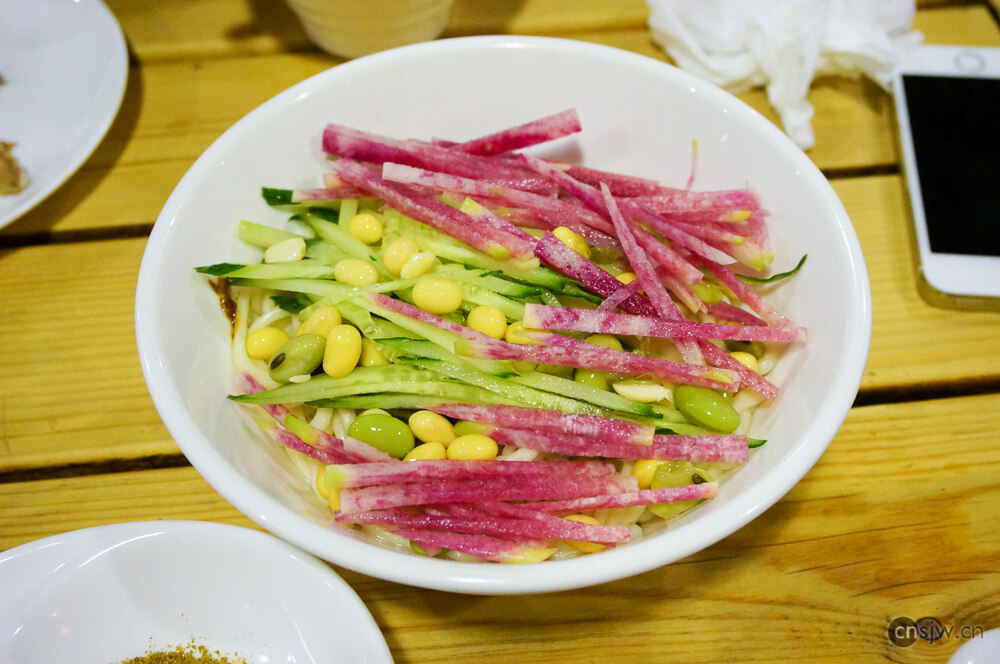
Old Beijing Fried Sauce Noodles
As for the Shichahai and Houhai areas, they are packed with bars and touts. When we visited, it was extremely crowded, and almost every bar had live singers performing mostly fresh acoustic tunes, folk songs, or classic oldies. Some resident singers were actually quite good, but most were mediocre… So it’s best just to stroll around and take a look.
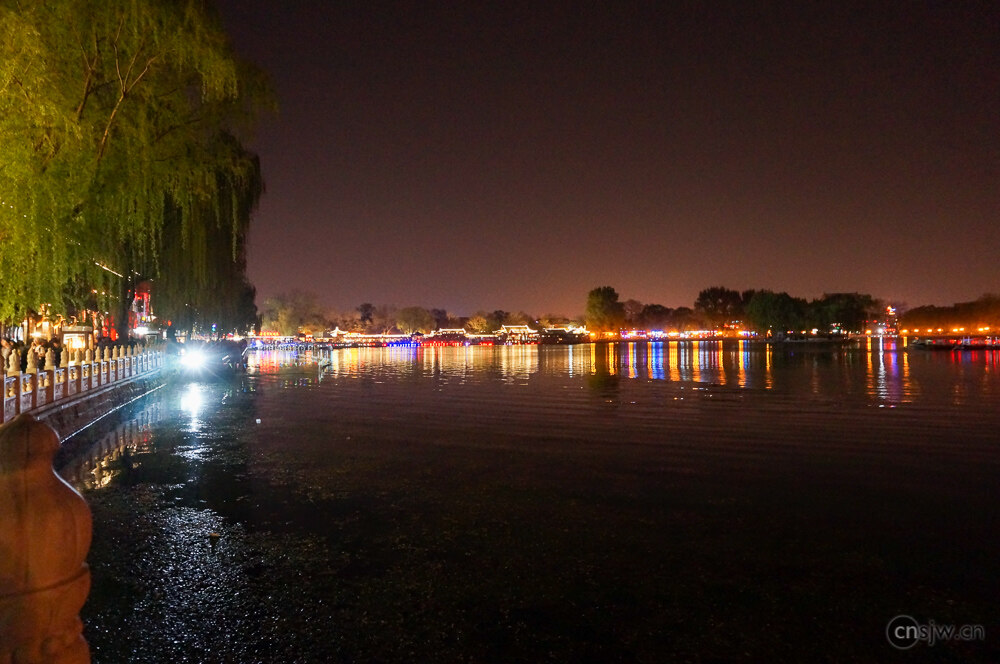
Photos in this post taken with SONY NEX-5R + 16-50mm f3.5-5.6, post-processed in Lightroom.

Support



Read this article on WeChat