
After a long drive, we passed several minor scenic spots along the way, each taking only about five minutes to see before moving on. Then we arrived at another major attraction: the Jinjiang Grand Canyon.
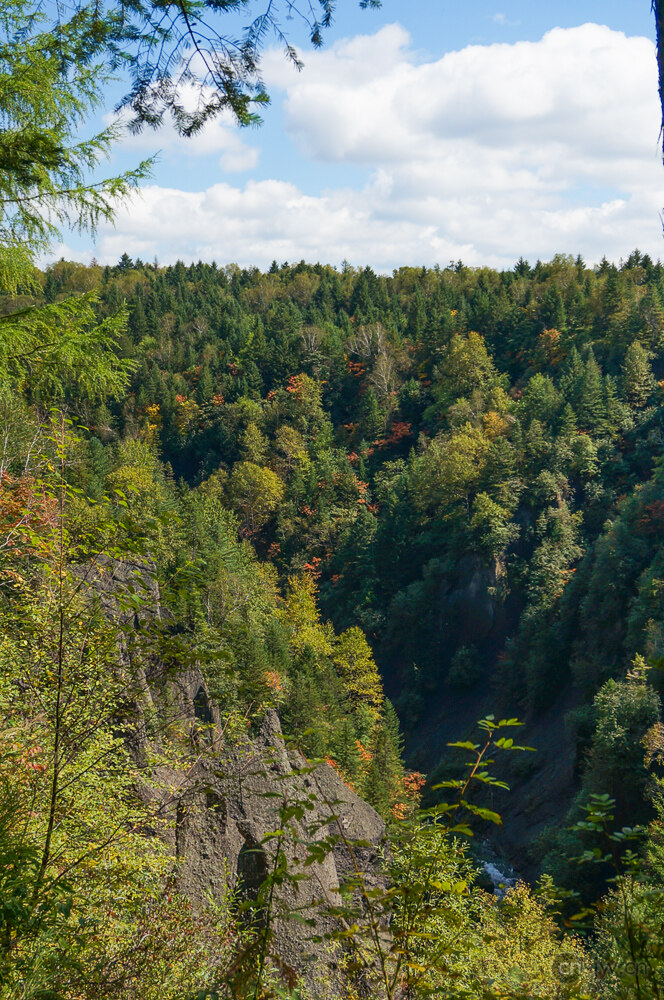
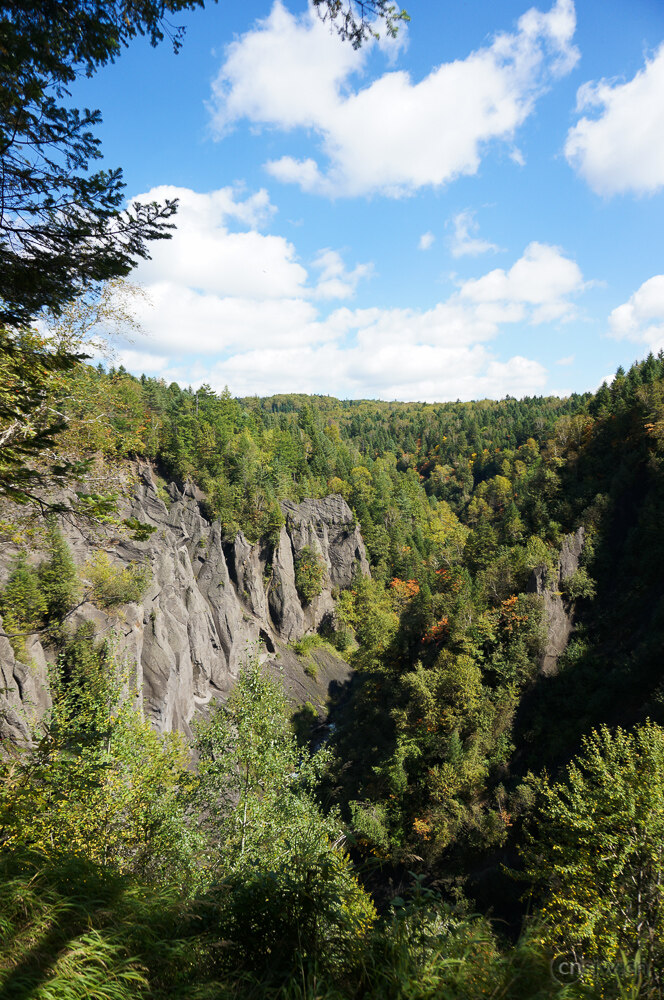
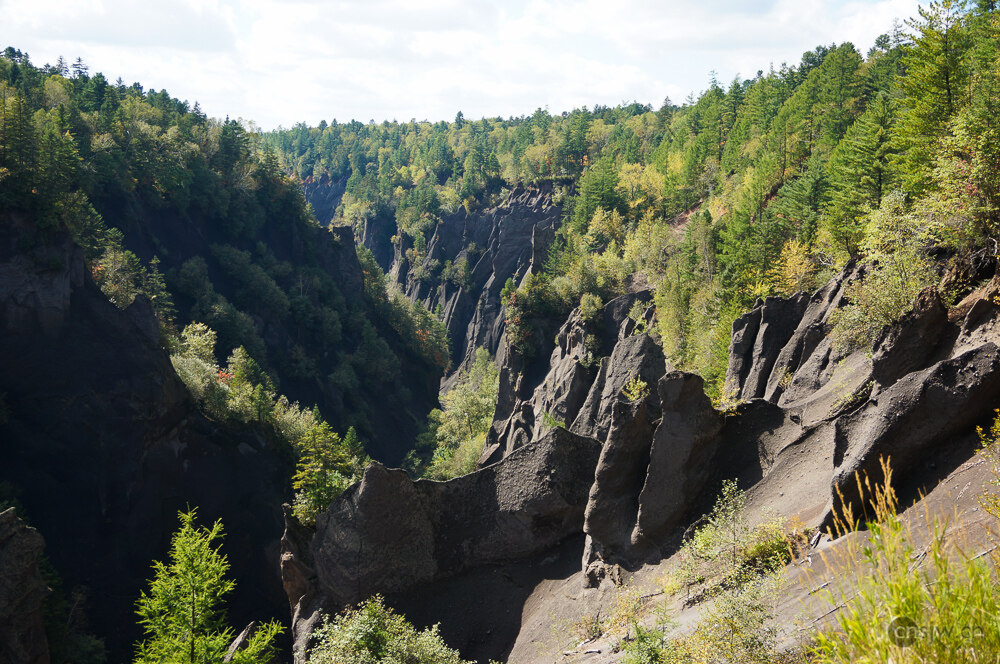
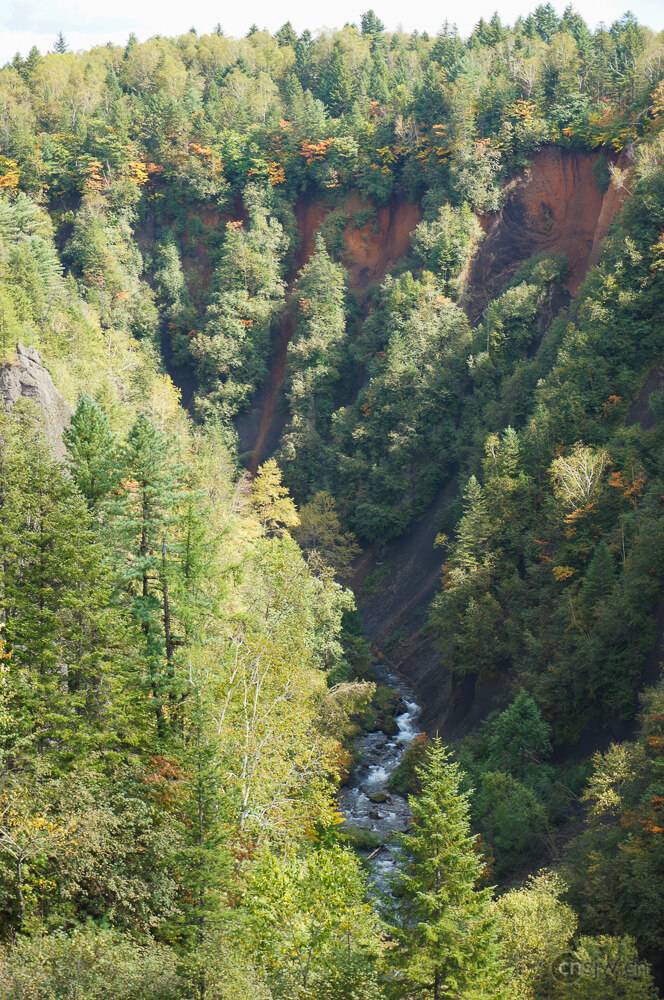
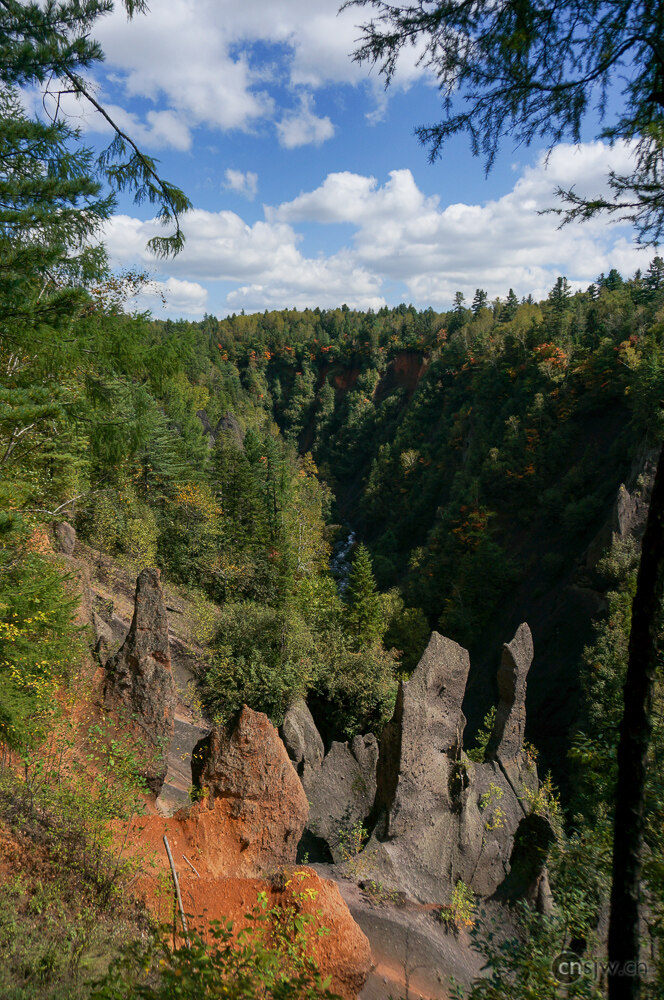
The Jinjiang Grand Canyon was formed over 1,000 years ago during a volcanic eruption of Changbai Mountain, when lava flows were shaped by millennia of tectonic fracturing and fluvial erosion. The canyon stretches 70 kilometers in length, reaches up to 300 meters in width at its widest point, and plunges to a vertical depth of 160 meters. Most sections of both banks feature steep, sheer cliffs, while peculiar lava stone peaks rise dramatically within the canyon itself.
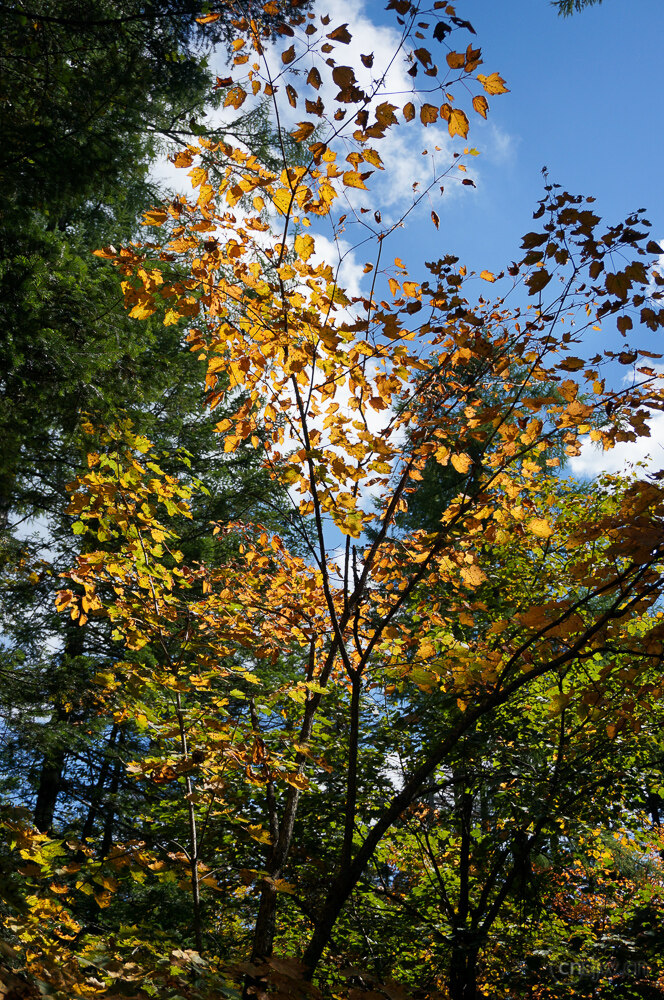
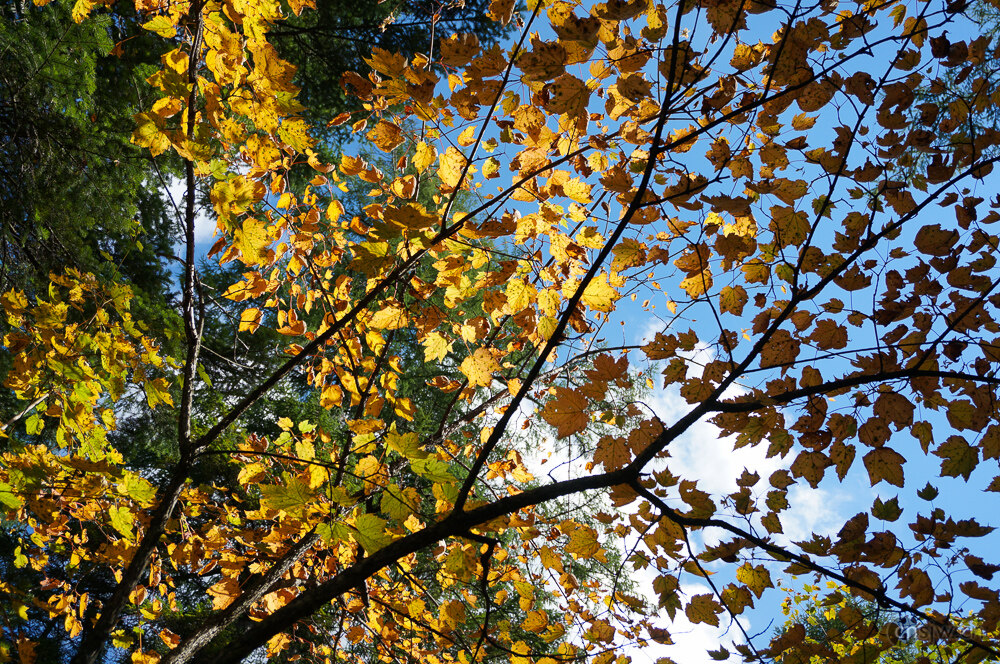
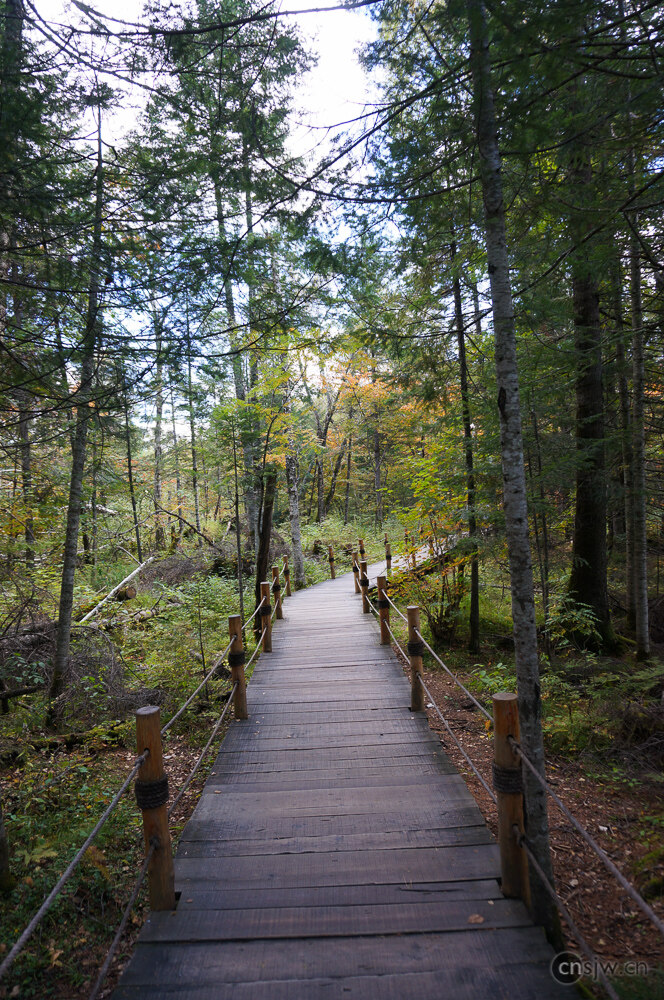
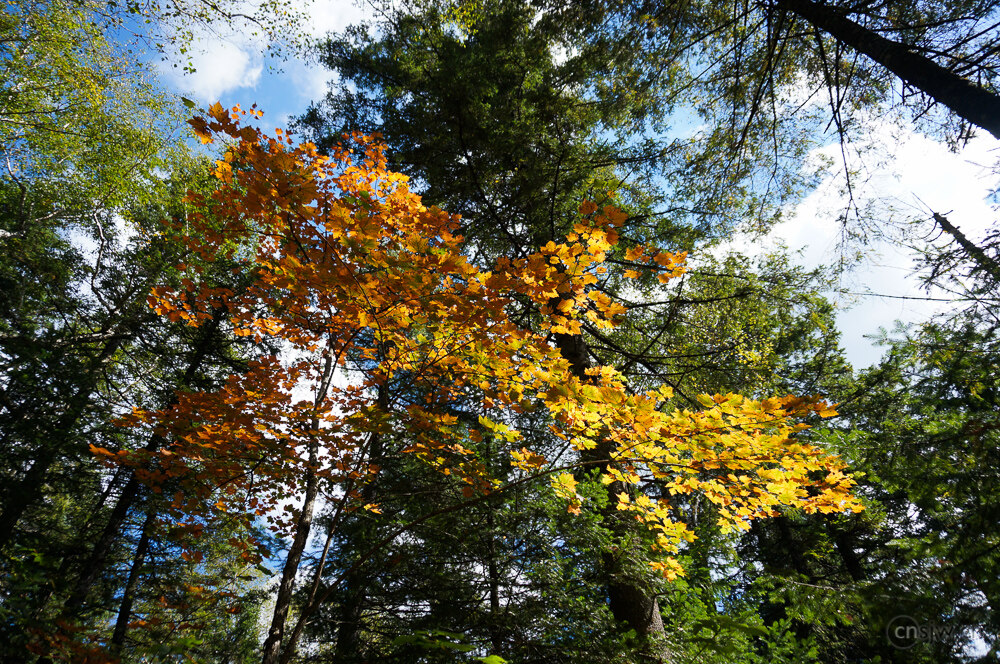
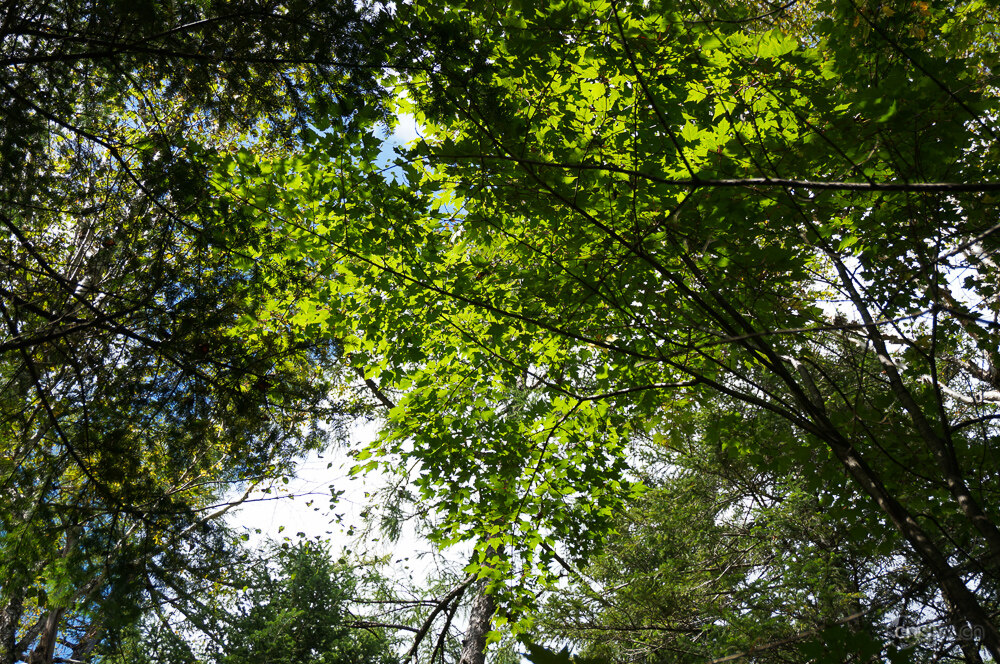
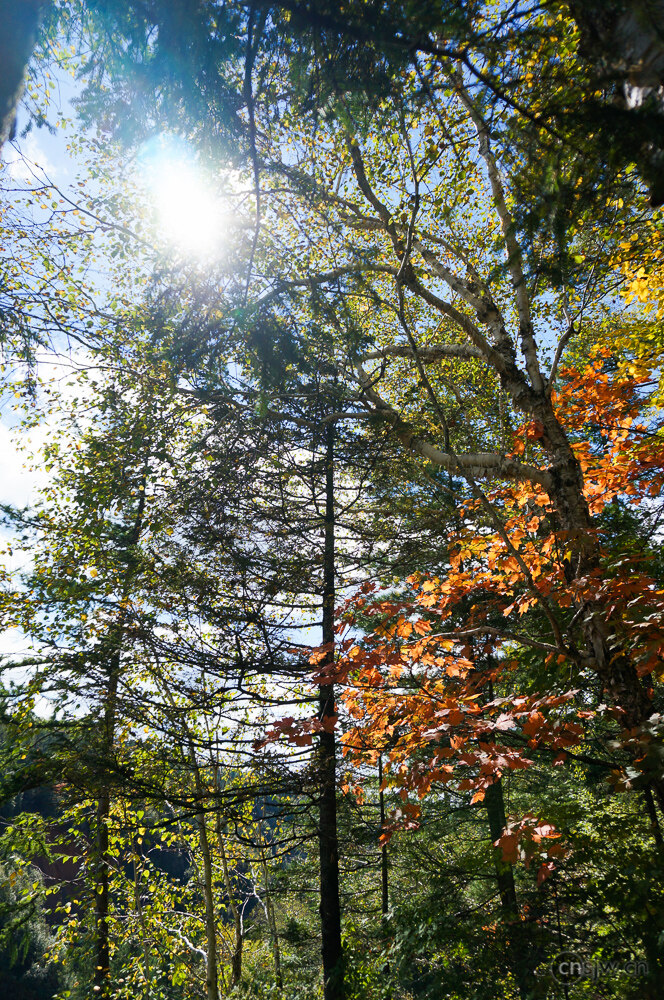
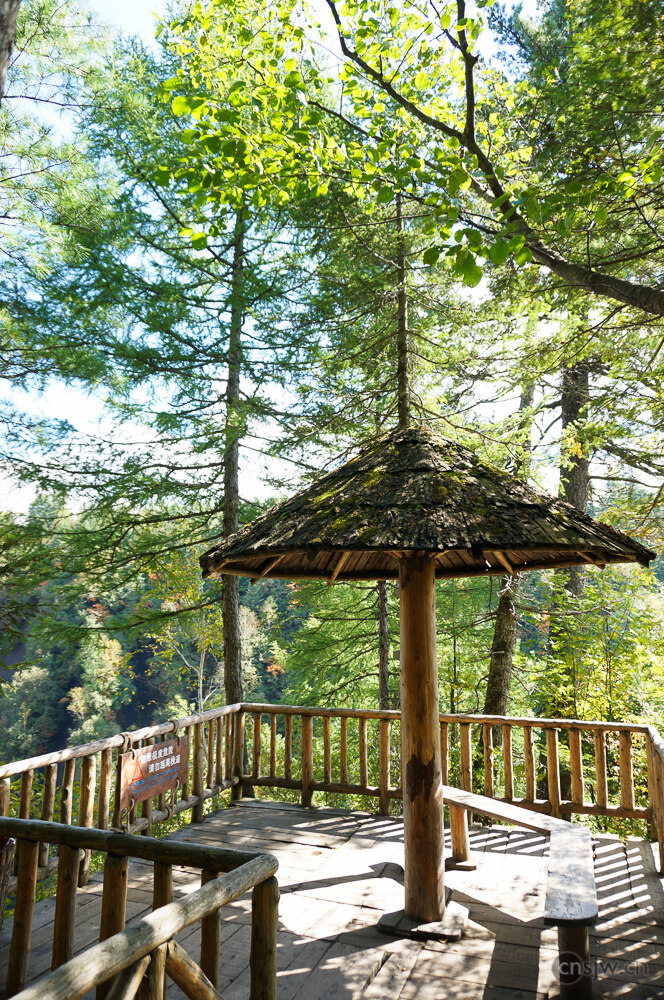
Exploring the canyon is done almost entirely on foot via well-maintained wooden boardwalks. In summer, the trees throughout the canyon are lush green; by late September, they gradually transition into a vivid mosaic of red, yellow, and green, creating distinct layers of color that are truly spectacular. We visited slightly early for peak foliage. By mid-October, the leaves begin to fall, and the scenery loses much of its appeal.
Enough said—let’s take a look at the photos:

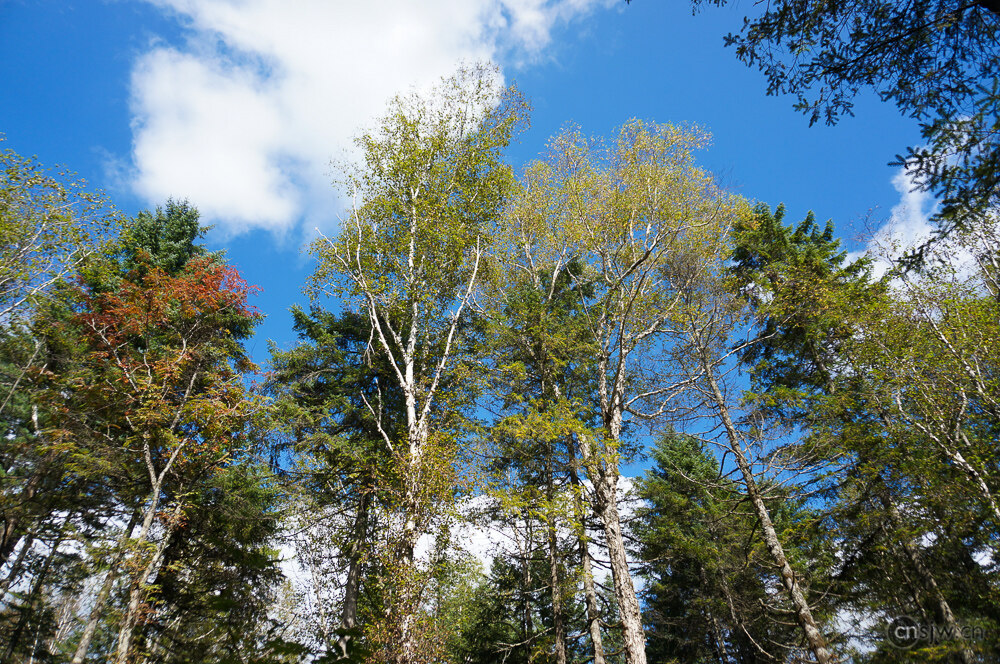
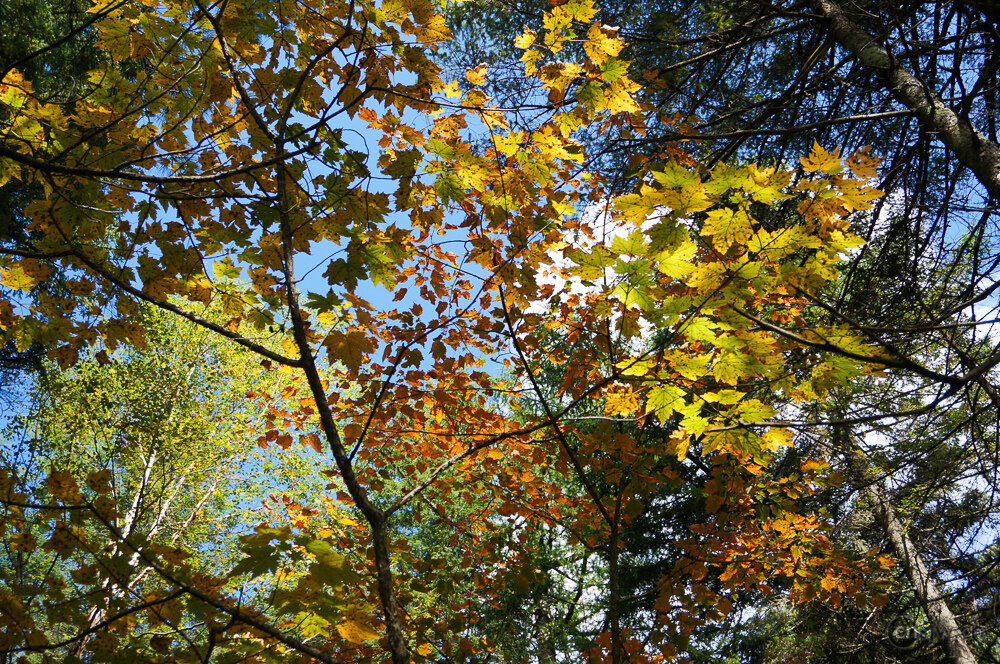
Photos in this post taken with a SONY NEX-5R + 16-50mm f/3.5-5.6 lens, post-processed in Lightroom.

Support



Read this article on WeChat