
Putuo Mountain is a small island among the 1,390 islands of the Zhoushan Archipelago. Surprisingly, despite having visited Zhoushan so many times, I had never been to Putuo Mountain before. It is the only one of China’s Four Sacred Buddhist Mountains located on the sea, enjoying the reputation of a “Buddhist Kingdom Amidst Sea and Sky.” My biggest impression from this visit was that it is far more developed than expected; facilities and dining options are all very comprehensive. The highest point of Putuo Mountain is Foding Mountain, with an elevation of approximately 300 meters.
Due to the pandemic, both entrance tickets and ferry tickets must be booked online (via official WeChat accounts) in advance. Our visit coincided with the Dragon Boat Festival mini-holiday. Heavy fog in the morning caused all ferries to suspend operations, leaving Wugongzhi Wharf packed with people. Although we arrived early at 8:30 AM, we could only wait for service to resume. After waiting about two hours, navigation resumed; surprisingly, by late morning, the crowds had actually thinned out. I must say the management level of the entire wharf is impressive—they handled this special situation with great experience. Ferries departed one after another, and soon all the waiting passengers were transported to Putuo Mountain.
Following online recommendations for our touring route, we first took a bus to the cable car station on the other side of the island to avoid the crowds and rode the cable car up the mountain. We went from Huiji Temple to Fayu Temple, then down to Puji Temple at the foot of the mountain, followed by the Unwilling-to-Leave Guanyin Monastery and the South Sea Guanyin Statue. This direction is the reverse of most visitors’ routes, making the trip not only more relaxing but also less crowded.
From the cable car, you can see the Baotuo Lecture Temple, which was built in recent years and looks truly spectacular.
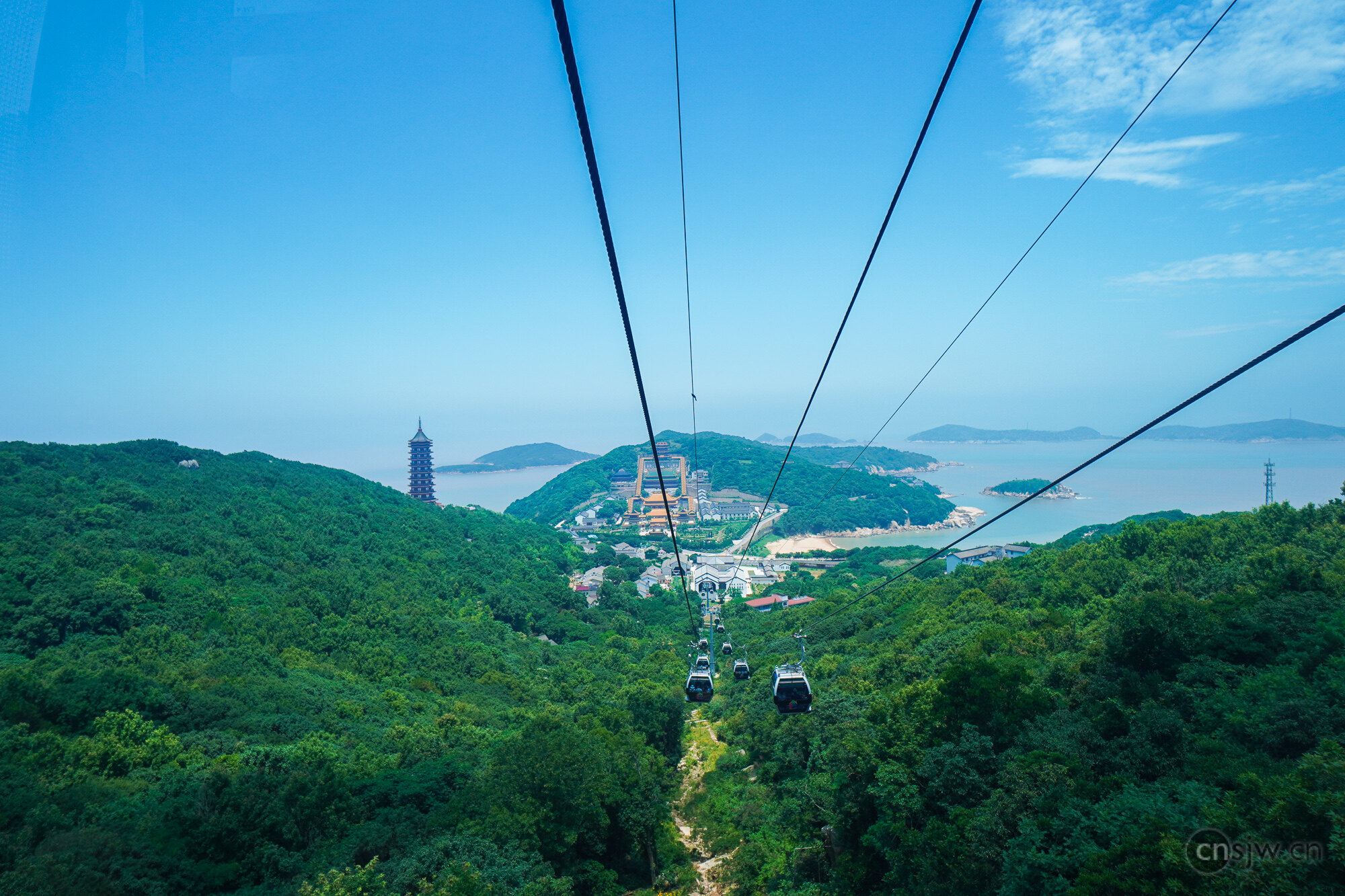
Huiji Temple, also known as Foding Mountain Temple, was first built during the Ming Dynasty. Its buildings are arranged in an orderly yet varied layout, featuring winding red walls and secluded corridors that evoke a sense of mystery.

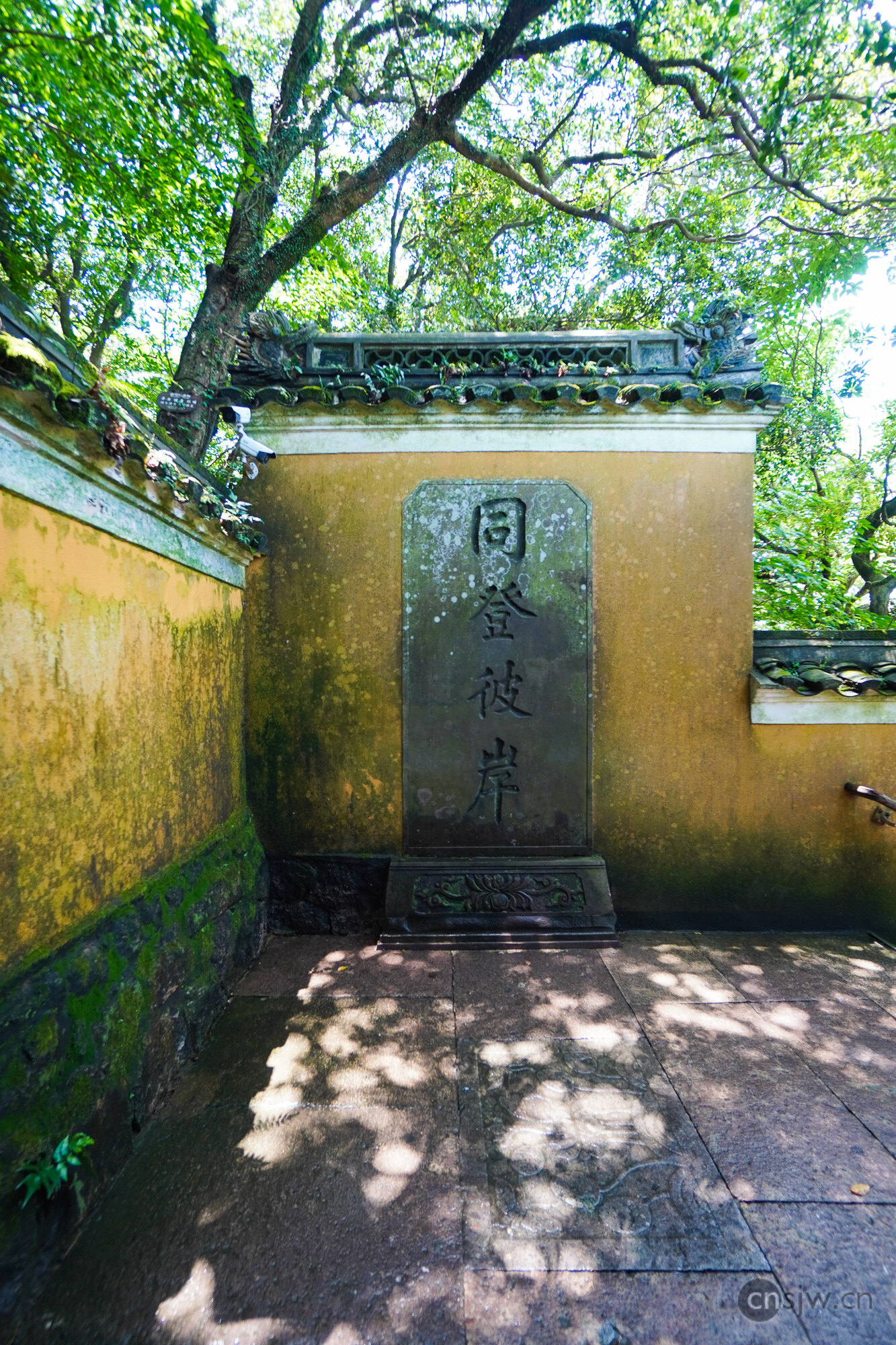
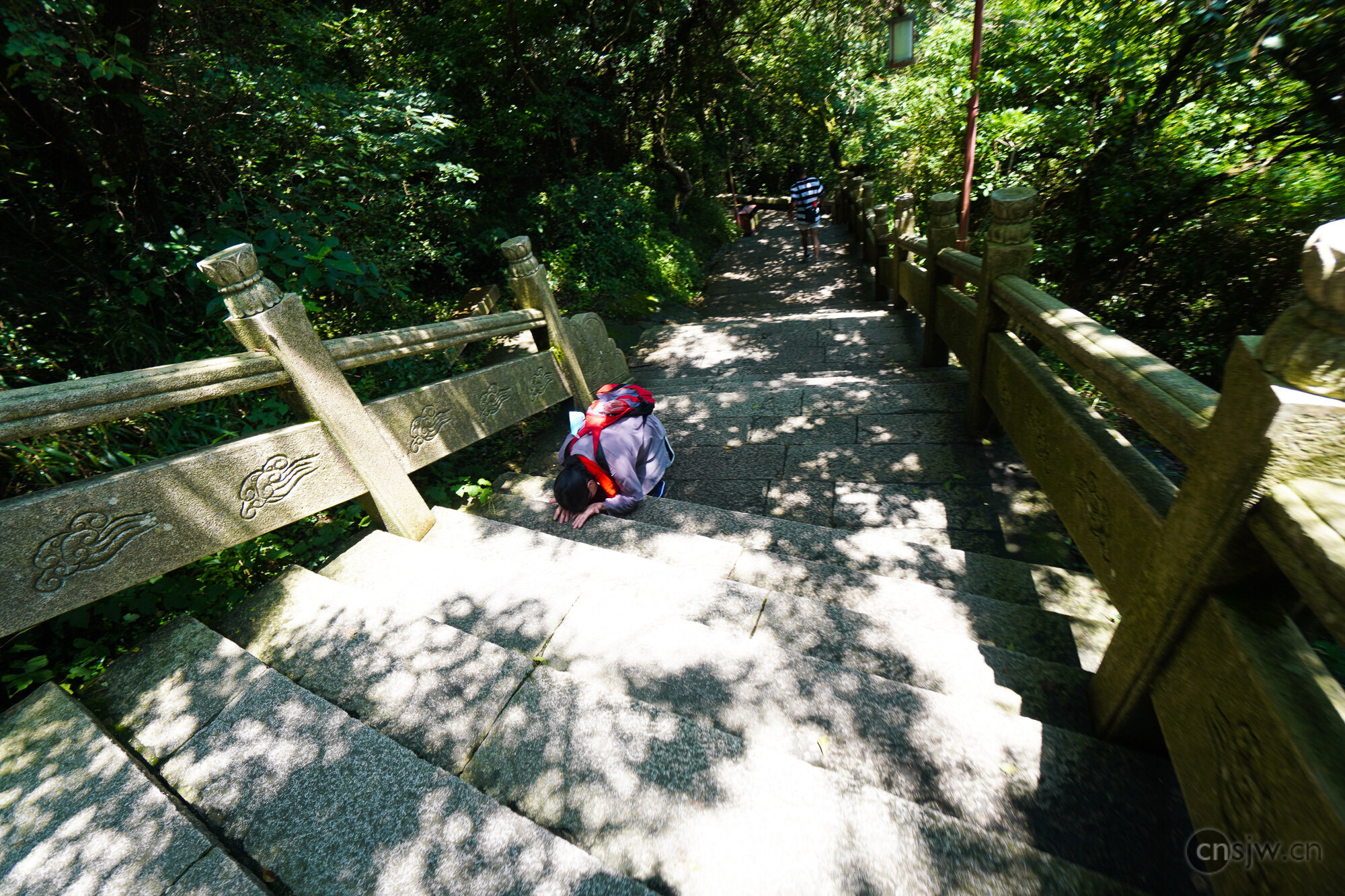
Walking down the Jue Road path, you can see many devout pilgrims prostrating themselves step by step as they ascend the mountain.

Fayu Temple, also known as the Rear Temple of Putuo Mountain, is located at the southern foot of the rear mountain. Founded in the eighth year of the Wanli reign of the Ming Dynasty (1580), it was originally named Haichao Nunnery. Later, Emperor Kangxi bestowed upon it a plaque reading “Heavenly Flowers and Dharma Rain,” and it was renamed “Fayu Zen Temple.” By the time we reached Fayu Temple, there were even more people, and commercial facilities were somewhat more developed, but I actually preferred the tranquility found higher up on the mountain.
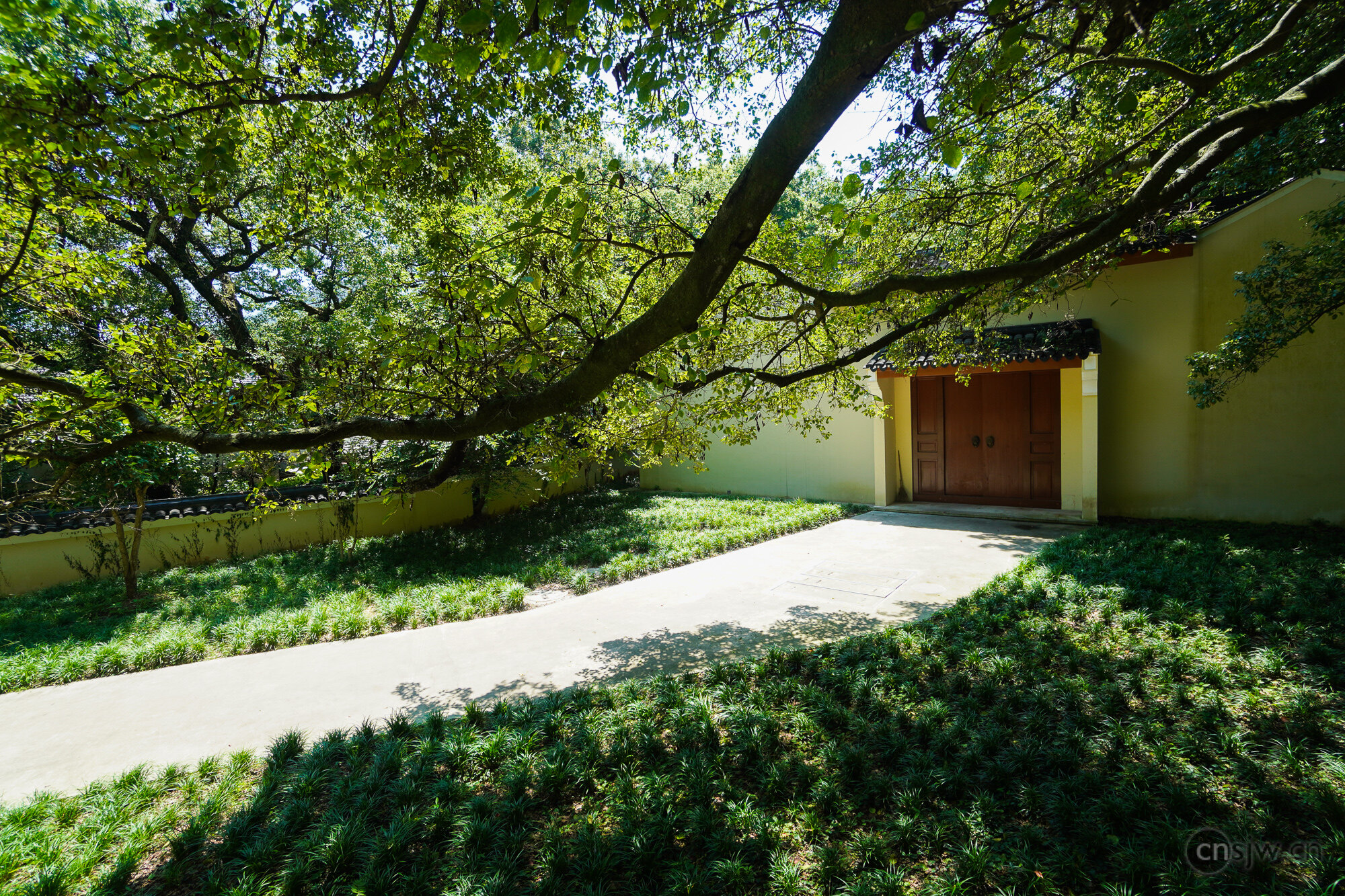
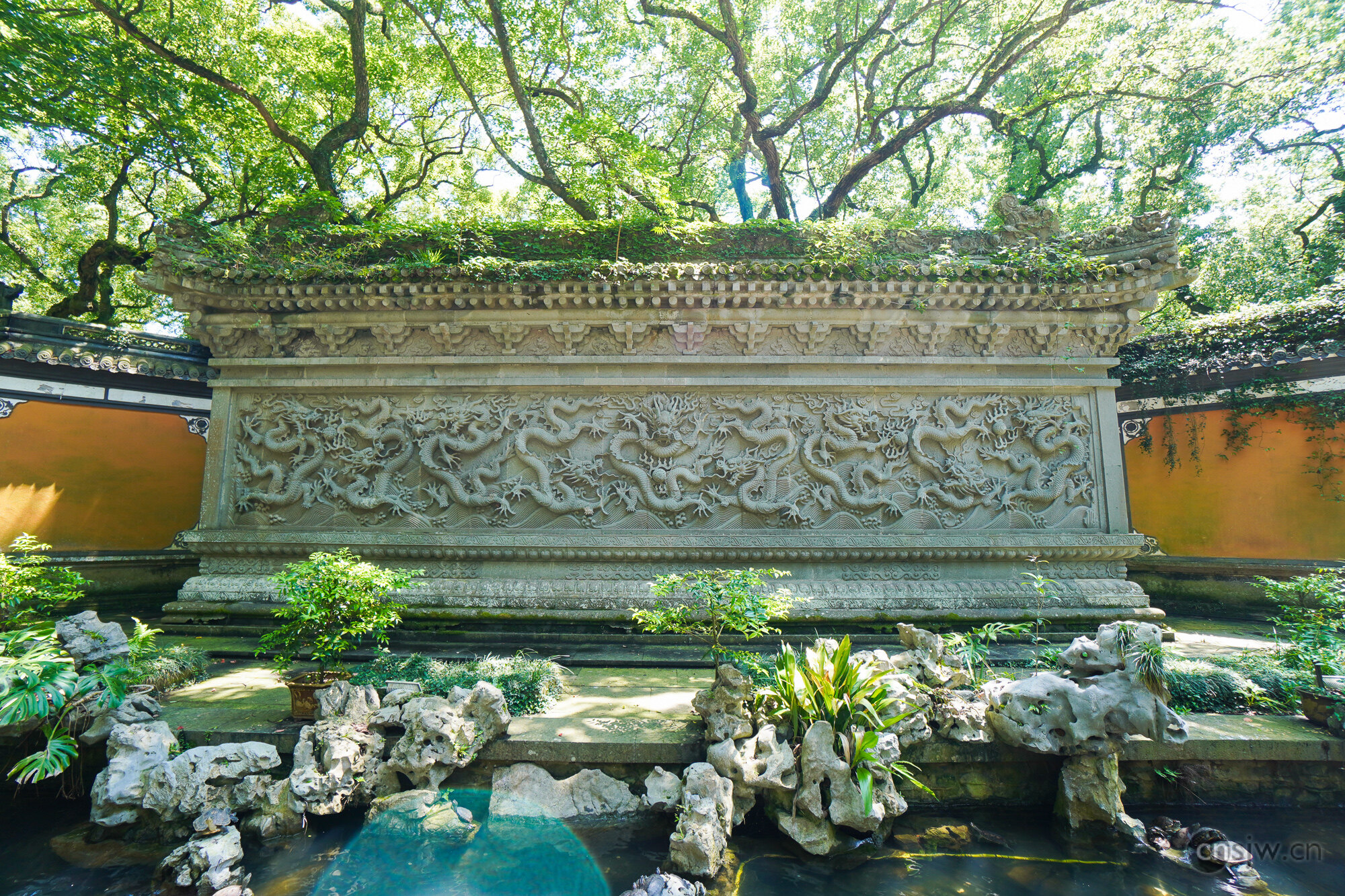

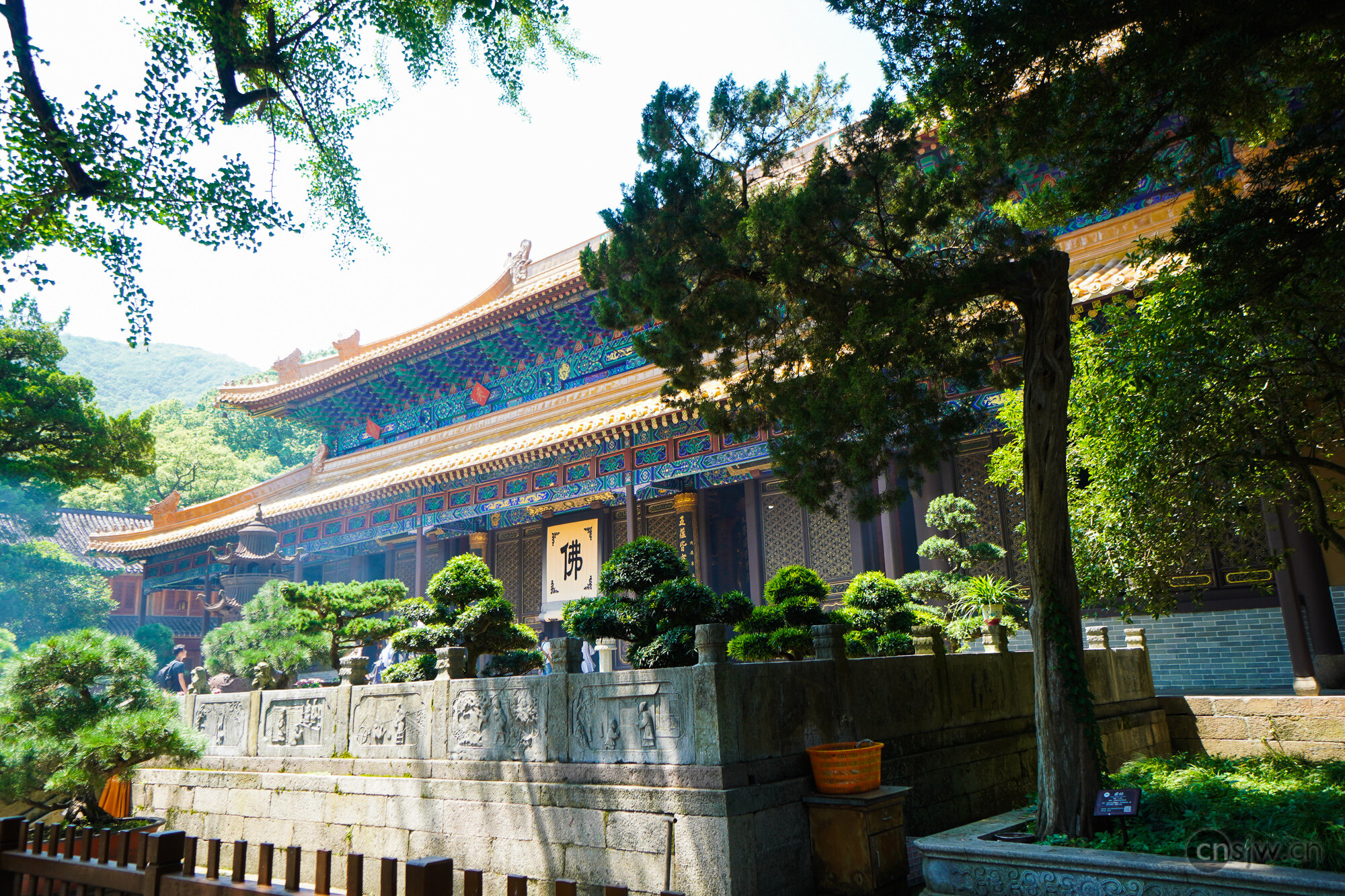

Throughout Putuo Mountain, the crowds were never too dense. Public transportation is well-developed, allowing access to any scenic spot by shuttle bus, and even walking along the paths is very peaceful and quiet.

Puji Temple, also known as the Front Temple of Putuo Mountain, originated as the “Unwilling-to-Leave Guanyin Monastery” in the late Tang Dynasty. It was renamed “Baotuo Guanyin Temple” during the Song Dynasty, and “Huguo Yongshou Putuo Zen Temple” during the Wanli period of the Ming Dynasty. It was finally renamed “Puji Zen Temple” after Emperor Kangxi of the Qing Dynasty bestowed the plaque “Universal Relief of All Spirits,” a name that has been used ever since. The temple features a famous lotus pond, the Yongshou Bridge from the Wanli period of the Ming Dynasty, and the Duobao Pagoda built in the second year of the Yuantong era of the Yuan Dynasty (1334).
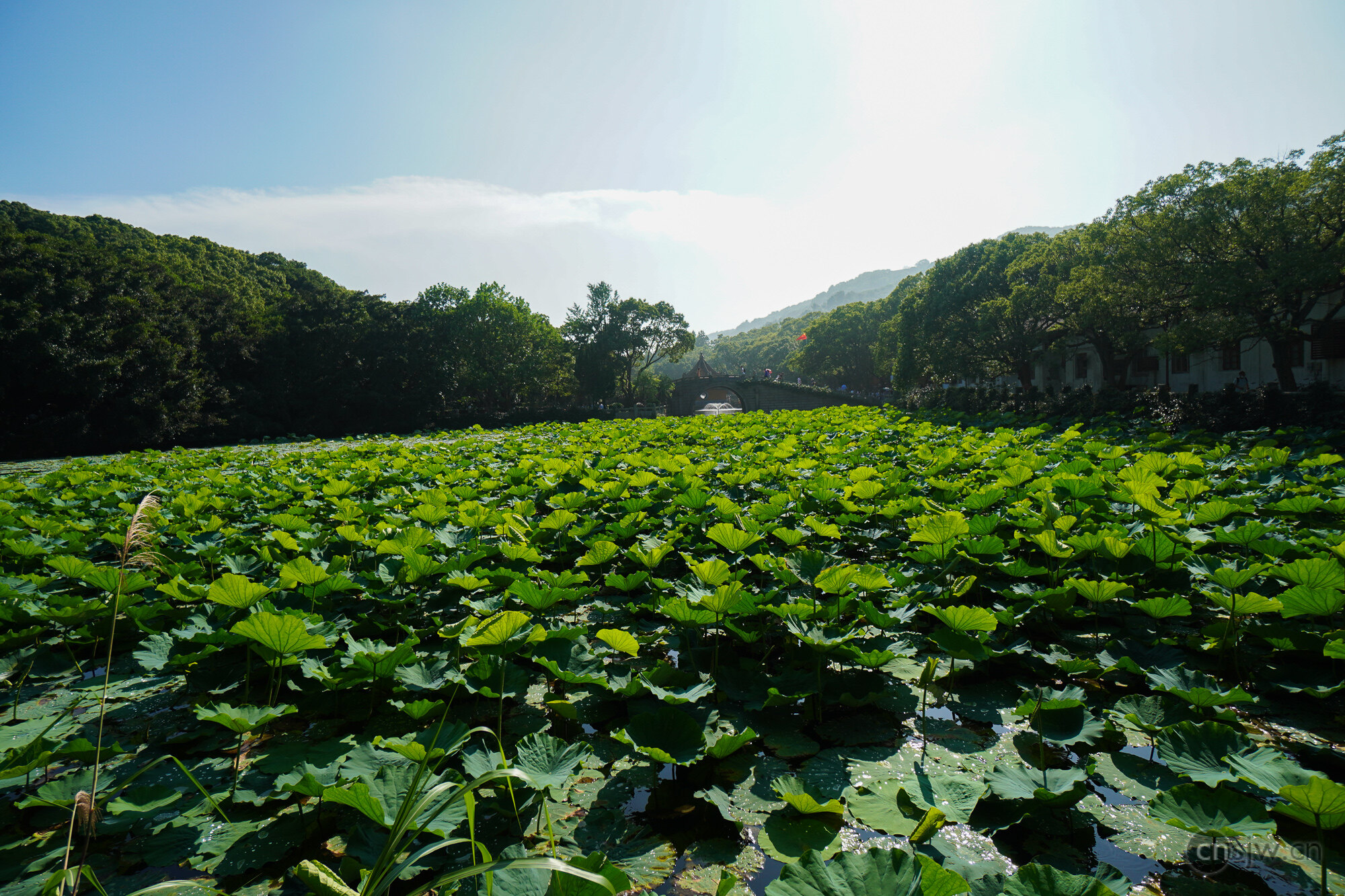
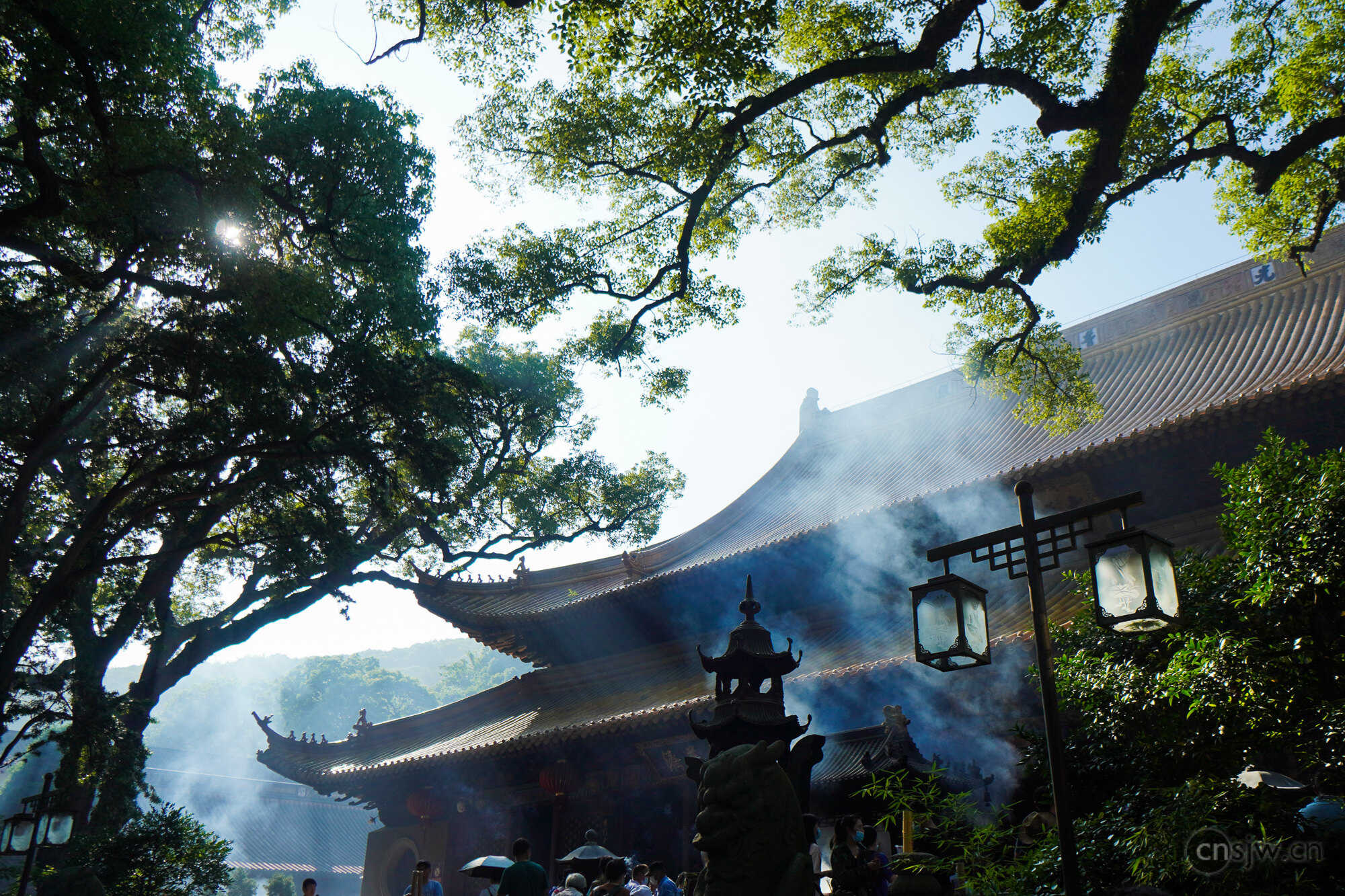
According to historical records, during the Tang Dynasty, the Japanese monk Master Egaku obtained a sacred statue of Guanyin from Mount Wutai and attempted to bring it back to Japan. As his ship passed the waters near Putuo Mountain, iron lotuses encircled the vessel. Interpreting this as a sign that the Bodhisattva was unwilling to travel east, he left the statue on the mountain. A local resident named Zhang witnessed this maritime miracle and donated his house to enshrine the statue, giving rise to the name “Unwilling-to-Leave Guanyin Monastery.” This event marked the origin of Buddhist culture on Putuo Mountain, officially establishing it as a sacred site for the manifestation of Guanyin Bodhisattva. The current Unwilling-to-Leave Guanyin Monastery is a Japanese-style temple newly built around 1990. Outside, by the seaside, there is a pavilion and many Podocarpus trees, making it an excellent spot for photography.

Finally, we visited the famous South Sea Guanyin Statue. Built in 1996, the standing statue has a total height of 33 meters, comprising a 13-meter-high pedestal and an 18-meter-high bronze figure. Be sure to note that entry to this attraction closes at 5:00 PM. We were lucky enough to get in just 10 minutes before closing.
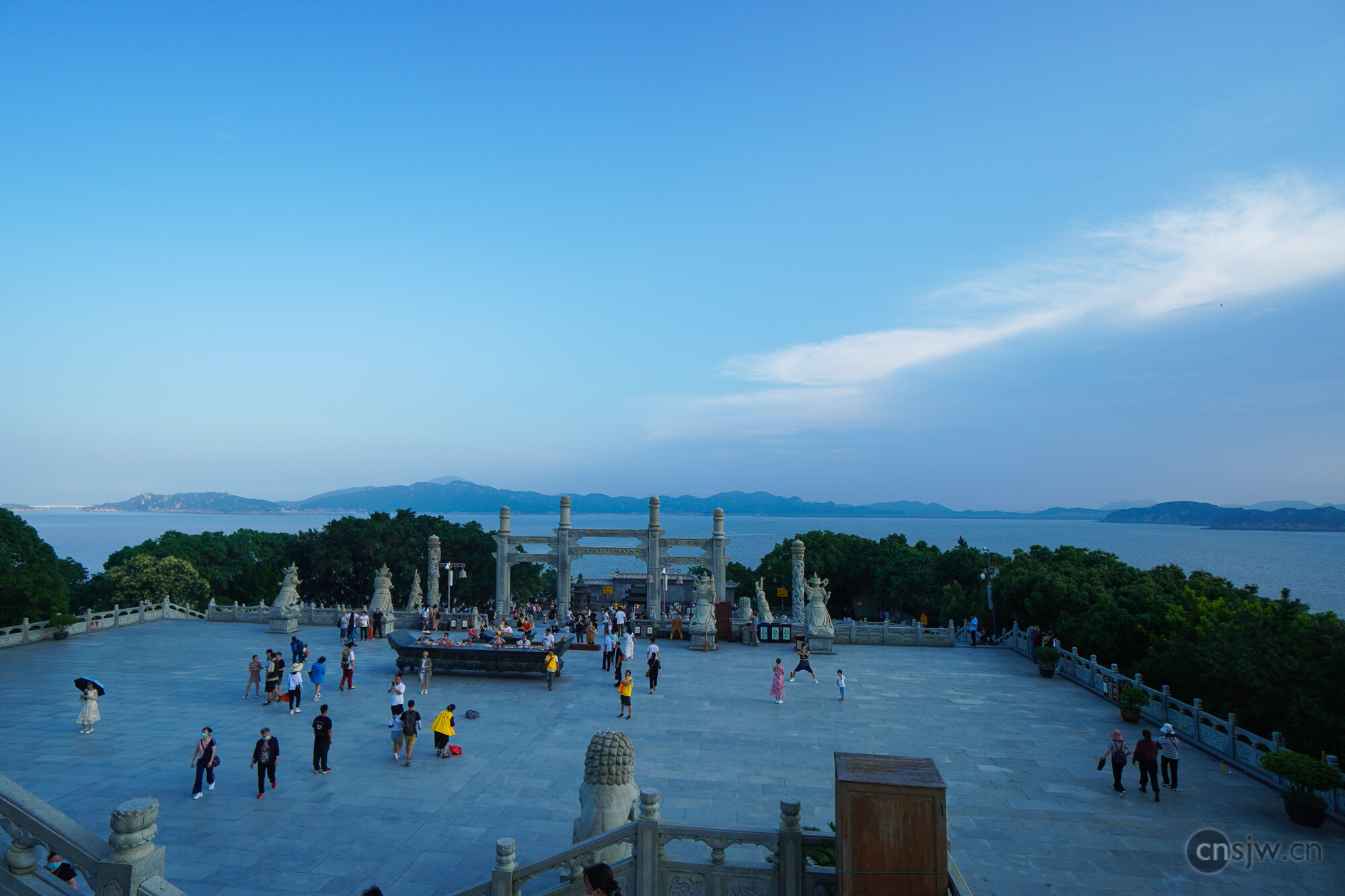
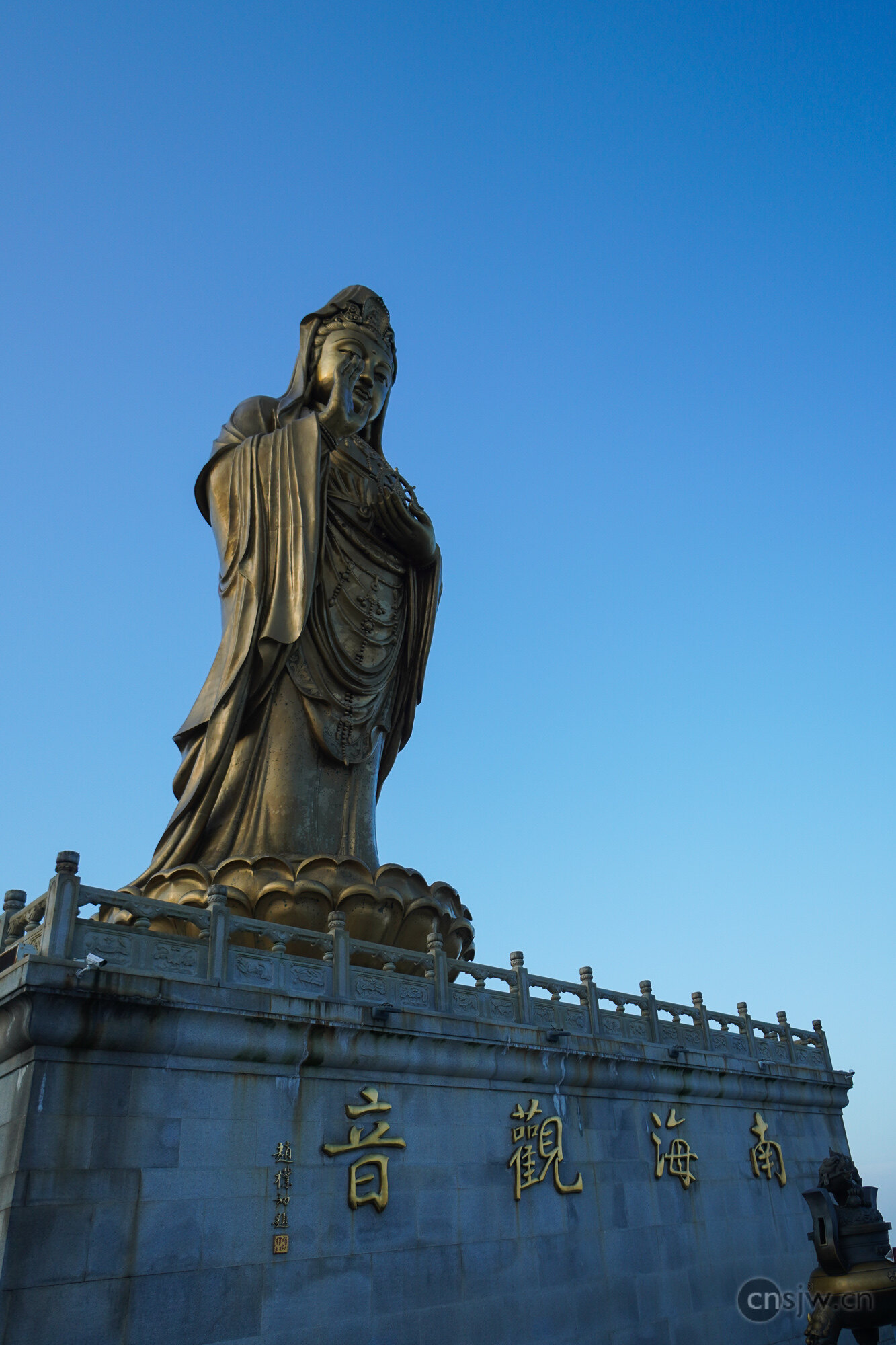
Afterward, we took a ferry back to Zhoushan and had lunch at the Chinese restaurant in the Landison Manor. The food was decent and the ambiance pleasant, making it a nice resting spot midway through the trip. Overall, Putuo Mountain boasts beautiful scenery, highly developed tourism infrastructure, and excellent maintenance, fully living up to its status as a 5A-rated tourist attraction. It is definitely worth a visit.




Support



Read this article on WeChat