
Due to the pandemic, it has been a full four years since my last visit to Hong Kong. This time, I was able to return thanks to winning free Cathay Pacific tickets in a giveaway by the Hong Kong government. My itinerary this trip was quite limited, basically staying within the Tsim Sha Tsui area, which is entirely walkable. The few spots I explored all fell within this zone, and I’ll go through them one by one below.
K11 MUSEA
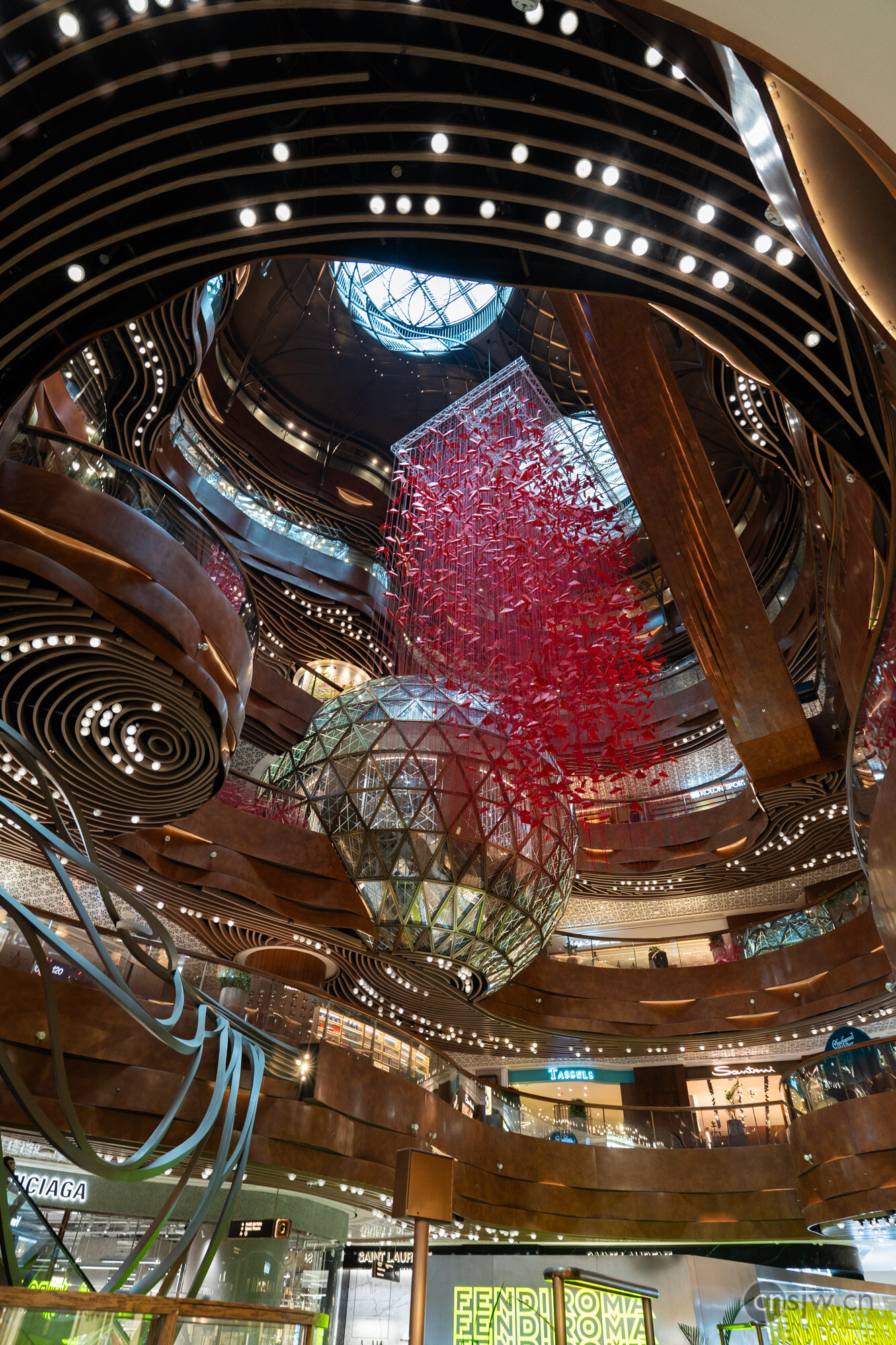
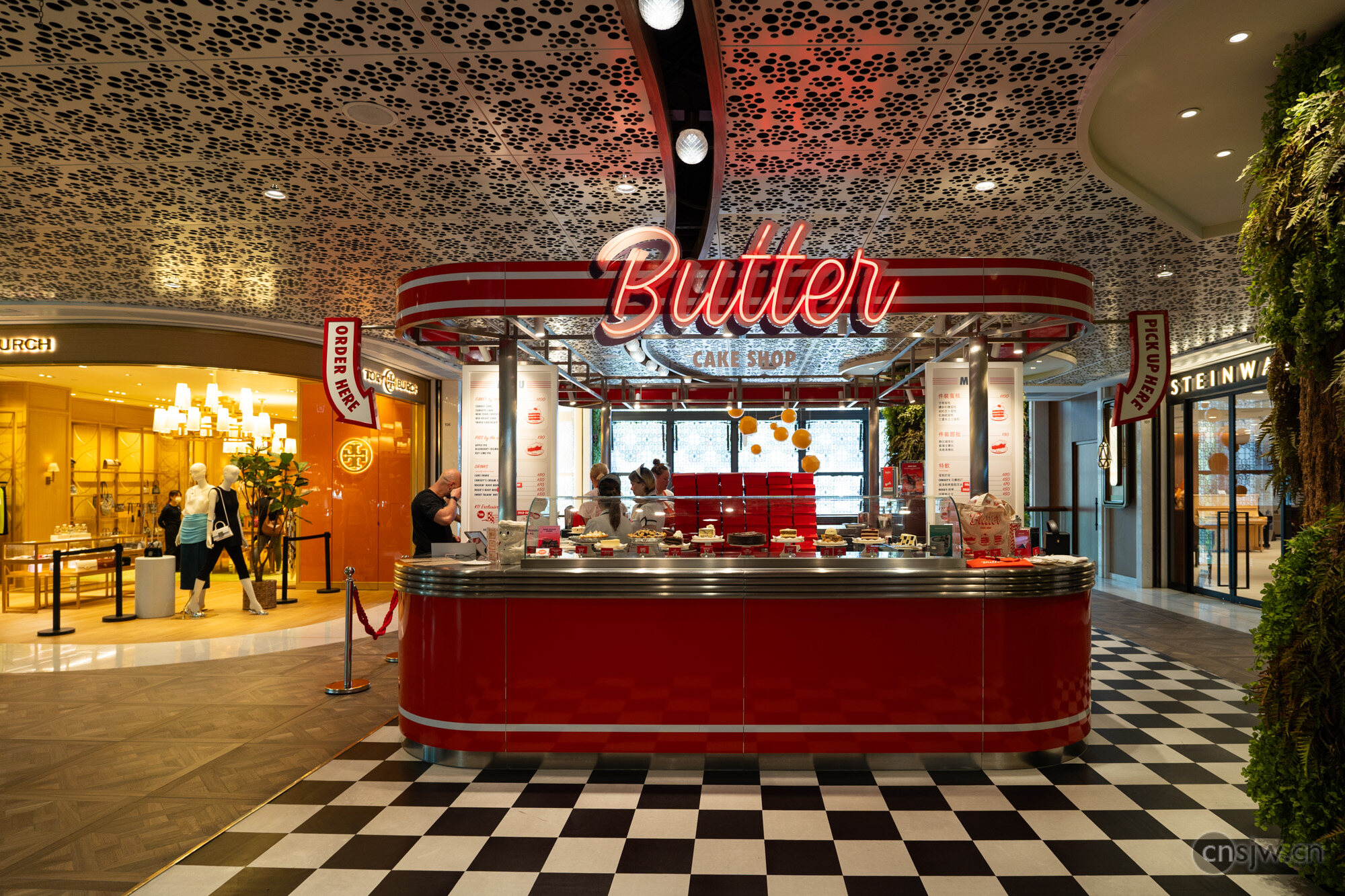
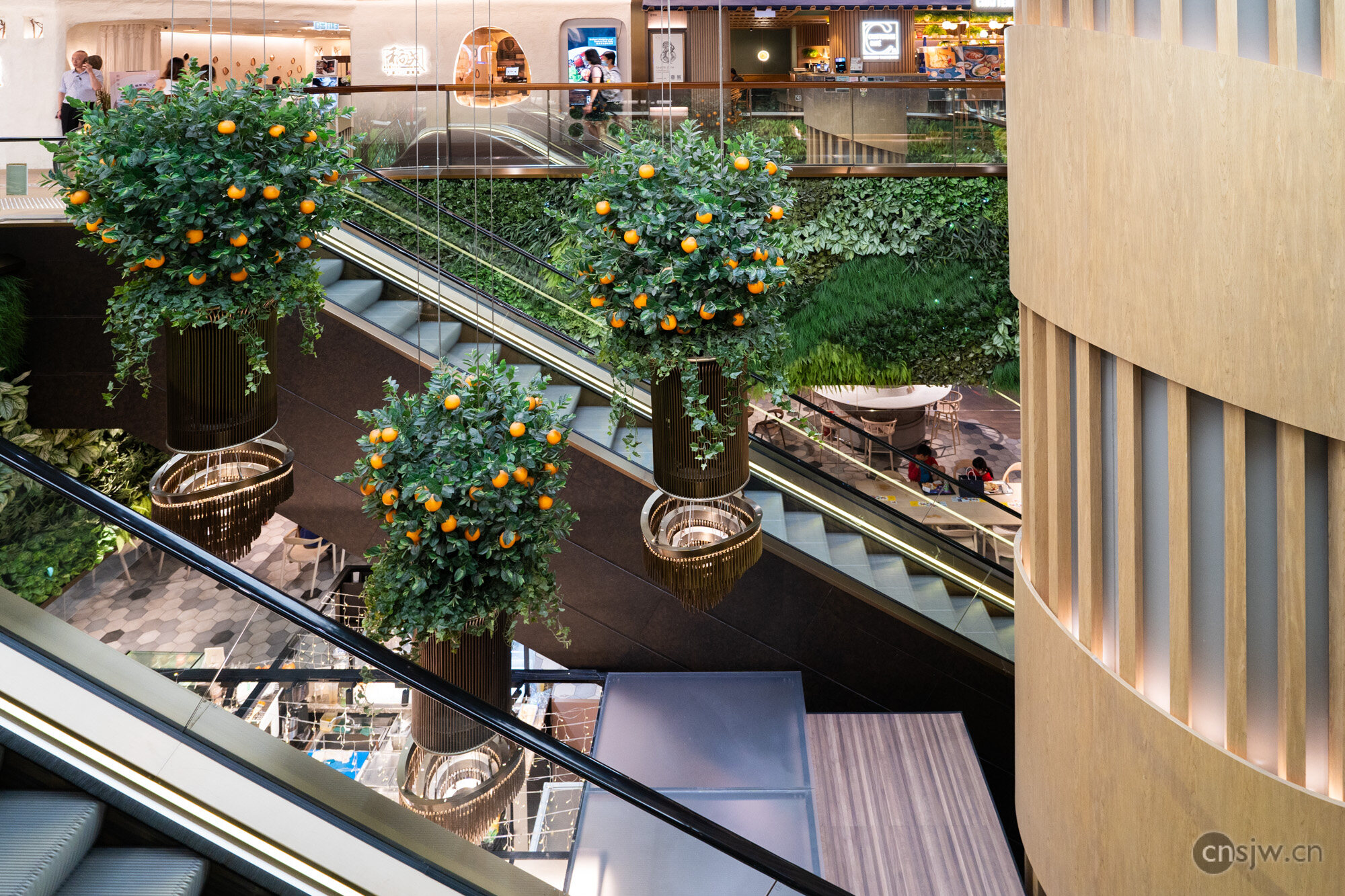
K11 MUSEA, a new mall under New World Development’s K11 brand in Hong Kong, actually opened in the second half of 2019. Operating on the concept of a ‘retail art gallery,’ the mall spans 10 floors from B2 to Level 7, each featuring a unique design theme that makes for a fascinating experience. Connected directly to the MTR and Rosewood Hong Kong, the mall houses luxury boutiques, a cinema, MoMA Design Store, PURE Fitness, as well as numerous Michelin-starred restaurants and Japanese imports. The public spaces are expansive, including an open-air lawn on the 6th floor, with plenty of art installations and greenery indoors, making it a delightful place to explore.
Yung Yung Art Taste Hall
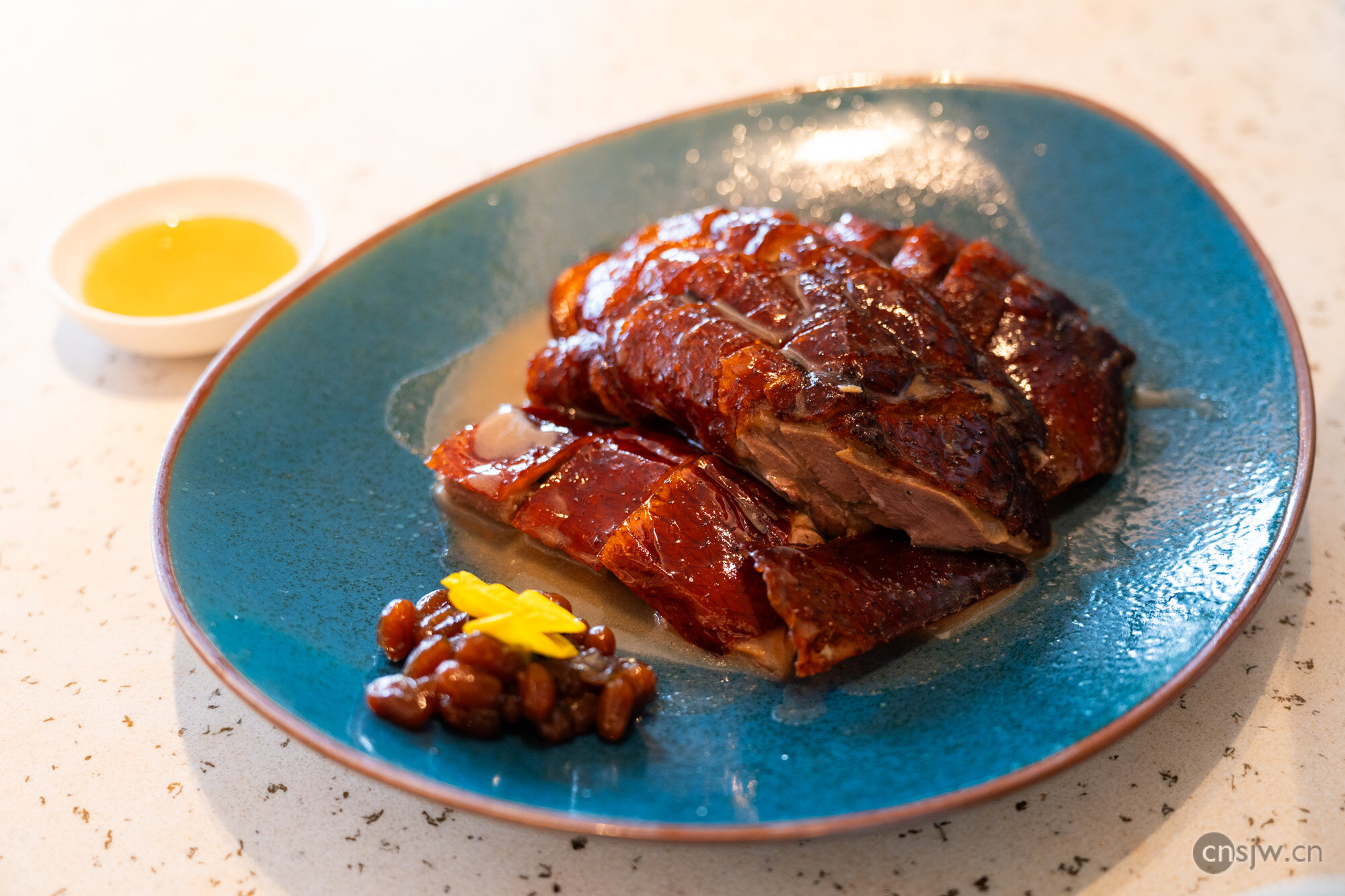
On the 6th floor of the mall, past the outdoor lawn, lies ‘Yung Yung Art Taste Hall,’ a younger sub-brand of the renowned heritage roast goose restaurant Yung Kee. While the descendants of Yung Kee have branched out to open their own separate establishments, it’s interesting to see the original family launching this new concept. You can’t visit a Yung Kee-related spot without trying the roast goose; it truly delivers that signature aroma. The meat is boneless, exquisitely sliced, drizzled with sesame sauce, and not overly fatty—exactly how I like it.
All dim sum items are steamed fresh to order. I tried a few varieties, and the quality was consistently excellent.
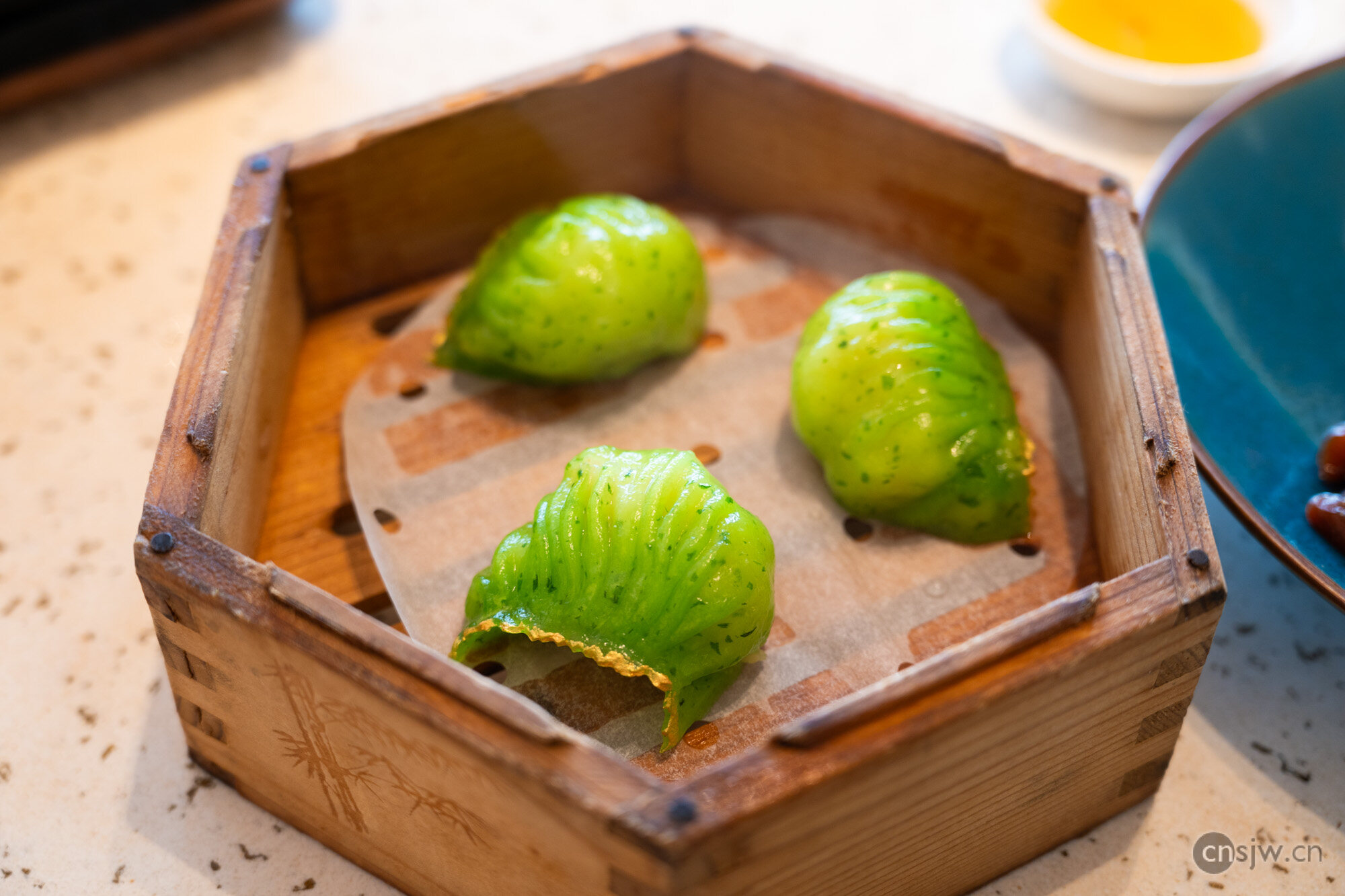
This Shanghai-style Bamboo Fungus with Seasonal Vegetables may look simple, but it is exceptionally well-prepared—light yet delicious. It’s certainly something I couldn’t replicate at home.
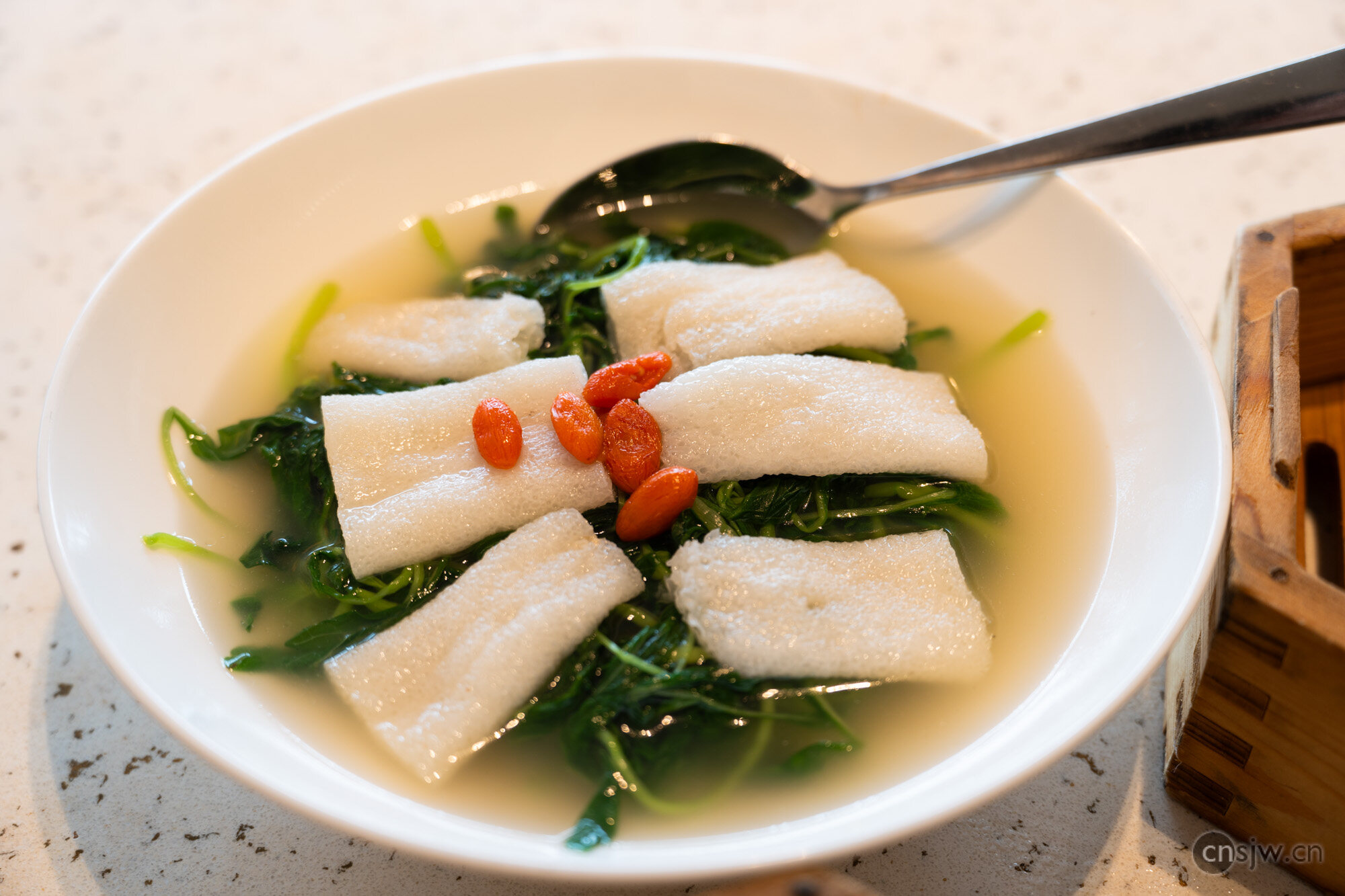
The White Rabbit Pudding is rich and creamy with a beautiful presentation. I initially worried the White Rabbit candy flavor might be too sweet, but the balance was actually handled quite well.
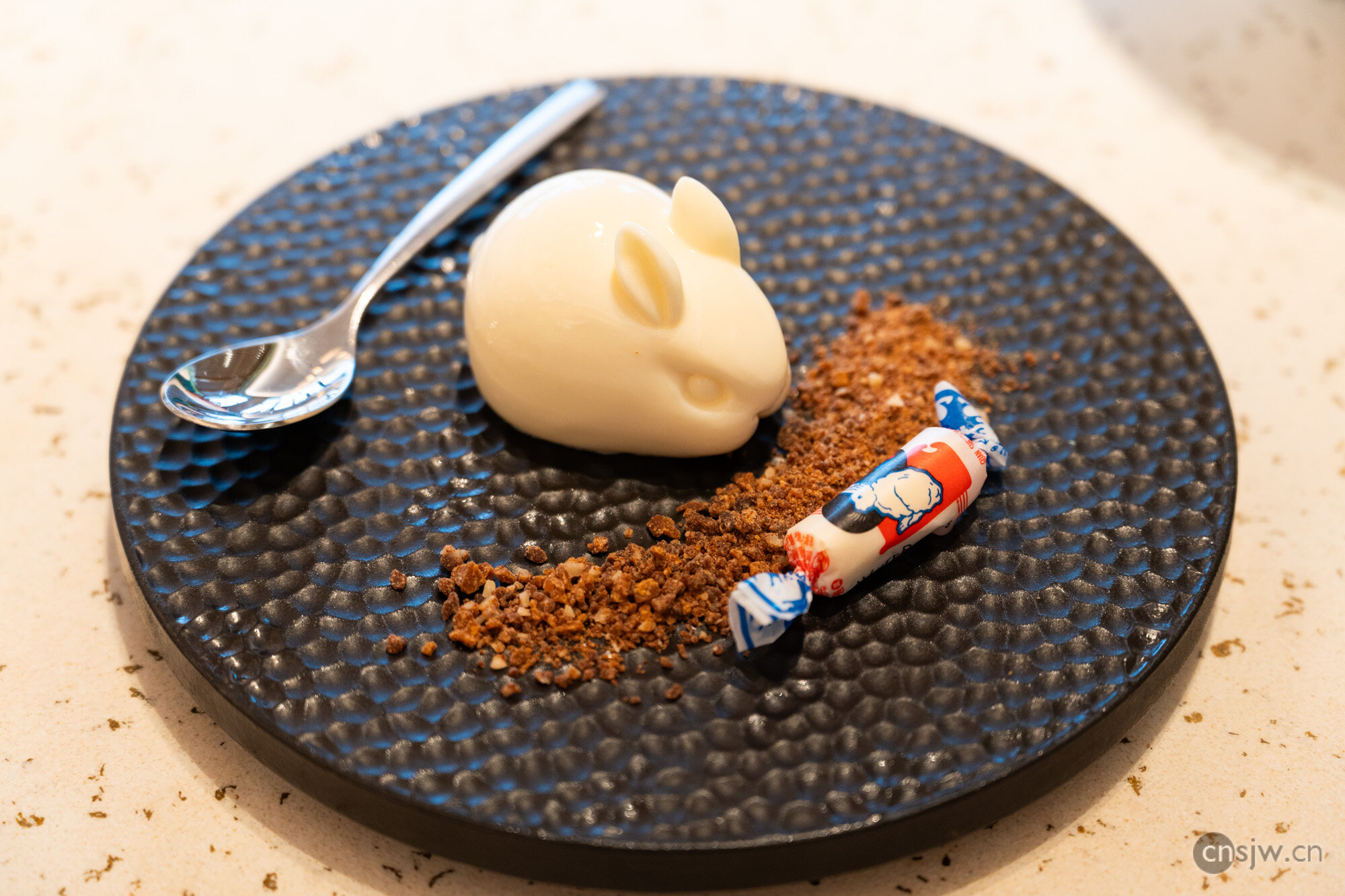
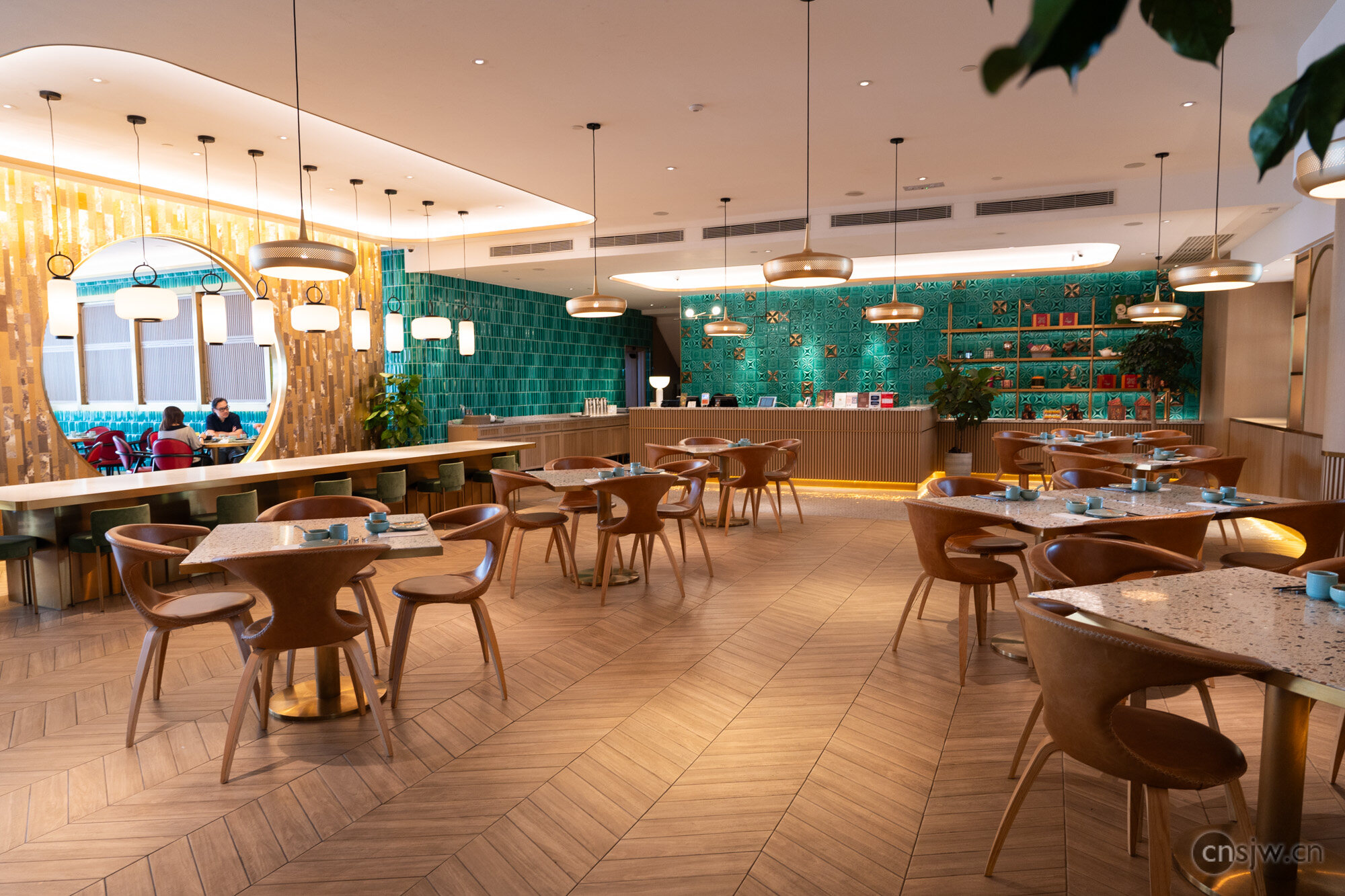
As for the decor, it feels distinctly youthful, almost resembling a cha chaan teng. Fortunately, the table spacing is generous. We visited during the late afternoon, past peak meal hours, so it wasn’t too crowded. Overall, it comes recommended, though prices aren’t cheap—a casual meal easily averages HK$500 per person.
KOFFEE MAMEYA&OMOTESANDO KOFFEE
This is another famous Japanese establishment, or rather, two distinct concepts. ‘Omotesando’ refers to the Omotesando district where the original shop opened before expanding globally, with several branches now in Hong Kong. At the original location in Japan, the concept has evolved into KOFFEE MAMEYA, a lab-like space showcasing beans sourced worldwide, offering personalized one-on-one explanations and pour-over brewing. Here at K11, the two concepts sit side-by-side: the outer Omotesando Koffee draws larger crowds, while stepping further inside leads you to the serene Mameya.
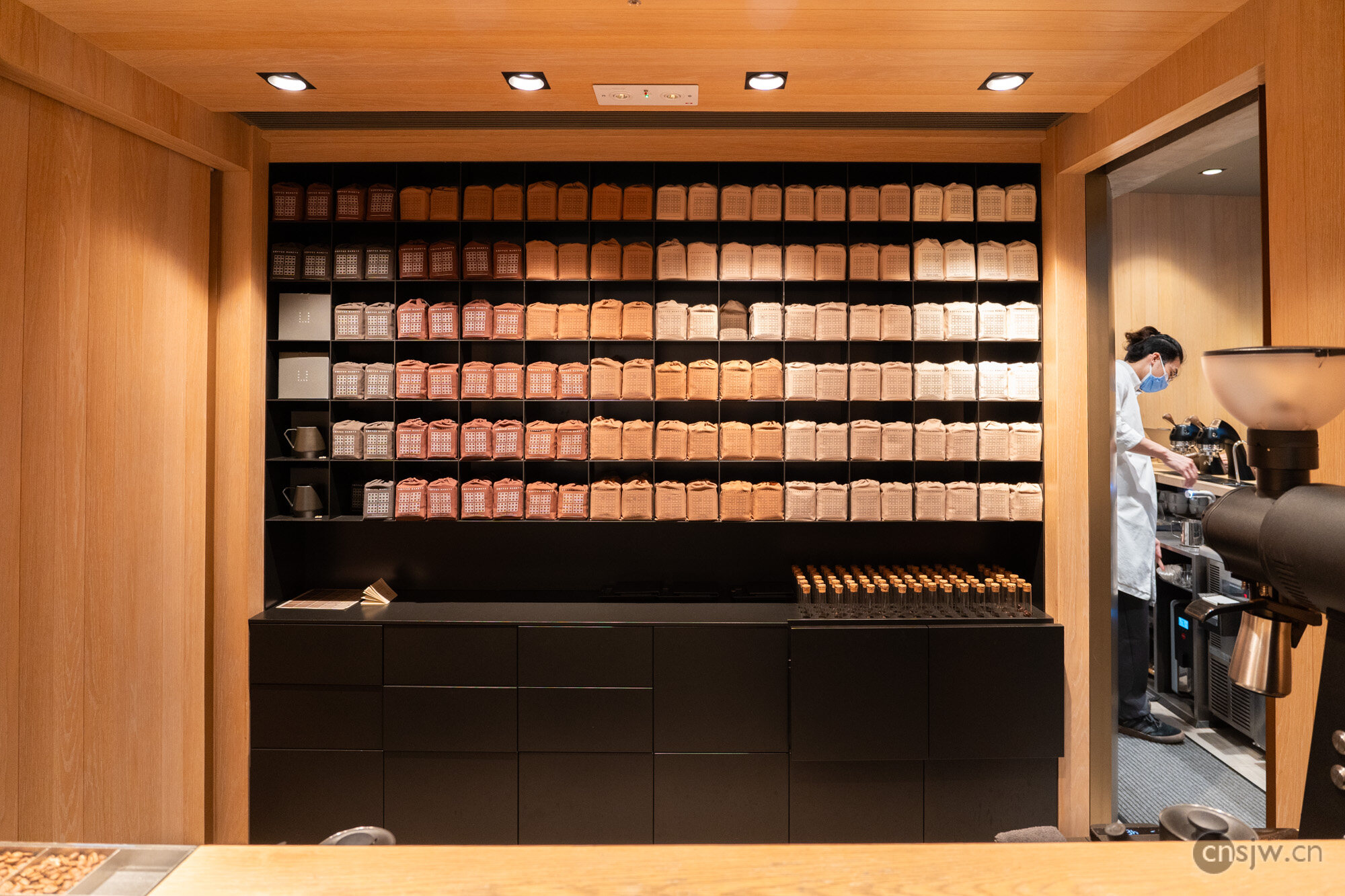
Packages are arranged by color, and individual pre-weighed portions of beans are displayed in test tubes—a very Instagram-worthy setup.
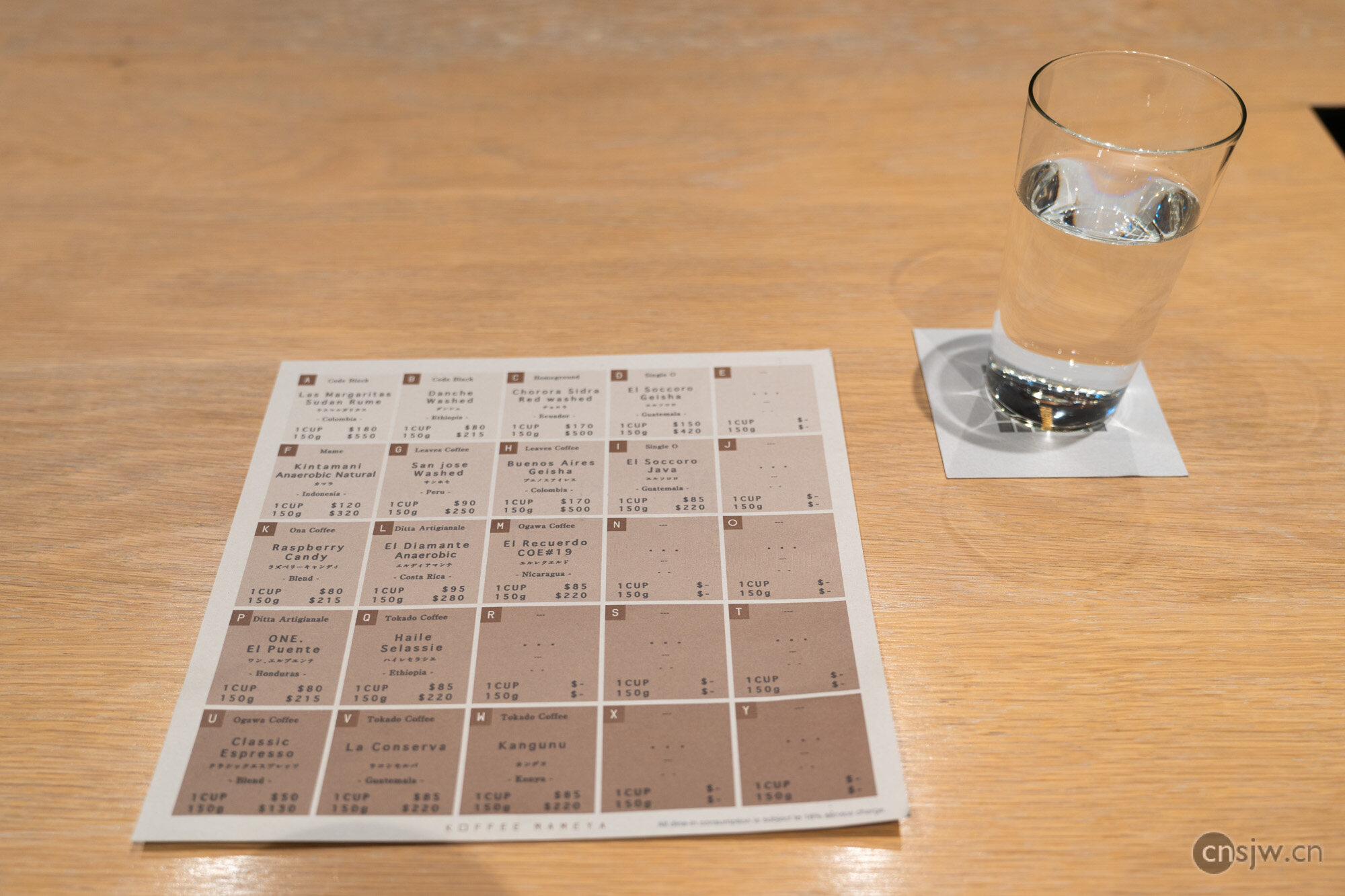
Once seated, staff provide detailed explanations of different beans along with a reference chart sorted by roast level, covering brand, origin, variety, processing method, and price. I’m unsure if the Japan locations offer English explanations of this caliber, but having Cantonese/Mandarin service in Hong Kong is certainly convenient… Prices are generally on the high side, likely more than double what you’d pay at the Omotesando branch in Tokyo.
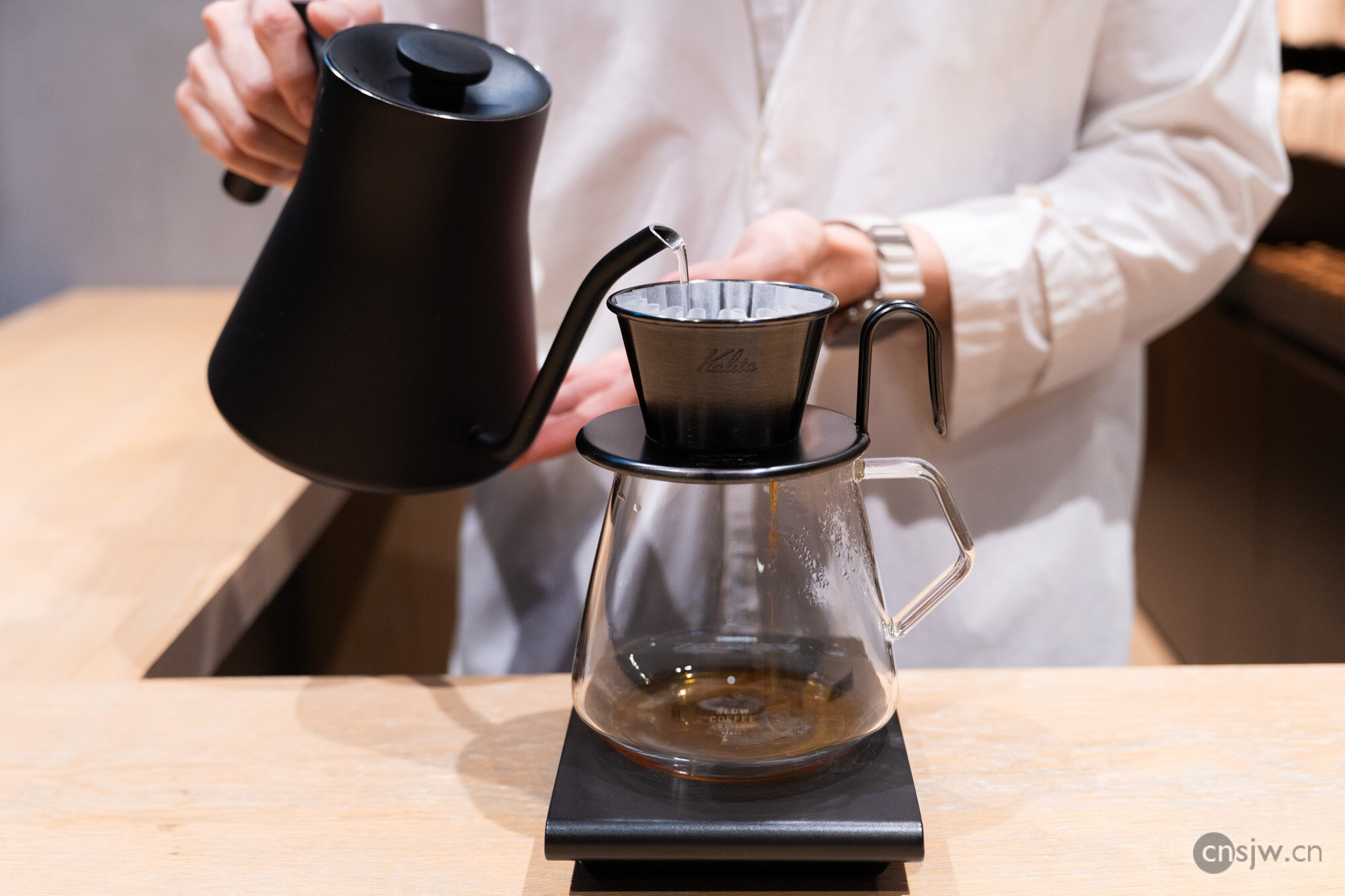
Brewing begins immediately after selecting your beans. They use Fellow kettles and Kalita copper drippers with wave filters—though I wonder if the baristas ever get frustrated using that HARIO scale… The resulting cup is excellent.
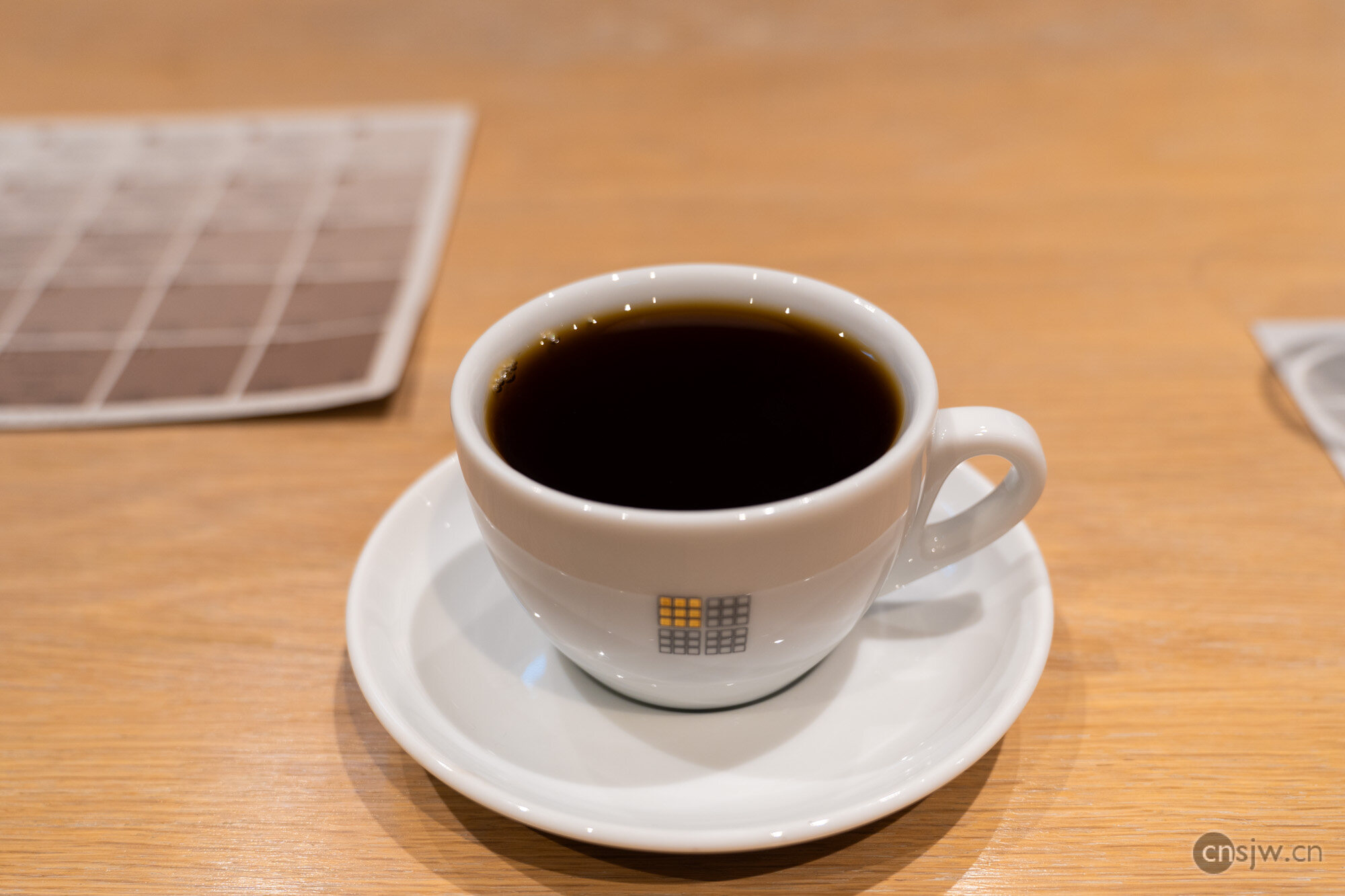
I also switched beans to try an espresso-based drink. For a shop primarily focused on pour-overs, they’ve clearly invested heavily in espresso equipment: a La Marzocco Modbar under-counter machine paired with an Acaia Lunar scale… The output was equally impressive.
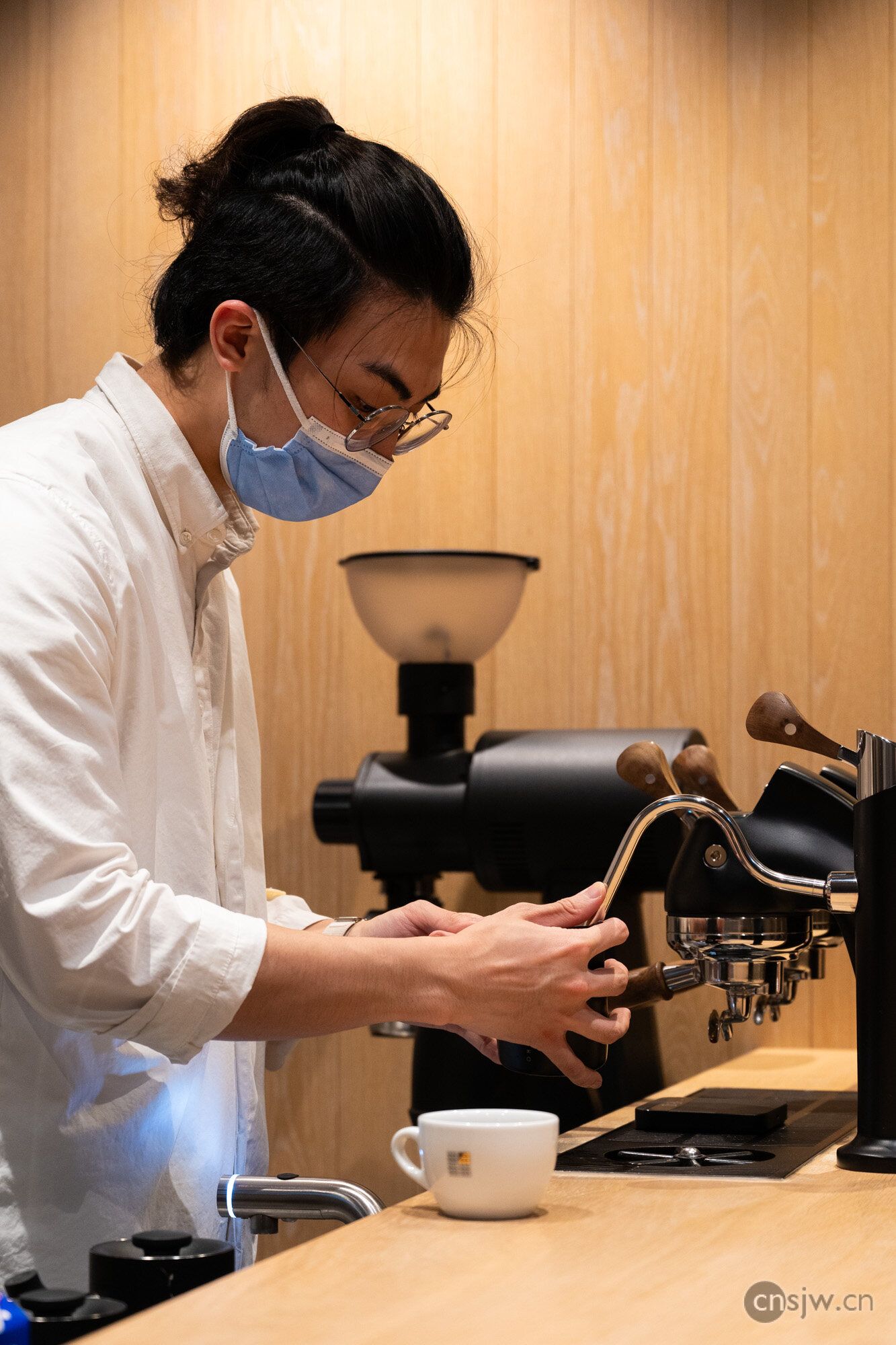
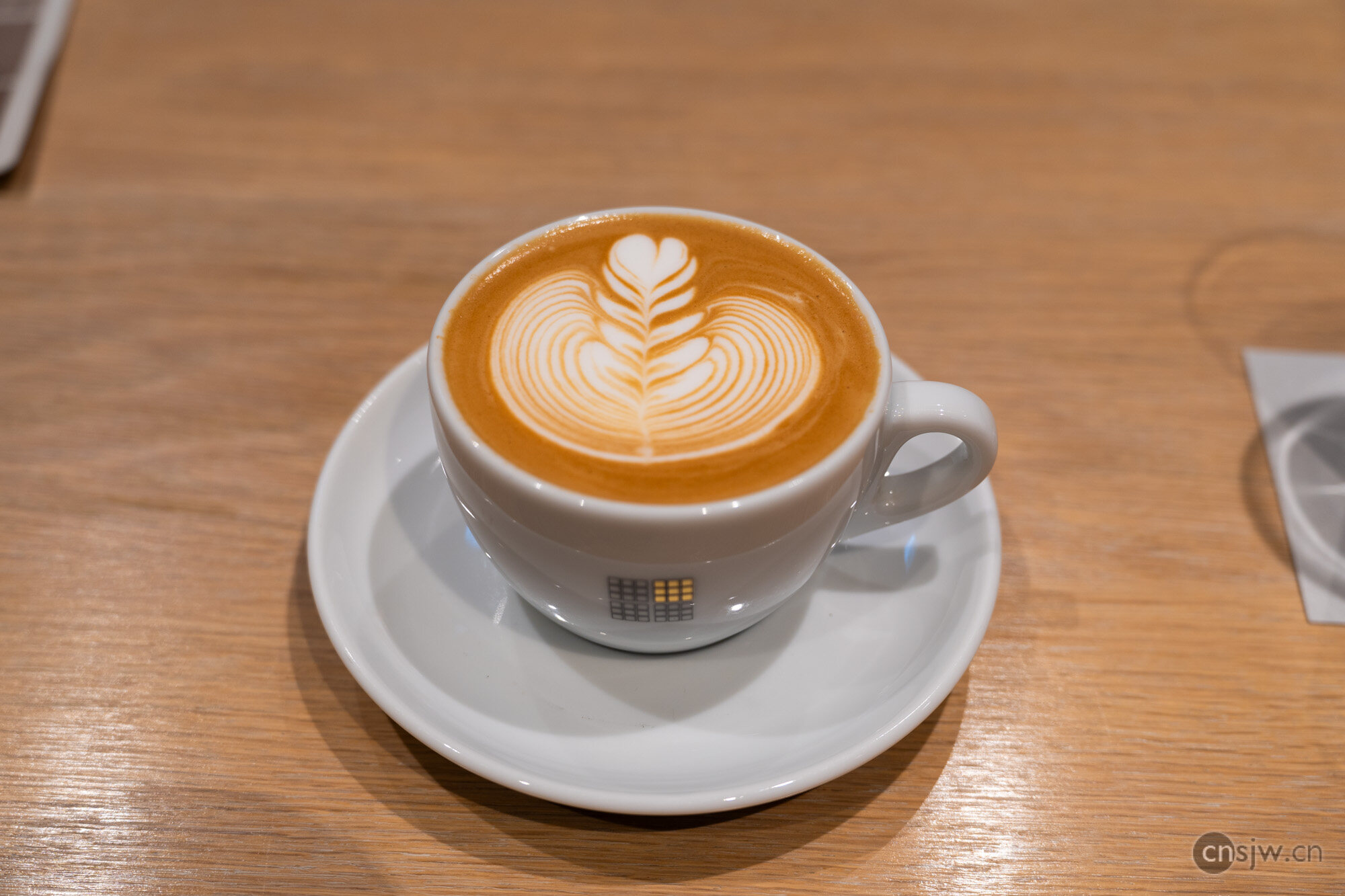
It’s a fascinating coffee shop model. In Hong Kong, both ambiance and service are top-notch, albeit at premium prices. Apparently, the Japanese locations often lack seating and focus mainly on retail bean sales. However, since many customers here may not have the setup to brew coffee at home, the business adapted by providing a superior environment to justify higher average spending…
Gonpachi Izakaya
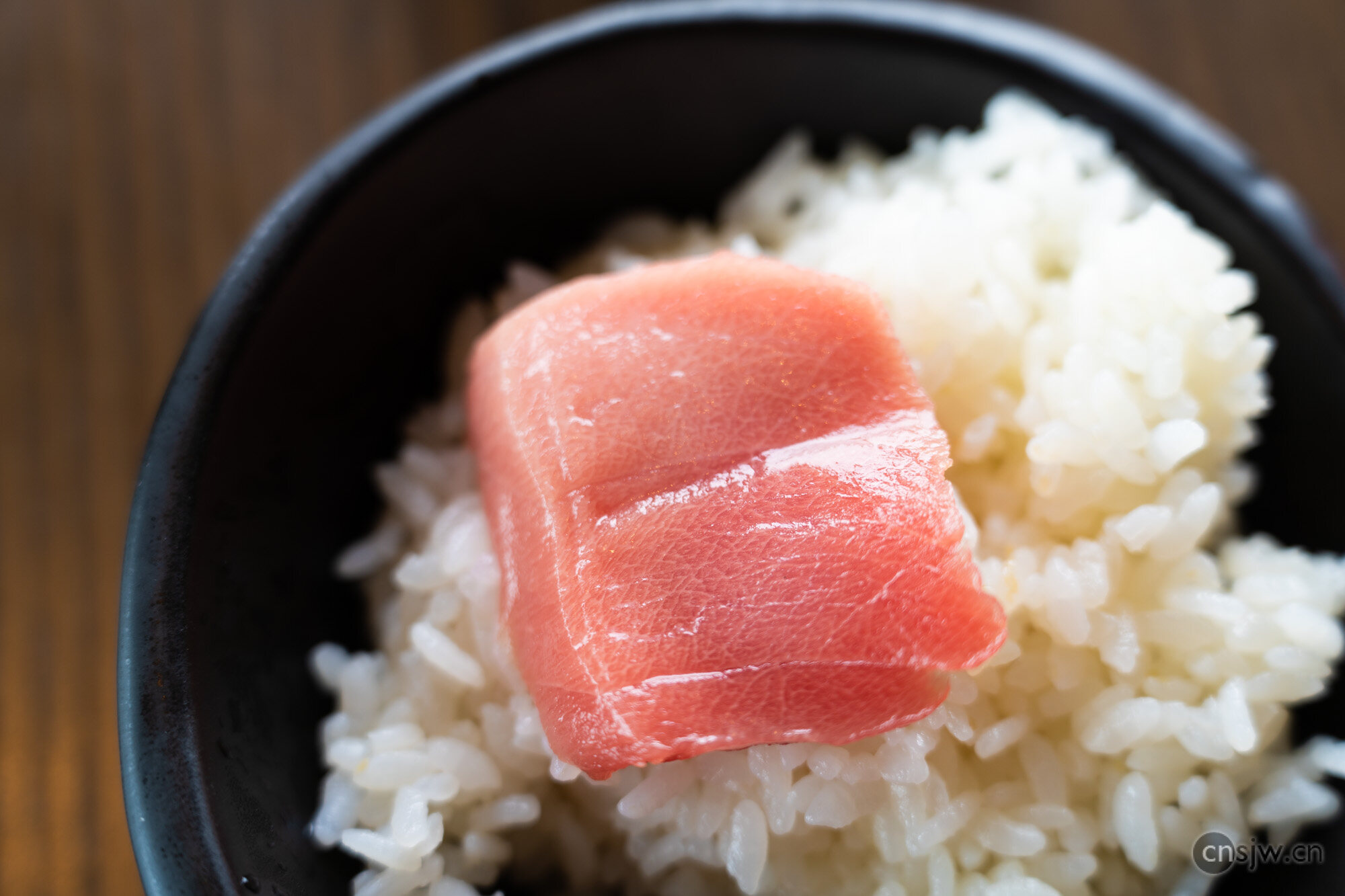
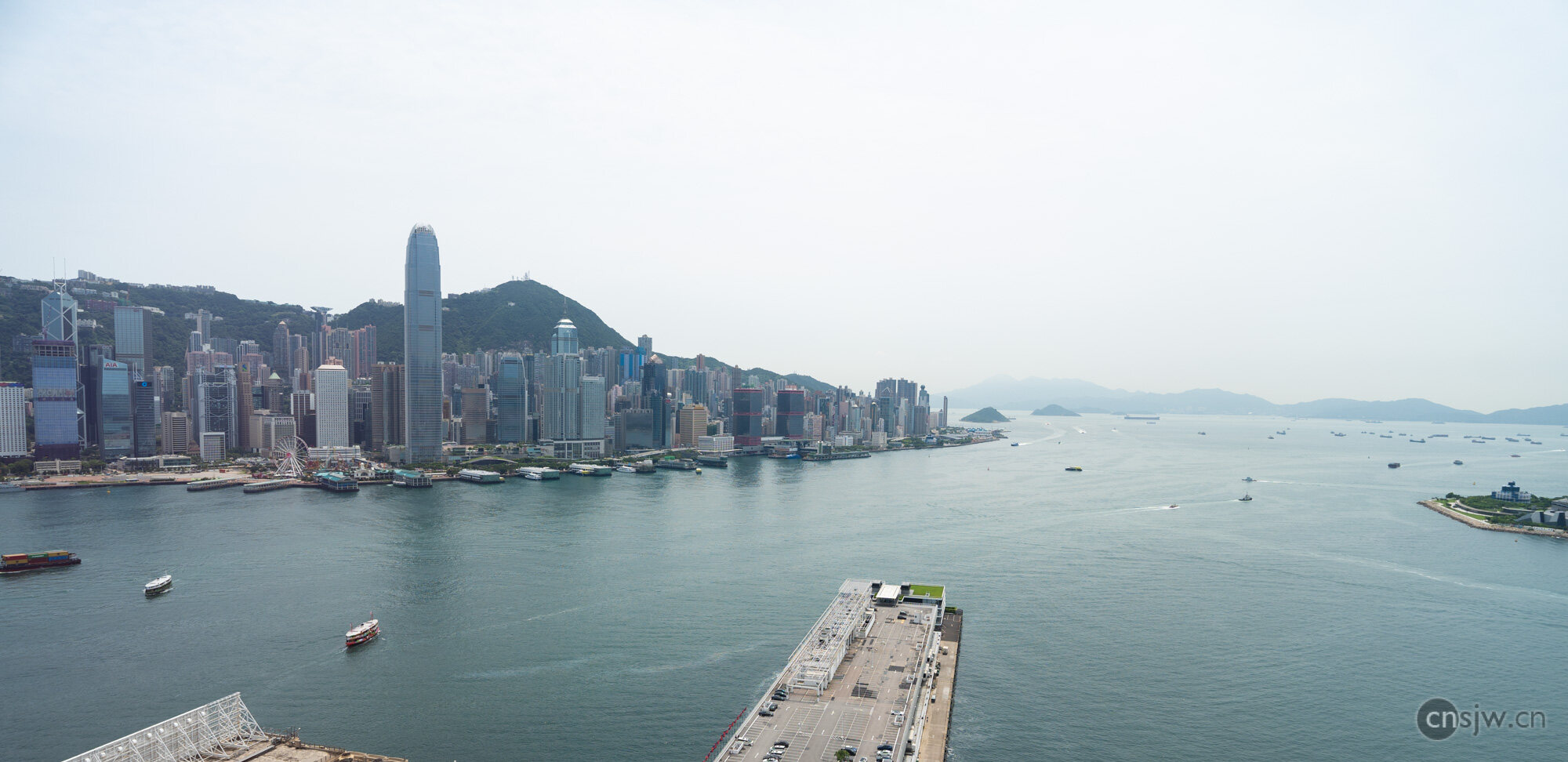
Gonpachi is a well-known restaurant among Western tourists in Tokyo, gaining even more fame after being featured in ‘Kill Bill.’ However, overseas Gonpachi locations operate as franchises—essentially licensing the brand. Having visited the Shanghai branch, I can say the Hong Kong location is on a completely different level. Situated on the 28th floor of One Peking Road, it boasts stunning harbor views. After visiting M+, we walked over for a set meal. The space is incredibly spacious and grand. We ordered a sashimi set, and the food quality was outstanding—the sashimi was exceptionally fresh with a texture noticeably superior to standard Japanese restaurants: firmer, never mushy, and deeply satisfyingly sweet and rich. Notably, the tuna included two slices of medium-fatty belly. A pre-meal appetizer of bonito flakes with eggplant was memorable, and dessert—a petite chocolate cake—was equally delicious. Service was impeccable and courteous throughout.
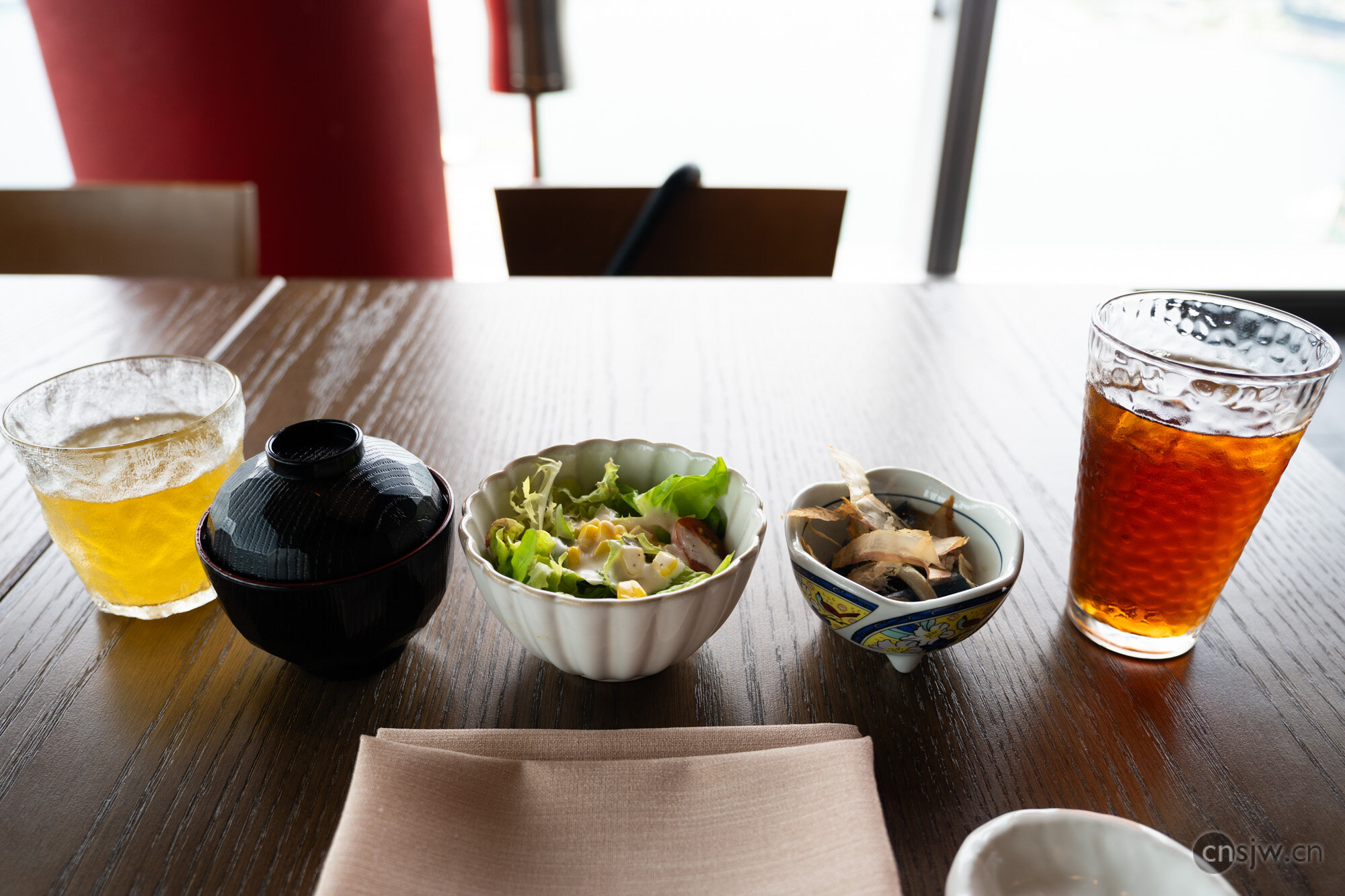
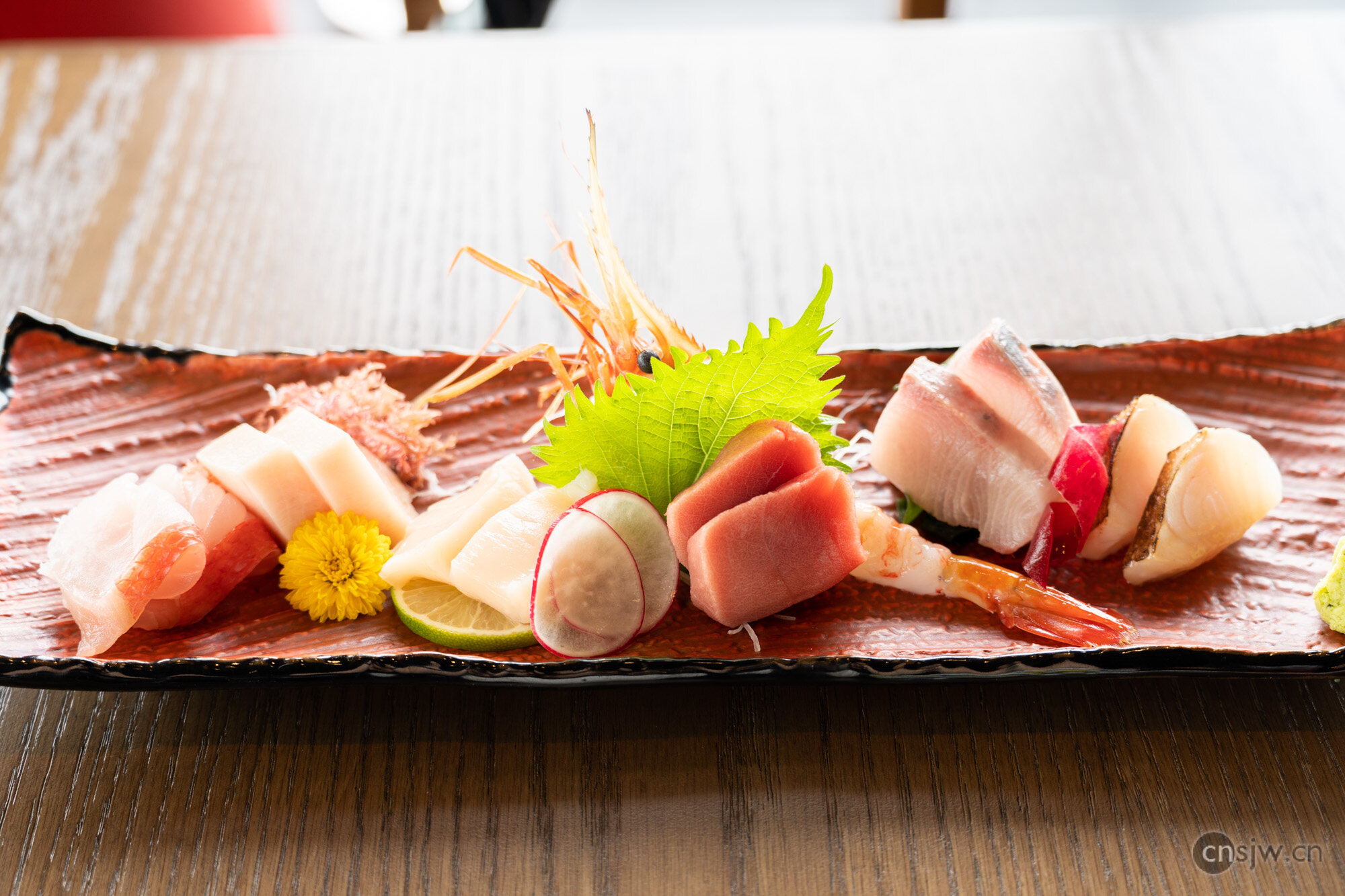
Fatty Tuna
View from the window—it must be absolutely gorgeous at night



Support