
Nijo Castle is located right across from the hotel where I stayed in Kyoto, making it extremely convenient—just a short walk across the street. Nijo Castle was originally built in 1603 (the 8th year of the Keicho era), during the early Edo period, by Tokugawa Ieyasu, the first shogun of the Edo shogunate, to serve as a residence for protecting the Kyoto Imperial Palace and as lodging during his visits to the Emperor in Kyoto. The current scale of the castle dates back to 1624 (the 1st year of the Kanei era), when the third shogun, Tokugawa Iemitsu, expanded it.
In a narrow sense, Nijo Castle refers to the castle constructed during the Edo period. In a broader sense, it also encompasses the former residences of Ashikaga Yoshiteru, the 13th shogun of the Muromachi shogunate, and the castle built by Oda Nobunaga for the 15th shogun, Ashikaga Yoshiaki. In 1573, Oda Nobunaga launched a military campaign, exiled Ashikaga Yoshiaki to Kawachi, and burned down this castle. He then built the Nijo Gosho (Imperial Palace) elsewhere, which was later presented to the Crown Prince. Additionally, Toyotomi Hideyoshi’s initial residence in Kyoto, officially named “Myoken-ji Castle,” was also known as “Nijo-tei.” Today, when people refer to Nijo Castle, they generally mean the one built by Tokugawa Ieyasu (referred to by the Imperial Court as Nijo-tei). In 1867 (the 3rd year of Keio), Tokugawa Yoshinobu, the 15th shogun of the Edo shogunate, held the ceremony of “Taisei Hokan” (return of political power) at Nijo Castle, restoring authority to Emperor Meiji. In 1871 (the 4th year of Meiji), the Ninomaru Palace served as the Kyoto Prefectural Office. In 1873 (the 6th year of Meiji), all areas except the Ninomaru were transferred to the Ministry of the Army. In 1885 (the 18th year of Meiji), after the new Kyoto Prefectural Office was completed and relocated, restoration work on the Ninomaru Palace began and continued until 1892 (the 25th year of Meiji). From 1893 (the 26th year of Meiji) to 1894 (the 27th year of Meiji), the main hall of the Katsura-no-miya residence was relocated to the site, creating the Honmaru Palace. In 1915 (the 4th year of Taisho), the enthronement ceremony of Emperor Taisho was held at the Ninomaru Palace, and construction began on additional附属 buildings attached to the South Gate of the Ninomaru Palace. In 1939, Emperor Showa donated the castle to the Ministry of the Imperial Household, and the following year it was renamed “Former Imperial Villa Nijo Castle” and officially opened to the public.
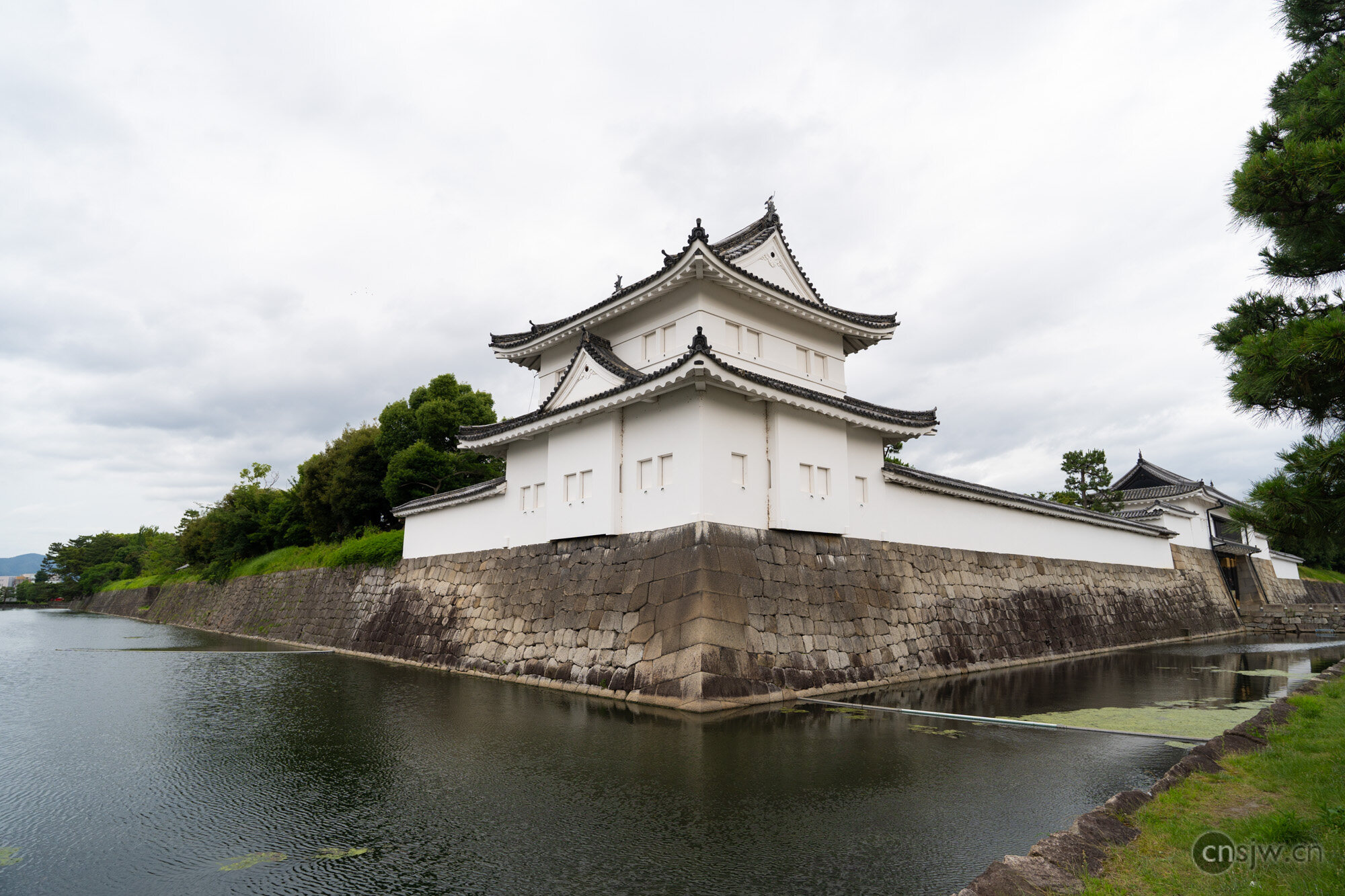
From the outside, you can see this white structure: the Southeast Corner Turret. Originally, there were corner turrets at all four corners, serving as watchtowers and armories. However, a great fire in 1788 destroyed many of these turrets, leaving only the southeast and southwest ones today.
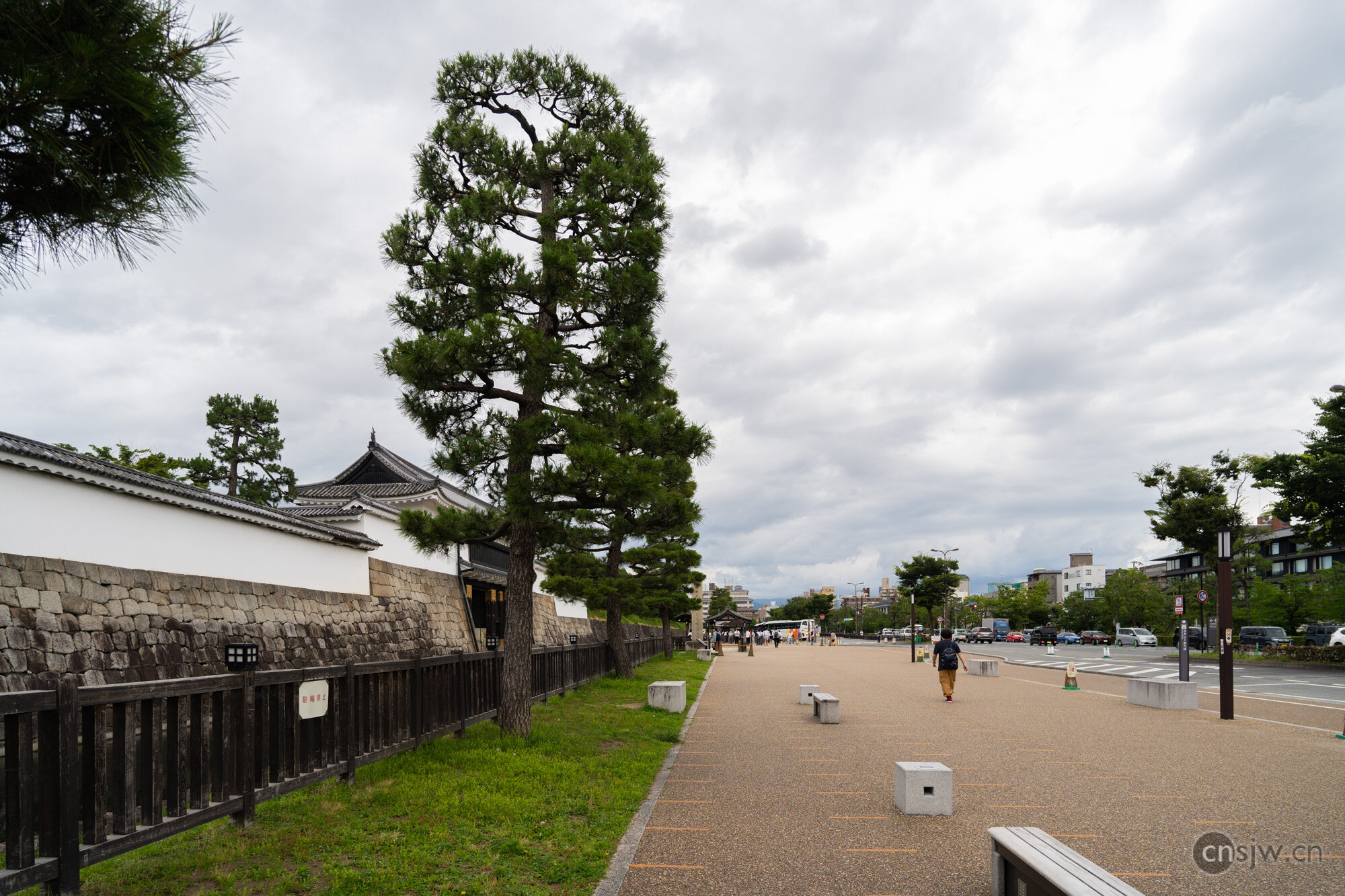
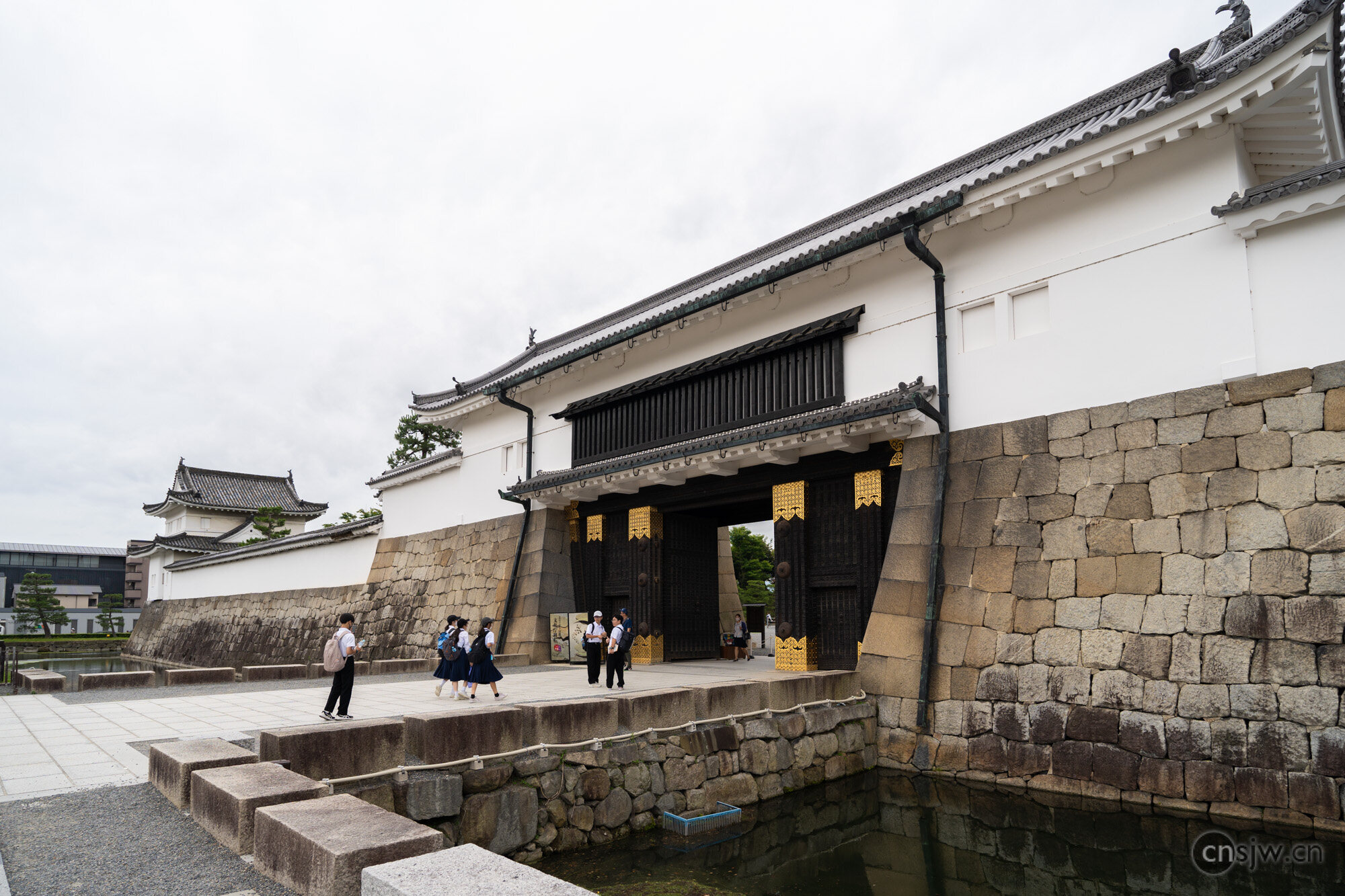
After purchasing your ticket, you can enter through here. This is the main gate, also known as the Higashi-Ote Gate. The existing gate is believed to have been built around 1662.
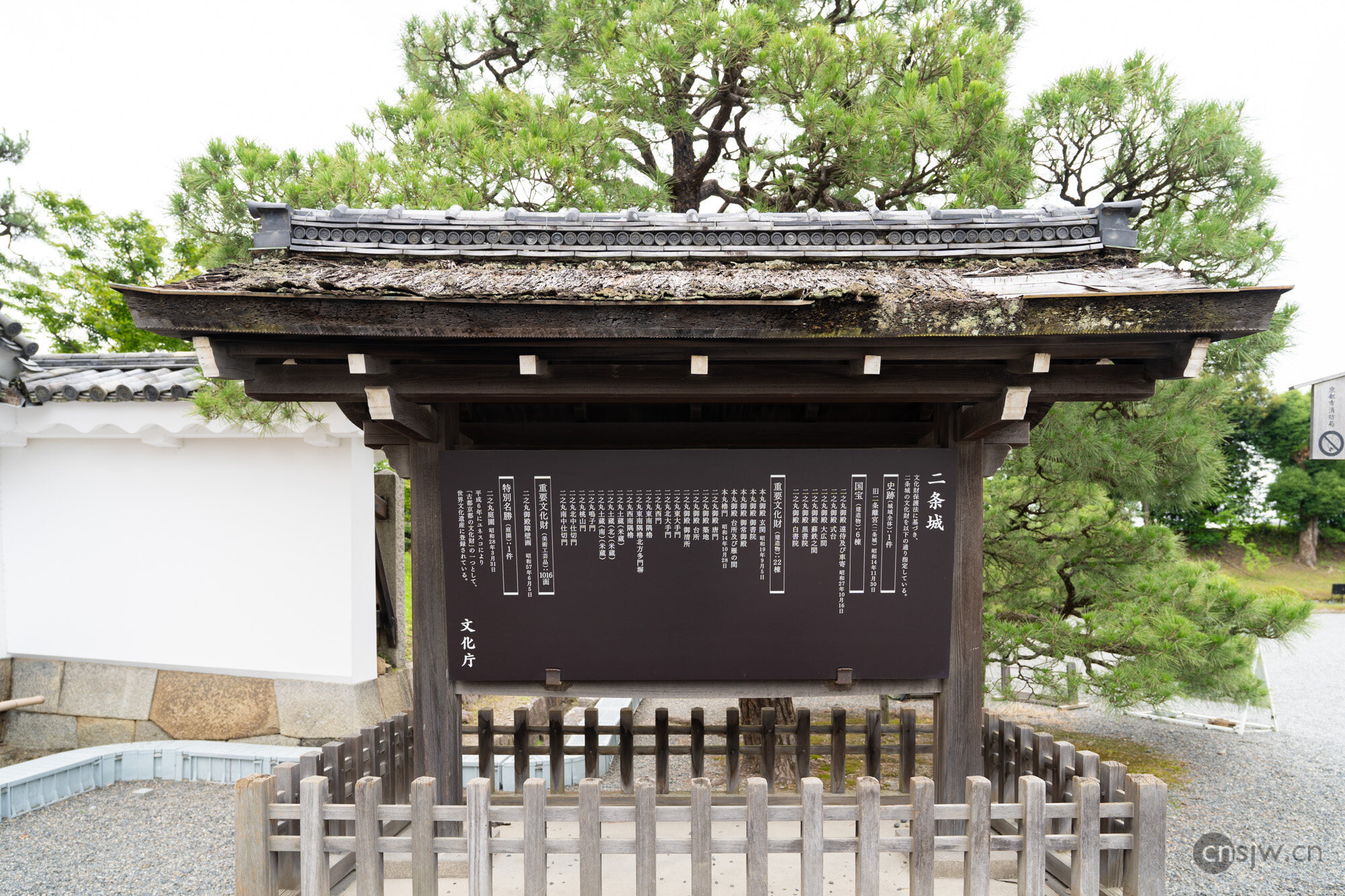
This sign lists the various designated cultural properties within Nijo Castle.
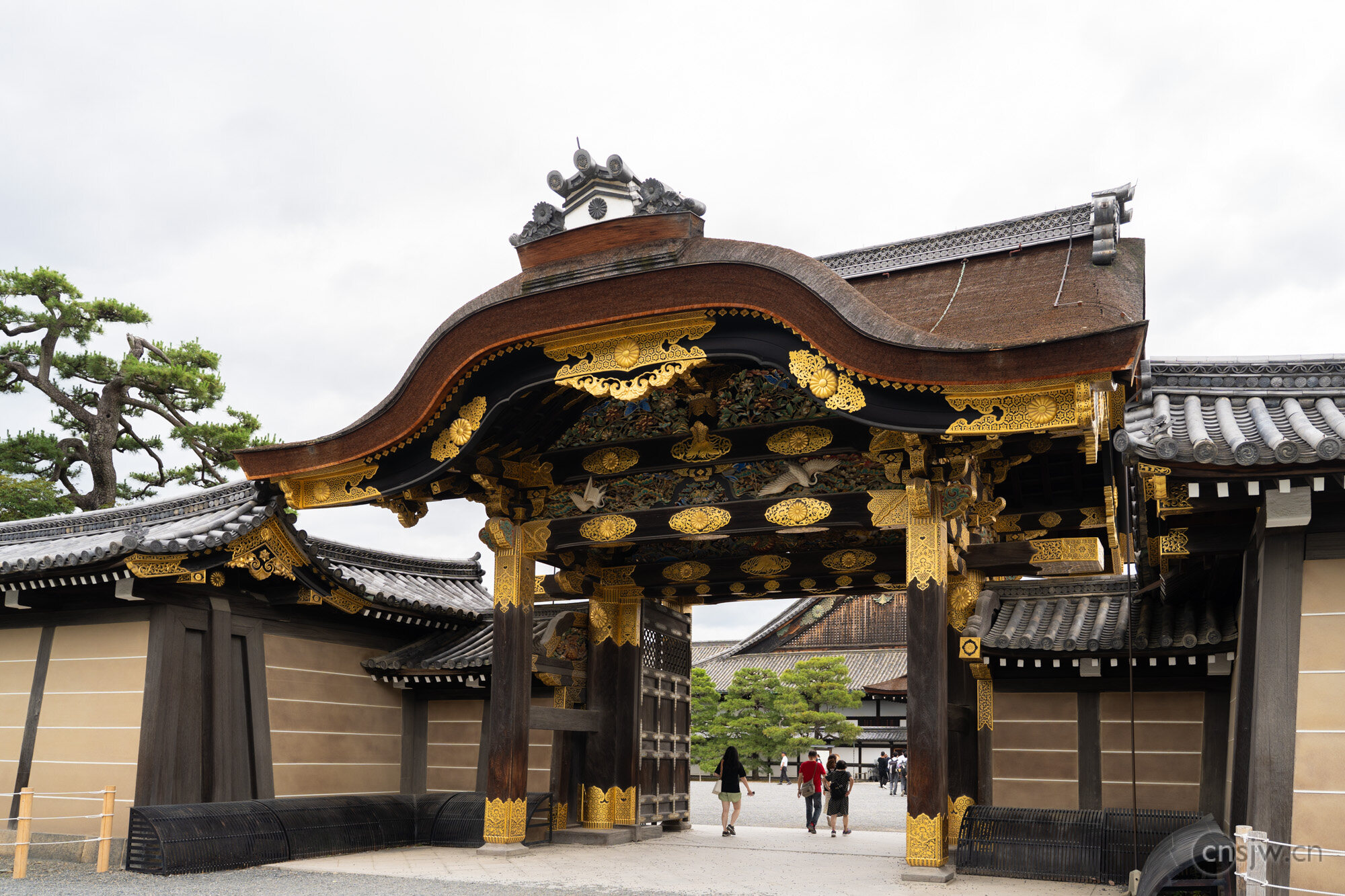
The Kara-mon Gate is the main entrance to the Ninomaru Palace. The shape of the gate signifies its rank, and the Kara-mon represents the highest level. Shoes must be removed before entering the palace, and photography is not permitted inside. The Ninomaru Palace consists of six buildings arranged in a wild-goose formation stretching from southeast to northwest. Inside, there are 33 rooms comprising over 800 tatami mats, decorated with murals depicting pines, hawks, tigers, and leopards symbolizing the prestige of the Tokugawa family, as well as paintings by the Kano school featuring seasonal flowers such as cherry blossoms (reproductions).
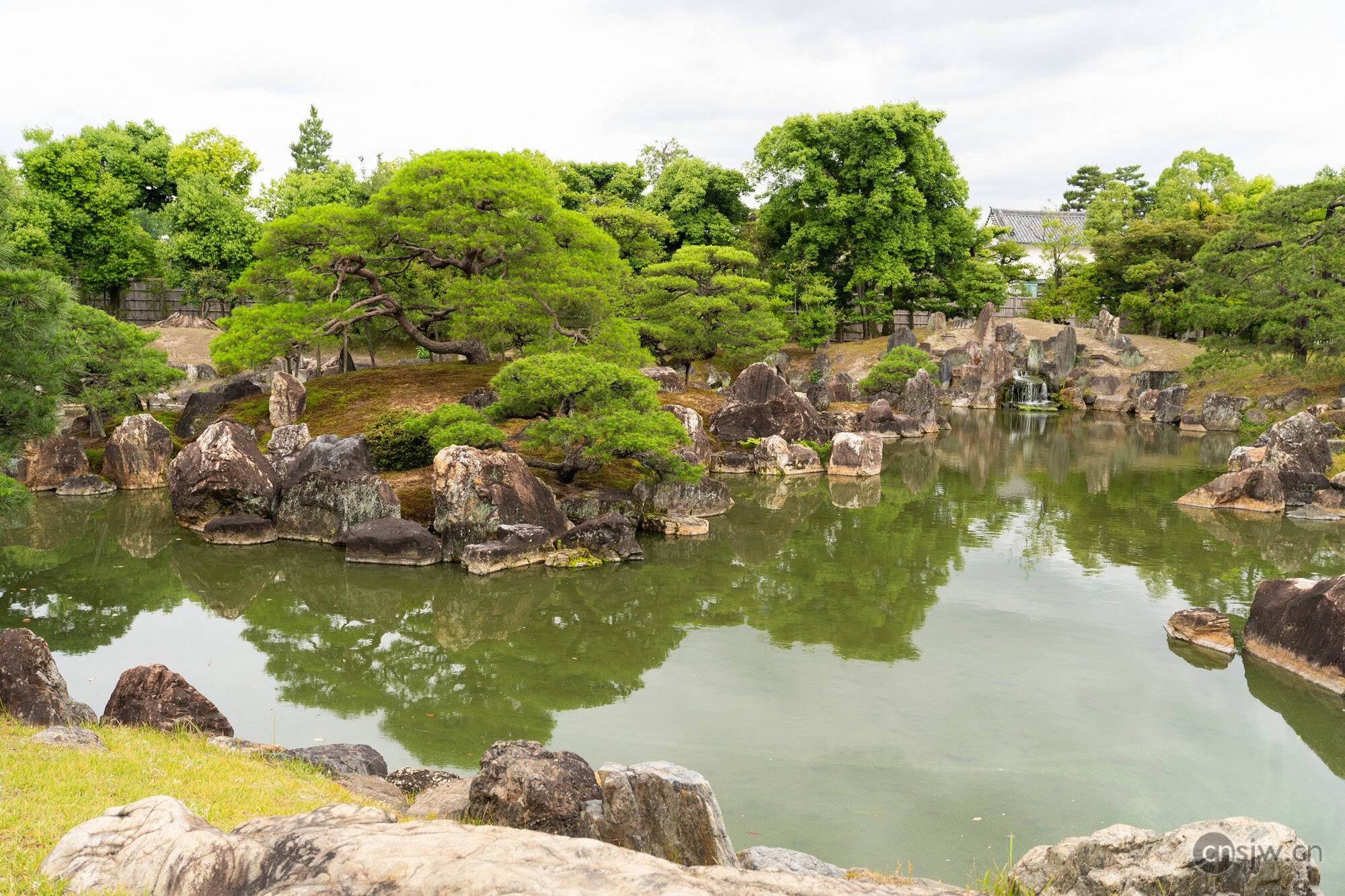
After exiting, you can stroll through the Ninomaru Garden behind the palace. Featuring Horai Island in the center of the pond, flanked by Crane and Turtle Islands, it is a garden designed in the shoin-zukuri (study) style. It was renovated under the supervision of Kobori Enshu, a master builder (an official position in the Edo period overseeing civil engineering), in preparation for Emperor Go-Mizunoo’s visit in 1626. Through ingenious design, the garden can be viewed from three different angles within the Ninomaru Palace: the Ohiroma (Great Hall), the Kuro-shoin (Black Study), and the Gyoko Goten (Imperial Visit Palace).
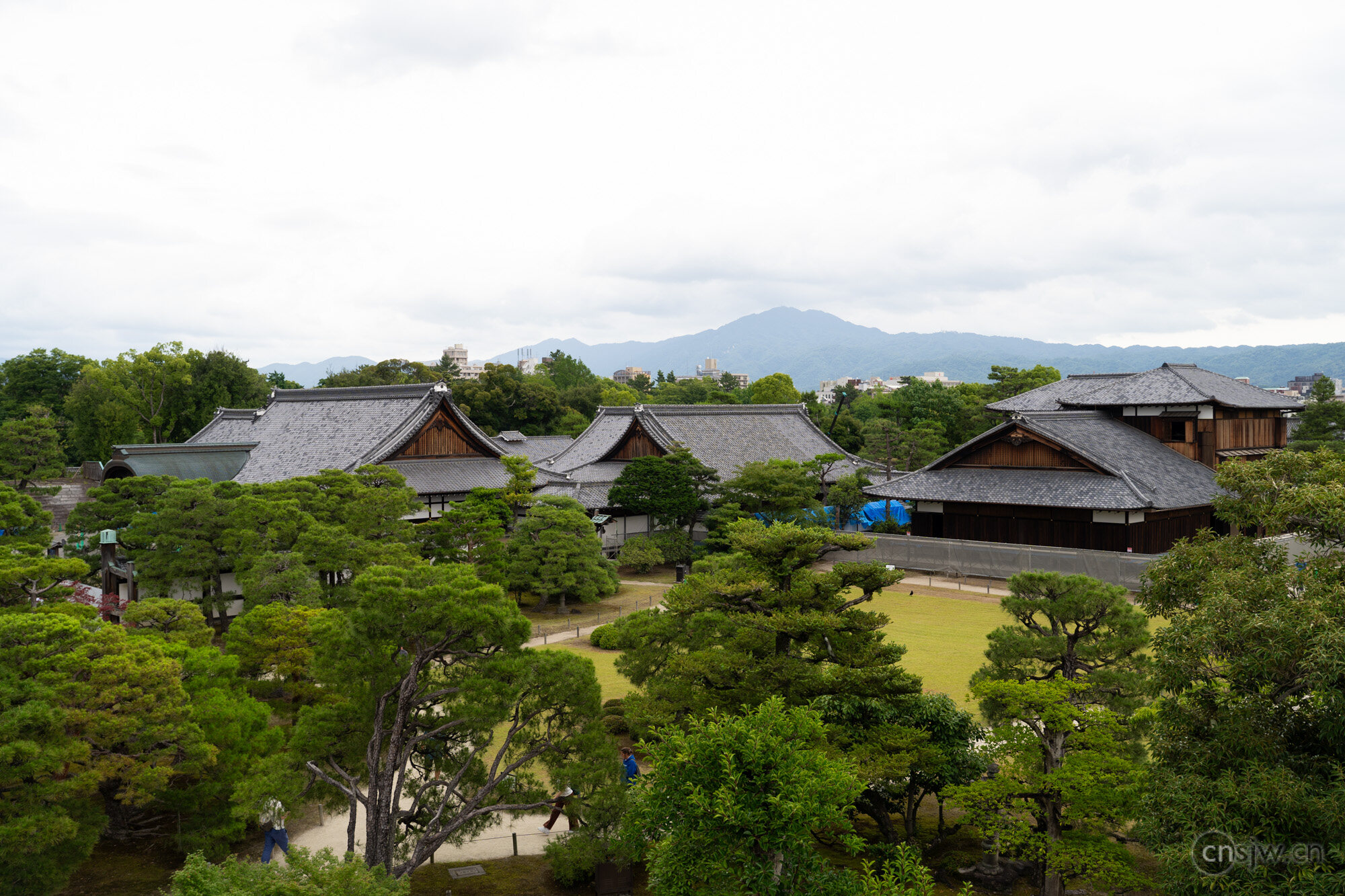
After crossing the inner moat, you will reach the Honmaru Palace. The current Honmaru Palace was relocated in 1893 from the Katsura-no-miya Palace, situated northeast of the Kyoto Imperial Palace, to its present location within the inner moat of Nijo Castle. It is one of the few surviving examples of imperial family residences in Japan and has been designated as an Important Cultural Property by the Japanese government. The Honmaru Garden was reconstructed during Emperor Meiji’s visit. Visitors can enjoy diverse seasonal scenery via winding paths through the lawn and from the artificial hill in the southeastern part of the garden. Nearby lies the site of the former keep (Tenshukaku), which was destroyed by lightning in 1750 and never rebuilt; however, the foundation still offers a panoramic view of the entire Honmaru Garden.
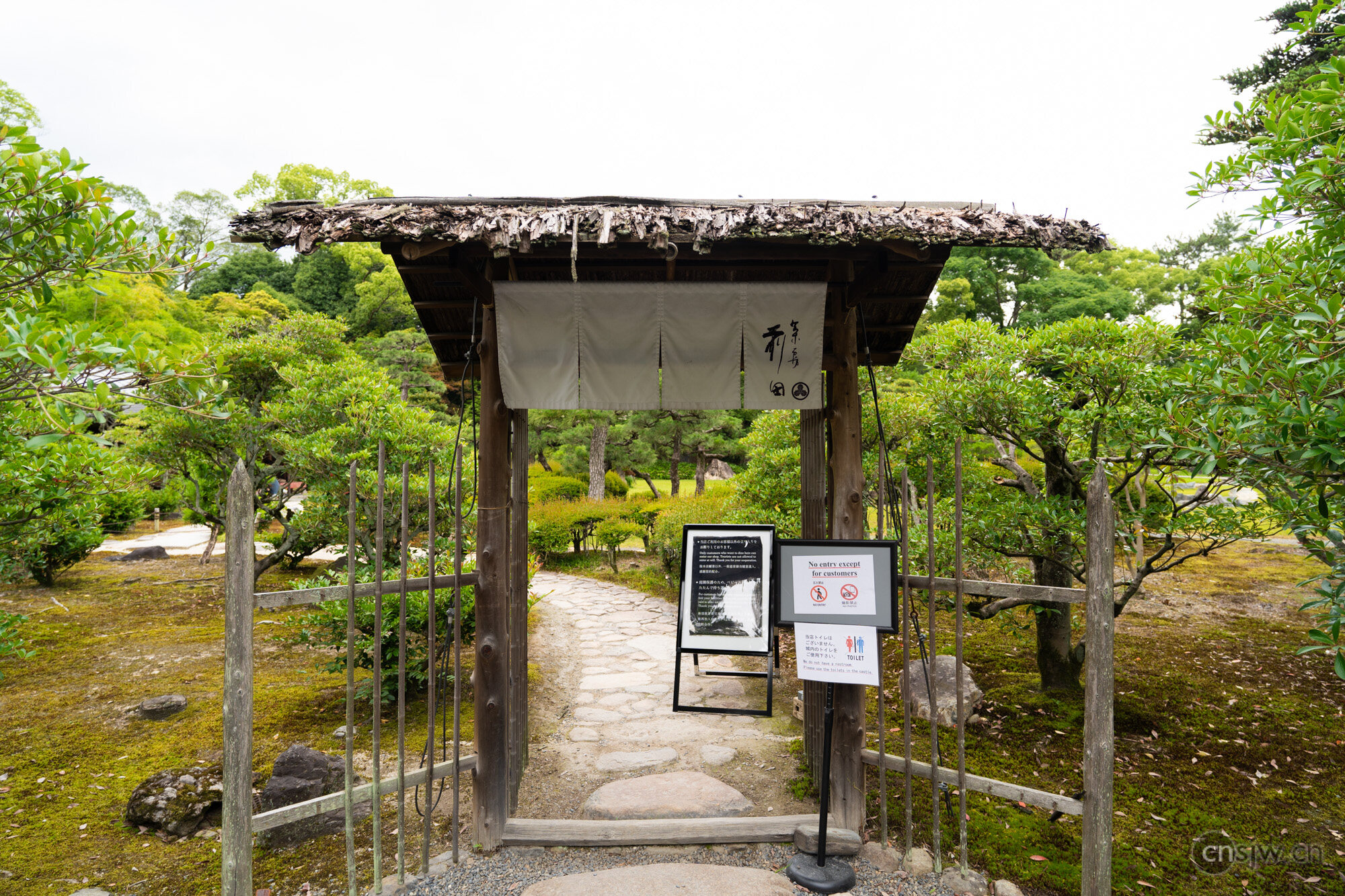
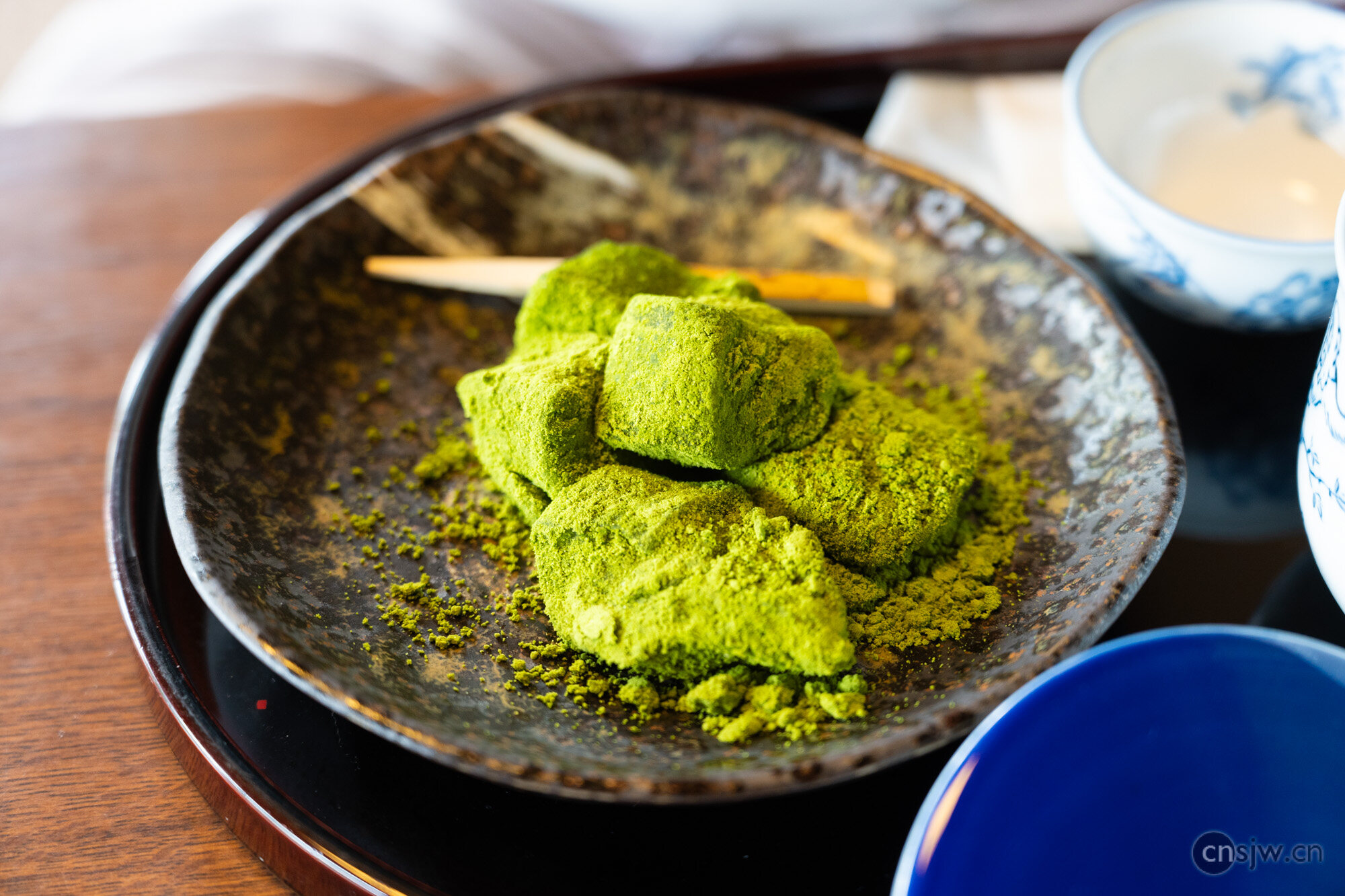
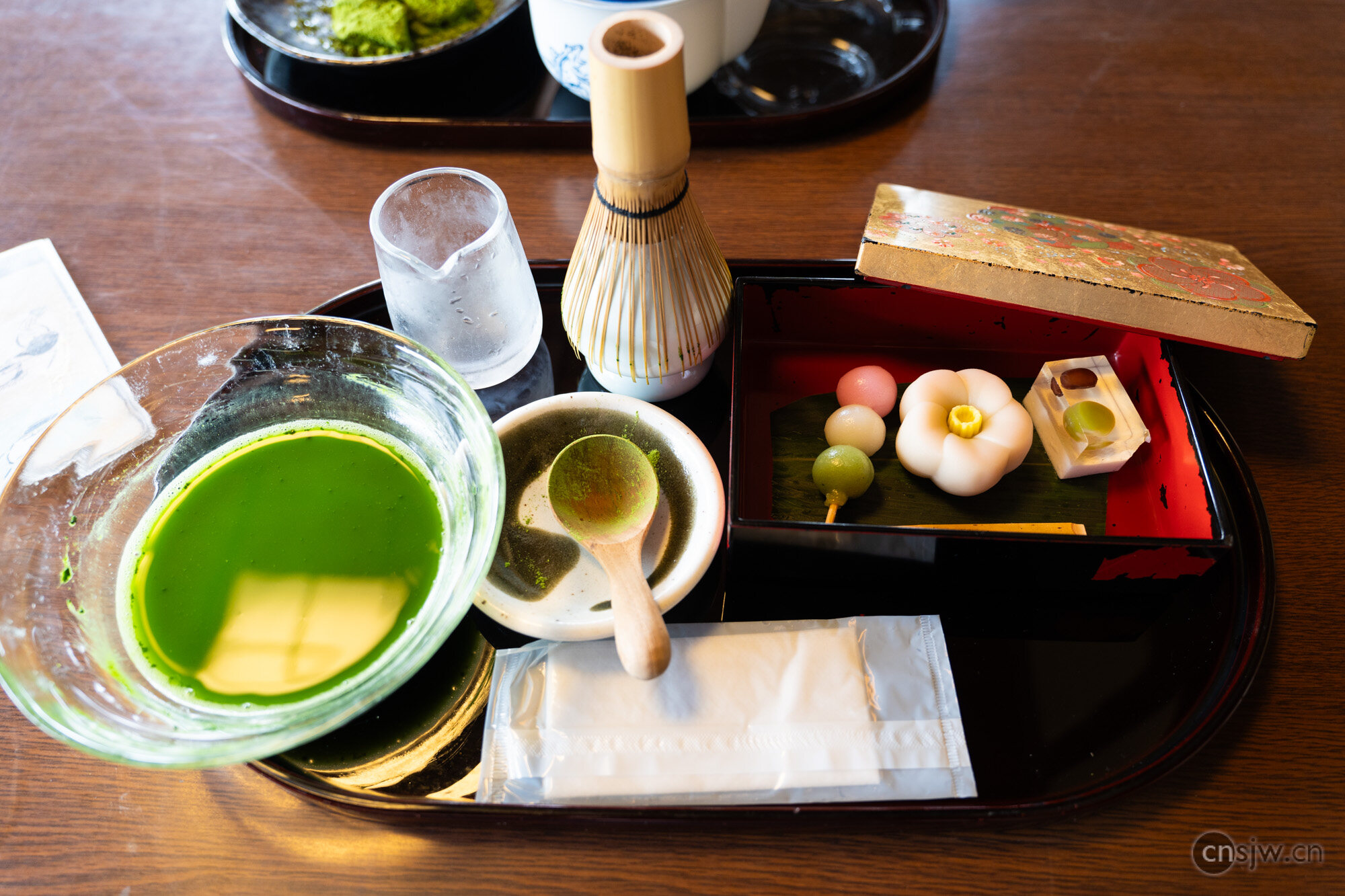
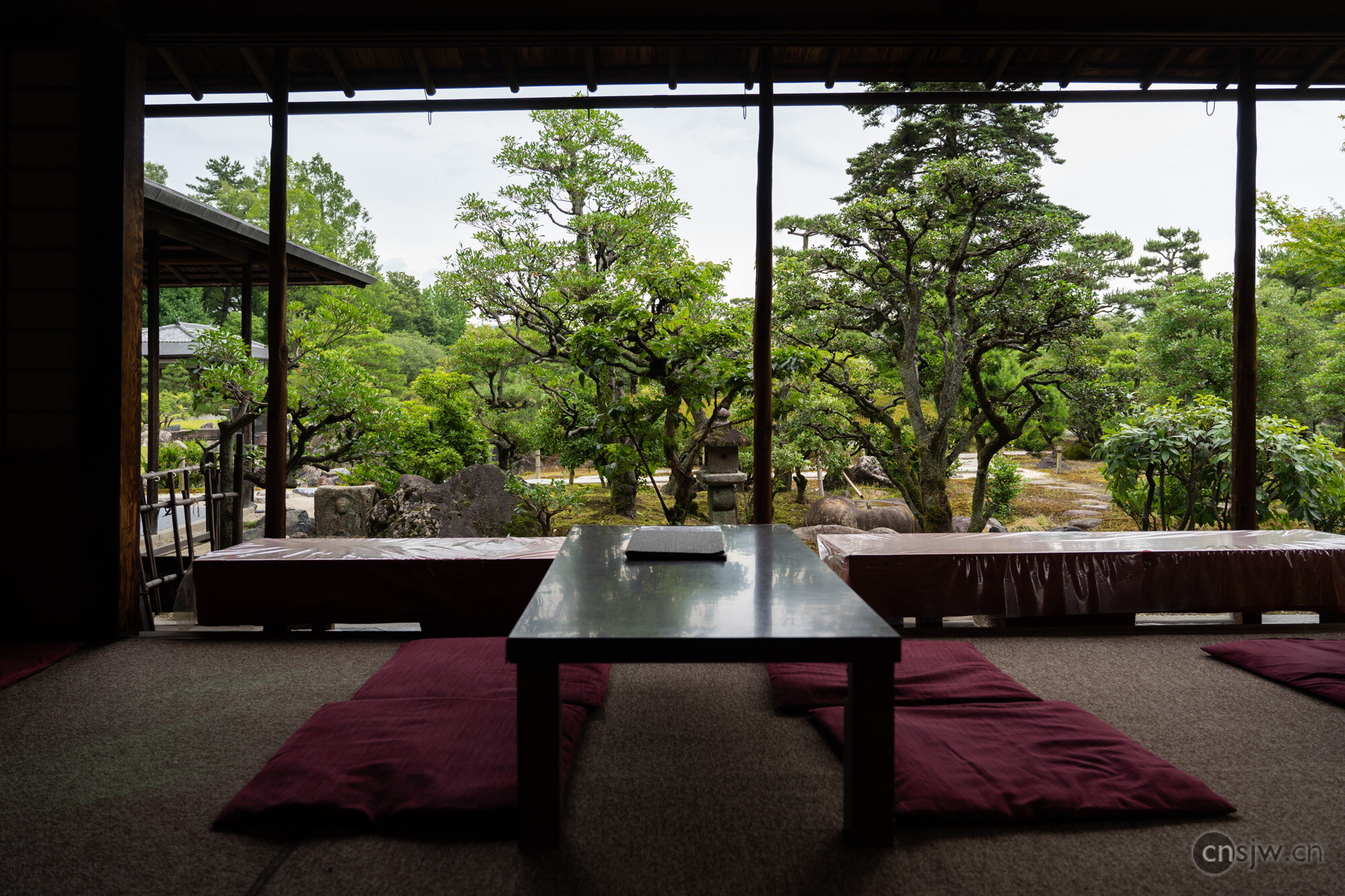
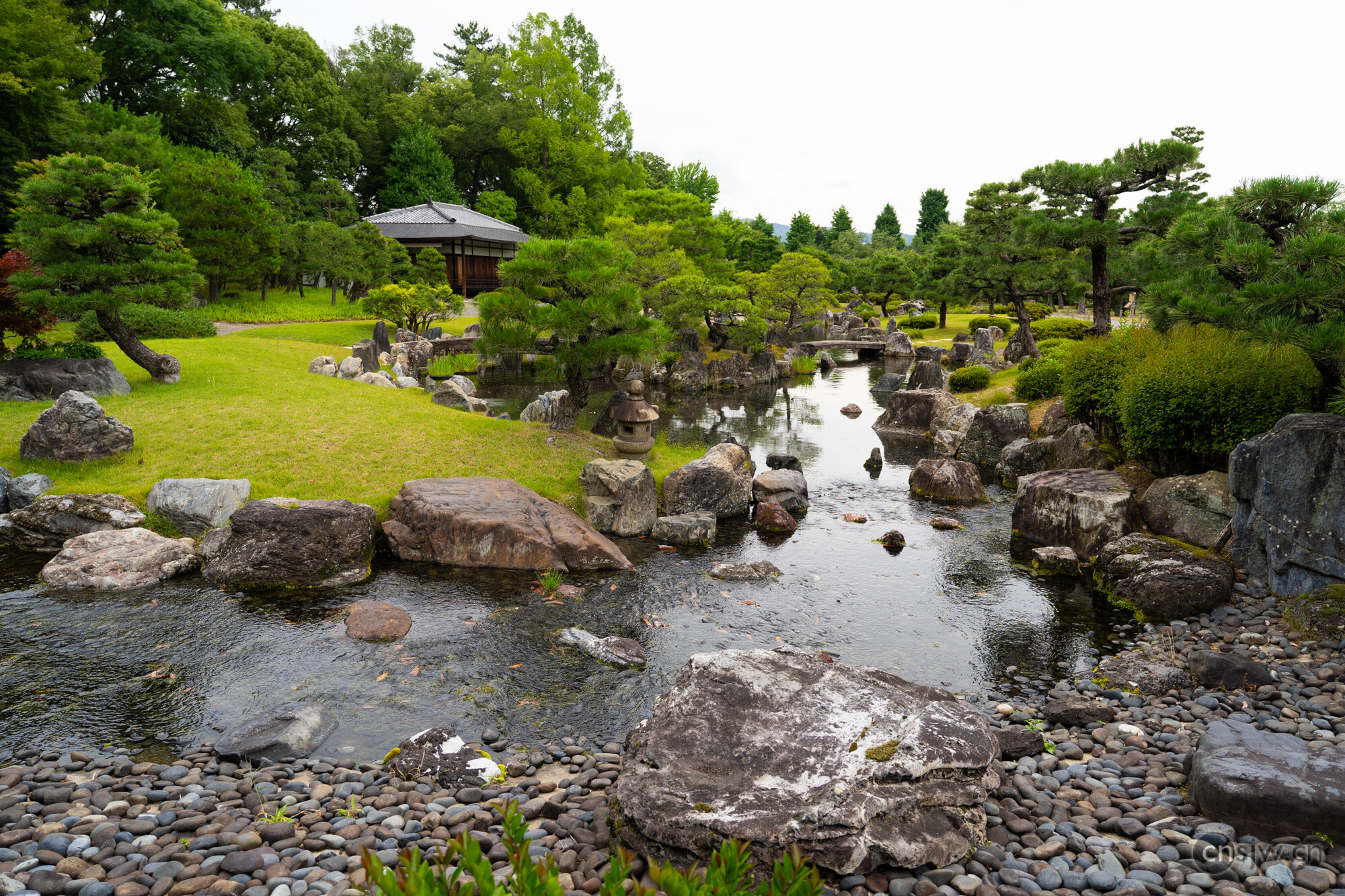
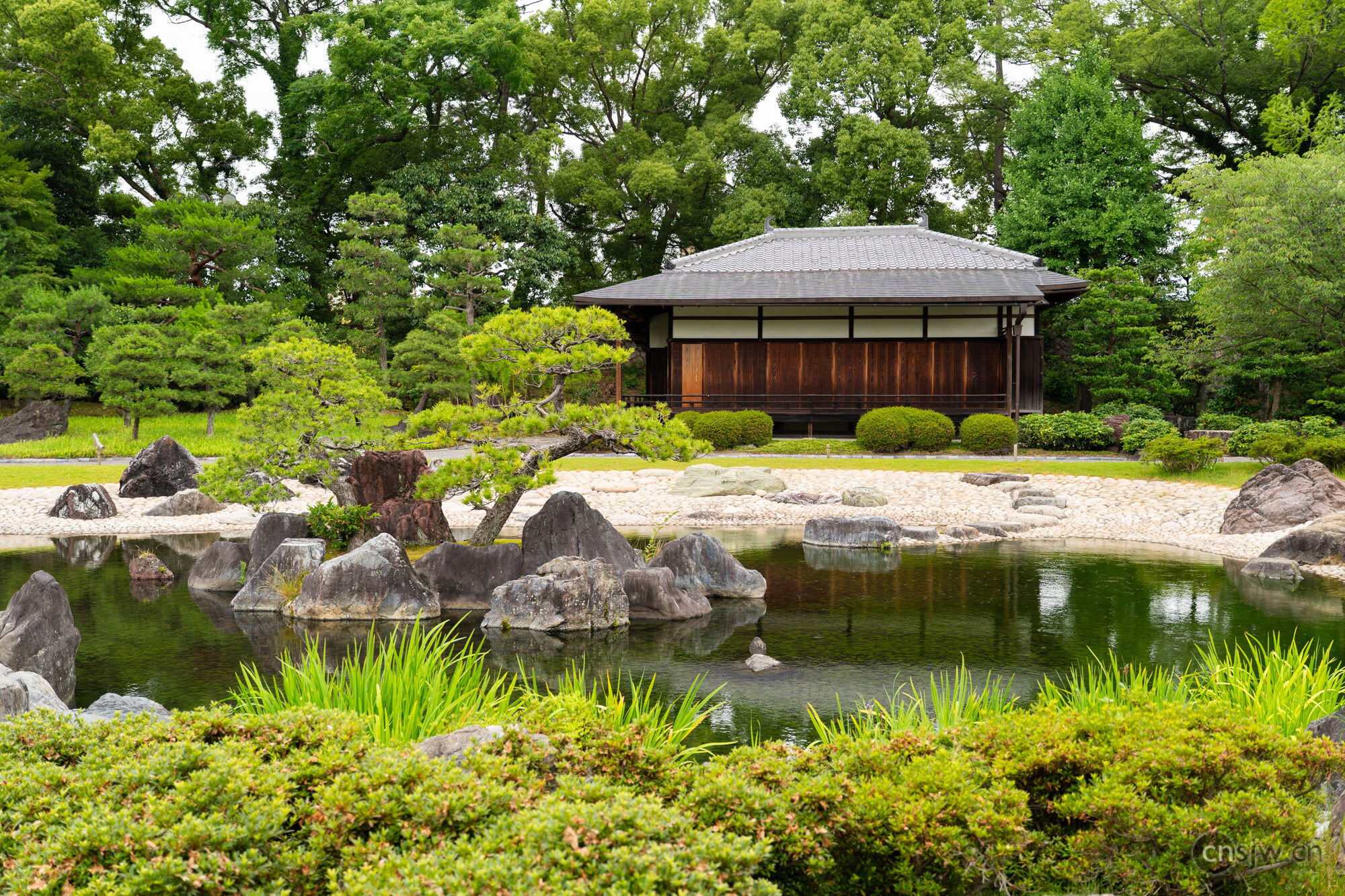
After completing the tour, you can head toward the exit. About halfway there, you’ll encounter the Seiryu-en Garden and the Waraku-an tea house inside. At Waraku-an, you can enjoy traditional Japanese sweets (wagashi) and matcha green tea in an exceptionally pleasant atmosphere. The Seiryu-en Garden is open exclusively to visitors and is exquisitely refined.
Near the exit, there is also the Nijo Castle Barrier Painting Exhibition and Storage Gallery. This facility houses and displays the original barrier paintings from the Ninomaru Palace. It opens only four times a year, totaling about 240 days, so whether it’s open during your visit is largely a matter of luck… Unfortunately, it was closed when I visited…





Support