
Shamian Island
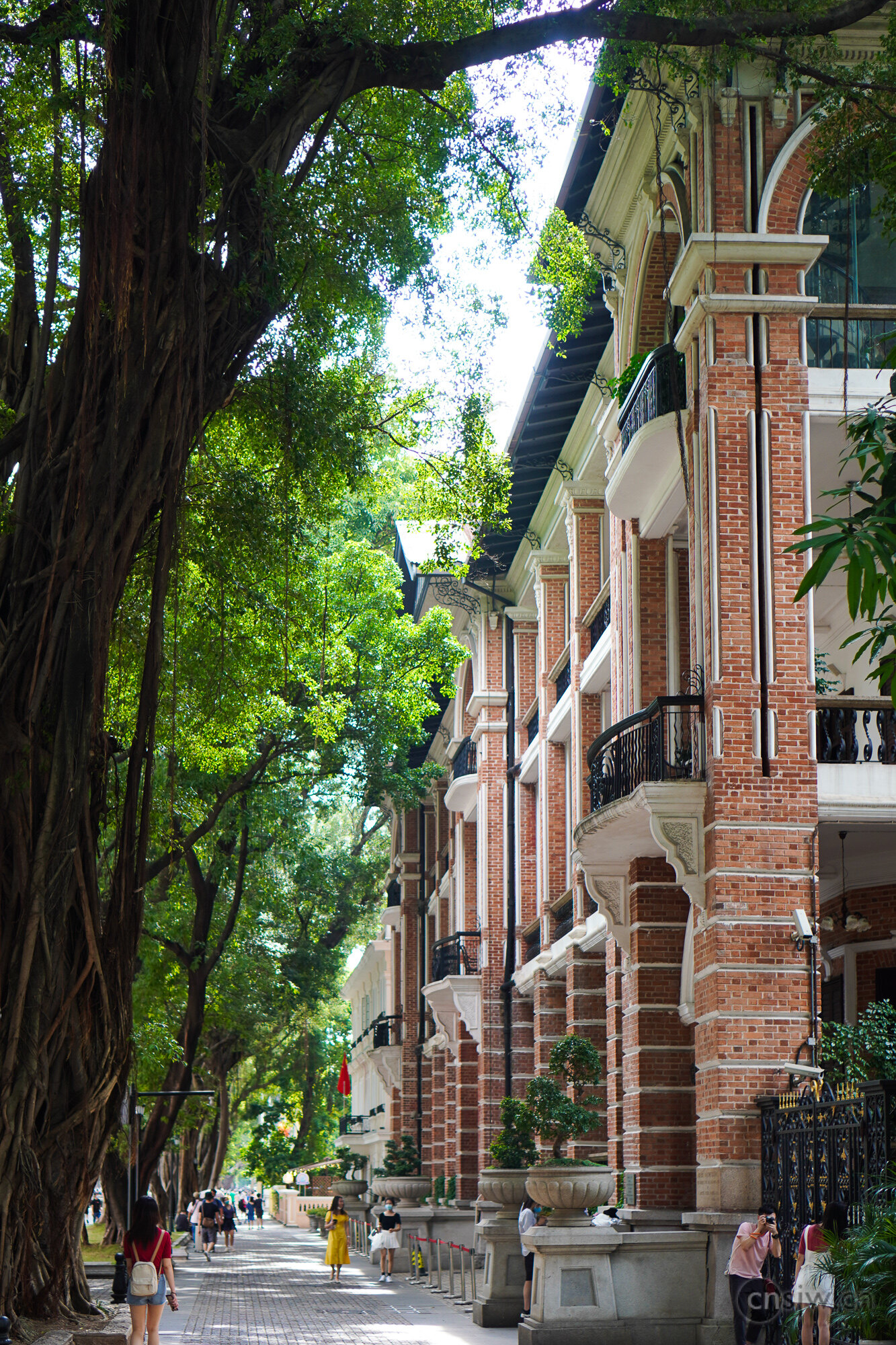
Shamian is a small man-made island on the Pearl River and was once part of the British and French Concessions. Much like the Bund in Shanghai, it is renowned for its historic European-style architecture. There are 54 sites on the island designated as Major Historical and Cultural Sites Protected at the National Level. It was also formerly a hub for foreign consulates in Guangzhou; however, due to the expansion needs of the consulates themselves and rapid development in other parts of the city, most have since relocated from Shamian.
However, the main issue with this island is that commercial development is severely lacking. Aside from a few cafes, there is practically nothing else… As a result, apart from taking a stroll and snapping some photos, there isn’t much to do here, so it doesn’t attract huge crowds. Most of the buildings appear to be vacant, and there aren’t any well-developed museums or exhibitions commemorating this history, which feels like a missed opportunity. There is a Shamian Park on the island where you can enjoy views of the Pearl River.

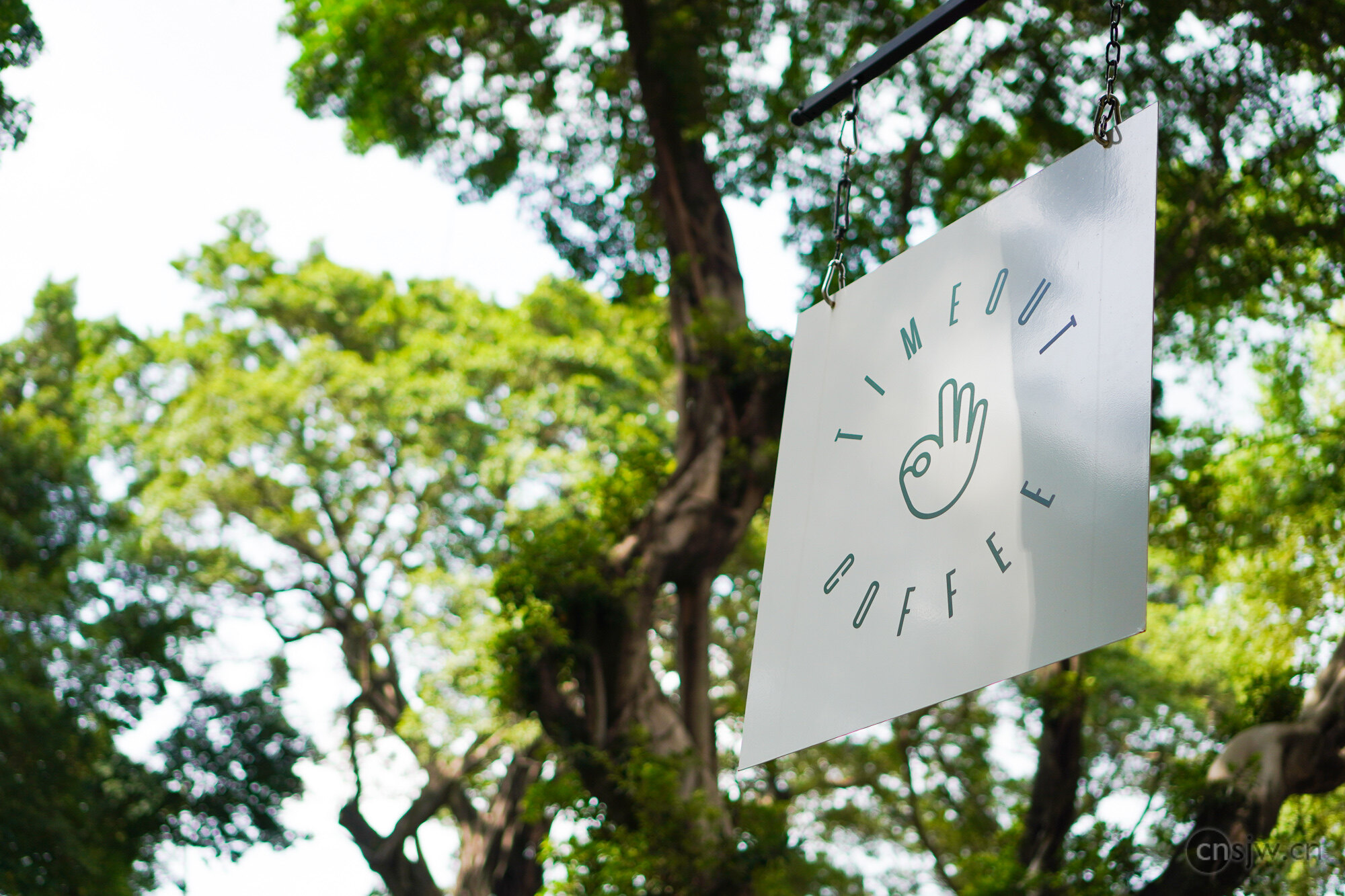
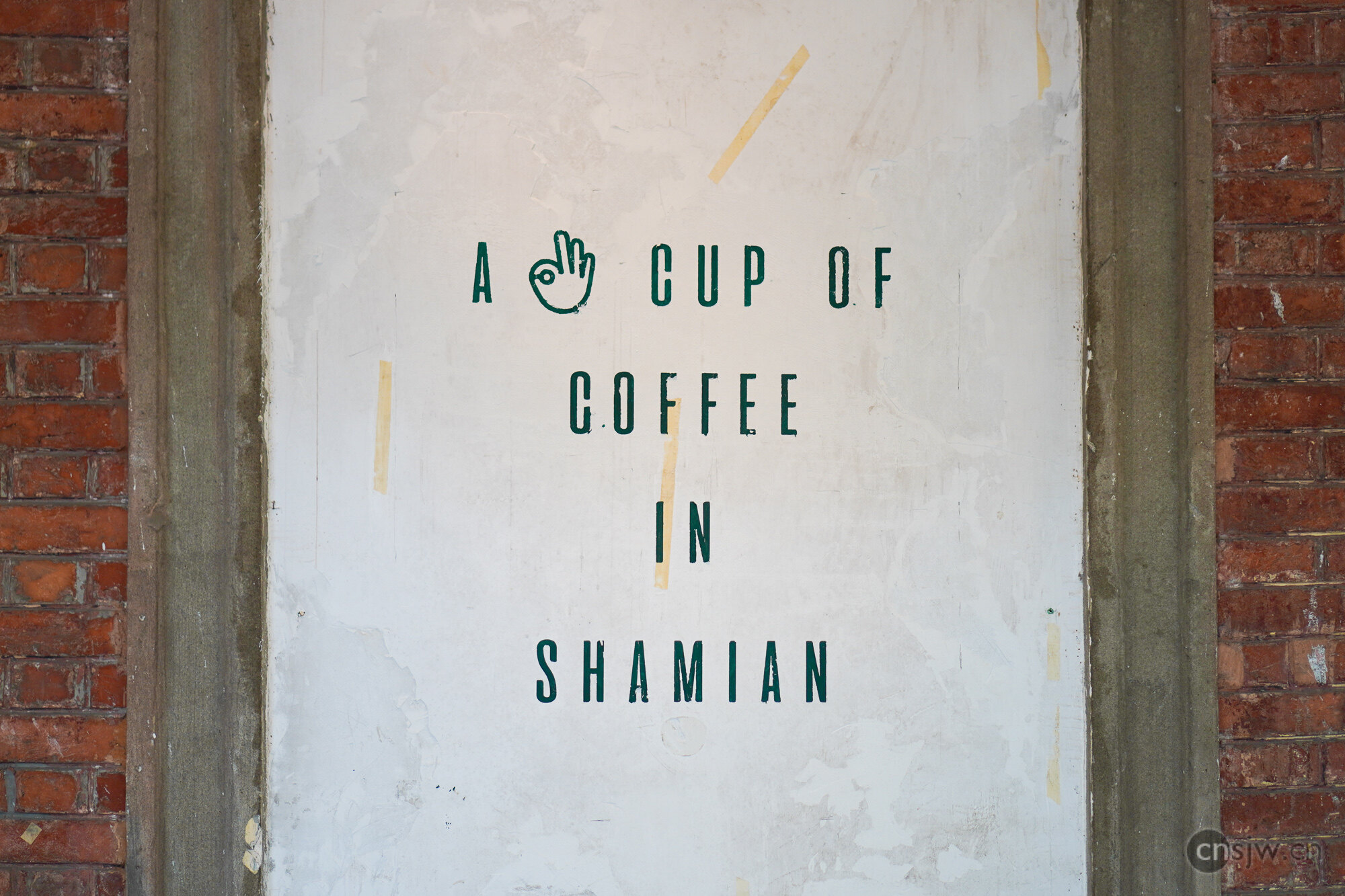
There’s a cafe on the island called Timeout that is absolutely packed—it’s hard to even find a seat. It’s a fantastic spot for photography, and the coffee is quite good too.
Jade River
When in Guangzhou, one must mention the White Swan Hotel and Jade River restaurant. The White Swan Hotel was among the first luxury hotels built after Guangzhou’s Reform and Opening-up. Funded by Henry Fok, it was constructed on reclaimed land at the southwestern tip of Shamian Island. Having hosted numerous foreign leaders, it stands as a landmark of Guangzhou. The hotel underwent extensive room renovations starting in September 2011 and reopened on July 15, 2015. The number of rooms was reduced from the original 843 to 520, significantly increasing the size of each room. The renovation was incredibly thorough; traces of the old structure are virtually gone, and it now fully meets modern five-star standards.

As the hotel’s Chinese restaurant, Jade River is not only Guangzhou’s sole three-diamond Black Pearl restaurant but has also held a Michelin One Star rating for many years. Rumor has it that getting a table is extremely difficult, but we happened to arrive at the White Swan just as they were handing out queue numbers. After a short 15-minute wait, our number was called. The interior is remarkably spacious, featuring fish ponds and widely spaced seating. The service was excellent, and we went straight ahead and ordered the three signature dishes recommended on Dianping.
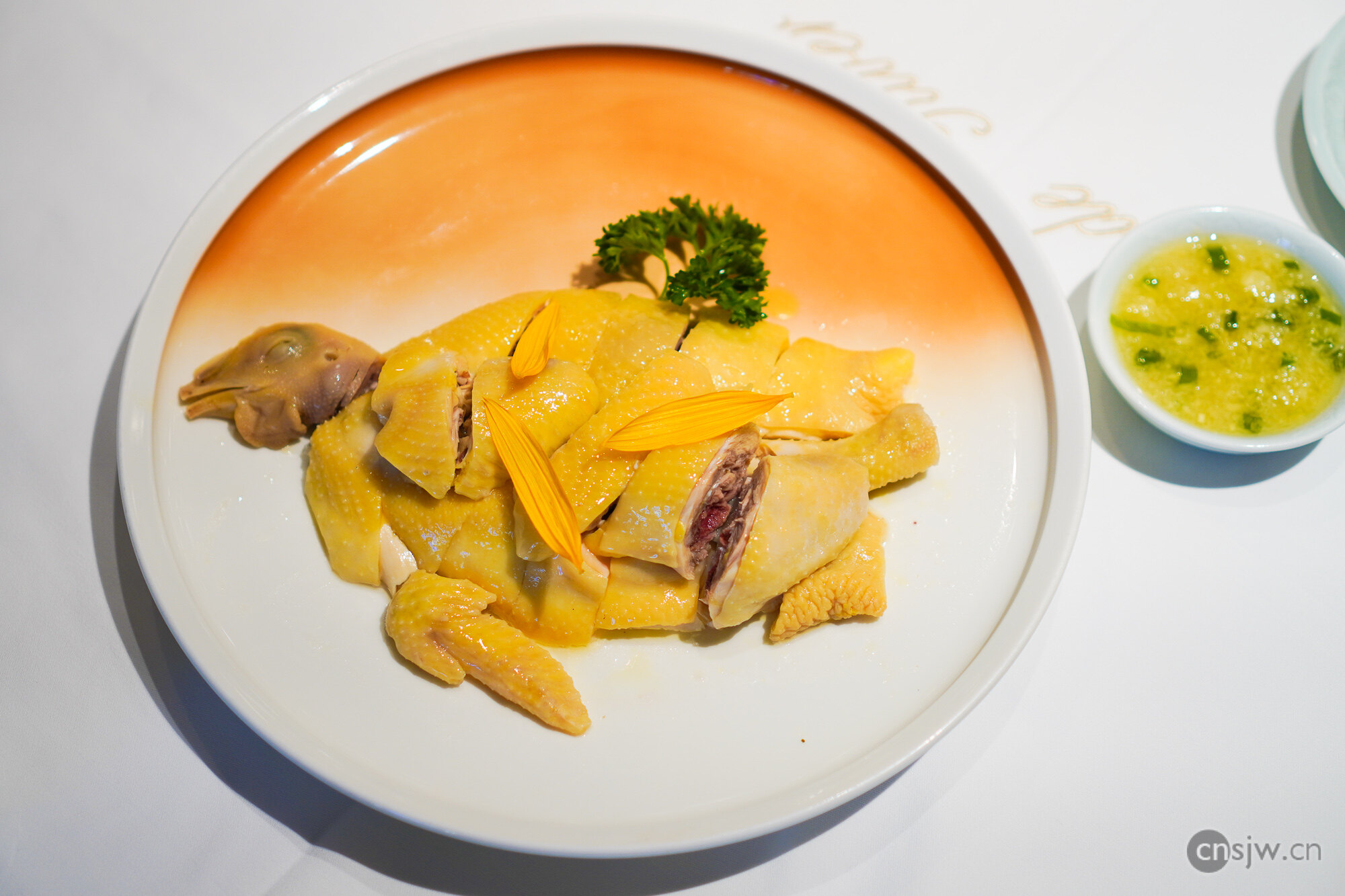
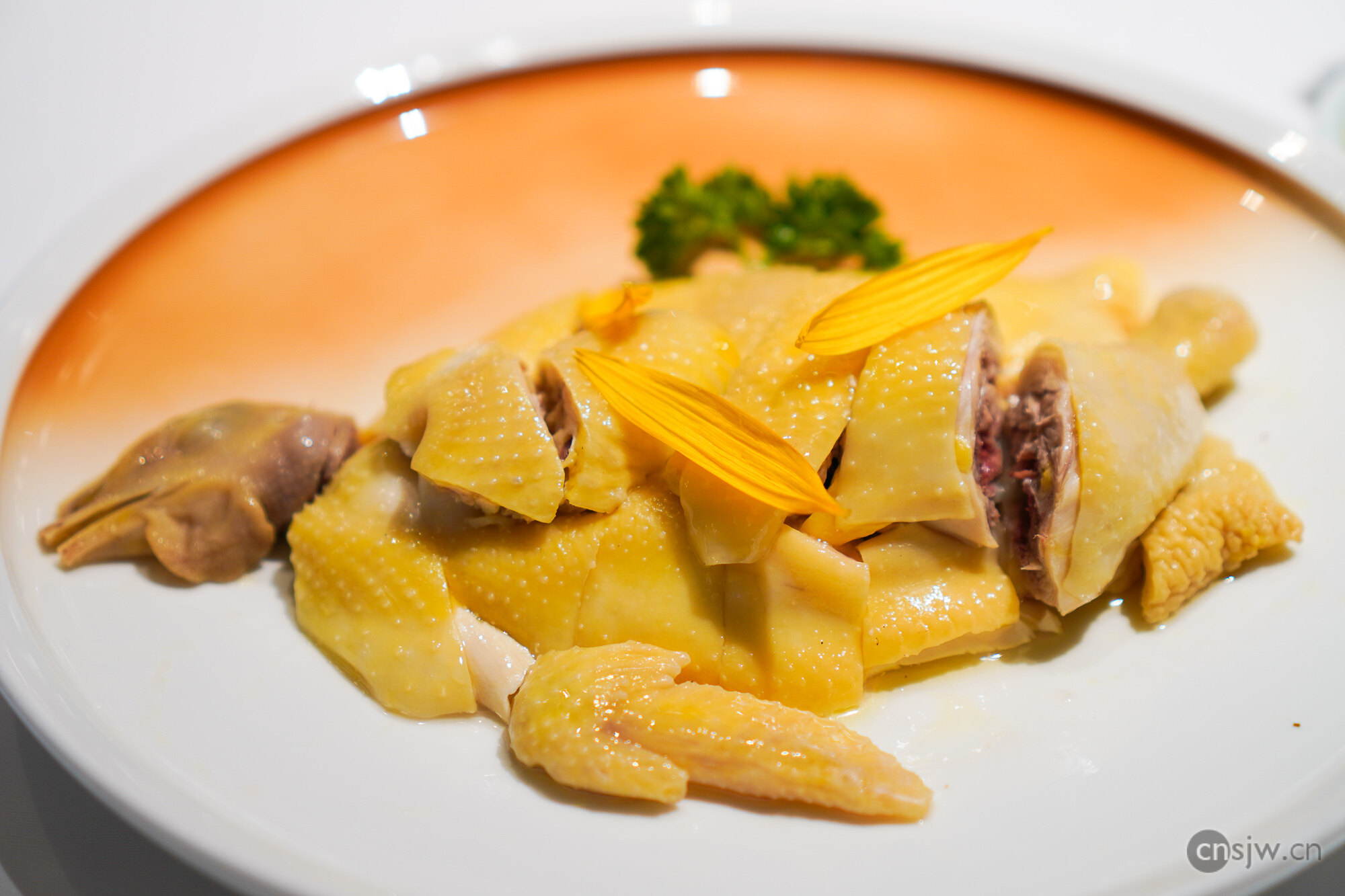
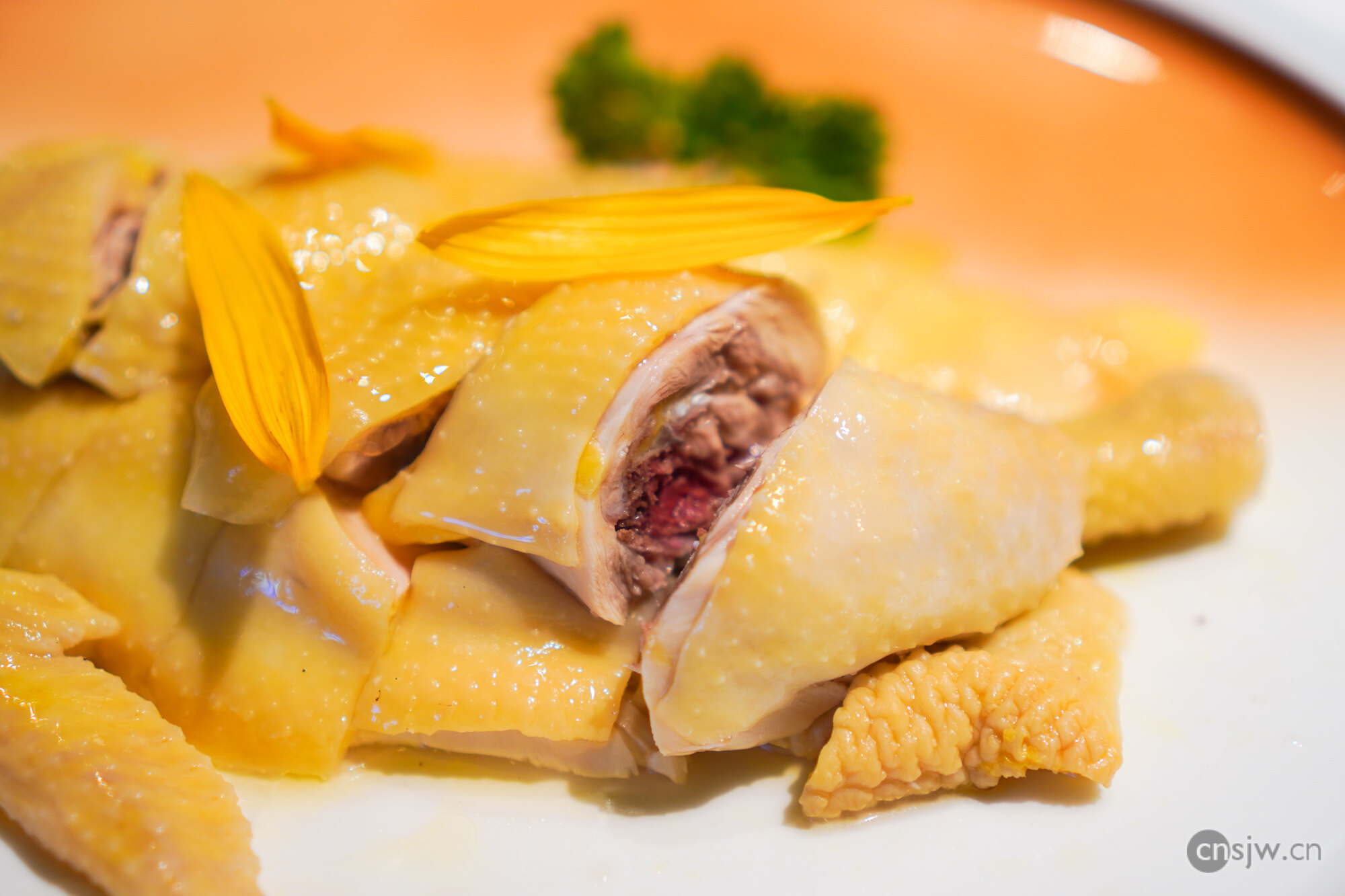
The White-Cut Sunflower Chicken is an absolute signature dish. Sourced from Million Sunflower Garden, these chickens are fed a special diet made from fresh sunflower heads, leaves, and stalks. They are characterized by their yellow skin, crispy bones, and sweet, tender meat, with a rich sunflower seed aroma permeating the marrow. Million Sunflower Garden is a massive theme park designed around ornamental sunflowers, where these chickens are semi-free-range raised. They require 120 days to mature, and due to their limited quantity, they are supplied exclusively to Jade River (though you can also try them at the park’s own restaurant, albeit with reportedly mediocre cooking).
At 388 RMB for half a chicken, the price is admittedly extravagant. The white-cut preparation essentially involves a contrast of hot and cold: the cooked chicken is plunged into ice-cold brine to prevent the skin from becoming soft and greasy, creating a gelatinous layer between the skin and meat. Mastering the heat is perhaps the most challenging part—the goal is to leave a hint of pinkness in the bone marrow. The aged master stock used for poaching is another ingredient nearly impossible to replicate at home. When eating, try it plain first, then dip it in minced ginger—it is exquisitely delicious.
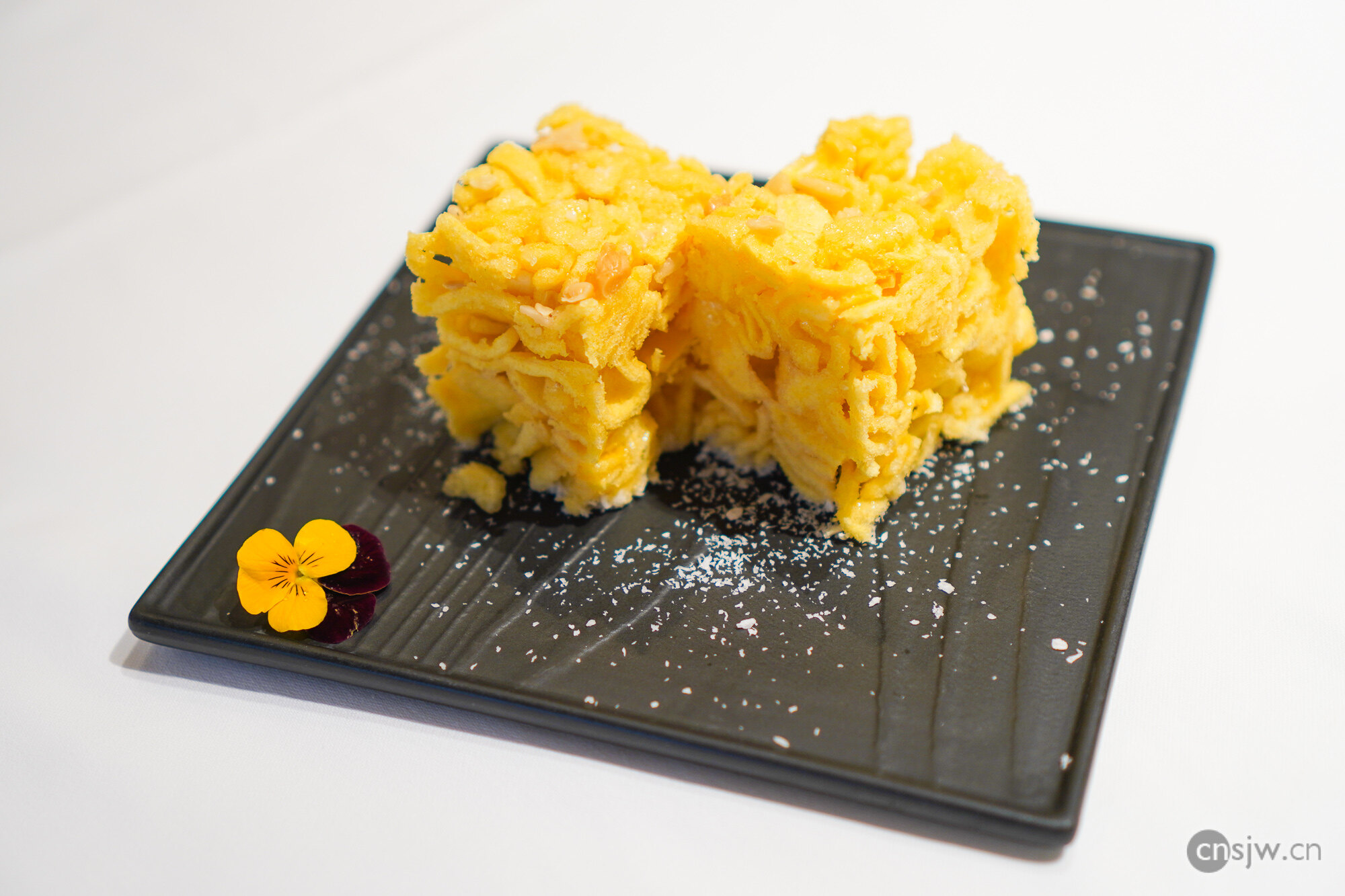
Olive Kernel Sachima: I originally expected the olive kernels to add a crunchy texture, but in reality, the pastry was soft and spongy, with notes of egg and coconut. Personally, I’m not a fan of deep-fried items that turn out overly soft, so this wasn’t really to my liking.
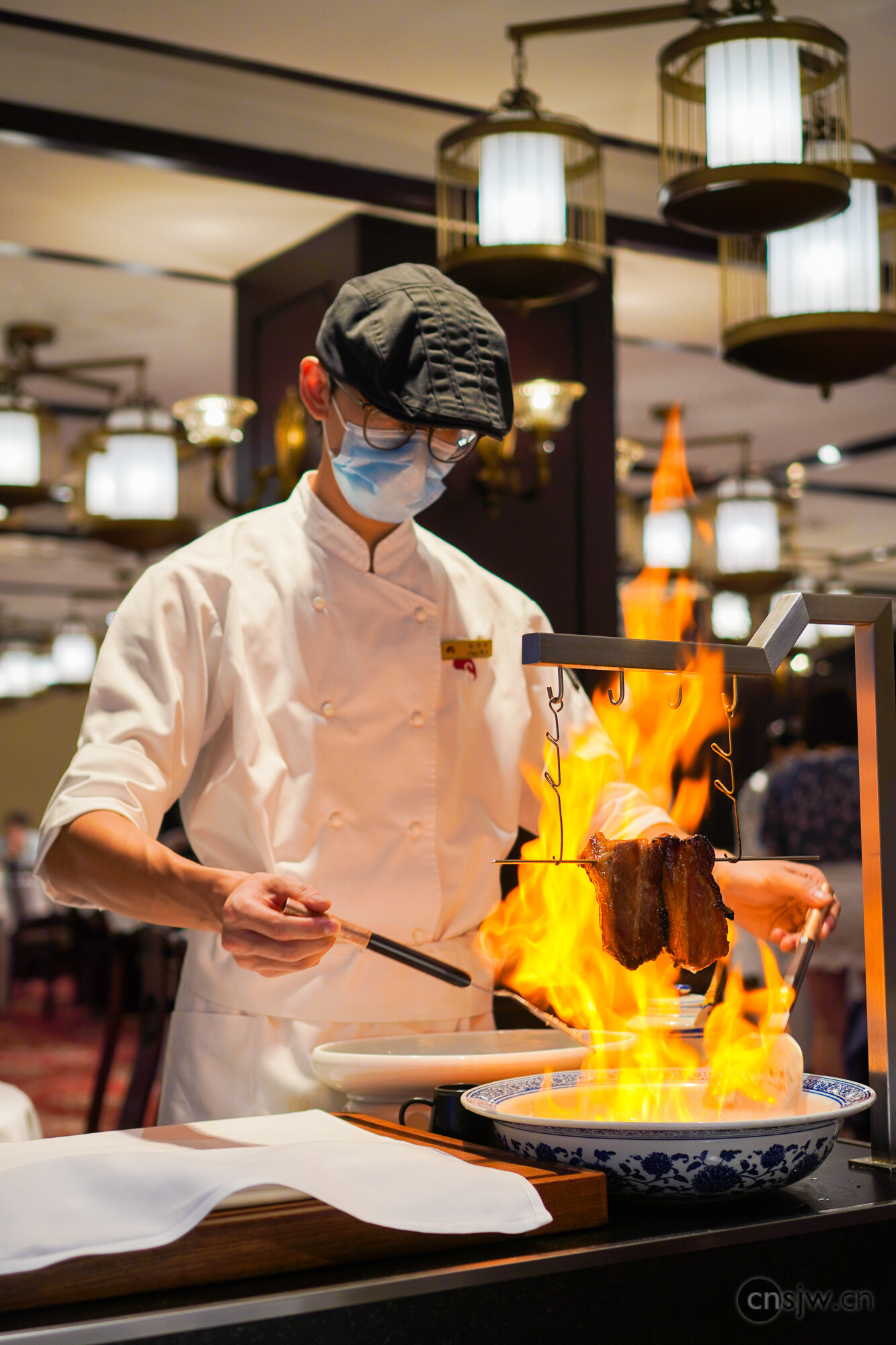
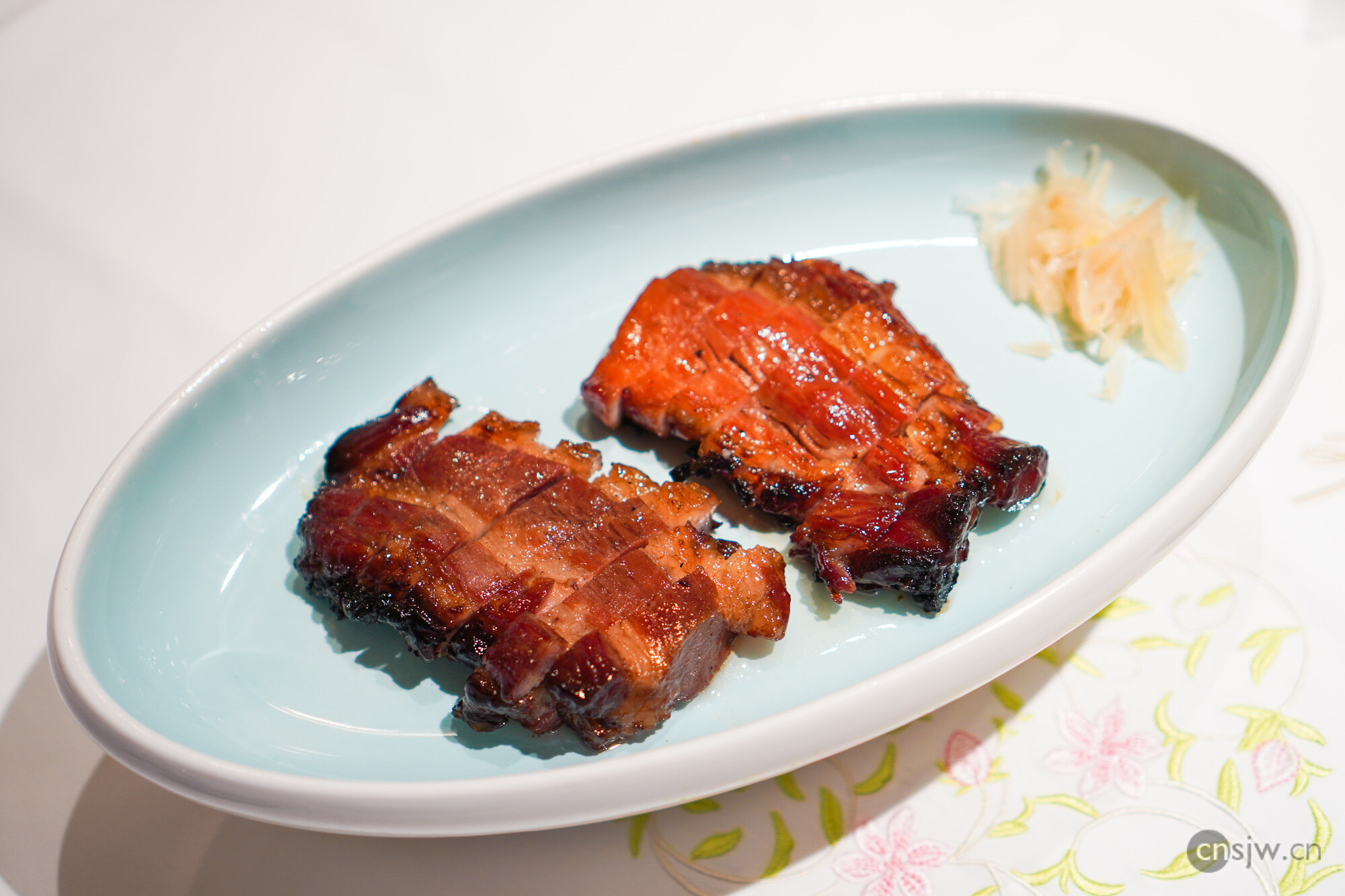
Iberian Black Pork Char Siu: Finally, the grand finale arrived—we waited a full hour for this dish. The char siu uses premium Iberian black pork, pre-cooked to 70% doneness in the kitchen before being brought out on a cart for a tableside demonstration. The chef ignites liquor over the meat, roasting it briefly before drizzling it with a sweet and savory rose honey glaze, infusing the pork with aromatic wine and honey flavors. It is then sliced, plated, and kept warm over a small candle. Every piece is succulent and juicy with firm texture—both taste and mouthfeel are taken to the absolute limit. It’s safe to say you’d be hard-pressed to find better char siu anywhere else.

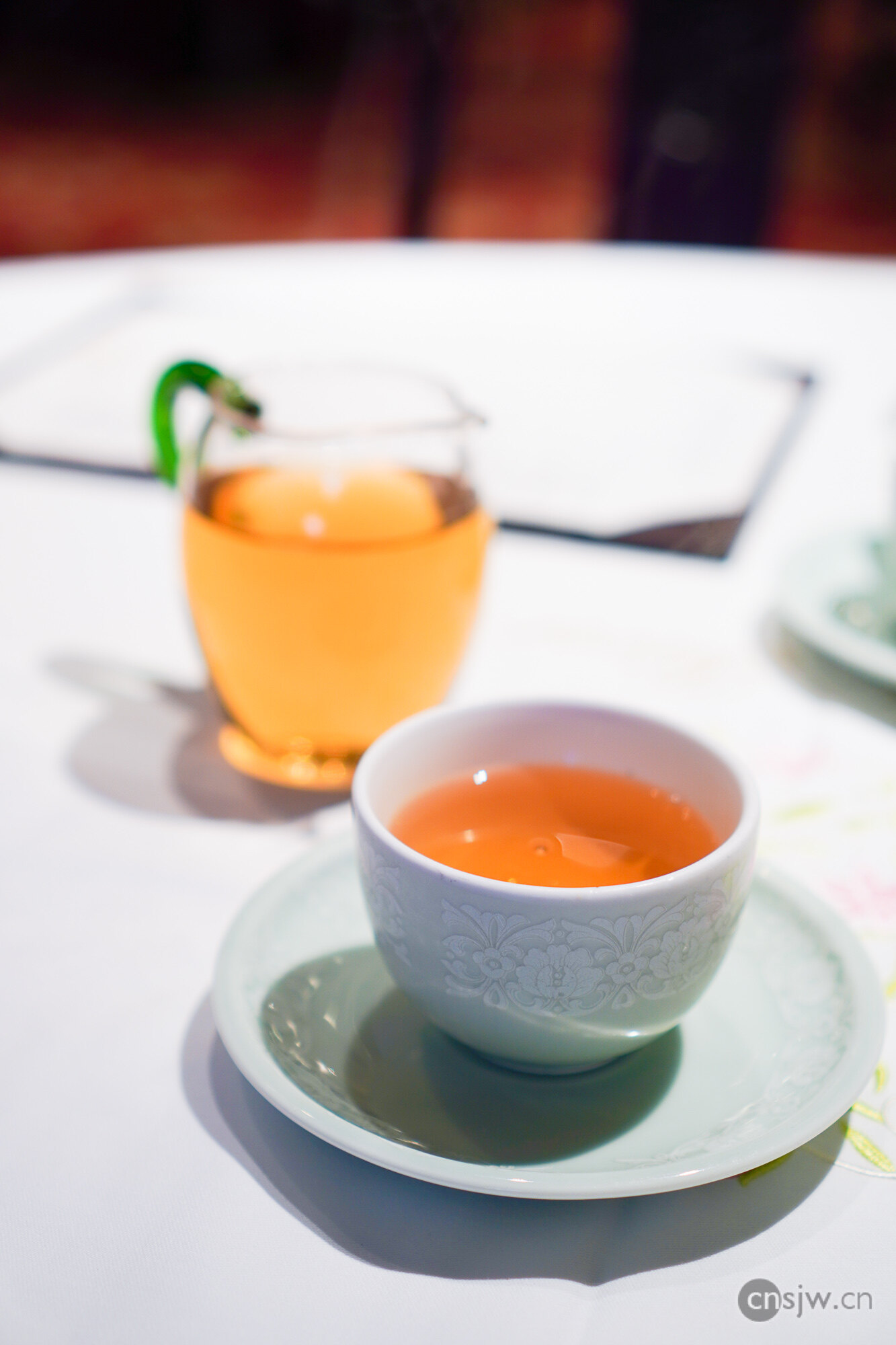
The tea is brewed at a side station and served in a fairness pitcher to ensure consistent strength and temperature throughout the meal. Refills are frequent and attentive—the service is truly outstanding.
This restaurant represents the pinnacle of Cantonese cuisine, elevating traditional dishes through exceptional ingredients. Service, flavor, and ambiance all meet exceedingly high standards—the only minor drawbacks are slightly chilly air conditioning and somewhat slow food delivery.
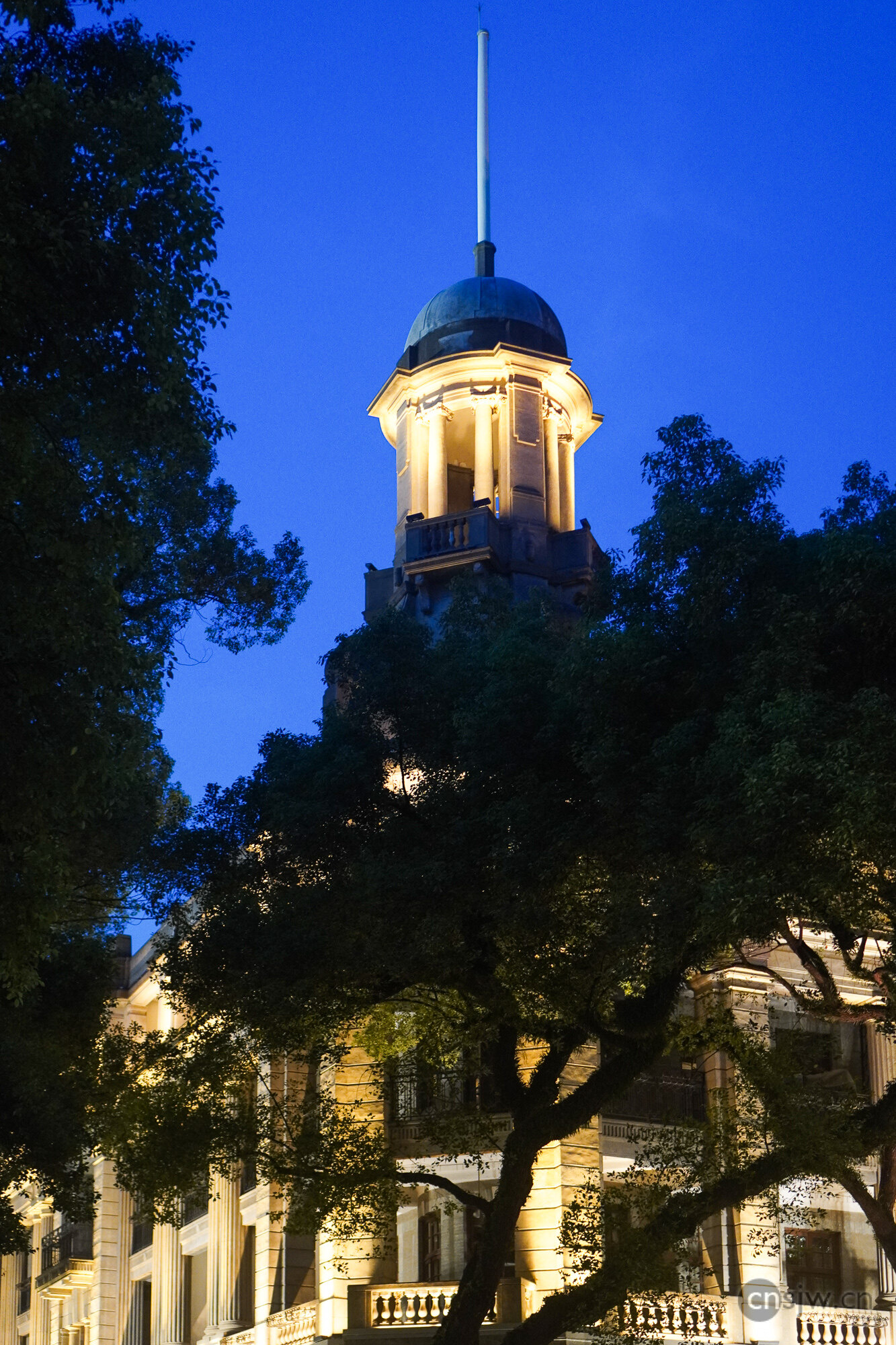
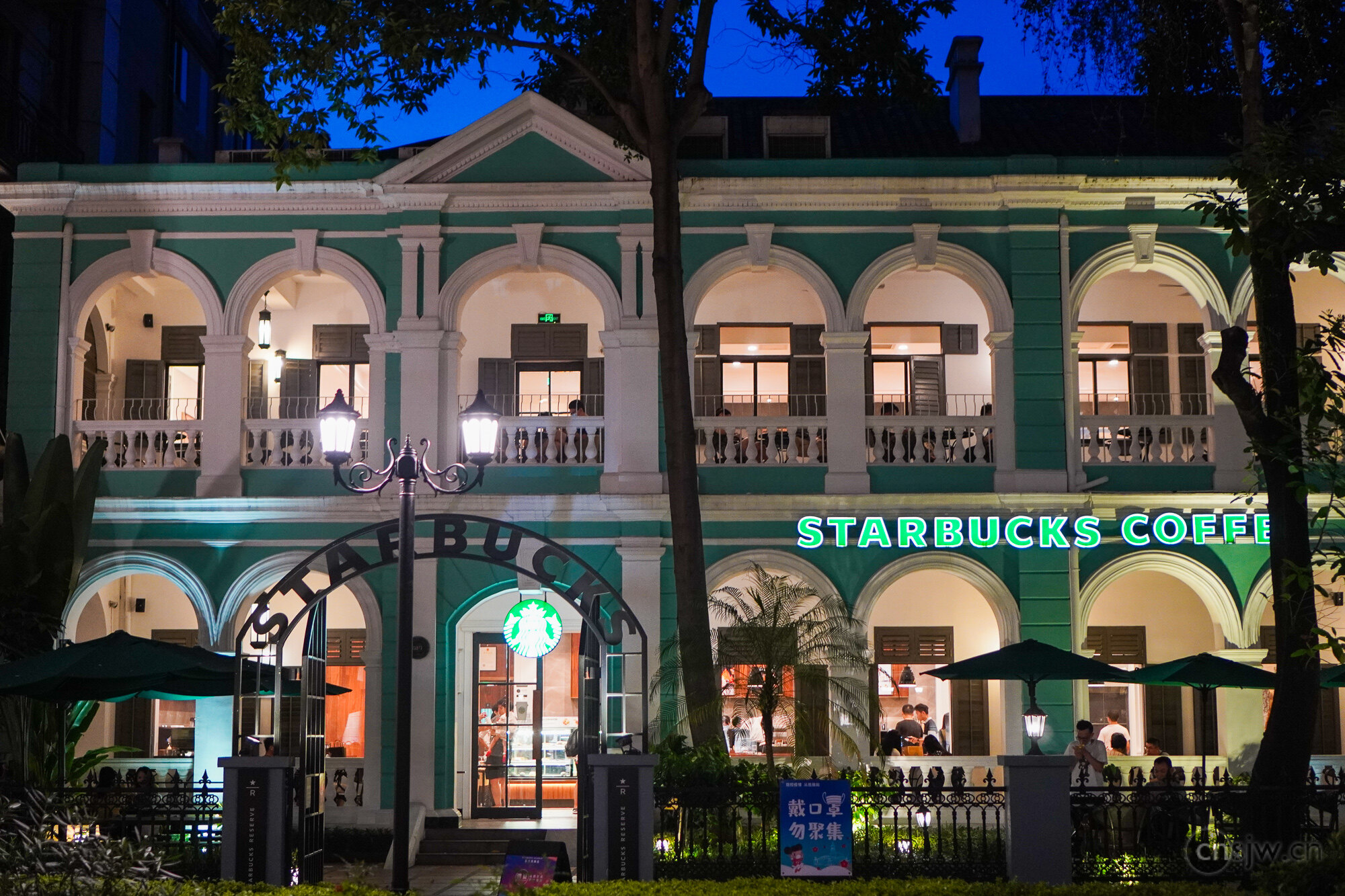
By the time we finished our meal, night had fallen, offering a chance to enjoy the evening scenery. The Starbucks here is quite charming too~~~




Support



Read this article on WeChat